
 Enter
Enter






Venice walks + tours worth taking
Arriving in Venice for a holiday, you shouldn’t deny yourself strolls around the city and—importantly—taking part in various interesting excursions, thanks to which you can learn even more about the history of this wonderful Italian city.
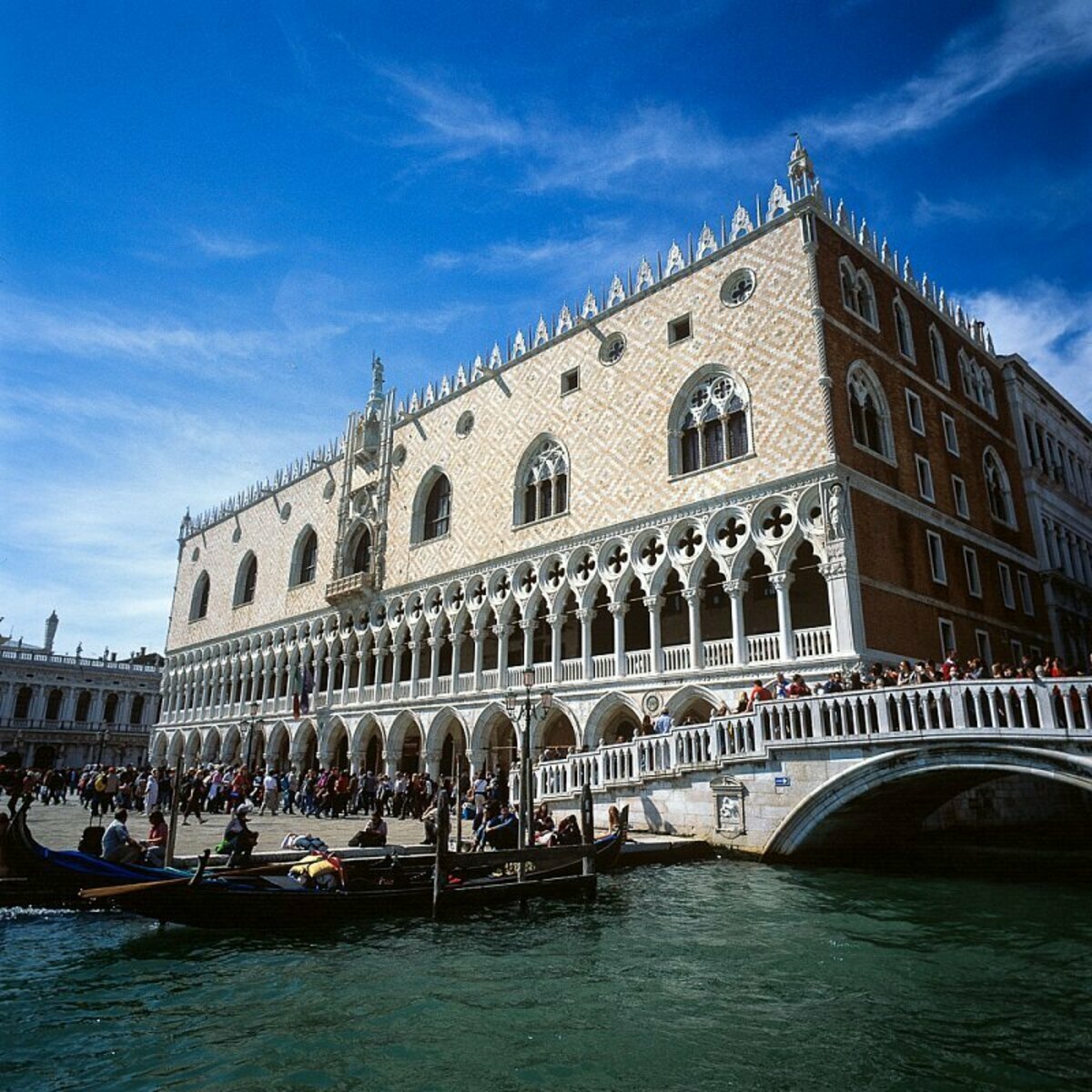
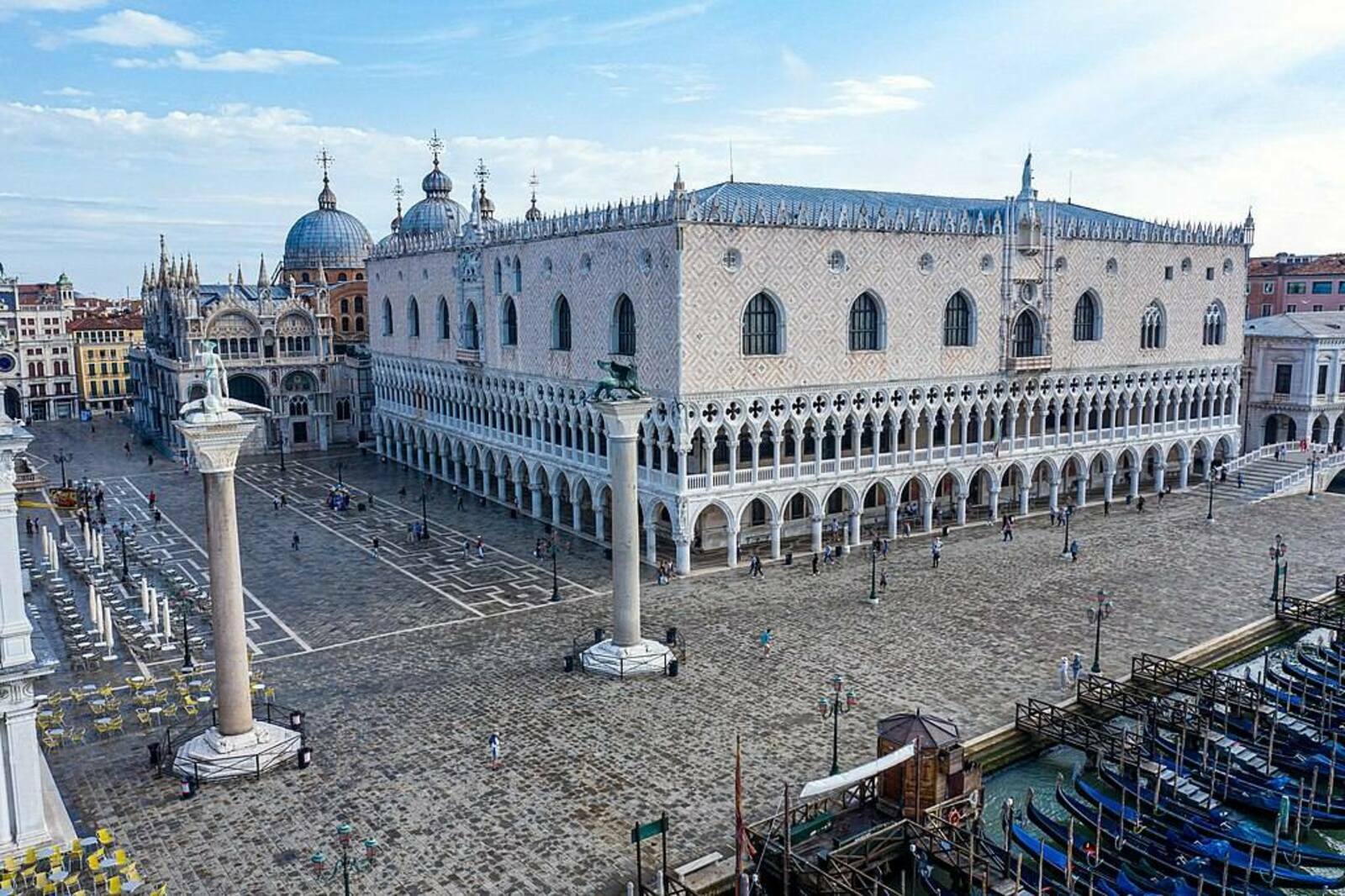
Today we invite you to explore the Doge’s Palace, which is the main attraction of Venice. It is also called Palazzo Ducale. This architectural monument of Venice is designed in the Gothic style, and the author is Filippo Calendario. The palace was built over 115 years and served as the residence of the doges—the ruler of the Venetian Republic, elected for life. It is worth noting that the institution of the doges existed for about 1,000 years, but in 1797 it was abolished.
What to know before you go
What it is: Venice’s main landmark — Palazzo Ducale (Doge’s Palace).
How to get there: by vaporetto from Piazzale Roma or Santa Lucia railway station.
Opening hours: daily 9:00–18:00 (as stated in the source text).
Ticket: about €25; it also gives access to the Correr Museum, the National Archaeological Museum and the rooms of the Marciana National Library (as stated in the source text).
Secret routes: hidden rooms and special “secret itineraries” are not included in the standard tour—book special tours in advance.
Doge’s Palace: history, institutions, and what you’ll see inside
The heart of Venetian government
The Doge’s Palace also hosted the members of the Great Council, the maritime department, the secret police and other state officials.
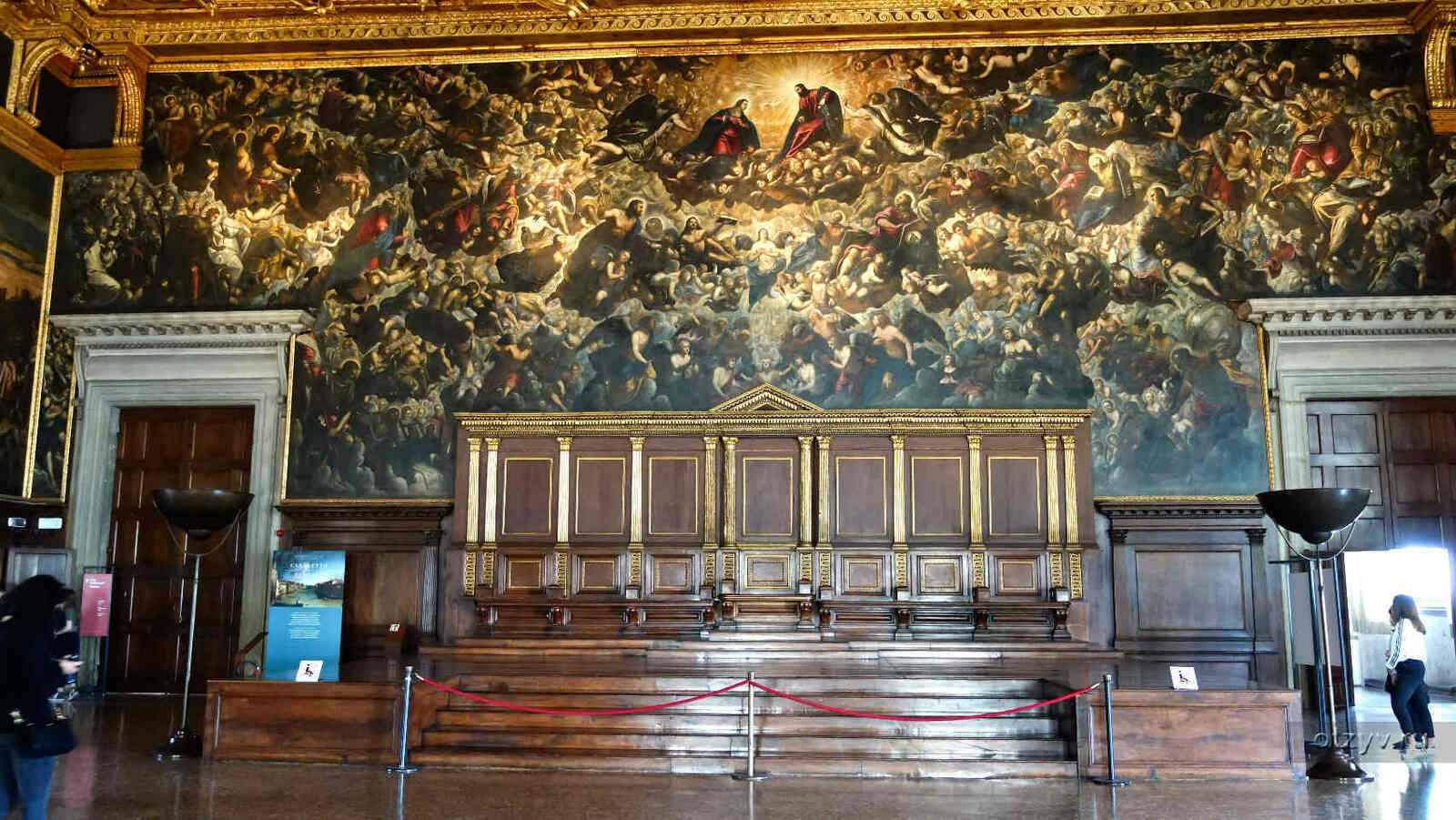
Today, the Doge’s Palace is a museum where you can see ceremonial halls and hidden rooms, the prison, and many other interesting places. You can visit on your own or as part of a guided group.
Getting there, hours, tickets
If you decide to visit the Doge’s Palace on your own, you should know that you can get there by vaporetto. You can board it at Piazzale Roma or at Santa Lucia railway station.
The Doge’s Palace is open every day from 9:00 to 18:00. The entrance ticket costs about €25, and by purchasing it you can also enter the Correr Museum, the National Archaeological Museum and the rooms of the Marciana National Library.
Note that a standard tour does not include access to hidden rooms and secret routes, so pay attention to special tours that need to be booked in advance.
What you can visit inside
Walking through the Doge’s Palace, you will be able to climb the Giants’ Staircase, visit the Hall of the Great Council, the Hall of Fate, the Coat of Arms Hall, the Scarlatti Hall, the Grimani Hall, pass along the Golden Staircase, find yourself in the Hall of the Four Doors and many other rooms, including the prison and the Armory.
Prison stories and famous names
In the prison of the Doge’s Palace, famous historical figures served their sentences—such as Giordano Bruno, and Casanova, a darling of women, who, by the way, later escaped from here.
In the Doge’s Palace you can also see a rich collection of works by well-known great artists from all over the world.
Guided tour option (via our website)
You can book a tour to the Doge’s Palace on our website, starting from €43 per person. You can learn all the details from our managers.
What to do
Walk around Venice first—getting lost in the streets and canals sets the perfect mood before the palace visit.
Choose your pace: visit independently or join a guided group to hear the stories behind the halls and institutions.
If hidden rooms and “secret routes” are a priority, book a special tour in advance (they’re not part of the standard route).
1-day itinerary
Morning: arrive early by vaporetto (Piazzale Roma or Santa Lucia) for a calmer entry.
Midday: focus on the main halls and staircases mentioned in the route (Giants’ Staircase, Hall of the Great Council, Golden Staircase, etc.).
Finish: include the prison and the Armory to round out the story of power and justice.
2-day itinerary
Day 1: take the classic museum route: ceremonial halls, staircases, the prison, the Armory, and the art collection.
Day 2: add a special tour for hidden rooms and secret itineraries (book in advance), if that’s your main interest.
Bonus: according to the source text, the ticket can also include the Correr Museum, the National Archaeological Museum and the rooms of the Marciana National Library—plan them as a separate block.
How to get there
If you decide to visit the Doge’s Palace on your own, you can get there by vaporetto. You can board it at Piazzale Roma or at Santa Lucia railway station.
FAQ: Doge’s Palace (Venice)
What is the other name of Doge’s Palace?
It is also called Palazzo Ducale.
What architectural style is the palace built in?
According to the source text, it is in the Gothic style and is attributed to Filippo Calendario.
How long did it take to build?
The source text states it was built over 115 years.
What institutions worked inside the palace?
The Great Council, the maritime department, the secret police and other state officials are mentioned in the source text.
How do you get there by water transport?
By vaporetto from Piazzale Roma or Santa Lucia railway station (as stated in the source text).
What opening hours are mentioned?
Daily 9:00–18:00 (as stated in the source text).
How much is the ticket (as stated in the text)?
About €25.
What else can the ticket include?
The Correr Museum, the National Archaeological Museum and the rooms of the Marciana National Library (as stated in the source text).
Are hidden rooms included in a standard tour?
No—according to the source text, hidden rooms and secret itineraries require special tours booked in advance.
Which halls and staircases are mentioned?
The Giants’ Staircase, Hall of the Great Council, Hall of Fate, Coat of Arms Hall, Scarlatti Hall, Grimani Hall, the Golden Staircase, and the Hall of the Four Doors, among others.
Can you visit the prison inside the palace?
Yes—the source text mentions that the route includes the prison.
Which famous historical figures are mentioned?
Giordano Bruno and Casanova (who, according to the text, later escaped).