
 Enter
Enter







Special Offers

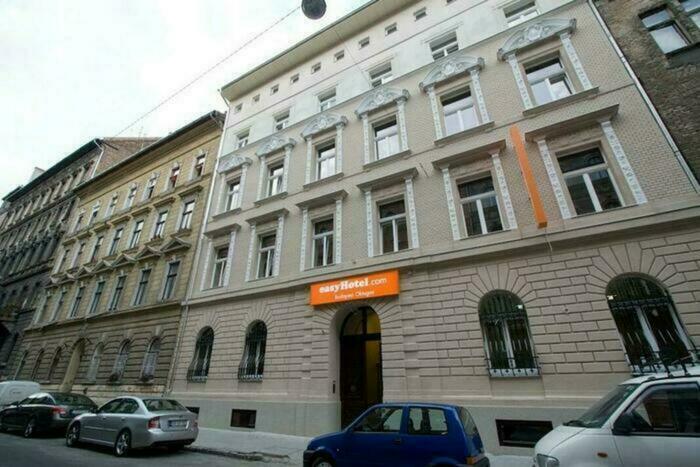



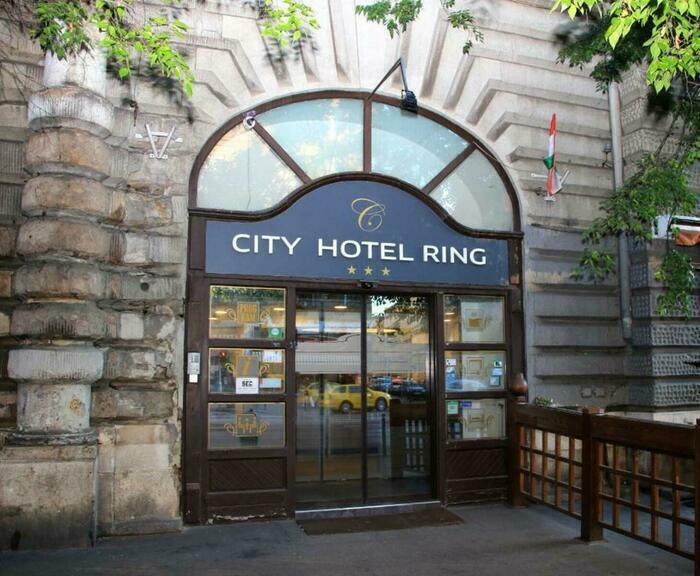
There are many places in Hungary that are worth visiting. Listing them could take a long time. But we can say with confidence: any trip to Hungary includes fascinating excursions around the country, exploring its iconic spots, and the chance to improve your well-being in thermal baths.
FAQ — Hungary
When is the best time to visit Hungary?
Spring and autumn are great for city walks and sightseeing, summer is popular for lakes, and winter is perfect for thermal baths.
Do I need a visa for Hungary?
Entry rules depend on your citizenship; check the current requirements and documents before you travel.
What currency is used and how do I pay?
Hungary uses the Hungarian forint (HUF). Cards are widely accepted, but cash can be handy in small places.
How many days should I plan?
Budapest often works well in 3–5 days; for thermal baths and day trips around the country, plan 7–10 days.
How do I travel between cities?
Trains and buses are convenient; for maximum flexibility, consider renting a car—especially for rural areas.
What should I know about thermal baths?
Many have pools, saunas, and treatments. Bring swimwear, slippers, and a towel; rentals are often available.
Is Hungary good for families with kids?
Yes—there are parks, zoos, Danube cruises, and thermal bath complexes with family-friendly areas.
What are popular excursions?
Common picks include Budapest highlights, a Danube cruise, castle visits, and wine-region trips.
What plugs and voltage are used?
Hungary typically uses European plugs (Type C/F) and 230V. Bring an adapter if you need one.
SIM/eSIM and internet: what’s best?
You can use roaming (where available) or buy a local SIM/eSIM. Wi-Fi is common in hotels and cafés.
What if it rains during my trip?
Switch to museums, galleries, cosy cafés, or simply enjoy a relaxing day in the thermal baths.
Do I need travel insurance?
Travel insurance is strongly recommended to cover medical costs and unexpected situations.