
 Enter
Enter







What “First-Line Hotels” Are — and Why It Can Be Confusing
Tourists often hear the term “first-line hotels.” Even when people generally understand what it is, they don’t always know the key advantages and disadvantages of this type of accommodation. Below, we cover the topic in more detail.
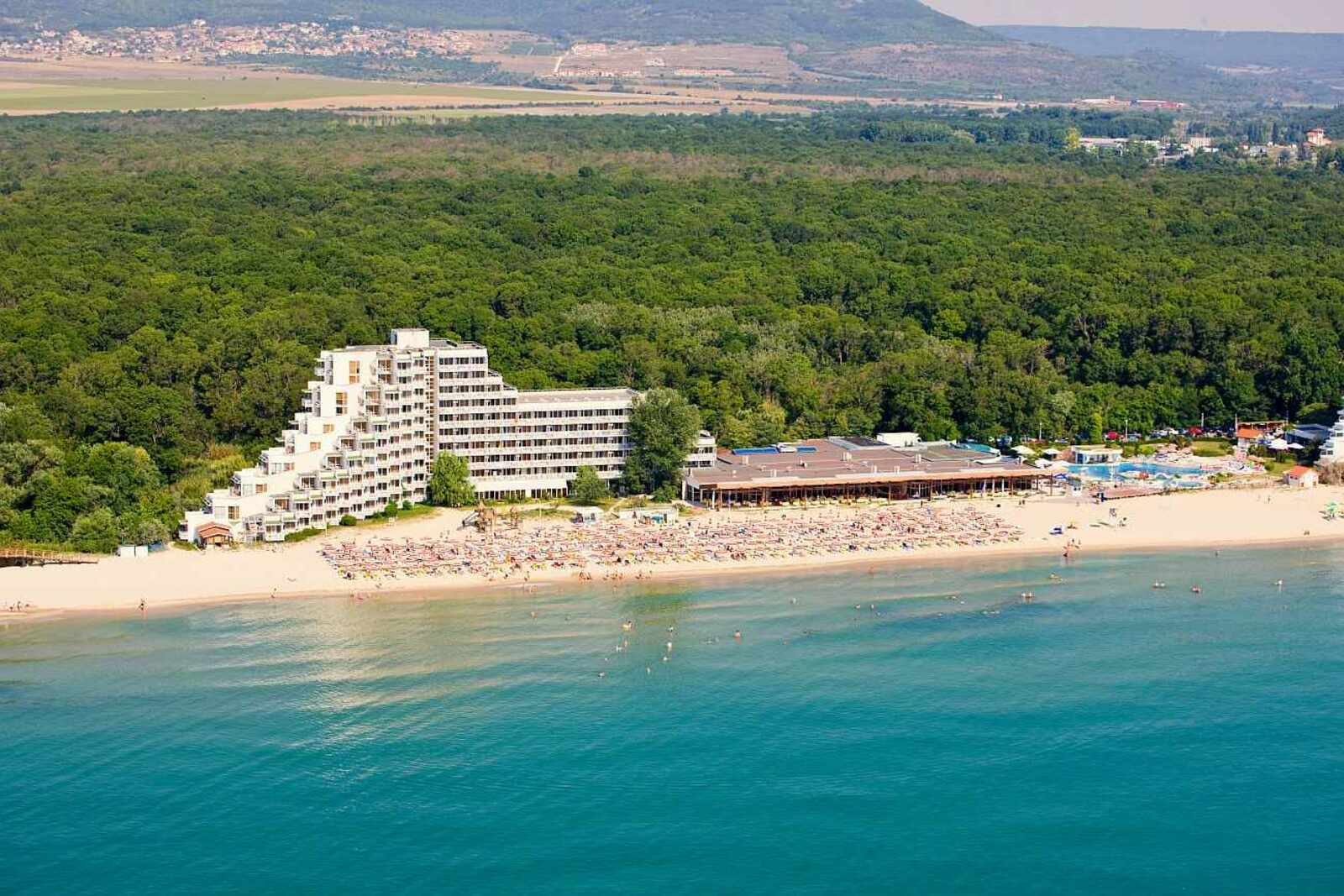
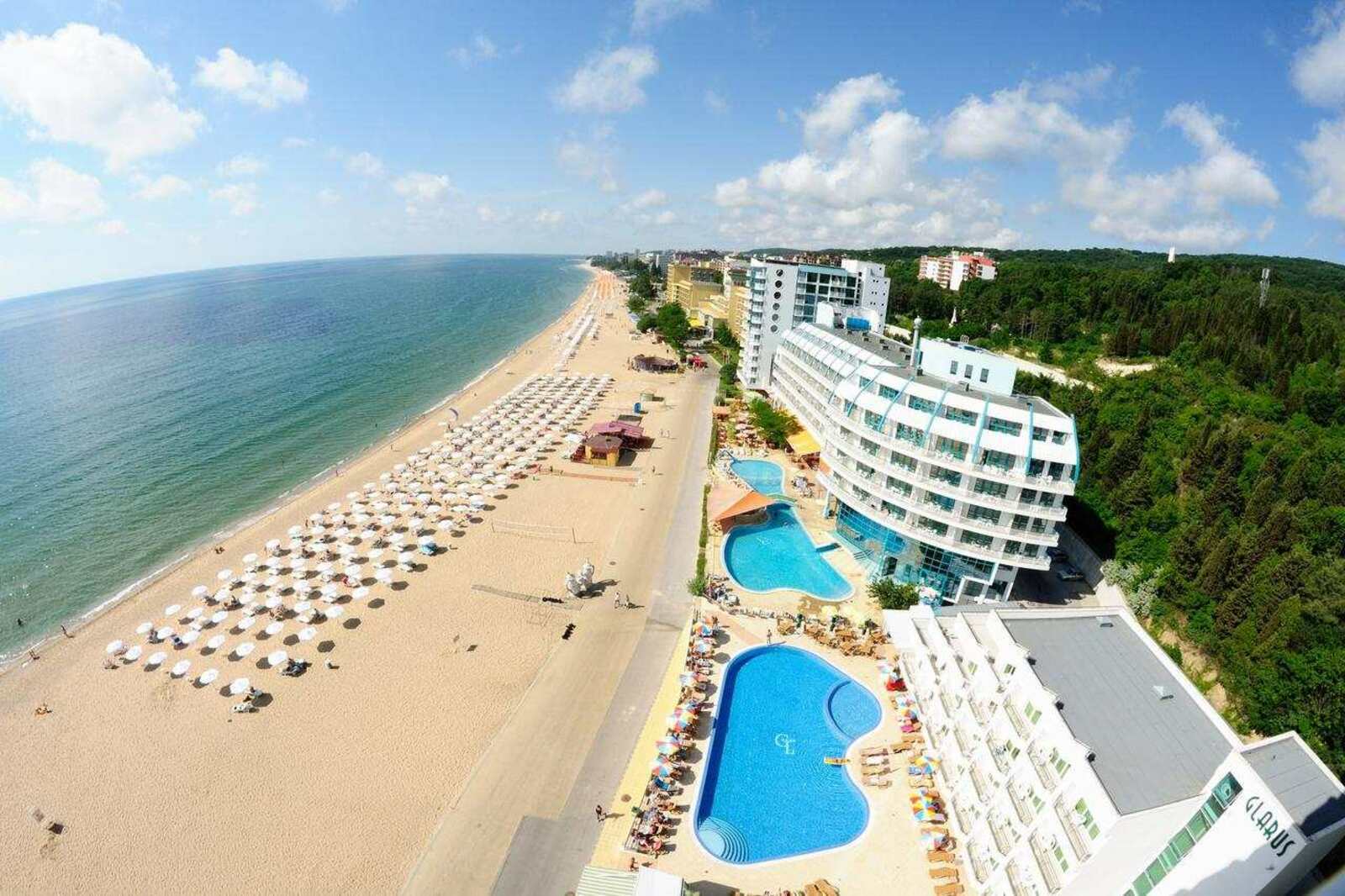
So, first-line hotels are those with no buildings or structures standing in front of them in relation to the beach. Hotels of this type can be located as far as 1 kilometer from the sea — for example, in Egypt. You can reach the sea for free — a shuttle transfer is usually provided for this purpose.
It’s important to understand that good first-line hotels can eventually move into the “second-line” category. This happens when a new hotel is built in front of the original one.
Still, you should keep in mind that the vast majority of first-line hotels are located close to the sea, within walking distance.
What to Check Before You Book
“First line” means no buildings between the hotel and the beach — but distance to the sea can still vary.
In some destinations, it can be up to 1 km to the sea — sometimes with a free shuttle.
A “first-line” hotel can become second line over time if a new hotel is built in front of it.
Most first-line hotels are still close to the sea, typically within walking distance.
Expect higher demand and often higher prices — especially during peak season.
Pros and Cons — Explained
Advantages of First-Line Hotels
Advantages of first-line hotels
One of the key benefits that characterize the best first-line hotels is a sea view from the room windows. By the way, such hotels are also divided into two categories — with a direct sea view (SV — Sea View) and with a side sea view (SSV — Sea Side View). Hotels with a direct sea view cost more, but throughout your vacation you’ll be able to enjoy the beautiful view right from your room.
Very often, affordable first-line hotels have their own private beach, where you can find a bar, changing rooms, and sun loungers with umbrellas.
Disadvantages of First-Line Hotels
Disadvantages of first-line hotels
First-line hotels are most often booked in advance, and rooms sell out quickly. That’s why it’s recommended to reserve such hotels early.
During peak season, hotels of this type are overloaded and service can suffer — lines form in restaurants, you may need to “claim” sun loungers early, and so on.
On top of that, first-line hotels are always more expensive than second- and third-line hotels.
So, sometimes it’s necessary to compare all the pros and cons of hotels located on the first line. Our managers can always help you with that!
Under the article you can find a button labeled “FREE CONSULTATIONS” — by clicking it, you can get absolutely free help and support from our caring consultants, who will help you make the right choice and pick the best hotel.
Practical Tips for a Smart Choice
What to Do: What to Check Before Booking
Confirm there are no buildings between the hotel and the beach (that’s the core “first-line” criterion).
Check the real distance to the sea: it can be up to 1 km in some destinations, sometimes with a free shuttle.
If the view matters, ask what your room offers: SV (Sea View) or SSV (Sea Side View).
Clarify the beach setup: private beach, loungers/umbrellas, a bar, and changing rooms — if those are important to you.
1-Day Itinerary: A Quick “First-Line Hotel” Check
Morning: test the walk to the sea and check the free shuttle (if the hotel offers one).
Daytime: evaluate the beach — private or public, plus loungers/umbrellas, a bar, and changing rooms.
Evening: ask about SV/SSV options and what peak-season crowding looks like in practice.
2-Day Itinerary: “Price vs. Comfort” Without Rushing
Day 1: focus on the main benefits — proximity, view, and beach facilities (if available).
Day 2: watch peak hours — restaurant lines, early “reserved” loungers, and overall service load.
Final step: compare the price with second/third-line options to decide if the upgrade is worth it for you.
How to Reach the Sea if a “First-Line” Hotel Isn’t Right on the Beach
Hotels of this type can be located as far as 1 kilometer from the sea — for example, in Egypt. You can reach the sea for free — a shuttle transfer is usually provided for this purpose.
FAQ: First-Line Hotels
What does “first-line hotel” mean?
It means there are no buildings or structures between the hotel and the beach.
Is first line always “right on the beach”?
Not always: in some destinations, the distance can be larger and a free shuttle may be provided.
Why can a first-line hotel become second line?
If a new hotel is built in front of it, the category can change over time.
What are the main advantages of first-line hotels?
Typically: closer access to the sea, possible sea views, and convenient beach facilities.
What do SV and SSV mean?
SV is a direct Sea View, while SSV is a side Sea Side View.
Why is an SV room usually more expensive?
Because a direct sea view is more desirable and often enhances the vacation experience.
What are the disadvantages of first-line hotels?
They sell out fast, can be overloaded in peak season, and are usually more expensive than 2nd/3rd line hotels.
Why can service suffer during peak season?
Because of high occupancy: restaurant lines and the need to take sun loungers early.
How do I decide if the extra cost is worth it?
Compare the pros and cons with second/third-line alternatives based on your priorities.