
 Enter
Enter



Find and book tours to the Canary Islands online

Advantages and features of a beach holiday in the Canary Islands
Speaking about the climate in the Canary Islands, there is no definite answer or recommendation, because the climate on the different islands of the archipelago can be different during the same period. It’s true! For example, while you sit under the gentle sun of Fuerteventura, on La Palma people will be soaked by rain. But for those who plan to book a Canary Islands holiday 2026, we suggest two basic points:
1. On the islands located in the east, the weather is warmer and drier than on those in the west.
2. The islands located in the south are warmer and sunnier, unlike those in the north.
In winter, the air temperature on the beaches of the Canary Islands is around +19 degrees, and in summer — around +25 degrees.
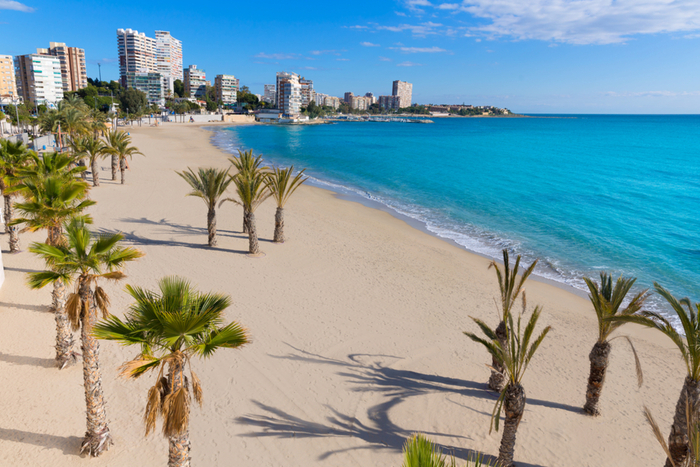
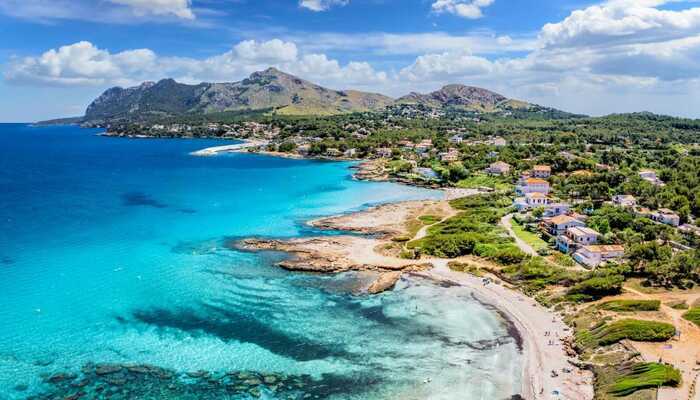
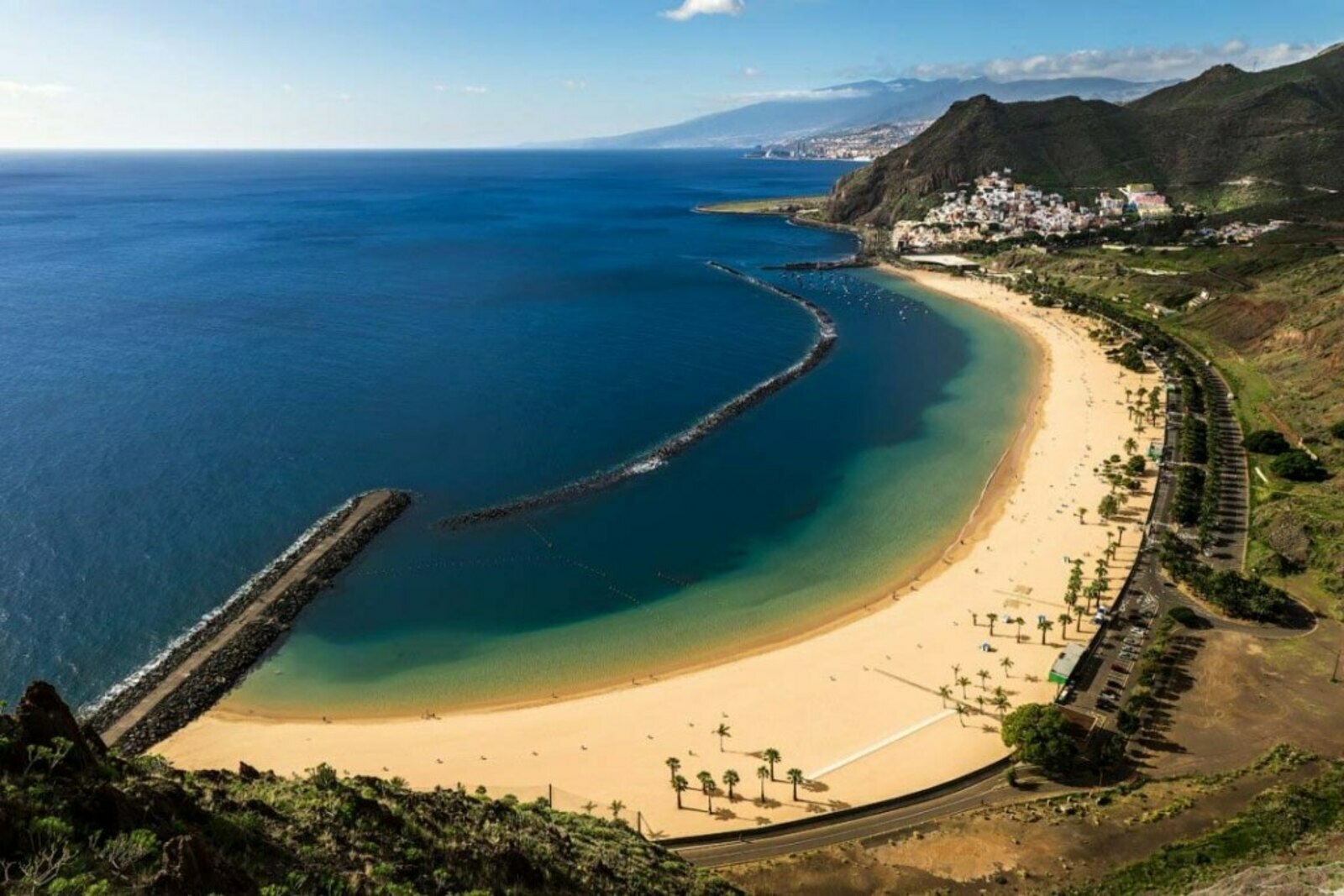
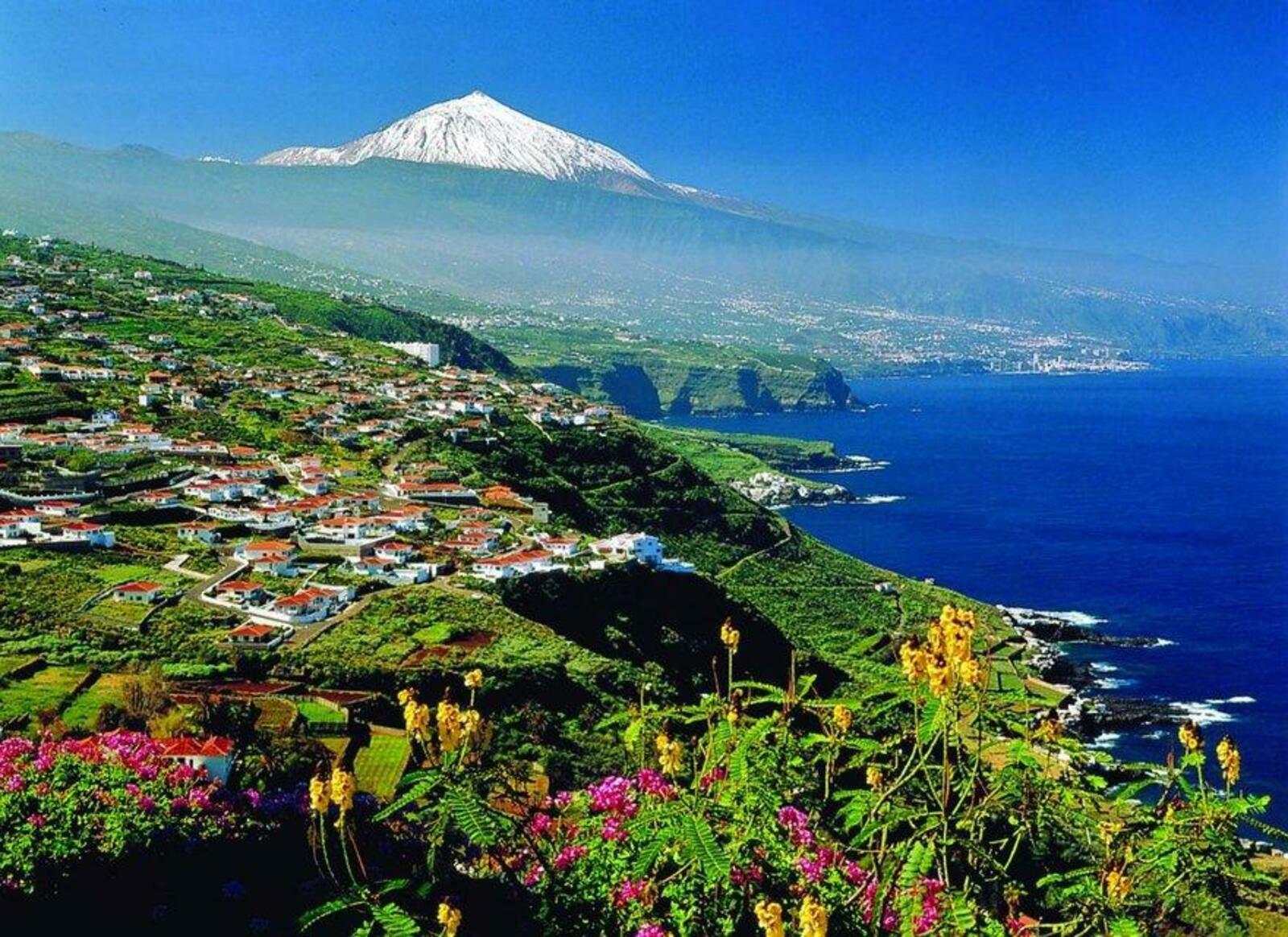
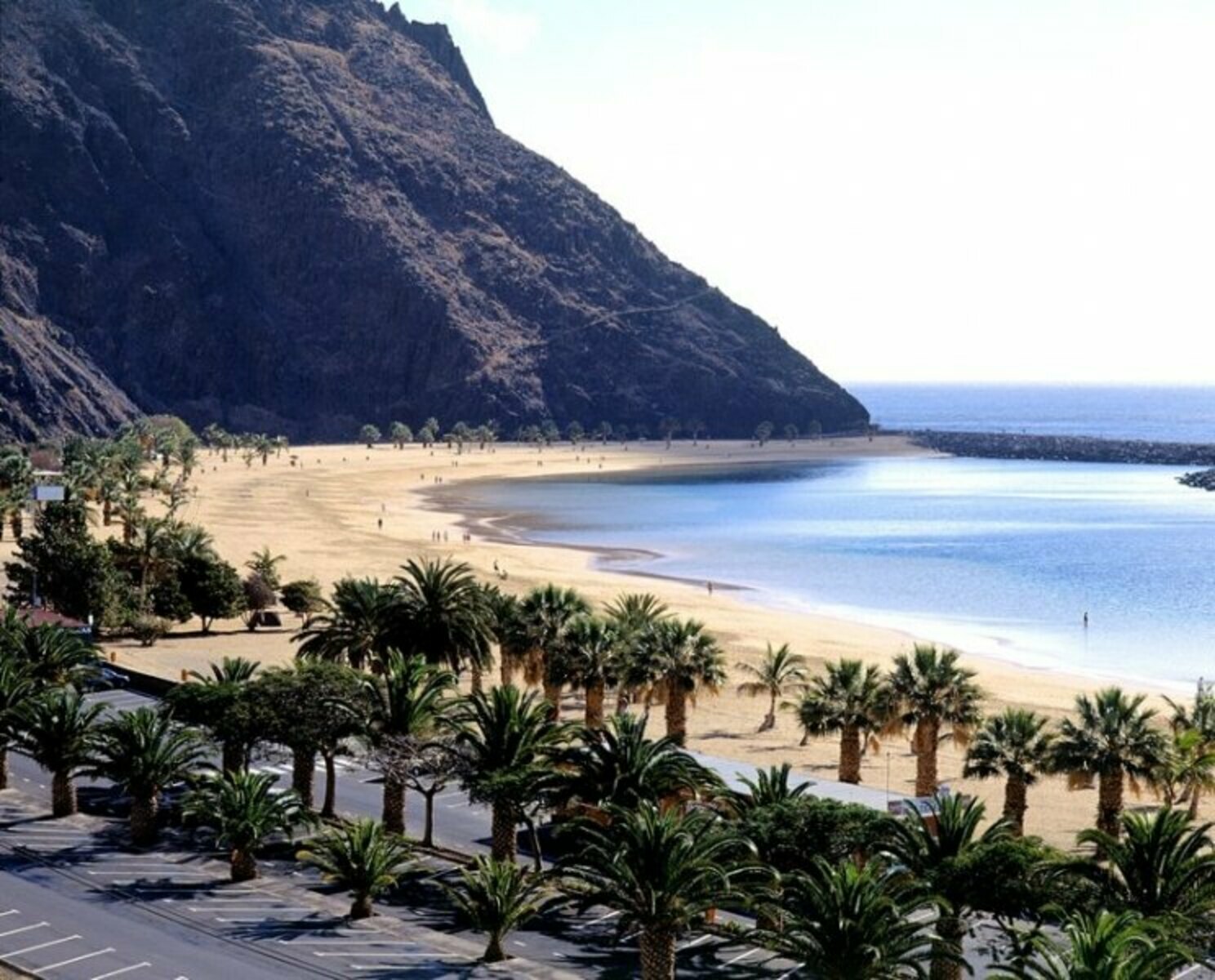
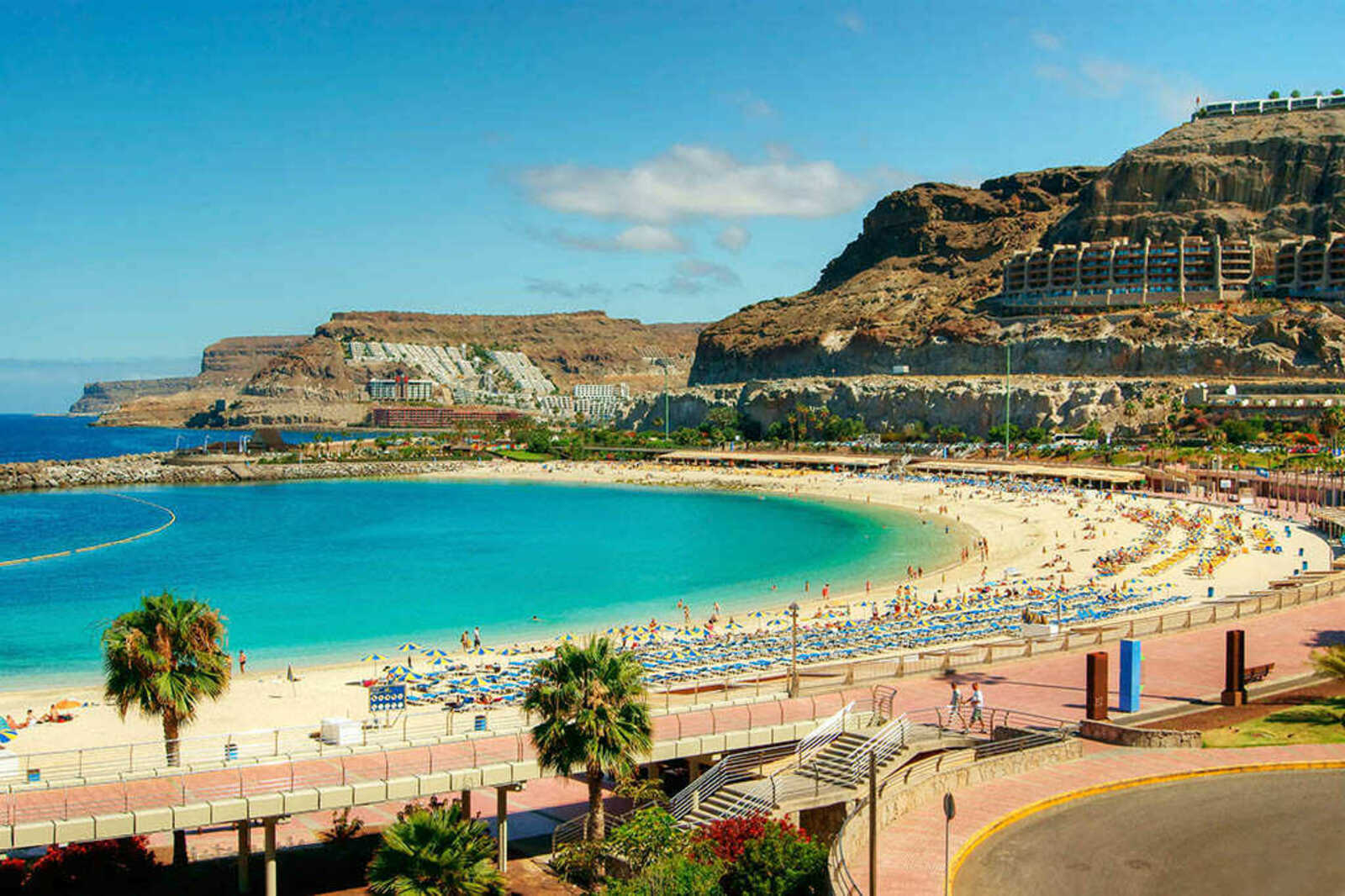
The beaches of the Canary Islands cover about 1500 kilometres of the Atlantic Ocean coastline. They are diverse — with steep shores as well as a gentle entry into the sea, with clean white sand or black volcanic sand.
In the eastern part of the archipelago, beaches are often steep. When it comes to beloved Tenerife, some of its beaches are covered with artificial golden sand, brought from the Sahara.
The best beaches of the Canary Islands are considered to be Playa Jardin, Playa del Ingles, Playa de Los Cristianos, Corralejo, Playa de Las-Americas. In this way, if you plan a Canary Islands trip in 2026, we recommend paying attention to these beaches in particular.
Hot Offers
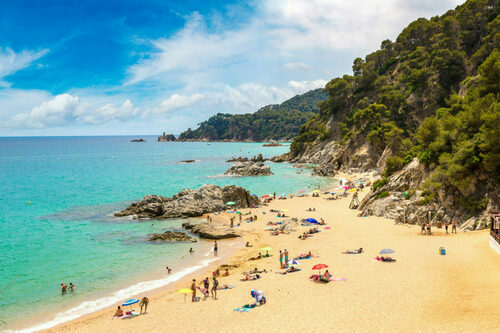
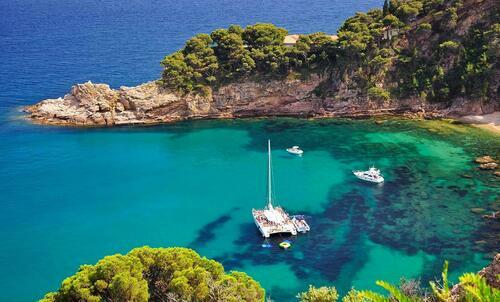
Special Offers
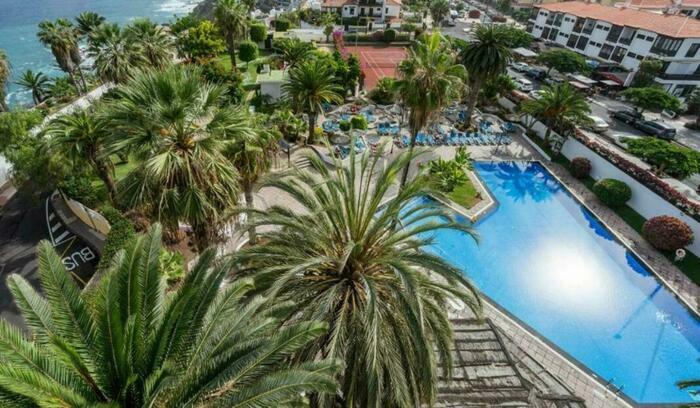
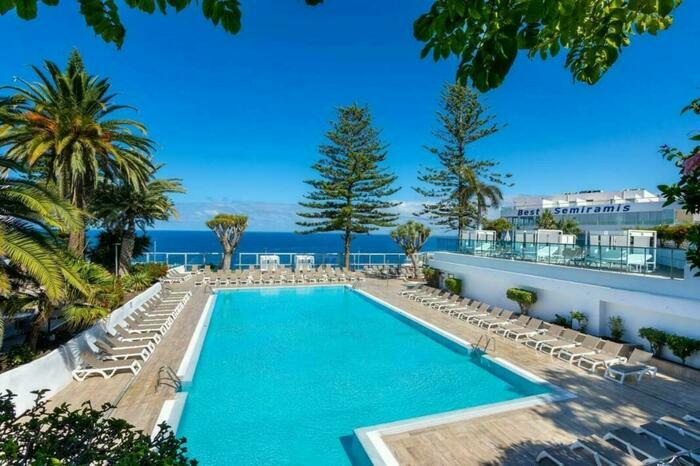
Guide to the Canary Islands
The Canary Islands are an archipelago made up of thirteen islands, located in the Atlantic Ocean. From here to mainland Spain the distance is about one thousand kilometers. The Canary Islands are part of the Kingdom of Spain.
If you plan to explore Canary Islands offers for the winter period, you should know that in this exotic place on our planet you’ll find everything for both a passive and an active holiday. Besides charming beaches, there is also entertainment for climbing lovers — mountain trails rising a few hundred meters.
In the Canary Islands there is also an amazing place where Hollywood movies about aliens and cosmic adventures were filmed — a biosphere reserve on Lanzarote. It is said that the soil in this location has high temperatures, and if you cover meat with it, it will be cooked in thirty minutes to be served.
The Canary Islands are famous for their unique flora and fauna — more than six hundred plant species grow here.
For accommodation, choose the island and area based on your pace: lively resorts (promenades and nightlife), beach resorts for families, or quieter places closer to nature and hiking routes.
Recommended accommodation areas
- Tenerife (South: Costa Adeje / Playa de las Américas) — beaches, promenade, hotels for all budgets, and the liveliest entertainment scene.
- Tenerife (North: Puerto de la Cruz) — cooler, greener vibe, with easy access to nature and cultural sights.
- Gran Canaria (Las Palmas & Mesa y Lopez) — city-break energy, urban beach (Las Canteras), shopping, and evenings out.
- Gran Canaria (Maspalomas / Playa del Inglés) — resorts, dunes, long beaches, great for families and relaxing stays.
- Lanzarote (Puerto del Carmen / Costa Teguise) — beaches, striking volcanic landscapes, and quick access to natural parks.
- Fuerteventura (Corralejo / Morro Jable) — wide beaches, turquoise water, a paradise for wind sports (kitesurf/surf).
Canary Islands Guide
Local SIM: common prepay options with 20–40 GB (around 10–20 EUR), available at airports, carrier stores, and supermarkets; within the EU, roaming often applies too, depending on your plan.
Transfers / transport: flights typically arrive to Tenerife (TFS/TFN), Gran Canaria (LPA), Lanzarote (ACE), Fuerteventura (FUE). You’ll find intercity buses on the islands, taxis, and ride-hailing where available; for exploring, car rental is especially practical, particularly on the larger islands.
Centers, promenade, shopping: in Tenerife, the main promenade and entertainment area is largely concentrated in the south; in Gran Canaria, Las Palmas mixes an urban beach, dining, and commercial streets.
Beaches / tourist areas: Playa de Las Américas, Costa Adeje, Las Canteras (Las Palmas), Maspalomas, Playa del Inglés, Puerto del Carmen, Costa Teguise, Corralejo.
Safety and health
Hospitals/clinics: Hospital Universitario de Canarias (Tenerife, La Laguna area) and Hospital Universitario Insular de Gran Canaria (Las Palmas) are key reference points for emergencies and specialist care.
Emergencies: Spain’s general emergency number is 112. For volcanic terrain hikes: carry water, sun protection, proper shoes, and check wind/wave conditions on the coast.
Key highlights of the Canary Islands
- Sea & activities — snorkeling, diving, surfing, boat trips, plus volcanic trails and scenic viewpoints.
- Prices / budget — very flexible: from affordable stays to premium resorts; season and island choice can change costs significantly.
- Atmosphere — a mix of lively resorts with promenades and nightlife, and quieter areas focused on nature and relaxation.
- Food & wine — fish and seafood, tapas, local sauces (e.g., mojo), desserts, and island wines shaped by volcanic terroir.
Season and weather
January: mild winter, great for walks and city breaks; air ~19–22°C, water ~18–19°C.
February: stable weather, perfect for a winter sun escape; air ~19–22°C, water ~18–19°C.
March: increasingly pleasant for nature and hiking; air ~20–23°C, water ~19°C.
April: warm spring, beach time is best midday; air ~21–24°C, water ~19–20°C.
May: a more consistent start to beach season; air ~22–25°C, water ~20–21°C.
June: long days, comfortable breezes, moderate crowds; air ~24–27°C, water ~21–22°C.
July: peak season, plenty of sunshine; air ~25–28°C, water ~22–23°C.
August: busiest month, warm and bright; air ~26–29°C, water ~23–24°C.
September: excellent for beaches, calmer than August; air ~25–28°C, water ~23–24°C.
October: superb autumn by the ocean, sea still comfy; air ~24–27°C, water ~22–23°C.
November: relaxed vibe, good for exploring; air ~22–25°C, water ~21–22°C.
December: mild winter, popular for sun getaways; air ~20–23°C, water ~19–20°C.
Attractions & entertainment
- Heritage & culture — historic centers in Las Palmas and La Laguna, squares, local museums, and colonial architecture in old towns.
- Nature — volcanic landscapes and reserves (including on Lanzarote), panoramic routes, and viewpoints above the Atlantic.
- Iconic beaches — Playa de Las Américas, Costa Adeje, Las Canteras, Maspalomas.
- Landmarks & fun — boat excursions, themed tours, parks and entertainment areas in larger resorts, plus seasonal events.
Active things to do
- Snorkeling & scuba — clear-water coves, reefs, and fascinating volcanic underwater spots.
- Surf / kitesurf — islands like Fuerteventura and Tenerife have strong spots; wind conditions matter in some months.
- Volcanic hiking — ridge and plateau routes with stunning viewpoints (check weather and gear up properly).
- Kayak / SUP — coastal paddles, especially nice in the morning or at sunset when the sea is calmer.
- Sailing & short cruises — ocean outings for panoramas, snorkeling, or marine-life watching (seasonal).
Canary Islands – holiday in 2026: activities
In the Canary Islands, at any time of the year, there are opportunities for an active holiday; in particular, water activities are popular here – diving, surfing. Parachuting and Canarian wrestling are also very popular.
Nightlife in the Canary Islands is active and diverse. In restaurants there are shows, karaoke bars operate, as well as nightclubs. For example, in Tenerife the main entertainment center is Playa de Las-Americas, while in Las Palmas – a district called Mesa Y Lopez.
Casinos are also popular here, but you need a passport if you plan to try your luck; otherwise you will not be allowed to visit. In the Canary Islands the best hotels have casinos, for example - Santa Catalina, Las Palmas, San Augustin in Gran Canaria. In Tenerife, casinos such as ”Taogo”, Puerto de la Cruz and others are popular.
Of course, it is worth mentioning the famous Canarian carnival, which takes place over the course of ten days. Usually it is held in the middle of February, before Lent. Tourists often participate too, dressing in costumes and masks and having fun together.
If you choose the Canary Islands as a tourist destination (All Inclusive and other types), you can find out prices for this exotic place from our managers.


How to get there?
How to get to the Canary Islands
You can book your holiday to the Canary Islands both in our Admiral Travel offices and online on our official website , choosing the dates and hotel that fit your plans best.
Typical holiday packages are between 7 and 14 nights, with regular charter and low-cost flights throughout the year, so you can enjoy the islands in any season, from mild winter escapes to sunny summer breaks.
There is a direct flight from Bucharest twice a week.
The flight duration is 5 hours.
The ticket price starts from 99 euro one way.
The local transfer costs from 15 euro. If you book the package tour with our agency, the transfer will be included in the price.
What is included in the Admiral Travel package to the Canary Islands
Direct flight Bucharest – Canary Islands (≈ 5 hours); on-board meal: light snack and soft drinks to make the journey more comfortable.
Group transfer airport → hotel → airport, arranged with reliable local partners so you arrive safely and stress-free at your accommodation.
Accommodation in carefully selected hotels in the Canary Islands (3–5★), with good reviews and convenient locations close to the beach or promenade.
Recommended meal plan: breakfast + dinner (half board), with the option to upgrade to all inclusive depending on the hotel and your holiday style.
Travel medical insurance for the entire stay, for extra peace of mind whether you travel solo, as a couple or with children.
Visa and entry requirements for the Canary Islands
The Canary Islands are part of Spain and the Schengen Area, so general Schengen rules apply for tourist stays, depending on your nationality and passport type. Before travelling, we recommend checking the latest visa requirements and required documents on official government websites or together with your Admiral Travel consultant.
Why choose Admiral Travel for the Canary Islands
Admiral Travel has more than 15 years of experience in island and exotic destinations, including the Canary Islands. We work with trusted airlines and carefully selected local partners so that each element of your holiday – flights, transfers, hotel and meals – is smoothly coordinated.
Hotels are chosen based on location, service level and guest feedback, and the reviews from our travellers help us constantly refine our portfolio. Our mission is to take care of the logistics, while you focus on the ocean, volcano views and new memories.
If you dream of a mild climate all year round, Atlantic sunsets and island-hopping excursions, get in touch with Admiral Travel – we will build the Canary Islands package that fits you best.
Frequently asked questions about holidays in the Canary Islands
When is the best time to visit the Canary Islands?
The Canary Islands enjoy a “spring all year round” climate, with mild temperatures in every season. For beach and swimming, April to October is most popular, while winter is ideal if you want to escape the cold at home and still enjoy pleasant weather for walks and excursions.
Do I need a visa for the Canary Islands?
The Canary Islands are part of Spain and the Schengen Area, so Schengen rules apply for tourist stays. Whether you need a visa depends on your citizenship and passport type. Before your trip, check the latest information on official government websites or with your Admiral Travel consultant.
What currency is used and how can I pay in the Canary Islands?
The official currency is the euro (EUR). Bank cards are widely accepted in hotels, restaurants and shops, but it is useful to have some cash for markets, parking or small cafés. Inform your bank about your trip in advance to avoid any card security blocks.
What type of power sockets are used in the Canary Islands?
The Canary Islands use standard European sockets (types C and F) with 220–230 V. If your devices use a different plug type, it is best to bring a universal travel adapter.
How good are mobile coverage and internet on the islands?
Most hotels offer Wi-Fi, sometimes free and sometimes for an extra fee, and coverage in towns and main resorts is generally good. You can use roaming with your home operator or buy a local SIM/eSIM for better data rates during your stay.
Is the Canary Islands a good destination for families with children?
Yes, it is a very family-friendly destination. Many hotels offer children’s pools, kids’ clubs, playgrounds and animation programmes. Gentle beaches and the mild climate make the islands comfortable for children of all ages.
Which meal plan do you recommend: half board or all inclusive?
In most cases we recommend breakfast and dinner (half board), so you stay flexible at lunchtime when you may be out exploring. For families or travellers who like to spend more time at the hotel, all inclusive can be a very convenient option.
What can we do if the weather is cloudy or rainy?
Even on cloudy days there is a lot to do: shopping centres, spas, museums, aquariums, wine tastings, theme parks or simply relaxing at your hotel. Your Admiral Travel consultant can suggest activities suited to the season and the island where you are staying.
Is snorkelling and scuba diving possible in the Canary Islands?
Yes, the waters around the islands are great for snorkelling and diving, with volcanic reefs, clear water and rich marine life. Licensed dive centres operate in the main resorts, where you can rent equipment or take courses with certified instructors.
What are the most popular excursions and attractions?
Popular choices include trips to volcanoes (such as Teide), jeep safaris through lunar-like landscapes, boat trips to see dolphins and whales, water parks and theme parks, as well as guided tours of historic towns and traditional villages.
What should I know about luggage and the flight ticket?
In most holiday packages, the flight ticket already includes checked luggage and hand luggage according to the airline’s rules. Exact allowances (weight and dimensions) are specified in your offer and on the travel voucher issued by Admiral Travel.
What are the usual hotel check-in and check-out times?
Typically, check-in starts after 14:00 and check-out is until around 11:00–12:00, depending on the hotel. If you arrive early or depart late, you can usually leave your luggage at reception; some hotels offer late check-out for an extra fee, subject to availability.