 Enter
Enter



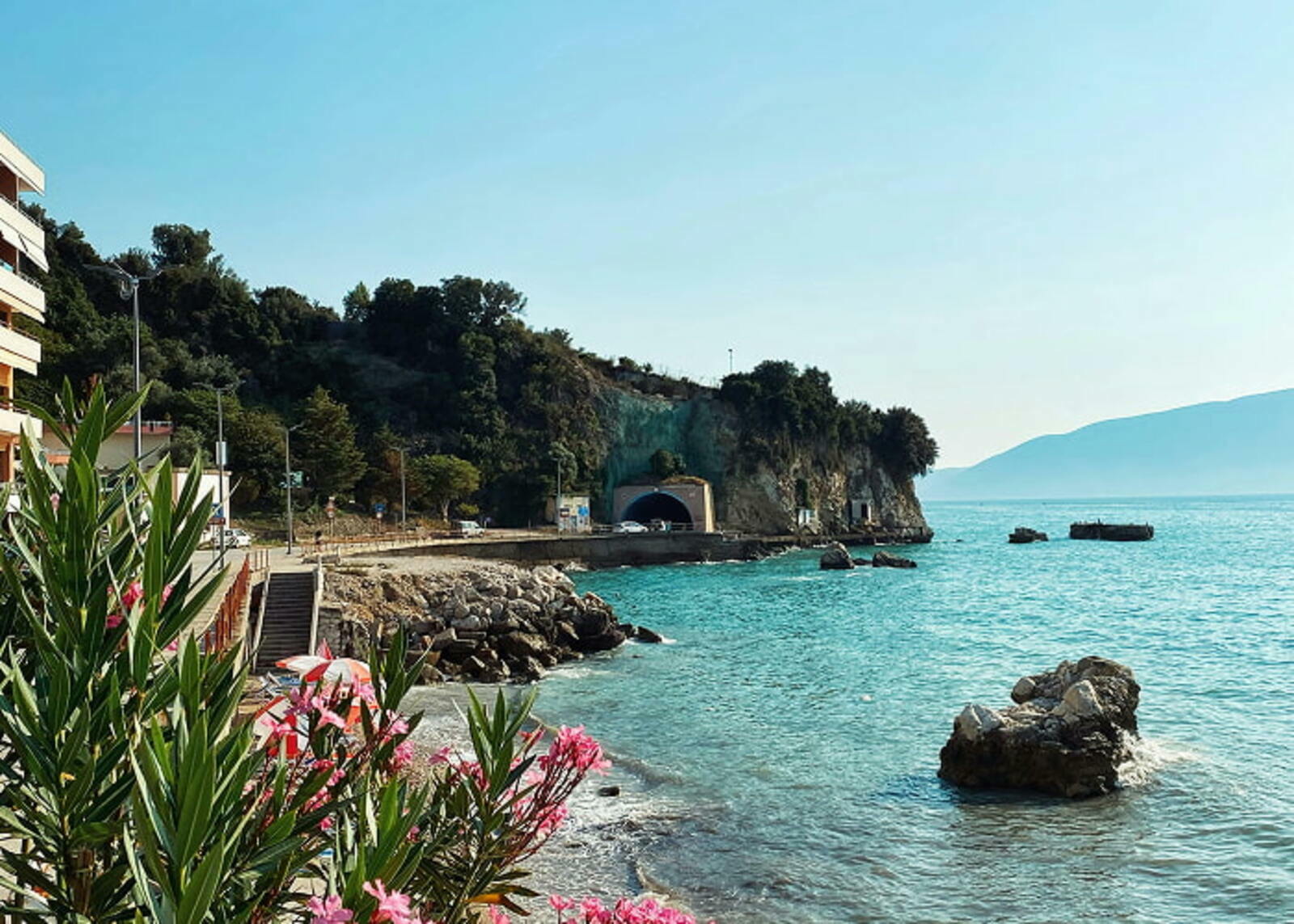
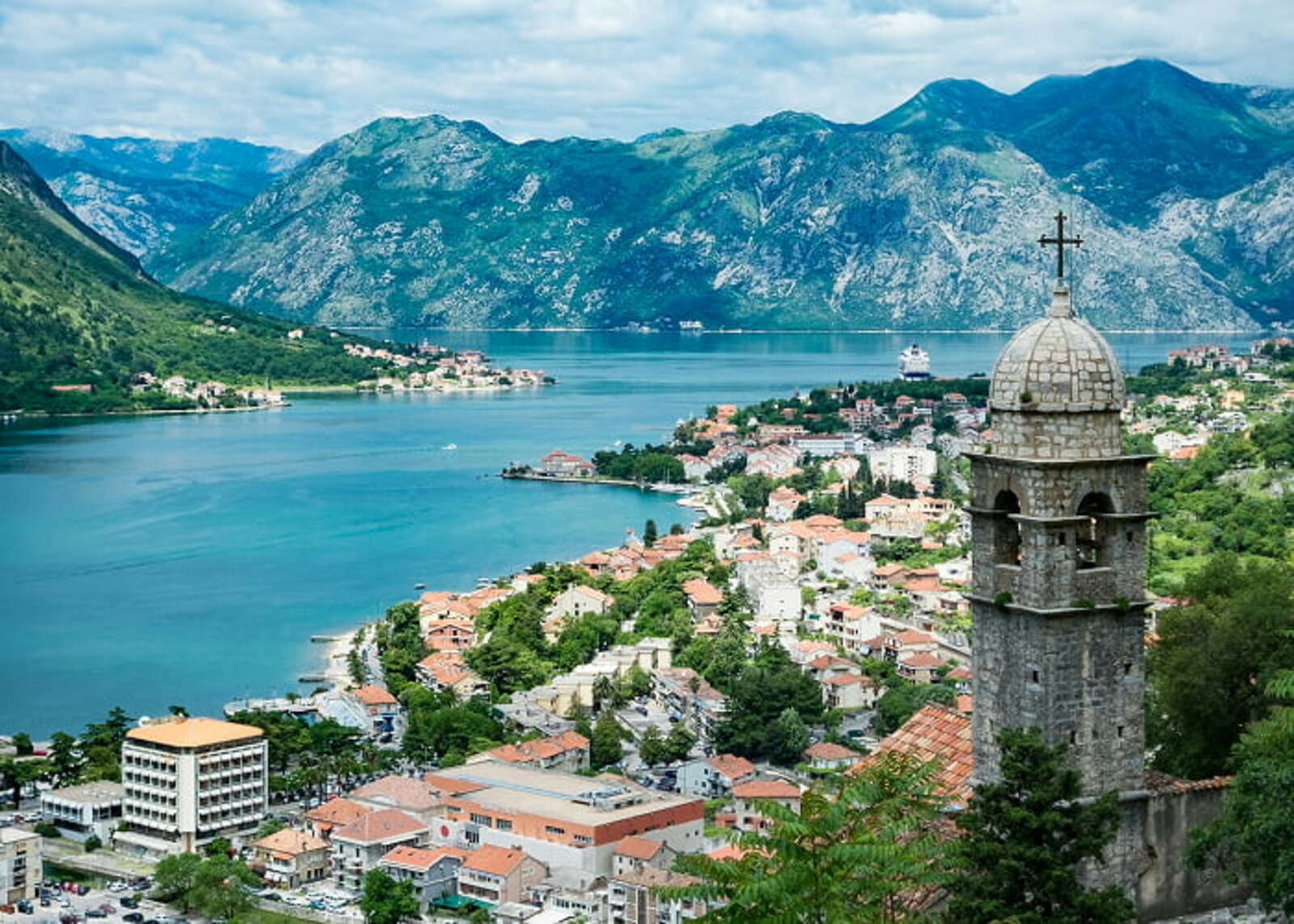
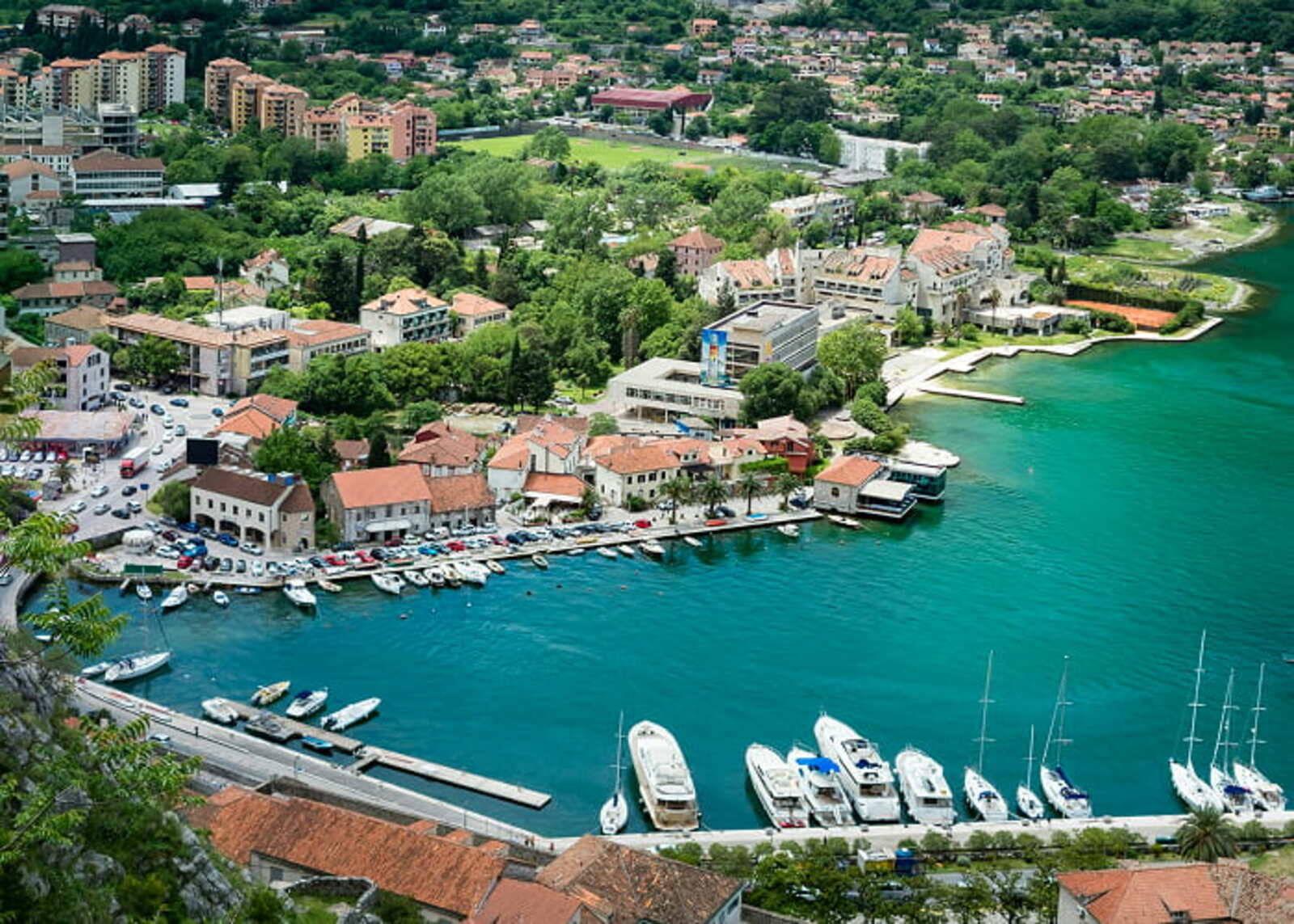

Albania — means 750–1050 € for one week for two people, with the sandy beaches of Golem and a distinctive wild charm. Montenegro — 950–1400 € with Budva's concrete platforms, but with a benchmark tourism infrastructure. Choose Albania if your priority is budget and space, and Montenegro — if you are ready to pay for compactness and predictability. Both destinations are visa-free for citizens of the Republic of Moldova. Price verification date — July 25, 2026.
Hundreds of Admiral Travel clients have faced this choice, and we see it clearly: your dream country depends not on advertising, but on your holiday scenario. Further on — only figures, beach maps, and honest recommendations on what to avoid in order to make a decision in 5 minutes.
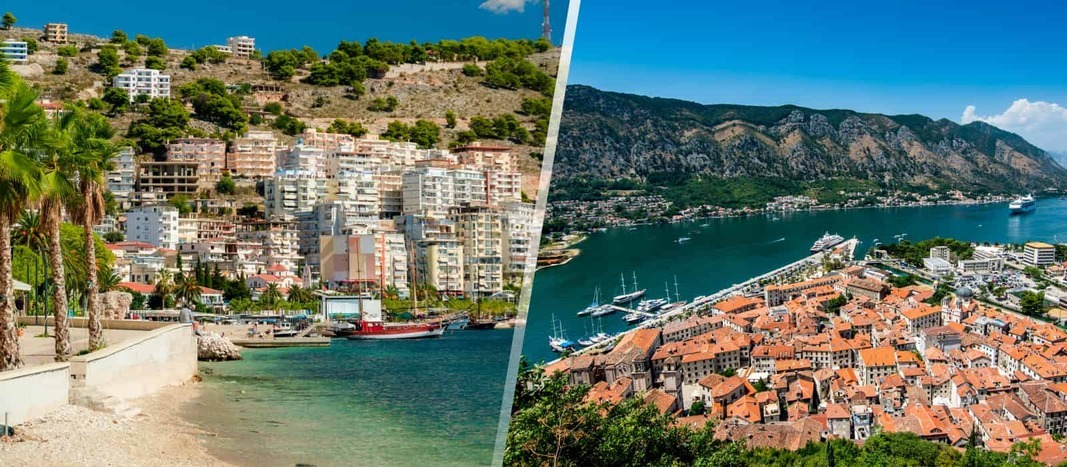
Comparison table in one minute: Albania vs Montenegro
| Criterion | Albania | Montenegro |
|---|---|---|
| Budget (7 nights, couple) | 750–1050 € | 950–1400 € |
| Beach types | Sandy lagoons (Adriatic), pebble bays (Ionian Sea) | Fine pebbles, concrete platforms, sand in Ulcinj |
| For families with children | Golem — wide sandy beach, limited infrastructure | Bečići — gentle water entry ideal for children, continuous promenade |
| Public transport | Chaotic buses, better to use taxi/car rental | Compact Budva Riviera, buses between towns |
| Excursions and mountains | Shkodër, Berat, Përmet — authentic, accessible | Kotor, Durmitor, Lovćen — postcard landscapes, more expensive |
| Visa regime (MD) | Visa-free for biometric passports | Visa-free, but mandatory registration required (1–2 €/day) |
| Who it is not suitable for | For those demanding premium services on the beachfront | For budget travelers looking for accommodation at 30 €/night near the sea |
Conclusion in one minute: Albania — for independent travelers looking for "wild" sandy beaches at an attractive price. Montenegro — for those who appreciate a ready-made picture, stress-free logistics, and are willing to accept concrete beach platforms.
Where is it really cheaper: 7-day budget calculation
Figures — the main decision-making factor. We do not take a general average, but calculate the scenario of a couple from Chișinău for the period of July 14–21, 2026.
Albania: budget and mid-range options
Flight and travel: direct flights from Chișinău to Tirana are still unavailable. The most reasonable connecting routes are via Istanbul (Turkish Airlines) or Vienna (Wizz Air/Austrian). The average price of a round-trip ticket for one person is 180–250 € if purchased 3–4 weeks in advance. A transfer from Tirana Airport to Durrës or Golem costs 35–50 € by taxi (local transport providers, local Uber).
Accommodation (7 nights):
- Simple apartments in Durrës/Golem: 25–40 €/night → 175–280 €.
- 3* hotel with breakfast on the beachfront: 45–70 €/night → 315–490 €.
Food:
- Breakfast at a café: 4–6 € per person.
- Lunch/dinner at a family tavern: 8–14 € for two people, including seafood.
- Weekly food budget without excessive spending: 180–250 €.
Sun loungers/beach: 3–5 € per set per day → 50–70 € for one week.
Total: minimum budget without excursions — approximately 750 €; a comfortable option with restaurants and a hotel — 1000–1050 €.
Montenegro: the same scenario
Flight: Chișinău — Tivat (or Podgorica) with a connection, similarly 190–280 €. The advantage — shorter layovers via Vienna or Warsaw. Transfer Tivat — Budva/Bečići: 25–30 € for 30 minutes, fixed-rate taxi.
Accommodation (7 nights):
- Modest apartments with a kitchen in Budva: 35–50 €/night → 245–350 €.
- 3–4* hotel with breakfast in Bečići: 60–95 €/night → 420–665 €.
Food:
- Breakfast at a bakery/café: 5–8 € per person.
- Dinner for two people on the promenade: 20–35 € without alcohol.
- Weekly budget: 250–380 €.
Sun loungers: 8–15 € per set (premium beaches) → 100–150 € per week.
Total: minimum 950 € with a strict economy approach and without Budva's promenade; realistic average cost — 1200–1400 €.
Fact
For the same money, in Albania you can get beachfront apartments instead of peripheral areas in Montenegro. Or vice versa: in Montenegro, with 1000 € you will receive services and a location that in Albania you would have to pay for through compromises.
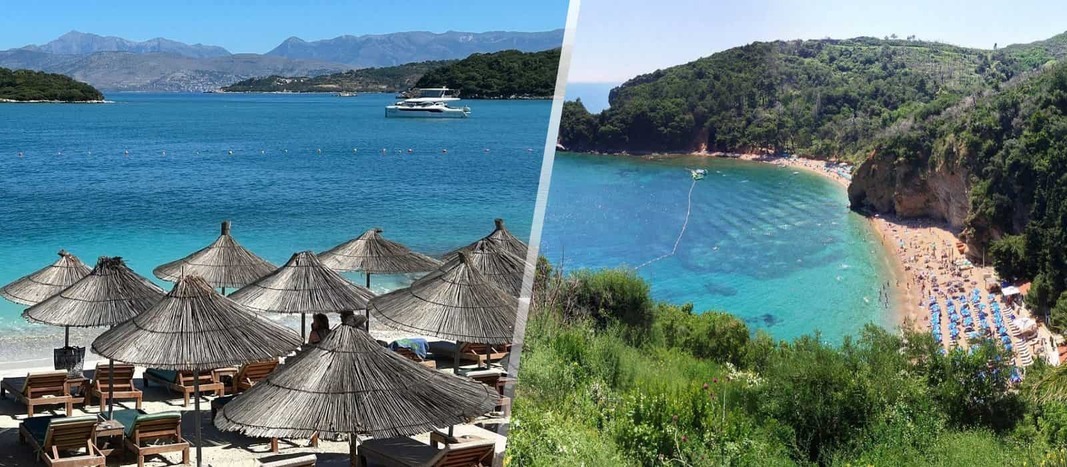
Beaches: sand, pebbles, and water entry
The biggest mistake — is choosing the country instead of the type of seabed. Let's analyze based on the coastline.
Adriatic Coast (north and central areas)
Sand ranging from light gray to dark brown, fine texture, with a gentle entry into the water. In the morning, the sea is like a mirror, while waves appear after lunch. The width of Golem beach reaches up to 100 m, allowing children to play freely. The less advantageous aspect — there is no single promenade behind the beach area: each hotel manages its own section. Velipojë Beach in the north, near Shkodër — is an almost wild sandy area with shallow water that warms up very well.
The longest sandy beach on the Adriatic Sea — Velika Plaža (13 km). Gray sand, gentle entry into the water, ideal for kitesurfing thanks to the wind. For families with small children — a true paradise, but logistics require a car: reaching the old town of Ulcinj takes approximately 15–20 minutes.
Budva — a combination of fine pebbles and concrete platforms, with water access often via stairs. Bečići — sand with pebble sections, gentle entry into the water, the best choice for children on the Budva Riviera. The infrastructure is continuous: promenade, cafés, and children's playgrounds.
Shallow waters and sand, comparable to Velipojë, but closer to the port of Lezhë.
Ionian Coast (south)
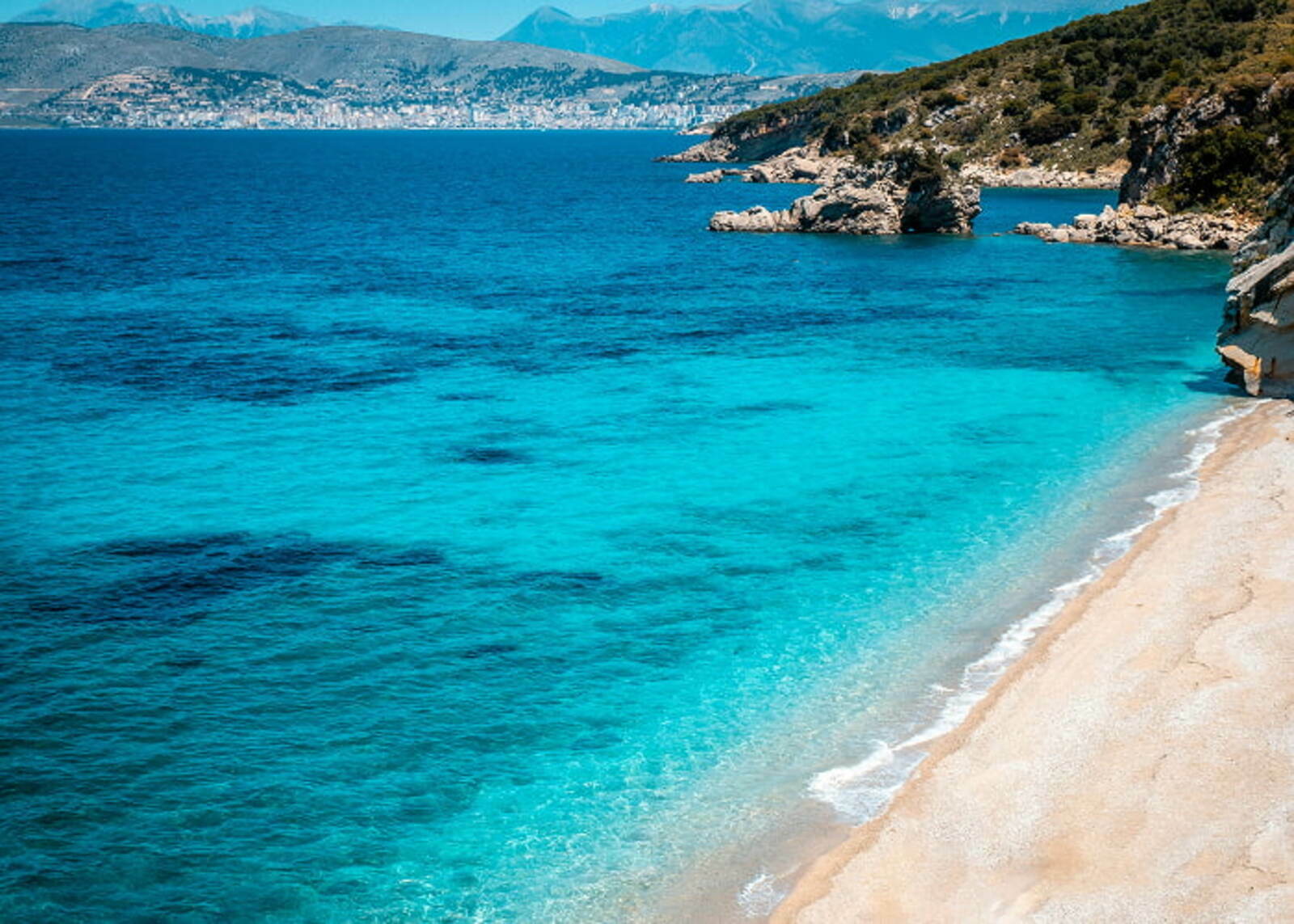
Pebble bays, turquoise water, and pine trees reaching the water's edge. In some places, the sea entry is steep, and water shoes are required. The beaches are small and crowded in July. Ksamil — a postcard-like view with islands, but more suitable for Instagram photos than for comfort.
Montenegro does not have an Ionian Sea coast — its entire tourist south faces the Adriatic Sea. This makes the choice easier.
Short formula: looking for fine sand and little wind — choose Bečići. Want a wild sandy space — Velipojë and Ulcinj. Ready for pebble bays like in the photos — choose Ksamil.
Resorts by purpose: from entertainment to peaceful family holidays
For families with children: Golem (Albania) vs Bečići (Montenegro)
Golem
Wide sandy beach, free shade from umbrellas is rare, and entertainment parks are limited. Pharmacies and supermarkets can be quite far from some hotels. Children enjoy the open space, while parents appreciate the price.
Bečići
Car-free promenade, evening entertainment, compact sand, and water entry without sudden drops. A beach set costs 15–20 € per day, but for this amount you get safety and a shower. If your child is seeing the sea for the first time — choose Bečići.
Solution: up to 7 years old — Bečići; after 7 years old, with a limited budget — Golem.
For excursion and mountain lovers
Montenegro
Tara Canyon, Durmitor National Park, Lovćen, Kotor Bay — everything is included in spectacular routes with parking areas and viewpoints. It is more expensive during the season, but logistics are very well organized.
Albania
Shkodër with its lake and Rozafa Castle, Berat “the city of a thousand windows,” Osum Canyon, and the thermal springs of Përmet. Entrance fees and guide prices are 2–3 times lower than in Montenegro. The routes are not crowded with tourist buses. The right choice for experienced travelers or those looking for the excitement of discovery.
For those without a car
Winner — Montenegro
The Budva Riviera is compact: buses run between Budva, Bečići, Rafailovići, and Sveti Stefan every 15–20 minutes. Walking from one location to another takes 30–40 minutes along the promenade. From Tivat to Budva — 30 minutes by taxi.
Albania without a car
Albania without a car loses 60% of its charm. Durrës and Golem are connected by a deteriorated railway line and chaotic buses. Taxis are inexpensive (5–15 € for transfers between resorts), but the “get on-go-get off” type of logistics is not its strongest side.
Entry conditions and logistics: your passport decides
For citizens of the Republic of Moldova with a biometric passport, both countries are visa-free — up to 90 days within a 6-month period. But there is a difference:
- Montenegro requires tourist registration within 24 hours of arrival. Usually, this is done by the hotel or apartment owner. If you rent privately, check the stamp in your passport: the fine for missing registration can be up to 200 €.
- Albania does not require registration. Entry is based on passport stamps, without additional fees.
Airports and transfers:
- Tirana (TIA) — 30 km to Durrës, the journey with traffic takes 40–60 minutes.
- Tivat (TIV) — 20–30 minutes to Budva.
- Podgorica (TGD) — 60–90 minutes to the coast.
If you are choosing between the two countries and considering renting a car — as a guideline: in Albania, prices start from 20 €/day, while in Montenegro — from 30 €/day, but roads and insurance are more reliable.
5 scenarios for an ideal holiday
There is no universal winner here. Below is the right combination of solutions depending on your requirements.
Choose Albania if:
- Your budget for two people is less than 900 €, but you want a beachfront sandy beach.
- You have a car or are prepared to use taxis daily.
- You do not mind the lack of a continuous promenade — you prefer authenticity and local cuisine.
- You are ready to give up premium services in exchange for untouched nature.
- You want to combine a beach holiday with authentic mountain villages without crowds.
Choose Montenegro if:
- Your budget starts from 1100 € and you want a complete product: beach, shower, restaurant.
- You are traveling with a child under 7 years old or without a car.
- You appreciate predictability: bus schedules and English-speaking staff.
- You are going for the atmosphere of old towns and evening promenades.
- You are ready to accept Budva's concrete platforms for an overall flawless experience.
When the difference does not matter:
- If you are flying for a 3-day weekend from Chișinău: choose a connecting flight to Tivat and enjoy Kotor Bay, or fly to Tirana and explore Durrës.
- If you choose an "all inclusive" tour package: both countries offer affordable 4* concepts — the difference lies in the service details.
FAQ:
The estimated 7-day budget for a couple from Moldova: Albania — 750–1050 €, Montenegro — 950–1400 €. Albania allows savings of up to 30% due to lower food and accommodation costs; Montenegro wins through the quality of mass tourism infrastructure.
The shallow-water areas of the Adriatic Sea — Ulcinj (Montenegro) and Velipojë/Shëngjin (Albania) — warm up the fastest. The comfortable swimming season there starts from the end of May and lasts until mid-October.
Bečići in Montenegro — sand, gentle entry into the water, continuous promenade. Golem in Albania — a wide sandy beach, but the infrastructure is fragmented. For children up to 7 years old, Bečići is a more suitable choice.
No, if you are staying in Budva, Bečići (Montenegro), or Durrës (Albania) and do not plan longer excursions. To explore canyons, secluded beaches, and mountain villages, a car is necessary in both countries.
Adriatic coast: sand, lagoons, calm sea; Ionian coast: pebbles, cliffs, spectacular bays.
Tivat is closer to the main resorts of Montenegro, while Tirana is closer to Durrës; the logistics difference is not critical for a transfer of up to 60 minutes.
Yes, the distance between Shkodër (Albania) and Ulcinj (Montenegro) is only 60 km; a car or a bus with a border change is required.