
 Enter
Enter





Reasons for the tourist tax increase and its impact
Barcelona is once again increasing its tourist tax in an attempt to discourage budget travelers.
In Barcelona , one of the most popular tourist destinations in Europe, the tourist tax is being raised again. This increase is part of a broader strategy by the city authorities to tackle overtourism and to attract more so-called 'quality' tourists instead of large numbers of low-spending visitors.
Barcelona's municipal tourist tax has been rising in stages and will reach 4 € per night from 1 October 2024.
On top of the city tax, visitors pay a regional levy that depends on the type of accommodation and its category.
Guests of 5-star and luxury hotels will pay a total of up to 7.50 € per night, which noticeably increases the cost of a week-long stay.
City authorities expect revenues from the tourist tax to rise from 95 million to 115 million euros and plan to use them to improve infrastructure.
The official goal is to address overtourism, ease pressure on residents and make Barcelona more comfortable for both locals and more responsible visitors.
How Barcelona's tourist tax has been rising since 2023
The most recent increase of the tourist tax took place in two stages: from 1 April 2023 it went up from 1.75 to 2.75 euros per night, and from 1 April 2024 it rose further to 3.25 euros. The Barcelona City Council has now voted for another increase from 1 October 2024, when the municipal tax will reach 4 euros for every night spent in the city.
Regional levy: extra charges on top of the city tax
This is not the only charge tourists have to pay. Besides the municipal tax, visitors to Barcelona must also pay a regional tax whose amount depends on the type of accommodation. For 4-star hotels it is 1.70 euros per night, for rental accommodation such as Airbnb it is 2.25 euros, and for 5-star and luxury hotels it reaches 3.50 euros. Cruise passengers who spend less than 12 hours in the city pay the region 3 euros, while those who stay for more than 12 hours pay 2 euros.
How much visitors will actually pay per night and per week
As a result, from October 2024 guests in Barcelona will have to pay the 4-euro municipal tax on top of the regional charge. This means that, for example, guests of 5-star hotels will pay a total of 7.50 euros per night. Over a week this adds up to 52.50 euros per person, compared with the current 47.25 euros.
Why the tax is being increased and how the money will be used
The authorities in Barcelona say that the tourist tax increase is designed to attract 'quality' tourism instead of simply boosting visitor numbers. They hope that the higher tax revenues, which are expected to rise from 95 million euros to 115 million euros in 2024, will be used to improve the city's infrastructure, including better road quality, bus services and escalators.
According to city officials, this decision should help address the problems caused by overtourism and improve the overall quality of services both for residents and for visitors.
You might also be interested in:
Other related travel and city-life insights:
What to do in Barcelona with the new tourist tax in mind
With the higher tourist tax, the idea of 'less, but better' becomes even more relevant. If you are planning a trip to Barcelona, it makes sense to focus on experiences that genuinely leave memories and justify every euro you spend.
Give priority to slow walks through neighbourhoods with a strong local character — the Gothic Quarter, Eixample, Gràcia. Many of the best impressions are free: Gaudí's architecture from the outside, views over the city from Montjuïc or Tibidabo, and sunsets on Barceloneta beach.
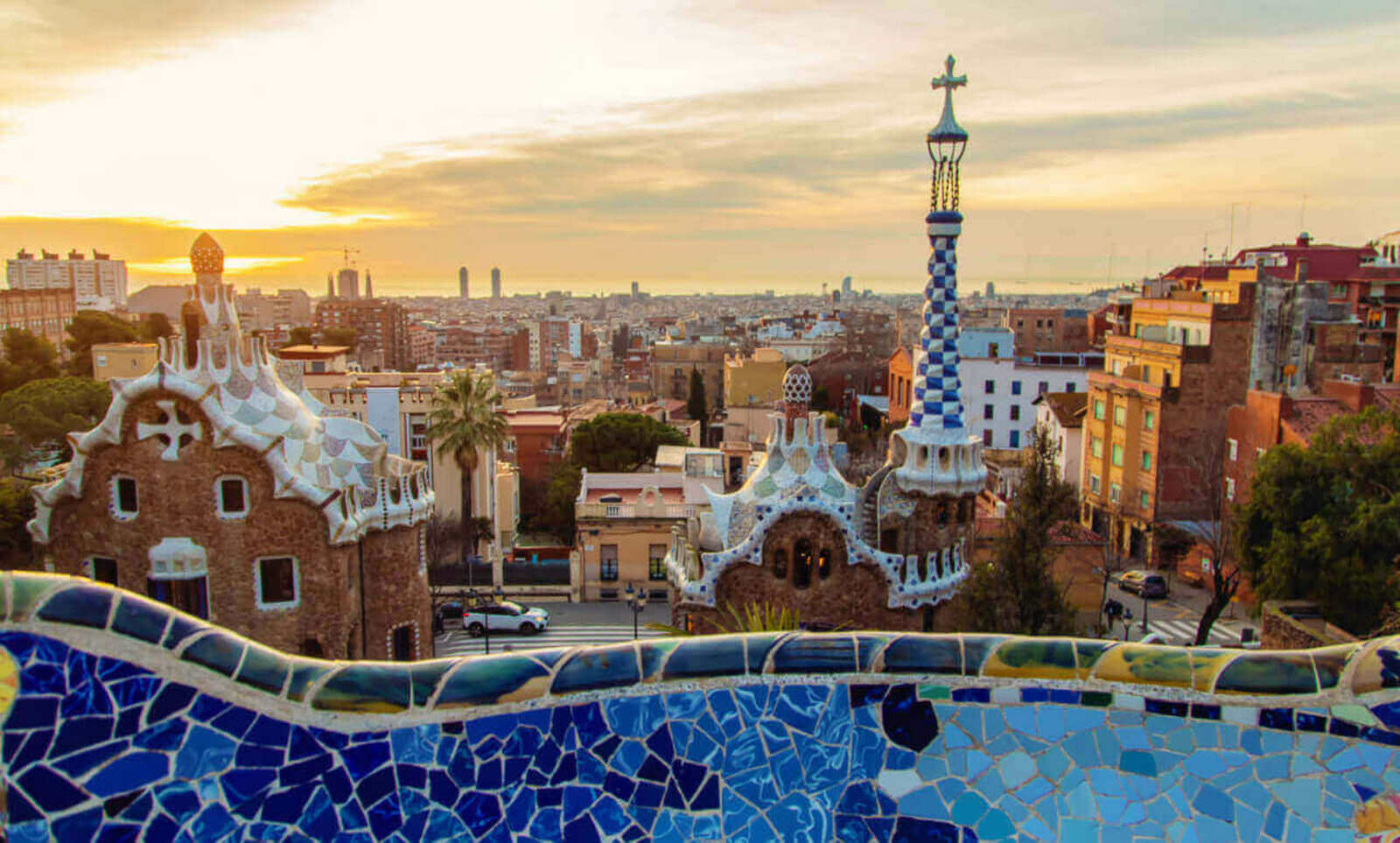
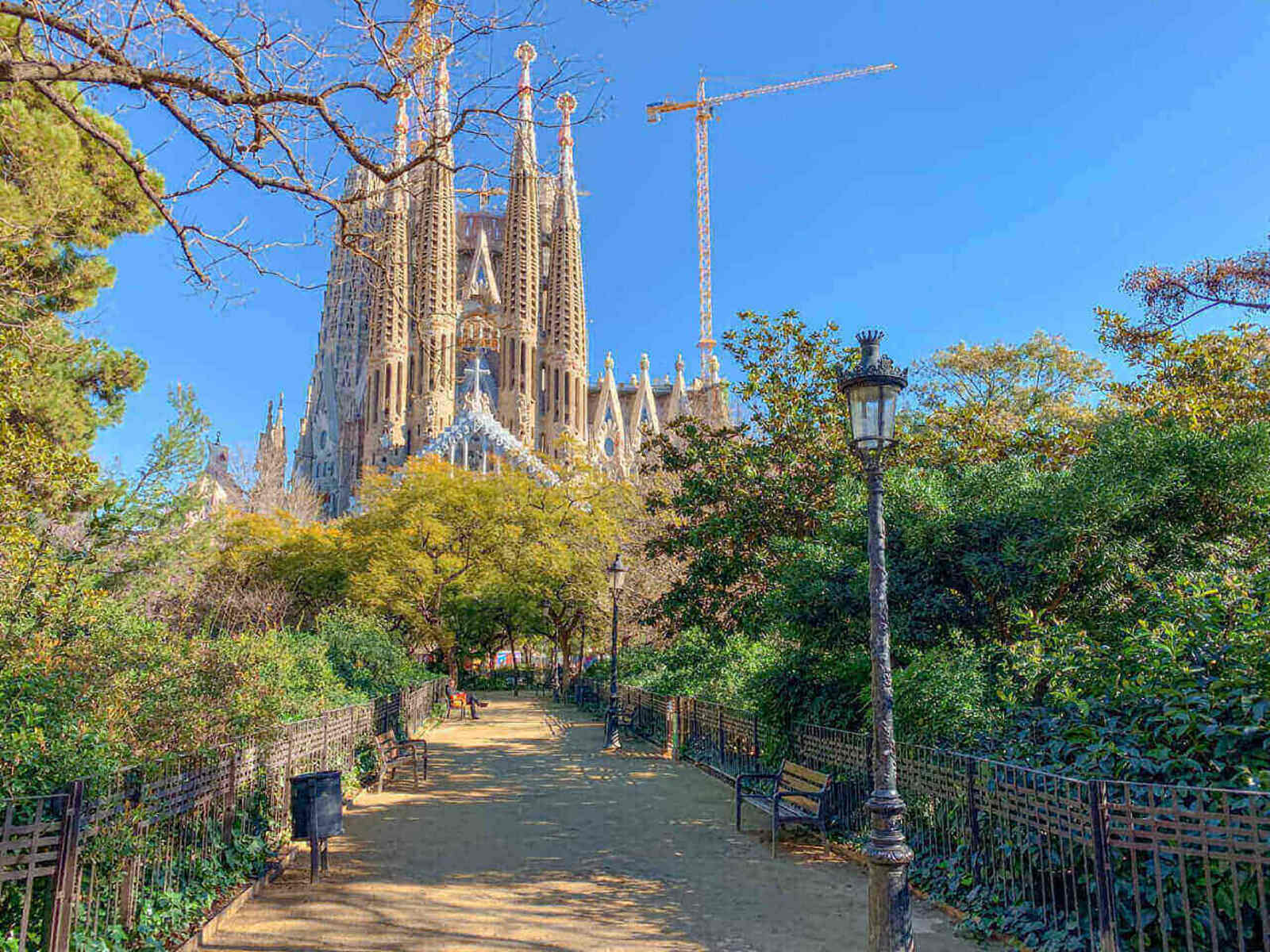
For paid activities, choose truly iconic sights: Park Güell, Casa Batlló, Sagrada Família (ideally with tickets bought online in advance). This way, the extra 5–7 euros per day in combined taxes will feel less painful, because your itinerary is more selective and more meaningful.
1-day itinerary in Barcelona (with the higher tax)
If you only have one day in Barcelona, the tourist tax will not dramatically affect your budget, but it is still worth making the most of your time.
Morning: stroll along La Rambla, grab breakfast or snacks at La Boqueria market, then dive into the Gothic Quarter and visit the cathedral. Most impressions at this stage are free or very low-cost.
Midday: head to Eixample to see Casa Milà and Casa Batlló from the outside. If you want to go inside, pick just one building and buy tickets online in advance to avoid queues.
Evening: make your way to Sagrada Família (its exterior alone is worth the detour), then continue to the seafront or Barceloneta beach for a walk and dinner with a view of the Mediterranean. This route gives you maximum impressions with moderate spending, even with the increased tax.
2-day itinerary: spreading the tax over richer experiences
On a two-day trip, the tourist tax becomes a more visible line in the budget, especially in higher-category hotels. That is why it is smart to plan your programme so that every day feels full and varied.
Day 1: the historic centre and classic Barcelona — La Rambla, the Gothic Quarter, the port, the Columbus Monument, the promenade. In the evening, head for dinner in Barceloneta or the El Born district.
Day 2: modernist architecture and viewpoints. In the morning, visit Sagrada Família (ideally with entry), then continue to Park Güell. In the afternoon, go up to Montjuïc (cable car, castle, views of the port), and end the day with tapas in one of the lively neighbourhoods with local bars and bistros.
With this approach your stay feels intensive and memorable, and the higher tax becomes a natural part of the overall budget rather than a frustrating extra cost.
How to get to Barcelona and factor the tax into your budget
The easiest way to reach Barcelona is by flying into El Prat Airport (Barcelona–El Prat). From there you can take suburban trains, regular buses, the Aerobús, taxis or private transfers to the city. In many cases, the cost of getting to the centre is lower than one day's tourist tax, so it is worth looking at your travel costs as a whole.
When planning flights, always consider the full combination of flights, accommodation and taxes. Sometimes a slightly more expensive but centrally located hotel is better value than a cheap one far away, where you will spend more on transport and lose time.
The tourist tax is usually added to your accommodation bill and is paid at the hotel reception or when checking into apartments. Check the conditions in advance so you are not surprised at check-out. If you visit Barcelona on a cruise, the regional levy you pay will depend on how long the ship stays in port — less than or more than 12 hours.
Frequently asked questions about Barcelona's tourist tax
What is the tourist tax in Barcelona?
It is an additional fee that visitors pay for each night of their stay. The aim is to compensate for the pressure tourism puts on the city and to fund local infrastructure and tourism management.
How much is the current municipal tourist tax?
After a series of increases, the municipal tax in Barcelona is set to reach 4 euros per person per night for city stays.
Is there a regional tax on top of the city tax?
Yes. In addition to the city tax, a regional levy applies. Its amount depends on the type and category of accommodation, from hotels to holiday rentals.
Who is exempt from paying the tourist tax?
Usually children under a certain age and some specific categories of guests for social or official reasons. Exact exemptions should always be checked when booking.
How is the total amount of tourist tax calculated?
The tax is charged per night and per adult. The final amount depends on how many nights you stay and the accommodation category.
How much does a guest in a 5-star hotel usually pay?
Guests of 5-star and luxury hotels in Barcelona pay around 7.50 euros per night in combined municipal and regional taxes.
How is the tax applied to apartments or Airbnb-style rentals?
Holiday rentals, including Airbnb-type stays, have their own regional tax rate. It is usually added to your accommodation bill and paid at check-in or check-out.
Does the tourist tax affect cruise passengers calling at Barcelona?
Yes. Cruise passengers pay a regional levy whose amount depends on how long the ship stays in Barcelona — whether the stop is shorter or longer than 12 hours.
Why are Barcelona's authorities raising the tourist tax?
The main goal is to fight overtourism, reduce pressure on the city and attract more 'quality' visitors who spend more and respect the urban environment.
What will the extra revenue from the tax be used for?
The additional income is earmarked for infrastructure improvements: roads, public transport, escalators, neighbourhood upgrades and projects linked to more sustainable tourism.
How can I factor the tax into my trip budget?
Multiply the tax rate by the number of nights and the number of adults in the room. This gives you a clearer picture when comparing different stays and trip durations.
Is it worth cancelling a trip because of the higher tax?
For most travellers the tourist tax is still a relatively small part of the overall budget. With thoughtful planning of your route and accommodation, Barcelona remains a very attractive destination.