
 Enter
Enter



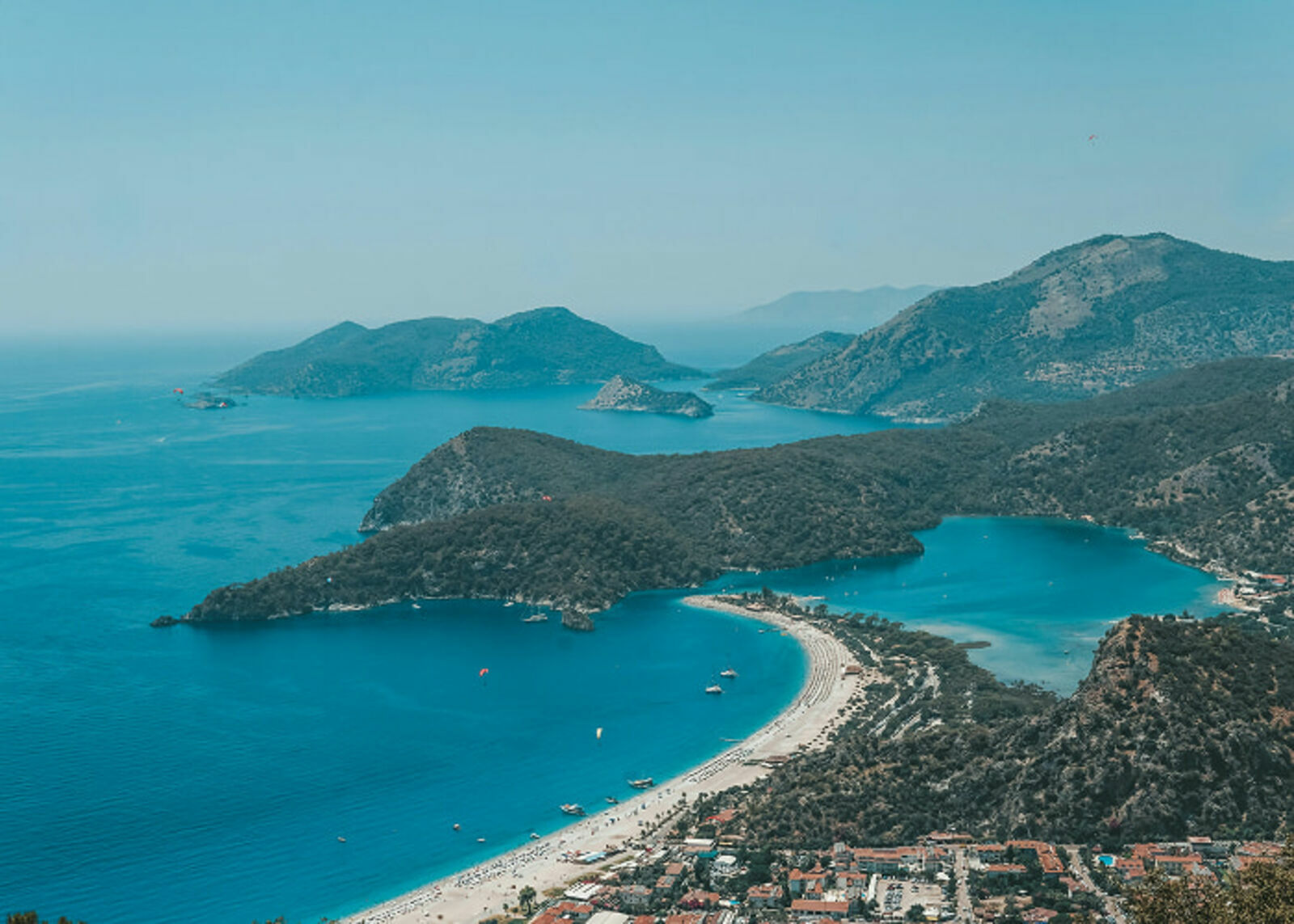
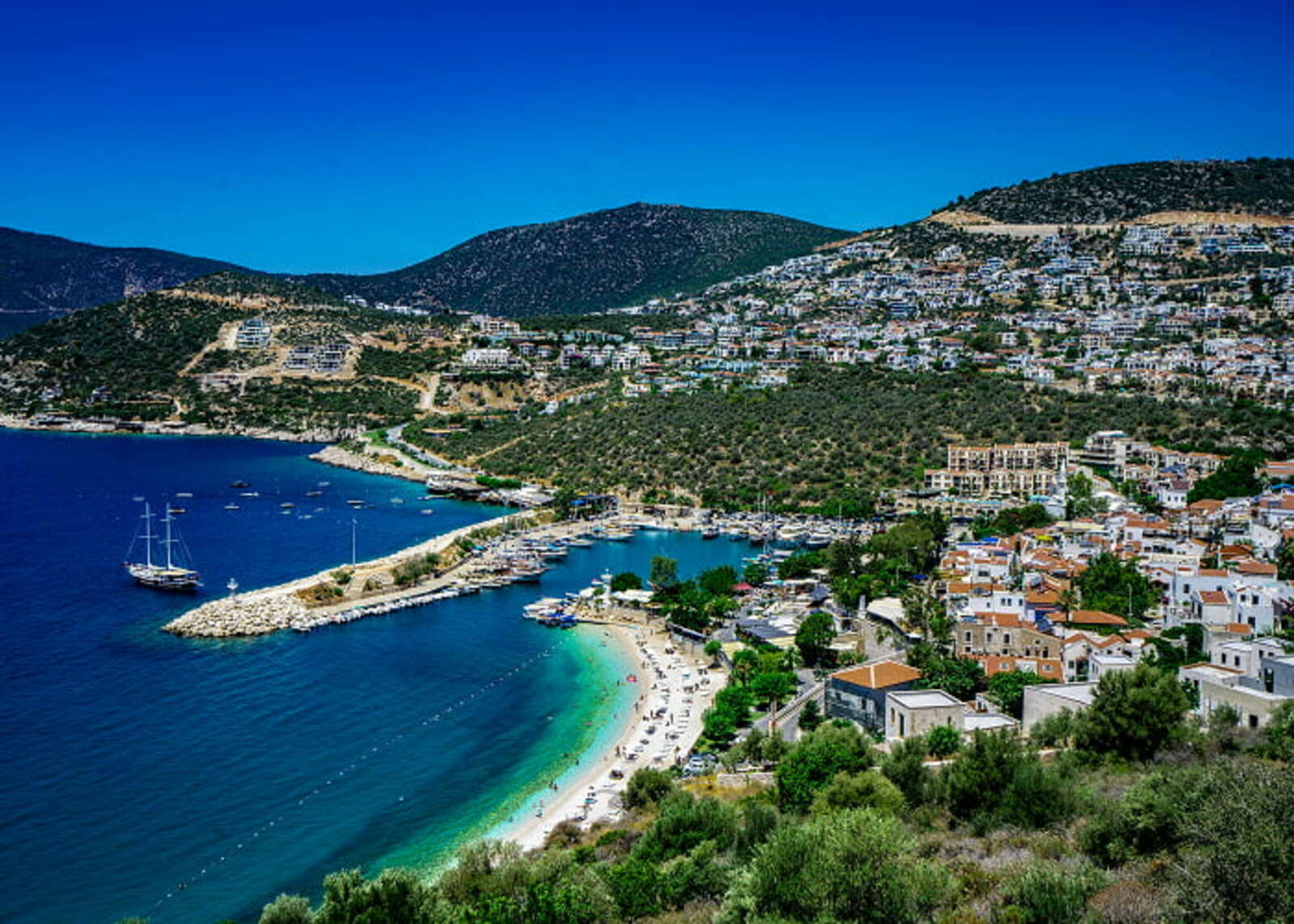
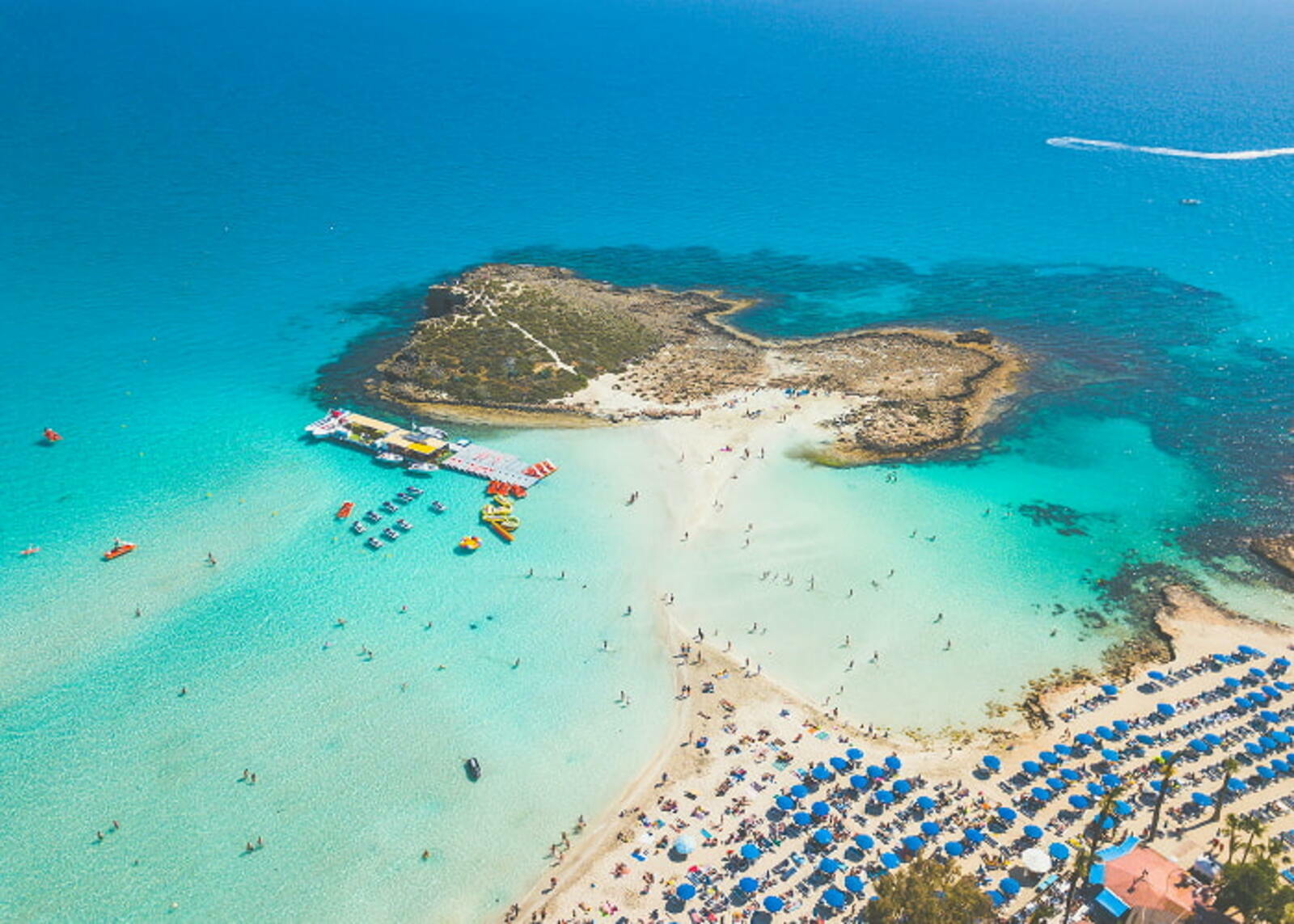
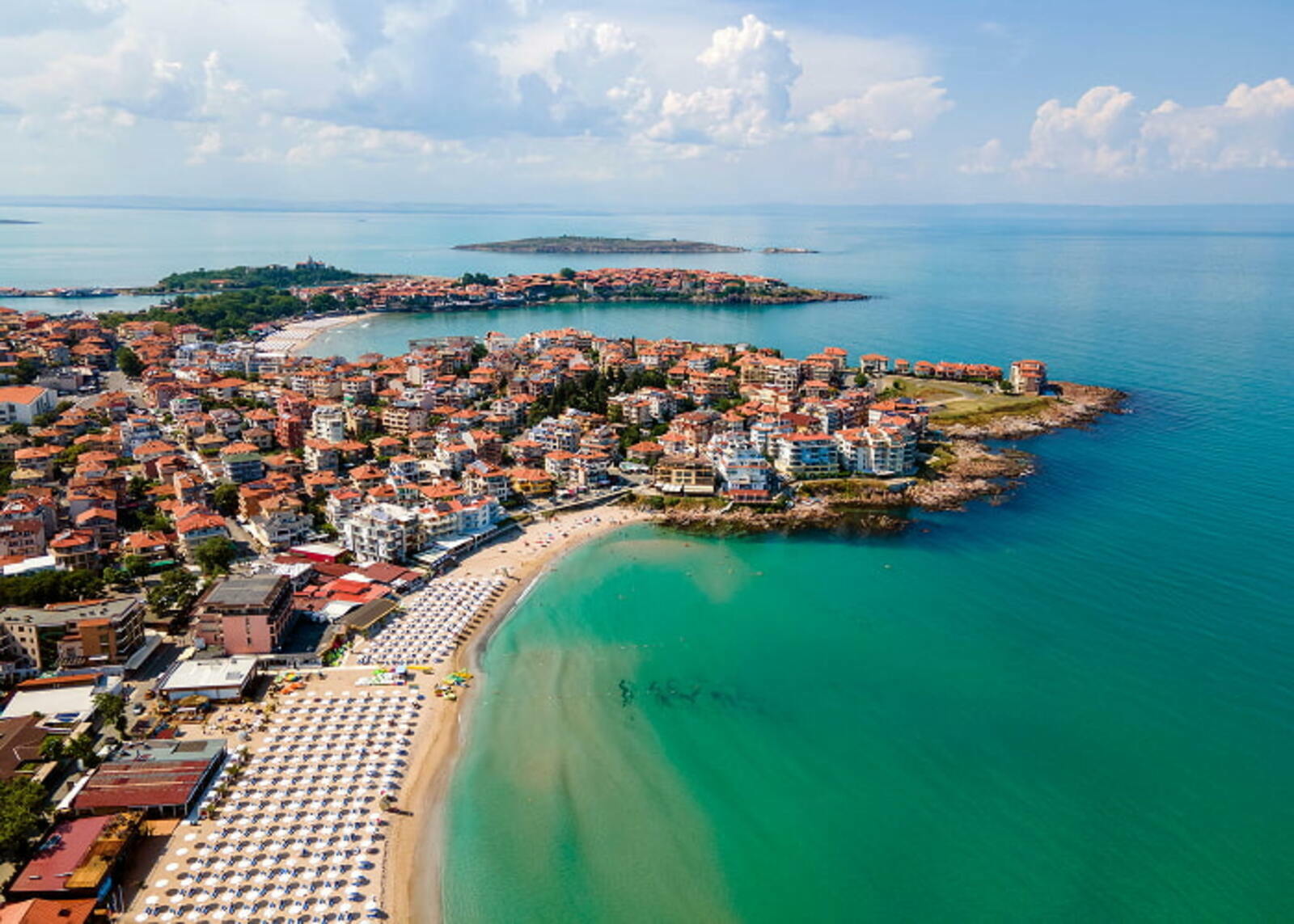

Is the Blue Flag on a beach a symbol of clean seawater, or merely a decorative element of the coastline, especially when displayed alongside red, yellow, and purple flags? Tourists from Moldova and Romania often overlook these international symbols, although understanding beach markings is essential for organizing a safe holiday, especially when traveling with children.
Clean beaches are a priority both for coastal states and hoteliers: obtaining the prestigious environmental award known as the “Blue Flag” is a serious challenge for them, while for tourists it serves as a guarantee of water quality control and proper beach management. Today, based on Admiral Travel’s 15 years of experience, we will explain how to find the cleanest and most reliable beaches in Greece, Turkey, Spain, Bulgaria, and Cyprus.
What Is the Blue Flag on a Beach?
What does the Blue Flag on a beach mean, and why is it important to check whether it is present each new season? First of all, the Blue Flag is a voluntary environmental certification for beaches, involving a continuous and highly rigorous monitoring process. The award is granted for only one current beach season, and if an independent commission identifies any violations of the standards during the summer, the flag is lowered and the certification is revoked.
Blue Flag beaches earn the right to display this symbol thanks to the work of the International Foundation for Environmental Education (FEE). According to the official program, a beach must fully comply with a strict set of requirements in order to receive the award:
- - Water quality;
- - Bathing safety;
- - Sanitary infrastructure;
- - Beach accessibility;
- - Tourist information;
- - Beach waste management.
What Is Checked Before Awarding the Blue Flag?
Water quality is the primary factor evaluated before granting the Blue Flag. Authorized national and international laboratories regularly monitor water quality at least once every 30 days throughout the entire bathing season. Detailed analyses are conducted to assess microbiological indicators and verify the absence of industrial waste, chemicals, petroleum products, and traces of sewage discharge.
However, the Blue Flag criteria extend far beyond clean water. They encompass a comprehensive set of requirements for the entire coastal area:
- - Beach waste management: regular mechanical or manual cleaning of sand or pebbles, waste sorting, and collection according to a scheduled system.
- - Sanitary infrastructure: the beach must have functioning toilets and showers, while the discharge of untreated wastewater into the sea is strictly prohibited.
- - Bathing safety: a certified lifeguard service equipped with the necessary rescue equipment and communication tools. First aid facilities and essential medical supplies must always be available on the beach.
- - Accessibility: a barrier-free environment for people with disabilities and parents with strollers, including walkways, ramps, and appropriately equipped sanitary facilities.
- - Environmental education and nature protection: information boards must be installed on the beach, providing details about water quality, beach rules, environmental protection, and local flora and fauna.
Does the Blue Flag Mean the Beach Is Always Perfectly Clean?
The Blue Flag is an important indicator, but it does not guarantee ideal water conditions every single day of the season. Sea conditions may temporarily change after heavy rainfall that stirs up algae and sediment from the seabed, following tropical downpours that wash organic matter into the sea, or due to occasional local incidents involving vessels passing offshore.
If pollution occurs during the official season (see the periods indicated on the program’s map), the beach administration is required to immediately lower the flag and display a clear warning notice informing tourists about the temporary swimming restriction.
How Can Tourists Choose a Clean Beach?
How do you choose a clean beach for your holiday, especially when traveling with children? Safe locations can easily be identified if you follow Admiral Travel’s expert recommendations. Practical tourist checklist:
- - Check whether the beach appears on the official Blue Flag list;
- - Verify the validity period of the award;
- - Review the latest water quality reports;
- - Confirm the presence of lifeguards;
- - Ensure that toilets, showers, and waste bins are available;
- - Visually assess sea conditions;
- - Pay attention to unusual odors, foam, or water turbidity;
- - Check whether there is a gentle entry into the sea;
- - Make sure there is shade and child-friendly infrastructure.
A common mistake among tourists is confusing the Blue Flag with standard beach warning flags.
Blue Flag vs. Beach Warning Flags: What Is the Difference?
The Blue Flag is a beach certification symbol, whereas operational lifeguard flags (purple, green, yellow, red, or black) serve entirely different purposes. For this reason, they do not replace one another but rather complement each other.
Even locally, they are displayed in different locations. A large Blue Flag usually flies proudly at the main entrance or near the beach administration office, while lifeguard warning flags of various colors are raised directly on lifeguard towers located near the water.
What Does the Simultaneous Combination of Beach Flags Mean?
| Flag Combination | Beach and Sea Conditions | Status and Safety Rules |
| Blue + Green | The beach is ideal, and the sea is completely calm. | Swimming is safe. |
| Blue + Yellow | The infrastructure meets standards, but waves have increased. | Swim with caution. |
| Blue + Red-Yellow | The most protected and well-equipped area. | Lifeguards are currently on duty. |
| Blue + Red | The shoreline is clean and well-maintained, but the sea is stormy. | Swimming is prohibited! |
| Blue + Two Red Flags | Extreme natural or man-made danger. | The beach is completely closed to visitors. |
| Blue + Purple | Environmentally everything is fine, but there is a biological hazard in the water. | Jellyfish, Portuguese man o' war, or sharks are present in the sea. |
| Blue + Black | Emergency water pollution or absence of lifeguards. | The water is closed for swimming. |
| Blue + Checkered (Black and White) | Technical zone designated for active water sports (surfing, jet skis). | Swimming is prohibited (risk of injury). |
Admiral Travel Tip: If you arrive at a Blue Flag beach but see a red or purple flag flying on the lifeguard tower, do not blame the hotel. Nature follows its own rules. Remember that the presence of a Blue Flag guarantees comfort and environmental quality on the shore, but the lifeguard service may temporarily prohibit swimming. This is especially common in Spain, Cyprus, and some beaches in Greece, where sea conditions can change rapidly due to strong winds.
Where to Find Blue Flag Beaches
The most reliable source is the official Blue Flag website and the Blue Flag beach map.
If the official Blue Flag map is temporarily unavailable, you can check:
- - the websites of national Blue Flag program operators;
- - resort municipality websites;
- - tourism ministry information portals;
- - information boards located directly on the beach.
Blue Flags in Greece
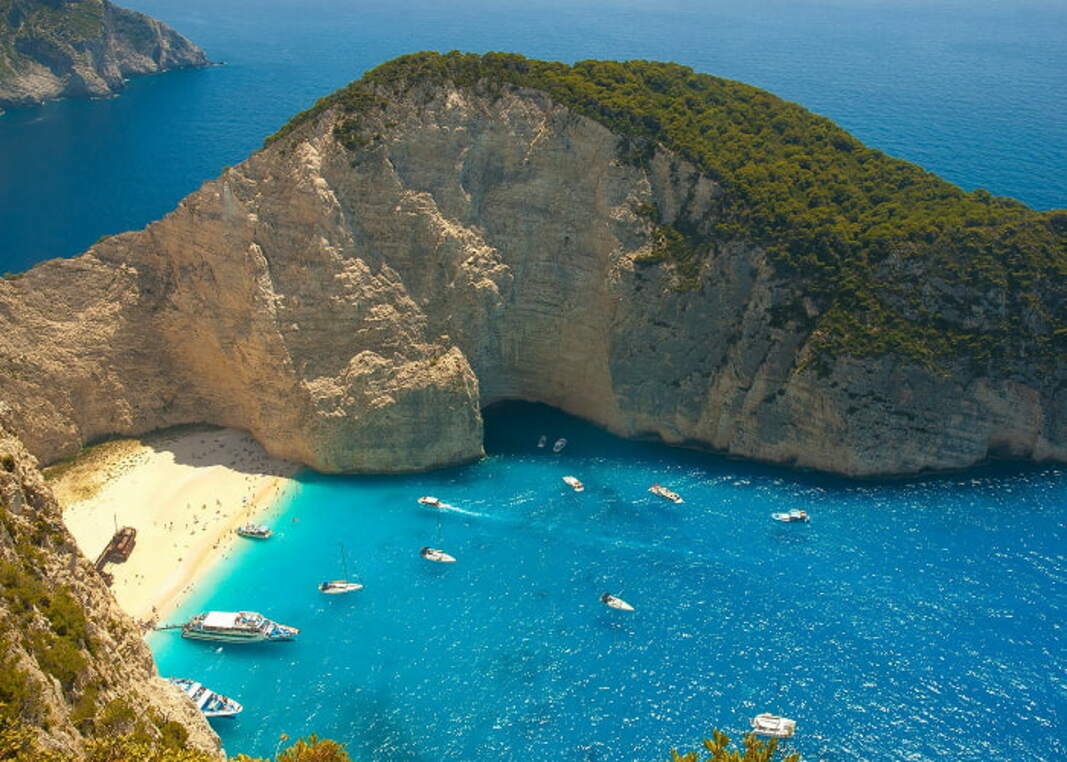
Blue Flag beaches in Greece have become some of the most popular destinations among tourists from Chișinău and Bucharest. The country traditionally ranks among the leaders in the number of certified beaches: there are virtually no major industrial facilities near the coastline, while the seabed is most often covered with pebbles or fine, clean sand.
According to the National Operator of the Blue Flag program in Greece, tourists very often choose the mainland resorts of Halkidiki, where 93 Blue Flag beaches are located.
The Greek islands also offer numerous certified beaches: in 2026, 154 beaches in Crete received certification, 28 in Rhodes, while the resorts on the islands of Kos and Corfu, together with the Peloponnese Peninsula, account for approximately 40 certified beach areas.
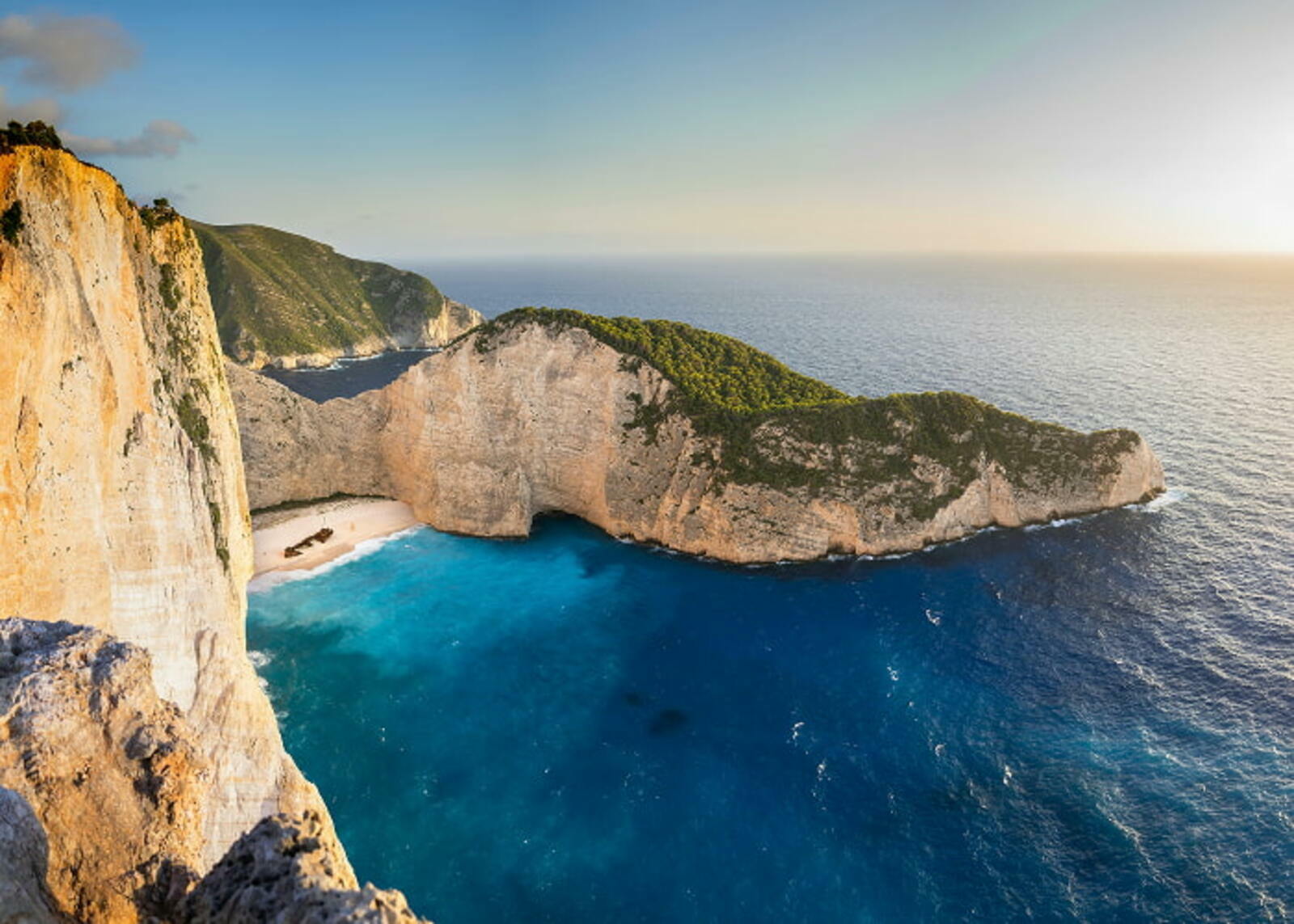
Admiral Travel Tip: Remember that for a comfortable family holiday, not only the FEE certification matters, but also the physical characteristics of the coastline. An environmental certificate can be awarded both to sandy beaches with a gentle entrance into the sea and to deep rocky coves with difficult access to the water, which may not be suitable for holidays with children.
Blue Flags in Turkey
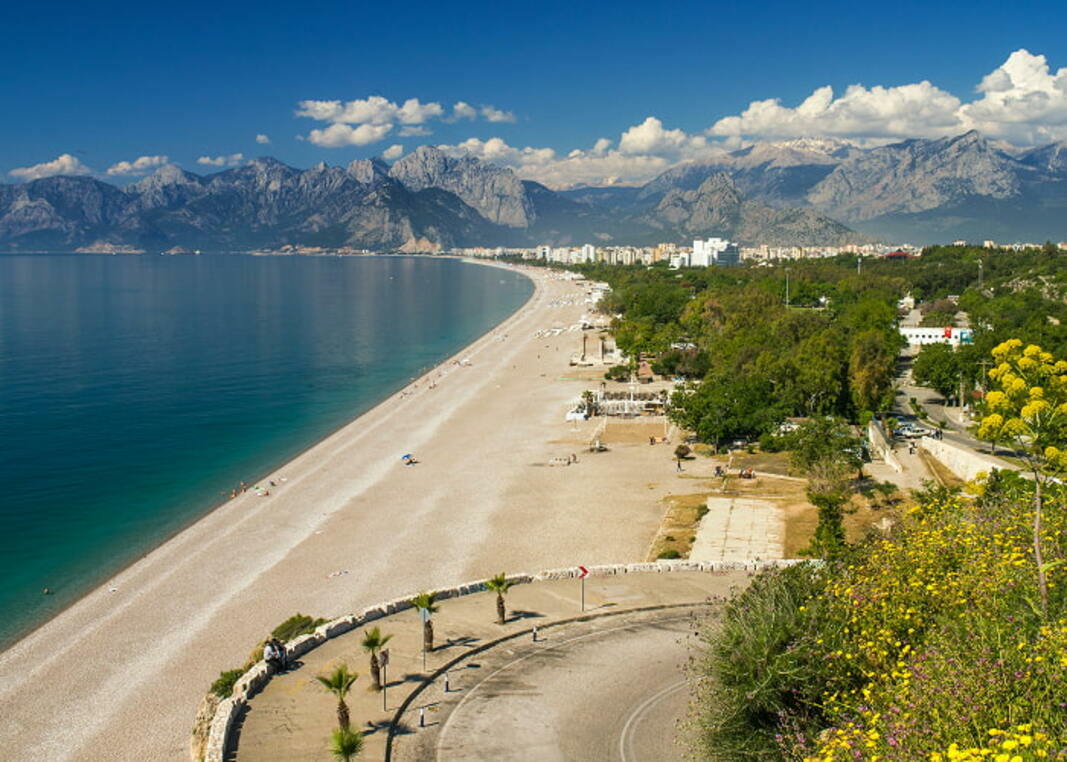
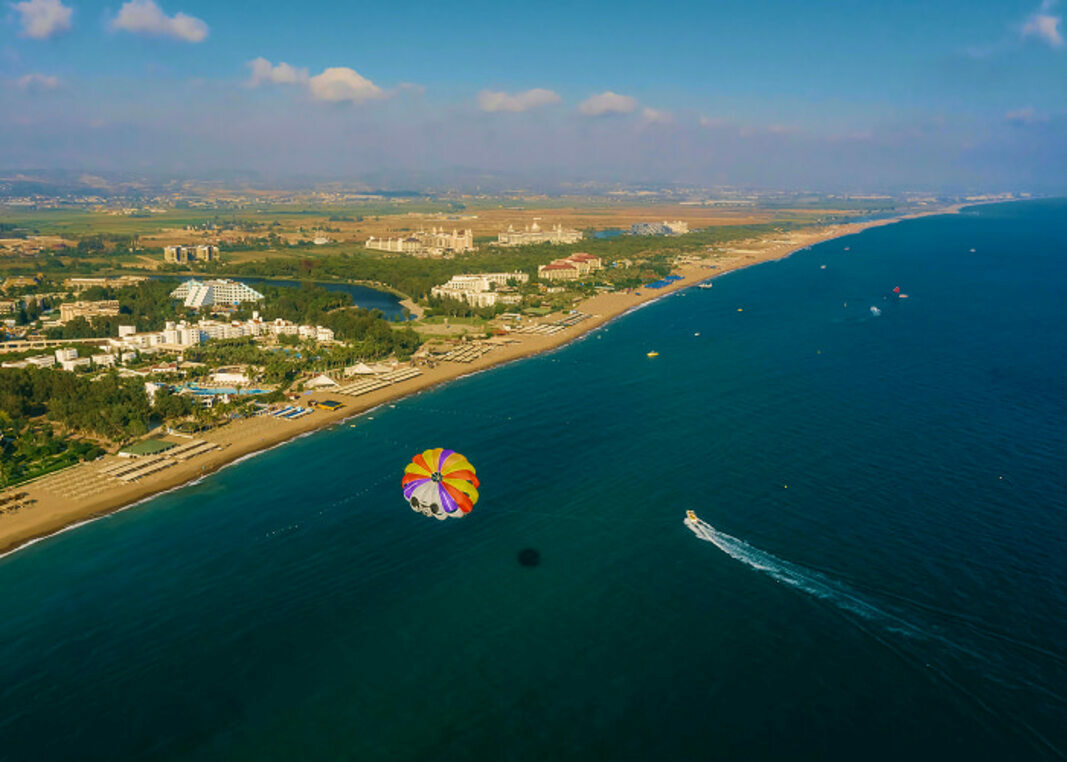
In 2026, Turkey has 580 Blue Flag beaches, with the highest concentration located in the Antalya region (232 beaches). In Turkey, it is important to consider one specific feature: many certified beaches belong to individual hotels, which means that the Blue Flag may apply only to a particular section of coastline rather than to the entire resort.
The main certified coastal destinations in Turkey are concentrated in regions well known to tourists from Eastern Europe:
- - Antalya and Belek: long sandy beaches with state-of-the-art facilities. Hotels in these regions invest heavily in daily sand filtration, coastal cleaning, and strict environmental monitoring of marine conditions.
Antalya
Belek
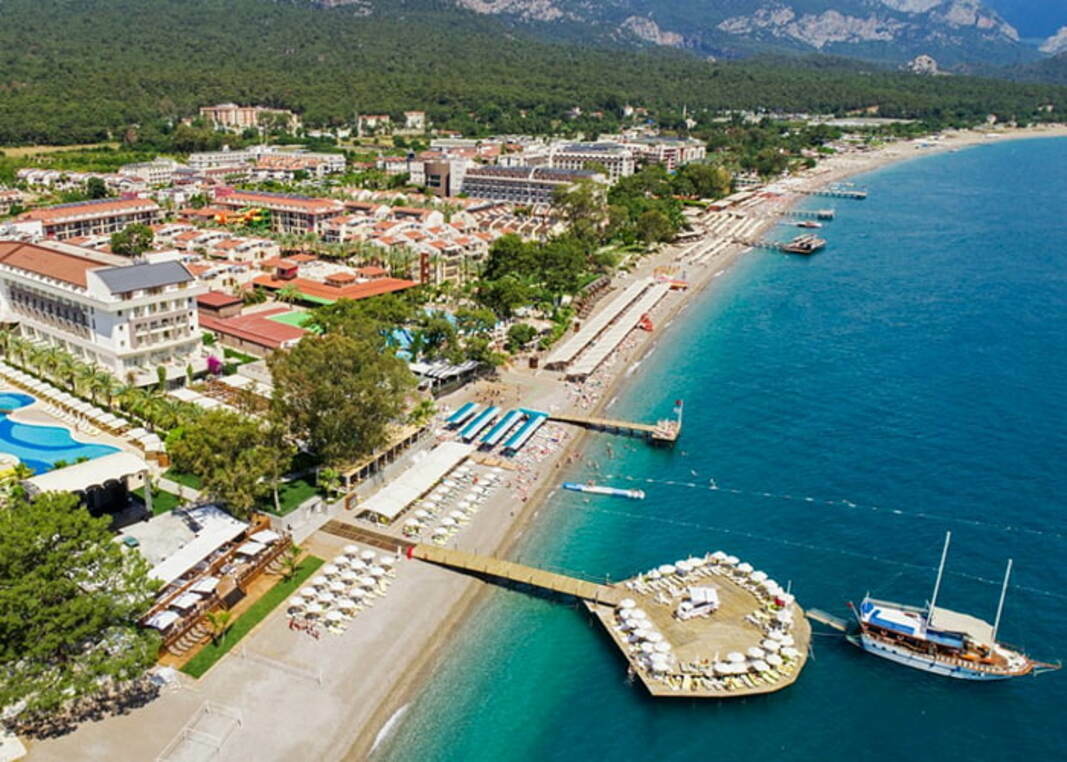
- - Kemer: a unique region where, thanks to its large and small pebbles, the seawater maintains exceptional crystal-clear transparency even during rough sea conditions.
- - Bodrum, Marmaris and Fethiye: the Aegean coast, featuring picturesque secluded bays and premium marina infrastructure.
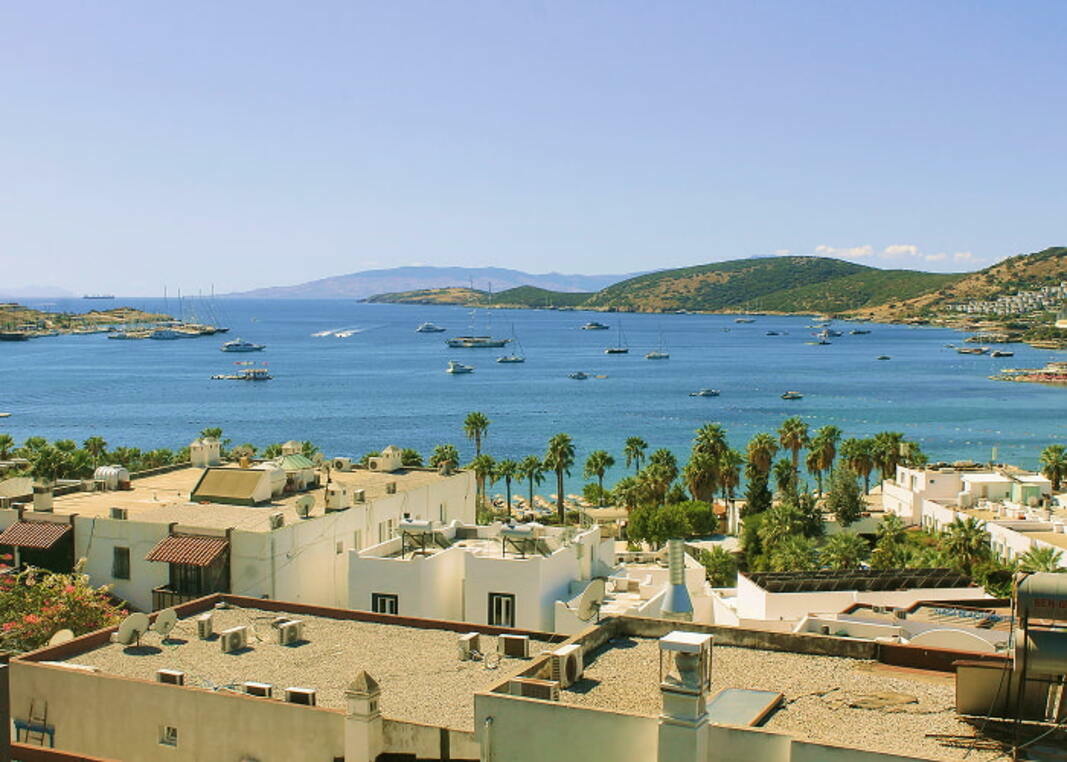
Bodrum
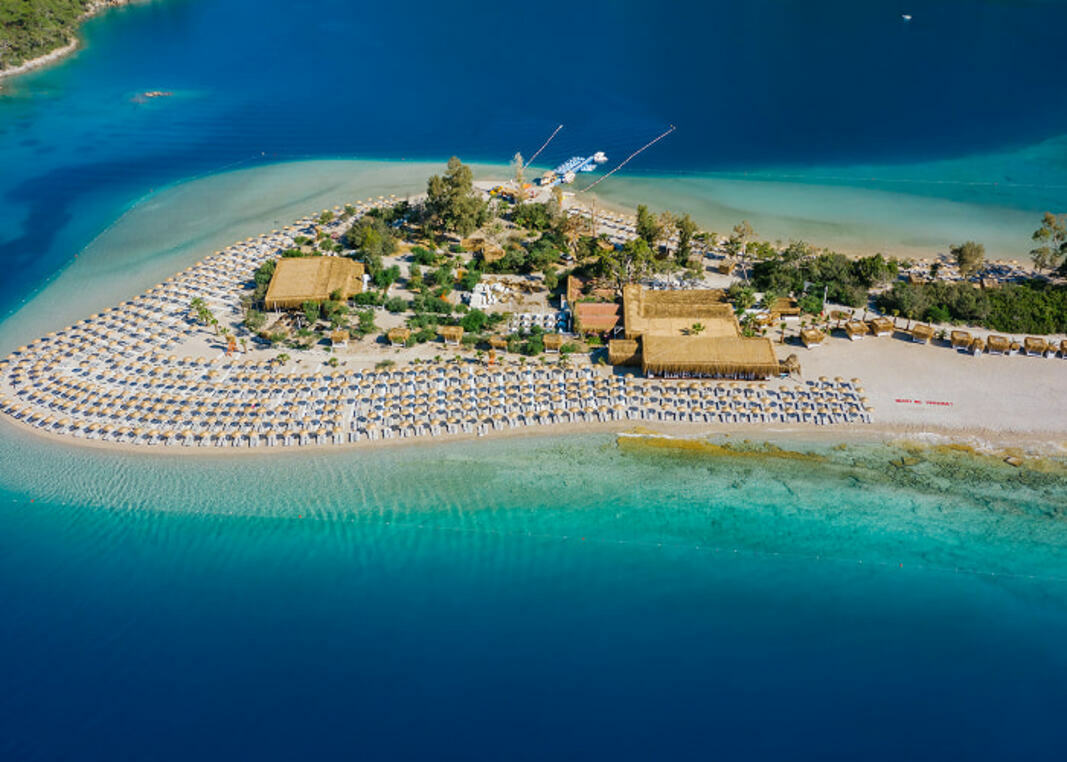
Marmaris
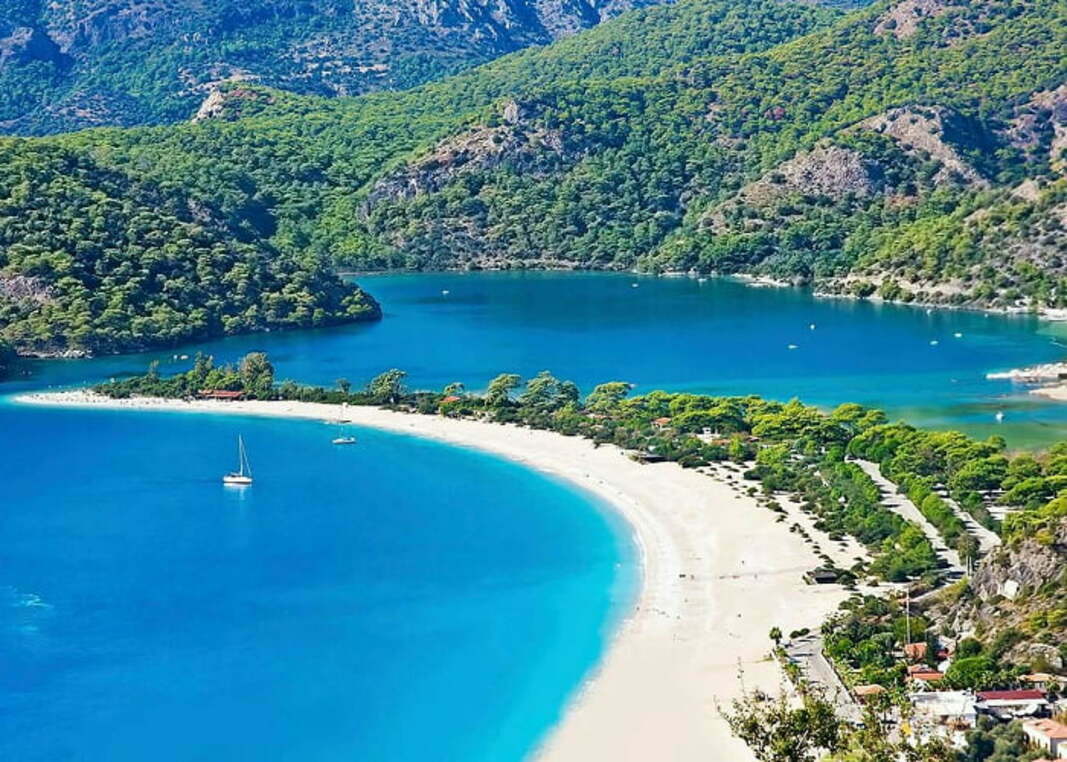
Fethiye
Blue Flags in Cyprus
Blue Flag beaches in Cyprus are rightly considered a benchmark for safe family holidays: the island is compact, and the roads connecting the beaches are excellent. Even if you change locations every day, you can be confident in a consistently high standard of beach infrastructure and coastal management.
Particular attention is paid on certified Cypriot beaches to accessibility and comfort for people with disabilities: modern ramps, dedicated pathways, and amphibious wheelchairs for visitors with reduced mobility are widely available.
The main resort areas in Cyprus with officially certified beaches include:
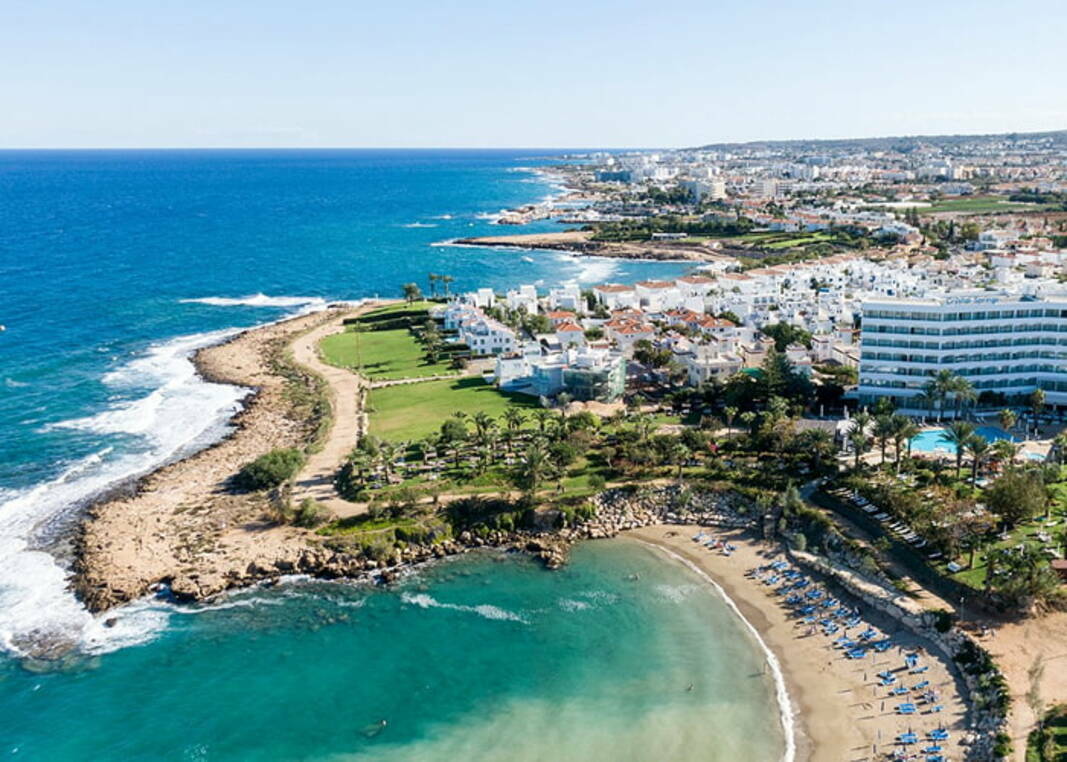
- - Ayia Napa and Protaras — world-famous beaches with fine white sand and a gentle entry into the sea (including iconic beaches such as Nissi Beach and Fig Tree Bay).
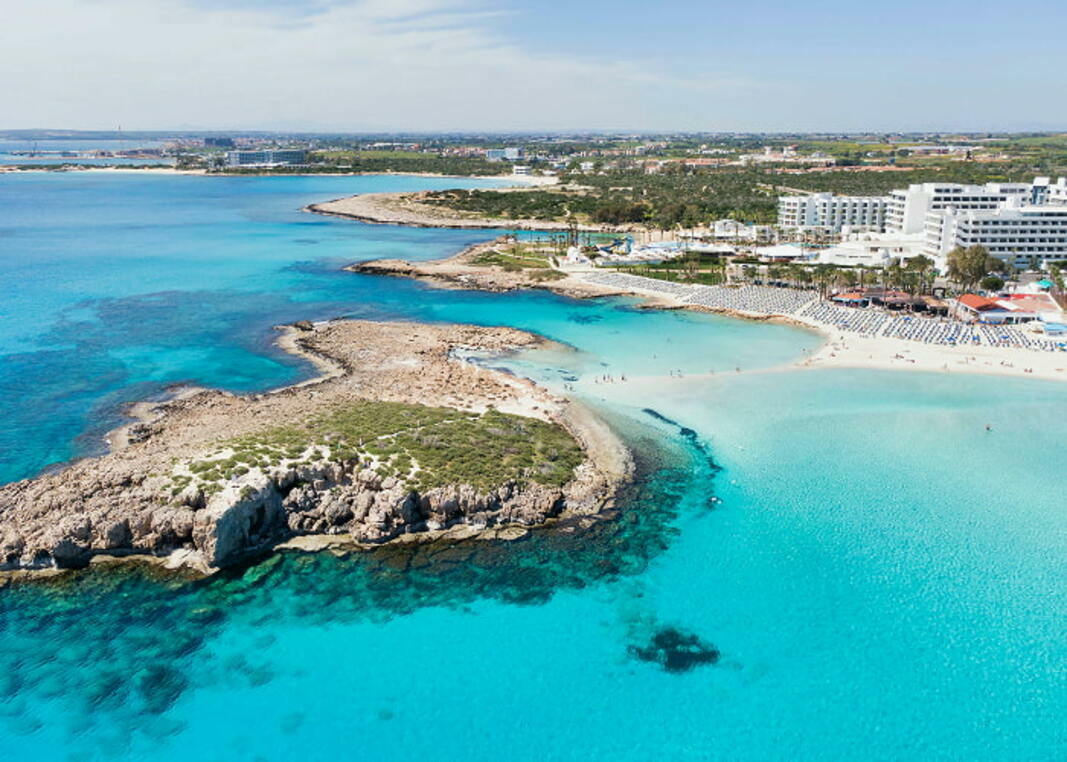
Ayia Napa
Protaras
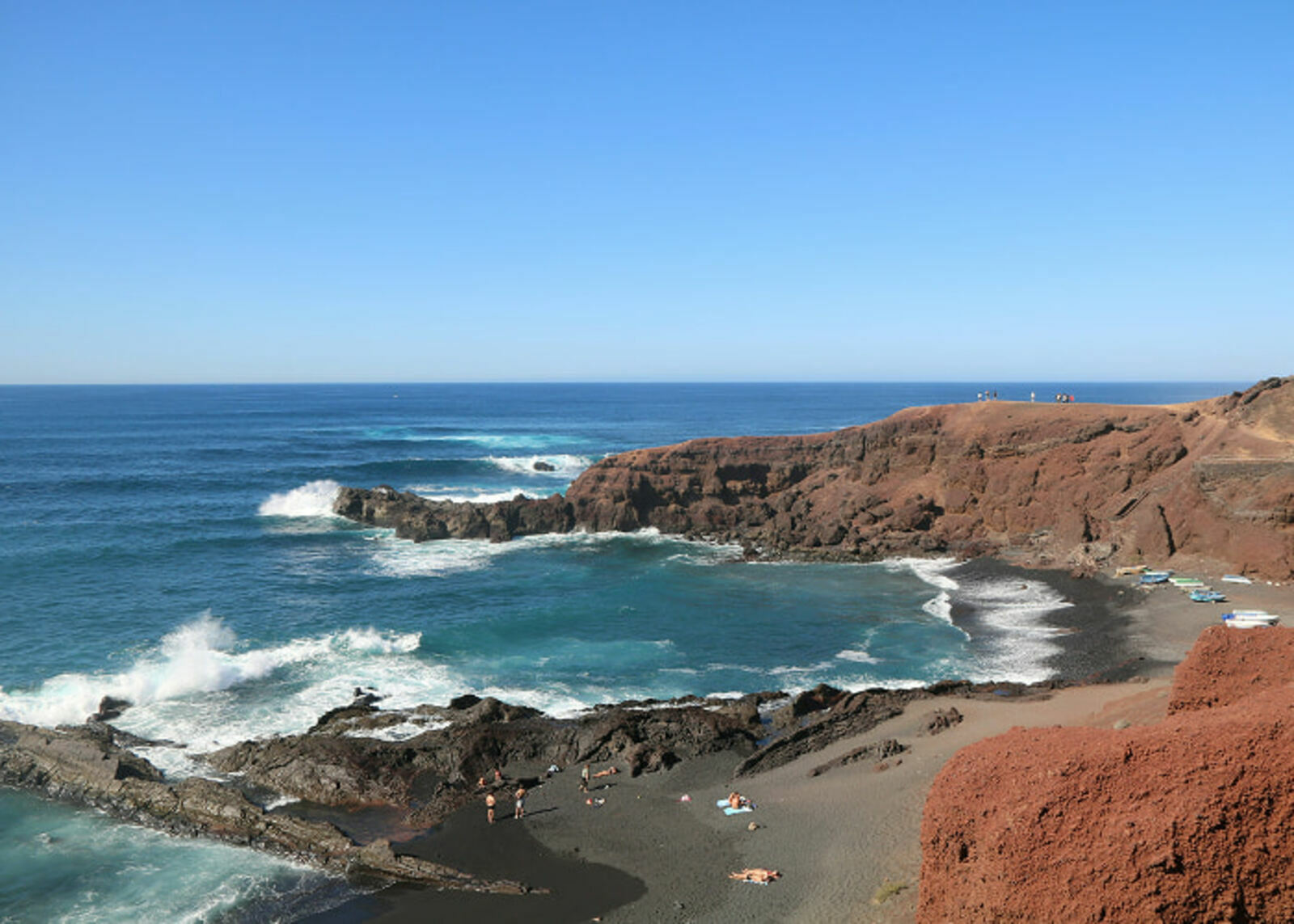
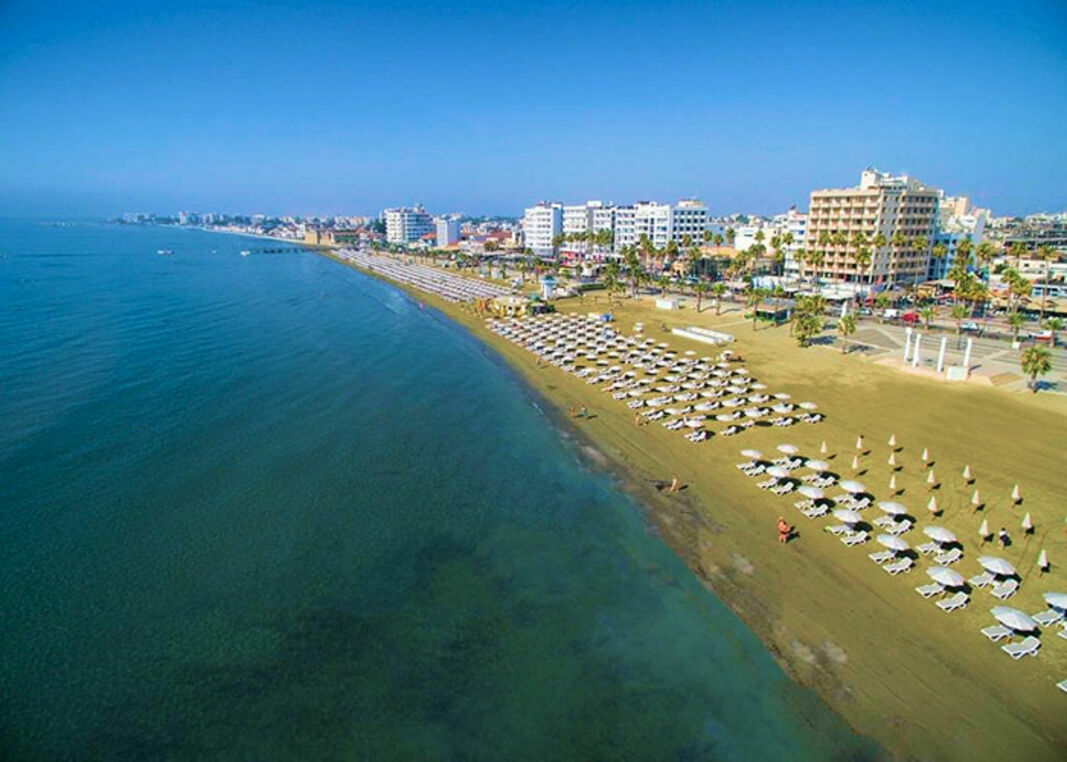
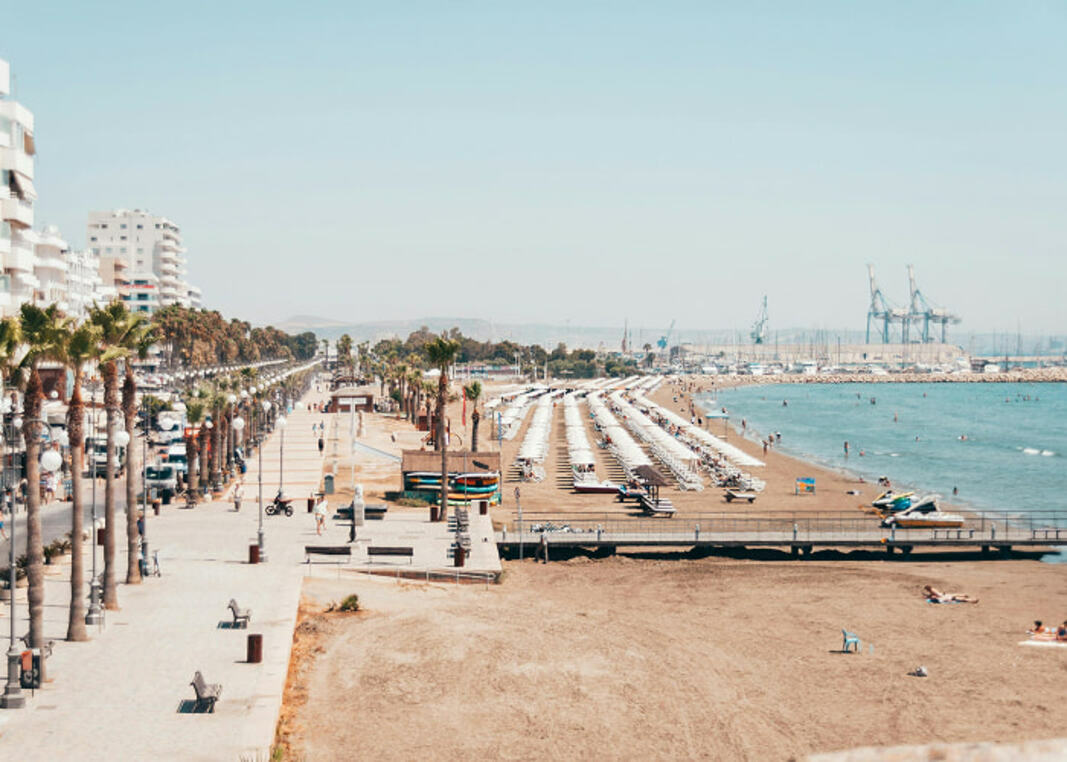
- - Larnaca and Limassol — spacious urban and resort beaches with dark volcanic sand. Although they may appear less “Instagram-worthy,” they are impeccable in terms of water quality indicators and sanitary safety standards.
Larnaca
Limassol
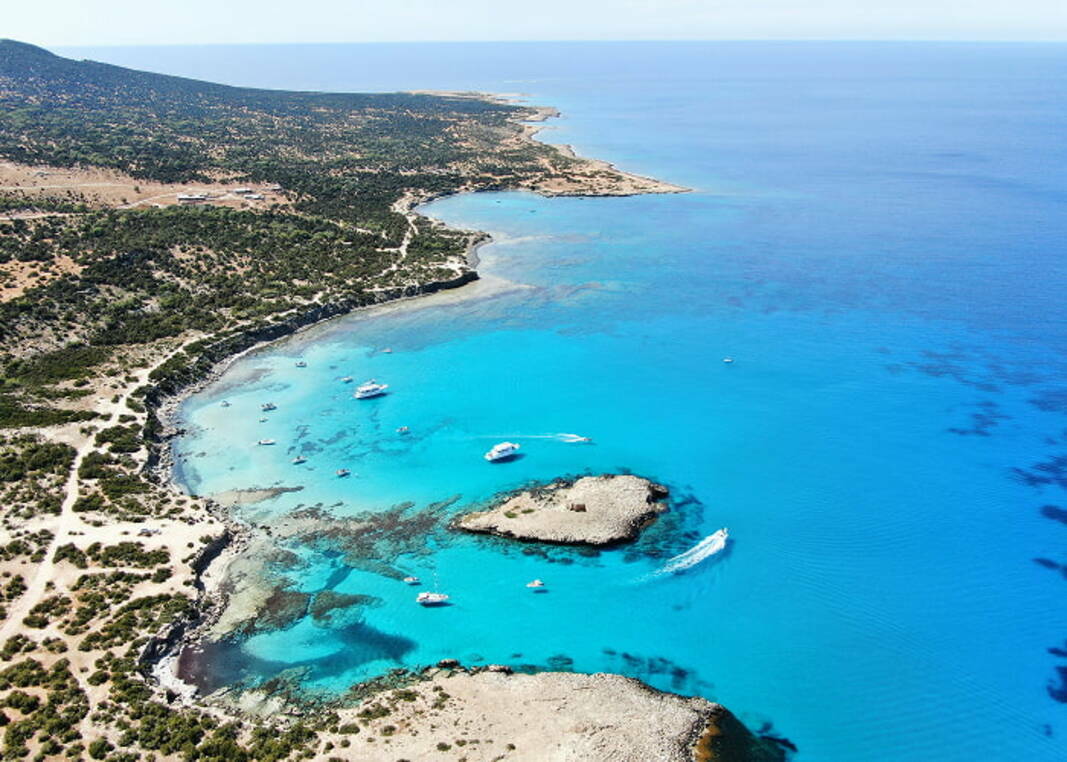
- - Paphos — a rocky coastal region where the Blue Flag guarantees that the local authorities have provided safe wooden platforms, secure access ladders to the water, and clearly marked swimming areas with buoys.
Blue Flags in Bulgaria
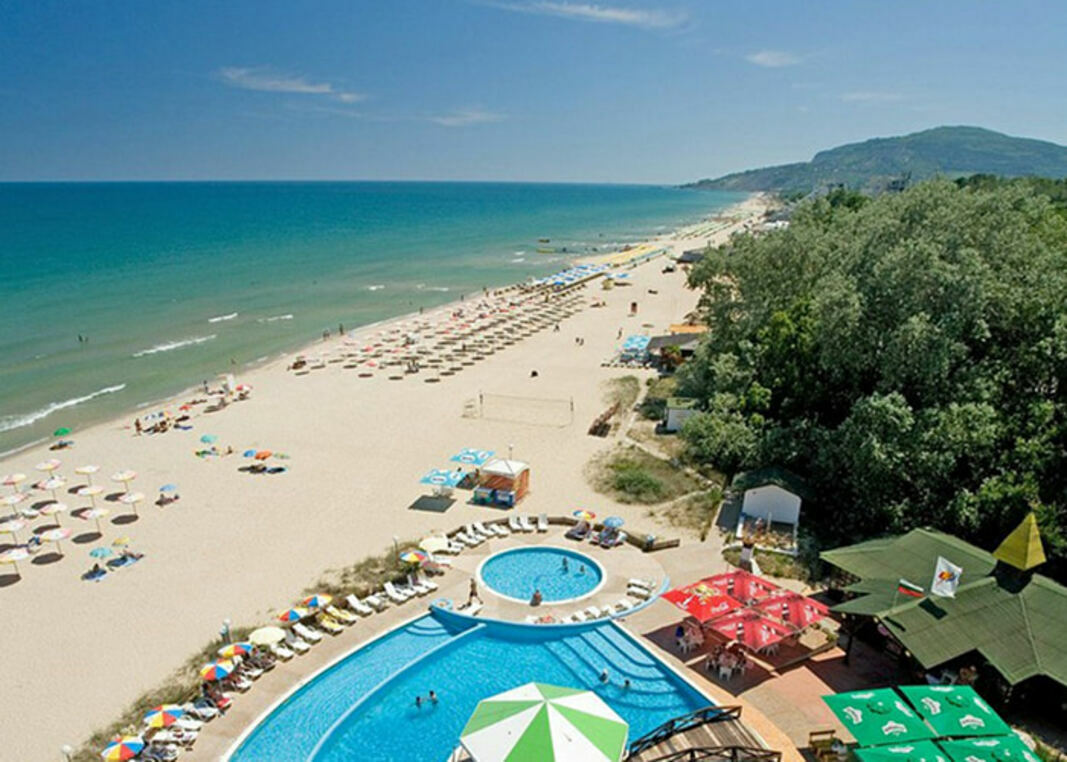
Blue Flag beaches can also be found in Bulgaria, despite the fact that the waters of the Black Sea are naturally less transparent than those of the Mediterranean Sea due to the large number of rivers flowing into it and its predominantly sandy seabed. For this reason, the official FEE certification in Bulgaria is valued like gold, serving as a key indicator of safety, while holidays in Bulgaria from Chișinău and Bucharest remain significantly more affordable for travelers from our region.
- - Sunny Beach and Nessebar. Wide, long stretches of sandy coastline with well-developed beach infrastructure.
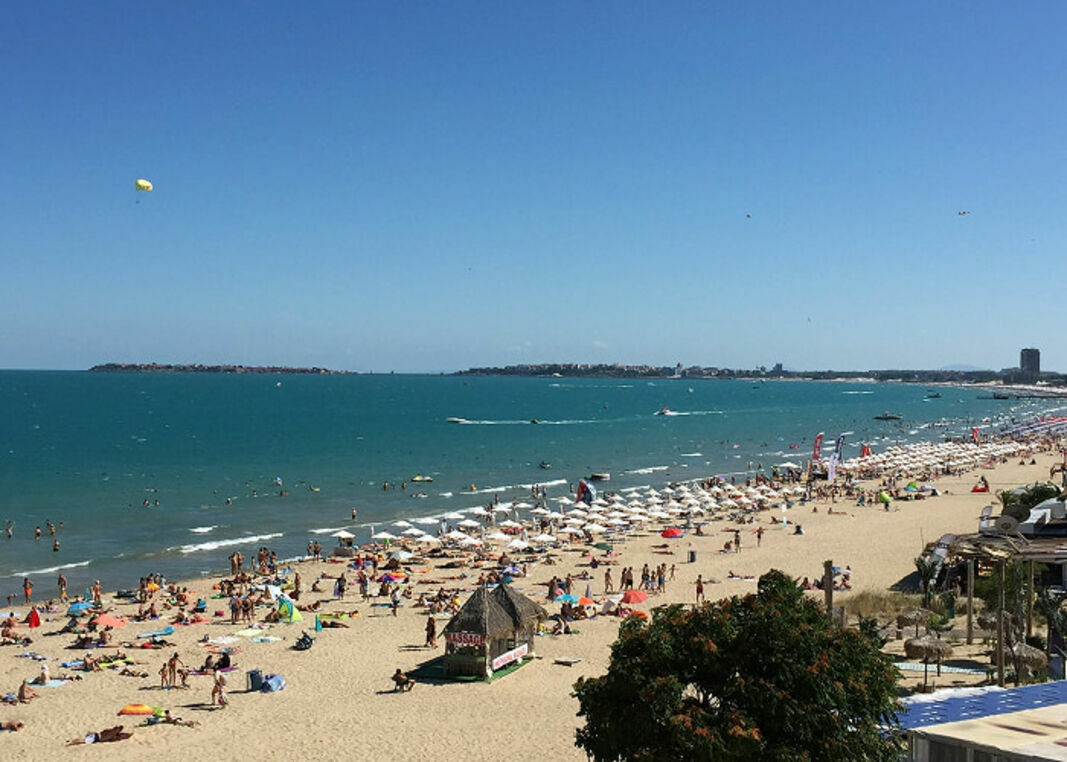
Sunny Beach
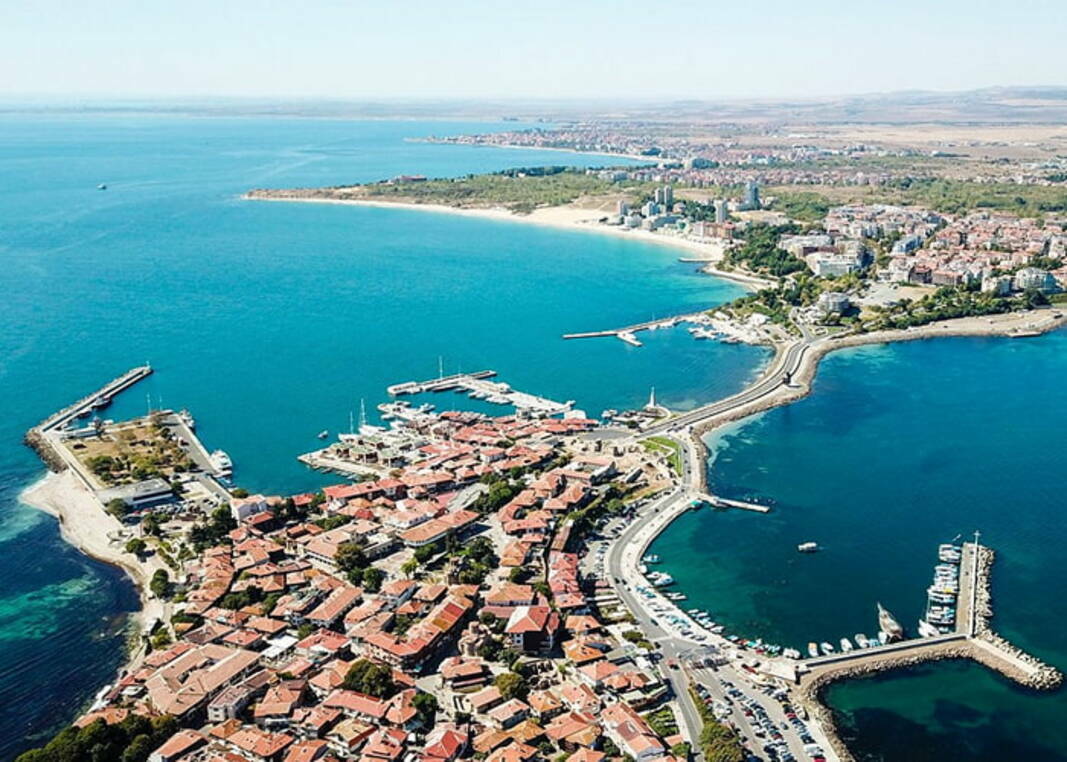
Nessebar
- - Sozopol. A historic region with exceptionally clean sandy beaches (such as Harmanite Beach) that have preserved their natural ecosystem.
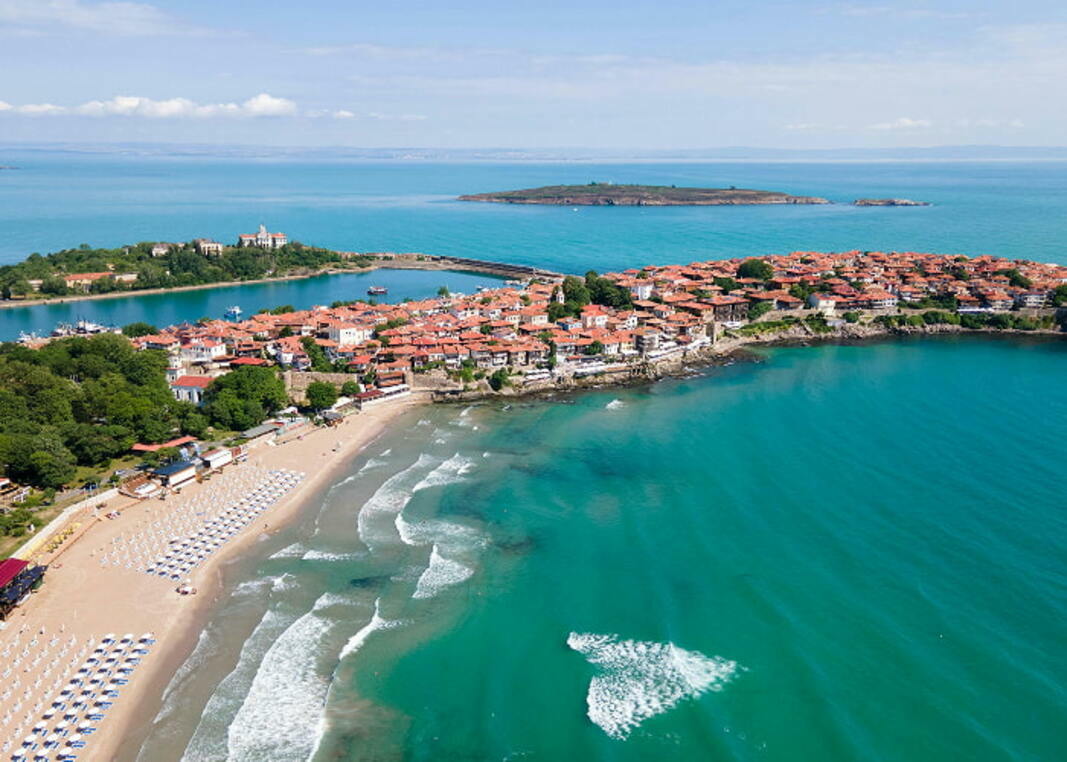
- - Golden Sands and Albena. Resorts surrounded by dense natural parks, where strict sanitary beach standards are maintained through rigorous environmental protection measures.
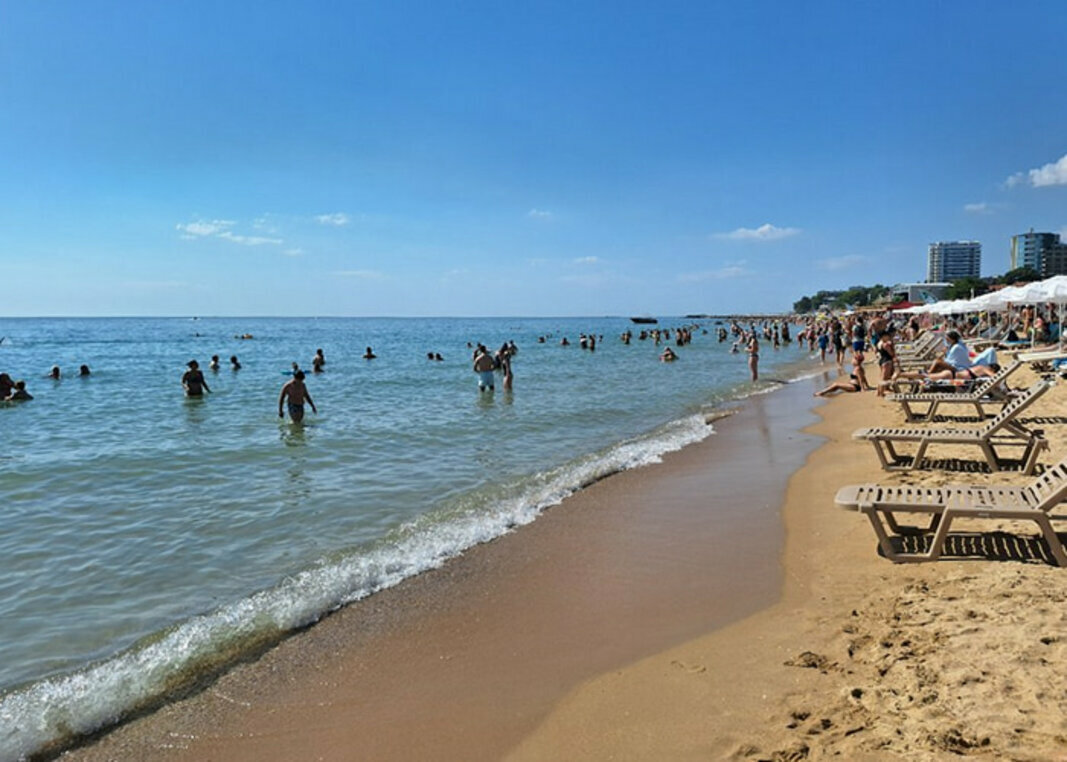
Golden Sands
Albena
Admiral Travel Tip: Do not assume that the cleanliness status of one specific beach applies to the entire resort region. Always choose hotels that are directly associated with certified coastal areas.
Blue Flags in Spain
Blue Flag beaches in Spain are considered a benchmark for compliance with environmental standards. Traditionally, the country ranks first in the number of certified beaches: hotel owners, municipalities, and government organizations work together to achieve this goal. Among Spain’s key regions renowned for their exemplary coastline are:
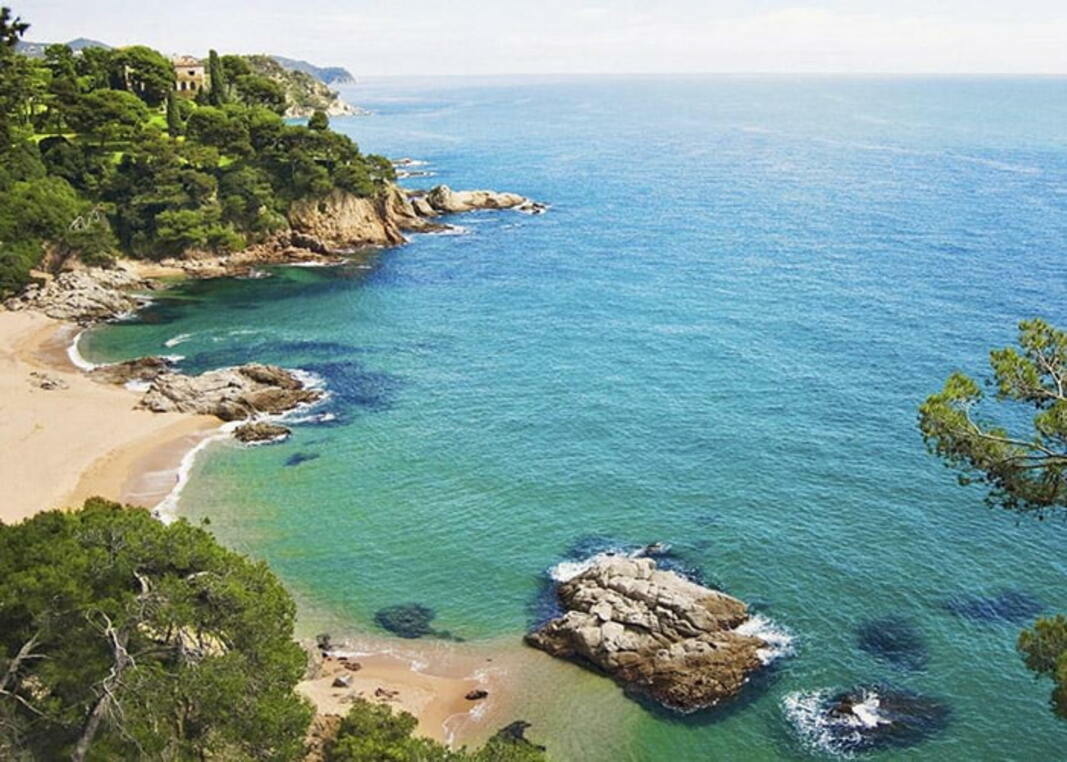
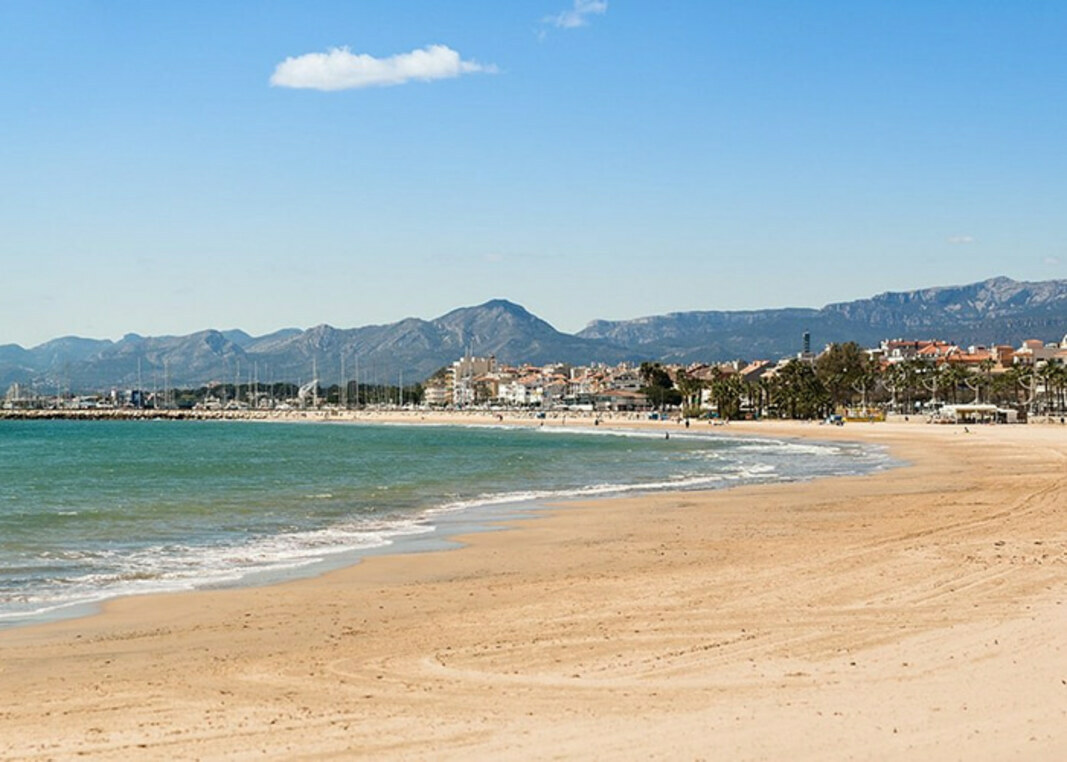
- - Costa Brava and Costa Dorada. The coastline of Catalonia, where picturesque rocky coves alternate with long sandy beaches.
Costa Brava
Costa Dorada
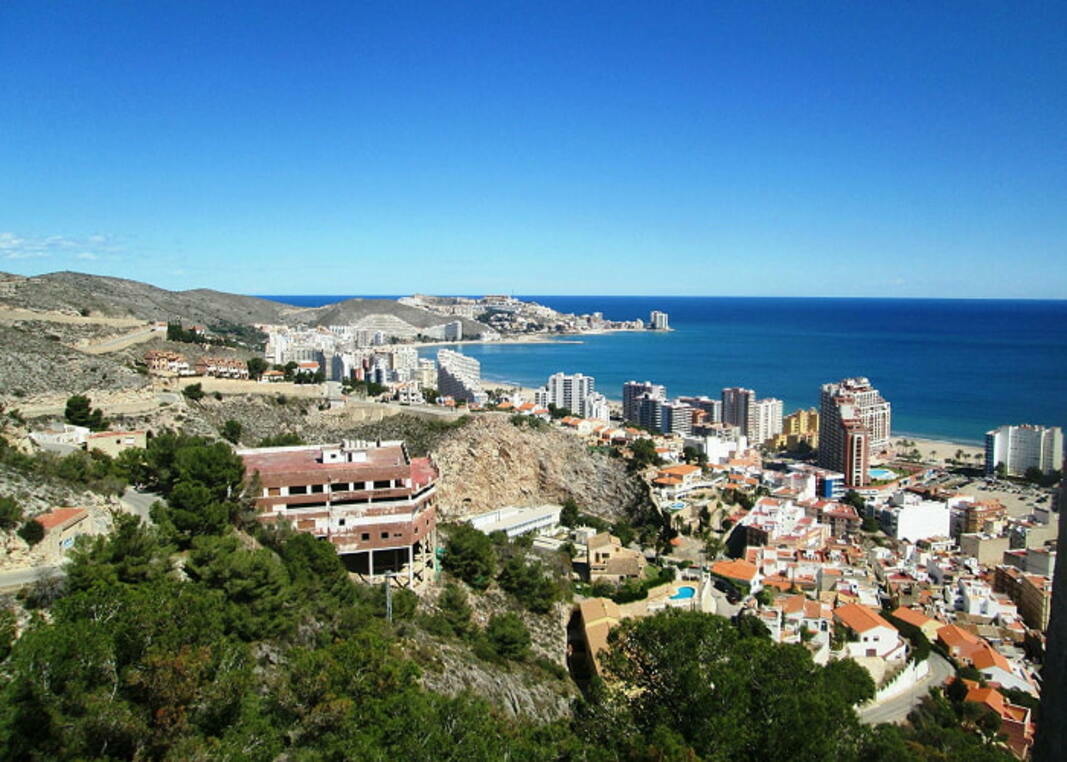
- - Valencia and Andalusia. Extensive municipal beach areas along the Costa Blanca and Costa del Sol, where waste separation systems are exceptionally well organized, modern beach facilities are available, and lifeguard services operate around the clock.
Valencia
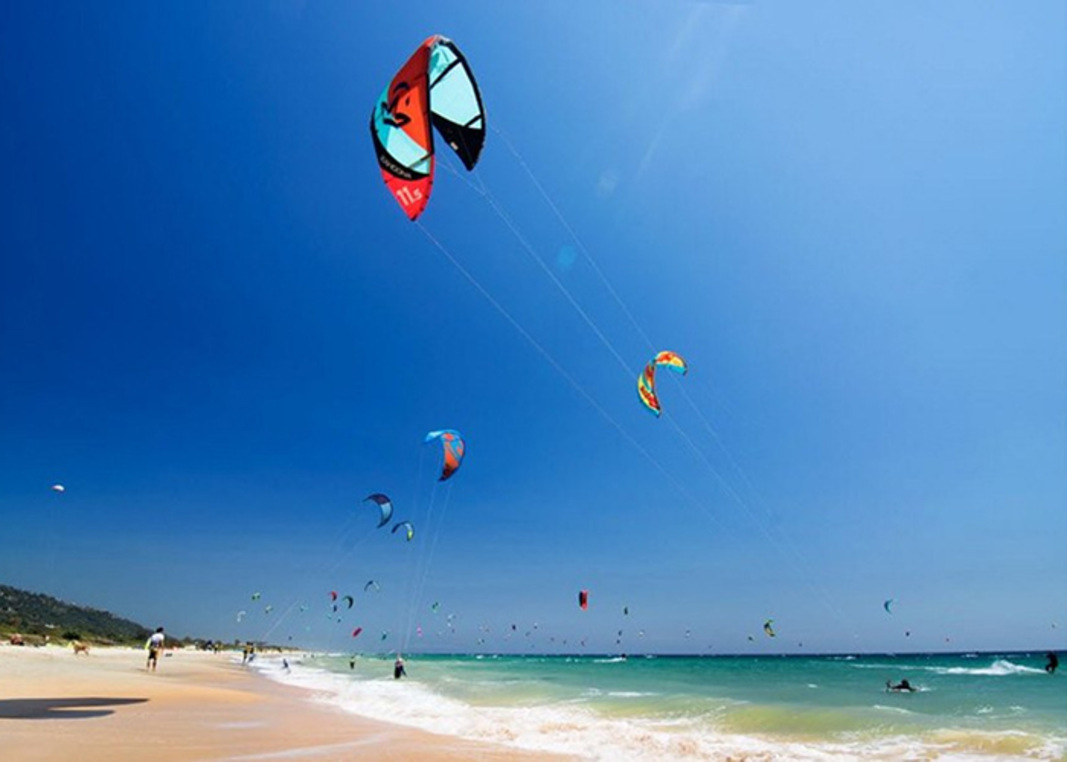
Andalusia
- - Balearic Islands and Canary Islands. Unique island ecosystems in Mallorca, Tenerife, and Gran Canaria, where the protection of natural dunes, marine flora, and ocean wildlife is enforced by law.
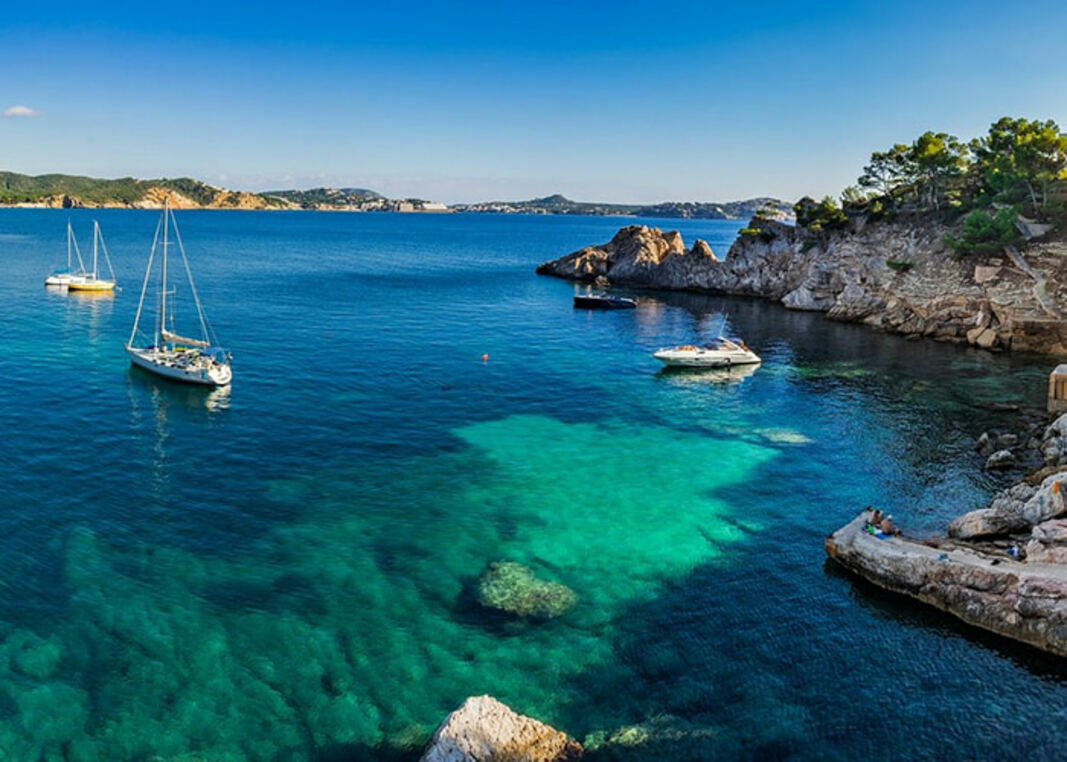
Balearic Islands
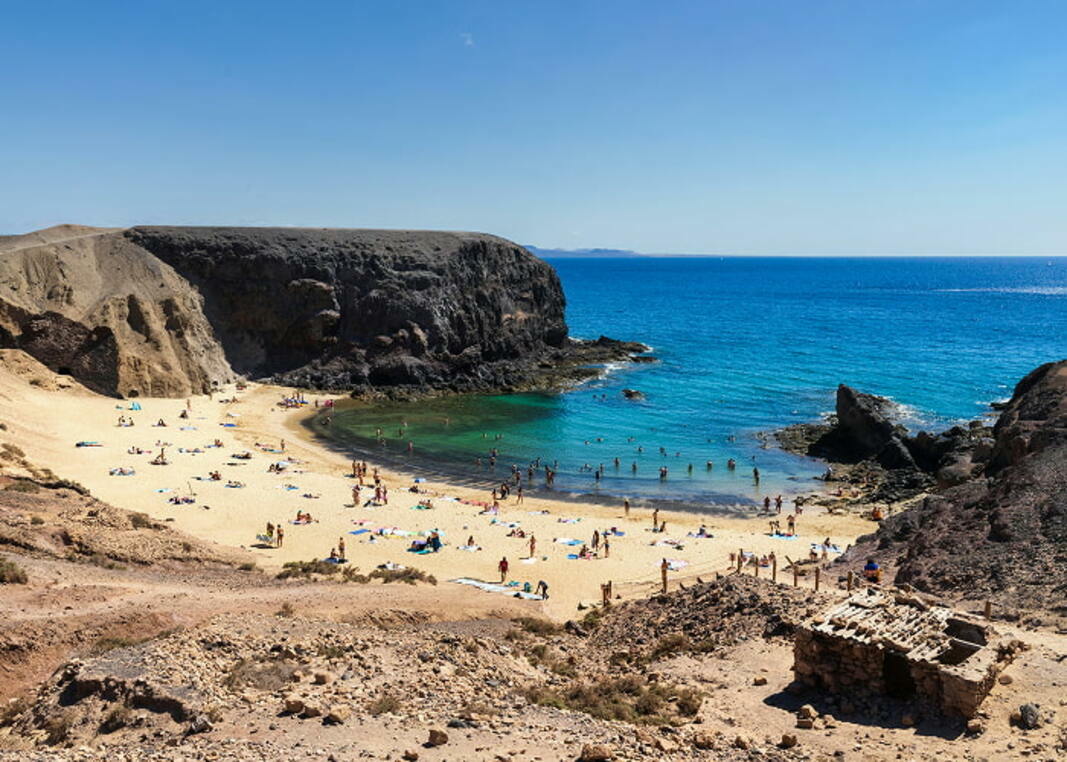
Canary Islands
During peak season (July–August), due to the huge influx of tourists, the water near the shore may temporarily appear cloudy in the afternoon because of sand stirred up by swimmers and sunscreen residues. This is a natural process and should not be confused with toxic pollution.
Common Tourist Mistakes
After analyzing customer reviews, Admiral Travel experts have identified the six most common misconceptions about Blue Flag beaches:
- 1. Associating weather conditions with the Blue Flag. The award guarantees beach and water quality but does not prevent natural storms, strong currents, or the appearance of jellyfish.
- 2. Relying on old photos: the status is awarded strictly for a single season. A beach that was ideal last summer may have lost its certification this year.
- 3. Ignoring lifeguard warnings: blindly trusting a hotel's reputation and entering rough waters despite warning signs and official restrictions.
- 4. Judging an entire resort by a single beach: assuming that the whole coastline is clean simply because one specific hotel beach has received the award.
- 5. Visiting outside the season: being surprised by the absence of lifeguards and closed facilities in early spring or late autumn.
- 6. Overlooking child-friendly conditions: choosing a hotel solely because of the Blue Flag without checking water depth, wave conditions, shade structures, and playground facilities.
Brief Conclusion
The Blue Flag is a reliable indicator when choosing a holiday destination, but it should not be the only criterion. Ideally, select beaches that have a current Blue Flag certification, transparent water quality information, active lifeguard services, good sanitary infrastructure, and a safe entrance into the sea.
Before booking a holiday from Chișinău or Bucharest, consult the experts at Admiral Travel. We carefully review the latest official lists published by national operators and help you choose a beach that is genuinely clean, comfortable, and safe.
FAQ: Frequently Asked Questions
What does the Blue Flag on a beach mean?
It is an international environmental certification confirming that a beach complies with standards for water quality, safety, infrastructure, and environmental management.
Who awards the Blue Flag?
The program is coordinated by the Foundation for Environmental Education (FEE), an international organization dedicated to environmental education and sustainable tourism.
Is swimming allowed on a Blue Flag beach after a storm?
Not always. Following storms or heavy rainfall, water quality may temporarily deteriorate. Visitors should follow warnings issued by lifeguards and local authorities.
Does the Blue Flag mean the beach is suitable for children?
In most cases, yes, but not automatically. For a family holiday, it is important to additionally evaluate water depth, wave conditions, lifeguard presence, and available facilities.
Where can I check the updated list of Blue Flag beaches?
On the official Blue Flag website, as well as on the websites of national program operators and tourism authorities.
Ion Admiral
Head Manager & Lead Travel Blogger