
 Enter
Enter



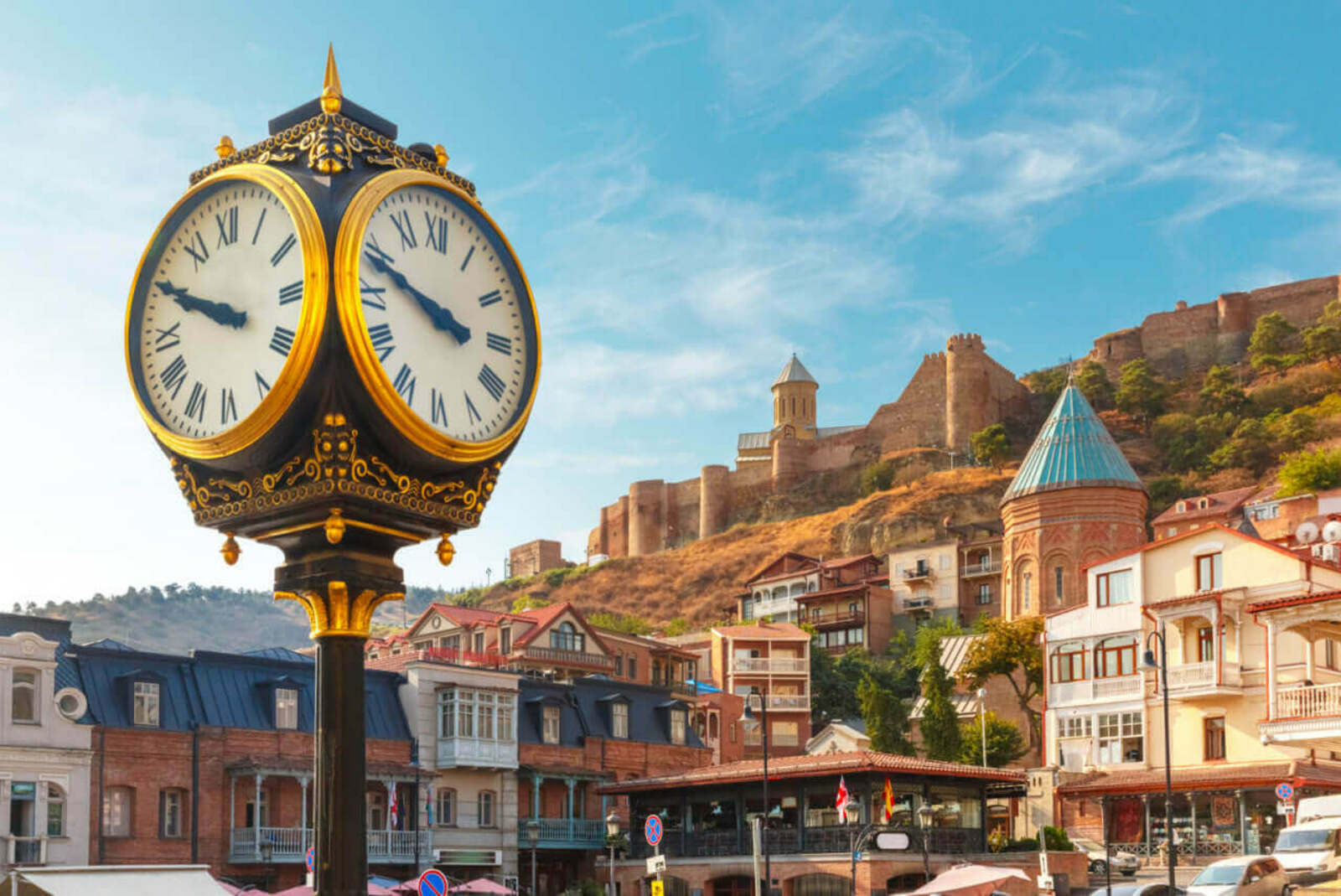

In 2024, city breaks are set to become the biggest trend among travelers in the UK, overtaking beach holidays in popularity. Europe offers endless variety for lovers of great food, nightlife, and culture—bringing together classic destinations such as Rome, Amsterdam and Paris, as well as cities that are less famous but just as appealing.
Here’s your list of ideal urban destinations in Europe for 2024:
City breaks lead the trend
Short urban getaways are expected to outshine beach vacations in 2024.
Food, nightlife, culture
Europe stays unbeatable for packed, experience-rich weekends.
Classics and hidden gems
Iconic cities sit alongside underrated places that feel fresh and surprising.
16 destinations to pick from
Wine tastings, rooftop bars, festivals, museums, and coastal vibes—choose your style.
A simple planning nudge
Start browsing, compare vibes, and lock in your next adventure from today.
Your ideal European city-break destinations for 2024
1. Porto, Portugal — a postcard-worthy city, known for its riverside wine houses and rooftop bars.
2. Brighton, United Kingdom — famous for its beaches and rich cultural life.
3. Tbilisi, Georgia — a unique blend of historic heritage and modern culture.
4. Marseille, France — a Mediterranean city with impressive landscapes, beaches, and museums.
5. Bihać, Bosnia and Herzegovina — rich cultural heritage and natural beauty.
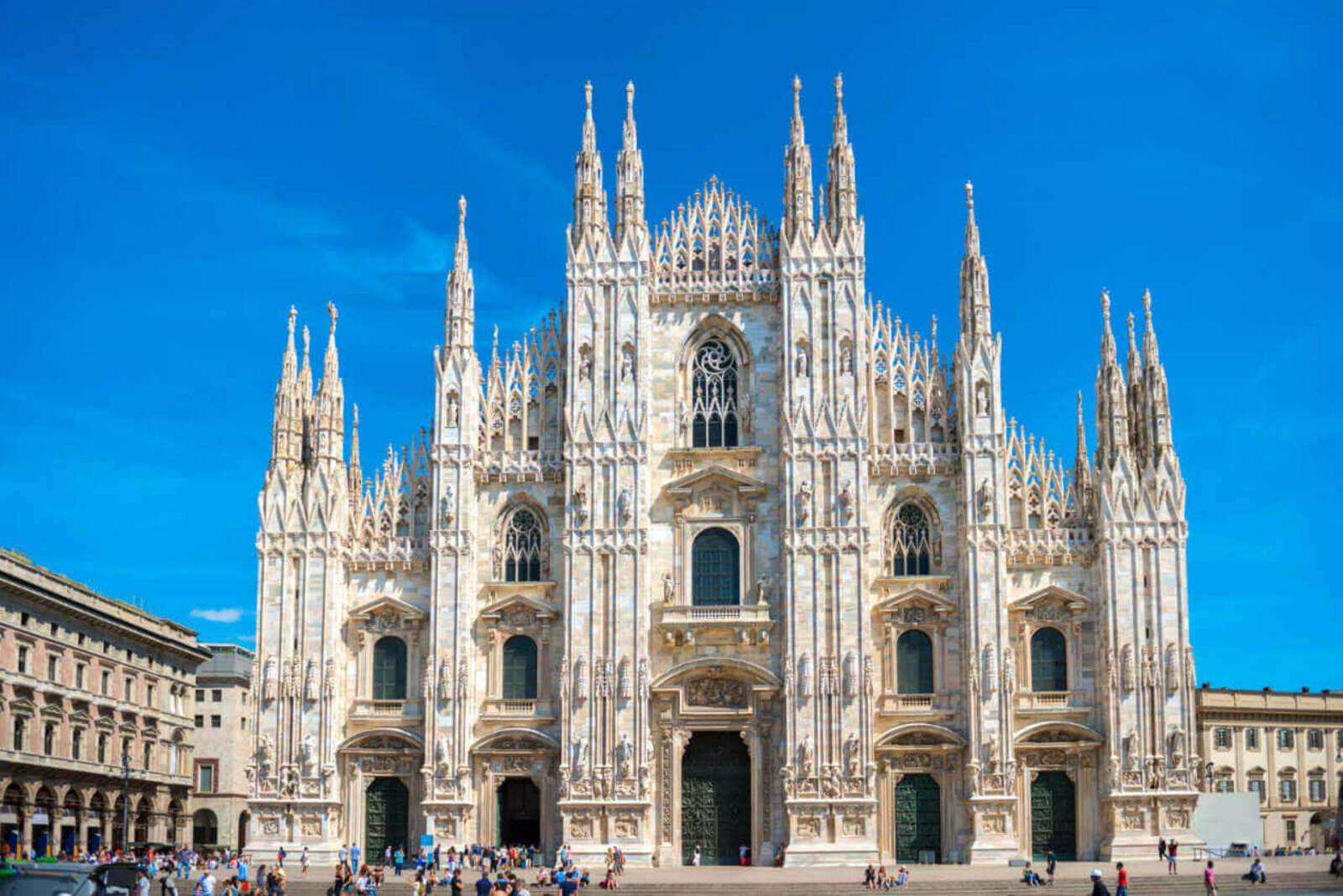
6. Milan, Italy — the city has transformed its industrial image into a more sustainable one, and is known for design and music festivals.
7. Bilbao, Spain — renowned for cultural attractions and its gastronomy.
8. Brno, Czechia — a rich cultural heritage and modern art.
9. Liverpool, United Kingdom — a city with a strong musical history and cultural attractions.
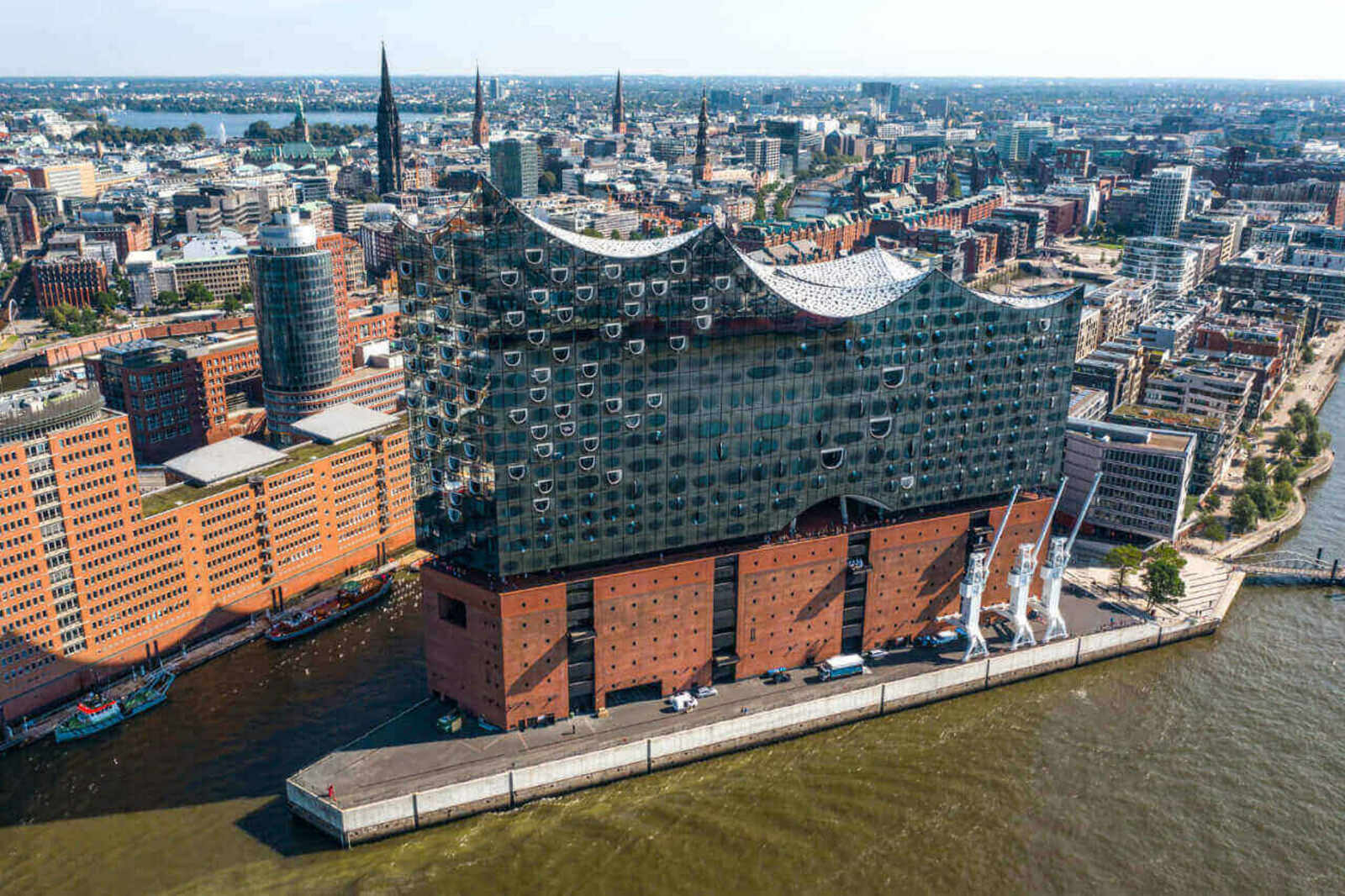
10. Hamburg, Germany — a port city with cultural richness and a sea breeze.
11. Kaunas, Lithuania — a unique mix of history and modern culture.
12. Galway, Ireland — known for its cultural life and festivals.
13. Glasgow, United Kingdom — outstanding architecture and music events.
15. Trikala, Greece — combines historical heritage with modernity.
16. Turku, Finland — a rich history and cultural events.
Every city has its own kind of magic
Each of these cities offers unique opportunities to explore—from wine tastings in Porto to Barcelona’s stunning architecture and nightlife. Milan stands out with its design festivals and music events, while Hamburg draws you in with cultural richness and that unmistakable sea air. Whether you’re after gastronomic pleasures, cultural treasures, or parties that last until sunrise, these cities are sure to match your vibe.
Explore these incredible destinations to make your 2024 getaway memorable. Learn more about each amazing place and start planning your next adventure from today!
Source: Timeout.com
You might also be interested in:
What to do on a European city break
Walk it like a local
Keep routes compact: old town, viewpoints, lively neighborhoods, and riverside or port promenades.
Eat your way through the city
Plan one standout food moment per day: market bites, a classic bistro, or a tasting experience.
Pick your culture highlights
Choose 1–2 major museums or landmarks, then leave space for spontaneous discoveries.
Nightlife, your way
Rooftop bars, live music, clubs, wine bars—pick what matches the city’s vibe (and yours).
1-day itinerary: the essentials + atmosphere
Morning
Coffee + a stroll through the center, then your main landmark (cathedral, museum, central square).
Afternoon
Local lunch + culture stop, then a neighborhood that feels less touristy and more “real city”.
Evening
Dinner + a viewpoint (river, port, rooftop), then nightlife or a live event.
2-day itinerary: relaxed, richer, better
Day 1
Core sights + old town + a memorable dinner in a place with local energy.
Day 2
Museum/gallery + market + a waterside or park walk, then a bar, concert, or club at night.
Little bonus
Keep 2–3 “free hours” for surprise finds—often the highlight of the whole trip.
How to get there: quick city-break principles
Flights
When you only have a few days, direct flights (when available) and smart flight times make a huge difference.
Local transport
Stay near the center or a strong connection; in many cities, 24–48h passes are worth checking.
Keep it compact
City breaks shine when your days are walkable: good food, culture, and a strong evening plan.
FAQ: European city breaks
How many days are ideal for a city break?
Typically 2–3 days is enough for highlights plus atmosphere, especially with a compact plan.
How do I pick the right city from a big list?
Start with your main priority: food, nightlife, culture, museums, design, or seaside energy.
Can I combine city vibes with a beach feel?
Yes—port and coastal cities are perfect for mixing strolls, museums, and time by the water.
How do I fit more into a short weekend?
Stay central, plan 1–2 big stops per day, and keep neighborhoods close to each other.
Are city passes worth it?
They can be—especially if you’ll use public transport a lot and visit multiple museums in 24–48 hours.
What should I pack for 2–3 days?
Comfortable shoes, one warm layer, and one smarter outfit for evenings out usually covers it.
How do I catch the “local vibe” fast?
Add markets, smaller neighborhoods, viewpoints, and places locals actually hang out.
What if I prefer culture over nightlife?
Focus on museums, architecture, and guided walks—then keep evenings for relaxed dining.
How do I keep my plan realistic?
Pick 3 must-dos, 3 nice-to-haves, and leave the rest for spontaneous moments.
Where should I stay for a city break?
Prioritize convenience: central areas or strong transport links help you save time and energy.
How can I estimate a basic weekend budget?
Add accommodation, local transport, two meals per day, and tickets for museums or landmarks.
How do I avoid crowds?
Book popular attractions online, go early, and balance the center with quieter neighborhoods.