
 Enter
Enter






Overview
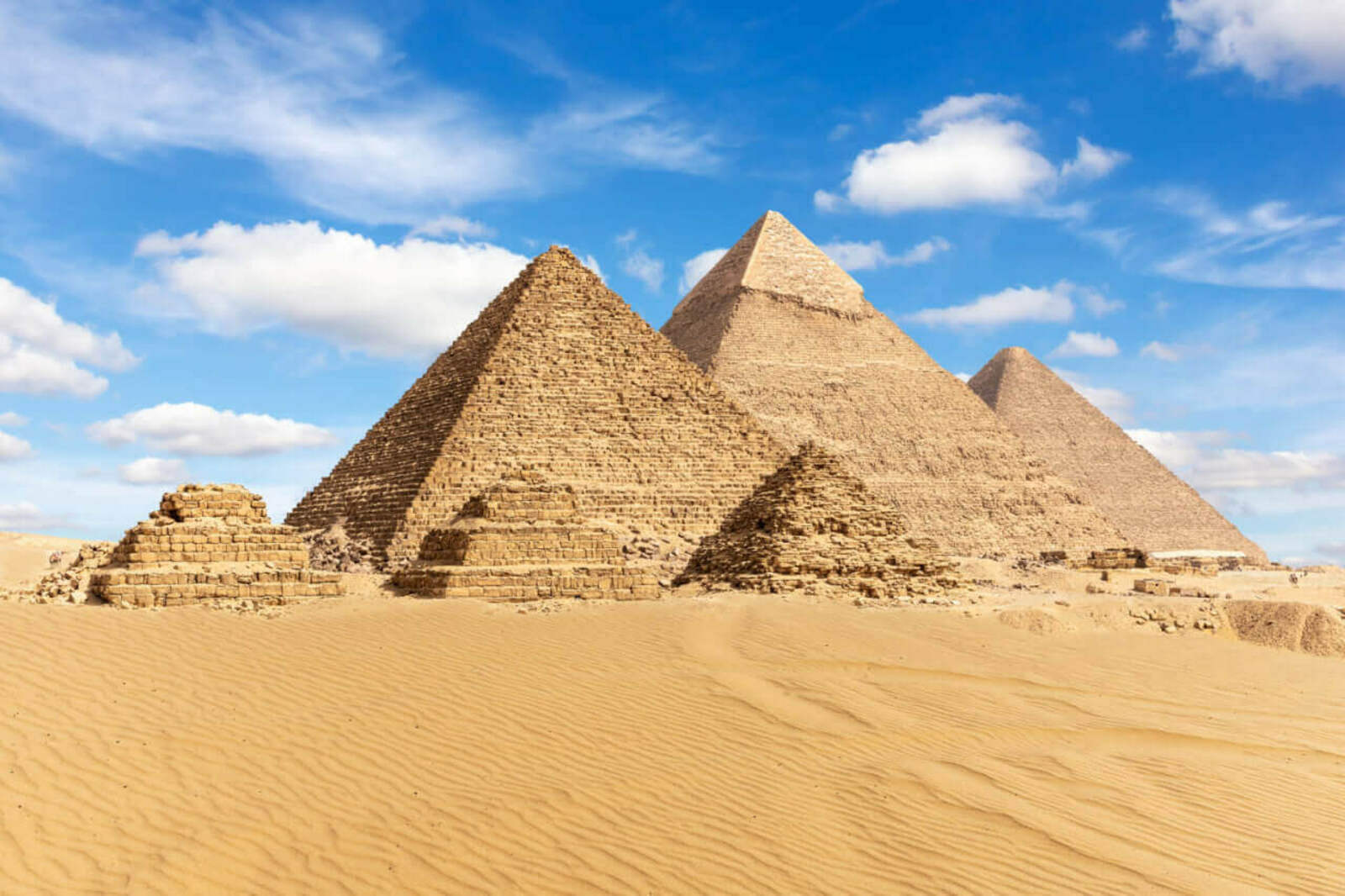
Egypt, in collaboration with Japan, is initiating an ambitious restoration project focused on one of its most emblematic ancient monuments—the Menkaure Pyramid, known for its size and unique significance in the history of Ancient Egyptian civilization.
The project, informally described as “Egypt’s gift to the world,” aims to reconstruct the pyramid’s original look by using stones found around the structure during archaeological excavations, as well as stones that may still lie underground.
The works, expected to last three years, will begin with the Menkaure Pyramid—the smallest of the three great pyramids at Giza. The restoration plan includes recreating its exterior appearance, which differs significantly from how the pyramid looks today. To achieve this, the team plans to use photogrammetry, laser scanning, and the physical placement of recovered stones.
Mostafa Waziri, head of Egypt’s Supreme Council of Antiquities, emphasized the project’s importance, noting that these efforts could allow tourists and researchers to see the Menkaure Pyramid as it was originally built by the Ancient Egyptians. The project is presented not only as a way to restore the pyramid’s striking appearance, but also as a contribution to a deeper understanding of Ancient Egypt’s engineering skill and architectural achievements.
Key points at a glance
Egypt–Japan collaboration on a high-profile heritage project.
Goal: recreate the pyramid’s original exterior appearance.
Materials: stones found around the structure and those still underground.
Methods: photogrammetry, laser scanning, and physical stone placement.
Timeline: the work is expected to take about three years.
What the restoration plan includes
The project aims to bring the Menkaure Pyramid closer to its original appearance by reusing stone blocks found around the monument during excavations, as well as blocks believed to remain underground.
Work is expected to begin with the Menkaure Pyramid—the smallest of the three great pyramids at Giza. The plan focuses on reconstructing its exterior look, which is said to differ significantly from how the pyramid appears today.
To support accuracy, the team intends to use photogrammetry and laser scanning, alongside the physical installation of recovered stones.
According to Mostafa Waziri, head of Egypt’s Supreme Council of Antiquities, the outcome should help visitors and researchers see the Menkaure Pyramid as it was originally built, while also deepening understanding of Ancient Egypt’s engineering and architecture.
What to do
Plan a full day on the Giza Plateau: take in multiple viewpoints, slow down for details, and keep time for understanding how the monument’s exterior has changed over time.
If you’re visiting while restoration-related activity is ongoing, expect routes and access points to vary—heritage work can temporarily reshape visitor flows.
For history lovers, this is a chance to follow how archaeology and technology meet: photogrammetry, laser scanning, and hands-on work with recovered stone blocks.
1-day itinerary (Giza essentials)
Morning: start early on the Giza Plateau for calmer crowds and better light, then orient yourself across the three main pyramids.
Midday: focus on the Menkaure Pyramid, the smallest of the three, and take time to note its distinctive exterior and how the restoration aims to reshape its presentation.
Afternoon: revisit key viewpoints, then wrap up with a slower walk to “connect the dots” between history, architecture, and modern research methods.
2-day itinerary (unhurried)
Day 1: explore the Giza Plateau broadly—panoramas, viewpoints, and the “big picture” context of the three great pyramids.
Day 2: return for a different light and a deeper focus on the Menkaure Pyramid, paying attention to the restoration theme—documentation methods and the approach to reusing recovered stones.
This format works well if you want more than a checklist visit and prefer to understand why the project matters for both tourism and research.
How to get there
Most visits to the Giza Plateau are organized via Cairo: typically you arrive in the capital and then continue to Giza by local transport or as part of a guided tour.
Because archaeological work can affect access, it’s smart to check current visitor rules and opening details before you go, especially in peak season.
Source & related reads
FAQ
What is the Menkaure Pyramid restoration project?
It’s a plan to recreate the pyramid’s original exterior appearance using recovered stones and modern documentation methods.
Who is involved in the project?
The article describes a collaboration between Egypt and Japan.
How long is the work expected to take?
The timeline mentioned is three years.
Why is the project called “Egypt’s gift to the world”?
Because it aims to restore a globally significant monument and make its original form more accessible to visitors and researchers.
Where is the Menkaure Pyramid located?
It is part of the Giza Plateau pyramid complex in Egypt.
What makes Menkaure different from the other two pyramids?
The article notes it is the smallest of the three great pyramids at Giza.
What methods will be used during restoration?
Photogrammetry, laser scanning, and physically placing recovered stone blocks.
Where will the stones come from?
From stones found around the monument during excavations, plus stones believed to remain underground.
Who highlighted the importance of the project?
Mostafa Waziri, head of Egypt’s Supreme Council of Antiquities, as cited in the article.
How could this benefit tourists?
It’s presented as a way for visitors to see the pyramid closer to how it originally looked.
How could this benefit researchers?
The project is framed as contributing to a better understanding of Ancient Egyptian engineering and architecture.
Where can I read the original source?
The source link is listed above: 34travel.me.