
 Enter
Enter






Intro
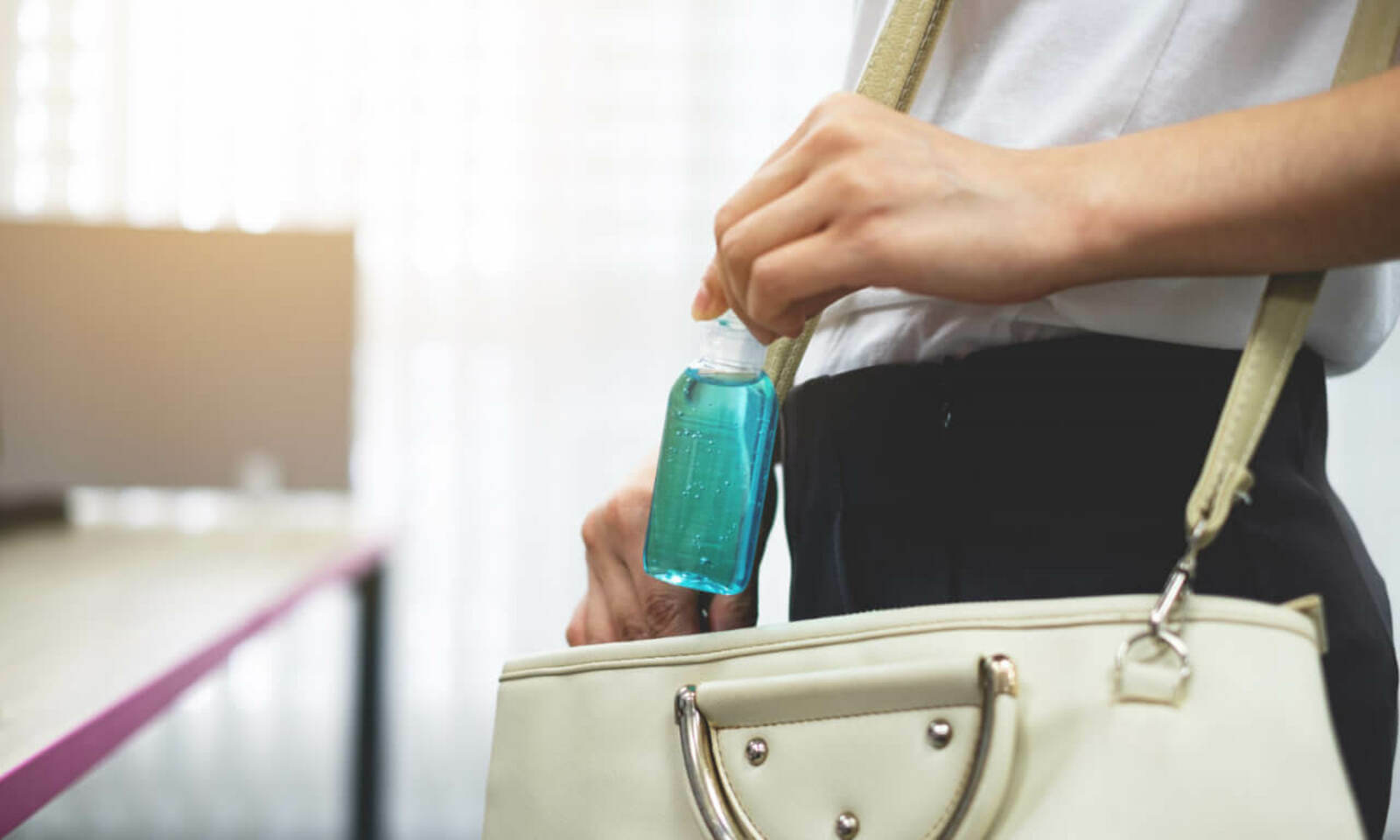
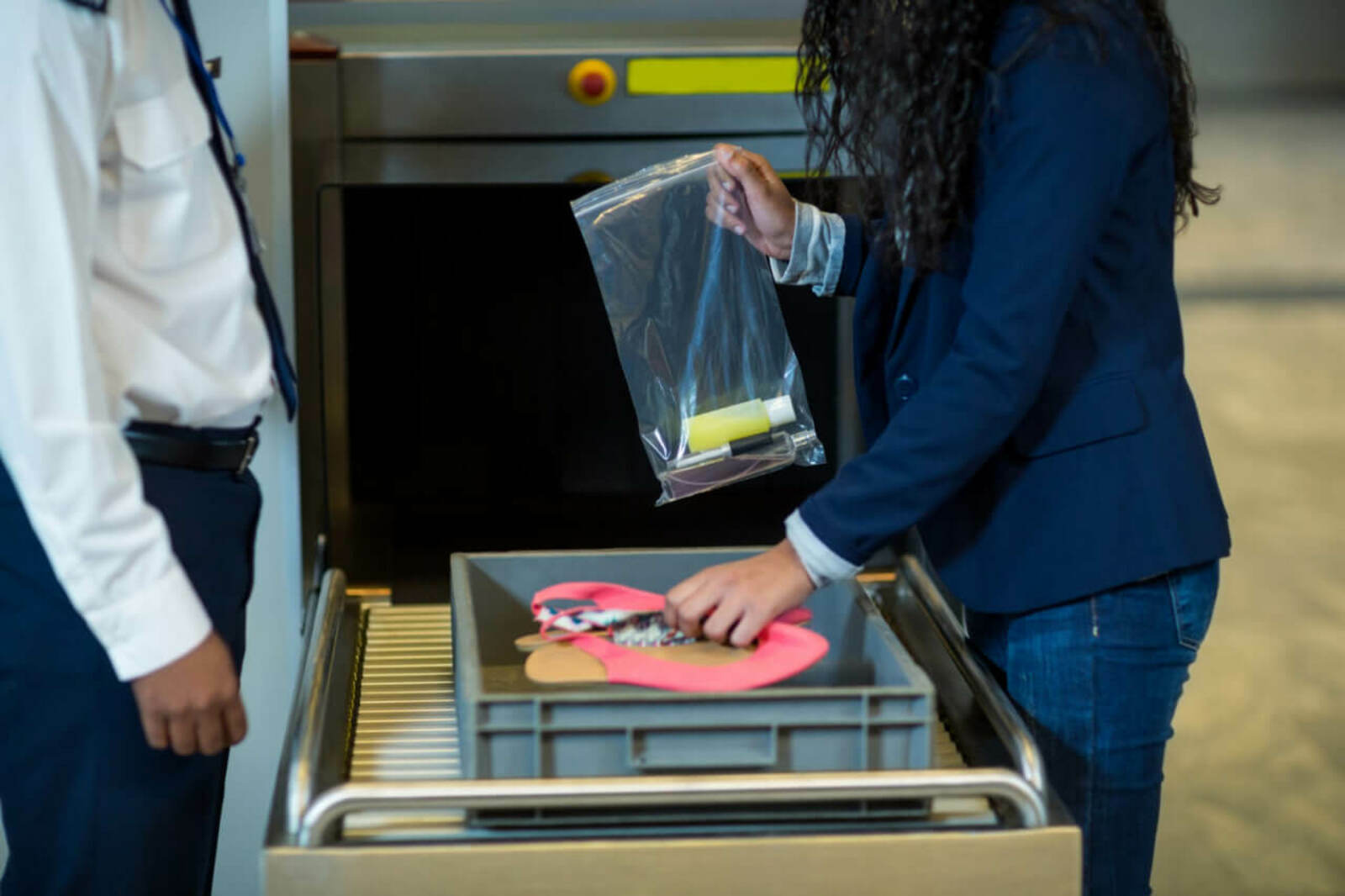
In recent years, travelers have had to limit liquids in hand luggage to 100 milliliters. This rule created plenty of inconvenience, increasing the time spent on security checks and restricting passengers’ options. However, thanks to the rollout of new technologies in airports across Europe, this measure may soon become a thing of the past.
Two Spanish airports — Madrid Barajas and Barcelona El Prat — have already announced changes allowing travelers not to limit the amount of liquids and not to remove electronics from their bags. Following them, Palma de Mallorca Airport and other major hubs such as Málaga and Costa del Sol plan to introduce these changes by 2025. Amsterdam Schiphol Airport and Italy’s airports in Rome Fiumicino and Leonardo da Vinci have also joined this initiative thanks to the use of C3 scanners.
The “100 ml” rule may be phased out
As new screening technology spreads across European airports.
C3 scanners speed up security
Less waiting and a lower risk of delays caused by queues.
Electronics can stay in your bag
Some airports pair this with relaxed liquids screening.
Major European hubs are joining in
Spain, the Netherlands, Italy, the UK, Ireland and more.
Easier to carry personal items and souvenirs
Less stress at security — more freedom in hand luggage.
C3 scanners: what changes at security
These advanced scanners, officially called C3, are standardized for detecting explosives in hand luggage and represent a significant upgrade in airport security.
They can reduce waiting times for passengers and lower the likelihood of flight delays. Many countries have already announced plans to gradually roll out this technology, and some — including London City and airports in Ireland — have already started using it.
London Gatwick and Heathrow, as well as Paris-Orly and Geneva, have also begun trials and plan to implement the system in the near future. This will be a major step in improving the travel experience, allowing passengers to carry liquids without volume limits — something previously not possible.
Why it matters for travelers
These changes will not only simplify the airport security process but will also open up new possibilities for travelers by making it easier to carry personal items and souvenirs.
It shows how technological progress can significantly improve the comfort and efficiency of air travel, making journeys more pleasant and less stressful.
Source
Source: tengritravel.kz
20.02.2024
What to do
Check current carry-on and screening rules before you fly: C3 rollout can be gradual, and requirements may vary by airport or terminal.
Plan purchases (drinks, cosmetics, souvenirs) knowing that liquids limits may be relaxed in airports with the new scanners.
If your airport allows electronics to stay in your bag, pack your gadgets conveniently — it can make screening noticeably faster.
1-day itinerary
Morning: pack your carry-on “smart” — keep liquids and electronics accessible so you can show them quickly if required.
Daytime: follow security staff instructions — rules can differ by terminal and whether C3 scanners are installed.
Evening: if you have connections, factor in screening time — new tech often reduces queues, but peak hours can still be busy.
2-day itinerary
Day 1: before departure, check whether your airport uses C3 scanners and whether relaxed liquids/electronics screening applies in your terminal.
Day 2: on your return, compare the experience — rollout across Europe is gradual, so rules may differ from one airport to another.
Tip: if you plan to buy liquids/cosmetics, keep receipts and packaging — screening requirements sometimes depend on the product category.
How to get there / flights & connections
If you’re flying via major European hubs (for example Madrid, Barcelona, Amsterdam, Rome), check the airport’s official site to see whether the new screening flow is already in place.
On connections, remember: one airport may have relaxed rules while another still uses the old ones. Pack your carry-on so you can handle both scenarios.
FAQ: carry-on liquids and the new scanners
Is the “100 ml” rule being removed across Europe at once?
No. Rollout is gradual and depends on the specific airport and terminal.
What are C3 scanners?
Modern screening scanners standardized for detecting explosives in hand luggage.
Will I still need to take laptops and electronics out?
In some airports, no — but rules can vary, so follow local instructions.
Which airports are mentioned as adopting the changes?
The text mentions Madrid Barajas, Barcelona El Prat, Amsterdam Schiphol, and Rome’s airports.
When could other hubs follow?
A rollout by 2025 is mentioned for some airports, but timelines may shift.
Will security be faster?
Yes, the goal is shorter queues and fewer delays linked to screening.
Will I be able to carry larger volumes of liquids?
In airports with the new rules, limits may be relaxed, but it depends on the airport.
Do I still need a clear liquids bag?
If an airport still uses the old rules, yes. With relaxed screening, requirements may differ.
What if I connect through another airport?
Be ready for different rules: one airport may be upgraded, another may not yet be.
Are the changes only about liquids?
No. The text also highlights not having to remove electronics in some airports.
Which airports are testing the system?
London Gatwick and Heathrow, Paris-Orly, and Geneva are mentioned as running trials.
Does this affect safety?
The aim is enhanced security, with scanners standardized for detecting explosive threats.
Can I rely on relaxed rules right now?
It depends: some airports have started, others are planning. Check before you fly.
How should I pack for both scenarios?
Keep liquids accessible and have a “100 ml-ready” setup as a backup if needed.
Where can I confirm the exact rules?
Use the airport and airline official sites, plus on-site security instructions.