
 Enter
Enter







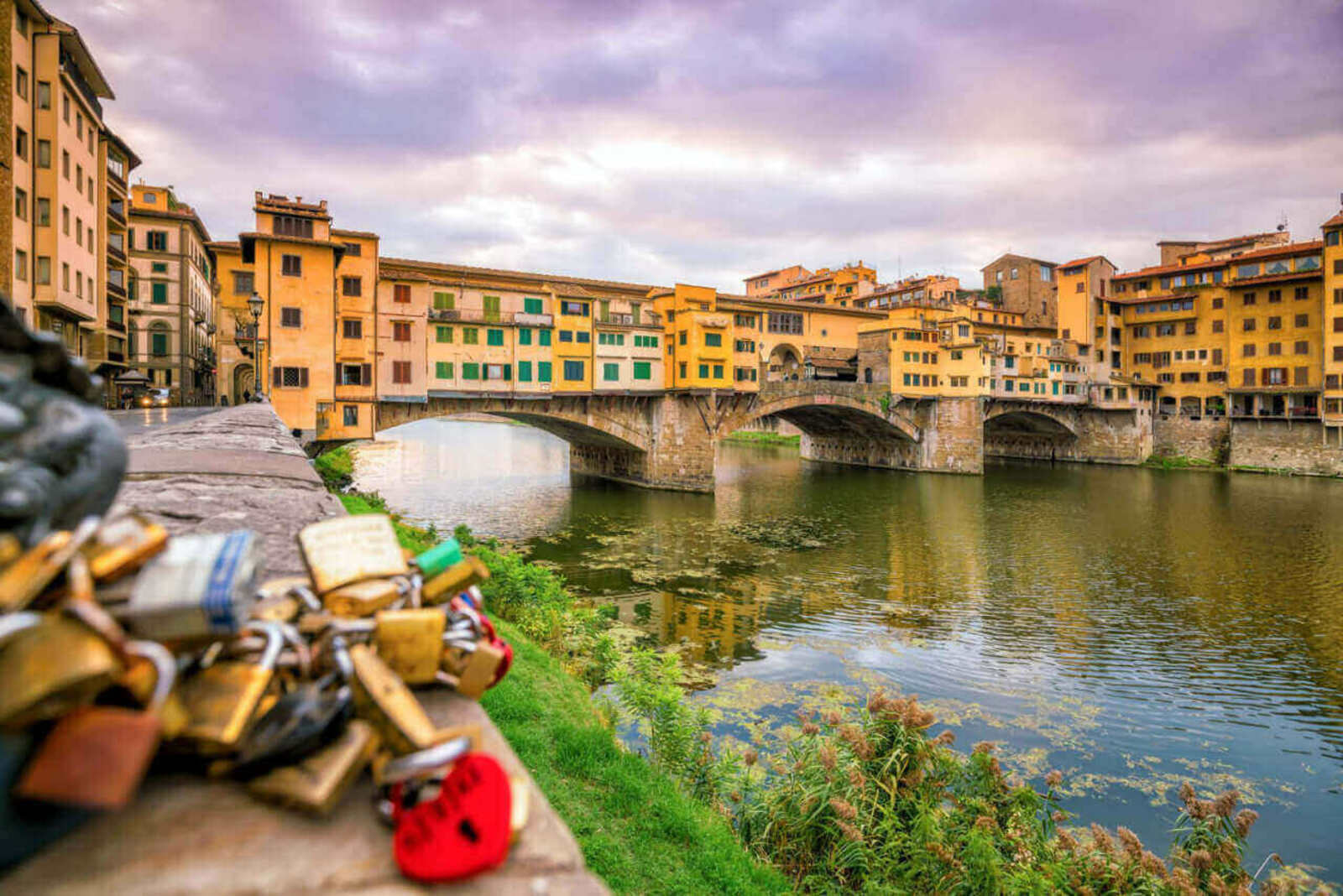

Florence has been recognised as the best city in Europe for walking thanks to its unique concentration of sights in the historical centre. According to research by investment website Insider Monkey, all the main landmarks of Florence – such as the Cathedral of Santa Maria del Fiore and Ponte Vecchio – lie within roughly 800 metres of each other. This makes the city ideal for travellers who prefer to explore on foot. Experts say that a walk through the city centre takes only about two hours, which is enough to pass by the most important highlights.
The historic centre of Florence, listed as a UNESCO World Heritage Site, offers visitors iconic attractions such as the Uffizi Gallery, Piazza della Signoria, Piazza del Duomo and much more. Thanks to the narrow streets and dense historic layout, every few steps reveal something new, which makes the city a perfect destination for those who love walking.
A few quick highlights to show why these cities are so loved by travellers who enjoy slow, relaxed city breaks on foot.
Florence is recognised as the best city in Europe for walking: its compact historic centre can be covered at a relaxed pace in around two hours.
The main sights – from Santa Maria del Fiore Cathedral to Ponte Vecchio – are clustered within roughly an 800-metre radius, so you are never far from the next postcard view.
Alongside Florence, the walking top 10 includes Riga, Hamburg, Porto, Madrid, Edinburgh, Tallinn, Stockholm, Sydney and Boston.
These cities stand out for their convenient infrastructure and the fact that most key attractions are located very close to each other – perfect for urban walking routes.
Florence’s historic centre is a UNESCO World Heritage Site: every few steps reveal new viewpoints, squares and works of art.
Florence: a city made for walking through European history
The Insider Monkey research highlights how everything that matters most in Florence is packed into its historic core. Santa Maria del Fiore Cathedral, Ponte Vecchio, the main squares, museums and old streets all lie within easy walking distance, so you do not need public transport to move between landmarks.
For travellers, this means a rare chance to see major architectural and artistic masterpieces in a single day, without losing time in traffic. A simple loop through the centre takes around two hours at a comfortable pace; add coffee breaks, viewpoints and a museum visit, and you have a full but pleasantly balanced day.
Narrow lanes, historic façades and numerous points of interest make Florence a city where the walk itself is the main attraction. You are not “commuting” to sights – you are simply wandering, and history and art are constantly around you.
Other cities in the top 10 for walking
Besides Florence, the top 10 best cities in the world for walking also include:
1. Riga (Latvia) — the cultural gem of the Baltics, full of historical monuments.
2. Hamburg (Germany) — a maritime city with a rich history and well-developed infrastructure.
3. Porto ( Portugal ) — a city of dramatic river views and distinctive architecture.
4. Madrid (Spain) — a vibrant capital full of historic buildings and leafy parks.
5. Edinburgh (United Kingdom) — a city of castles, cobbled streets and an unforgettable atmosphere.
6. Tallinn (Estonia) — a compact, medieval city with cosy streets and old-town charm.
7. Stockholm (Sweden) — a Scandinavian capital spread across islands, with countless museums.
8. Sydney (Australia) — one of the world’s most famous cities, with both modern and natural attractions.
9. Boston (USA) — a historic city with strong cultural heritage and plenty of parks.
Why these cities are perfect for walking
These cities stand out thanks to their pedestrian-friendly infrastructure and the proximity of their key attractions, which makes them ideal for walking and for discovering local history and culture without rushing.
In Riga, Tallinn and Edinburgh, the historic centres are compact: you can combine strolls along old streets with museum visits and coffee breaks in characterful cafés.
Hamburg, Stockholm and Sydney offer a mix of city and water: riverfront promenades, bridges, islands and walking paths with constantly changing views.
Porto and Madrid let you feel the energy of southern Europe: scenic neighbourhoods, lively squares and viewpoints that link naturally into a single walking route.
Boston is a great example of a city where history, university life and green parks are woven into the urban landscape – and all of it can be explored on foot, moving smoothly from one neighbourhood to the next.
Florence: a city where every street breathes art
If you want to soak up the atmosphere of historic European cities, Florence is a must. Here, every street breathes history and art, and simple walks turn into genuine pleasure.
Source: insidermonkey.com
What to do in cities made for walking
In cities like Florence, Riga or Tallinn, the main activity is simple: just walk. Start the morning with a coffee in a small square, then follow the old streets, step into courtyards and churches, and climb to viewpoints for panoramas over the rooftops.
Around midday, combine open-air exploration with culture. In Florence, for example, you can connect Piazza del Duomo with a visit to the Uffizi Gallery; in Riga you might pair a walk through the Old Town with a stop at museums along the riverfront.
In the evening, these cities change mood: riverbanks light up, squares come alive, street musicians appear. Choose restaurants and cafés within a short stroll of your hotel, so your day naturally ends the same way it began – with a pleasant walk.
1-day walking itinerary: the perfect day in Florence
Start your morning on Piazza del Duomo, where you will find Santa Maria del Fiore Cathedral, the Baptistery and Giotto’s Bell Tower. This is the heart of the city and the ideal starting point for exploring Florence on foot.
From there, walk slowly along the narrow streets towards Piazza della Signoria and the Uffizi Gallery. On the way you will feel the pulse of the city: small shops, cafés, lively squares, fountains and statues that appear unexpectedly as you turn the corners.
After lunch, head towards Ponte Vecchio, cross the bridge, pause by the Arno riverbank and end the day in a nearby trattoria. The whole route stays within the compact centre and perfectly reflects what makes Florence a dream city for walking.
2-day itinerary: combining art, river walks and old towns
On day one, give Florence all your attention: the historic centre, main squares, galleries and the riverfront. Focus on the places you have read about in the study – it adds an extra layer of meaning to each step.
On day two, you can take the “walking city break” concept to another destination from the list – for example Riga or Tallinn. Use the same logic: compact historic centre, main squares, river or seaside promenade, plus carefully chosen stops for coffee and local food.
This format is ideal for travellers who love walking but do not want to feel drained by long transfers and constant changes of transport. You add variety to your trip without sacrificing comfort or a relaxed rhythm.
How to get to the top 10 walking cities and plan your trip
Most cities in this list are major tourist hubs with good air connections. You can reach Florence, Madrid, Hamburg, Stockholm and the other destinations via large European hubs or by flying into a nearby city and continuing by train.
When planning, try to combine a convenient flight with accommodation within walking distance of the historic centre. This way, you make the most of what walking-friendly cities offer and minimise time spent in transport.
It is also worth tracking news about new air routes and schedule changes: new direct flights or seasonal routes can open up much easier ways to reach your favourite walking cities.
Frequently asked questions about walking cities
Here are answers to common questions about Florence and the other cities that are best explored on foot.
Why is Florence considered the best city for walking?
Florence is very compact, its historic centre is a UNESCO World Heritage Site, and the main landmarks are within a short walking distance of each other, so you can easily plan a full day route on foot.
How long does it take to walk around the centre of Florence?
A walk along the main streets and squares of the historic centre takes around two hours at a relaxed pace, without long breaks in museums or cafés.
Are these walking routes suitable for families with children?
Yes, walking routes in Florence, Riga or Tallinn can work very well for families, as long as you plan regular breaks, quieter streets and child-friendly places to eat and rest.
What is the best time of year for walking in these cities?
Spring and early autumn are usually the most comfortable, with mild temperatures and fewer heatwaves. In winter, you need to consider shorter daylight hours and wetter weather, especially in coastal cities.
Do you need public transport in these top walking cities?
To discover the historic centres, walking is usually enough. Public transport is most useful for transfers from the airport, moving between distant districts or getting out of town.
Can you combine city walks with museum visits in one day?
Yes, especially in compact cities. In Florence, for example, you can include the main squares plus one or two major museums in a single day and still keep time for relaxed breaks.
Which cities from the top 10 are best for a first trip to Europe?
Florence, Riga, Tallinn and Madrid are excellent choices for a first European trip: they are easy to navigate, have compact centres and offer many sights within a short walk.
Is it safe to walk around these cities in the evening?
Central tourist areas are usually well lit and lively at night, but you should still follow basic safety rules and avoid very quiet or poorly lit places late at night.
How should you prepare for days with lots of walking?
Wear comfortable shoes, pack a light backpack, bring water and weather-appropriate clothing. Make sure to rest well the night before and avoid overloading your schedule.
Are these routes suitable for older travellers?
Yes, if you keep a comfortable pace and plan regular breaks. Most cities offer parks, benches and cafés where you can sit down and rest whenever you need to.
Can you combine several cities from the list in one trip?
Yes, many of these cities can easily be combined in one itinerary, using flights or trains between them, so you can visit two or three destinations in a single holiday.
Where can you find up-to-date information about flights and deals to these cities?
Check airline websites, online booking platforms and trusted tour operators. News about new routes and seasonal flights can help you choose the most convenient option.