
 Enter
Enter





Nowadays, tourism plays a huge role in the economies of many countries, but sometimes the popularity of certain places can lead to unexpected—and not always pleasant—consequences for local residents. In some cities and regions around the world, the number of tourists during certain periods significantly exceeds the local population, causing a range of problems related to infrastructure, the environment, and residents’ quality of life.
Visitor pressure: in peak periods, tourists can outnumber locals—sometimes dramatically.
Everyday impact: overcrowding, noise, and stretched public services affect residents first.
Policy responses: cities try taxes, access rules, and limits to manage flows.
Go off-peak: locals often encourage visits in quieter months (e.g., October).
The debate continues: balancing tourism revenue with livability remains a challenge.
1) Dubrovnik (Croatia)
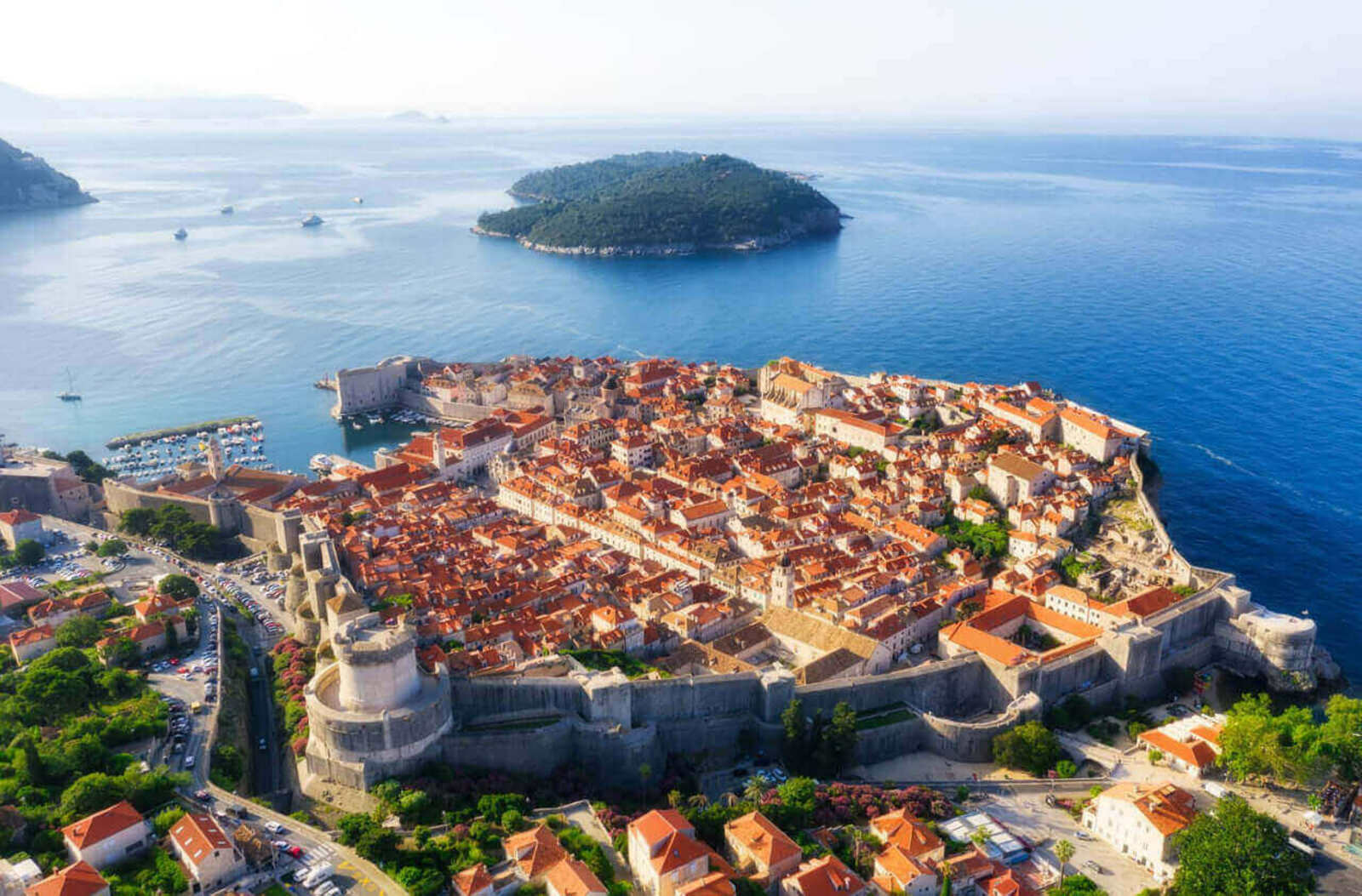
Dubrovnik (Croatia): This picturesque city became a true magnet for tourists after it was chosen as one of the filming locations for “Game of Thrones.” Every year, the number of visitors continues to grow, and there can be up to 36 tourists per resident. Locals express dissatisfaction due to noise and overcrowding.
2) Venice (Italy)
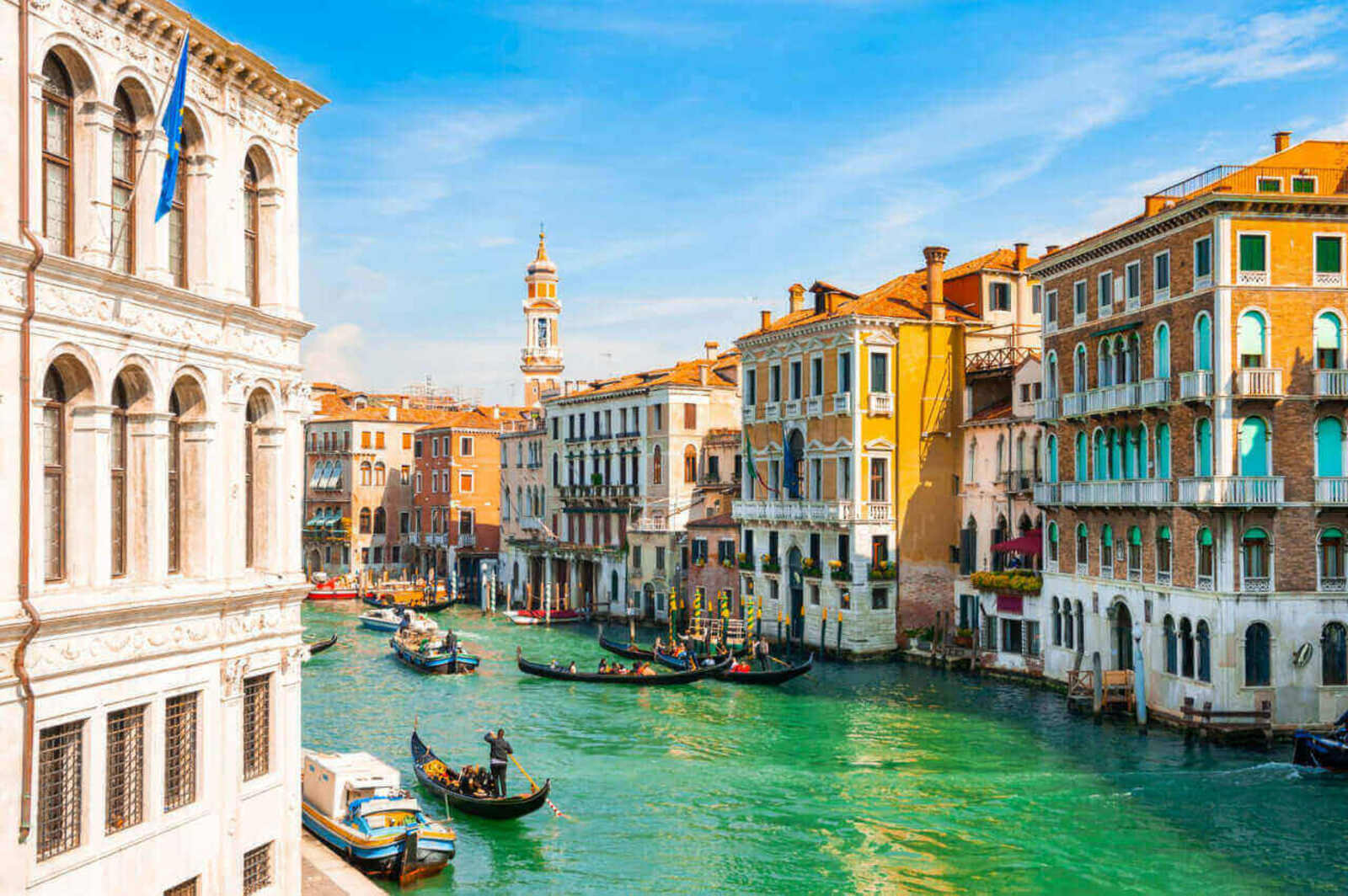
Venice (Italy): This unique city on the water suffers from an enormous number of visitors. Local authorities have even introduced a tax for day trips and restricted large cruise ships from accessing central landmarks. There are 21 tourists per resident.
3) Bruges (Belgium)
Bruges (Belgium): Residents of this medieval city urge tourists to visit at a less popular time—such as October—when there are 21 tourists per local resident.
4) Rhodes Island (Greece)
Rhodes Island (Greece): This island in the Aegean Sea welcomes thousands of tourists every year. In 2023, the island was seriously affected by wildfires, leading to evacuations in some areas. There are 21 visitors per resident.
5) Reykjavik (Iceland)
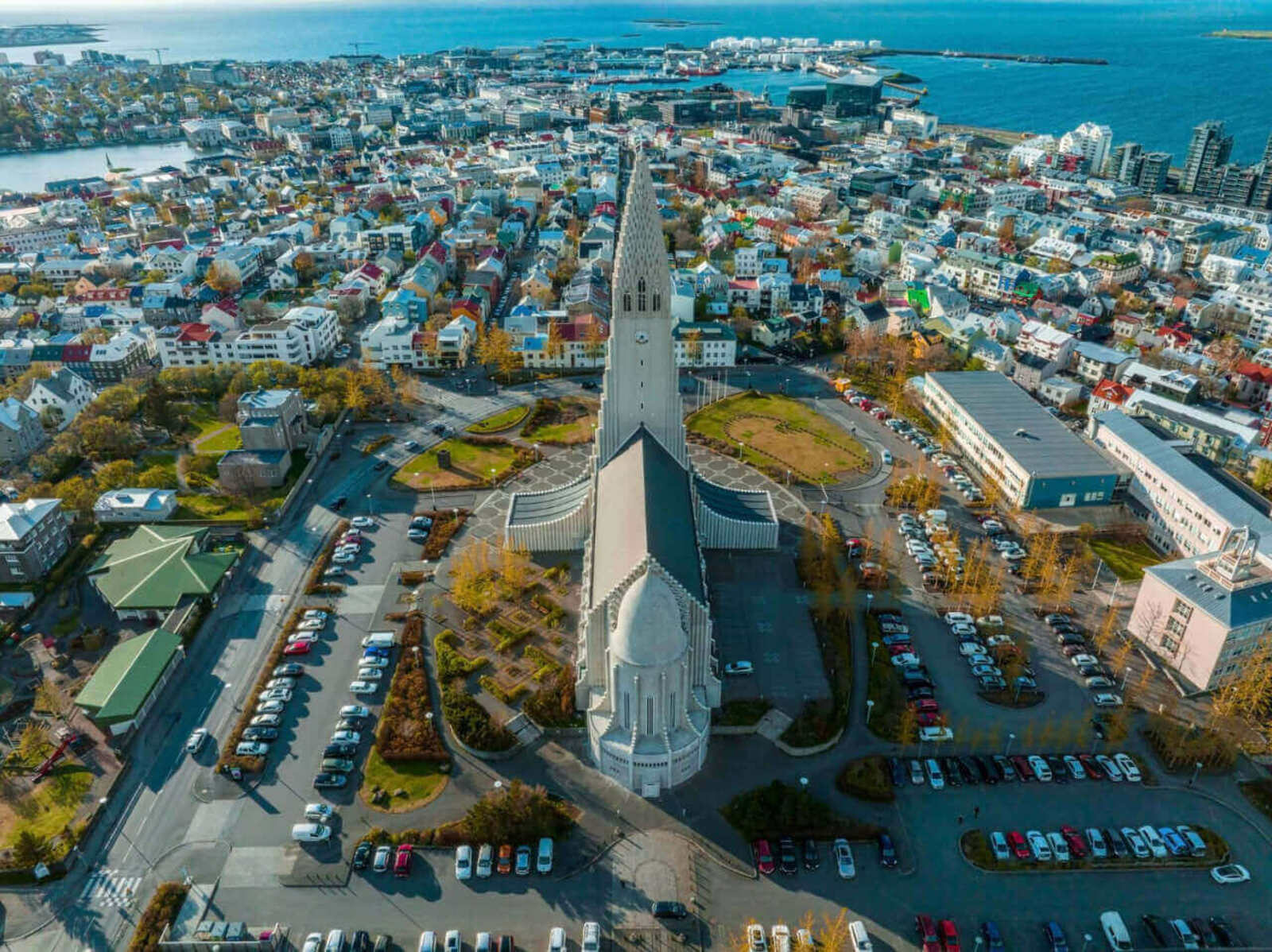
Reykjavik (Iceland): Iceland’s capital has turned into one of Europe’s most popular destinations in recent years. On average, there are 16 tourists per local resident, and a special tourist tax was introduced in the city.
The bigger picture
These cities and islands demonstrate different ways of dealing with the consequences of mass tourism—from introducing taxes to urging travelers to choose less crowded periods for their visits.
However, despite these efforts, the issue of overcrowding and its impact on local communities remains relevant, fueling ongoing discussions about finding the right balance between attracting tourists and preserving residents’ quality of life.
Source
Source: tripmydream.com
12.03.2024
What to do
Go off-peak: choose quieter months and weekdays whenever possible.
Follow local rules: in some places you may face day-trip fees or access restrictions.
Travel respectfully: crowding and noise are among the main reasons residents feel overwhelmed.
1-day itinerary
A simple approach: visit the main sights at a relaxed pace (ideally in a less crowded period), and factor in any local rules such as day-visit fees or access limitations.
2-day itinerary
Day 1: the classics—without rushing and with time buffers for crowds.
Day 2: a calmer route—local neighborhoods, parks, and areas outside the busiest core.
How to get there
Typically, you’ll fly to the nearest major airport and continue by train, bus, or ferry (depending on the city or island). When planning, account for any day-trip fees, tourist taxes, or access restrictions in place.
You might also like these updates
FAQ: overtourism and local life
What is overtourism?
It’s when visitor numbers become so high that they harm residents’ quality of life and the travel experience itself.
Why do locals complain the most?
Because of noise, crowding, packed transport, and constant pressure on public spaces.
Do tourist taxes actually help?
They can fund infrastructure and management—but they rarely solve crowding on their own.
How can travelers reduce their impact?
Visit off-peak, book in advance, respect rules, and spread your time beyond the busiest “photo” spots.
Why is October often recommended?
It can be significantly less crowded, making cities calmer for locals and more enjoyable for visitors.
Why restrict large cruise ships?
To reduce sudden surges of visitors and protect central areas and fragile urban environments.
Why do islands feel the pressure more?
Resources are limited, so water, roads, waste systems, and ecosystems can be overwhelmed quickly.
What about environmental risks?
Heavy tourism adds pressure to nature, and emergencies like wildfires can force evacuations and closures.
Is it still worth visiting iconic destinations?
Yes—just choose timing and routes wisely so you’re not contributing to peak overcrowding.
How can you spot an overtourism problem?
Constant queues, packed transport, limited housing, and access restrictions in high season are common signals.
What behaviors frustrate locals most?
Late-night noise, littering, ignoring rules, and treating residential areas like a stage set.
What’s the core goal of “balance”?
Keeping tourism benefits while protecting residents’ quality of life and a place’s identity.