 Enter
Enter





Costa Blanca Travel Guide
Costa Blanca in brief: a Mediterranean region of Spain where fine sandy beaches, white villages, and authentic gastronomy combine with luxury hotels and coves accessible only on foot. Whether you are looking for a family holiday, a cultural city weekend, or a snorkeling trip — here you will find the right resort, and this guide will help you discover which one it is and when the best time to travel is.
If you have arrived here, you are most likely looking for a quick comparison of Costa Blanca resorts rather than a standard tourist description. The Admiral Travel team has personally tested every corner of this region — from the skyscrapers of Benidorm to the wild coves of Jávea — and has collected updated data for July 2026, so you can decide within minutes where to go, when to travel, and how much it will cost.
Costa Blanca at a glance — who, what, where
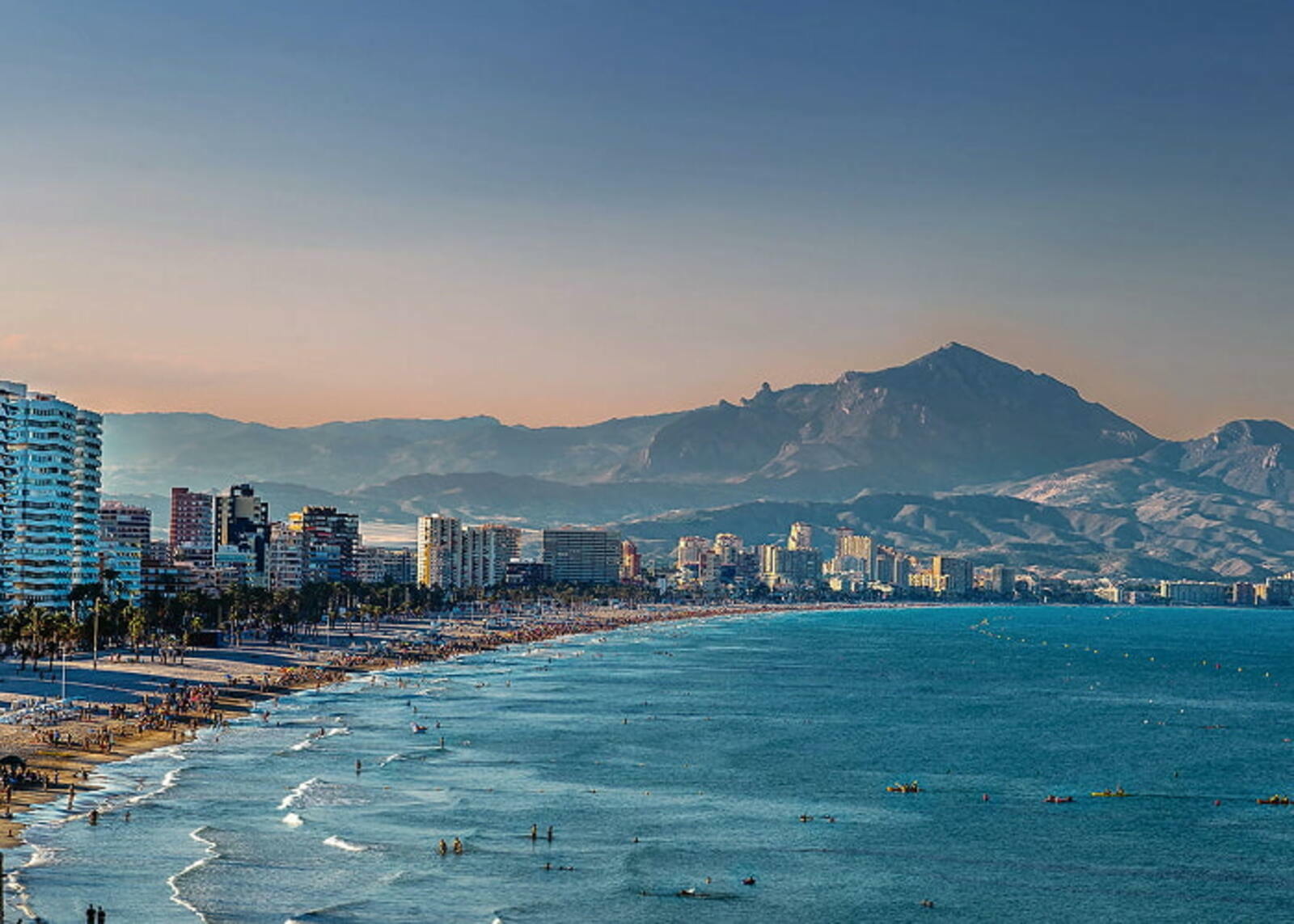
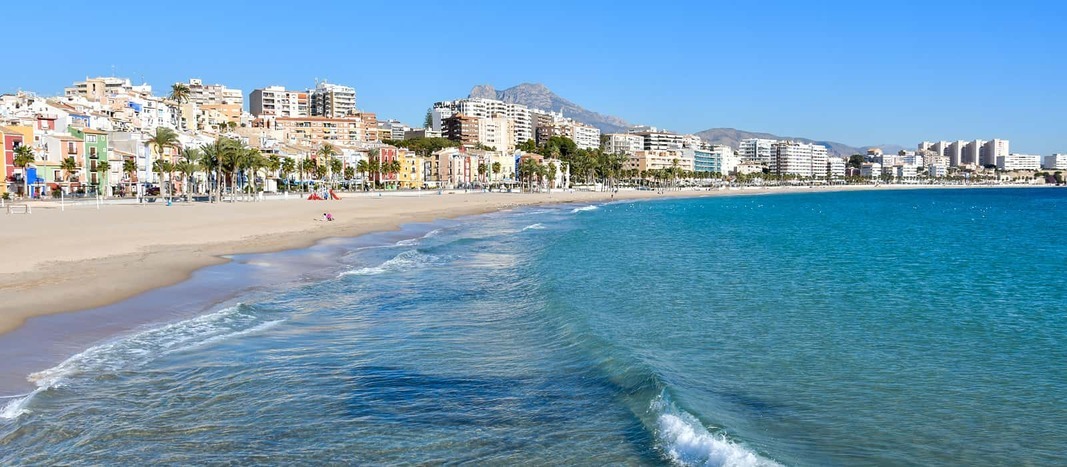
Costa Blanca stretches for approximately 200 kilometres along the coastline of Alicante province in the Valencian Community. The Mediterranean Sea warms up to 26–27 °C in August and remains comfortable until mid-October. The beach season begins in April and ends at the end of October, reaching its peak in July – August.
The region combines mass tourism resorts (Benidorm, Torrevieja), port cities with authentic local life (Alicante, Dénia), and former fishing villages transformed into bohemian destinations (Altea, Villajoyosa). For travellers from Moldova, a major advantage is the direct Chișinău – Alicante flight, operated in summer by several airlines, which eliminates stopovers and the risk of lost luggage.
Important limitations to know before booking:
- Public transport infrastructure works excellently only along the Alicante – Benidorm – Altea – Calpe corridor (tram + buses). Once you leave this corridor, without a car you will spend a lot of time waiting.
- Accommodation prices in August increase by 40–60% compared with June or September, and famous beaches (Levante, San Juan) become crowded.
- Not all beaches have a gentle entry into the water — some rocky coves, although impressive, are not suitable for small children.
If these aspects do not discourage you, you have one of the most versatile Mediterranean destinations ahead of you.
Best Costa Blanca resorts — comparison and profile
The table below works as a quick filter. Prices reflect a 7-day stay for two people, including 3–4-star accommodation, meals, and local transport as of July 2026 — Admiral Travel estimates.
| Resort | Beach type | Atmosphere | Suitable for... | Access without a car | Price level / accommodation |
|---|---|---|---|---|---|
| Benidorm | Fine sand, long, well-equipped | Vibrant, international, nightlife | Groups, entertainment lovers, families with older children | Excellent | €1 100 – €1 600 |
| Alicante | Urban (Postiguet) + long San Juan | Historic, authentic, quiet evenings | Couples, city + beach holidays, travellers without a car | Excellent | €950 – €1 400 |
| Calpe | Sand + rocky coves | Peaceful, famous for Peñón de Ifach | Families with small children, hiking enthusiasts | Moderate | €1 150 – €1 550 |
| Altea | Pebbles, small coves | Bohemian, romantic, white old town | Couples, artists, people seeking tranquillity | Moderate | €1 200 – €1 700 |
| Dénia | Sand, long beach, port | Authentic, gastronomic, family-friendly | Families, food lovers, ferry connections to Ibiza | Good | €1 050 – €1 450 |
| Jávea (Xàbia) | Arenal + rocky coves | Relaxed, elegant, excellent snorkeling | Active couples, snorkeling, car recommended | Limited | €1 200 – €1 650 |
| Torrevieja | Sand, nearby Pink Lagoon | Popular, Spanish + expat residents, salty | Families with medium budgets, resort services | Medium | €900 – €1 300 |
Detailed information about each resort
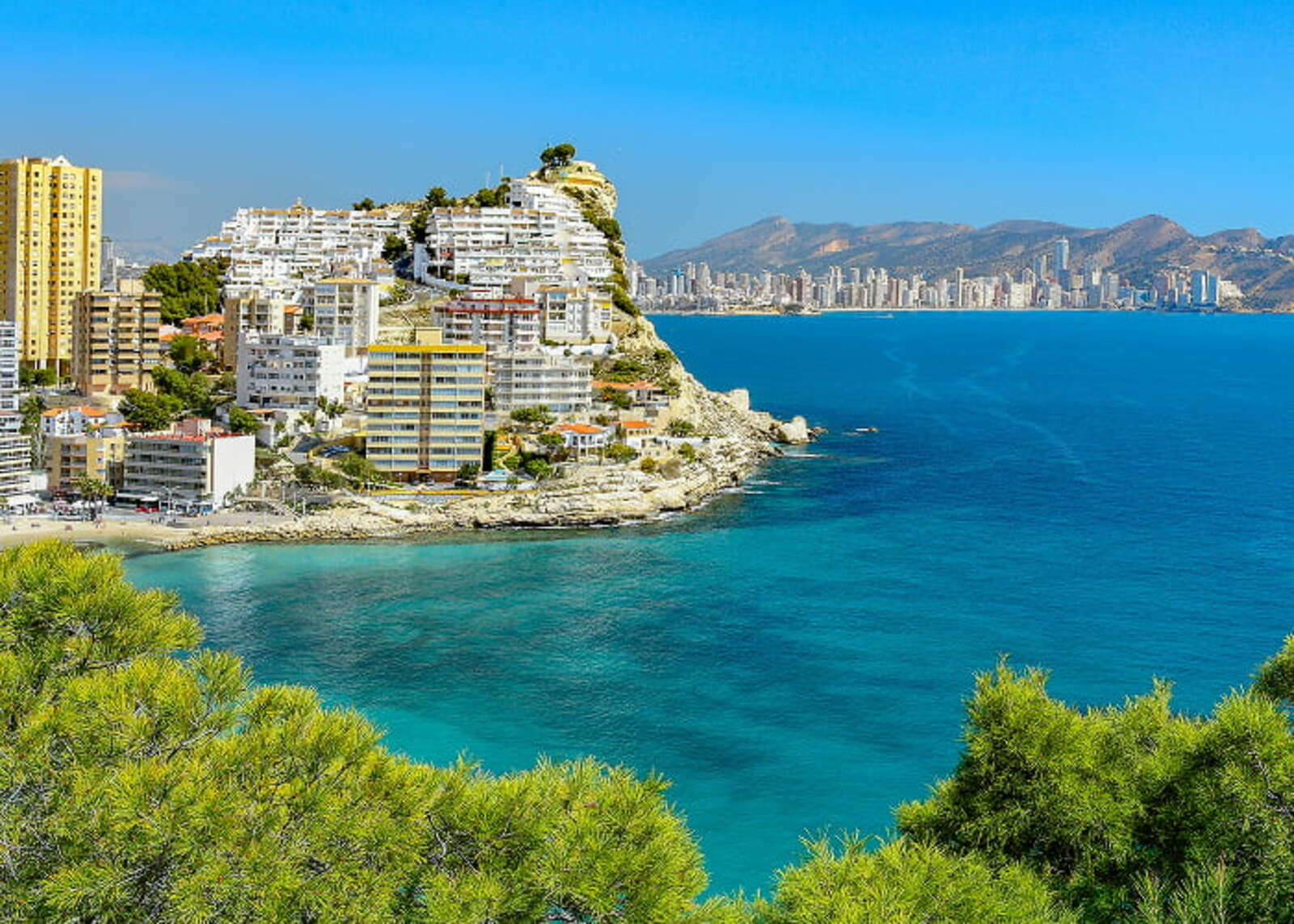
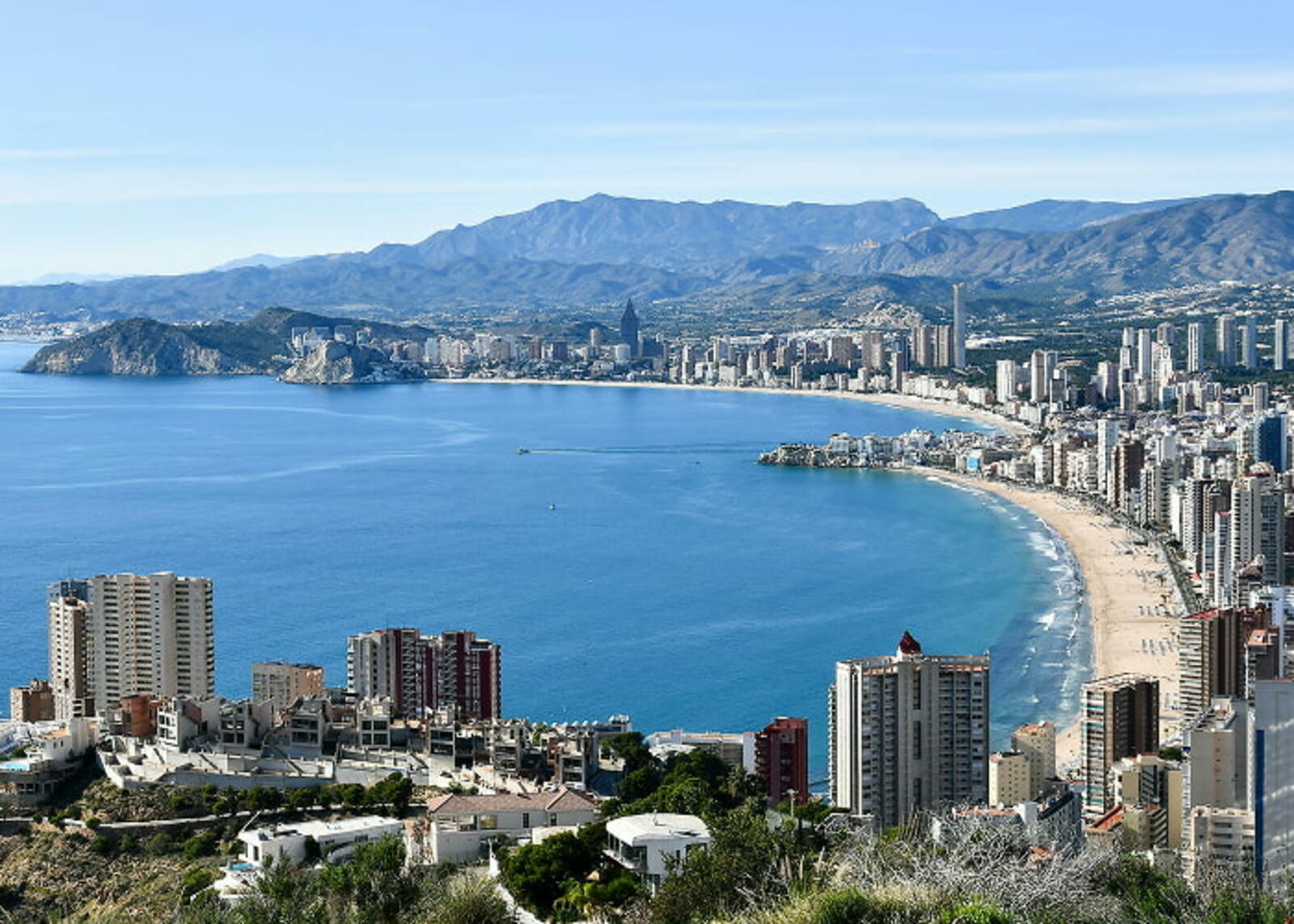
Benidorm offers two large beaches (Levante and Poniente), separated by a rocky promontory. Levante has fine sand, a gentle entry into the water, and is ideal for children, but in August the density can reach 4 people per m². Poniente is quieter and preferred by locals. The nightlife is legendary in the “English Square” area, while high-rise hotels guarantee sea views even from the 20th floor.
- Clear advantages: unbeatable public transport — the tram provides direct connections to Alicante and Altea; everything is accessible along the promenade.
- Real disadvantages: constant noise during the high season, sea-view apartment prices increase significantly, and the “European Las Vegas” atmosphere is not suitable for everyone.
- Who it is NOT suitable for: those looking for complete tranquillity, empty beaches, or an authentic Spanish village.
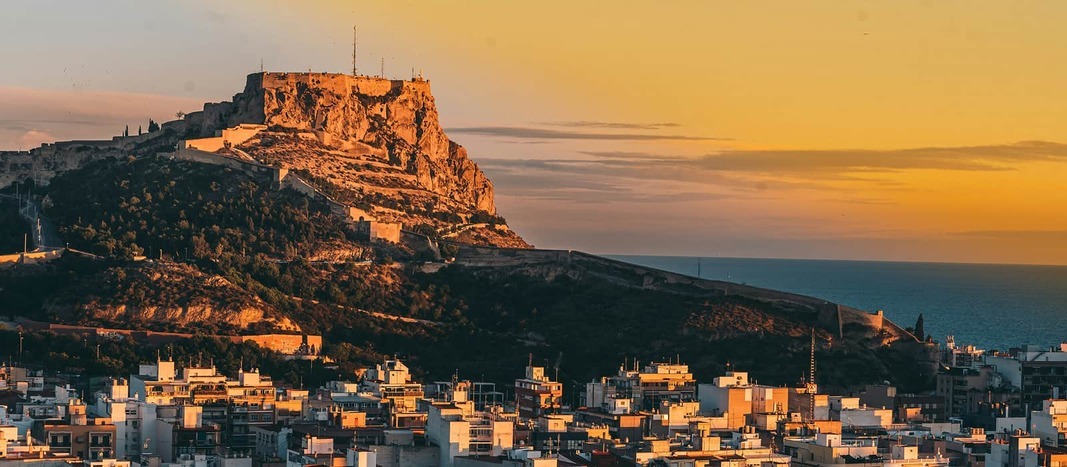
Alicante impresses with Santa Bárbara Castle, the Santa Cruz district, and walks along the Explanada promenade. El Postiguet Beach is located right below the castle — it is suitable for a quick swim, but for a full beach day we recommend San Juan, which is 15 minutes away by tram. Alicante-Elche Airport is only 12 km away, and the bus transfer costs €3.85.
- Advantages: direct flights from Chișinău, excellent public transport, authentic cultural life (museums, tapas bars), not just tourism.
- Disadvantages: the urban beach is small, while San Juan, although spectacular, is very long and requires travel; the city feels more like a “Spanish city” than a “resort”.
- Who it is NOT suitable for: those dreaming of an “all-inclusive” hotel with the beach right next to their sun lounger.
Calpe lies beneath the Peñón de Ifach — a 332-metre limestone massif that protects two golden sandy beaches: Arenal-Bol and La Fossa. Arenal-Bol is popular among families thanks to its shallow waters and playgrounds along the promenade. The climb to the summit (free, but online booking is required in summer) offers one of the most impressive panoramic views of the coastline.
- Advantages: warm and calm waters — ideal for children; fresh seafood in the port; a relaxed evening atmosphere.
- Disadvantages: without a car it is difficult to explore other coves; in July-August Arenal Beach becomes extremely crowded, and parking becomes a problem.
- Who it is NOT suitable for: those who dislike crowded beaches during peak season and do not want to wake up at 8:00 to find a place.
Altea is probably the most photogenic resort on the Costa Blanca. The old town, with its cobbled streets and white houses, climbs towards the Nuestra Señora del Consuelo church with its blue domes. The beaches are mostly pebble beaches, but the bay in front of the centre offers crystal-clear water. This destination is ideal for relaxing walks and romantic dinners.
- Advantages: bohemian atmosphere, no skyscrapers, excellent restaurants with sea views, artisan market.
- Disadvantages: the beaches are not the most suitable for small children (stones, steeper entry into the water), and reaching sandy beaches (for example, Albir) requires transport.
- Who it is NOT suitable for: families with strollers looking for sand right next to the hotel or those seeking entertainment after 23:00.
Dénia, declared a UNESCO Creative City of Gastronomy, combines a medieval castle, a lively port, and long beaches (Las Marinas, Las Deveses). The ferry to Ibiza departs from here (approximately 3 hours) — an excellent day trip option. The fish markets and restaurants serving arroç a banda are definitely worth visiting.
- Advantages: exceptional gastronomy, spacious beaches, the city preserves an authentic Spanish rhythm.
- Disadvantages: the distances between the beaches and the centre can be considerable; without a bicycle or car, you are limited to one area.
- Who it is NOT suitable for: travellers who do not consider gastronomy a central part of their holiday and prefer international fast food.
Jávea combines the urban Arenal Beach (fine sand, palm-lined promenade) with a collection of protected rocky coves (calas), including Cala Granadella, which is often considered one of the most beautiful beaches in Spain. The water is incredibly clear, and snorkeling reveals schools of fish and, with a little luck, octopuses.
- Advantages: spectacular landscapes, diverse beaches, a sense of exclusivity, ideal for active couples.
- Disadvantages: without a car, you will not be able to explore the coves; public transport in the resort is fragmented, and parking at Granadella fills up by 9:00 AM in summer.
- Who it is NOT suitable for: those without a car who want everything within walking distance, as well as families with small children who need wide sandy beaches with practical facilities.
Torrevieja is known for its salty microclimate and the Pink Lagoon, part of the Lagunas de La Mata natural park. The beaches (Los Locos, La Mata, El Acequión) are long and have fine sand, while the resort offers developed tourist infrastructure, numerous hotels, and apartments at competitive prices.
- Advantages: the most affordable prices among the major resorts, frequent flights to Alicante Airport (50 km), many Spanish families choose this area — the atmosphere is authentic.
- Disadvantages: the urban landscape is less picturesque (high-rise buildings), cultural life is limited; a car is very useful for exploring the surroundings.
- Who it is NOT suitable for: those looking for a bohemian fishing village or secluded coves.
When to go — real climate and seasons
We have tested all months suitable for beach holidays. Below you will find a summary table based on 2025–2026 weather data and the experience of Admiral Travel.
| Period | Air temperature (max.) | Water temperature | Crowd level | Recommended holiday type |
|---|---|---|---|---|
| April – May | 20–25 °C | 17–19 °C | Very low | City + occasional beach holiday, hiking |
| June (1–15) | 26–28 °C | 21–23 °C | Moderate | Comfortable beach holiday without crowds |
| June (16–30) | 28–31 °C | 23–24 °C | High | Beach holiday, families |
| July – August | 31–34 °C, maximums up to 38 °C | 26–27 °C | Maximum | Beach holiday, but only for those who can handle crowds |
| September | 28–30 °C | 25–26 °C | Moderate after 10 September | Peaceful holiday, warm water, lower prices |
| October | 23–26 °C | 22–23 °C | Low | Beach is still possible, culture, cycling |
When NOT to go – July and August, if:
- You dislike crowds and queues at restaurants.
- You want reasonable prices (accommodation becomes 40–60% more expensive compared with June/September).
- You cannot tolerate temperatures above 34 °C without a breeze.
- You prefer beaches where your towel does not touch your neighbour's towel.
Our alternative: the second half of June or September (after 10 September). In September, the water is warmer than in June, the air is more pleasant, and prices drop significantly. A 7-day stay in September costs 20–30% less than in August.
Costa Blanca beaches: from fine sand to rocky coves
Not all beaches are the same, and your choice directly affects the quality of your holiday. We have grouped the main types:
Wide urban beaches with fine sand
Levante (Benidorm), San Juan (Alicante), Arenal (Calpe), Las Marinas (Dénia). They offer showers, lifeguards, bars, and a gentle entry into the water. They are ideal for families.
Wild beaches / rocky coves
Cala Granadella, Cala Ambolo (Jávea), Cala del Moraig (Benitachell). Accessible on foot or by boat, with turquoise water, excellent for snorkeling.
Beaches for small children
Arenal-Bol (Calpe) and Levante (Benidorm) — both have fine sand, shallow water extending for dozens of metres, playgrounds, and shaded promenades.
Dark sand beaches with shallow water
Guardamar del Segura — more natural beaches protected by dunes, popular among locals.
Practical tip: if you are staying in Altea and want fine sand, take a 10-minute bus ride to Albir (Racó de l'Albir beach), where the entry into the water is gentle and showers are available.
What you can do besides the beach — activities, excursions, gastronomy
A holiday on the Costa Blanca is not only about sun loungers. Here is what is truly worth your attention:
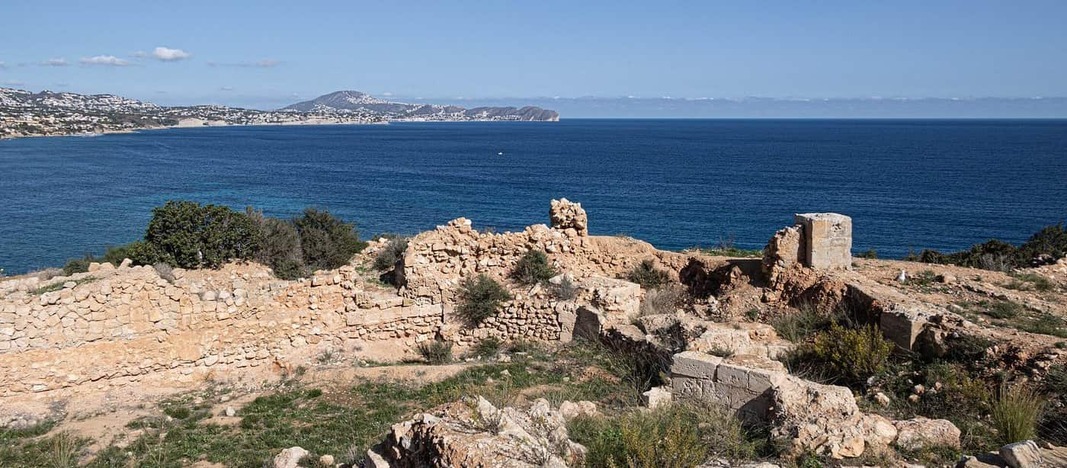
- Climbing Peñón de Ifach (Calpe): free, takes approximately 1.5 hours round trip. Wear sports shoes and bring water; in July-August, book your access time slot online (limited number of places).
- Santa Bárbara Castle (Alicante): free entry, 360° panoramic views; it can be reached on foot or by lift from Postiguet Beach (the lift costs €2.70).
- Altea Old Town: a walk through flower-filled streets, shopping for handmade ceramics, and a romantic dinner on a terrace overlooking the sea.
- Dénia Central Market and tasting arroç a banda (rice with fish and seafood) — a regional speciality. Look for restaurants where locals eat, not only places located on the promenade.
- Torrevieja Pink Lake: a natural phenomenon with a pink colour caused by halophilic bacteria; access is free, but swimming is prohibited. It is ideal for sunrise photography.
We do not provide fixed restaurant prices (they vary), but the daily menu (menú del día) in authentic areas starts from €12–€14 per person, including two courses and dessert.
Family holidays on the Costa Blanca
Yes, the Costa Blanca is an excellent destination for families, with a few important considerations. The resorts of Calpe, Benidorm, and Dénia offer the best conditions: beaches with gentle entry into the water, water parks (Aqualandia in Benidorm, Aqua Natura), zoos, and hotels with kids' clubs and children's pools. Torrevieja and Guardamar are more affordable alternatives but offer fewer themed attractions.
What to avoid during peak season with small children:
- Pebble beaches in Altea or secluded coves in Jávea (Granadella, Ambolo) due to difficult access and rapidly increasing water depth.
- Accommodation without air conditioning — in July-August, temperatures frequently exceed 34 °C, and nights can be very hot.
- Peak beach hours (12:00–16:00) — risk of sunstroke for young children; plan beach time in the morning and return after 17:00.
Advice from Admiral Travel: hotels such as AR Diamante Beach Spa (Calpe) or Port Benidorm Hotel have shallow pool areas, playgrounds, and children's menus, reducing the stress of holiday planning.

Practical information – accommodation, transport, expenses
How to get there from Chișinău and how much it costs
The direct Chișinău – Alicante flight is operated during the season by low-cost airlines (for example, Wizz Air, FLYONE) and takes approximately 4 hours. According to July 2026 monitoring, a return ticket purchased 2-3 months in advance starts from €120–€150 per person with hand luggage. With checked baggage and seat selection, the price increases to €180–€220.
Airport transfer to the resort:
- C-6 Bus (Alicante city): €3.85, 20 minutes.
- Tram (from the airport only by bus to Luceros station, then tram towards Benidorm/Altea/Calpe): total cost ~€6–€9.
- Private transfer booked in advance through Admiral Travel: from €55/car to Alicante, €85 to Benidorm, €110 to Calpe/Altea (4 people).
- Car rental: from €25–€35/day in June/September, but up to €55/day in August. Recommended for Jávea, Dénia, and Torrevieja if you need flexibility.
Accommodation types and estimated budget
- Tourist apartment (2 people): €60–€90/night in June/September, €90–€140/night in August.
- 4★ hotel with breakfast: €100–€150/night (Benidorm, Alicante); €130–€180/night (Altea, Jávea).
- Food: lunch menu €12–€18/person in local restaurants; seafood dinner dish + drink ~€20–€30. A glass of sangria costs €4–€6.
Expense breakdown for a 7-day holiday (2 people), July 2026, medium comfort budget:
- Flights: ~€320 (2 return tickets)
- 4★ hotel: ~€980 (€140/night)
- Food + daily expenses: ~€600
- Local transport / transfer: ~€80
Estimated total: €1 980 for two people, or ~€990/person.
(Prices are approximate, collected based on real bookings made by Admiral Travel in July 2026 and may vary depending on exact dates and availability.)
Do you need a car?
Short answer: in Alicante and Benidorm — no. In other locations — yes, or at least a rental for a few days to explore the area. Without a car, Jávea, Calpe, and Altea become more restrictive; local buses exist, but frequency decreases significantly after lunch and on weekends. If you plan to stay in one resort and only go to the beach, you can manage without a car by using trams and buses.
Frequently asked questions
Alicante is a port city with cultural life, an urban beach, and a direct airport connection; Benidorm is an iconic resort with skyscrapers, two large beaches, and nightlife. Alicante is more authentic, while Benidorm is more focused on entertainment.
Levante Beach (Benidorm) — fine sand, gentle entry into the water, lifeguards, and a promenade. Arenal Beach (Calpe) also offers shallow water and playgrounds, making it popular with families.
For one resort and exploring nearby towns, a minimum of 7 days is recommended. A 10–14 day stay allows you to combine a beach holiday with excursions to Peñón de Ifach, Altea, and Alicante.
July and August bring the highest temperatures, higher prices, and very crowded beaches. For the best balance, we recommend the second half of June or September.
Yes, especially in Calpe, Benidorm, and Dénia; avoid August if you do not like crowds.
26–27 °C in the second half of August and the beginning of September.
In Alicante and Benidorm — without problems; in other locations, options are more limited — a car provides access to secluded coves.
The ideal choice for you depends on the pace of holiday you prefer. Admiral Travel can arrange a personalised holiday with flights from Chișinău, private transfer, and verified accommodation — whether you want a romantic apartment in Altea or an «all inclusive» hotel in Benidorm. Write to us or call us, and we will turn this guide into your real holiday.