
 Enter
Enter




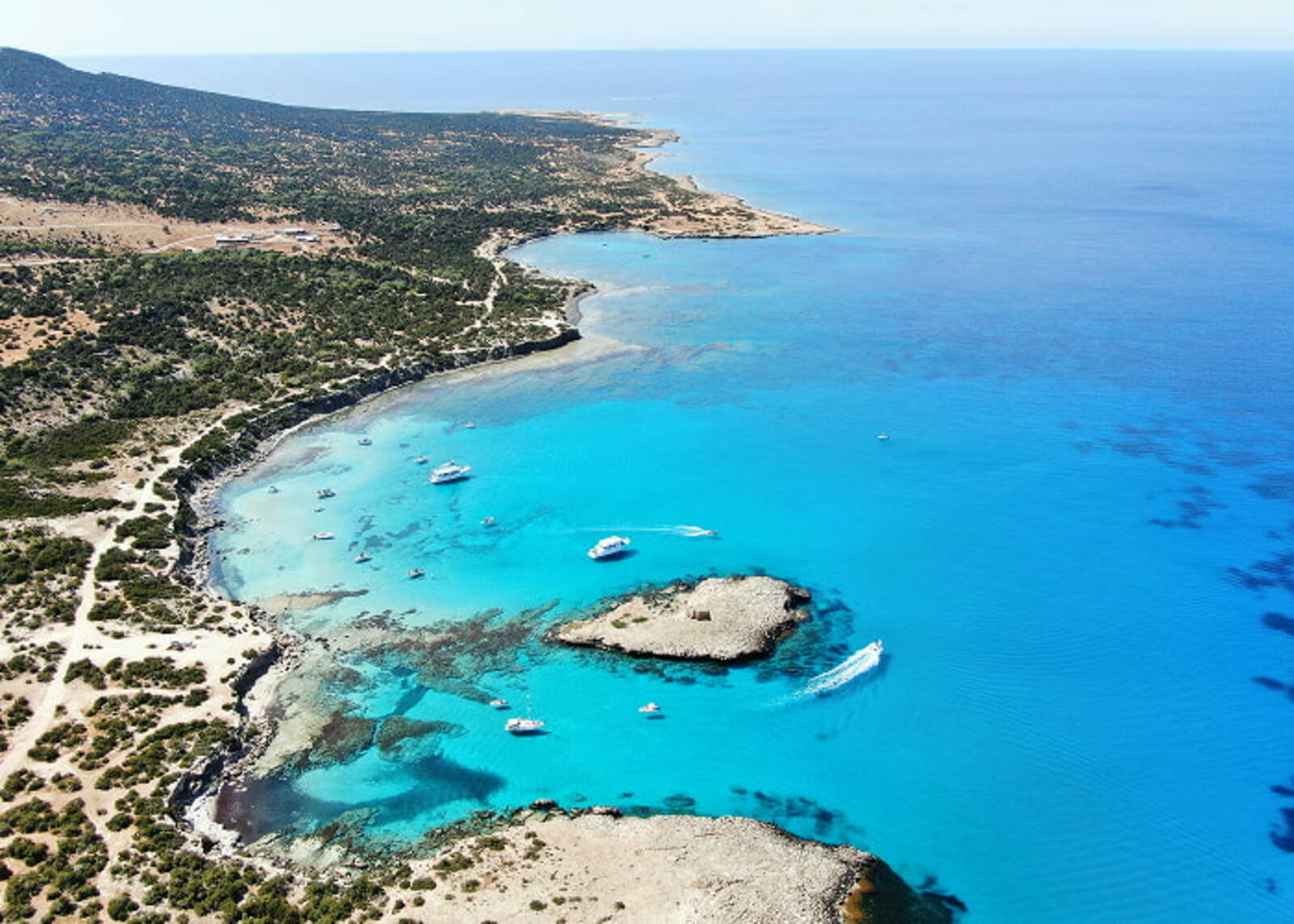
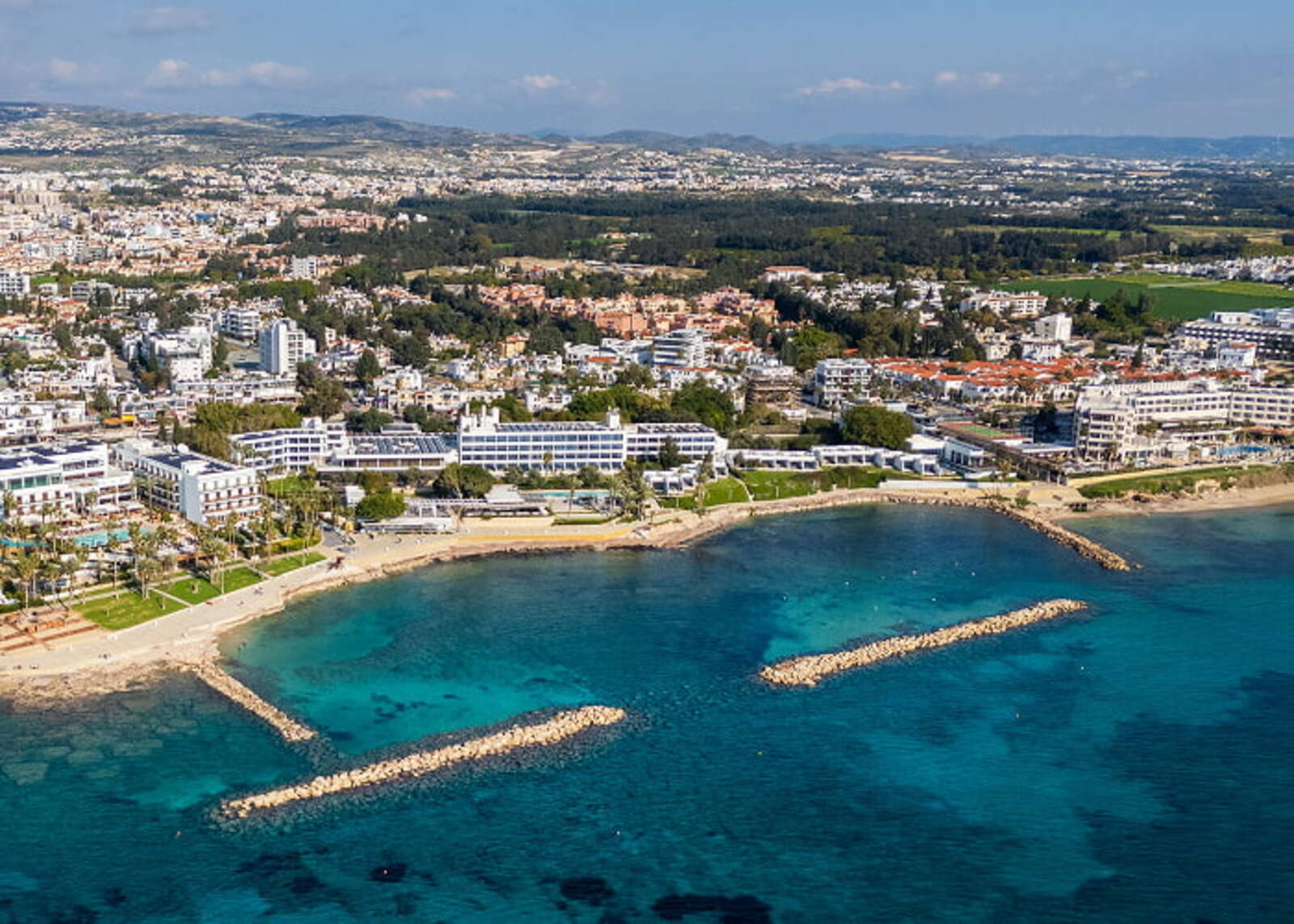
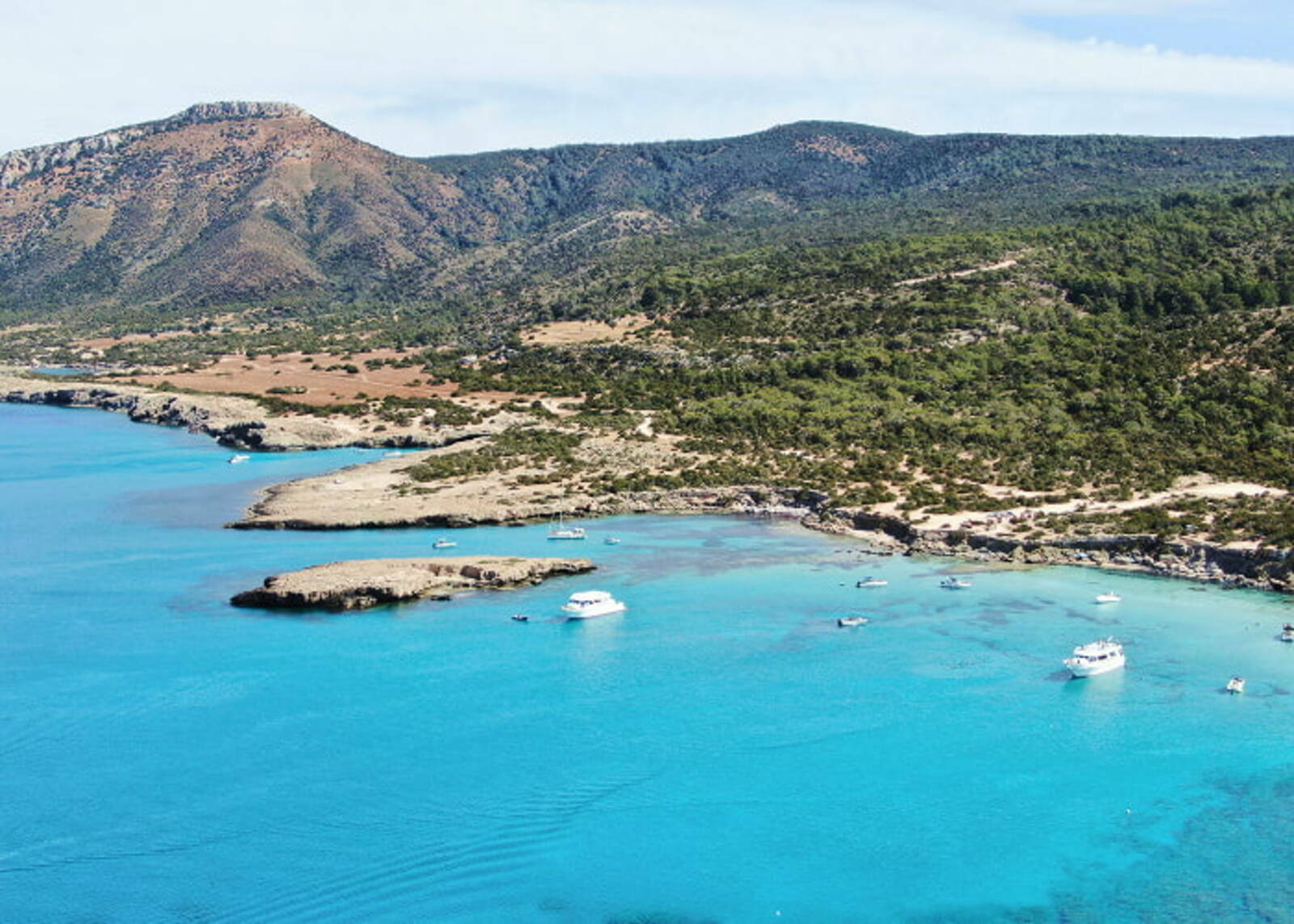

Paphos is a resort town in southwestern Cyprus, combining beach relaxation with visits to ancient landmarks and a charming fishing harbor. The city is often chosen by travelers who want to combine a seaside holiday with an extensive sightseeing program. It is known for its relaxed atmosphere and rich historical heritage.
This guide will help you plan the perfect holiday: we'll determine the best time to visit, choose the most convenient areas to stay, and compile a list of the cleanest beaches and the top attractions.
Paphos at a Glance
Paphos is located on the southwestern coast of Cyprus, about an hour and a half from Limassol and around two hours from Larnaca Airport. Unlike Ayia Napa and Larnaca, Paphos has a much more relaxed pace of life. Instead of lively nightclubs and crowded promenades, you'll find an archaeological park with two-thousand-year-old mosaics and a picturesque harbor where fishing boats sit alongside waterfront restaurants.
A holiday in Paphos, Cyprus, is ideal for couples, families with children, and travelers who appreciate both sightseeing and a relaxing beach escape. Visitors come here for the beaches, history, and laid-back atmosphere. If you're looking for adrenaline, nightlife, and clubs that stay open until sunrise, Ayia Napa may be a better choice.
Who Should Choose a Holiday in Paphos
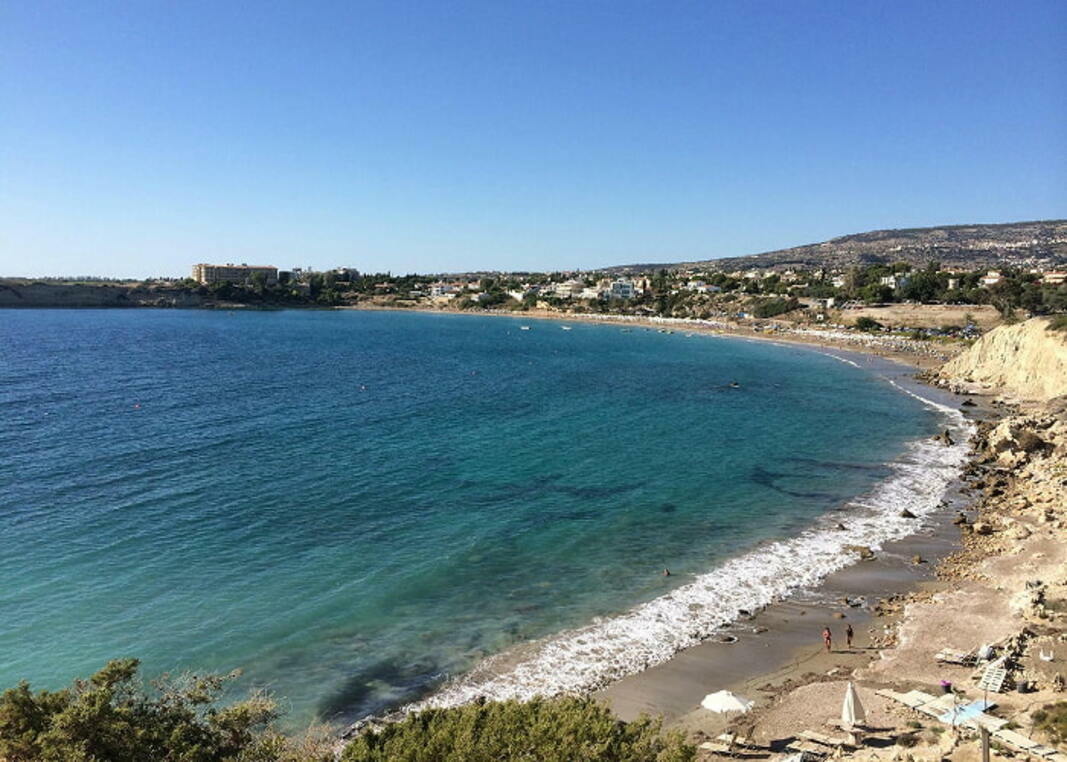
For families with children, Paphos is a peaceful destination offering numerous family-friendly hotels. Nearby lies the famous Coral Bay Beach, known for its soft sand and gentle entrance into the sea. Couples will enjoy romantic sunsets around the harbor and cozy tavernas without overwhelming tourist crowds. History enthusiasts will be fascinated by the ancient ruins of Paphos, which are included on the UNESCO World Heritage List.
The resort is also an excellent choice for travelers over 35 who value a peaceful holiday without nightlife noise outside their windows. However, groups looking for a vibrant nightlife scene may find Paphos too quiet. Although there are bars and clubs, they are far fewer than in Ayia Napa and generally close much earlier.
Best Time to Visit Paphos
Cyprus enjoys more than 300 sunny days each year. Therefore, the real question isn't whether you'll have sunshine, but which temperatures you find most comfortable.
Spring. April and May bring blooming hillsides and pleasant temperatures of +20–25°C. The sea is still relatively cool, so not everyone chooses to swim, but excursions to the Akamas Peninsula and the archaeological park can be enjoyed without the intense summer heat. For travelers from Moldova and Romania, where evenings can still be chilly at this time of year, May in Cyprus feels like full summer.
Summer. June, July, and August mark the peak tourist season. The sea is wonderfully warm, but daytime temperatures frequently exceed +35°C. Beaches become crowded, hotels are fully booked, and exploring ancient ruins under the midday sun is best postponed until the evening.
September–October. This is probably the best time for a holiday in Paphos. Sea temperatures remain at a comfortable +24…+26°C, the intense heat subsides, and tourist numbers noticeably decrease. The only thing to keep in mind is that evenings become cooler toward the end of October.
Winter. From November through March, the resort takes on a different rhythm. Beach holidays are no longer the main attraction, but it's an excellent season for exploring history, enjoying local wine, and taking peaceful walks around Kato Paphos. Rain is possible, and some beachfront bars close during the low season. Accommodation prices drop significantly in winter, making Paphos an affordable destination for long weekend getaways.
Beaches of Paphos
The coastline of Paphos is remarkably diverse. Here you'll find both sandy bays with gentle entry into the sea and rocky coastal stretches. That's why it's important to carefully research the area before booking accommodation. Promotional brochures often highlight only the most attractive views, overlooking sharp rocks at the water's edge or strong waves. Choose your holiday location based on your priorities—whether it's child-friendly beaches, peace and quiet, or proximity to local amenities.
Coral Bay
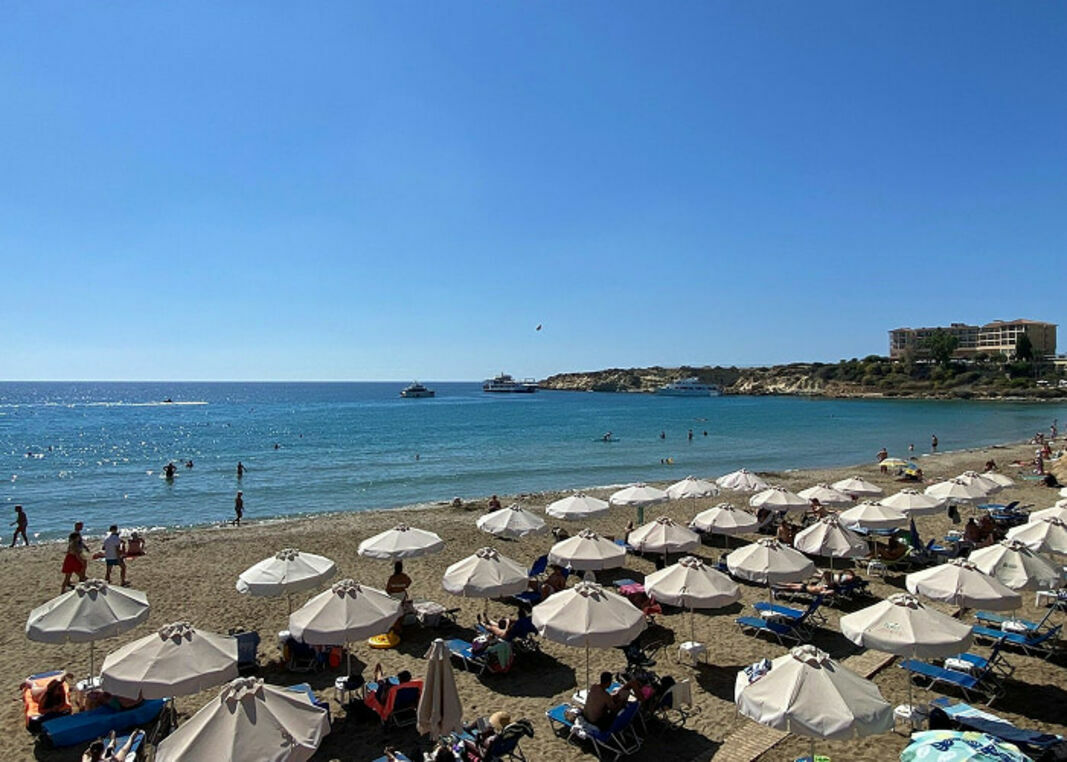
This is the main and most popular sandy beach in the Paphos region. It is located in a sheltered bay that protects the shoreline from strong winds and waves. Its golden sand and shallow, gently sloping entrance into the sea make it ideal for families with young children. The beach is fully equipped with sun loungers, umbrellas, showers, toilets, and lifeguard stations. Within walking distance, you'll find numerous tavernas, beach bars, and rental facilities. During the peak summer season, Coral Bay is always busy, so arriving before 9–10 a.m. is recommended if you want to secure a good spot near the water.
Alykes Beach
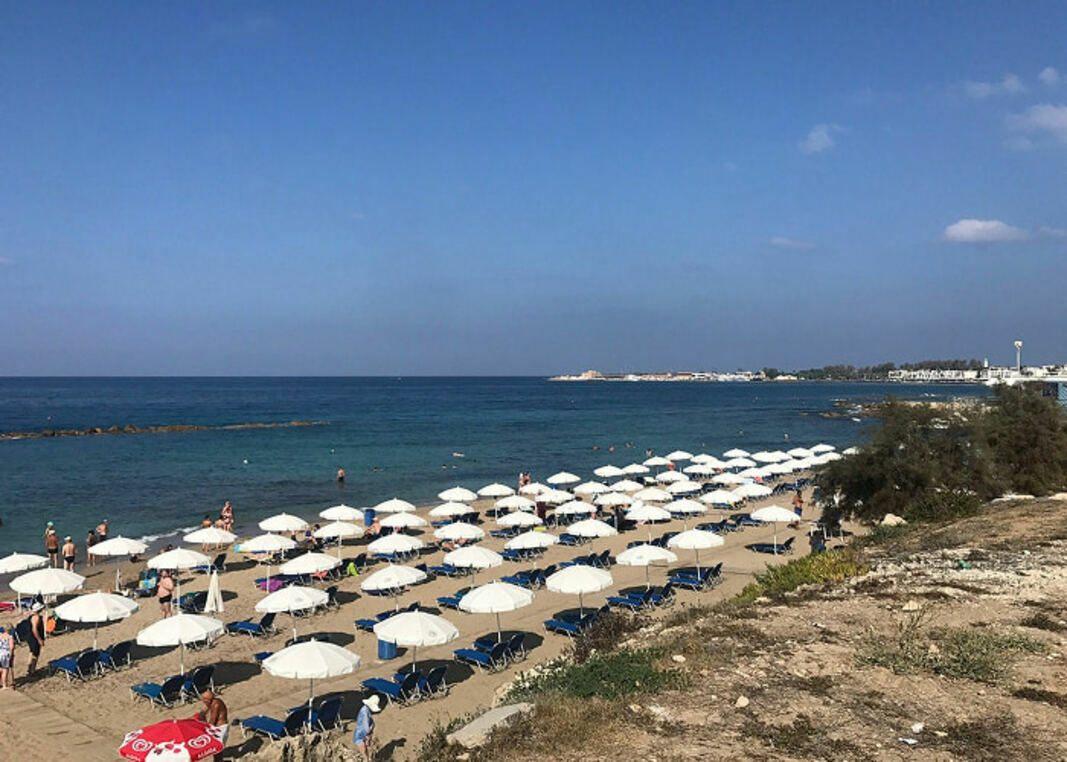
This beach enjoys a prime location in the heart of the Kato Paphos tourist district. The shoreline is a mix of sand and pebbles, with natural rock formations in some areas. Alykes Beach's biggest advantage is its excellent accessibility. It can easily be reached on foot from most city hotels without the need for public transport. The beach offers everything needed for a comfortable day by the sea, including protective breakwaters that keep the water calm almost all year round. It is generally less crowded than Coral Bay.
Faros Beach
This beach is located in a picturesque area next to the city's lighthouse on the northwestern edge of Paphos. The shoreline is sandy, but the entrance into the sea includes natural rock slabs and slippery sections of the seabed. Because of these conditions, it is not the best option for families with small children, but it is highly popular with visitors seeking spectacular scenery. Here you can capture beautiful photos with the lighthouse in the background and enjoy breathtaking sunsets. For safe swimming and to protect your feet from sharp rocks and sea urchins, be sure to bring water shoes.
Beaches at First-Line Hotels
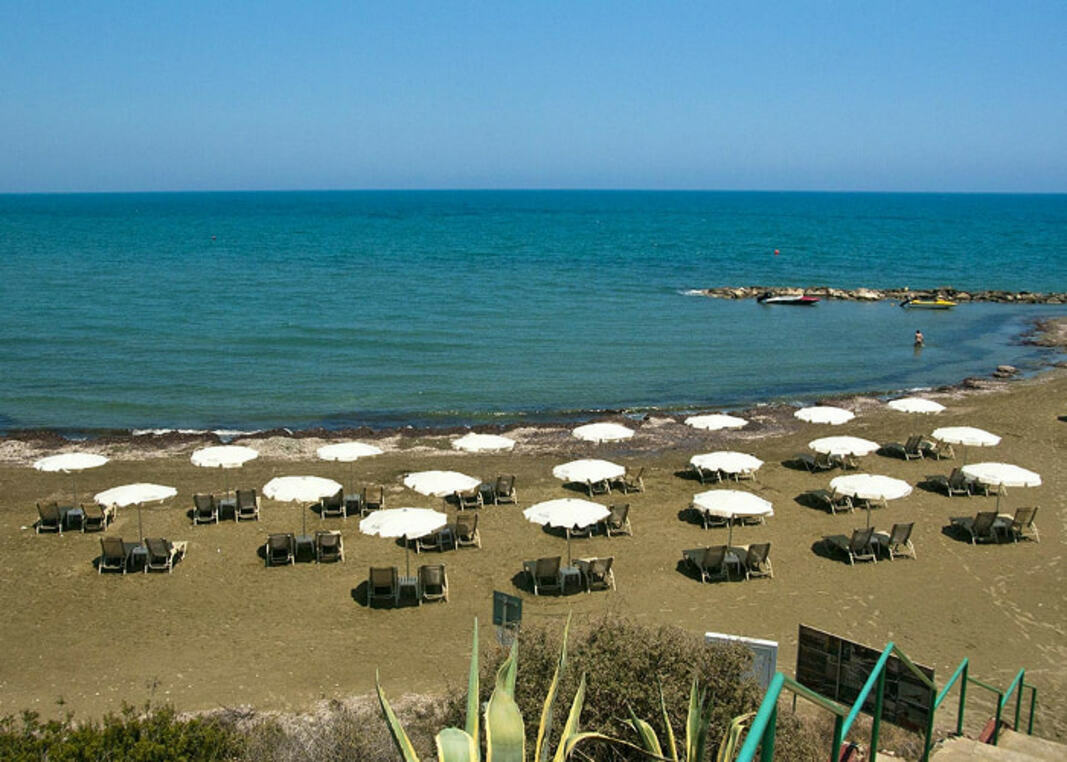
Many premium hotels in Paphos are located along rocky stretches of the coastline. To provide guests with sea access, they feature artificial sandy beaches, concrete platforms, and wooden piers with special ladders leading directly into deep water. A natural sandy entrance to the sea is quite rare in these locations. In Paphos, a hotel advertised as being on the "first line" does not necessarily guarantee a traditional beach. Before booking your holiday, be sure to check real guest photos and recent reviews.
Where to Stay in Paphos
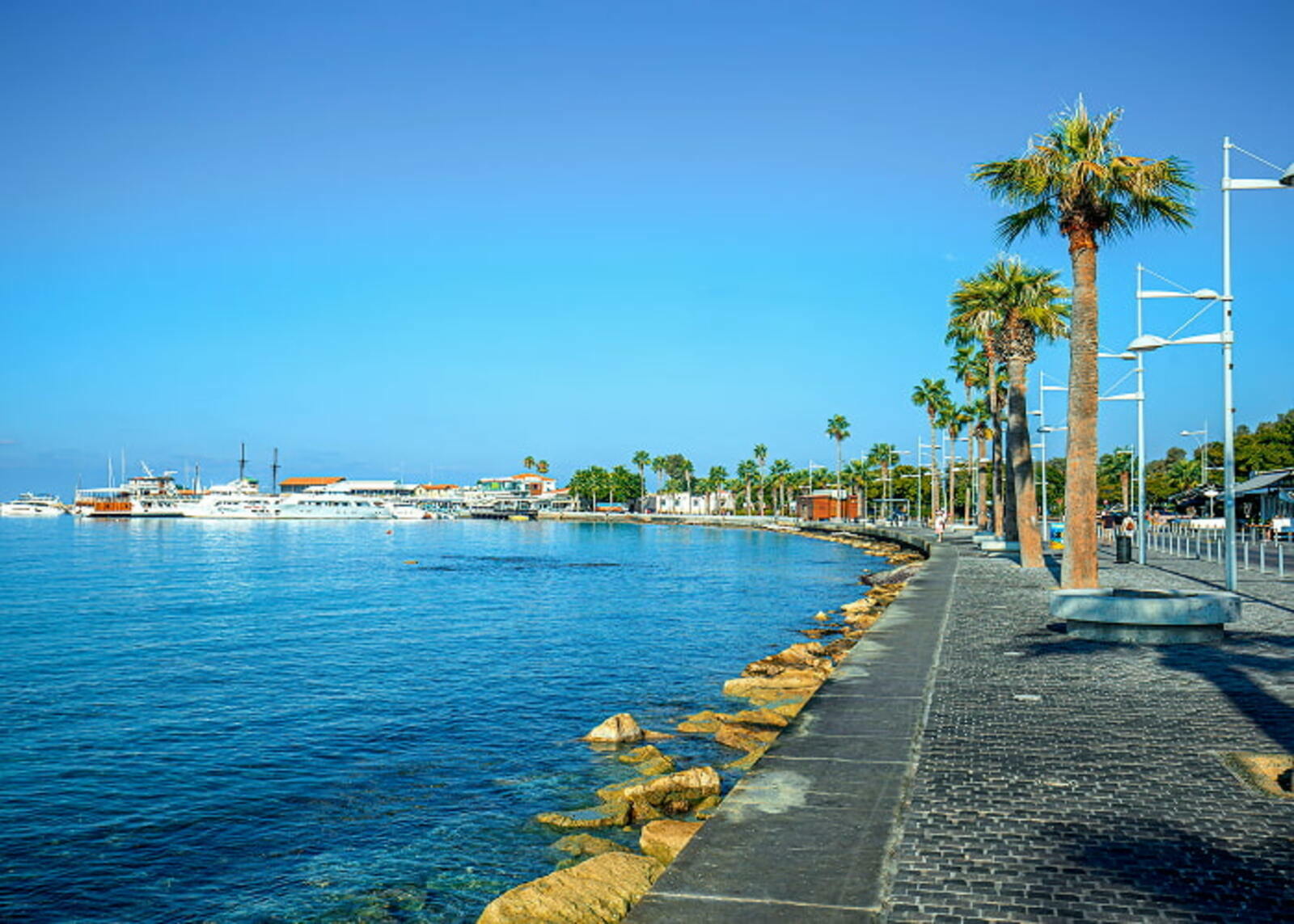
Kato Paphos. The main tourist area with a promenade, restaurants, and the archaeological park within walking distance. It's convenient without renting a car and is suitable for both couples and families.
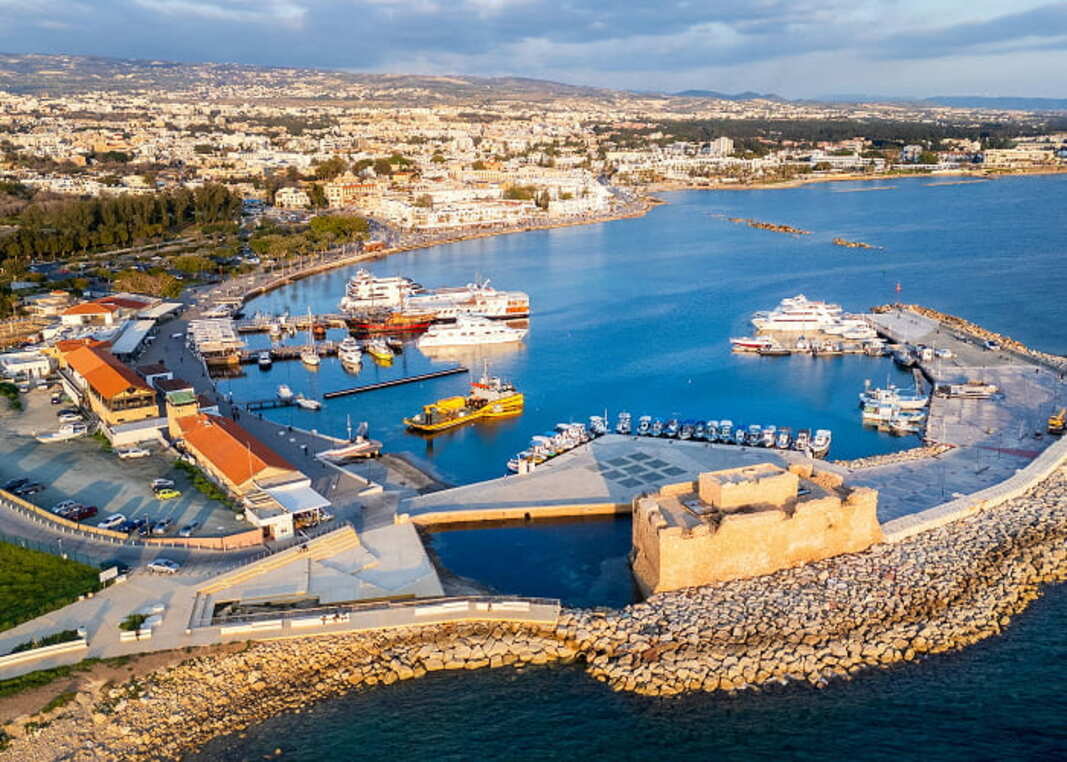
Harbor Area. A charming fishing harbor atmosphere, perfect for evening strolls, with Paphos Castle nearby. Hotels here are generally older properties, but the area is one of the most picturesque parts of the city.
Coral Bay. The ideal choice for travelers who prioritize the beach over a city holiday. The area has well-developed infrastructure, although you'll need a bus or car to reach the main attractions.
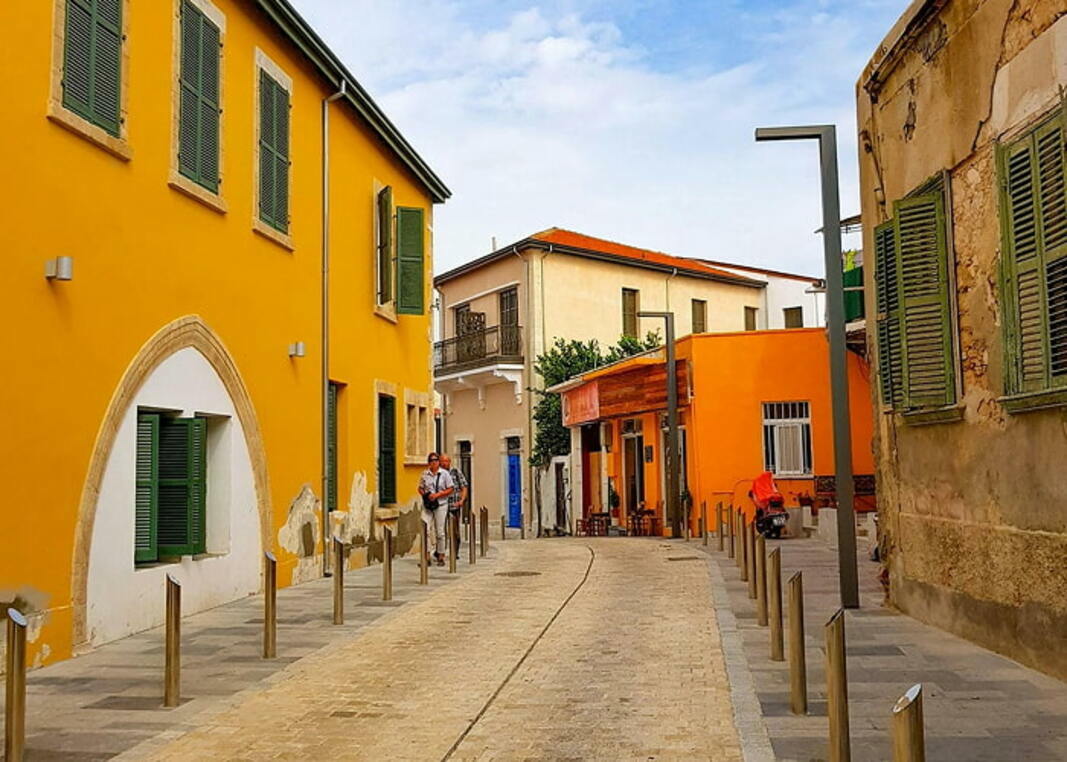
Paphos Town Centre (Ktima). The less touristy upper part of the city, known for its local markets and authentic cafés. The sea is not within walking distance, so you'll need transportation.
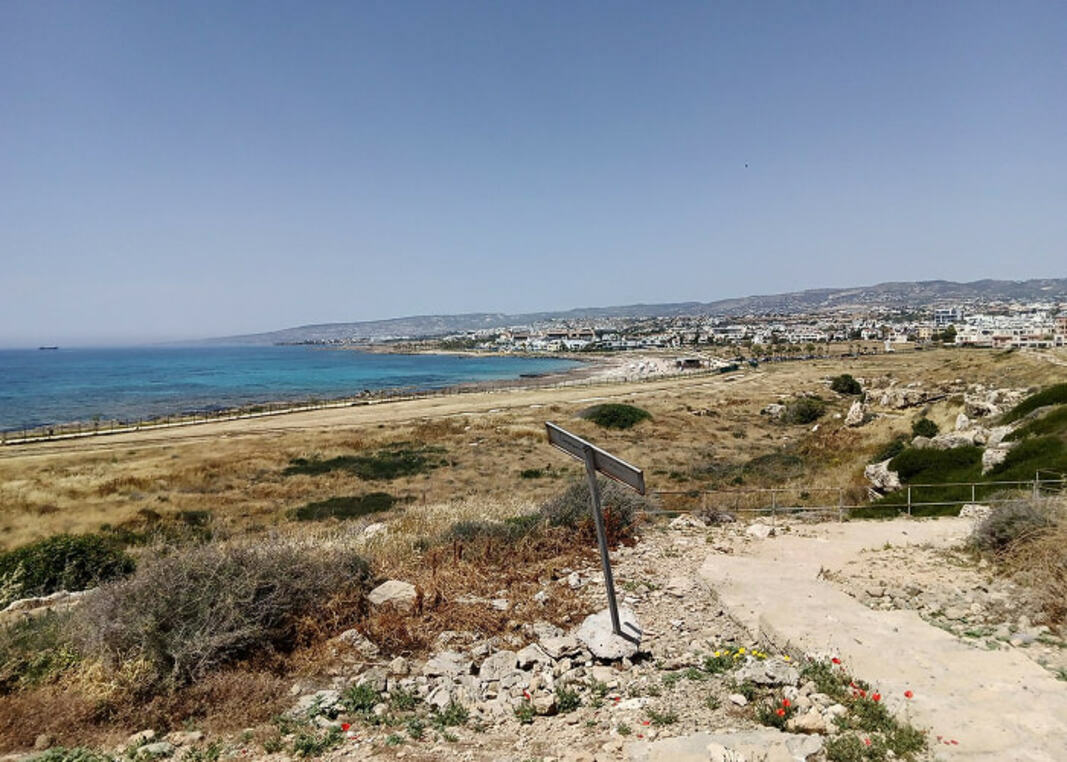
Kato Paphos Seafront. This area is home to the beachfront hotels, offering direct access to the coast. However, before booking, it's worth checking the type of beach, not just the distance to the sea.
Top Attractions in Paphos
It's best to plan your sightseeing in Paphos according to the time of day. Open-air attractions are most enjoyable in the morning before the heat sets in.
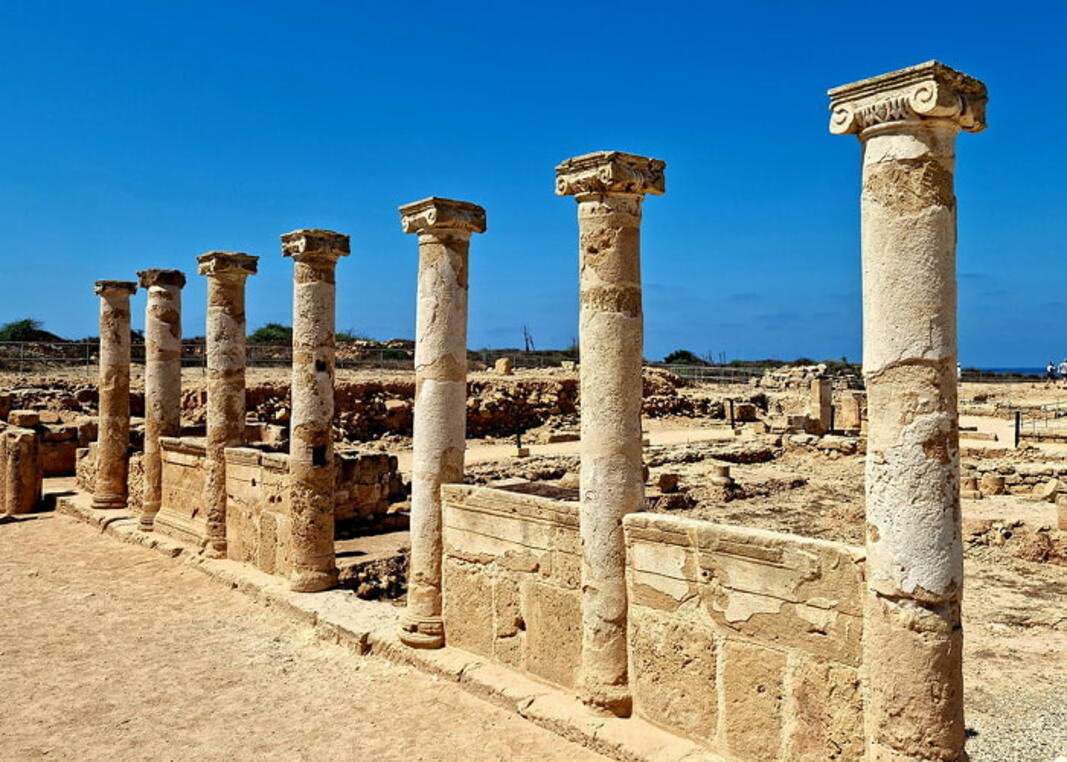
Kato Paphos Archaeological Park. Together with the city's other ancient monuments, it has been part of the UNESCO World Heritage List since 1980. Here you'll find Roman villas with magnificent mosaics, an ancient amphitheater, and the remains of a fortress. The most famous mosaics are located in the House of Dionysos, where floor panels depicting scenes from Greek mythology have survived for nearly two thousand years in remarkably good condition. Just a few kilometers away are the Tombs of the Kings, impressive rock-cut necropolises built for the local aristocracy, also included in the UNESCO World Heritage Site.
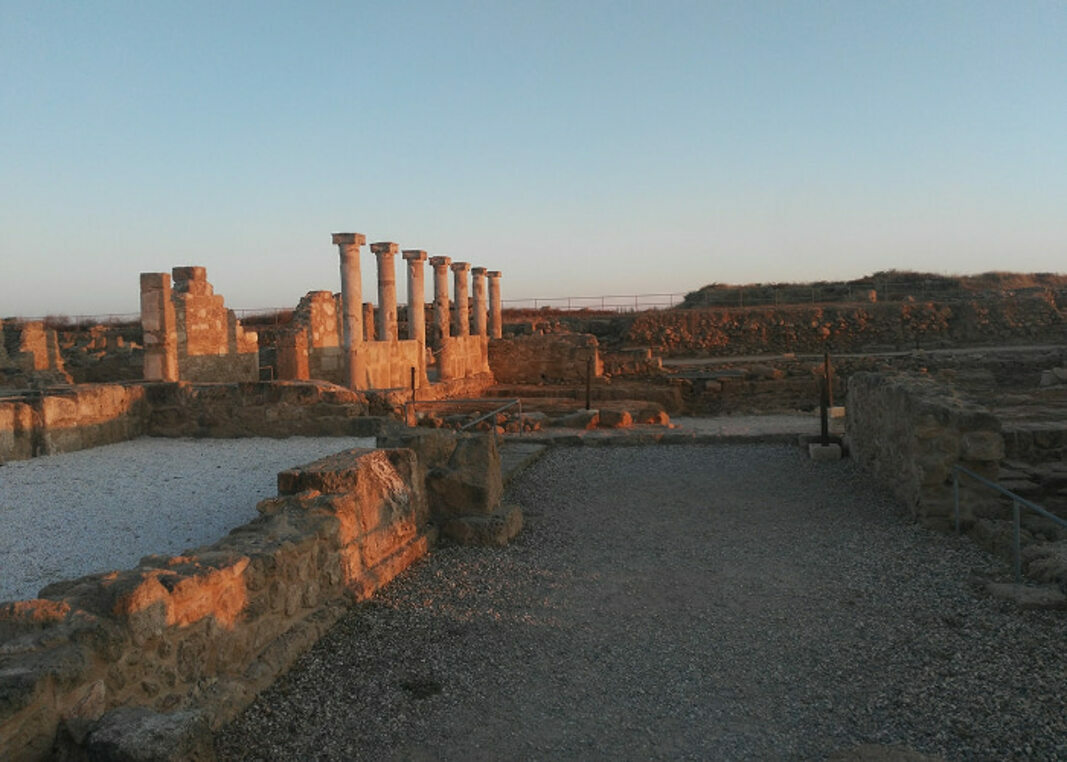
Kato Paphos Archaeological Park
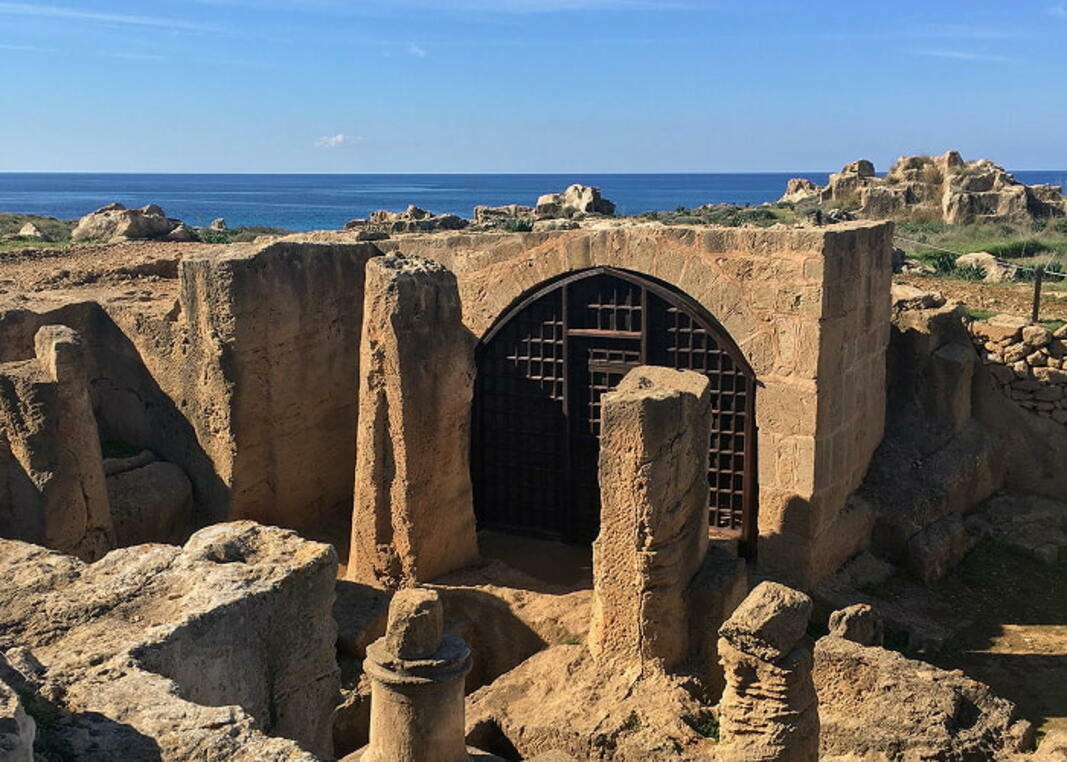
Tombs of the Kings
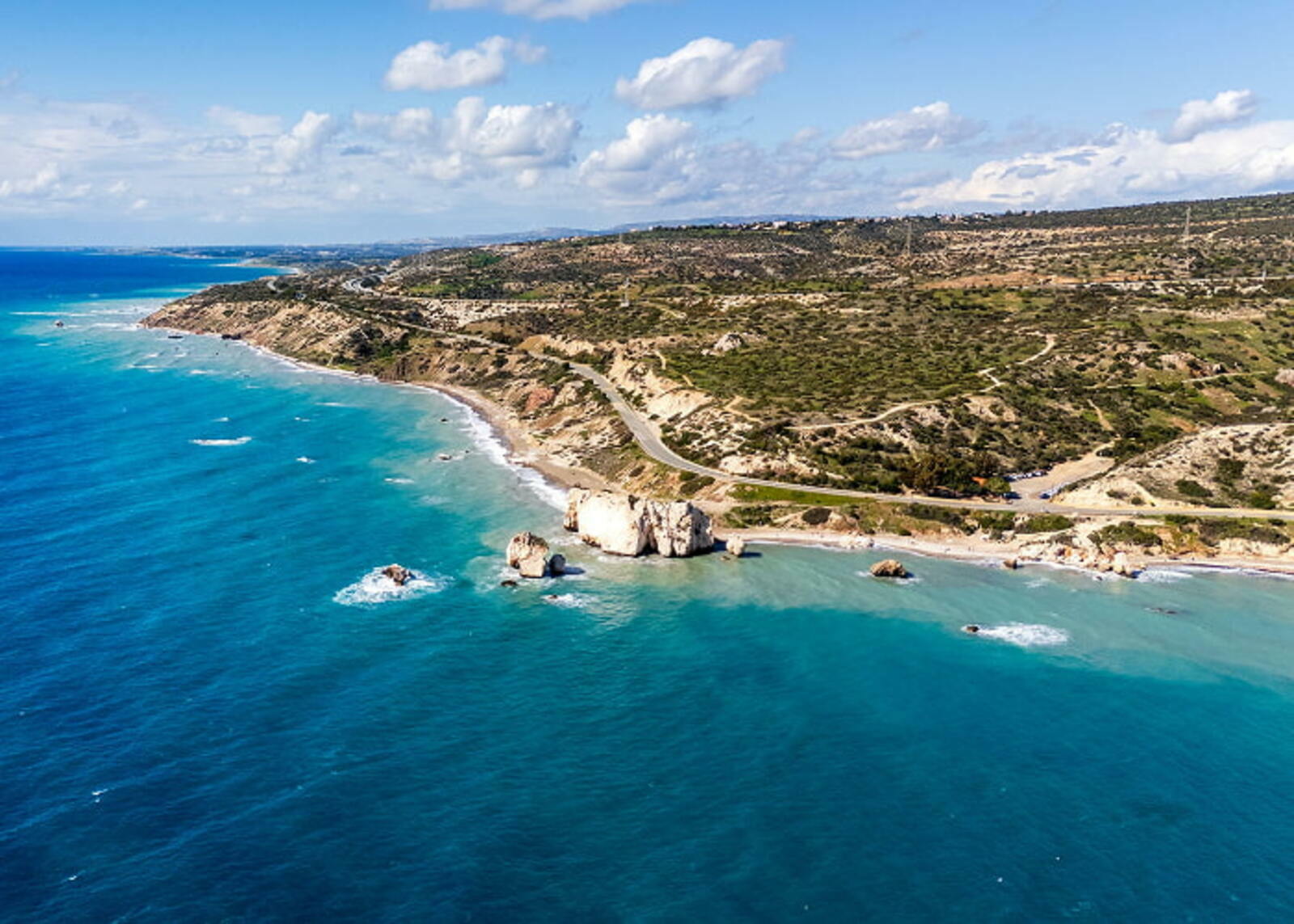
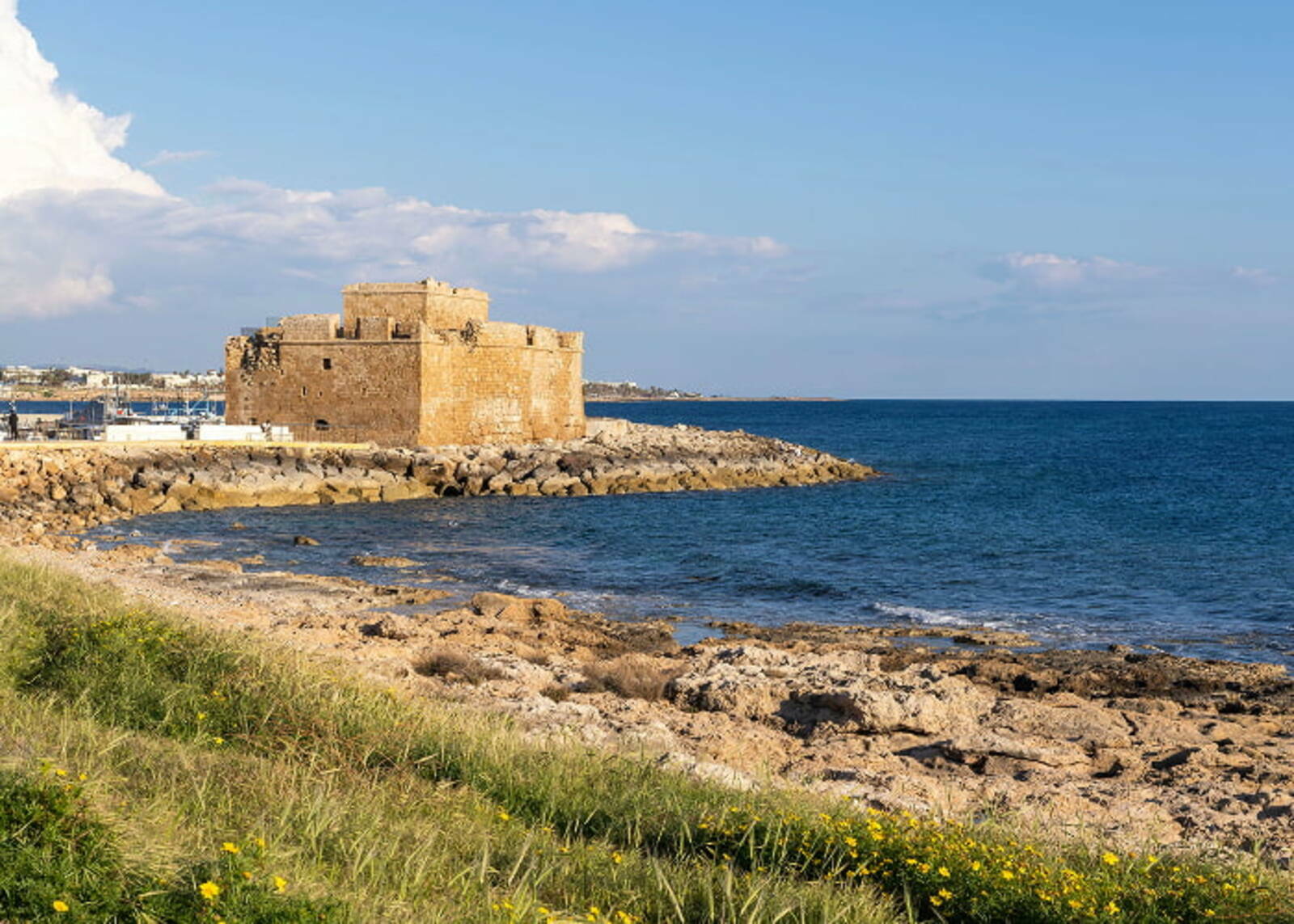
Paphos Harbour and Paphos Castle form the city's most atmospheric corner. The compact medieval fortress stands right on the waterfront, while the surrounding area is perfect for sunset walks. Aphrodite's Rock (Petra tou Romiou), one of the most photographed places in Cyprus, is believed in Greek mythology to be the spot where the goddess of beauty emerged from the sea. The easiest way to reach it is by car or as part of an organized tour.
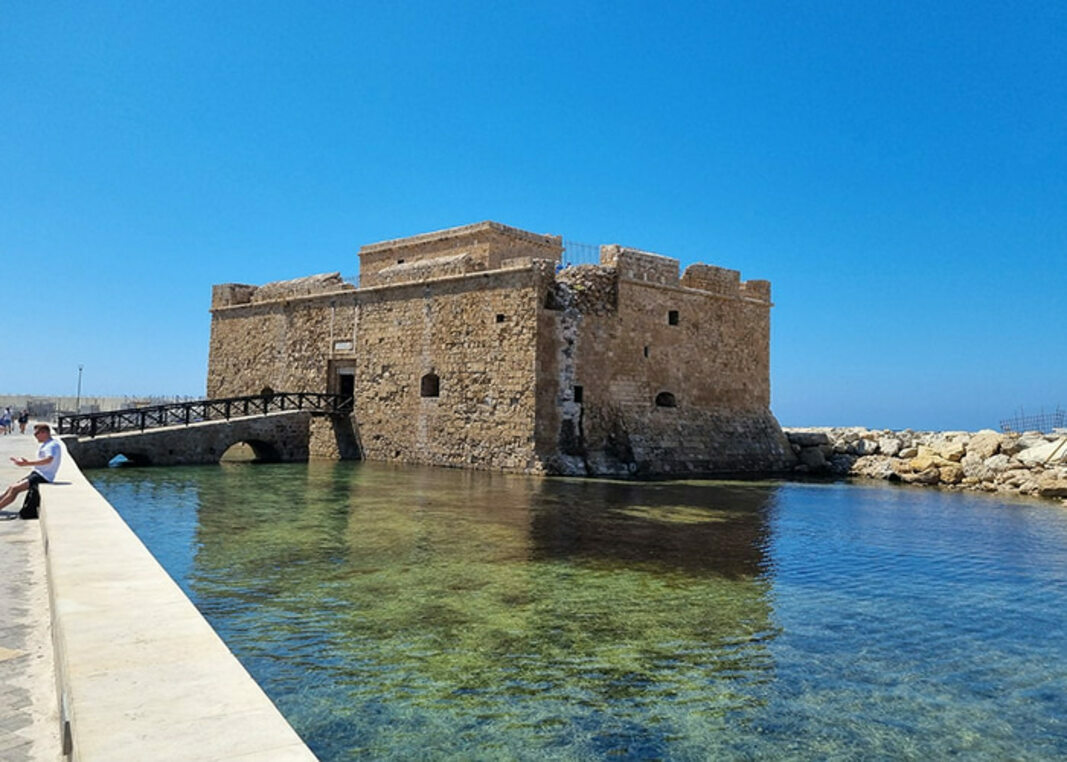
Paphos Castle
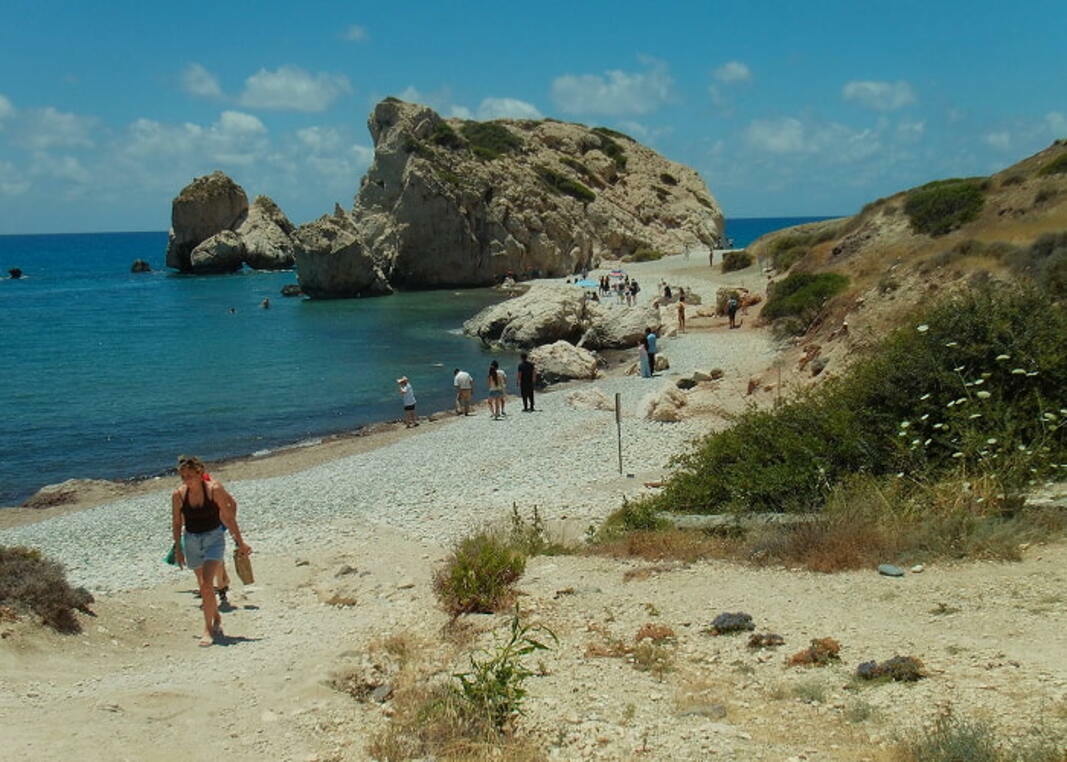
Aphrodite's Rock (Petra tou Romiou)
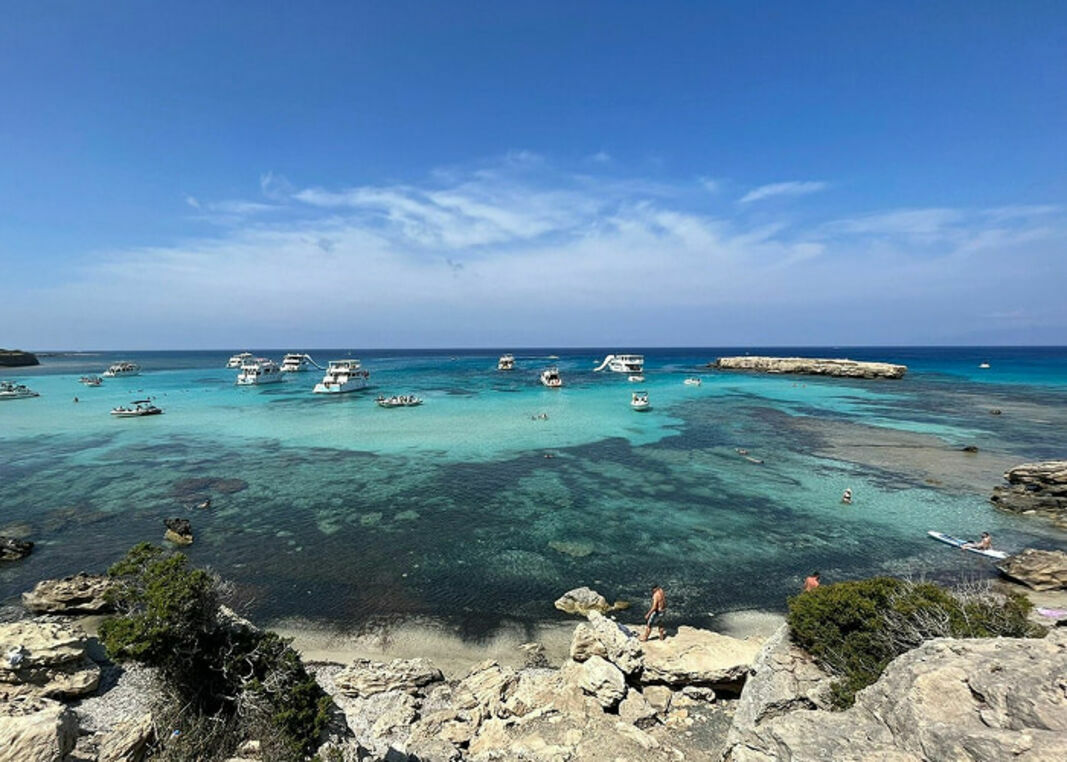
The Akamas Peninsula offers unspoiled nature, hiking trails, and panoramic viewpoints free from urban development—the complete opposite of the busy tourist center. It's also worth venturing inland to visit the traditional villages and wineries. The mountain villages are famous for their local wines and peaceful way of life, which is very different from the atmosphere of the city.
The local cuisine deserves special attention. Be sure to try meze—a selection of more than ten different dishes served in small portions until there's no more room left on the table. A meze for two is usually more than enough, even though the portions may seem deceptively small at first.
The harbor tavernas serve freshly caught fish and seafood, while the mountain villages are famous for kleftiko, slow-roasted lamb cooked in a traditional oven. Don't miss the chance to try grilled halloumi cheese and local Cypriot wine. One of Cyprus's most famous wines is Commandaria, a protected designation of origin dessert wine produced exclusively in 14 villages in the Limassol region on the slopes of the Troodos Mountains.
Family Holidays in Paphos
Paphos is a comfortable destination for families with children thanks to its peaceful atmosphere. When choosing a hotel, pay close attention to the type of beach rather than just the location, as the entrance into the sea is not gentle everywhere. It's best to check this before booking. Family-friendly hotels are most commonly found in Kato Paphos and the Coral Bay area.
There are also plenty of activities for children. The city has a water park, while near Coral Bay you'll find Pafos Zoo, home to an impressive collection of birds. These attractions are more than enough to keep children entertained on particularly hot or cloudy days.
Things to keep in mind: Some beaches are rocky or have a steep entrance into the sea, so it's advisable to bring water shoes for children. It's also worth checking in advance how far your hotel is from the nearest sandy beach. Sometimes "close to the sea" in a hotel description can actually mean a 15-minute walk.
Day Trips from Paphos
Paphos is an excellent base for day trips. Nature lovers often head to the Akamas Peninsula and the Baths of Aphrodite, where scenic walking trails and breathtaking landscapes await. The Troodos Mountains remain pleasantly cool even in summer, and the journey takes you through traditional villages and historic monasteries—an excellent escape from the coastal heat.
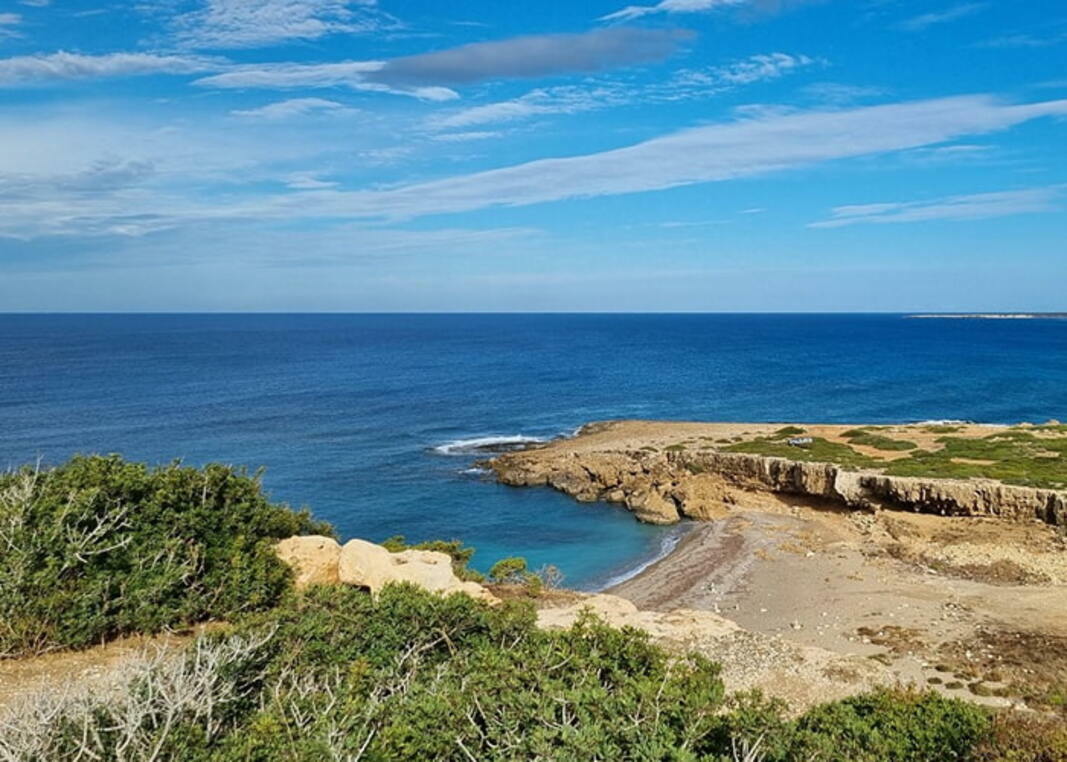
Akamas Peninsula

Troodos Mountains
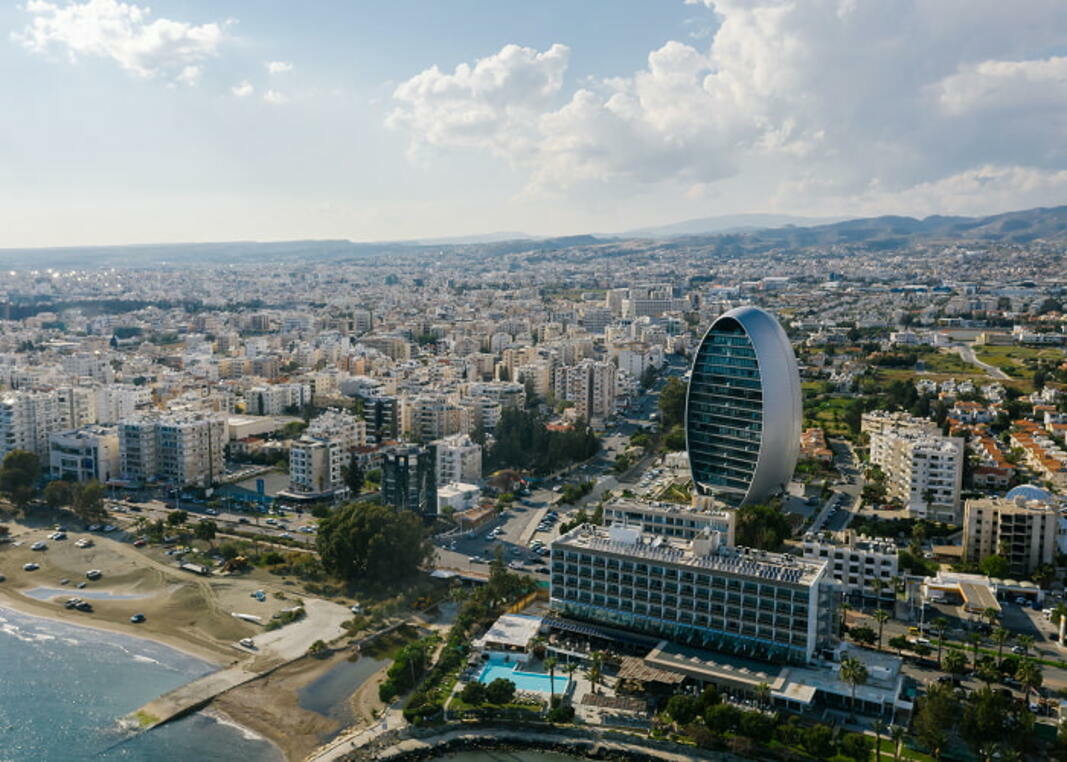
Limassol offers a completely different atmosphere, with lively nightlife and a vibrant city center, making the contrast with peaceful Paphos immediately noticeable.
Nicosia deserves a full day of exploration as the last divided capital in Europe. The drive from Paphos takes approximately 2–3 hours, but you'll discover a completely different side of Cyprus, far removed from beaches and resort life. The region's wine villages offer wine tastings and beautiful panoramic views of the rolling hills. It's also worth visiting Aphrodite's Rock, which is often included in dedicated sightseeing tours.
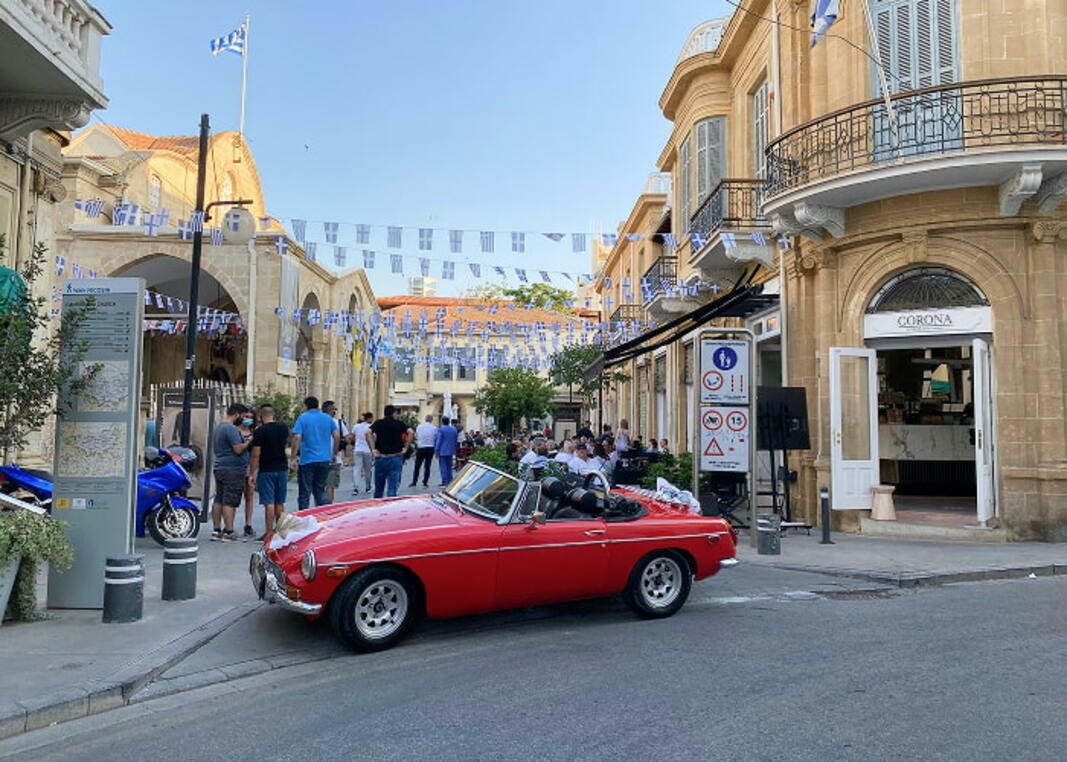
Nicosia
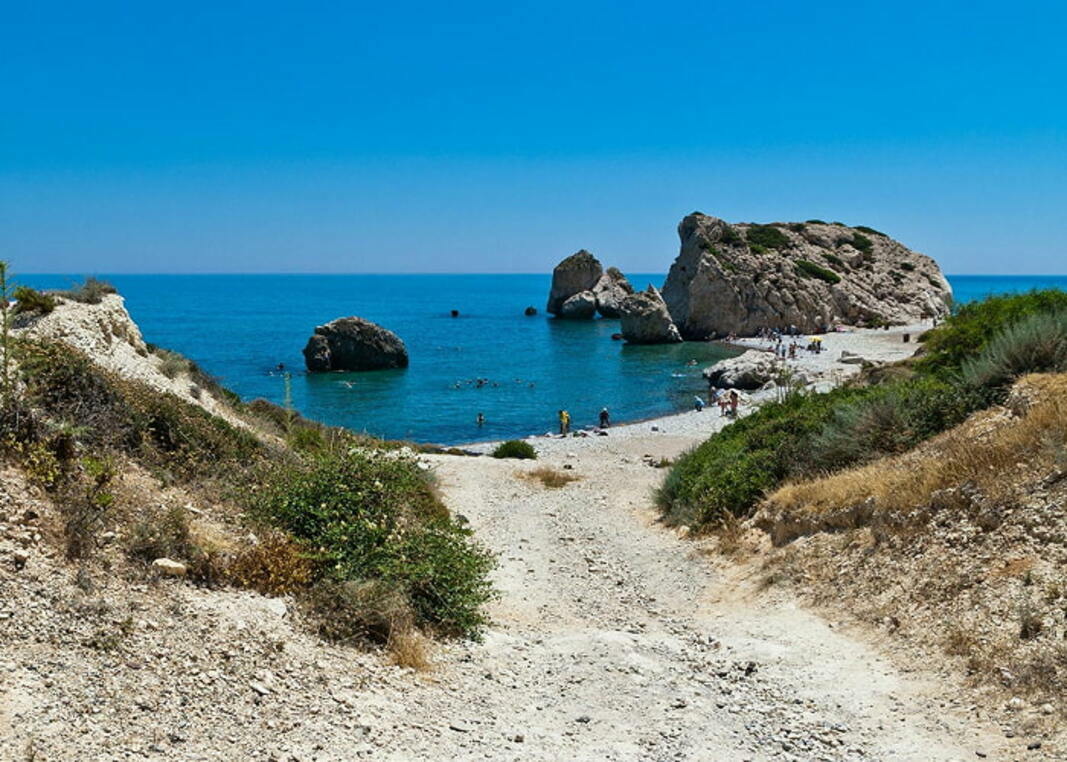
Aphrodite's Rock
Pros and Cons of a Holiday in Paphos
| Advantages | Disadvantages |
| Many historical attractions are within walking distance | Some parts of the coastline have rocky sea entrances or access via platforms |
| A peaceful resort atmosphere with no late-night noise | Nightlife is much quieter than in Ayia Napa |
| A wide selection of hotels, including excellent family-friendly options | During peak season, the heat can be challenging, especially on sightseeing trips |
| Easy to combine beach time with sightseeing in a single day | Renting a car is almost essential for exploring the surrounding region |
How Many Days Do You Need for a Holiday in Paphos?
Three to four days are enough to see the essentials, including the beach, the archaeological park, and the harbor. Five to seven days give you plenty of time to explore the main attractions at a relaxed pace, enjoy the beaches, and take a few day trips.
If you have ten to fourteen days, you can comfortably combine a beach holiday with excursions to the Akamas Peninsula, the Troodos Mountains, and the island's wine villages without feeling rushed.
Travel Tips
- - Choose your hotel based on the beach, not just the location.
- - Check the type of beach in advance. Whether it's sand, pebbles, or a platform can make a big difference to your holiday experience.
- - During summer, plan sightseeing trips for the morning or evening. The midday sun can be intense in open areas such as the archaeological park and the Akamas Peninsula.
- - Consider renting a car if you plan to explore the region. Some attractions are difficult to reach by public transport or require multiple connections. Also, remember that Cyprus has left-hand traffic.
- - Bring water shoes. They're highly recommended for the rocky sections of the coastline, which are quite common in Paphos.
Conclusion
Paphos is an excellent choice if you appreciate history, a relaxed atmosphere, and beach holidays away from lively nightlife. The resort is ideal for families with children, couples, and mature travelers who visit Cyprus for more than just the sea. The best times to visit are generally considered to be May and the period from mid-September to the end of October, when temperatures are more comfortable while the sea remains pleasantly warm.
Ion Admiral
Head Manager & Lead Travel Blogger