
 Enter
Enter







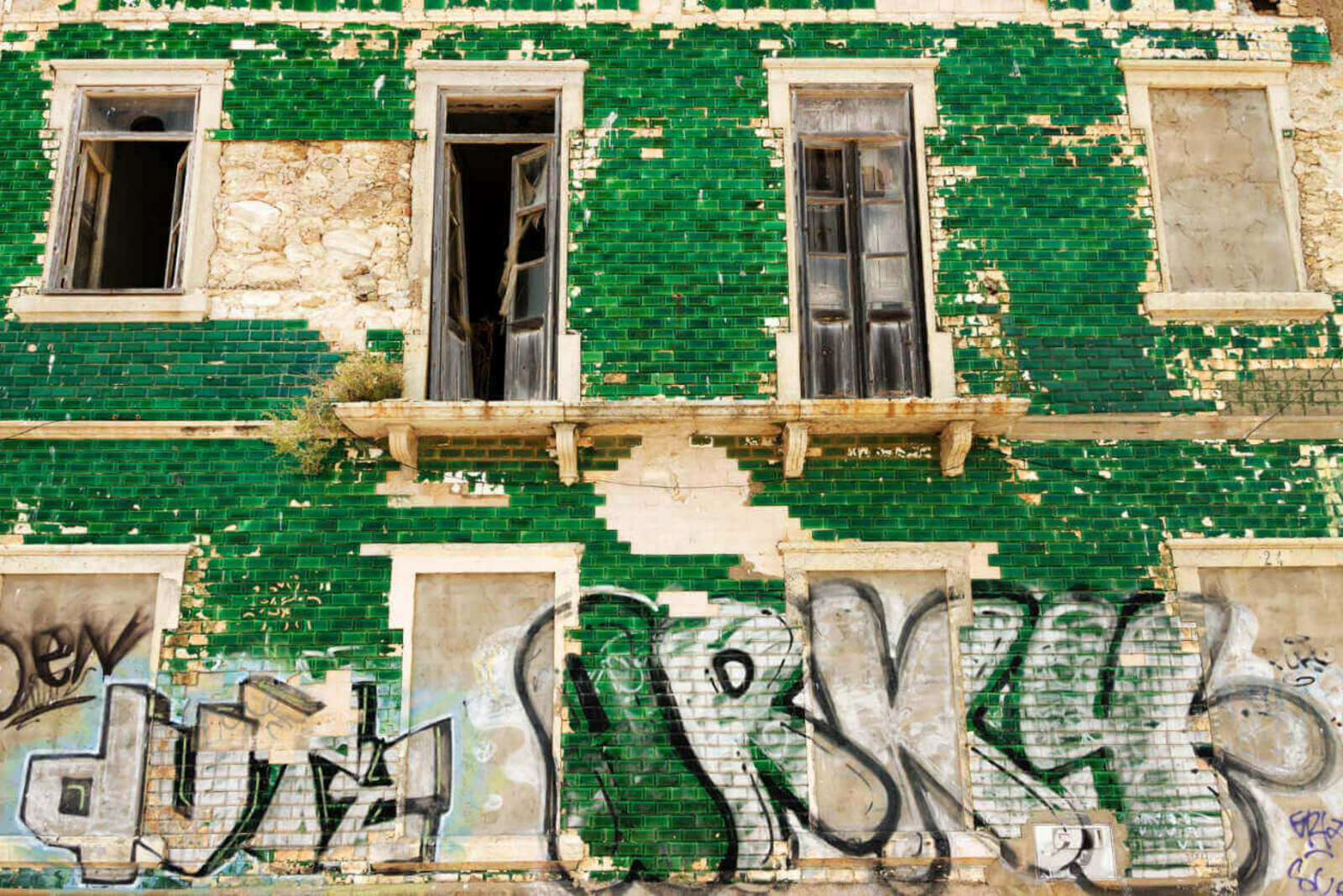

Italy is taking decisive action against cultural vandalism. A new law, approved by the Italian parliament on January 18, 2024, introduces much harsher penalties for those who damage cultural monuments. Along with increasing fines up to €40,000 for damage and up to €60,000 for the destruction of cultural values, these funds will be directed to the restoration of damaged objects through Italy’s Ministry of Culture.
This bill, known as the “eco-vandals law,” was initiated in response to actions by environmental activists, which included pouring paint on historic monuments. This wave of protests has spread across many European countries, including the United Kingdom, Germany, France, the Netherlands and Austria. Italy’s decision to tighten legislation in the field of cultural heritage protection was a response to these challenges and a demonstration of how the country is pushing back against such forms of protest.
For more details about this innovation, read the article.
Source: “Tripmydream”
25.01.2024
Law approved by Italy’s parliament on January 18, 2024.
Fines up to €40,000 for damage.
Fines up to €60,000 for destruction of cultural values.
Funds are redirected to restoration via Italy’s Ministry of Culture.
Context: similar protest actions across Europe (including the UK, Germany, France, the Netherlands, and Austria).
What the law changes: penalties and restoration funding
Italy is taking decisive action against cultural vandalism. A new law, approved by the Italian parliament on January 18, 2024, introduces much harsher penalties for those who damage cultural monuments. Along with increasing fines up to €40,000 for damage and up to €60,000 for the destruction of cultural values, these funds will be directed to the restoration of damaged objects through Italy’s Ministry of Culture.
Why it’s called the “eco-vandals law”
This bill, known as the “eco-vandals law,” was initiated in response to actions by environmental activists, which included pouring paint on historic monuments.
This wave of protests has spread across many European countries, including the United Kingdom, Germany, France, the Netherlands and Austria.
Italy’s decision to tighten legislation in the field of cultural heritage protection was a response to these challenges and a demonstration of how the country is pushing back against such forms of protest.
Where to read more
For more details about this innovation, read the article.
Source: “Tripmydream”
25.01.2024
What to do
If you’re traveling in Italy and visiting museums, galleries, and historic centers, treat this update as a reminder: cultural heritage deserves careful, respectful behavior.
Practical tip: check venue rules before you go (photography restrictions, protected areas, museum etiquette), and choose official routes or guided tours—this supports preservation in a responsible way.
1-day itinerary
Morning: pick one major landmark or museum and plan enough time to enjoy it calmly—this makes it easier to follow visitor rules and reduce risks to monuments and exhibits.
Afternoon & evening: a relaxed walk through historic streets, viewpoints, and quieter areas away from peak crowds—an easy way to see more while reducing pressure on the most popular sites.
2-day itinerary
Day 1: the classics—one major museum/monument plus the surrounding historic district, with breaks and pre-booked tickets where possible.
Day 2: the “second line”—smaller museums, neighborhoods, local exhibitions, or parks. This approach helps spread visitor flows and protects the most crowded heritage sites.
How to get there
When planning a European trip, it’s often easiest to start with a country page and then build your route city by city. For context and inspiration, you can browse:
FAQ: Italy’s new law on cultural vandalism
When was the law approved?
The text states it was approved by the Italian parliament on January 18, 2024.
What is the maximum fine for damage?
Up to €40,000 for damage.
What is the maximum fine for destruction?
Up to €60,000 for the destruction of cultural values.
Why is it called the “eco-vandals law”?
Because it was introduced in response to actions by environmental activists affecting historic monuments.
What actions are mentioned in the text?
The text mentions pouring paint on historic monuments.
Where will the fine money go?
To restoration of damaged objects via Italy’s Ministry of Culture.
Which European countries are mentioned?
The UK, Germany, France, the Netherlands, and Austria are mentioned.
Does this apply only to monuments?
The text refers to monuments and cultural values; exact scope depends on legal definitions.
Where can I read the original source?
The Tripmydream link is included at the end of the article.
Note: these answers are based on the provided text; for full legal details, consult the original source.