
 Enter
Enter



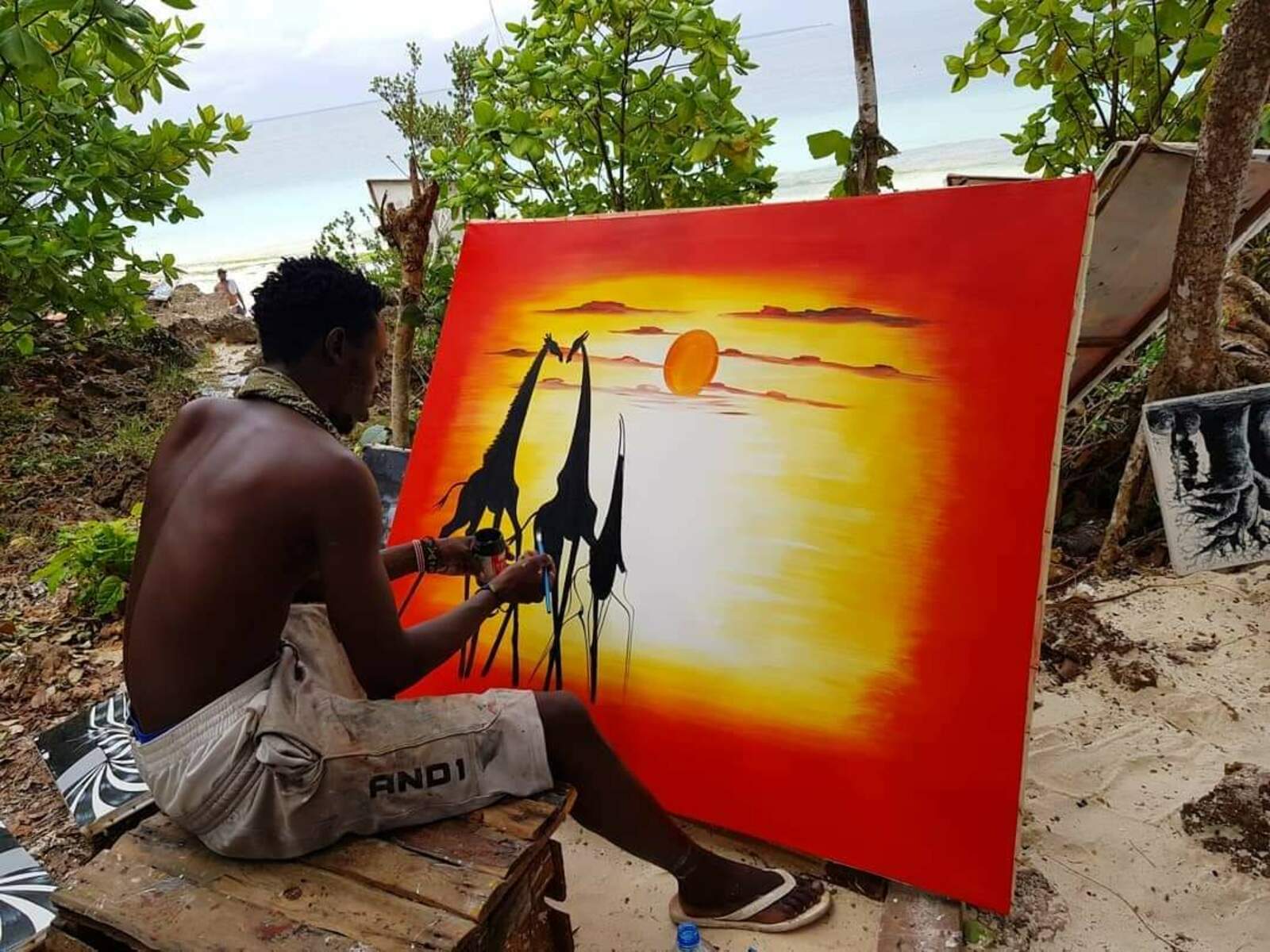
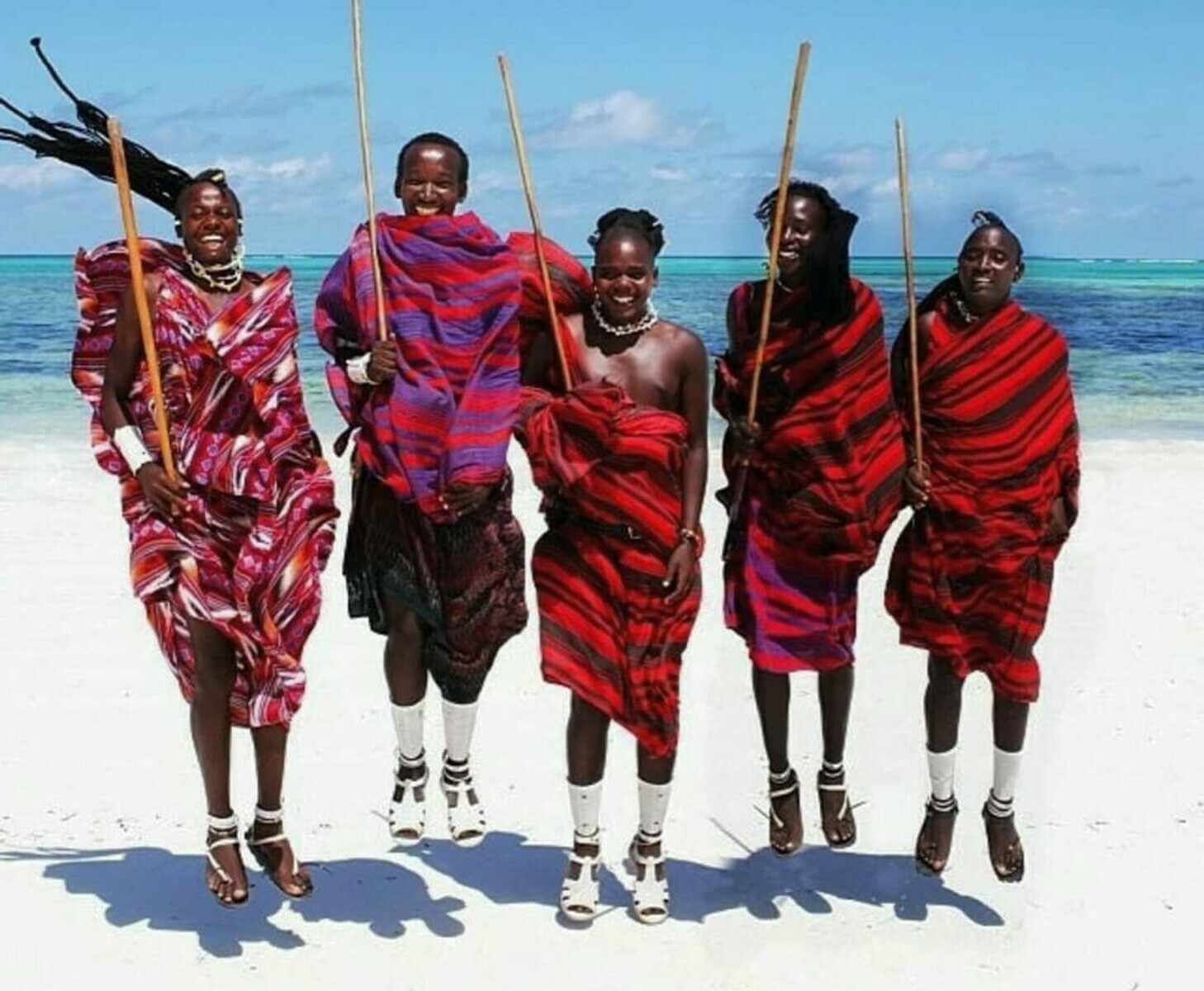
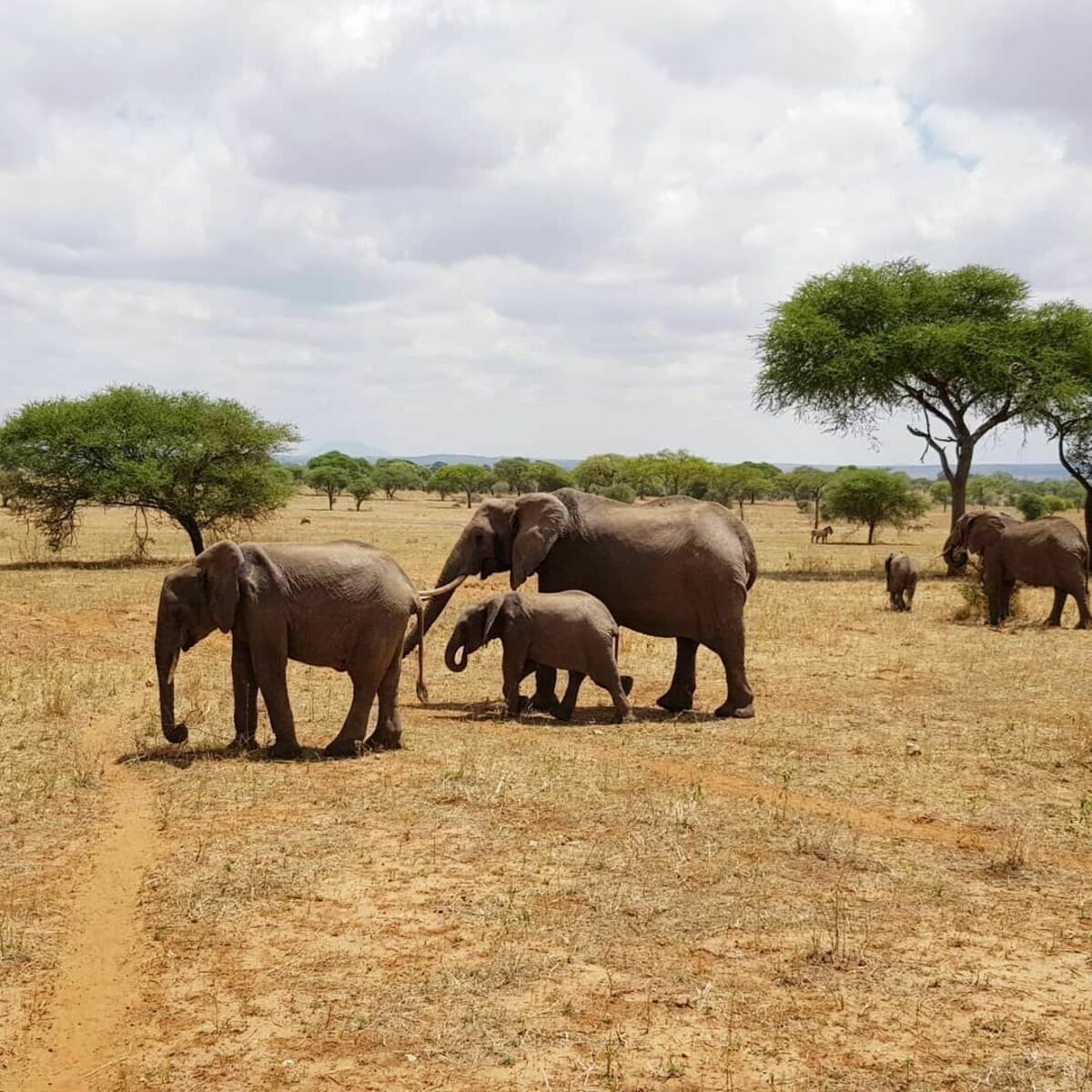

Zanzibar still remains a mysterious destination for many travel lovers. At the same time, this African island is now one of the most in-demand and popular places for beach holidays. Some would even call it a relatively affordable resort. Why not?
If you are also interested in Zanzibar and want to learn more about this destination, get comfortable and carefully read everything we have found and prepared for you!
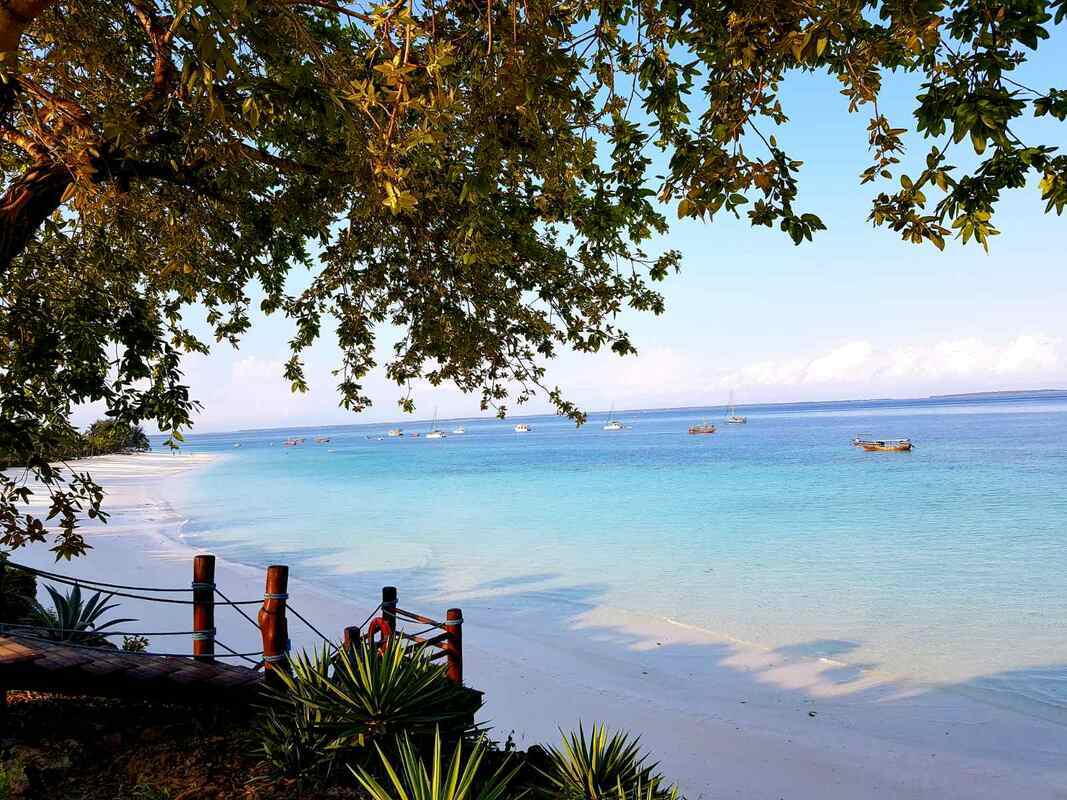
Zanzibar is a Tanzanian island in the Indian Ocean with powder-white sand, turquoise water, lush greenery and cozy bungalows right by the shore.
You will find everything a tourist could want: excursions, diving, kitesurfing, fishing and slow days of doing nothing on the beach.
The most popular places to stay are Kendwa and Nungwi beaches in the north — gentle tides, many cafés and shops, great sunsets.
The climate is warm all year: air usually around +28…+35 °C, ocean water about +27…+29 °C, with two rainy seasons in spring and autumn.
Key sights include Stone Town, Prison Island with giant tortoises, the Spice Island, Jozani Forest and Boribi Reef for diving fans.
Zanzibar is considered relatively safe if you follow simple rules: avoid walking alone at night, do not show large amounts of cash and plan your transfers in advance.
What awaits you in Zanzibar?
Zanzibar belongs to the African country of Tanzania , and the island is surrounded on all sides by the waters of the Indian Ocean. Remember those bright commercials where people enjoy a beach holiday on snow-white sand with blue water, while beautiful hotels and snug bungalows rise on the shore among green palm trees? Zanzibar looks exactly like that!
Here you will find a whole palette of pleasant activities by the ocean — excursions, diving, kitesurfing and simply spending relaxed time by the water.
What do you need to enter Zanzibar?
At one point, in order to cross the border you had to take a coronavirus test no later than 96 hours before arrival. In addition, you needed medical insurance that could cover treatment of COVID-19 in case you got infected.
You also had to fill in a medical form, which you can find at: https://afyamsafiri.moh.go.tz/ . It needed to be completed no later than 24 hours before crossing the border. After registration, you received a special code that was requested upon arrival.
Entry and health regulations can change over time, so before your trip always check the latest official information from your airline and government websites.
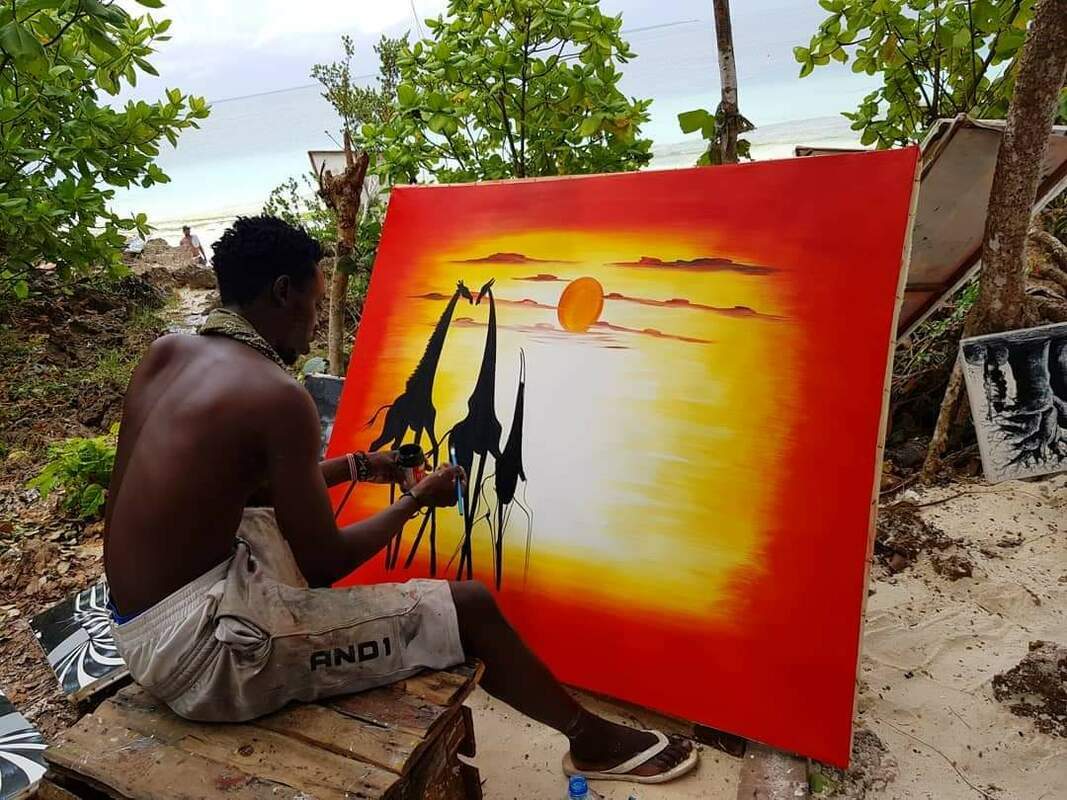
Instagram: @ivanbruder
How safe is a holiday in Zanzibar?
Zanzibar is not a wild island full of dangers. It is a civilized place, a paradise corner for vacation, with many activities for every taste. Locals are very kind and hospitable, but in order not to offend anyone, travellers should learn and follow a few simple rules during their stay.
Here are some rules you should remember:
Never pay money in advance for a product or service.
Avoid walking alone at night.
Do not “flash” large amounts of money in front of strangers.
Do not hail random taxis off the street.
It is very important to be attentive and careful while swimming — sea urchins live in the local waters. In the shoulder seasons and during the rainy season there is an increased risk of bites from mosquitoes that can transmit malaria. You should protect yourself by taking a small medical kit to Zanzibar with repellents and other preventive medicines. People often ask about venomous snakes — yes, they do live in Zanzibar, but to come across them you would have to go quite deep into the jungle.
Where do we recommend staying in Zanzibar?
The island of Zanzibar offers a large number of modern hotels and bungalows on the oceanfront, hostels and campgrounds.
We recommend choosing a hotel in the north of the island — for example, the beaches of Kendwa and Nungwi have very good reviews. Tides here are not very strong, up to about one hundred meters. Both beaches are located in villages where you will find many shops and cafés.
Instagram: @ivanbruder
When is the best time to go to Zanzibar?
We recommend buying tours to Zanzibar between June and October, as well as in the winter months. During other periods (October to November and March to May) the island has rainy seasons.
As for air temperature, it generally does not drop below +28…+35 °C throughout the year, while the ocean water stays around +27…+29 °C.
Do you need a visa to visit Zanzibar?
Yes, you do. You can obtain it on arrival, directly at the airport. A tourist visa costs about 50 USD and is issued for a stay of up to 90 days.
Main activities and attractions in Zanzibar
Zanzibar is a place where you will find absolutely everything a tourist might need. Diving, kitesurfing, excursions, fishing and more. There are many interesting attractions here that are worth visiting and seeing with your own eyes.
Stone Town is the historic centre of the island and is on the UNESCO World Heritage List. Here you will find cathedrals, mosques, the house-museum of the famous David Livingstone and many other places that are of genuine interest to travellers.
Instagram: @ivanbruder
The apartment where Freddie Mercury lived is another unique sight. Many people do not know that the legendary lead singer of Queen was born in Zanzibar and spent the first five years of his life here. Today there is a hotel in this building, and you can stay there too.

Instagram: @ivanbruder
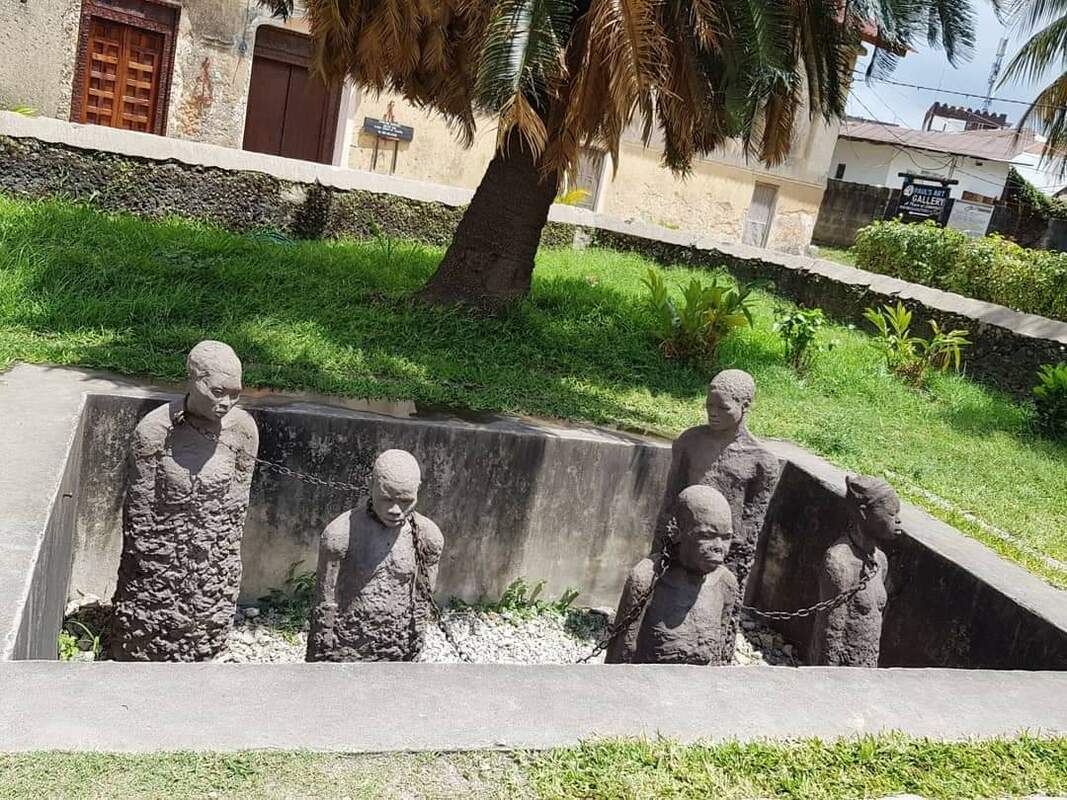
The slave market is the place where slaves were once sold. This was the dark side of Zanzibar’s history, which lasted until 1873, and by that time around 600,000 people had been sold here.
Prison Island used to be a strict-regime place of detention. Of course, today no inmates serve sentences here anymore — instead, there is a “prison hotel” and a “prison restaurant”. On the island you can watch giant tortoises, approach them and even gently stroke them.

Instagram: @ivanbruder
The Spice Island is where you can see with your own eyes how spices, tropical fruits and medicinal herbs are grown. You can taste everything on the spot. It is worth noting that in the 19th century, Zanzibar was the world centre for clove production.
Jozani Forest gives you the opportunity to get into real jungle, where monkeys sit on the branches of mangrove thickets, and snakes and leopards live in the area. You just need to be very careful there!
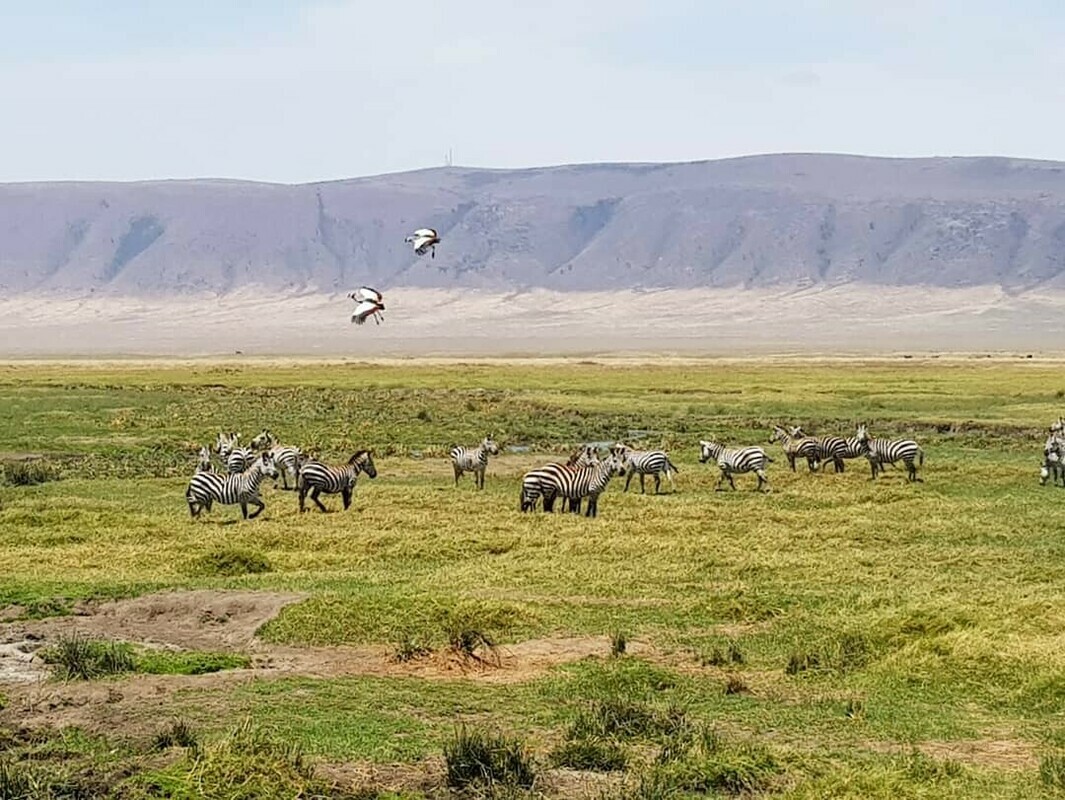
A safari tour is something almost every tourist dreams of. You get the chance to go to mainland Tanzania and experience exactly what you have been dreaming about. Air tickets from Zanzibar to the mainland cost about 100–150 USD. Participation in a safari will cost around 700–900 USD per person. In total, the tour may cost about 1000–1200 USD.
Instagram: @ivanbruder
Boribi Reef is a favourite place for diving enthusiasts. Here you will definitely see rays, moray eels, parrot fish and many other exotic inhabitants of the deep.
What to do in Zanzibar
Everything you have just read can be easily turned into a relaxed yet rich holiday program. Zanzibar lets you alternate lazy beach days with active excursions and nature trips.
Spend slow days on Kendwa and Nungwi beaches: swimming, sunsets, walks along the shoreline and fresh seafood in simple beach cafés.
Explore Stone Town, the slave market and Freddie Mercury’s house — a condensed mix of history, architecture and old-town atmosphere.
Visit Prison Island to see giant tortoises, then head to the Spice Island to walk among clove trees, cinnamon and other fragrant plants.
Plan a safari tour on mainland Tanzania with national parks and the chance to see the Big Five in their natural habitat.
Try diving or snorkelling at Boribi Reef and other spots around the island — Zanzibar’s underwater world is vivid and full of life.
Sample one-day itinerary
If you only have one full day in Zanzibar, you can still make it bright and memorable without turning your holiday into a race.
In the morning, wander through Stone Town: narrow streets, carved doors with metal spikes, the spice market, Freddie Mercury’s house and the former slave market — everything is located fairly close together.
Around midday, take a boat to Prison Island, meet the giant tortoises, swim and snorkel around the island and enjoy a simple seafood lunch.
In the evening, arrange a transfer to Nungwi or Kendwa beach to catch the sunset over the ocean, have dinner in a beach café and take a relaxed walk along the shore.
Sample two-day itinerary
Two days allow you to see both the island’s history and its nature, and still have time to relax on the beach.
On day one, spend the morning and early afternoon exploring Stone Town: cathedrals, mosques, the slave market, David Livingstone’s house and Freddie Mercury’s house. In the afternoon, head to Prison Island to visit the giant tortoises and snorkel.
On day two, visit Jozani Forest in the morning to see colobus monkeys, then go to the Spice Island to walk through plantations of spices and tropical fruits. Towards evening, transfer to Nungwi or Kendwa for swimming and sunset on the beach.
If you have some extra time, add a boat trip or a diving session at Boribi Reef.
How to get to Zanzibar
Most tourists arrive at Abeid Amani Karume International Airport in Zanzibar on direct charter flights or with connections through major hubs in the Middle East and Africa.
Another option is to fly first to mainland Tanzania (for example, Dar es Salaam) and then take a domestic flight or ferry to the island. Total travel time depends on your departure city, but with a connection it usually takes between 10 and 16 hours.
Tour operators often offer package holidays with flights, transfers and accommodation included — a convenient solution that removes many organisational worries and helps you avoid surprises on arrival.
Traditional cuisine of Zanzibar — what is it like?
This is one of the most unusual sides of Zanzibar: the local cuisine combines three influences at once — African, Persian and Arabian. The main dishes are based on meat and fish, as well as bananas that are fried, stewed or baked. Here you have the chance to try various unusual sauces and spices that you have probably never tasted before.
Do you need any mandatory vaccines for Zanzibar?
Good news: you usually do not need any special vaccinations to visit Zanzibar. It is a different matter if you are flying there with a layover in another African country — in that case you should carefully study the requirements, because certain vaccines may indeed be required.
As for cleanliness and hygiene, you do not need to worry — the beaches have white sand, the water is clear, and hotels offer very good service. The only thing we strongly advise is not to buy cooked food at local markets. You can buy fresh fruits, but be sure to wash them thoroughly before eating.
What should you know about locals and basic rules?
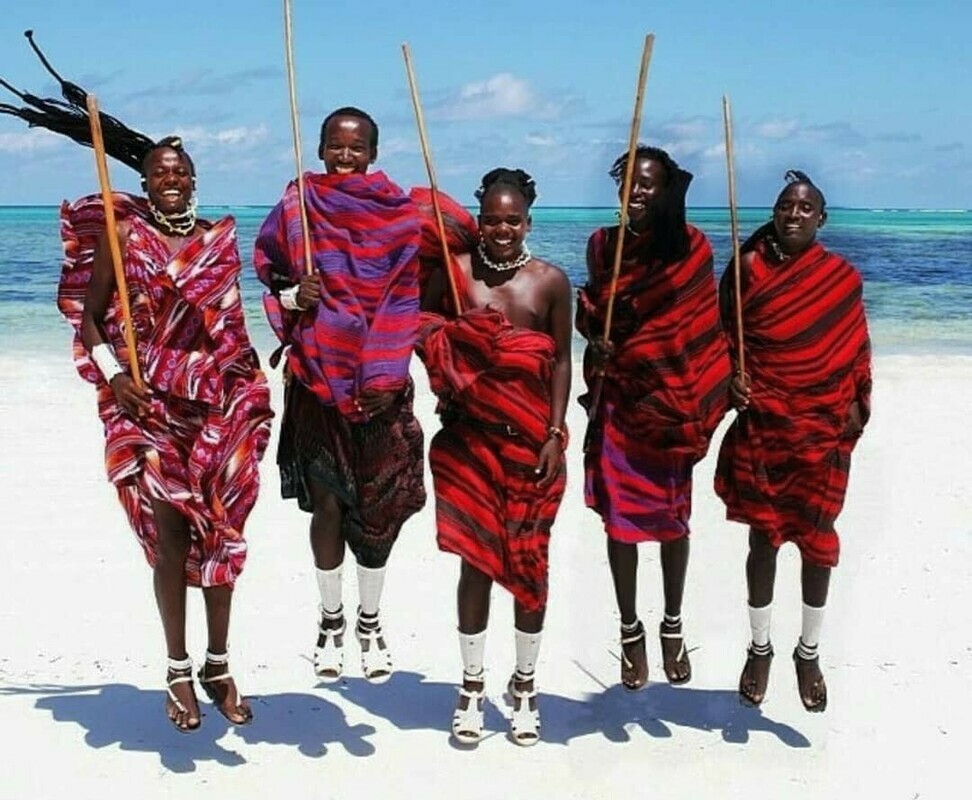
Tanzania is a Muslim country, but despite this, there are no very strict requirements for tourists. You can dress in normal holiday clothes, and locals are generally kind and welcoming.
People mostly speak English or Swahili. Locals will be genuinely happy if you greet them in their language (“jambo” for hello) or say thank you (“asante” or “asante sana”).
Instagram: @ivanbruder
What currency is used in Zanzibar?
The official currency is the Tanzanian shilling, but it is absolutely fine if you bring US dollars — they are accepted almost everywhere. One more tip: when you want to buy something, do not miss the chance to bargain, as you can often bring the price down by almost half.
What else can surprise you in Zanzibar?
On some houses you will see doors with sharp spikes. What are they for? In the past, wealthy residents installed them as protection against elephants. Today such doors are a symbol of luxury and a sign of the owner’s status.
Have you ever heard of colobus monkeys? You probably have, and maybe have seen them in wildlife documentaries. Zanzibar is home to the largest population of these monkeys — around three thousand individuals.
The well-known phrase “Hakuna Matata!”, which translates as “no worries”, is heard very often in Zanzibar. You will even see it written on souvenirs!
Dear friends, Zanzibar is a truly fascinating place on the world map, and you can find yourself there whenever you decide to go. Take a look at our offers for this destination and choose the option that suits you best!
Frequently asked questions about Zanzibar
Do I need a visa for Zanzibar?
Yes, most travellers obtain a visa on arrival at the airport. It costs around 50 USD and is usually valid for up to 90 days.
When is the best time to visit Zanzibar?
The most comfortable months are June to October and the winter period, when the weather is dry and sunny. At other times of the year, heavy rains are possible.
Is it dangerous to swim in the Indian Ocean?
You can swim, but you should watch out for sea urchins and be aware of tides and currents. In the rainy seasons, use water shoes and insect repellent.
Are any vaccinations mandatory for entering Zanzibar?
Normally, no special vaccines are required for direct flights. If you transit through other African countries, rules may differ and should be checked in advance.
Which currency should I bring with me?
The local currency is the Tanzanian shilling, but it is most convenient to bring US dollars. They are easy to exchange and widely accepted in tourist areas.
Which beach area is better, Kendwa or Nungwi?
Both northern beaches are very popular. Tides are gentler and the infrastructure is good. Nungwi is a bit livelier, while Kendwa is slightly calmer.
Is Zanzibar suitable for holidays with children?
Yes, many hotels are family-oriented. Choose beaches with a gentle entry into the water, protect children from the sun and use mosquito protection.
How safe is it to walk around the island at night?
Zanzibar is considered relatively safe, but it is better to avoid walking alone at night, not to show large sums of cash and to use trusted taxi services.
What language do locals speak in Zanzibar?
The main languages are Swahili and English. A few words in Swahili, like “jambo” (hello) and “asante sana” (thank you very much), are always appreciated.
Can I combine Zanzibar with a safari in Tanzania?
Yes, this is a very popular combination. From Zanzibar you can quickly fly to the mainland and visit national parks on a safari tour.
How should I dress, considering local traditions?
In resorts, normal beachwear is fine. In towns and villages, it is more respectful to choose slightly more modest clothing that covers shoulders and knees.
What souvenirs are worth bringing back from Zanzibar?
Popular gifts include spices, coffee, wooden carvings, handmade jewellery and souvenirs with the “Hakuna Matata” motto — a symbol of the island’s carefree mood.