 Enter
Enter



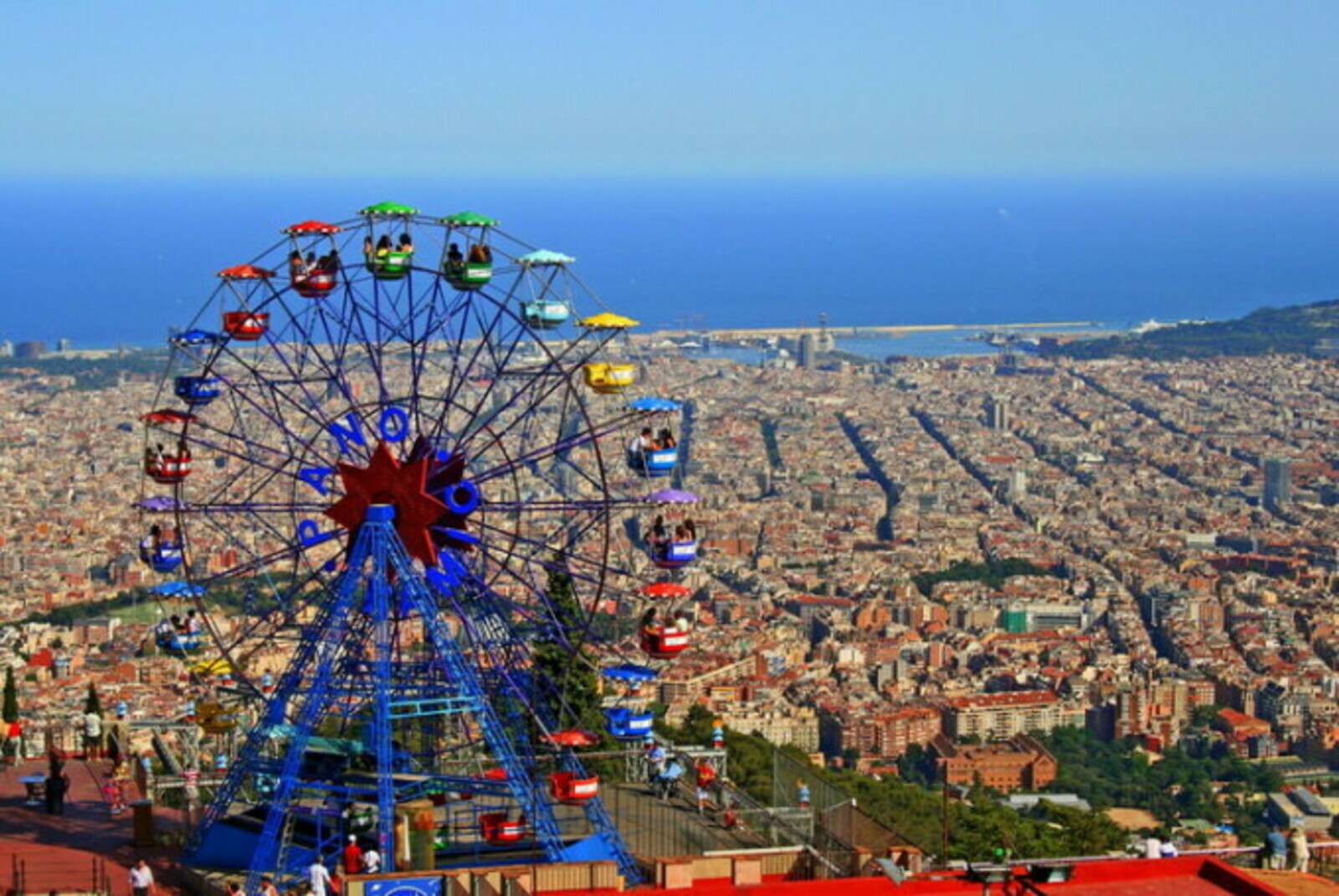

Your trip to Barcelona: what should not be missing
Your journey to this Spanish city really should include these landmarks.
So that they don’t miss anything important while travelling, what do tourists usually do? Exactly – they prepare their route in advance and make a list of places and sights they absolutely have to see and photograph as a memory.
We decided to help you with this not-so-easy task. So that you don’t spend your precious time searching the internet for information about Barcelona when you’re getting ready to visit one of the most beautiful cities in Europe, we’ve collected in one article the most important, impressive and interesting places in Barcelona that you really should visit.
So, let’s go!
What you’ll find in this guide
A ready-made route through 20 of Barcelona’s most iconic sights: parks, cathedrals, museums, historic quarters and panoramic viewpoints.
Useful practical info from the original article: indicative opening hours, approximate ticket prices and how to get to each place.
Walking ideas: the Gothic Quarter, the hills of Montjuïc and Tibidabo, La Rambla, the Old Port and atmospheric local neighbourhoods.
Practical blocks: what to do in Barcelona, sample itineraries for 1–2 days, and tips on how to arrive and move around the city.
Remember that opening hours and prices may change over time – always double-check current information on the official websites before your trip.
1. Park Güell
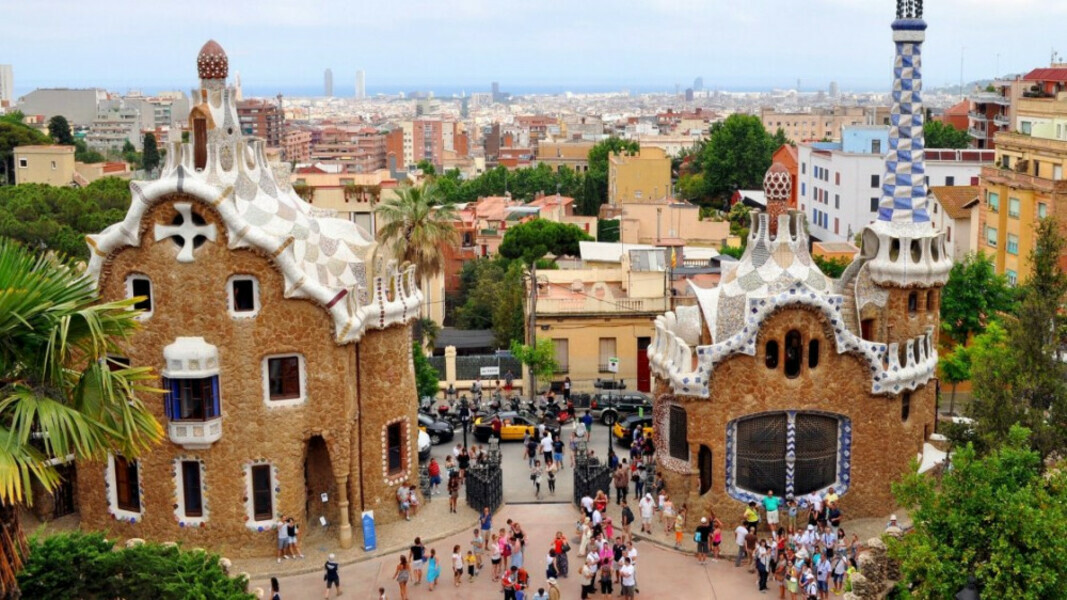
Photo: Stef L.
This park is one of Barcelona’s calling cards, so a walk here is one of the first things you should do on arrival. There is plenty to see and photograph: the world-famous mosaic lizard, the gingerbread-like houses with wavy lines and the very, very long serpentine bench. Once you step into the park you’ll definitely feel like you’ve landed on another planet.
Park Güell opening hours
November–February: 10:00–18:00.
March, October: 10:00–19:00.
April, September: 10:00–20:00.
May–August: 10:00–21:00.
Gaudí house-museum opening hours
May–September: 10:00–20:00.
November–February: 10:00–18:00.
March–April, October: 10:00–19:00.
Entrance fees
Park ticket: €7 when bought online, €8 at the ticket office.
Museum ticket: €5.50 for adults, €4.50 for children.
How to get there
Take the metro to Lesseps or Vallcarca stations, then walk up to the park entrances.
Note: schedules and prices can change; always check updated information for Park Güell and the Gaudí house-museum before your visit.
2. The Gothic Quarter
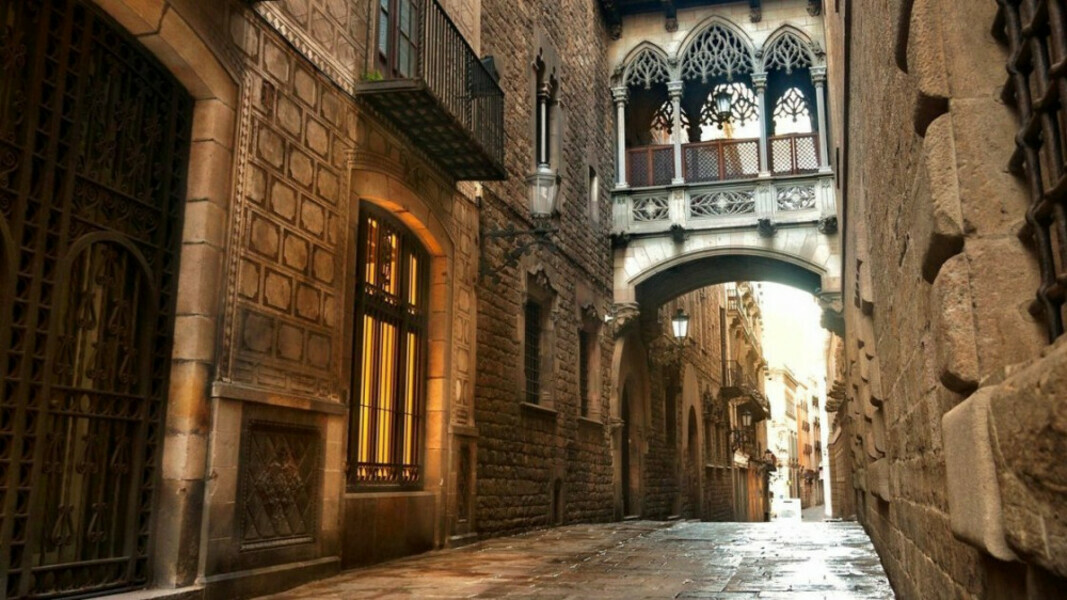
Photo: quiquefepe
If you consider yourself a fan of strolling along narrow, winding streets of old towns, the Gothic Quarter is your place. Here you’ll feel the true spirit of the old city. You’ll find plenty of cosy cafés, an open-air museum vibe and several atmospheric squares – Plaça de Sant Jaume, Plaça Reial and Plaça del Rei. Be sure to visit the Cathedral and the Archbishop’s Palace.
3. Montjuïc Hill
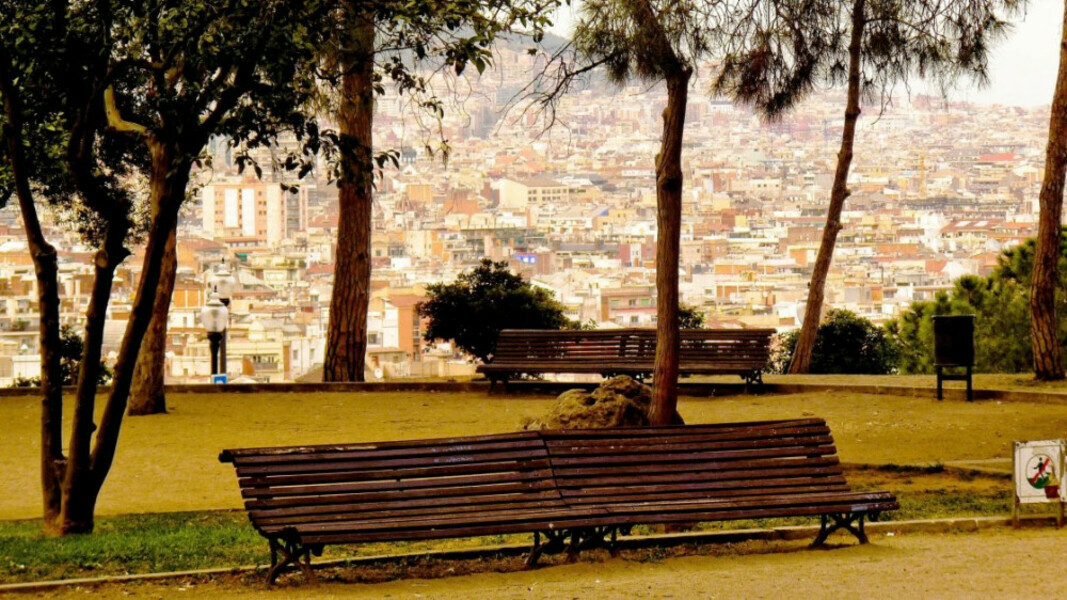
Photo: marie czamanski
Many of Barcelona’s best museums, parks, gardens, the castle and the Magic Fountain are located here. You could say that a lot of the city’s highlights are gathered in one place. A stroll here is pure pleasure and from Montjuïc you’ll get wonderfully beautiful views of the city.
How to get there
The closest metro station to Montjuïc Hill is Espanya.
You can ride up by bus (lines 50, 55, 61 and 193).
For something more unusual, take the cable car or funicular.
4. The Old Port
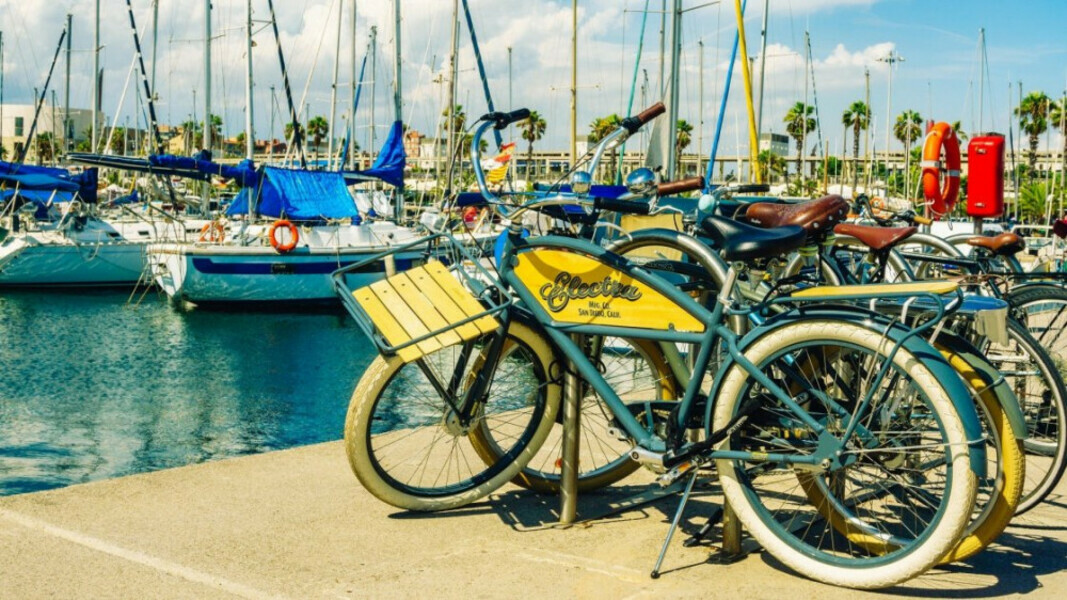
Photo: Vasile Hurghis
This is where all boat tours around the port and docks start, and where the funicular to Montjuïc departs. Want to feel like a real sea wolf? Then don’t skip the Old Port and make sure you step aboard the historic schooner Santa Eulalia.
You’ll also find plenty of shops here – shopping lovers, take note: you’re in paradise.
And if you’re into sweets, especially waffles, know that some of the tastiest ones can be found right in the Old Port area.
Santa Eulalia schooner – hours & tickets
Open for visits every day except Monday, from 12:00 to 19:30.
On weekends it opens from 10:00.
Ticket price: €2.50.
5. Picasso Museum
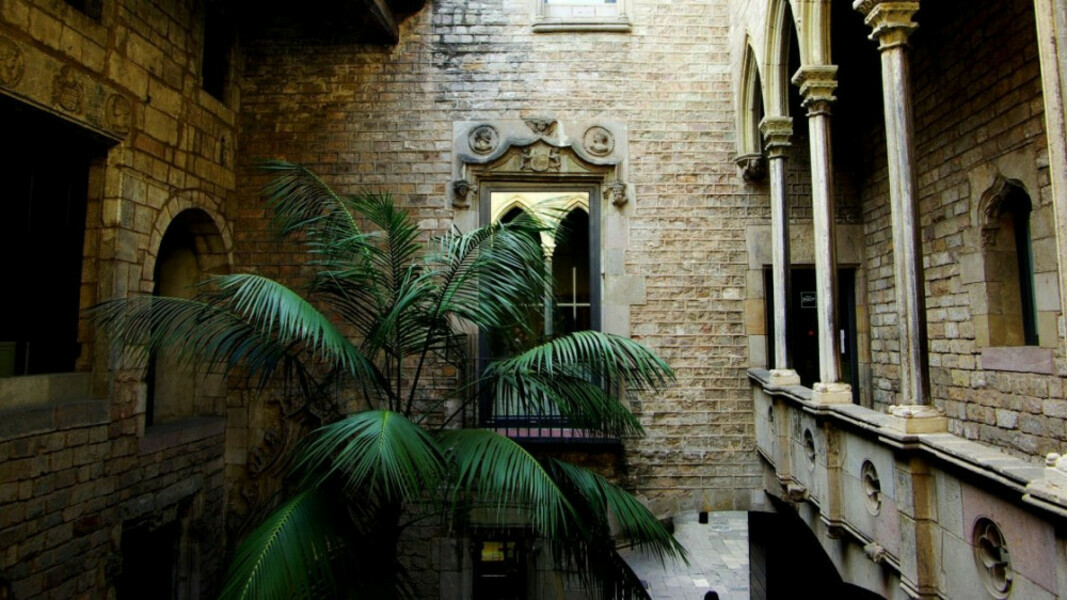
Photo: Yizhe Wang
Lovers of painting and fine art simply have to stop by this museum. Here you’ll see works by the famous Picasso, including drawings from his childhood. In total, around 3,500 of his works are on display.
Ticket prices
General ticket: €6.
Temporary exhibitions: €5.
Museum + temporary exhibitions: €8.50.
On the first Sunday of the month children under 16 enter free (permanent exhibition only).
Opening hours & address
Hours: 10:00–20:00.
Closed on Mondays.
Address: Montcada 19–23, metro station Jaume I (Museu Picasso).
6. La Rambla
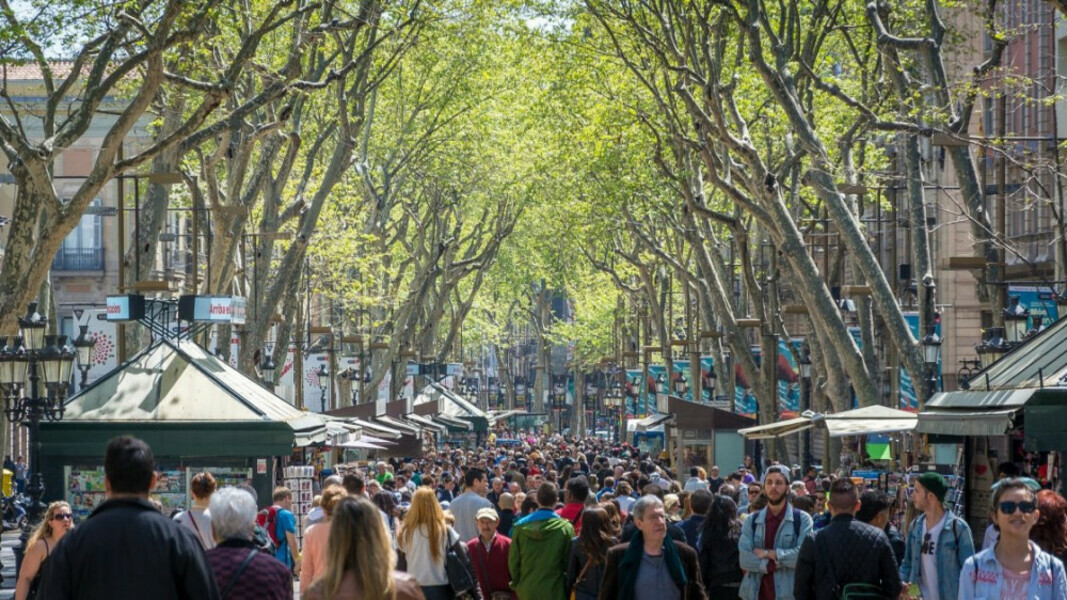
Photo: Santiago ZGZ
The most famous street in Barcelona. La Rambla starts at Plaça de Catalunya and stretches all the way to the Old Port, where the monument to Christopher Columbus stands. Here you’ll find everything your heart could desire: flowers, cafés, theatres, museums and souvenir shops. A festive atmosphere is an integral part of this boulevard.
Some of Barcelona’s most famous sights are also located here – Plaça Reial, the Boqueria market and the Palau de la Virreina.
7. The Magic Fountain
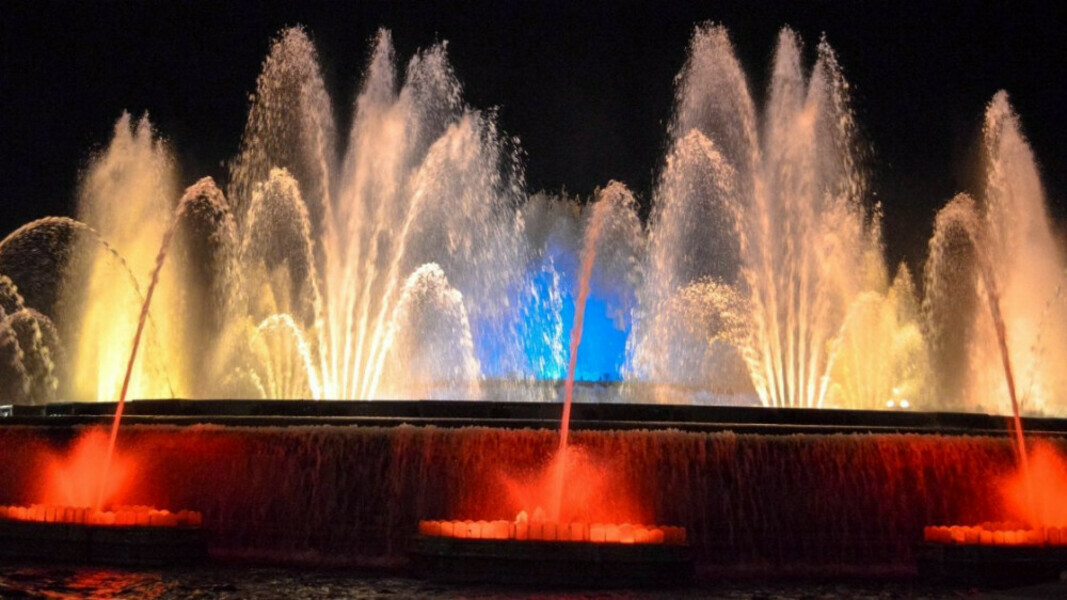
Photo: Sean Creamer
Every Friday and Saturday evening on Plaça d’Espanya you can enjoy a spectacular show of water, light and music – the Magic Fountain. The best place to watch it is from the terrace of the National Museum of Art.
Keep in mind: the fountain usually starts its performance at around 19:00, while the museum closes at 20:00. If you plan well, you can make it to both.
8. National Museum of Catalan Art (MNAC)
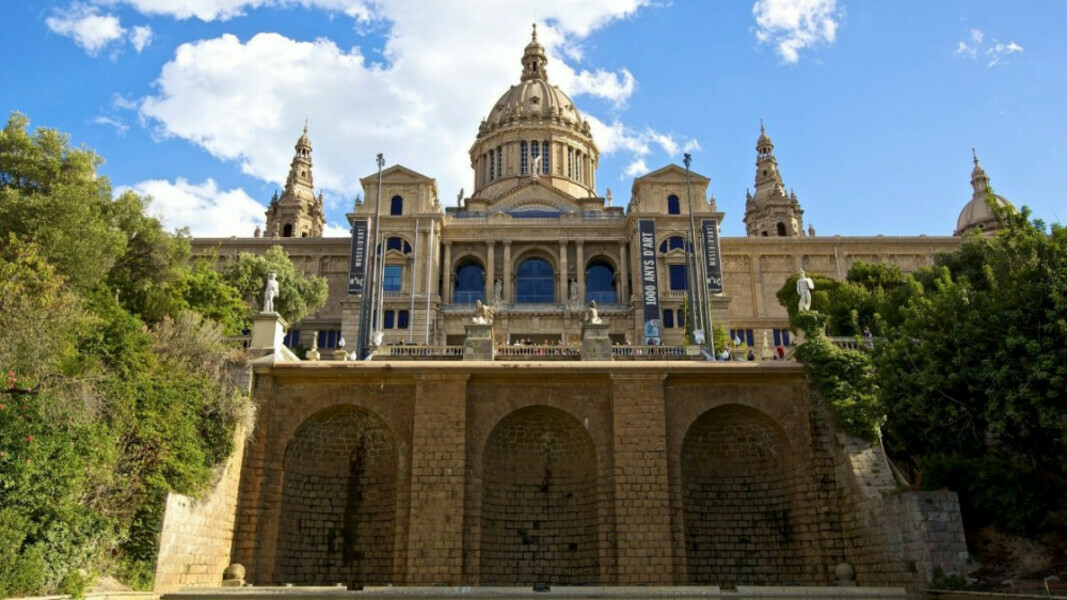
Photo: Francisco Aragão
This is Barcelona’s main art museum, located on Montjuïc Hill, at the very end of Avinguda de la Reina Maria Cristina.
Art lovers will feel truly happy here: the museum presents works from the Romanesque and Gothic periods, as well as from the Baroque and Renaissance eras. You’ll find collections of coins, drawings, books, medals and paintings.
Opening hours
Tuesday–Saturday: 10:00–19:00.
Sundays and public holidays: 10:00–15:00.
Closed: 1 January, 1 May and 25 December.
Tickets
Adult ticket: €12.
Children under 16 and people over 65: free.
First Sunday of every month: free entrance for everyone.
9. Tibidabo Hill
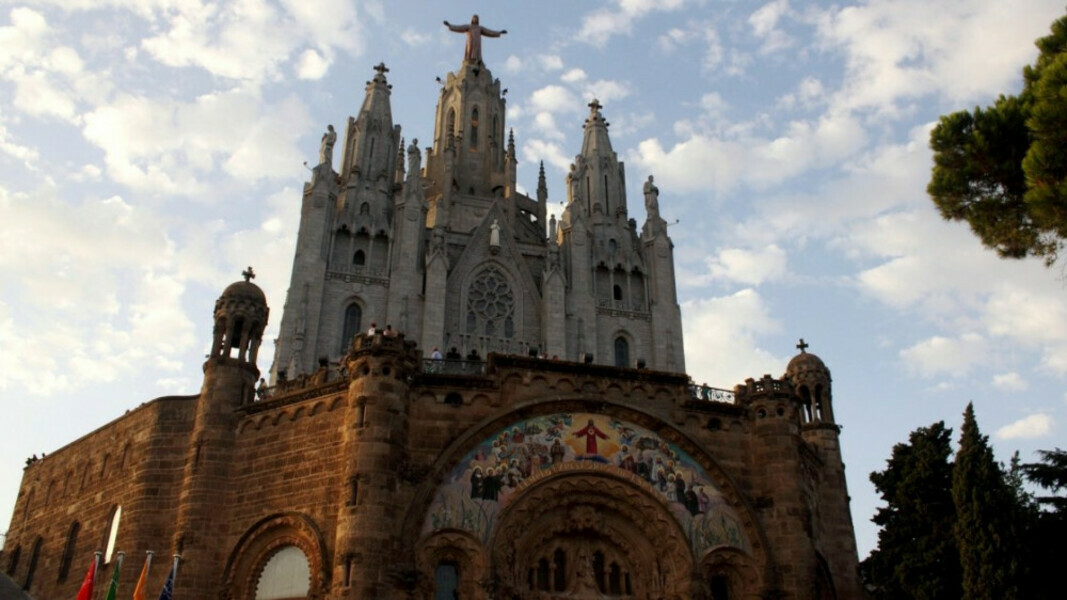
Photo: Marta Viña
From this hill you can admire Barcelona’s beauty to your heart’s content, stroll through its wooded areas, visit the natural science museum CosmoCaixa, and get lost in the Laberint d’Horta. Once on the top, step into the Temple of the Sacred Heart.
How to get there
The most convenient way is by FGC metro-trains to Avinguda de Tibidabo station, then a bus up to the top.
On weekends and public holidays, the “Tibibus” T2 runs between Plaça de Catalunya and Plaça Tibidabo.
Ticket price: about €2.60.
10. The Spanish Village (Poble Espanyol)
The Spanish Village sits on Montjuïc Hill. The special thing about it is that here you can see exact replicas of buildings from different regions of Spain – perfect if you don’t have time to travel the whole country.
You’ll find fortress gates from Ávila, buildings from Castile and Aragon, themed quarters representing Andalusia, Valencia and more.
In Poble Espanyol you’ll have the chance to buy handmade souvenirs directly from artisans.
Opening hours
From 09:00 to 00:00.
Mondays: until 20:00.
Fridays and Saturdays: until 03:00.
Tickets
Adults: €11.
Children: €6.25.
Students and seniors: €7.40.
Address
Montjuïc, Avinguda de Francesc Ferrer i Guardia (metro station Espanya).
11. Güell Palace
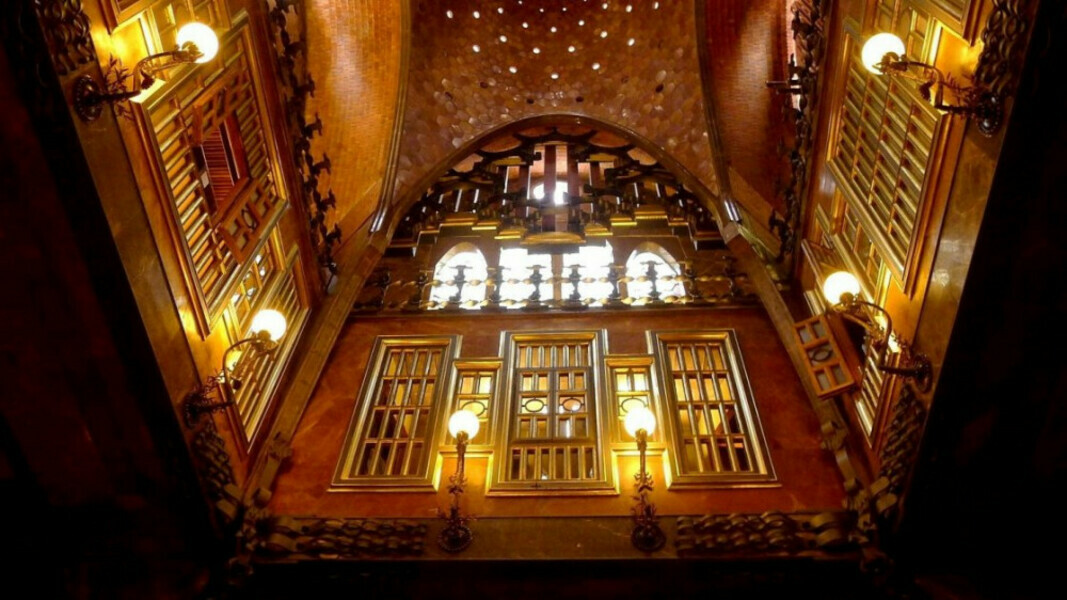
Photo: Ulrike Parnow
This palace, designed by Gaudí, is located in the Old Town. It’s worth visiting at least to admire the unique interiors with mirrors, stained-glass windows and carved ceilings.
Address
Carrer Nou de la Rambla 3–5.
Opening hours
1 April–31 October: 10:00–20:00.
1 November–31 March: 10:00–17:30.
Closed on Mondays, and on 25–26 December, 1 and 6 January and from 18 to 24 January.
Tickets & transport
Ticket: €12 (students and seniors: €9).
Nearest metro station: Drassanes.
12. Santa Maria del Mar
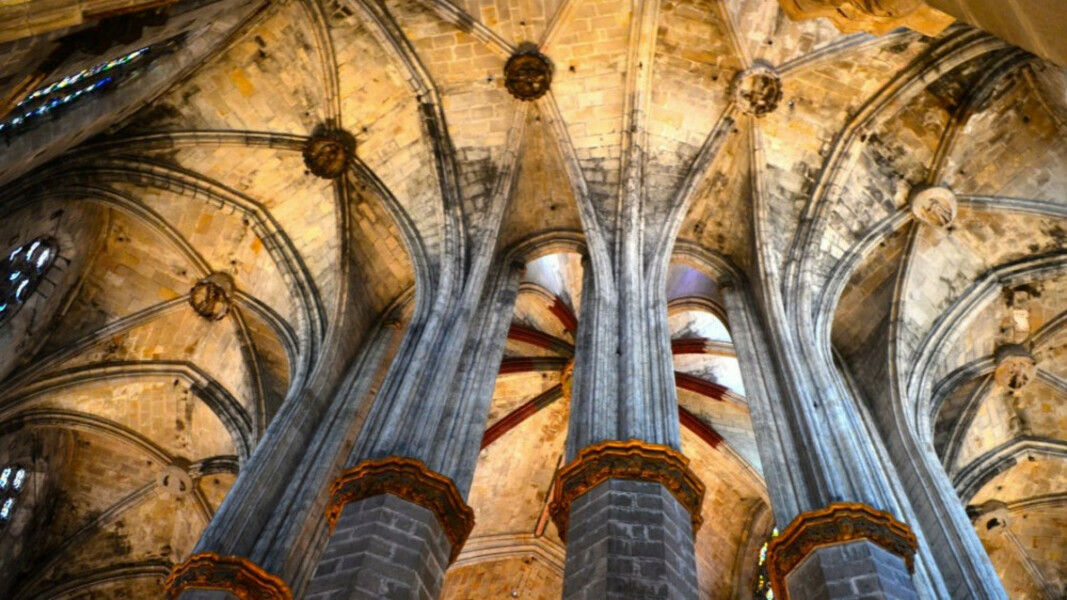
Photo: Faraz Butte
This church is built in Catalan Gothic style. If you’re lucky, you might attend an organ concert and enjoy its remarkable acoustics. If not, the interior and the stained-glass windows from the 15th–18th centuries will still impress you.
Opening hours & address
Monday–Saturday: 09:00–13:00 and 17:00–20:30.
Sunday: 10:00–14:00 and 17:00–20:00.
Address: Plaça de Santa Maria 1.
13. Cathedral of the Holy Cross and Saint Eulalia
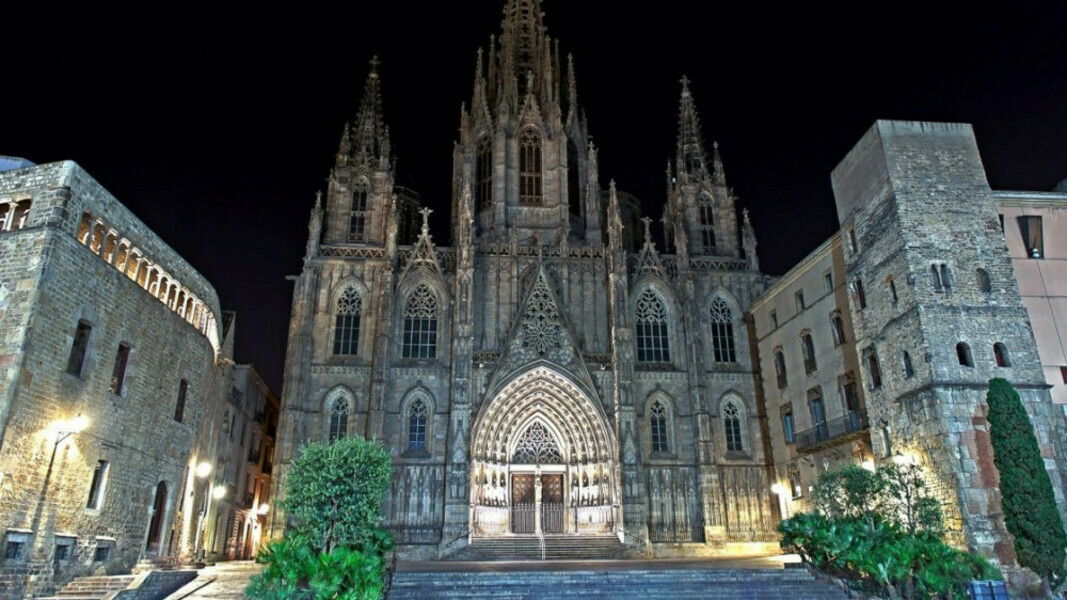
Photo: Ivan Z
Another symbol of Barcelona. The cathedral is built in Gothic style. Walk around it first to enjoy and appreciate the architecture, then go inside to see the sculpture of Christ and the figures of thirteen white geese.
How to get there: the cathedral is located in the Gothic Quarter. You can reach it via Carrer del Bisbe, which starts at Plaça de Sant Jaume.
Tickets & opening hours
Entrance to the cathedral and cloister is free.
To go up to the dome you pay €2.20.
A combined ticket for the choir, Chapter Hall and viewing platform costs €5.
Opening hours: 08:00–20:00.
14. Santa Creu Hospital
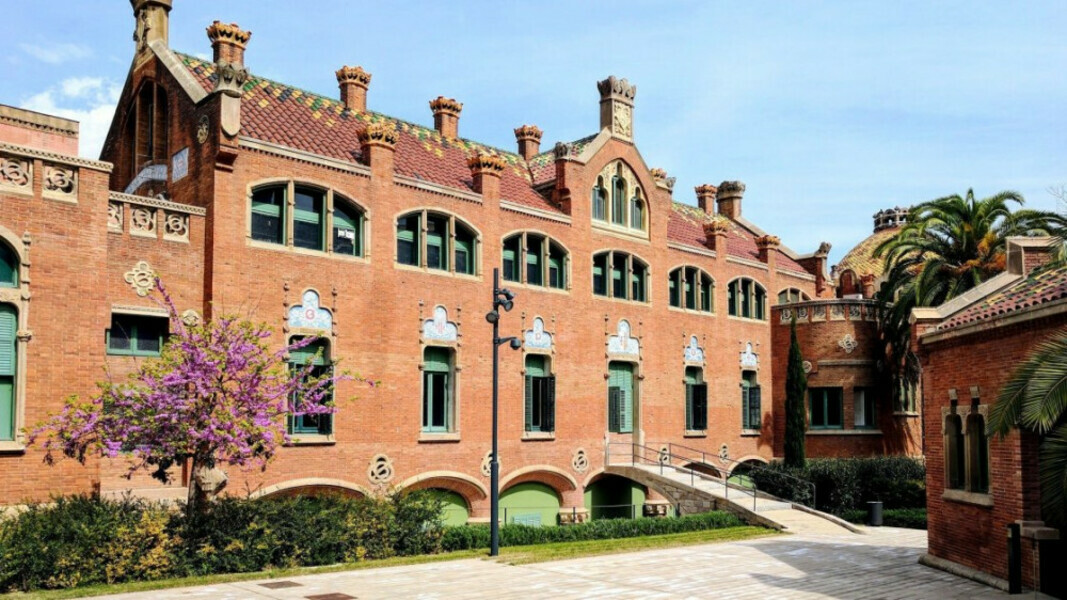
Photo: stvmasters1
This is a whole mini-city rather than a simple hospital and is listed as a UNESCO World Heritage site.
On the hospital grounds you’ll find gardens, streets, pavilions and a building with a clock tower.
Architecture lovers will enjoy the mosaics and sculptures scattered throughout the complex.
Opening hours & days off
The information office is open daily from 10:00 to 14:00.
Closed on 25–26 December and 1 and 6 January.
Tickets & address
Ticket: €8.
Address: Carrer de Sant Quintí 89.
How to get there
By metro: line L5, Hospital de Sant Pau station; line L4, Guinardó station.
By bus: lines 15, 19, 20, 45, 47, 50, 51 and 92.
15. Sagrada Família
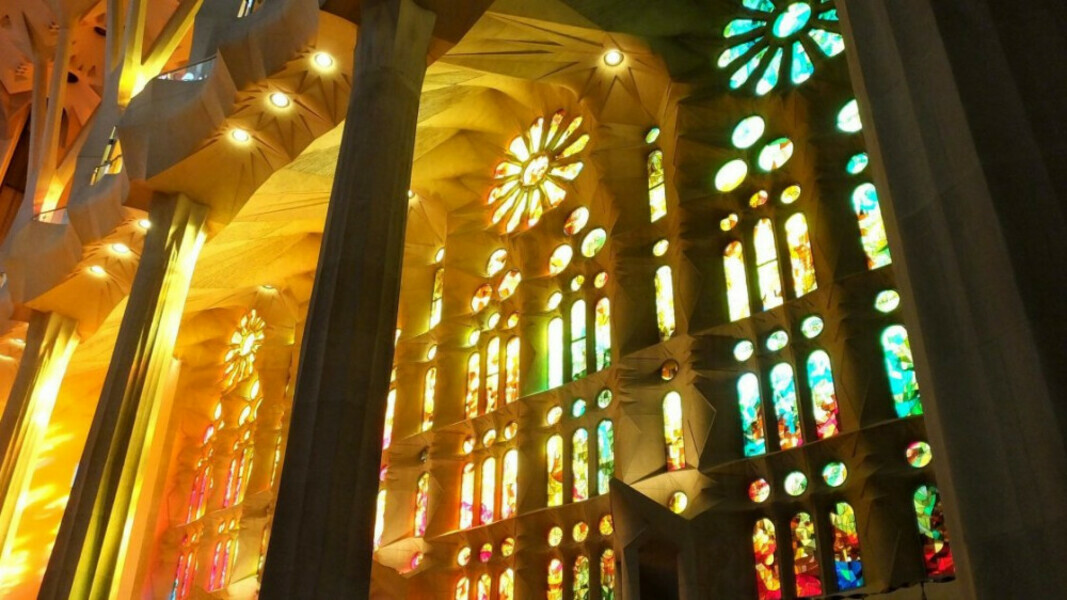
Photo: josej maria huguet
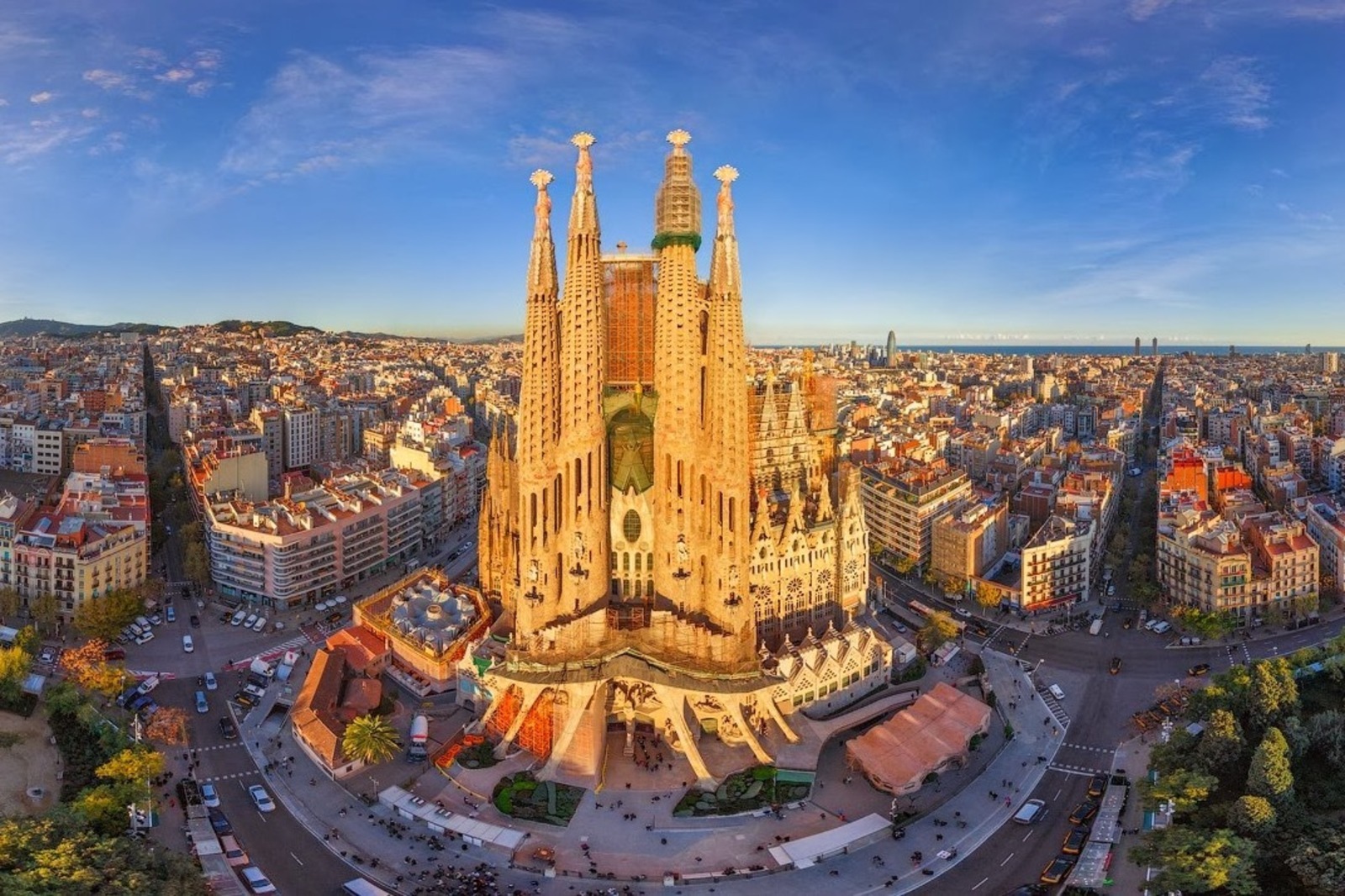
This cathedral is one of Gaudí’s masterpieces and the main landmark of Barcelona. It is an extraordinarily beautiful building – you won’t see anything quite like it anywhere else. Different architectural styles are mixed here in a surprisingly harmonious way.
Opening hours
October–September: 09:00–18:00.
In summer: usually until 20:00 (depending on the season).
Tickets
Standard ticket: €12.50 (€16.50 with guide or audioguide).
Students, seniors and children 10–18: €10.50 (€13.50 with guide or audioguide).
Address & transport
Address: Carrer de Mallorca 401.
Metro: Sagrada Família station, lines L2 (purple) and L5 (blue).
Bus: lines 19, 33, 34, 43, 44, 50 and 51 (Sagrada Familia stop).
16. Casa Amatller
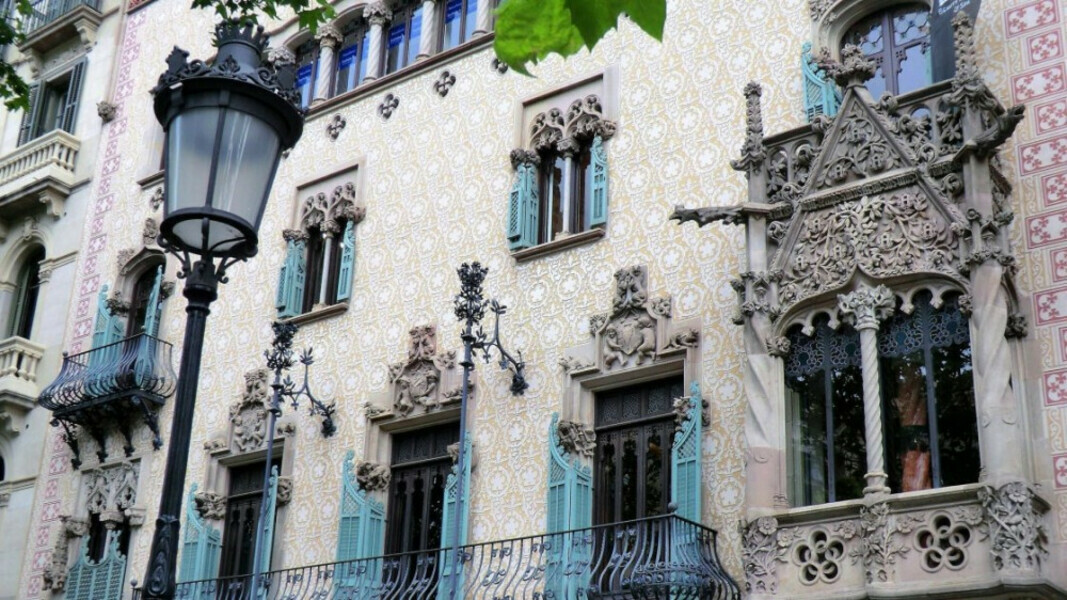
Photo: Graham Hart
We continue with Barcelona’s architectural attractions. Next stop: Casa Amatller. It’s built in the Modernisme style with neo-Gothic elements and in some ways even resembles Dutch houses.
Opening hours
Monday–Saturday: 10:00–20:00.
Sunday: 10:00–15:00.
Address
Passeig de Gràcia 43 (metro station Passeig de Gràcia).
17. Forum
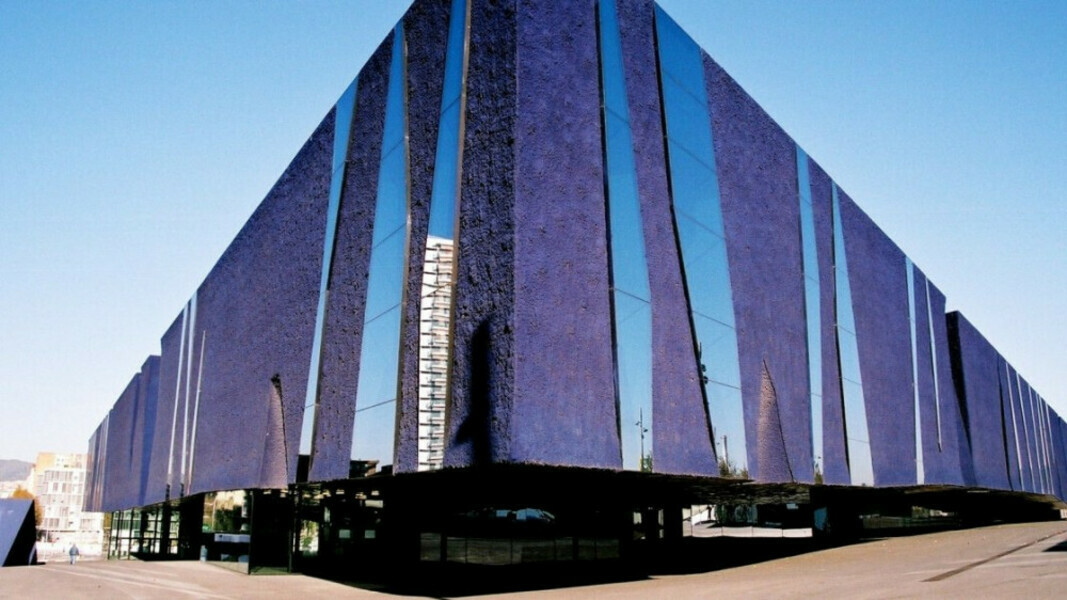
Photo: Marhami Arifin
You simply can’t miss this building when you’re in Barcelona. Built relatively recently, in 2004, it has the shape of a triangle. The height of the Forum is 25 metres, and each side of the triangle is 180 metres long.
Here you can visit exhibitions or attend various cultural events.
Address & transport
Address: Rambla Prim 2–4.
Metro: yellow line L4, “El Maresme / Fòrum” station.
Bus: lines 7, 36, 41, 43, 141.
Tram: line T4, Forum stop.
18. Casa Batlló
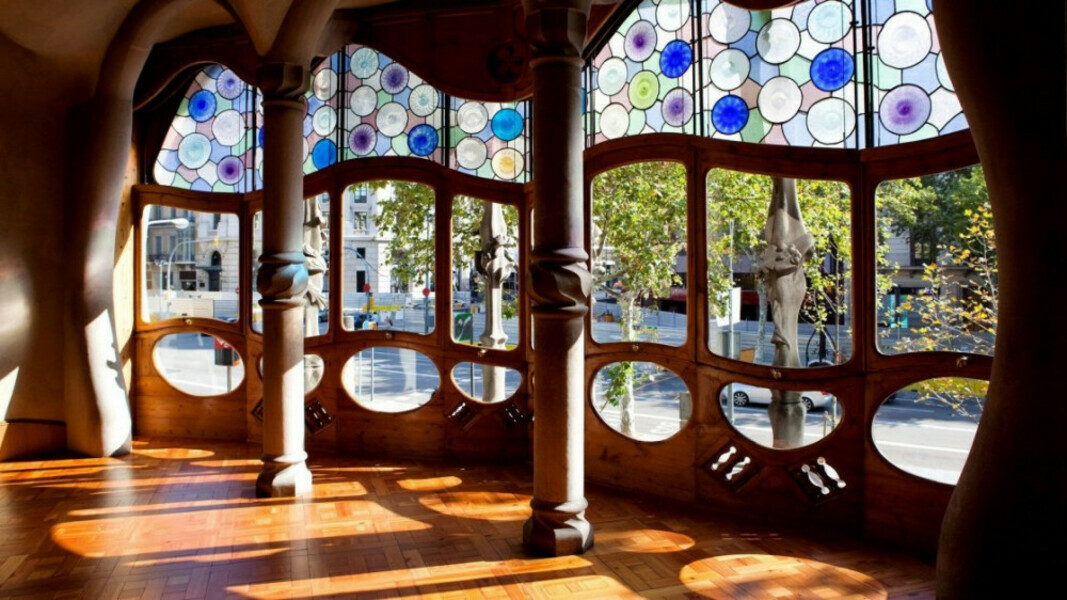
Photo: City Tours Barcelona Travels
Casa Batlló is another masterpiece by Gaudí. The colourful mosaics and stained-glass windows, the sun-shaped chandelier inside and the flowing, organic decorations make this building stand out – you won’t find anything similar elsewhere.
Opening hours & tickets
Hours: 09:00–21:00.
Adult ticket: €17.80.
Children and seniors: €14.25.
Address
Passeig de Gràcia 43 (metro station Passeig de Gràcia).
19. Palau de la Música Catalana
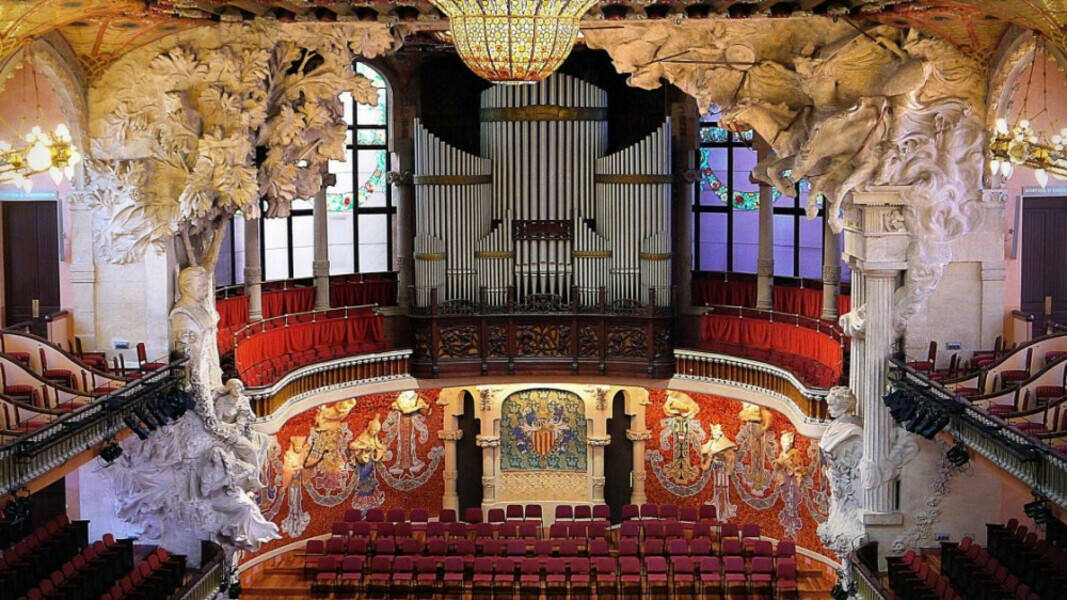
Photo: kkmarais
After you’ve seen the main sights of Barcelona and all the “must-see” places, you can complete the picture with a visit to the Palau de la Música Catalana.
For architecture lovers this palace is a big discovery. You can join a guided tour of the concert hall – an experience you’ll remember for a long time.
Opening hours
Usually 10:00–15:30 (may vary depending on the season and events).
Guided tour prices
Adults: €17.
Children and seniors: €11.
Address
Carrer de Sant Francesc de Paula 2 (metro station Urquinaona).
20. Museum of the History of Barcelona
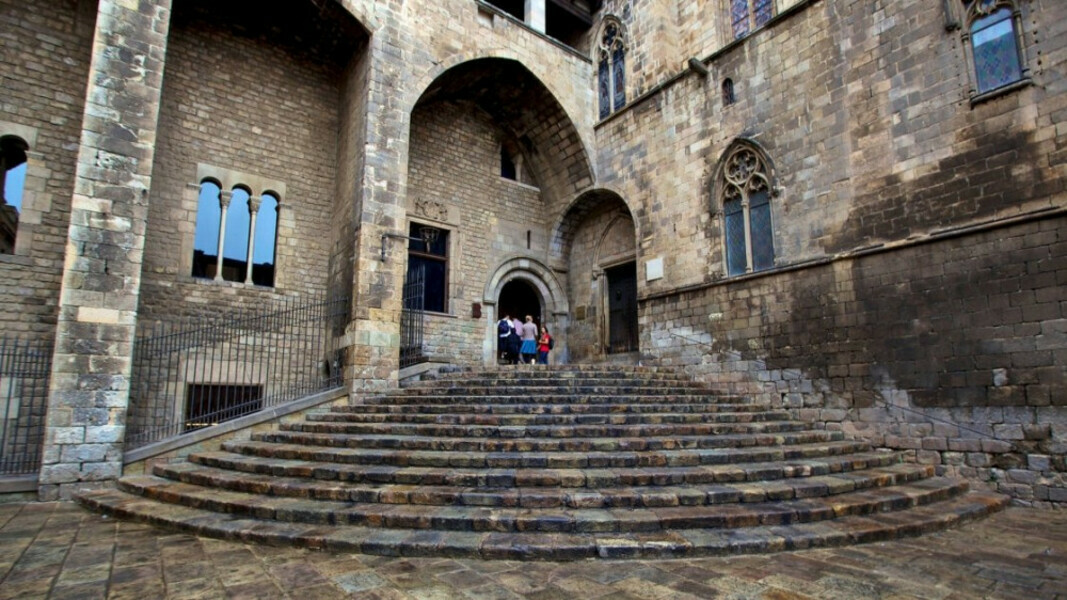
Photo: Francisco Aragão
If you’re not a fan of classic guided tours and prefer to explore at your own pace, this museum is a great option. The Museum of the History of Barcelona has everything that tells the story of the city’s past: documents, archaeological finds and knightly armour that you can actually try on. You can even test yourself wielding a real sword.
Summer opening hours
Summer: Tuesday–Saturday 10:00–20:00.
Sunday: 10:00–15:00.
Winter opening hours & tickets
Winter: Monday–Saturday 10:00–14:00, plus Tuesday and Thursday 16:00–18:00.
Sunday: 10:00–15:00.
Ticket price: €4.
Address
Plaça del Rei, Museu d’Història de la Ciutat de Barcelona.
Friends, we’ve also prepared for you a special selection of hotels that we recommend – the very same hotels that our travellers were really happy with.
What to do in Barcelona besides sightseeing
After ticking off Park Güell, Montjuïc and the Gothic Quarter, save some time for slower, more relaxed moments. Barcelona is not only about a checklist of sights – it’s very much about atmosphere.
Take an evening walk along the seafront, stop for tapas in El Born or Gràcia, order paella or fresh seafood and finish with a classic crema catalana. If you like shopping, stroll along Passeig de Gràcia and through the small designer shops in the Old Town.
For families with children, parks, squares and viewpoints on Tibidabo are a great choice. And if you prefer outdoor activities, rent a bike or an e-scooter and ride along the promenade from the Old Port to Barceloneta and further towards the Forum.
At any time of year, try to alternate intense days of sightseeing with calmer ones. That way, your impressions of Barcelona will be vivid but not overwhelming.
Suggested 1-day itinerary: classic Barcelona
Only have one day in Barcelona? Focus on a few key sights that will give you a good feel for the city.
Morning: start in Park Güell, before it gets too crowded. Take your time on the viewing terrace, meet the mosaic lizard and check out the gingerbread-like houses. Then head down towards Sagrada Família and allow enough time for both the exterior and the interior of the cathedral.
Lunch & early afternoon: continue into the Gothic Quarter. Walk along Carrer del Bisbe to the Cathedral of the Holy Cross and Saint Eulalia, then stop by Plaça de Sant Jaume and Plaça Reial. Have lunch at a restaurant in the Old Town.
Late afternoon: stroll down La Rambla, pop into the Boqueria market for fresh fruit and snacks, and keep going to the Old Port to see the Santa Eulalia schooner and the marina.
Evening: ride up to Montjuïc for sunset views, then stay on for the Magic Fountain show. In one day you’ll see Barcelona from above, from medieval streets and from the water.
Suggested 2-day itinerary: architecture, hills & museums
Day one can follow the “classic” route: Park Güell, Sagrada Família, Gothic Quarter, La Rambla and the Old Port, plus the evening on Montjuïc and at the Magic Fountain.
Day two: start around Passeig de Gràcia. Visit Casa Amatller and Casa Batlló and enjoy their Modernisme architecture. Then head towards the Forum area to see modern Barcelona and its striking triangular building.
After lunch, make your way up Tibidabo. Here you’ll find a beautiful panorama over the city, the Temple of the Sacred Heart and pleasant trails in the surrounding woodland. On the way, you can stop at CosmoCaixa or at the Horta labyrinth – both great for families or travellers looking for something a bit different.
Spend the last evening of your second day in Poble Espanyol on Montjuïc: wander through the “mini-towns” representing different regions of Spain, have dinner on one of the inner squares and soak up the holiday vibe.
If museums are a priority, you can swap part of the second day for visits to the Picasso Museum, the National Museum of Catalan Art or the Museum of the History of Barcelona – whichever matches your interests best.
How to get to Barcelona and get around the city
The main airport is Barcelona El Prat. From the airport to the city centre you can take the airport train, metro, bus or taxi. The journey to Plaça de Catalunya usually takes 30–40 minutes, depending on your transport choice and traffic.
Barcelona has an excellent public transport network: metro, buses and trams. Most places in this guide are close to metro or bus stops, which makes planning your sightseeing days easy. For very active travellers, multi-day transport passes can be a good money-saving option.
Taxis and car-sharing services are most useful late in the evening when you’re heading back after the Magic Fountain, a concert or a late dinner by the sea. Bikes and e-scooters are ideal for getting to Barceloneta beach or riding along the seafront promenade from the Old Port towards the Forum.
Before your trip, check up-to-date routes, timetables and types of transport passes for the zones you plan to travel in.
Frequently asked questions about a trip to Barcelona
How many days do I need in Barcelona?
At least 2–3 days for the main sights and a walk through the Gothic Quarter and La Rambla. Ideally 5–7 days if you also want museums, beaches and less touristy neighbourhoods.
When is the best time to visit Barcelona?
Spring and early autumn are the most comfortable for walking and sightseeing. Summer is hotter and more crowded, but it’s perfect if you want to combine the city with beach time.
Should I buy tickets for Sagrada Família and Park Güell in advance?
In high season and on weekends it’s a good idea to buy tickets online in advance to avoid long queues and to secure a specific entry time.
Can I visit museums on my own or do I need a guide?
At the Picasso Museum and the Museum of the History of Barcelona you can easily explore using information panels or an audioguide. A guided tour, however, will give you more context and stories.
Is public transport in Barcelona easy to use?
Yes, the metro and bus network is clear and well signposted. Most attractions from this article are close to metro or bus stops.
Do I need a car in Barcelona?
Not for the city itself. Parking is expensive and limited, and public transport plus walking is usually much more convenient. A car is useful mainly for trips outside Barcelona.
Is Barcelona safe for tourists?
Generally yes, but on La Rambla, in the metro and in very crowded places there can be pickpockets. Keep documents and money in a secure place and watch your bags.
Is Barcelona suitable for a trip with children?
Yes, there are many parks, beaches, interactive museums and viewpoints. Children especially enjoy Park Güell, Tibidabo, the aquarium and science museums.
Are museums open on Mondays?
Many museums, including the Picasso Museum, are closed on Mondays. Always check the schedule of each museum before planning your day.
Which language is more common – Spanish or English?
Locals speak Spanish and Catalan, but in tourist areas most staff also speak English. A few basic phrases in Spanish are always appreciated.
Do I need to book seats for the Magic Fountain show?
Usually access is free and there are no reservations, but it’s worth arriving early to get a good spot, especially on weekends and in high season.
Can I combine sightseeing with time at the beach?
Absolutely. You can explore the city in the morning and evening, and spend the hottest hours of the day on Barceloneta beach or in nearby coastal resorts.