
 Enter
Enter






Rome is an incredible city, but it can hardly be called cheap. However, for true travelers this has never been a problem, because even with a small budget you can spend unforgettable time in the Italian capital. And we have prepared an action plan for you to do exactly that!
If you have limited time and budget but still want to feel the soul of Rome, focus on places packed with atmosphere and free impressions.
Free walking tours
Daily free walking tours around the city center and Colosseum area, plus night walks through illuminated Rome – you pay only tips or a small donation.
Pantheon & Spanish Steps
The ancient Pantheon and the baroque Spanish Steps let you feel the scale and elegance of Rome with no ticket costs.
Trevi Fountain & Trastevere
The legendary Trevi Fountain and lively Trastevere district give you that “my Rome” feeling just while strolling around.
Iconic basilicas
Santa Maria Maggiore, San Luigi dei Francesi and St. Peter’s Basilica impress with their architecture, mosaics and masterpieces of art – often with free entry.
Free walking tours
Several free walking tour projects operate in Rome. You explore the main districts and iconic sights with a guide, and at the end you simply leave a tip or a small donation according to your budget.
romefreewalkingtour.com – two free daily walking tours through the center of Rome and around the Colosseum;
newromefreetour.com – a free 2-hour walking tour through the center of Rome;
freetour.com/rome/free-night-tour-rome — a free tour of evening and night-time Rome visiting famous landmarks (recommended donation — about €3).
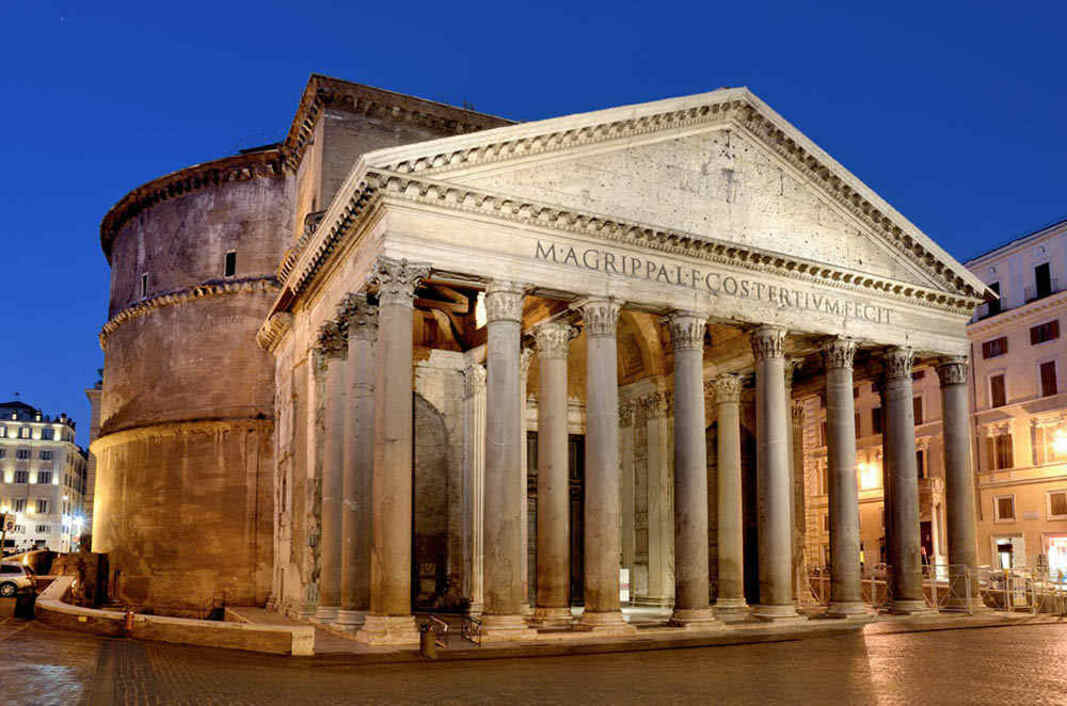
Admire the greatness of the Pantheon
This cult building dates back to 125 BC and amazes with its scale. The Pantheon’s dome is the largest unreinforced concrete dome in the world.
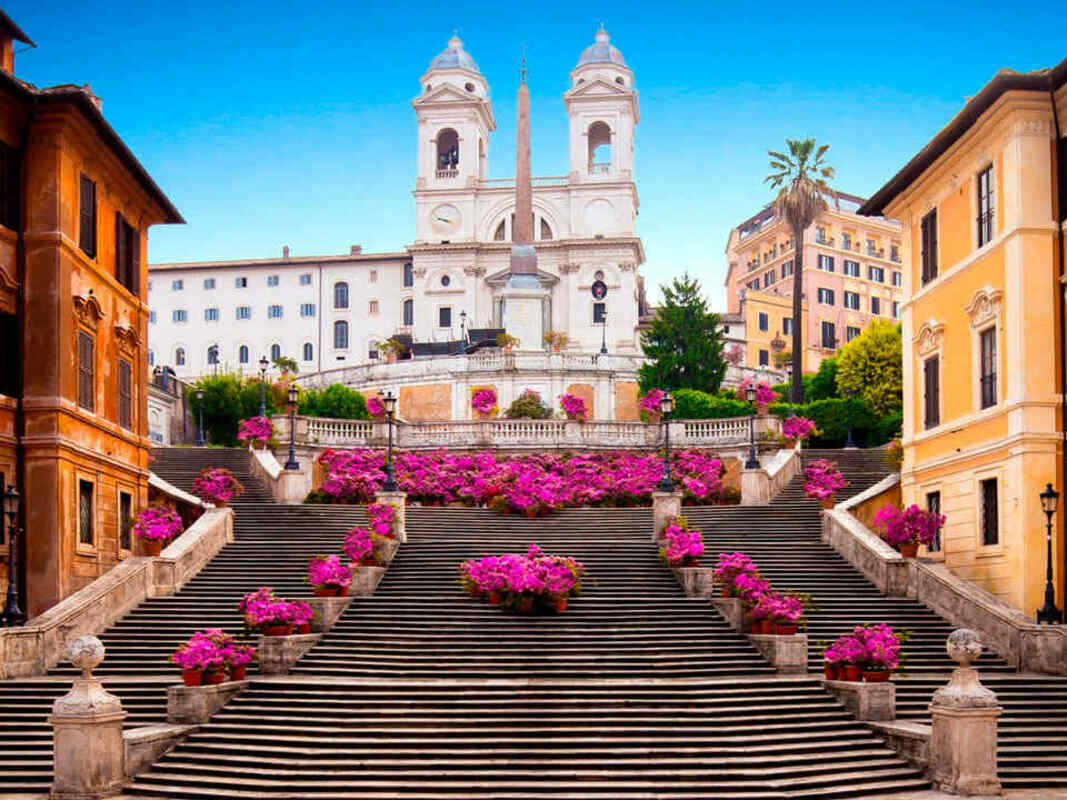
Stroll up the Spanish Steps
This luxurious baroque staircase has 135 steps and is considered one of the most beautiful stairways in the world.
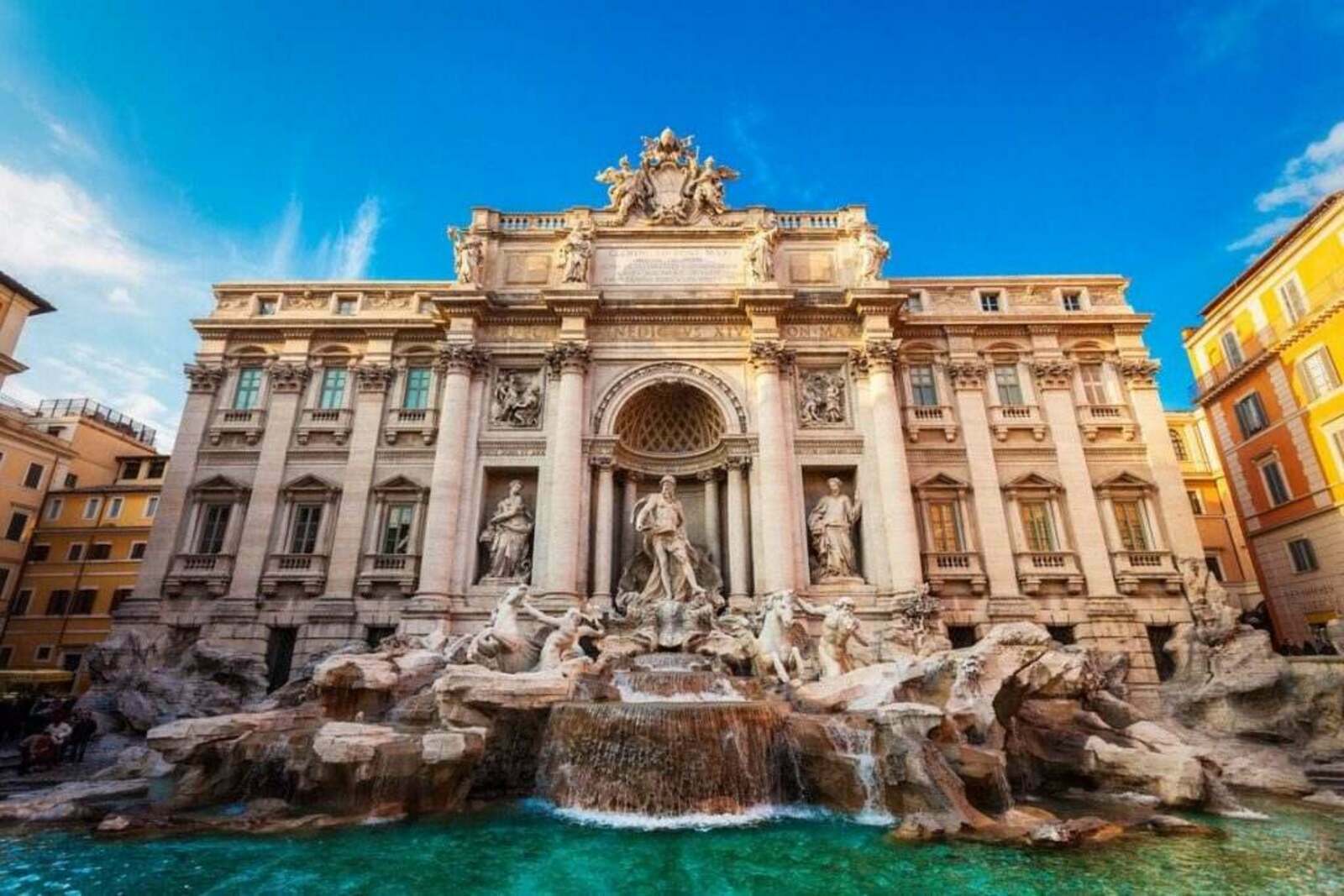
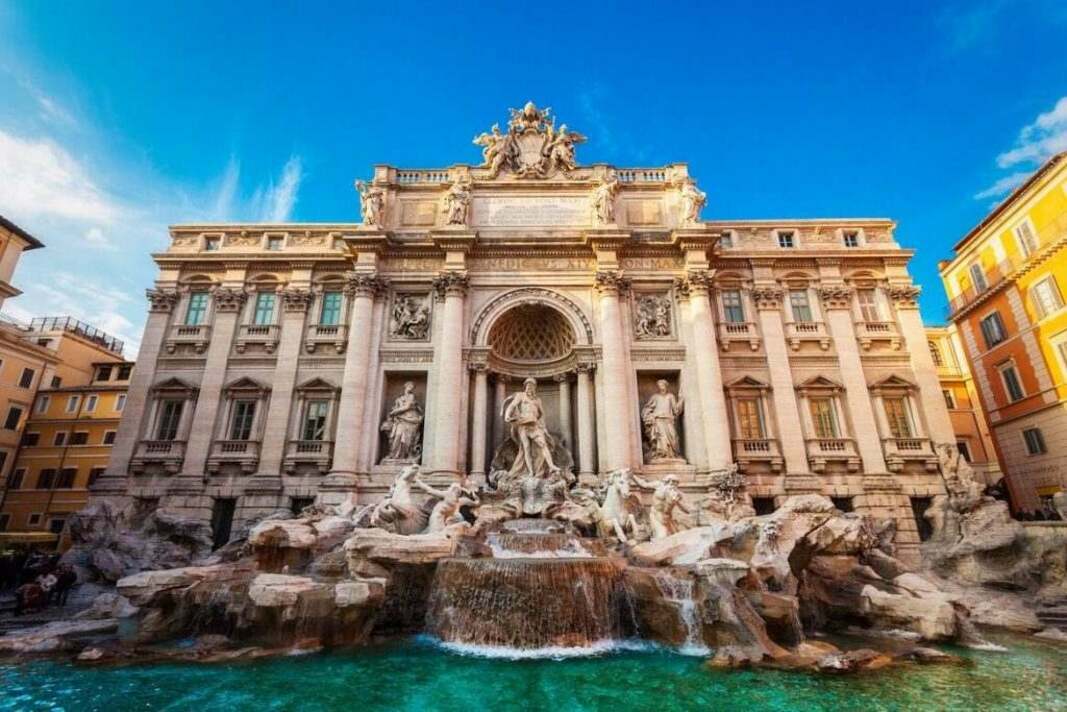
Toss a coin into Trevi Fountain
The legendary Roman fountain! People toss coins into it for wealth, for love, or simply to make sure they return to this wonderful city.
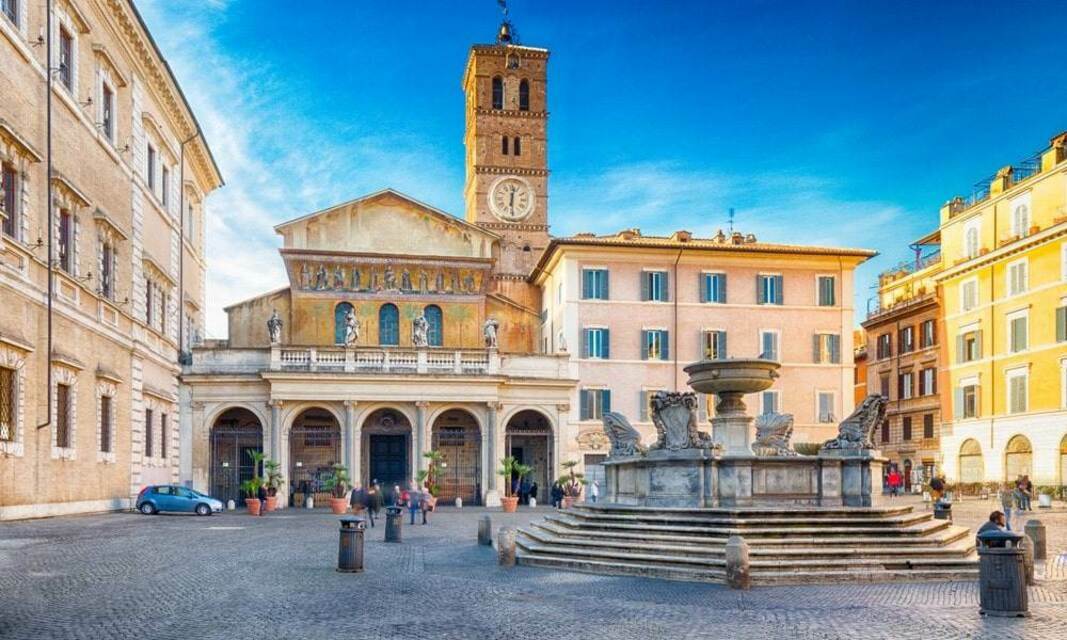
Dive into the atmosphere of Trastevere
In the Trastevere district, life buzzes until late at night. Locals and tourists relax on picturesque streets and in cozy little restaurants.
Visit Rome’s basilicas
Basilicas are a must-see in Rome. You will be delighted by their beauty!
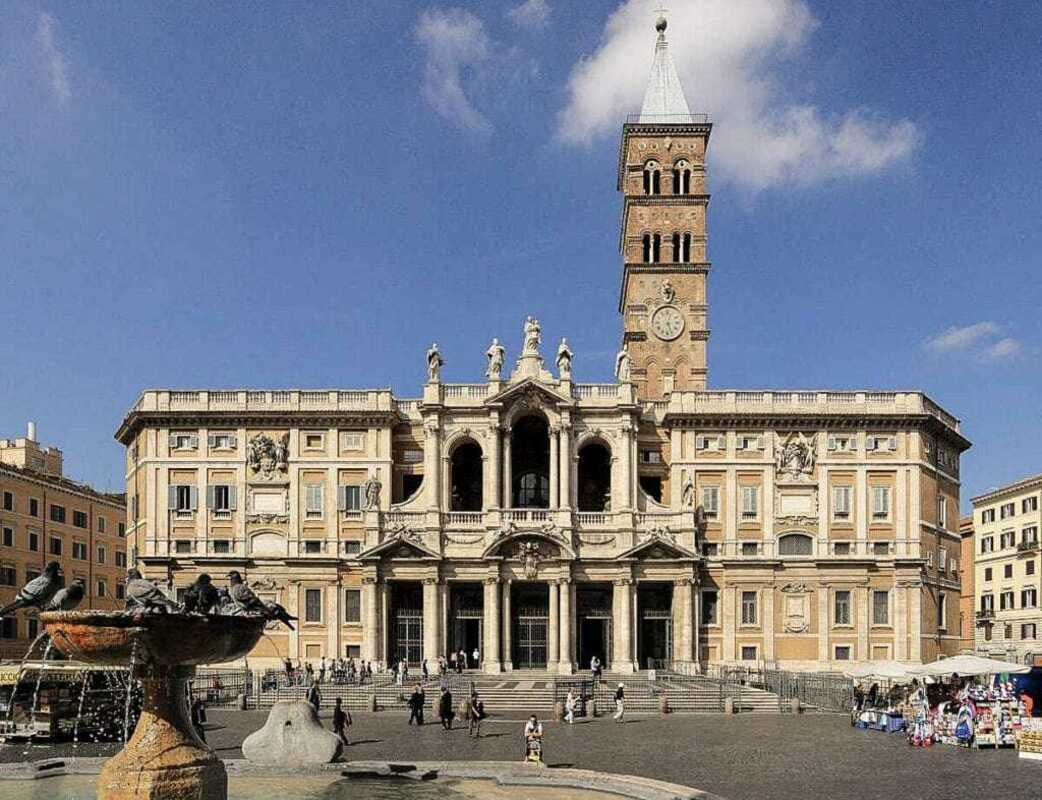
Santa Maria Maggiore
One of the oldest churches in Rome (its first stone was laid in 352 AD) and the only one that has almost fully preserved its original appearance. Its ceiling is covered with gold brought from the Americas on Columbus’ ships.
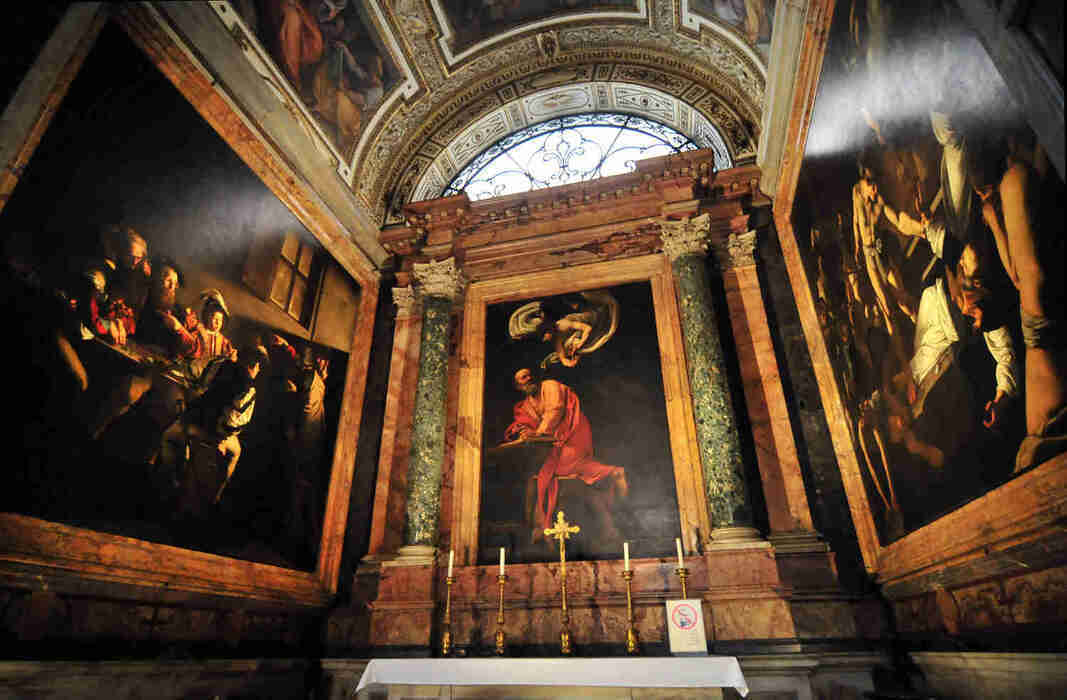
Church of San Luigi dei Francesi
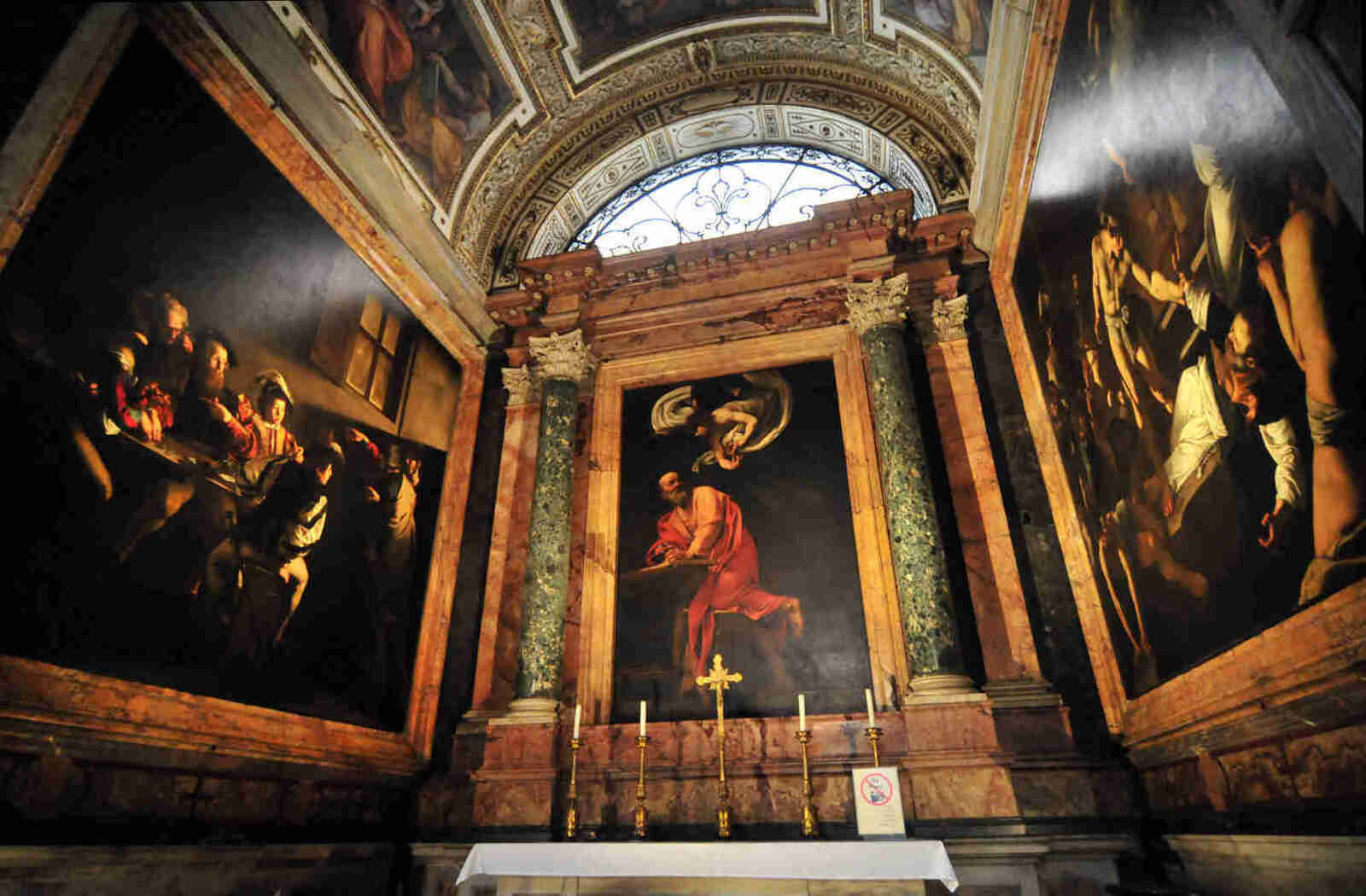
This basilica houses real treasures — original works by Caravaggio: “The Martyrdom of Saint Matthew”, “The Calling of Saint Matthew” and “Saint Matthew and the Angel”.
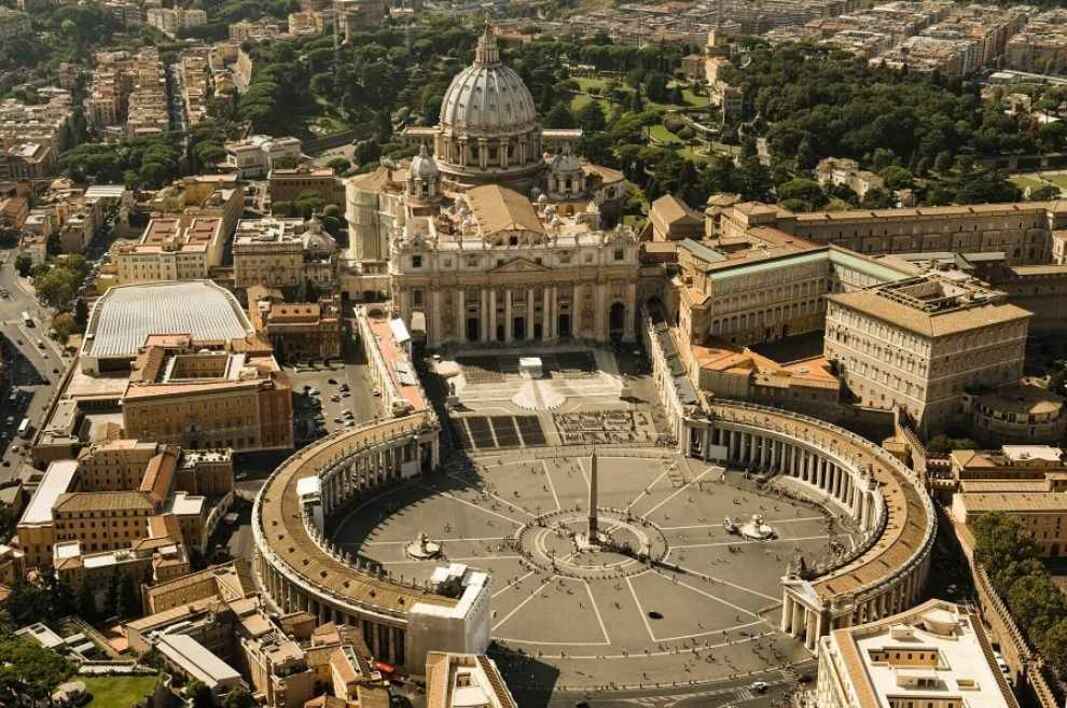
St. Peter’s Basilica in the Vatican
This architectural masterpiece was created with the participation of Michelangelo, Raphael, Bernini and Bramante. Entry to the main Catholic shrine is free, but be prepared to spend some time in the queue.
What to do in Rome for free or almost free
The Eternal City is made for walking. Many of the strongest impressions here really cost nothing – and this is part of its magic.
Long walks through the historic center
Put your map away and just wander: Piazza Navona, Campo de’ Fiori, the narrow lanes around the Pantheon and Trevi Fountain – it is one big open-air museum.
Sunsets and viewpoints
For scenic views, head to the Aventine Hill, viewpoints near Castel Sant’Angelo or the terraces around Villa Borghese.
Step inside the basilicas
Many basilicas are open free of charge. Even a short visit gives you a sense of peace and grandeur, especially after the noisy streets.
Coffee and gelato to go
Instead of an expensive restaurant with a view, grab a takeaway espresso or gelato and have a mini-picnic on one of the central squares.
One-day budget itinerary in Rome
If you only have one day in Rome, focus on the most iconic spots that are fairly close to each other.
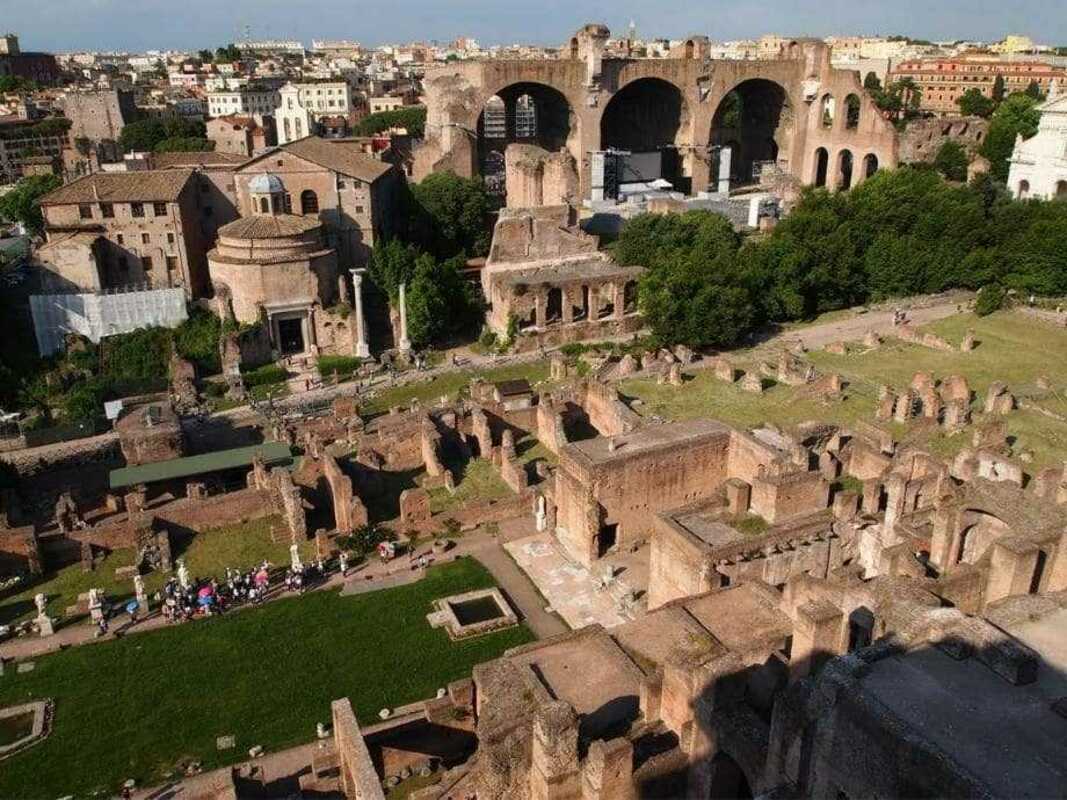
Morning: start with a free walking tour around the Colosseum and Roman Forum area. Afterwards, walk towards the center, passing Piazza Venezia and continuing to Piazza Navona.
Daytime: head to the Pantheon, popping into small churches and courtyards along the way. After lunch, continue to Trevi Fountain and the Spanish Steps – perfect places to rest, people-watch and enjoy a snack.
Evening: finish the day in Trastevere. Wander along its atmospheric lanes, watch life unfold around the cafés, and then slowly return to your hotel through the beautifully lit streets.
Rome in 2 days: suggested route
In two days you can experience several “faces” of Rome: ancient, baroque, religious and vibrant, modern city life.
Day 1: devote it to the historic center. In the morning, explore the Colosseum and Forum area; during the day, visit the Pantheon, Piazza Navona, Trevi Fountain and the Spanish Steps. In the evening, head to Trastevere – one of the most atmospheric districts for a slow, cozy dinner.
Day 2: keep it for the Vatican and major basilicas. Arrive at St. Peter’s Basilica early to avoid the longest queues. Afterwards, stroll towards Castel Sant’Angelo and the banks of the Tiber. Closer to the evening, visit Santa Maria Maggiore and San Luigi dei Francesi to admire Caravaggio’s masterpieces.
This way you combine must-see landmarks with unhurried walks, while your budget stays under control thanks to free sights and a thoughtful choice of paid museums.
How to get to Rome and save on transport
Rome is served mainly by two airports: Fiumicino and Ciampino. Fiumicino is larger and more convenient for regular airlines; Ciampino is used mostly by low-cost carriers.
From Fiumicino you can reach the city by regional train, express train or bus – buses are usually the cheapest option and depart directly from the terminals. From Ciampino, shuttle buses run to the nearest metro station, where you change to the metro to reach your area.
Within Rome it is convenient to use the metro, trams and buses. If you plan to move around a lot, consider 24/48/72-hour passes – they can be good value if you frequently use public transport.
The historic center is still best explored on foot: you notice details that you would miss from a vehicle, and your expenses stay minimal.
Frequently asked questions about visiting Rome on a budget
What free walking tours are available in Rome?
Rome offers several free walking tours: daytime walks around the historic center and Colosseum area, plus evening tours of illuminated Rome. Officially they are free; at the end you simply tip the guide or leave a small donation.
Do I need to book free walking tours in advance?
It is recommended to book in advance on the organizers’ websites, especially in high season. Group sizes are limited and popular time slots fill up quickly.
Is entry to the Pantheon really free?
The rules for visiting the Pantheon change from time to time: sometimes entry is free, sometimes a small ticket fee is introduced. Check the latest information before your visit on official resources or on site.
When is the best time to visit Trevi Fountain?
The most pleasant times at Trevi Fountain are early morning, when there are few people, or late in the evening when the lights are on and the atmosphere becomes magical. During the day it is usually very crowded.
Can I swim or climb into Trevi Fountain?
No, entering or swimming in Trevi Fountain is strictly forbidden and heavily fined. Enjoy the view, take photos and simply toss a coin over your shoulder for good luck.
Which basilicas should I visit first?
If you are short on time, start with St. Peter’s Basilica in the Vatican, Santa Maria Maggiore and San Luigi dei Francesi with Caravaggio’s paintings. Each of them has a unique atmosphere and impressive architecture.
Is there a dress code for visiting basilicas in Rome?
Yes, shoulders and knees must be covered, and hats should be removed inside. Visitors who do not respect the dress code may be refused entry even after waiting in line.
Where is it nicest to walk in Rome in the evening?
For a true evening atmosphere, walk around Trastevere, Piazza Navona, the Spanish Steps and Trevi Fountain, as well as the historic center in general. You will find cozy cafés, live music and beautiful lighting.
Is this budget route suitable for a trip with children?
Yes, most stops are outdoor walks, squares, fountains and basilicas that are also interesting for kids. Just remember to take breaks, bring water and snacks, and plan some rest time for younger children.
How can I save money on transport in Rome?
The easiest way to save is to walk as much as possible and use 24/48/72-hour public transport passes. In the historic center, most must-see spots are within walking distance of each other.
Is it safe to walk around Rome at night?
Tourist areas in Rome are generally safe, but as in any big city you should follow basic rules: keep an eye on your belongings, avoid carrying all valuables in one place and stay away from poorly lit alleys very late at night.
What should I pack for comfortable walks in Rome?
Bring comfortable shoes, a light scarf or cardigan for visiting churches, a reusable water bottle, sun protection and a small backpack. This will help you enjoy full days of walking without feeling overloaded.