 Enter
Enter





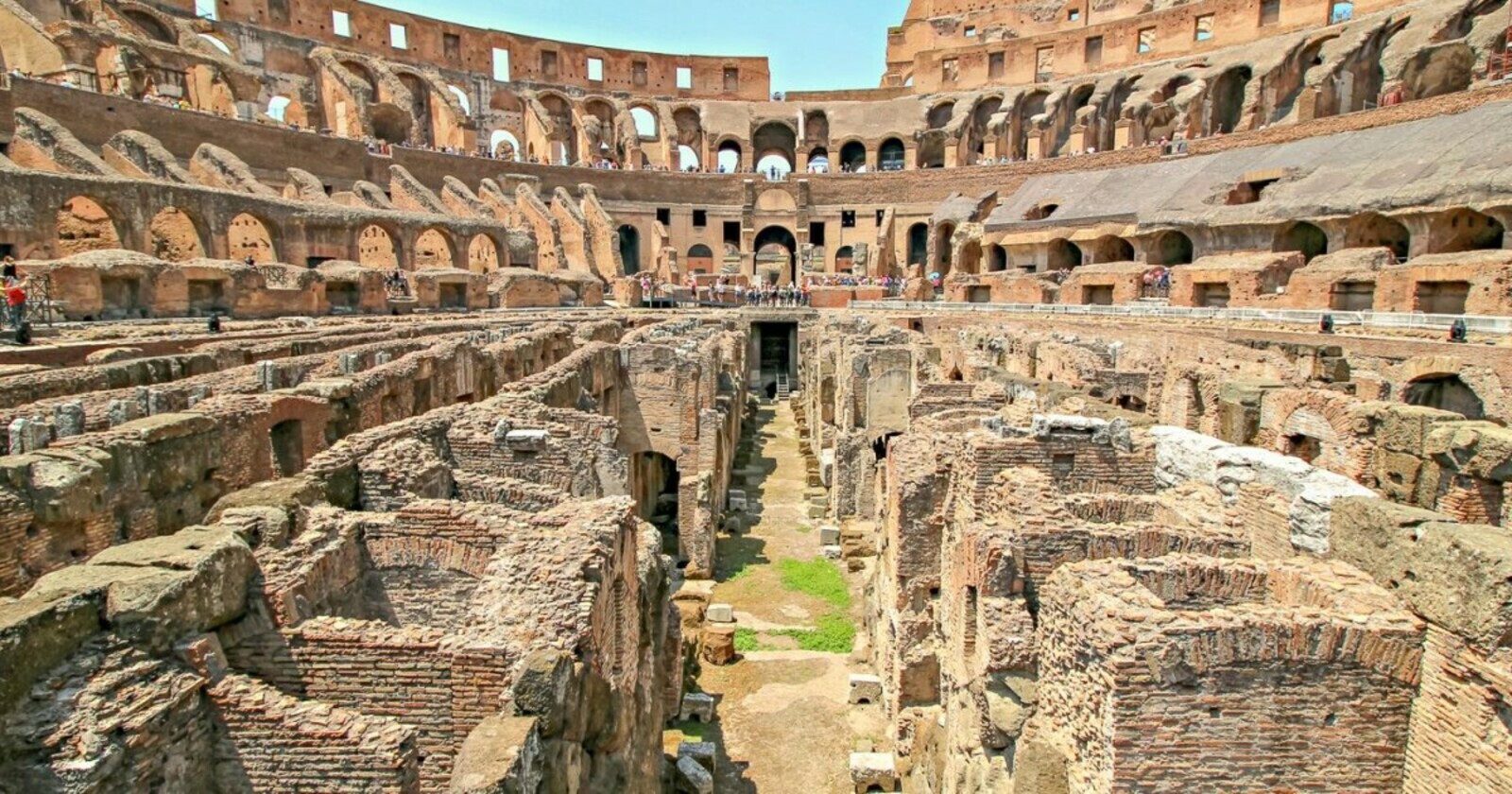
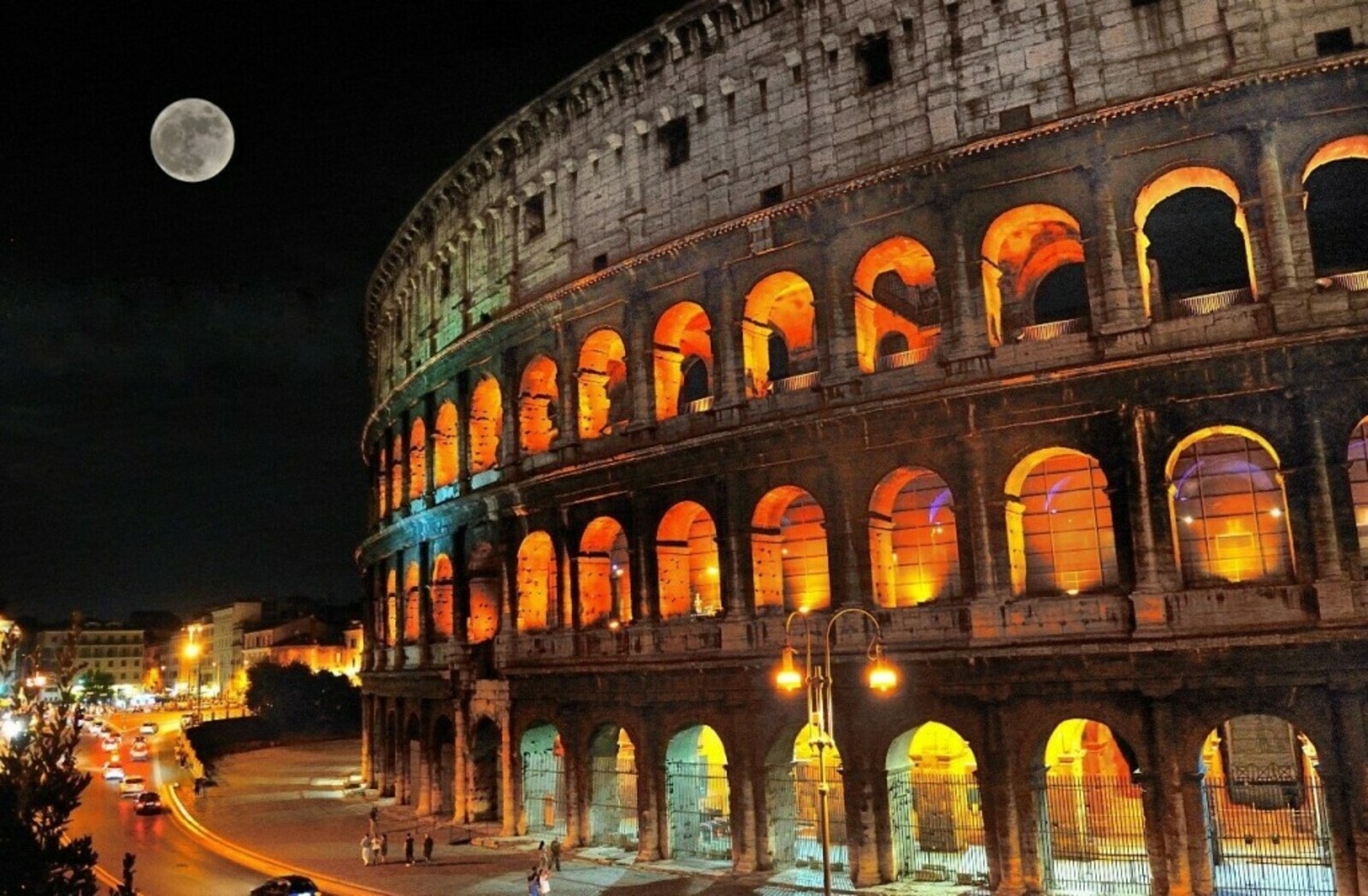

Meeting Rome’s legend
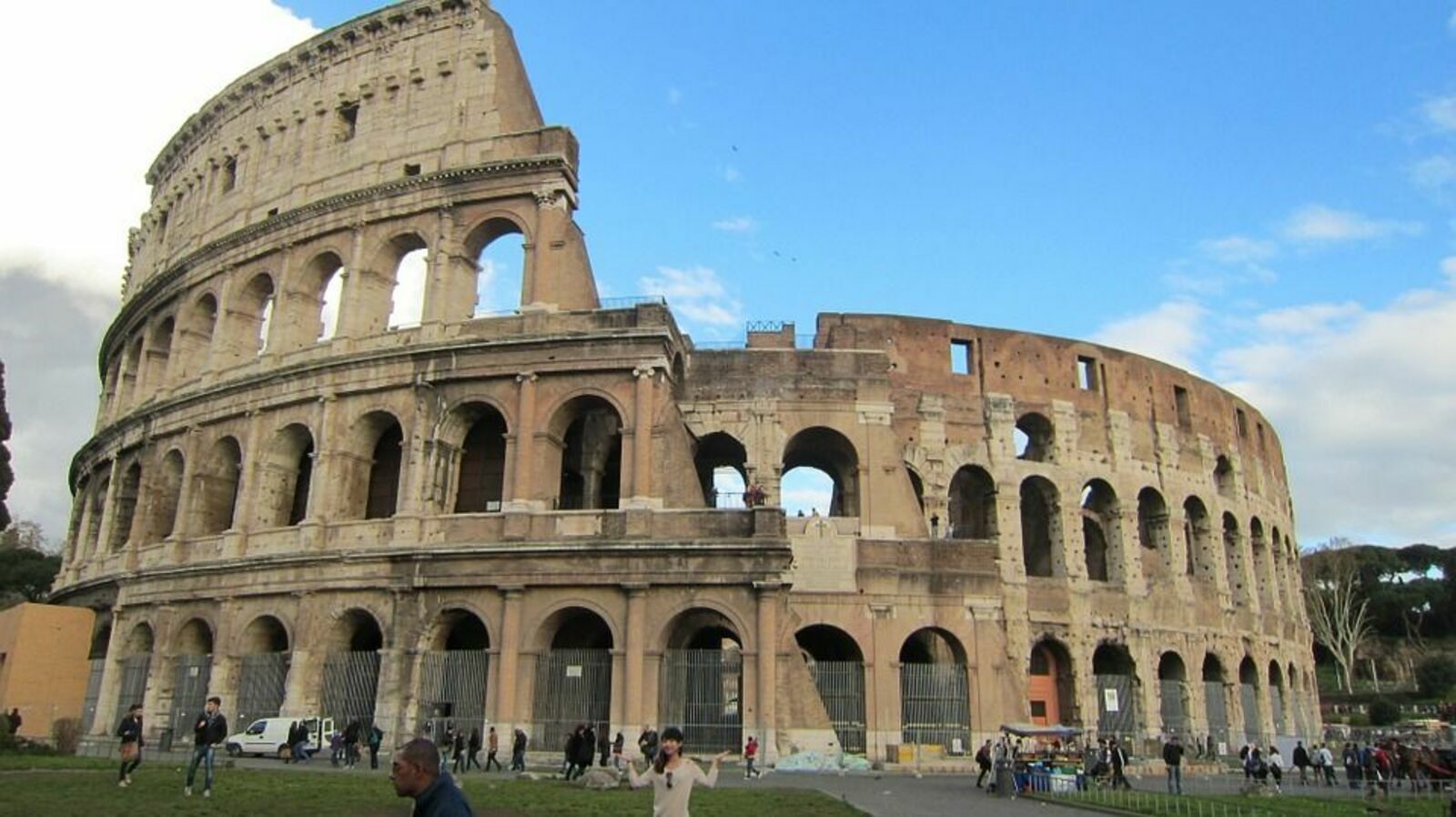
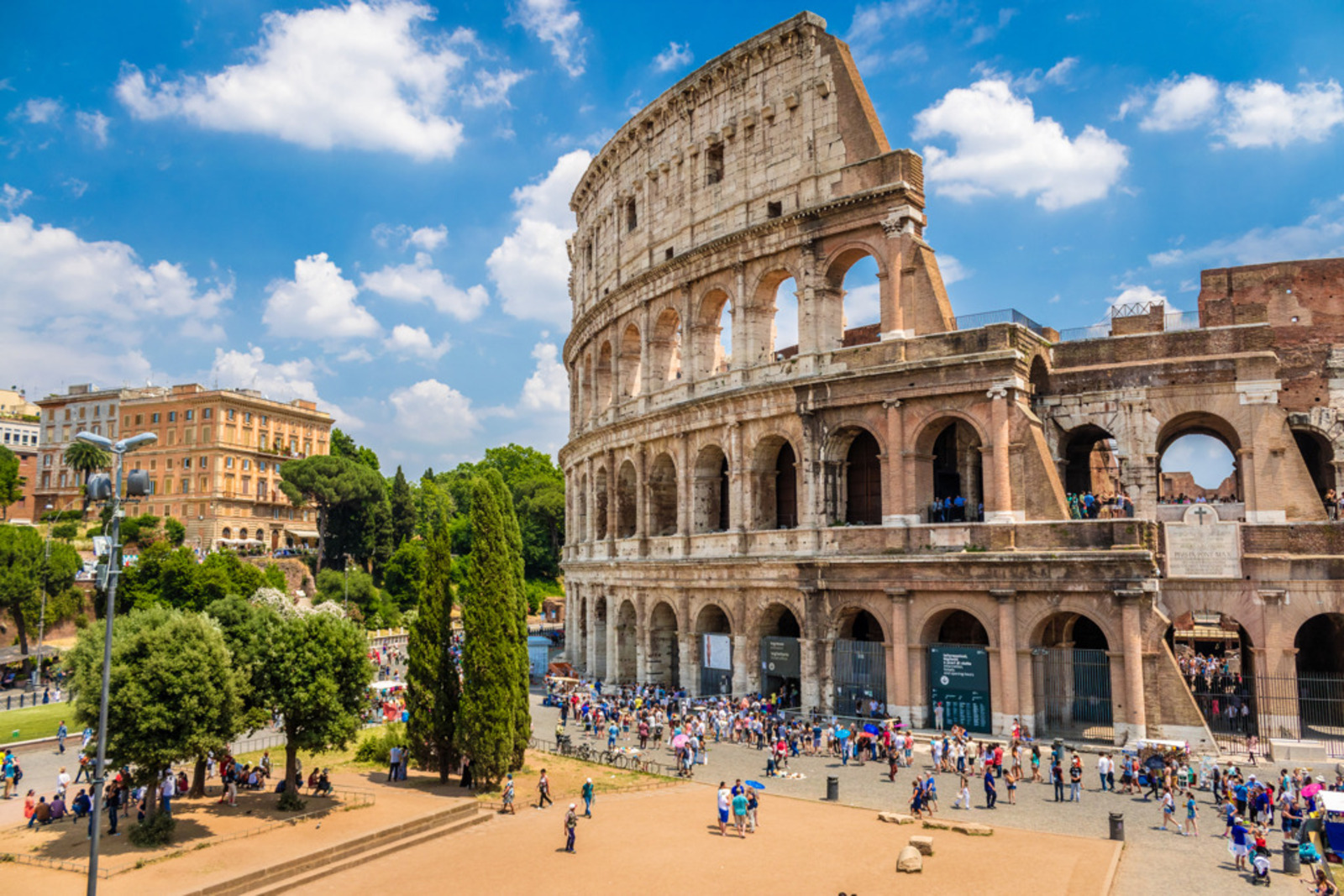
Who hasn’t heard of the Colosseum at least once? Of course, everyone has! The Colosseum is the face of Rome. By the way, it’s the largest amphitheatre of all that have ever existed. Many people dream of seeing it with their own eyes, so every year tourists from all over the world come to Rome. You have that chance too!
If we dive into the history of the Colosseum, it’s known that it took a full eight years to build. At first it was called the Flavian Amphitheatre, but in the 8th century it was renamed the Colosseum—most likely because of its impressive size.
The amphitheatre was designed by brilliant engineers: despite its huge scale, it could fill with people very quickly—in just fifteen minutes—and all spectators could leave even faster—in five minutes. It was equipped with 80 entrances and 76 staircases.
The Colosseum could accommodate around 50,000 people, although according to other sources this number was much higher—70,000!
Here’s a very interesting fact: some solutions used during the construction of the Colosseum are still applied today when building large sports venues.
The Colosseum was the place where all kinds of spectacles took place. Gladiators fought here, naval battles were held, animals were hunted and baited, and various games were organized. In 405, the fights were banned, and since then the Colosseum has stood empty. Of course, over many years this architectural monument suffered greatly—first from barbarian invasions, then it was used as a fortress, and eventually it was dismantled for building materials. Only in the 18th century, when Benedict XIV took the Colosseum under his protection, did it begin to be gradually restored.
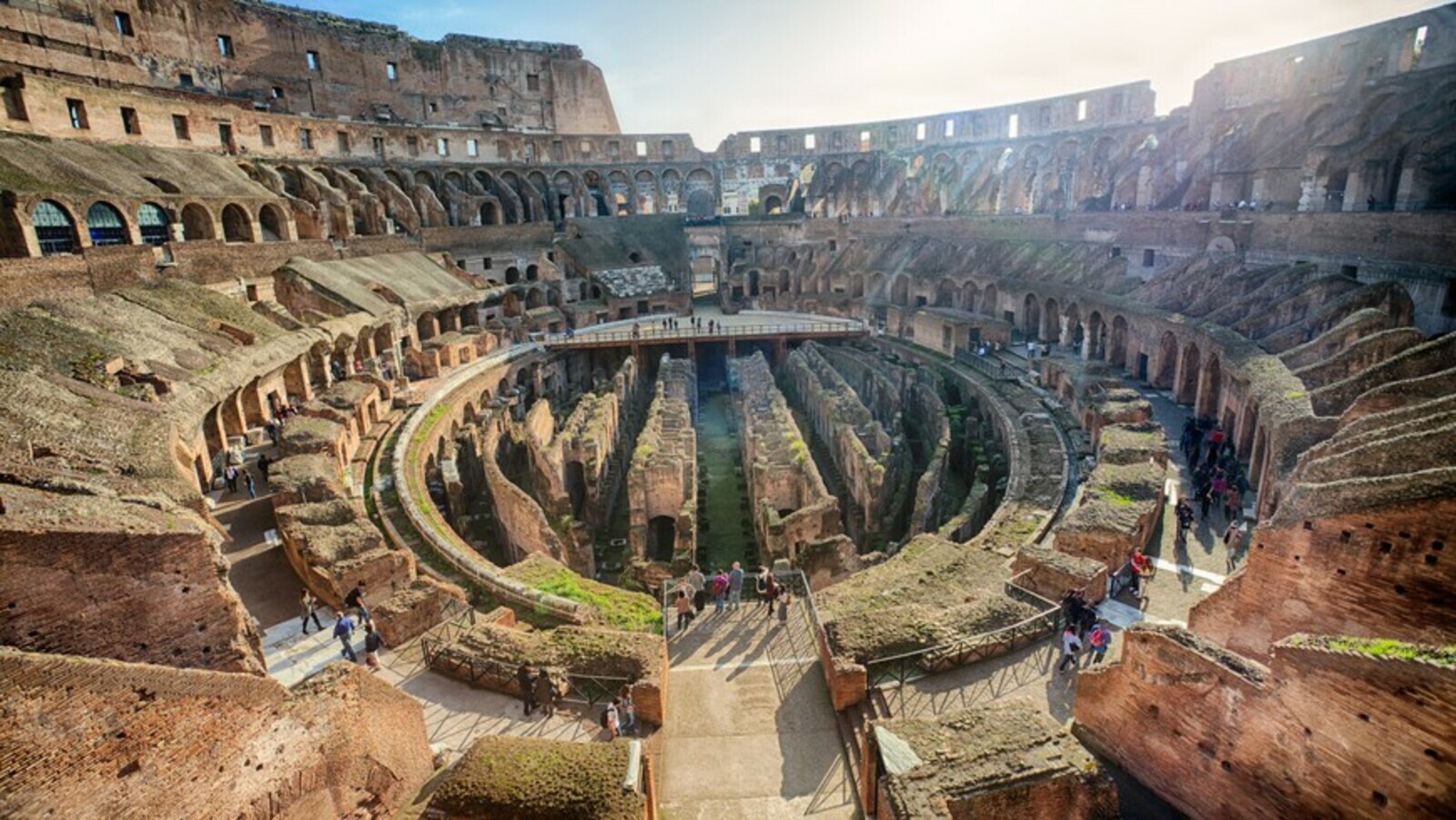
Today, the authorities of Italy take care of the Colosseum and its condition. It has been partially restored, and excavations of the arena have been carried out, where underground rooms were found. Despite ongoing care for this historic architectural structure, it is gradually deteriorating—rainfall and pollution contribute to the damage.
Nevertheless, the Colosseum still draws enormous interest from travelers, leaves a strong impression, remains one of the most important attractions in the world, and continues to symbolize Italy’s capital, Rome.
Today, an entrance ticket to the Colosseum costs 12 euros; children under 18 can visit the attraction for free. Purchased tickets for visiting the Colosseum are valid for two days from their first use. With these tickets, you can also visit the Roman Forum.
We’d like to share a small but very useful tip that will save you a lot of time: it’s better to buy your Colosseum ticket at the Roman Forum ticket offices, because the Colosseum ticket offices always have long lines.
The essentials at a glance
Rome’s icon: the Colosseum is one of the world’s most famous landmarks.
Built in 8 years: first called the Flavian Amphitheatre; renamed in the 8th century.
Crowd engineering: filled in ~15 minutes; emptied in ~5 minutes; 80 entrances and 76 staircases.
Capacity: around 50,000 people (other sources mention up to 70,000).
Tickets: €12 entry; under 18s free; valid 2 days and includes the Roman Forum.
Time-saver: buy tickets at the Roman Forum offices to avoid long queues at the Colosseum.
The Colosseum: history, scale, and life inside the amphitheatre
From the Flavian Amphitheatre to the Colosseum
The Colosseum took eight years to build. It was originally known as the Flavian Amphitheatre, and in the 8th century it was renamed the Colosseum—most likely because of its imposing size.
It became the “face of Rome” and remains the largest amphitheatre ever built—no wonder travelers come from all over the world to see it.
Brilliant engineering and crowd flow
Built by brilliant engineers, the amphitheatre could fill with spectators in just fifteen minutes—and empty in about five—despite its enormous scale.
It featured 80 entrances and 76 staircases, making movement surprisingly efficient.
Capacity is often cited at around 50,000, while other figures mention up to 70,000.
Interestingly, some construction solutions used here are still applied today when building major sports venues.
Spectacles, battles, and the ban in 405
The Colosseum hosted countless spectacles: gladiator fights, naval battles, animal hunts and baiting, and various games.
In 405, the fights were banned, and since then the Colosseum has stood empty.
Damage through the ages and early restoration
Over time, the monument suffered greatly—barbarian invasions, later use as a fortress, and eventually dismantling for building materials.
Only in the 18th century, when Benedict XIV took it under his protection, did gradual restoration begin.
The Colosseum today: excavations, care, and fragility
Today, Italian authorities oversee the Colosseum’s condition. It has been partially restored, and excavations of the arena uncovered underground rooms.
Even with ongoing care, it gradually deteriorates—rainfall and pollution contribute to the damage.
Still, it continues to impress travelers and remains one of the world’s top attractions and a symbol of Rome.
Ticket info from the text: entry is €12; children under 18 can visit for free. Tickets are valid for two days from first use and can also be used to visit the Roman Forum. Tip: buy tickets at the Roman Forum offices to avoid long lines at the Colosseum.
Practical planning: what to do and how to structure your visit
What to do
Explore the Colosseum at an unhurried pace to truly feel its scale and atmosphere.
Pair it with the Roman Forum using the same ticket (valid for 2 days).
Walk around the exterior and notice the details that made it the “face of Rome.”
1-day itinerary
Morning: the Colosseum — arrive with enough time for entry and a relaxed visit.
Midday: the Roman Forum — use the same ticket and keep the history going.
Evening: a stroll nearby to wrap up the day with one more look at Rome’s icon.
2-day itinerary
Day 1: the Colosseum — take your time and focus on details and atmosphere.
Day 1 (after): walk around the area to see the monument from different angles.
Day 2: the Roman Forum — visit using the same ticket (valid for 2 days).
Day 2 (after): leave space for relaxed walks—Rome is best enjoyed without rushing.
How to get there and how to save time at the entrance
The Colosseum sits in the heart of Rome, so it’s generally easy to reach—what matters most is planning your visit time, because it’s very popular.
Expect queues at the Colosseum ticket offices and allow extra time for entry.
The tip from the text: buy your ticket at the Roman Forum ticket offices to avoid long lines.
FAQ: common questions about the Colosseum
Why is the Colosseum considered the “face of Rome”?
Because it’s one of the world’s most recognizable landmarks and a key symbol of Rome.
What was the Colosseum originally called?
It was first known as the Flavian Amphitheatre, then renamed in the 8th century.
How long did it take to build?
According to the text, construction took eight years.
How fast could it fill with spectators?
In about fifteen minutes, which is impressive for such a huge venue.
How fast could everyone leave?
In about five minutes, thanks to many entrances and staircases.
How many entrances and staircases were there?
The text mentions 80 entrances and 76 staircases.
How many people could it hold?
Around 50,000 people, though other figures mention up to 70,000.
What kind of events took place there?
Gladiator fights, naval battles, animal hunts and baiting, and different games.
Where is the best place to buy tickets to avoid lines?
At the Roman Forum ticket offices, because the Colosseum ticket offices usually have long queues.