
 Enter
Enter






Why travelers go to the Louvre
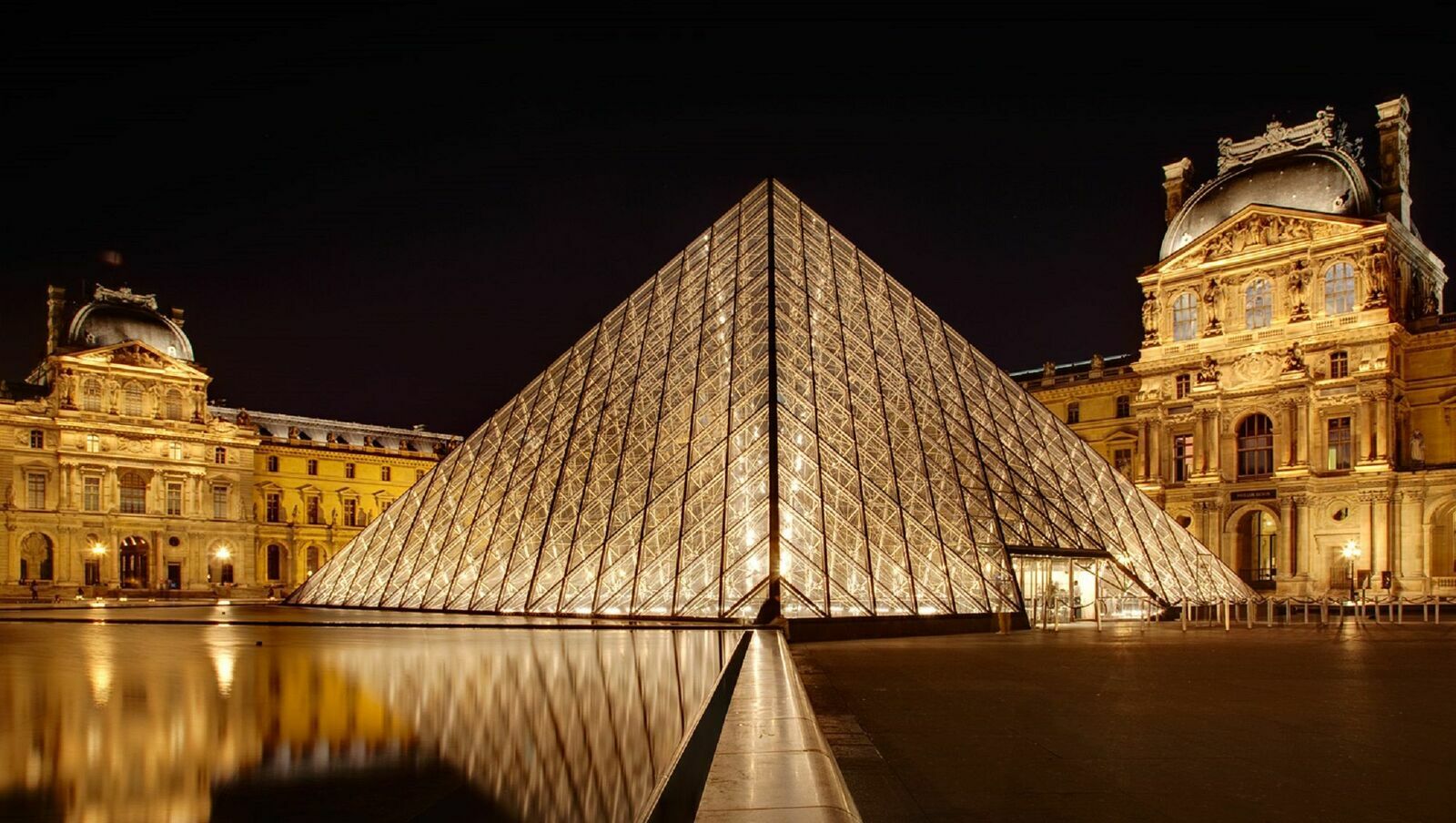
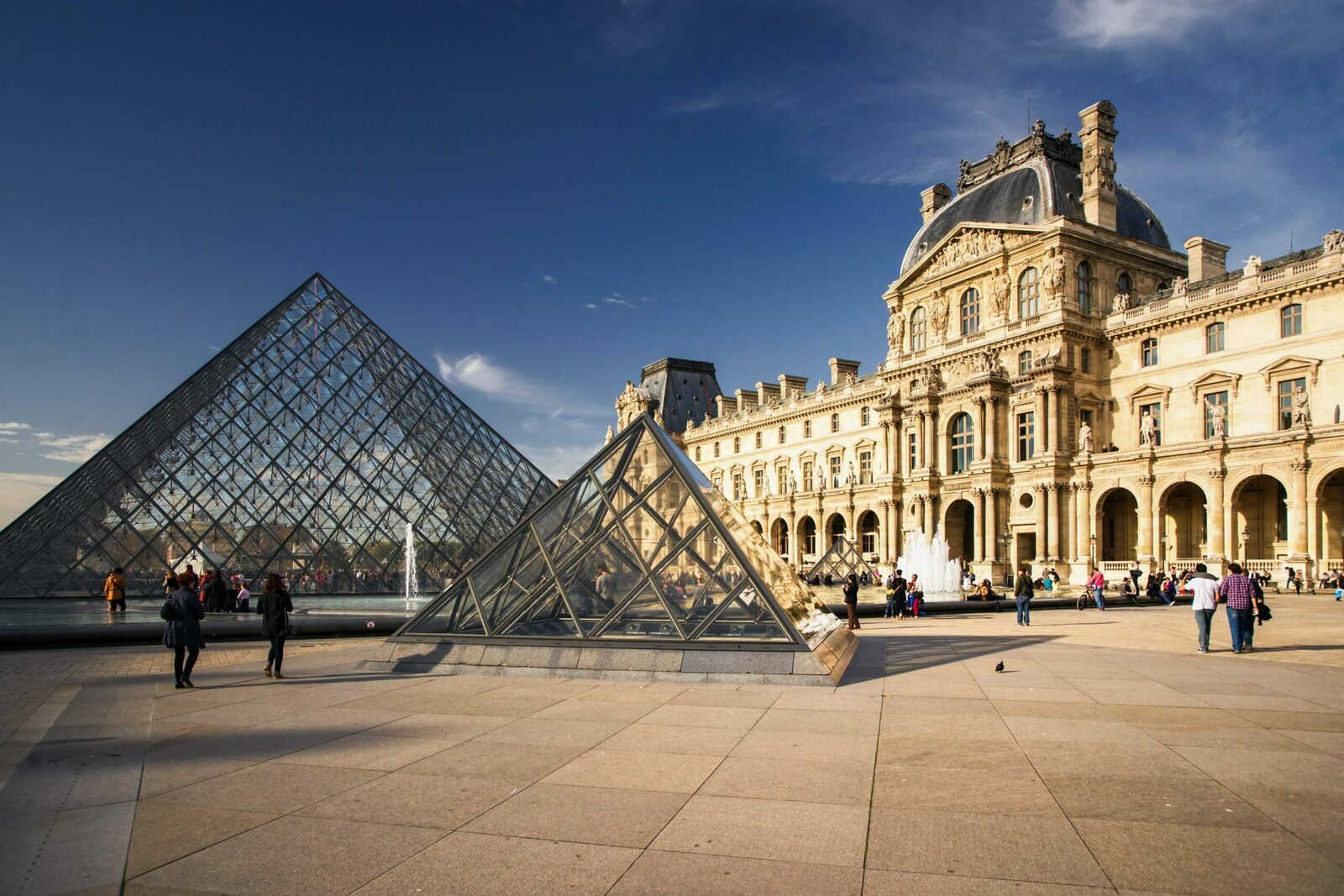
Tourists who come to Paris head to the Louvre. Why? The answer is simple: it’s one of the most famous and most visited museums on planet Earth. Priceless works by world masters are kept here, and everyone wants to catch at least a glimpse of them.
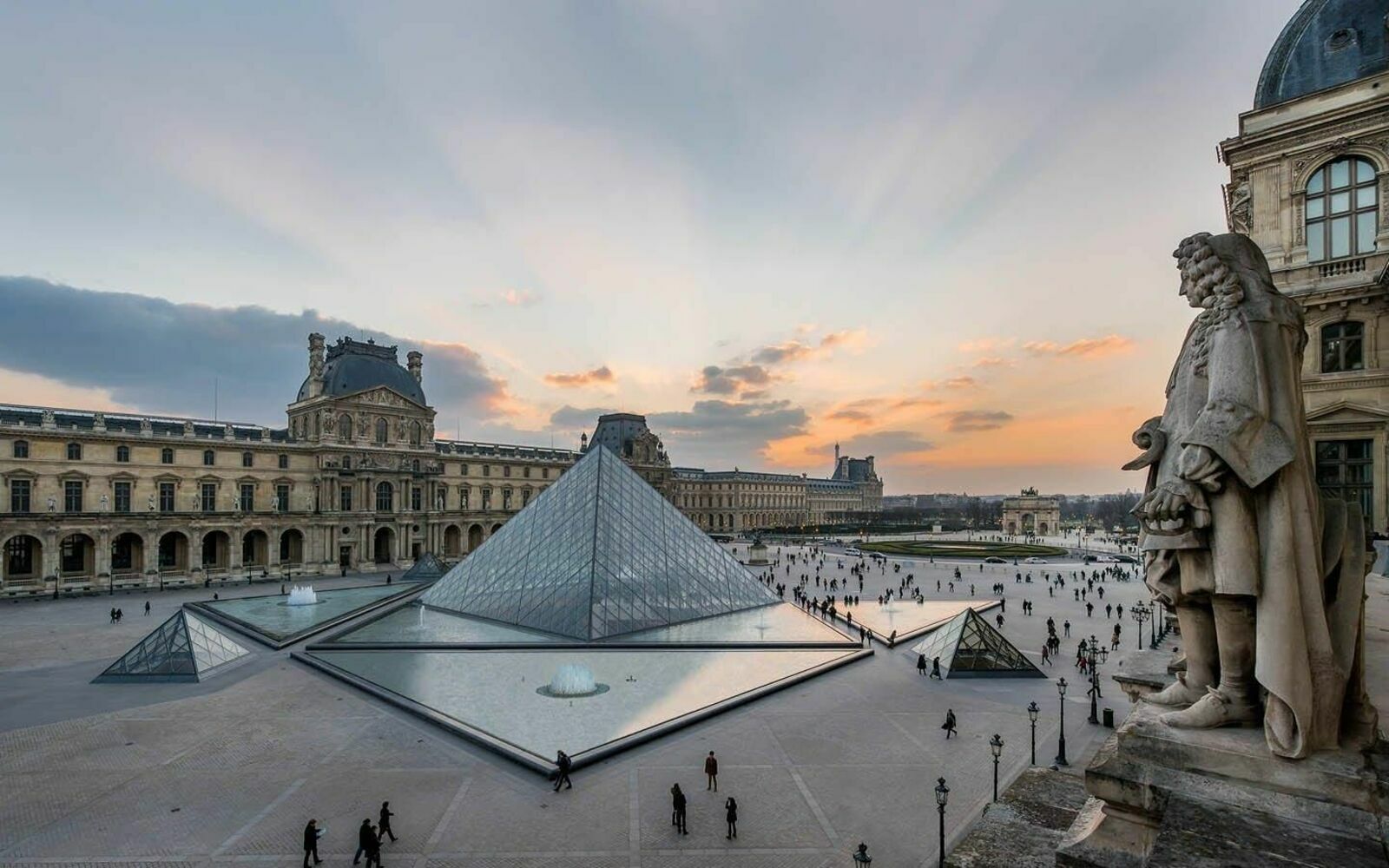
The Louvre stands on the right bank of the Seine, right in the very heart of Paris. It is a Baroque palace complex which, in the Middle Ages, was a fortress; later it became the king’s residence and also a place for public assemblies. By the way, the name “Louvre” is translated as “to be on guard.”
Quick essentials for a first visit
Location: the right bank of the Seine, in central Paris.
Scale: the museum’s inner area is 60,000 square meters.
Collection: about 370,000 exhibits — from Antiquity to the mid-19th century.
Must-see: Leonardo da Vinci’s “Mona Lisa” and more.
Popularity: around eight million visitors every year.
History: from fortress to palace complex
The building was constructed at the end of the 12th century, initiated by King Philip II Augustus. As mentioned, it was originally a fortress meant to protect Parisians from Norman and English attacks. The structure included a treasury, important archives were stored here, and there was also a prison inside.
Over time, the Louvre was transformed, and it eventually became what we can see today. At present, the museum’s inner area covers 60,000 square meters. Every year, around eight million tourists from all over the world come here.
Collections and galleries: what you’ll see inside
About 370,000 exhibits are displayed in the Louvre, including rare collections from Antiquity to the mid-19th century. As you might have guessed, the Louvre is listed as a UNESCO World Heritage site.
In the Louvre’s three wings, which make up the complex and are connected by an underground passage, you’ll see many kinds of art objects: paintings, sculptures, furniture once used by kings, porcelain, tapestries, jewelry, artifacts, and more.
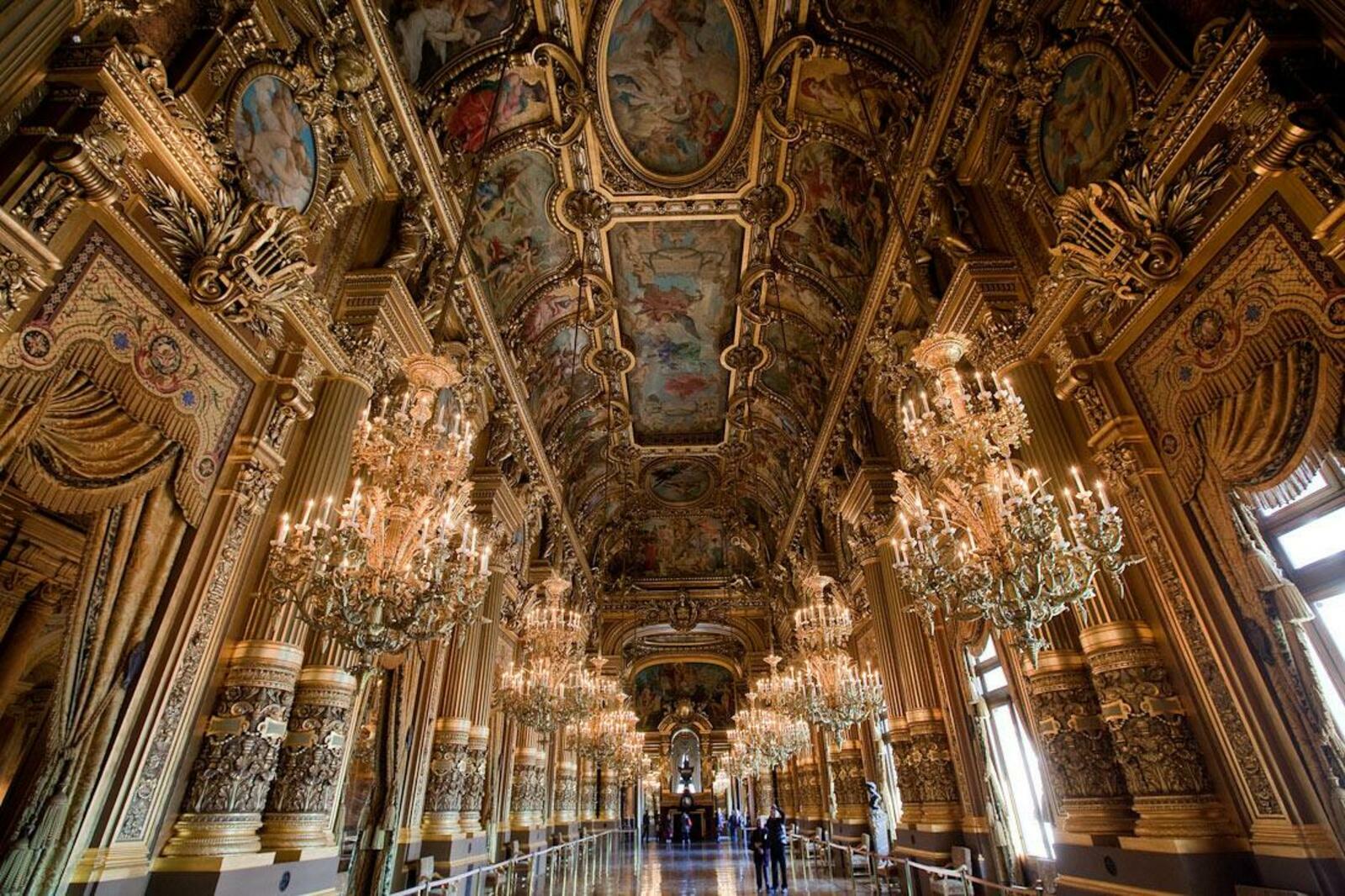
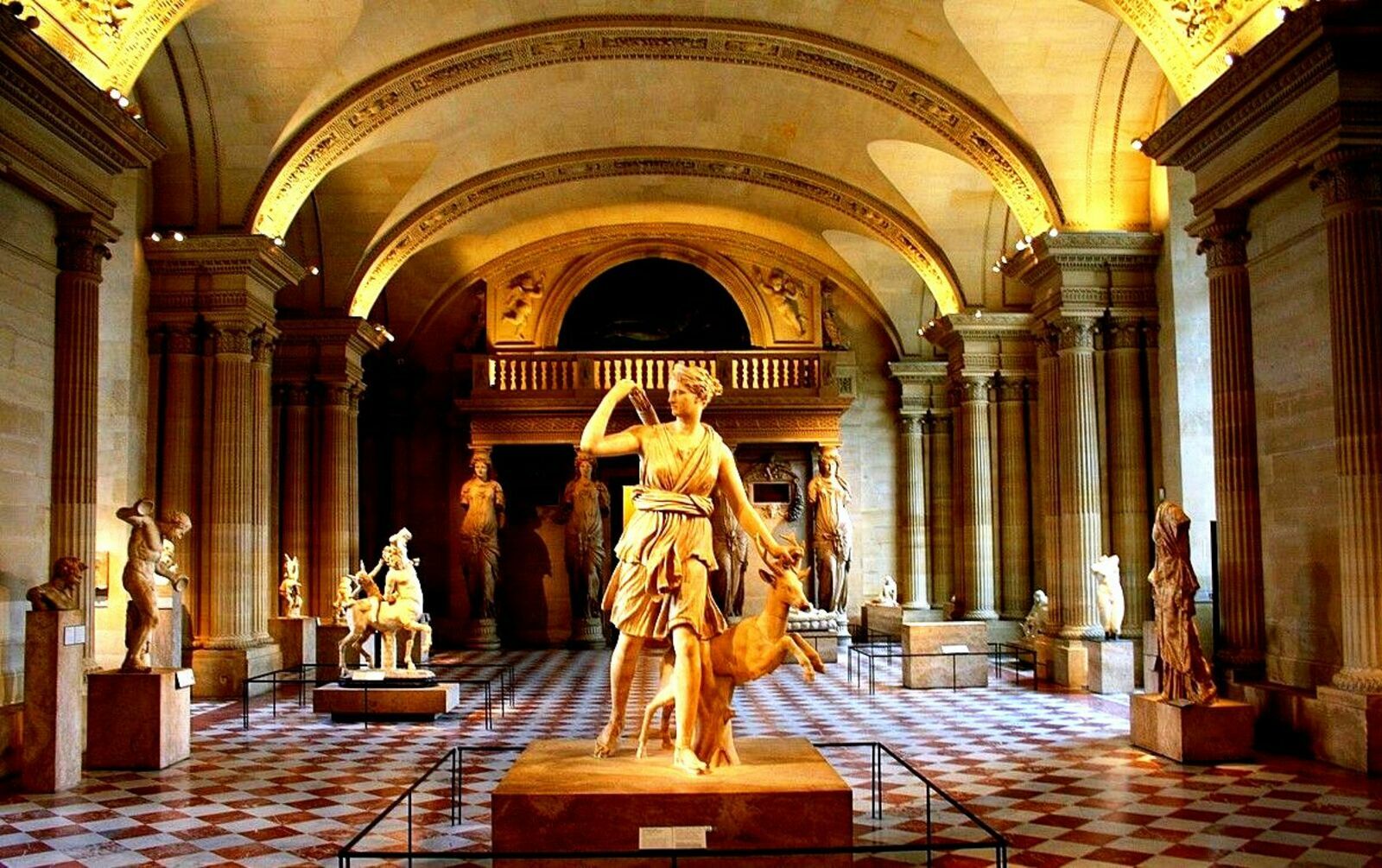
The Louvre’s interiors alone can bring unforgettable emotions of delight. The walls and ceilings are decorated with bas-reliefs and frescoes, and the arches and columns look simply stunning!
In the museum halls you’ll see exhibits related to Ancient Greece and Egypt, as well as the Near East. One of the Louvre’s most popular exhibits is the armless statue of the Venus de Milo. Still, most travelers aim for the Louvre’s art gallery, because everyone wants to see original works by great masters such as Raphael Santi, Leonardo da Vinci, Caravaggio, and many others. The Louvre’s main treasure is, of course — since we’ve mentioned Leonardo da Vinci — his famous “Mona Lisa,” painted more than five centuries ago.
What to do: visit options and tour formats
We offer several options for a Louvre visit. There are two packages:
- Entry ticket + audio guide. Tour price — 29 euros. Audio guides are available in Russian, German, and English.
- Entry ticket + a cruise on the Seine. Tour price — 49 euros (organizers are English-speaking).
In addition, you can book a tour with an art historian guide. The price is 45 euros per person, duration — 2 hours. Minimum number of participants — 2. Tour language — Russian or English (your choice).
1-day itinerary: the essentials without rushing
If you only have one day, start with the key halls most people pick for their first visit: the iconic pieces from Antiquity, then the European masters in the art gallery, and finish with a walk through the palace interiors. This way you can see the museum’s “musts” — the Venus de Milo and the “Mona Lisa” — while also feeling the Louvre as a grand palace complex.
2-day itinerary: a calmer, deeper visit
If you want to take it slow, split your visit into two days: on day one, focus on the most popular exhibits and the art gallery; on day two, spend time on the ancient civilizations sections and the interior details (bas-reliefs, frescoes, arches, and columns). This helps you feel the museum’s scale and avoid “museum overload.”
How to visit and how much it costs
The entrance ticket to the Louvre costs 25 euros.
Choose the format that fits your pace: ticket + audio guide (29 euros), ticket + Seine cruise (49 euros), or an art historian guided tour (45 euros per person, 2 hours, minimum 2 participants, Russian or English).
FAQ: common questions about the Louvre
Why is the Louvre one of the world’s top museums?
Because it preserves extremely valuable works by world masters and a vast collection from Antiquity to the mid-19th century.
Where is the Louvre located?
On the right bank of the Seine, in the very center of Paris.
What was the Louvre in the Middle Ages?
It was originally a fortress, and later became a royal residence and a place for public assemblies.
What does the name “Louvre” mean?
In the text, it is said to translate as “to be on guard.”
When was the Louvre built and by whom?
It was built at the end of the 12th century, initiated by King Philip II Augustus.
How big is the museum today?
The museum’s inner area is 60,000 square meters.
How many visitors come each year?
The text says around eight million tourists from all over the world annually.
What kinds of exhibits are displayed?
Paintings, sculptures, royal furniture, porcelain, tapestries, jewelry, artifacts, and more.
What are the most popular “must-see” works?
The Venus de Milo and the “Mona Lisa,” plus masterpieces by Raphael, Caravaggio, and others.
How much is the entrance ticket?
The entrance ticket costs 25 euros.
What tour packages are offered?
Two packages: “ticket + audio guide” (29 euros) and “ticket + Seine cruise” (49 euros).
Can I book an art historian guide?
Yes: 45 euros per person, 2 hours, minimum 2 participants, in Russian or English.