 Enter
Enter





When “quiet” becomes a travel goal
In today’s world, where noise and hustle have become an inseparable part of daily life, finding a place for true rest and relaxation can feel impossible. However, according to the results of a “calm cities” index study developed by MoneySuperMarket, urban getaways can also become a source of peace and comfort. The study assessed 75 cities using criteria that included air, light, and noise pollution, traffic congestion, the number of sunshine hours, as well as the happiness and friendliness of local residents.
Top highlights
What this ranking is really saying
75 cities were compared using practical “stress vs. ease” indicators such as pollution and congestion.
The score also includes sunshine hours plus social wellbeing factors like happiness and friendliness.
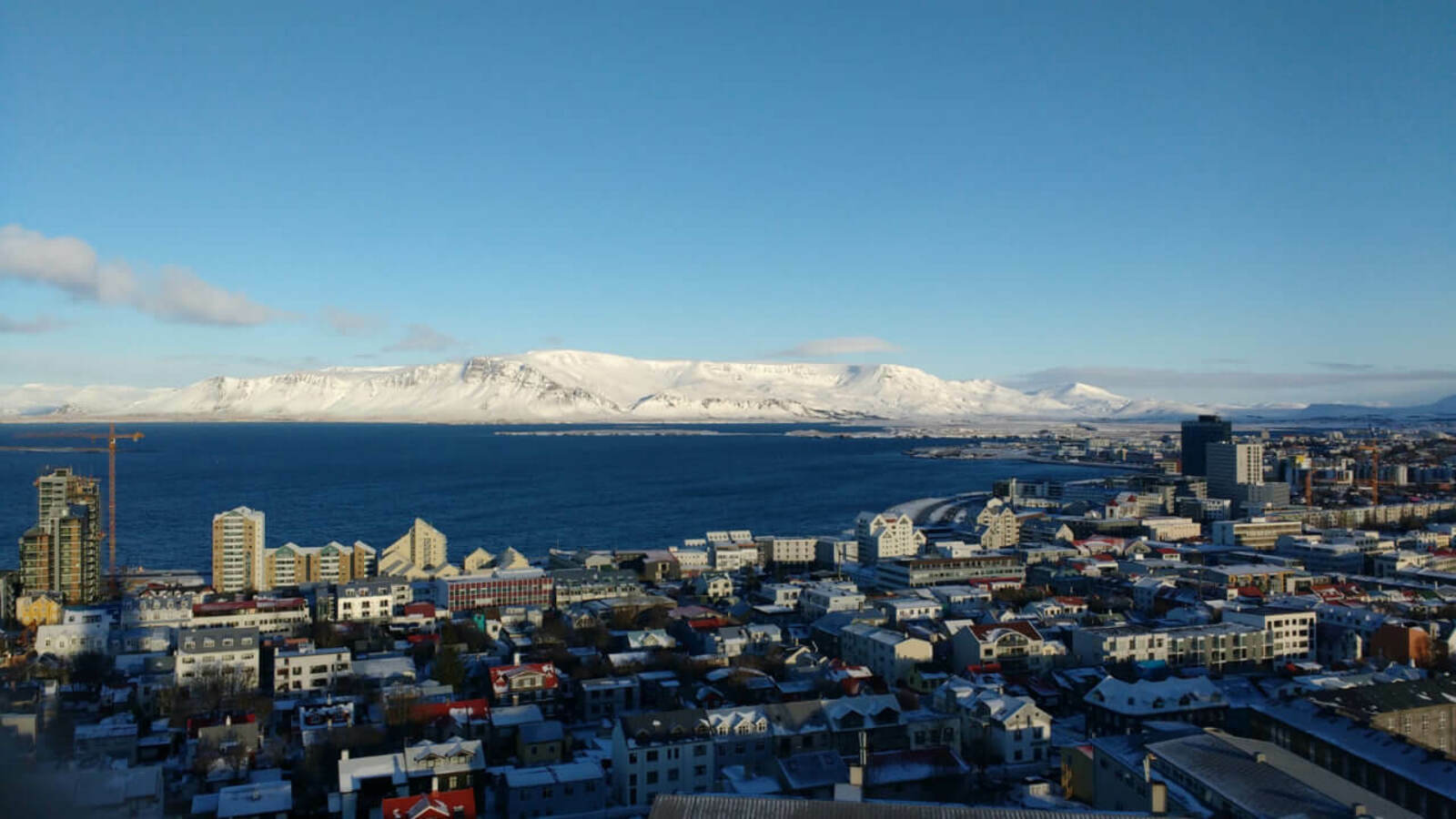
Reykjavik takes #1 with 85.5, credited for clean air, low pollution, and green space.
Tallinn ranks #2 at 82.3, noted for quiet streets and efficient infrastructure.
European cities fill the top 10—suggesting that relaxing urban breaks are very achievable in Europe.
The calm-cities ranking
1. Reykjavik, Iceland — ranked first with a score of 85.5 thanks to clean air, low pollution levels, and excellent green spaces.
2. Tallinn, Estonia — second place with 82.3, standing out for its quiet atmosphere and highly efficient infrastructure.
3. Bergen, Norway — third place thanks to clean air and minimal light pollution.
4. Vienna, Austria — the city is known for its culture and history, and for its calm, comfortable pace.
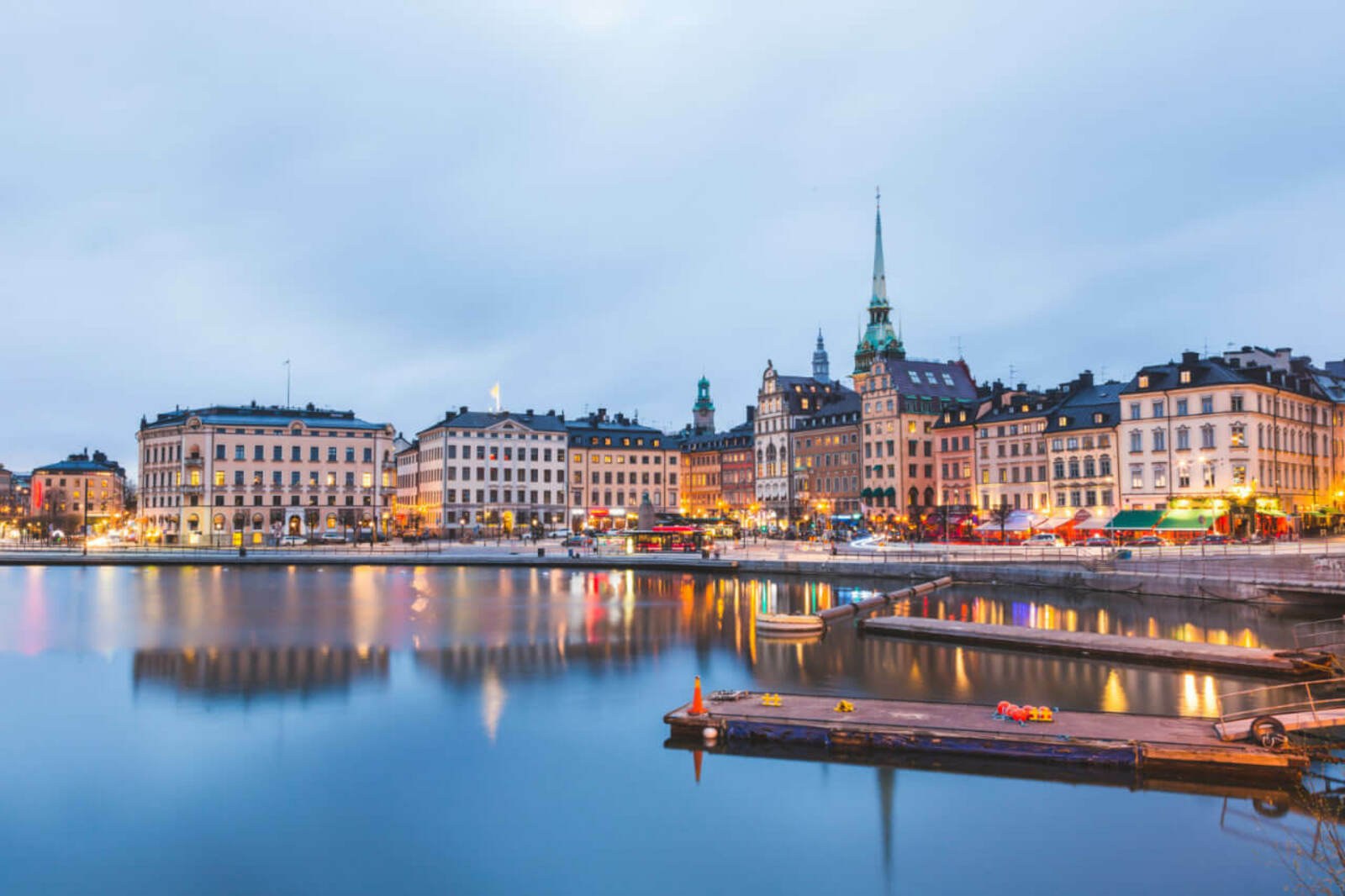
5. Stockholm, Sweden — stands out thanks to its waterways and green areas.
6. Vilnius, Lithuania — attracts visitors with quiet streets and friendly locals.
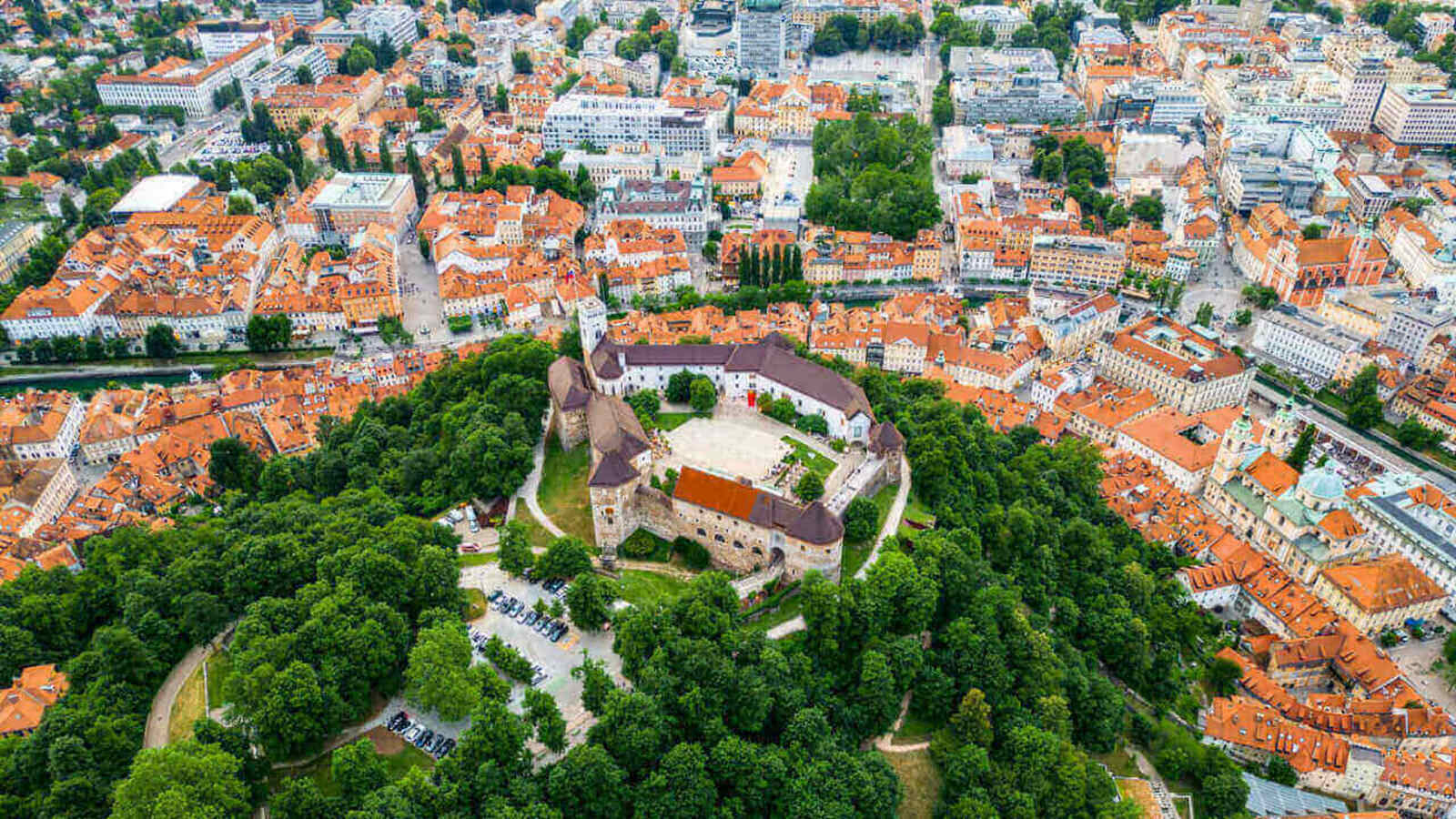
7. Ljubljana, Slovenia — small, welcoming, and wonderfully quiet.
9. Zurich, Switzerland — one of the cleanest and best-organized cities in the world.
Big-city calm is real
All of these cities show that even in a large urban setting you can find pockets of calm and enjoy a real break from city stress. European cities proved their strength in creating conditions for relaxation, taking every spot in the top 10. While New York was named the most stressful city for rest, these destinations offer ideal conditions for travelers looking for peace and quiet.
Source: timeout.com
18.02.2024
What to do
Use the index criteria as your “calm checklist”: clean air, lower noise, fewer traffic bottlenecks, and easy green-space access. A relaxed city break is usually about doing less—but feeling more.
1-day itinerary
Keep it light: pick one cultural stop, add a long walk through quieter streets or green areas, and avoid peak traffic hours to stay in a calm rhythm.
2-day itinerary
With two days, you can slow down further: one day in the city at an easy pace, and a second day with a single, unrushed outing—leaving room for pauses and spontaneous moments.
How to get there
The source text doesn’t provide flight or route specifics, but the same comfort factors apply: the simpler your logistics and the better the infrastructure, the calmer your trip begins.
FAQ: calm cities & stress-free city breaks
What is the “calm cities” index?
It’s a ranking that compares cities using factors that affect how peaceful and relaxing an urban break can feel.
How many cities were assessed?
The study assessed 75 cities.
Which criteria were included?
Air, light, and noise pollution, traffic congestion, sunshine hours, and the happiness and friendliness of locals.
Why is Reykjavik #1?
It ranked highest thanks to clean air, low pollution, and excellent green spaces.
Why is Tallinn so high on the list?
It stood out for its quiet atmosphere and highly efficient infrastructure.
How can I use this ranking for planning?
Treat the criteria as a checklist: cleaner air, less noise, fewer bottlenecks, and more green space usually means a calmer trip.
Do European cities really dominate the top 10?
Yes—according to the text, European cities take all spots in the top 10.
Which cities are good for a weekend?
Compact, walkable cities like Tallinn, Vilnius, or Ljubljana are often great for short, low-stress breaks.
Why was New York called the most stressful city for rest?
The text contrasts New York as the most stressful destination for relaxation, versus the calmer European cities listed.
How do I keep a city trip calm?
Plan fewer stops, avoid rush hours, and build in long walks and pauses—calm usually comes from space in the schedule.
Do sunshine hours matter for wellbeing?
They can—this ranking includes sunshine hours as one of the factors linked to travel comfort and mood.
Does local friendliness really affect the experience?
Yes—the study includes happiness and friendliness of local residents as part of the overall assessment.