
 Enter
Enter




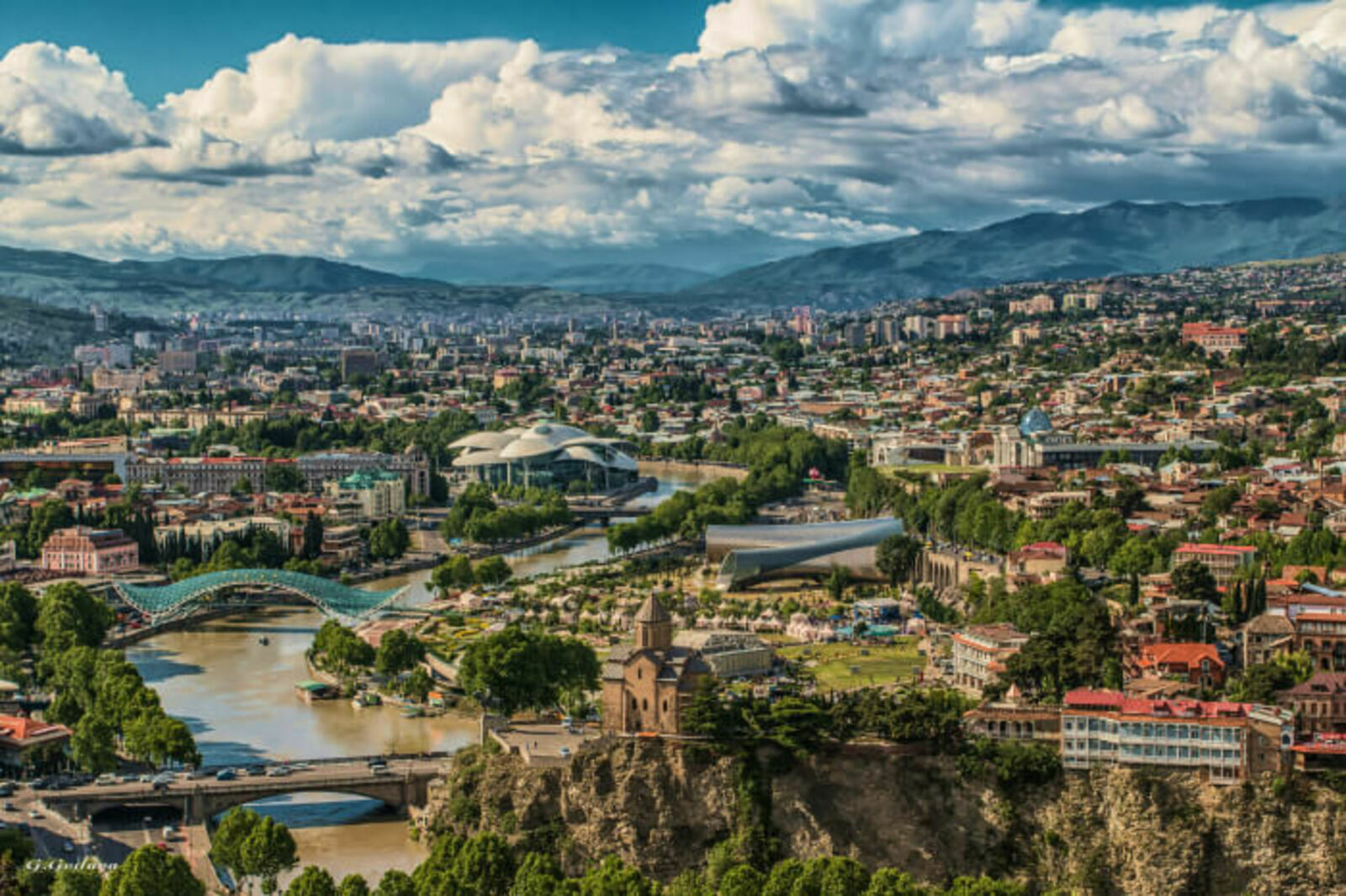
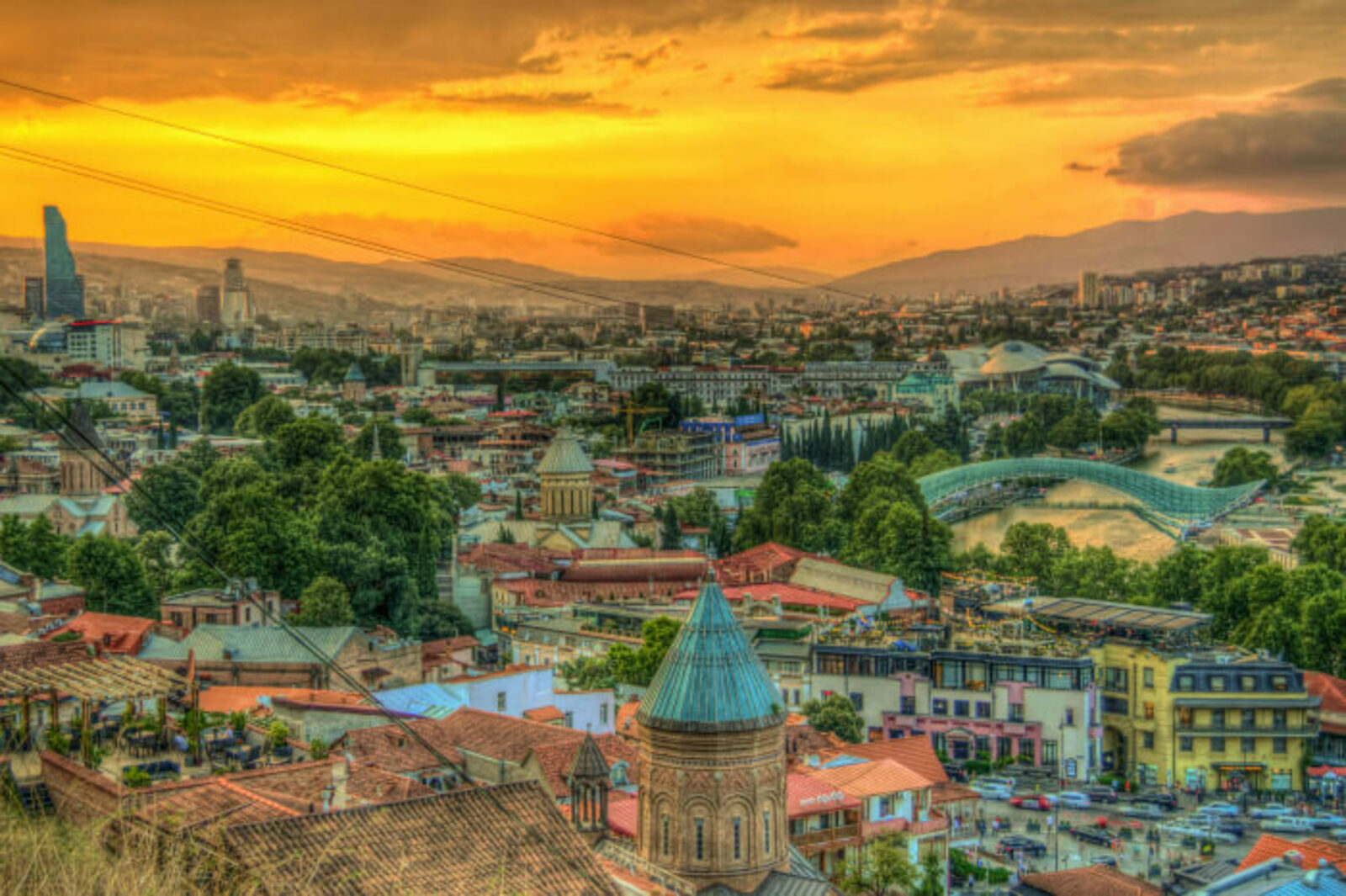
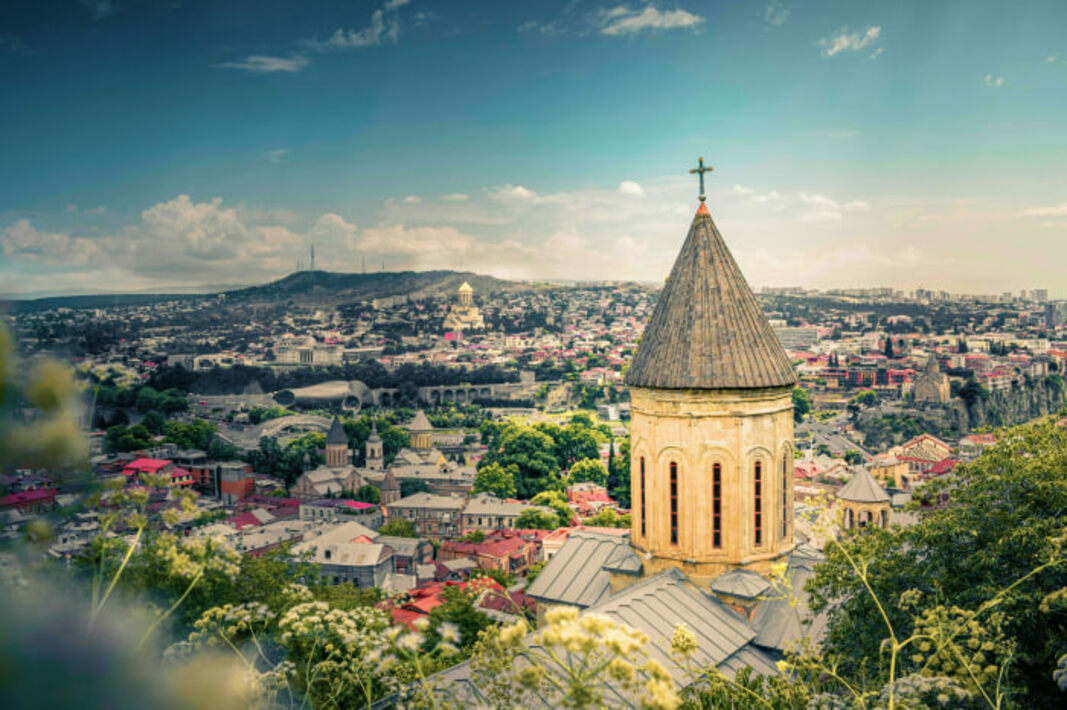

Tbilisi: 10 places you should see at least once in your life
The Old Town, sulfur baths, Peace Bridge and the puppet theatre — a carefully planned route through Tbilisi’s main sights, perfect for your very first acquaintance with Georgia’s capital.
Tbilisi: where to start exploring the city
Tbilisi — what should you see in this magical city where history intertwines with modern life and every corner is wrapped in legends? Where to go first in Tbilisi, a true kaleidoscope of colors, flavors and impressions? Here is a selection of ten places that make up the key attractions of the Georgian capital.
This route combines perfectly with walks around nearby neighborhoods, foodie stops and slow discovery of the city’s atmosphere. Start in the Old Town, then follow the list — this way you will see both ancient churches and modern architectural symbols that define today’s Tbilisi.
Tbilisi in one glance:
1. Old Town (Kala)
2. Narikala Fortress
3. Tbilisi Open-Air Ethnographic Museum
4. National Botanical Garden of Tbilisi
5. Sulfur Baths in Abanotubani
6. Metekhi district and Church of the Virgin Mary
7. Sioni Cathedral
8. Rustaveli Avenue
9. Rezo Gabriadze Marionette Theatre
10. Bridge of Peace
1. Old Town
The capital of Georgia — Tbilisi — was founded in the 5th century and lies at the crossroads of important trade routes between Asia and Europe. No wonder it has absorbed influences from many cultures. The heart of the city, its oldest and most atmospheric part, is the Old Town (locals call it Kala).
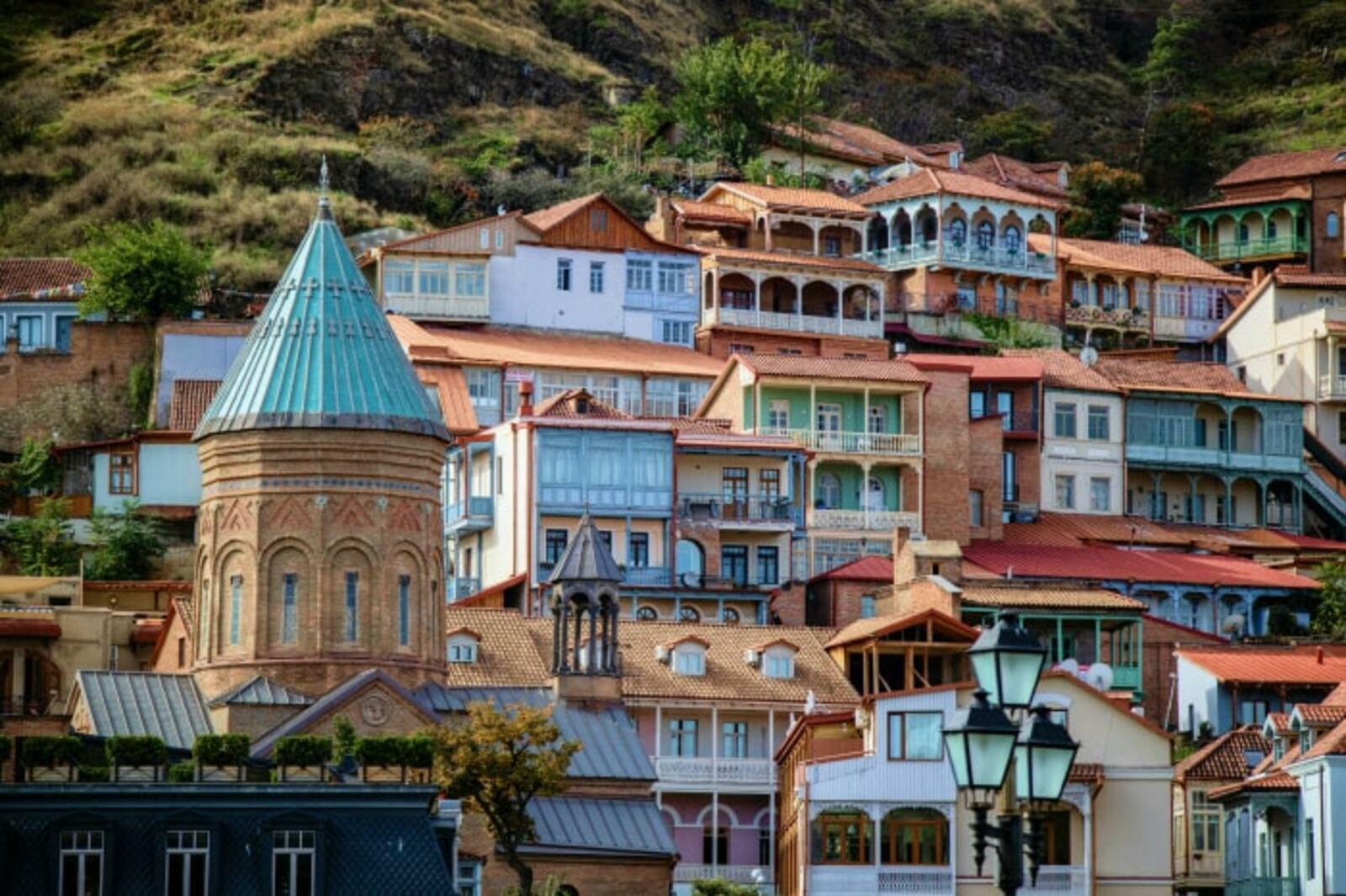
Here, in the south-eastern part of the capital, buildings from the 12th century have been preserved: at that time the city was flourishing and was limited to this area. Main roads still lead here, and many historic sites and attractions of Tbilisi are located within walking distance. The Old Town is divided into upper and lower parts (Zemokala and Kvemokala), connected by a network of narrow cobbled streets, full of unmistakable Georgian charm.
Mountain air and morning mist wrap the old architecture, while the unhurried lifestyle of the locals immerses you in the unique Caucasian atmosphere. You will also find plenty of authentic restaurants and cafés in the Old Town. Be sure to stop by if you’re wondering where to eat well: these cozy, home-like places serve excellent Georgian dishes and welcome guests with genuine warmth and hospitality.
The easiest way to get here is by metro (Liberty Square or Rustaveli stations), or by buses No. 4, 10, 90, 103, 106, 124. A leisurely 20-minute walk around the Old Town will leave you with an unforgettable impression of the Georgian capital. On the way you can see some of the best sights of Tbilisi: Narikala Fortress, Metekhi and Norashen churches, the palace of Queen Darejan “Sachino”, Sioni Cathedral and much more.
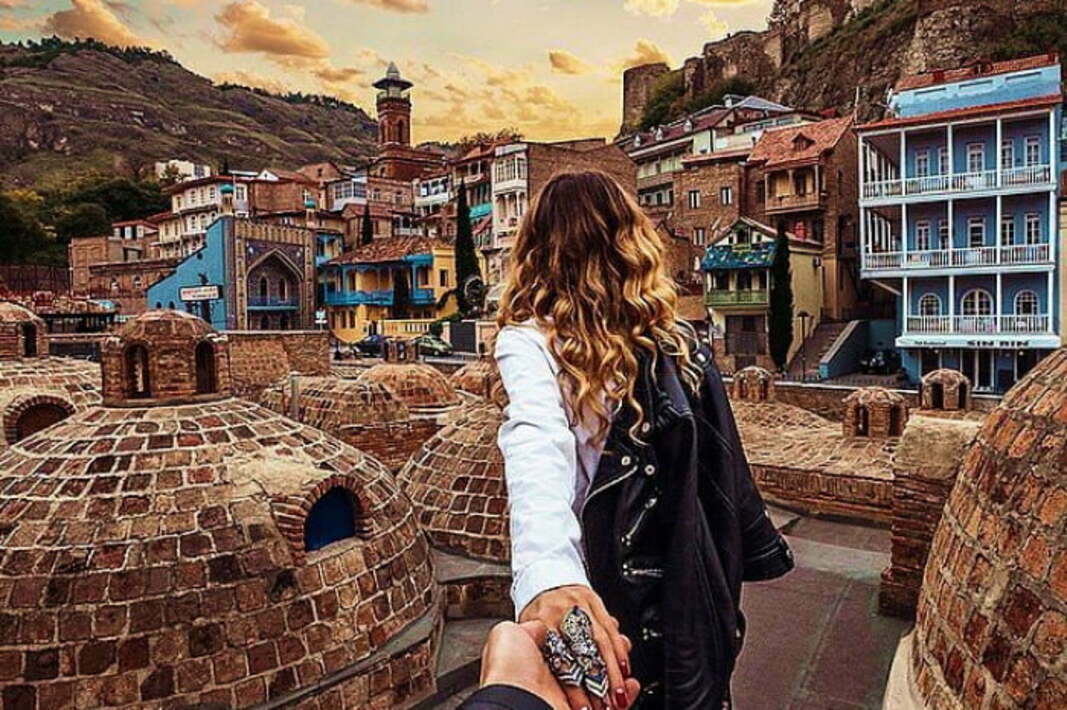
Old Tbilisi is the perfect starting point for your first walk in the city
2. Narikala Fortress
This ancient fortress, built on the rocky bank of the Kura River, has become one of the city’s most recognizable symbols. It was founded in the 4th century and then rebuilt many times up to the 19th century, including by Arabs and Mongols who conquered Georgia at different points in its history. Almost as old as the city itself, Narikala has witnessed all the dramatic events that shaped the country.
Archaeologists are still surprised by the findings unearthed here — excavations and restoration works are ongoing. Narikala, located in the very center of Tbilisi, is open to visitors, but you should be prepared: many paths remain in their “natural” state, so comfortable shoes are a must. You can reach the citadel on foot or take the cable car.
By the way, the cable car itself is often called a separate Tbilisi attraction. From the upper viewing platform all the beauty of the city lies in front of you, and during the ride in the cabin you get a kind of mini sightseeing tour over Tbilisi.
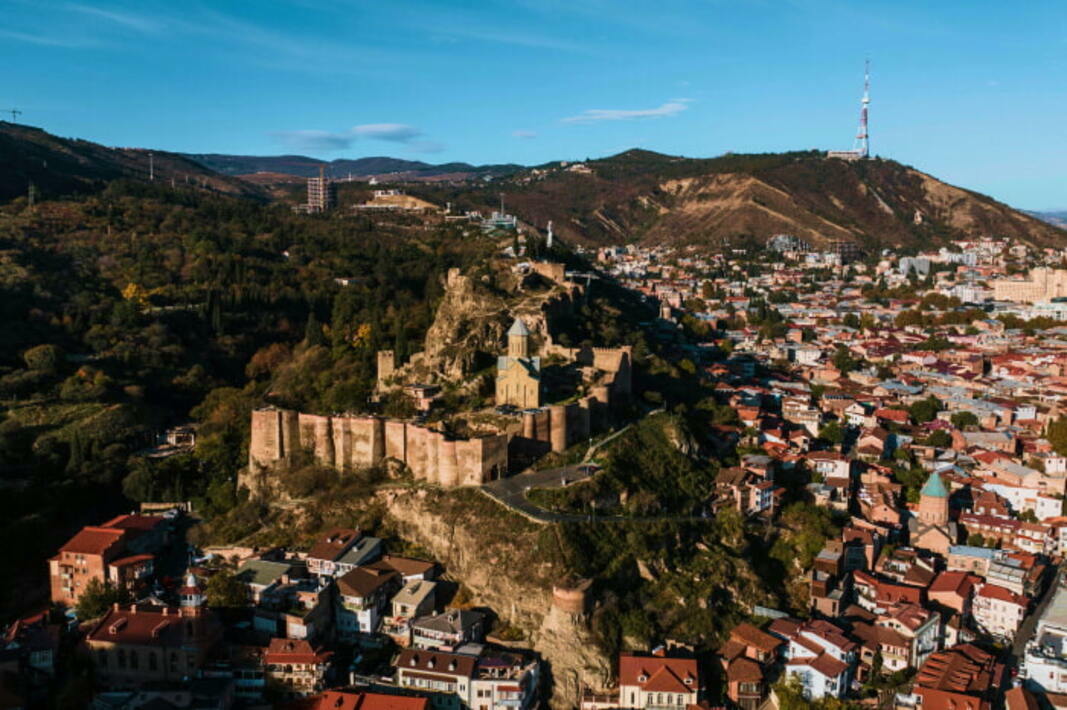
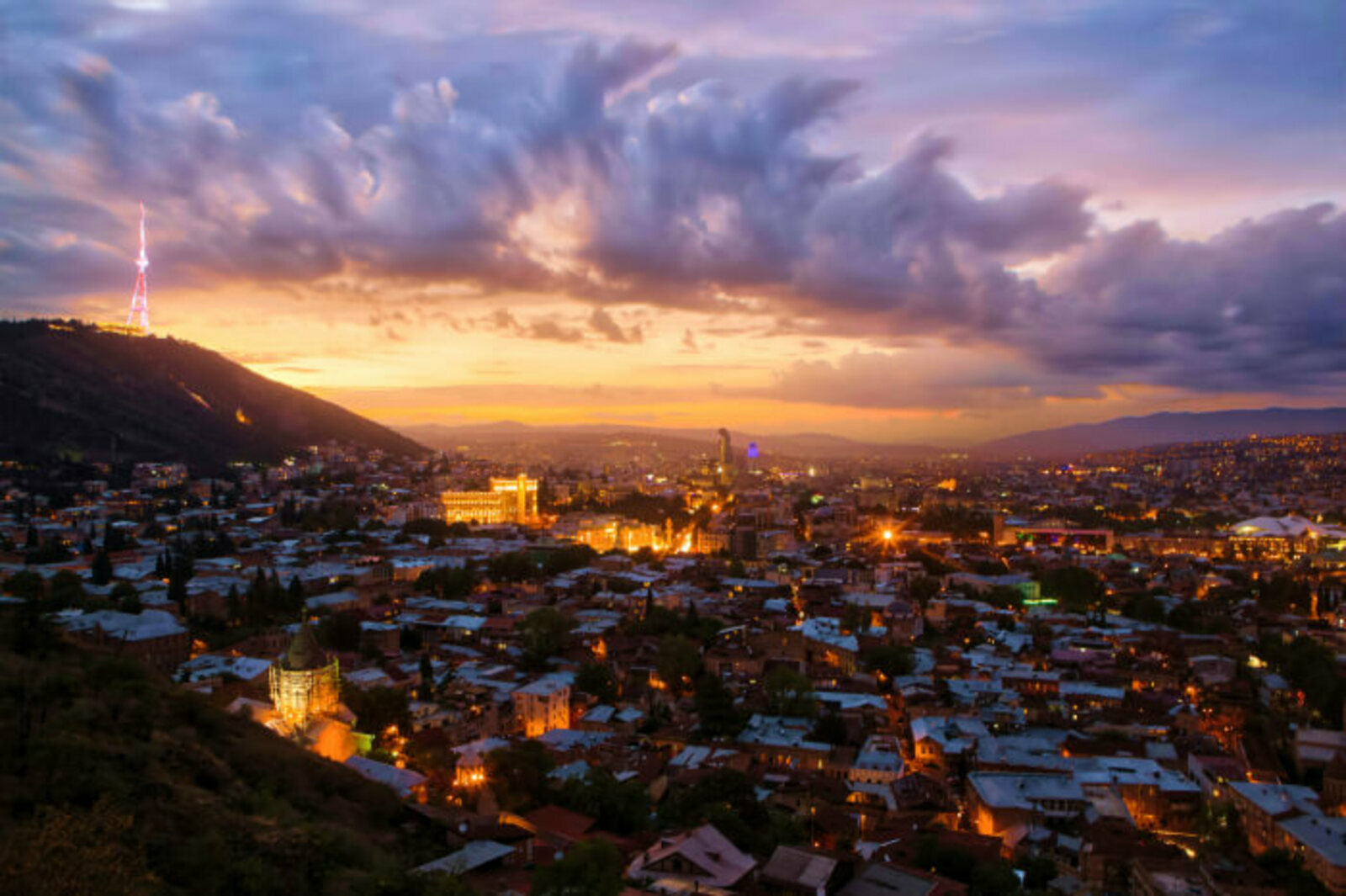
Panoramic views from Narikala are among the most iconic images of Tbilisi
3. Tbilisi Open-Air Ethnographic Museum
On the large territory of Vake Park, near Turtle Lake, you will find the popular Tbilisi Open-Air Ethnographic Museum. Here, under the open sky, traditional houses and farm buildings from different regions of the country have been reconstructed, allowing you to explore the daily life of Georgians in various parts of the country.
If you’re curious about Georgian customs, folk crafts and traditional mountain costumes, this is one of the best places to visit in Tbilisi — especially with children. You can walk through wine cellars, barns, stables, gazebos and living quarters, join wine tastings and buy authentic items, wine and souvenirs to take home.
The museum is generally open from 11:00 to 16:00 (closed on Mondays), and you can get there by bus No. 82 (Vake stop). Opening hours and ticket prices may change with the season and public holidays, so it’s worth checking the latest information before your visit.
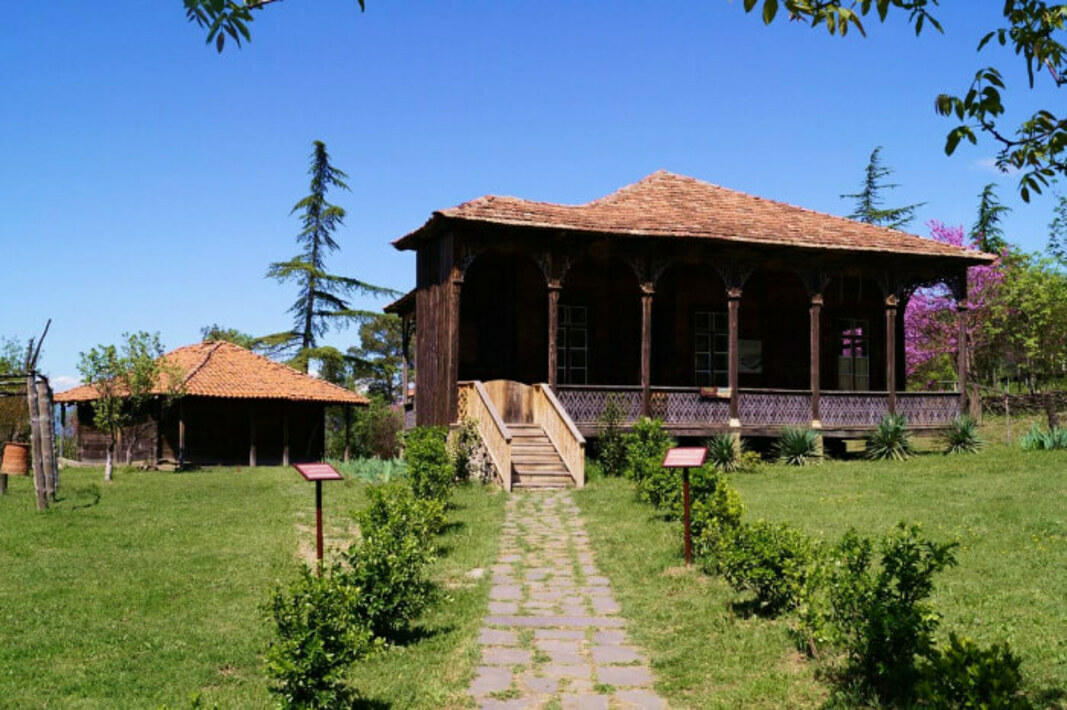
The Ethnographic Museum is like a miniature Georgia gathered in one green open-air space
4. Tbilisi Botanical Garden
Tbilisi’s Botanical Garden attracts not only nature lovers — it is considered one of the most beautiful and romantic places in the city. Thanks to the mild climate, more than 3,500 plant species grow here, and the area with waterfalls and fountains (especially in spring and summer) draws in crowds of visitors.
The landscape design feels very natural and creates the impression of a wild nature reserve, although behind this beauty lies a huge amount of work by landscape designers and biologists. The garden is located in the city center, just behind Narikala Fortress. It is one of Tbilisi’s most Instagram-worthy spots: you can take photos against rocky cliffs and waterfalls, on Queen Tamar’s Bridge, or among flowering shrubs and palm trees.
Viewing platforms offer wide panoramas of the surrounding hills and neighborhoods. The easiest way to reach the Botanical Garden is by taking the cable car from Rike Park to Narikala Fortress, then following the signs. Before visiting, it’s a good idea to check up-to-date opening hours and ticket prices, as they may vary by season.
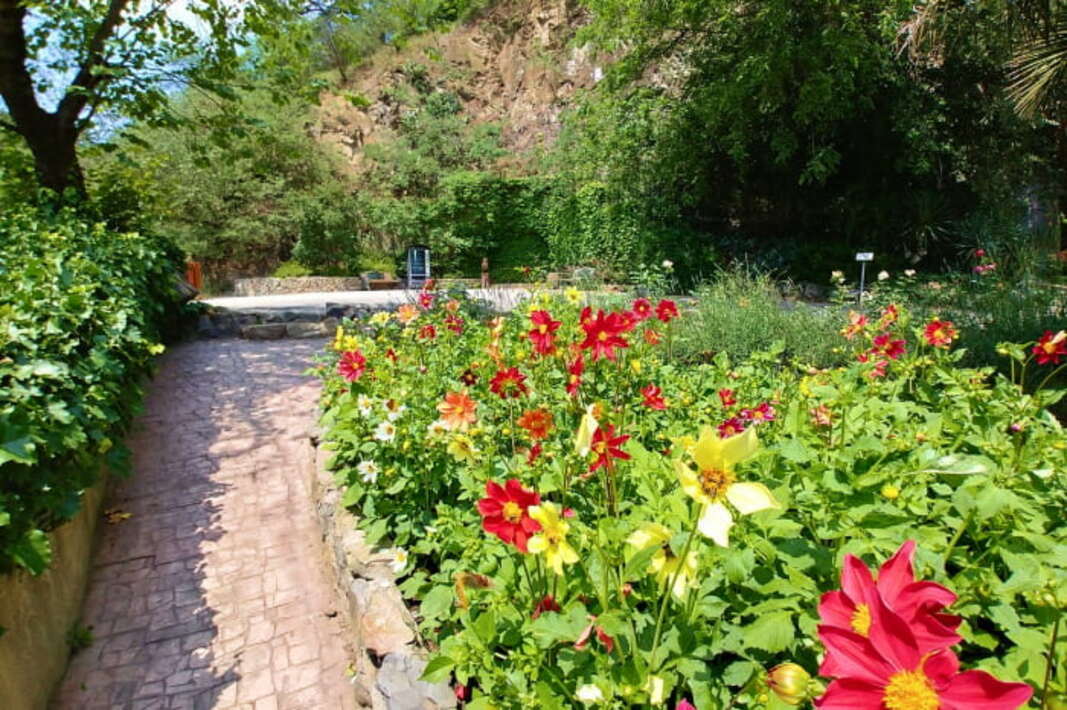
The Botanical Garden is a lush oasis of green and shade in the very heart of Tbilisi
5. Sulfur baths in Abanotubani
This unique complex in Tbilisi’s Old Town is a cluster of bathhouses built directly above natural sulfur hot springs. Archaeologists have discovered here ancient structures from the 1st–2nd centuries, decorated with mosaics and connected by a system of ceramic pipes.
Over the centuries the baths were rebuilt many times and, in addition to their utilitarian role as public bathhouses, became important social spaces — places to talk, relax and do business. Even today these baths, with their distinctive architecture (low oriental-style domes above pools set below ground level), have not lost their practical importance: you can soak in healing hot water, book a massage and truly relax body and mind.
Even if you don’t plan to bathe, Abanotubani is worth a visit for its atmosphere alone — Russian poet Alexander Pushkin once called these baths the most magnificent he had ever seen. The Orbeliani Bathhouse (also known as the “Blue” or “Colorful” bath) is especially beautiful, decorated with blue tiles and minaret-like towers. You can get here by buses No. 31, 44, 50, 55, 71, 80, 102 (Abanotubani stop). Before visiting, check the schedule and services of the bathhouse you choose: many now offer online booking and different types of private rooms.
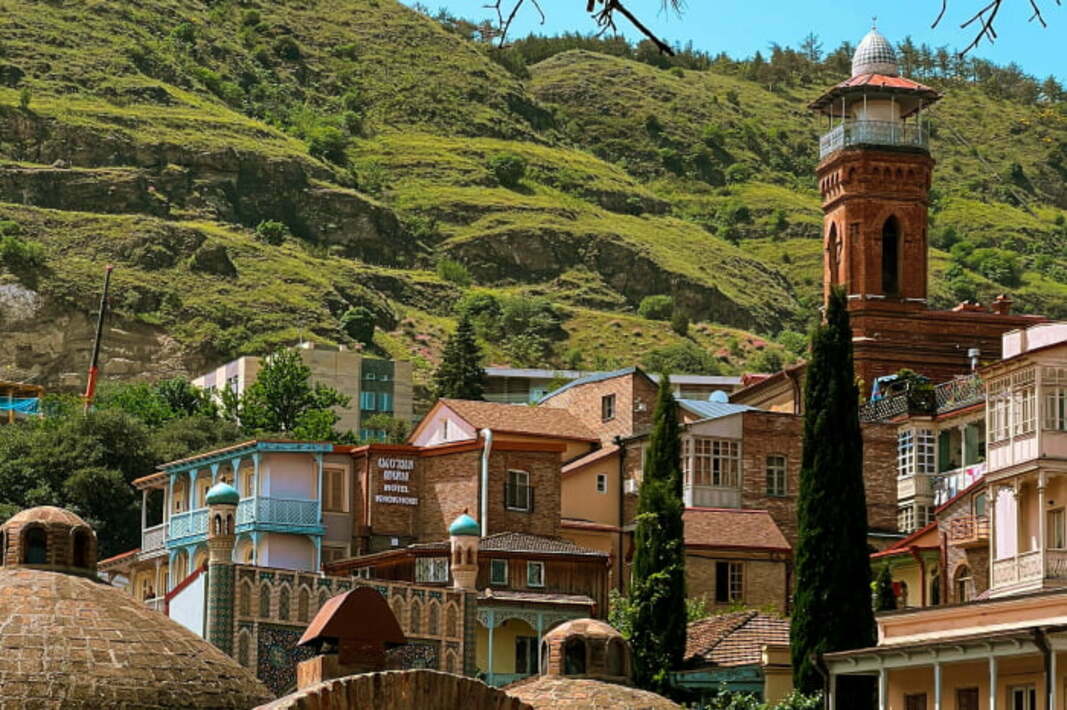
Abanotubani’s sulfur baths — a legendary district that gave Tbilisi its name
6. Metekhi
What should you visit in Tbilisi if you only have 1–2 days? Any sightseeing route will feel incomplete without the ancient Metekhi district, once home to the residence of Georgian kings. According to legend, this is where Saint Abo of Tbilisi, the heavenly patron of the city, was martyred.
The main attraction of Metekhi today is the Church of the Virgin Mary. Its strict, monumental architecture, towering over the river, reflects the proud and steadfast character of the mountain people. The former citadel area has been turned into a pleasant promenade with benches and drinking fountains, while pilgrims can visit the Church of the Virgin Mary — one of three surviving Christian structures in Georgia dating back to the 12th century (admission is free).
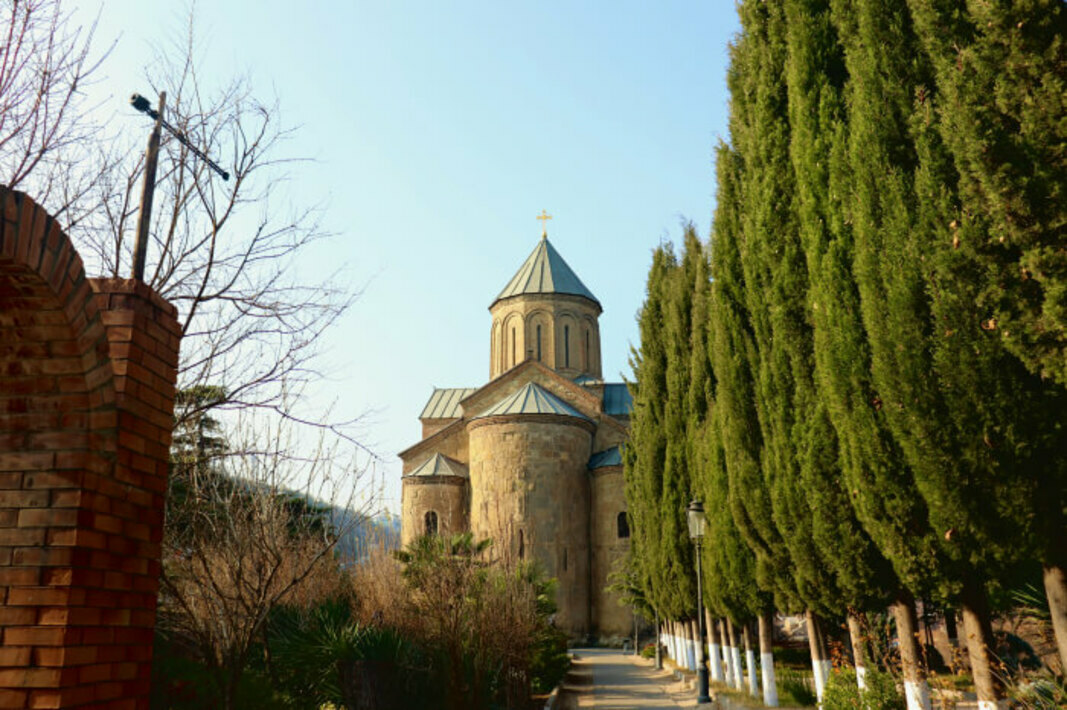
Metekhi is one of the most recognizable silhouettes of Tbilisi
7. Sioni Cathedral
Looking for more free things to do in Tbilisi? Sioni Cathedral, historically the main cathedral of Georgia on the bank of the Kura River, also dates back to the 12th century and is a large Orthodox church from the Georgian “Golden Age”. It is famous for housing the cross of Saint Nino, who brought Christianity to Georgia, as well as some of the country’s most revered icons and religious treasures.
Pilgrimage routes across Georgia’s holy sites almost always include Sioni, as it is not only the residence of the Patriarch of the Georgian Orthodox Church, but also a place rich in history. Architecture and art lovers will appreciate the central-dome layout and the beautiful frescoes inside.
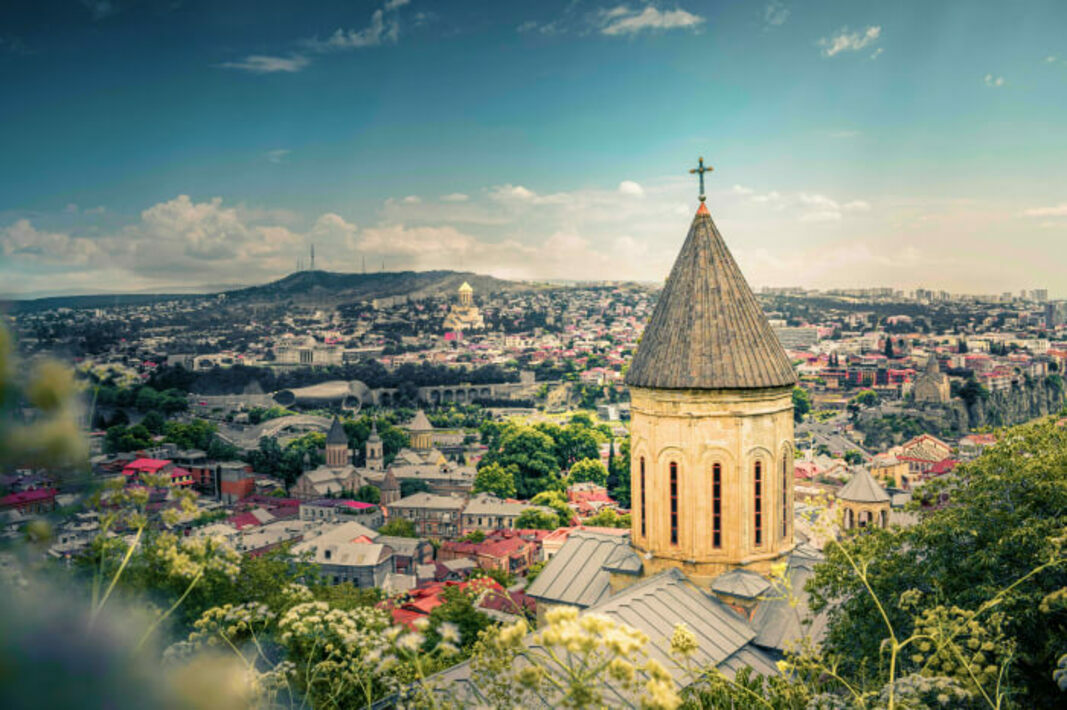
Sioni Cathedral is a key spiritual center of the Georgian capital
8. Rustaveli Avenue
Planning to explore Tbilisi on your own? Start with Rustaveli Avenue. This main artery of the city connects the Old Town with other districts. Under the shade of plane trees both locals and visitors enjoy strolling: there are many cafés and restaurants with Georgian cuisine, souvenir shops, hotels and important public buildings.
A walk along Rustaveli will show you several of Tbilisi’s “top spots”, such as the Parliament building, the Academy of Sciences and the Opera and Ballet Theatre. Starting from Liberty Square, you can visit the National Museum and art galleries, and on the way stop at a “Borjomi” store to taste the famous mineral water straight from the mountains — with a distinct flavor and lots of health benefits.
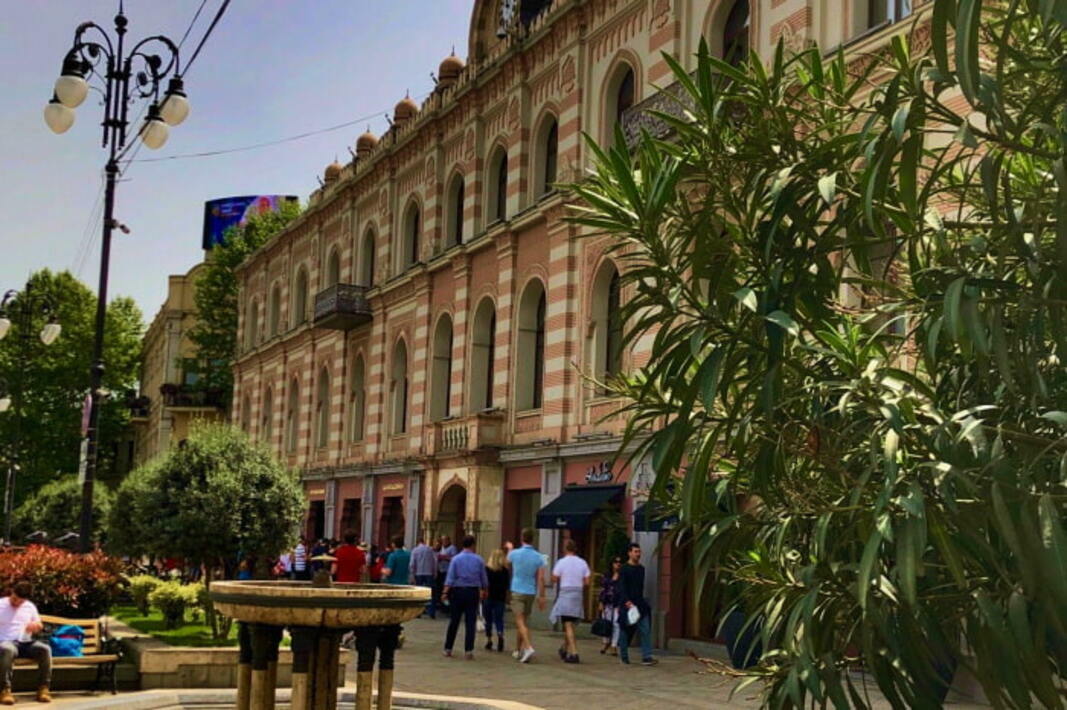
Rustaveli Avenue is the cultural and business heart of Tbilisi
9. Tbilisi Marionette Theatre by Rezo Gabriadze
Wondering what to visit in Tbilisi with kids? Don’t miss the fairy-tale building with a “crooked” tower on Shavteli Street (No. 26). In the heart of the Old Town you will find the magical world of “living” puppets created by Georgian playwright and artist Rezo Gabriadze.
The shows are touching and poetic, and short free puppet scenes that appear daily in the tower window keep the sense of wonder alive. If you arrive at 12:00 or 19:00, the shutters open and you will see a 15-minute performance called “The Circle of Life”. For evening performances inside the theatre, it is better to book tickets in advance — the hall is small and performances are often sold out.
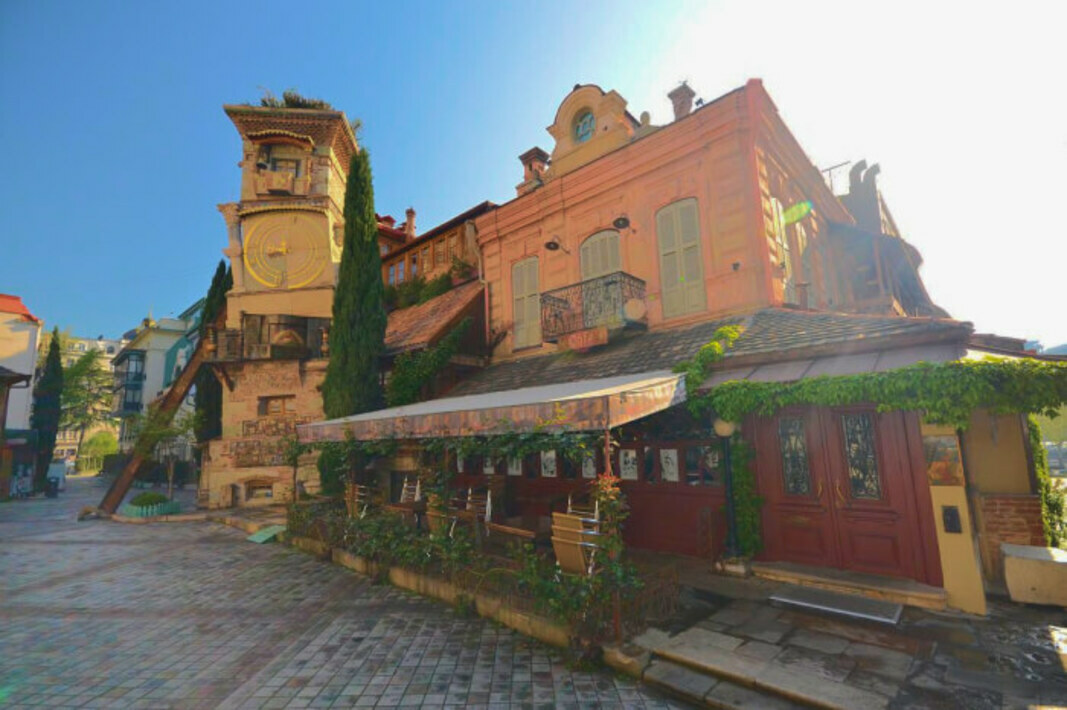
The Rezo Gabriadze Marionette Theatre is one of the most whimsical and photogenic corners of Tbilisi
10. Bridge of Peace
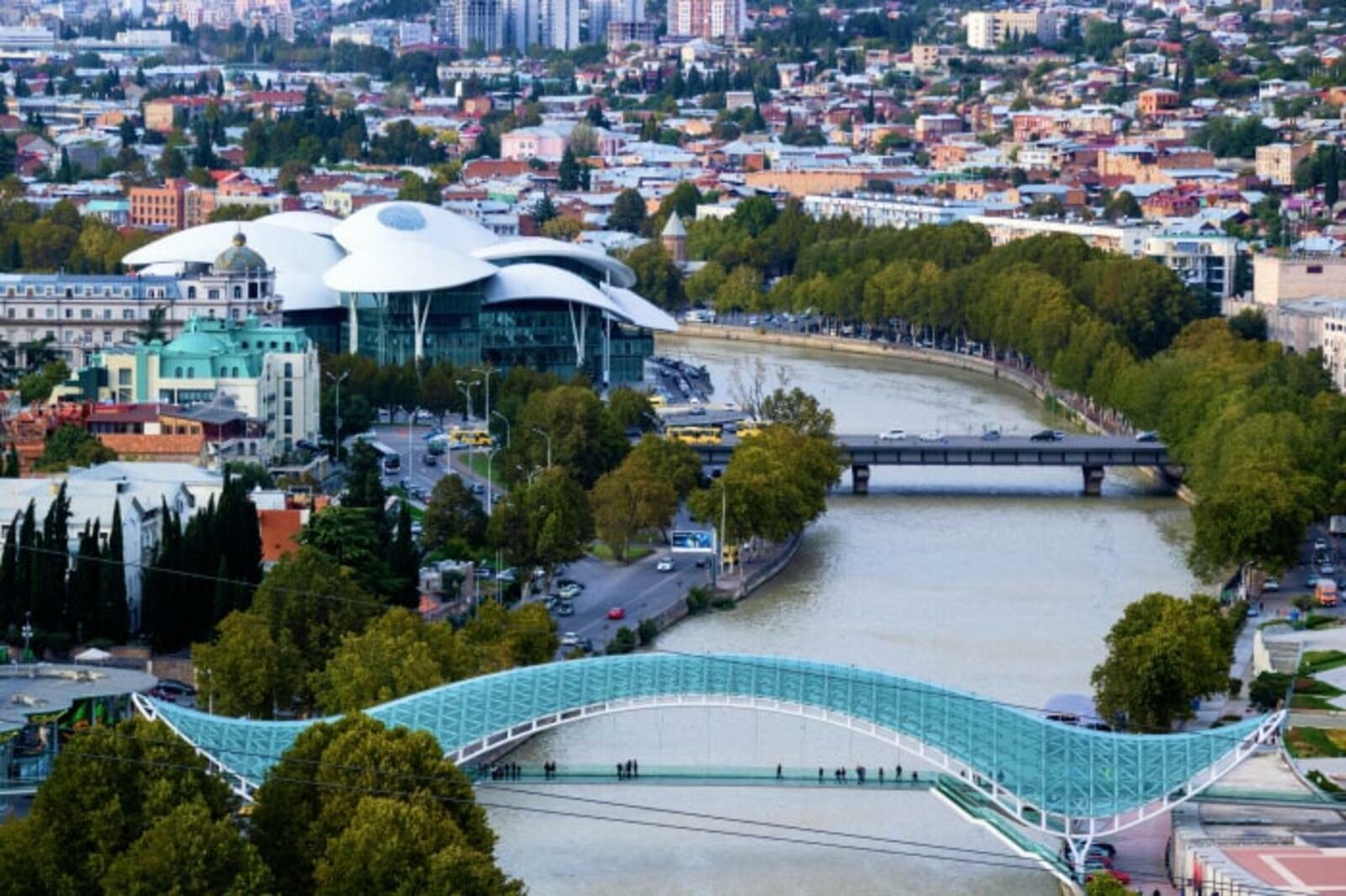
This striking piece of contemporary architecture — a glass pedestrian bridge over the Mtkvari River — is now an integral part of Tbilisi’s skyline. According to the city map, it links the Old Town with the ultra-modern Rike Park, symbolizing the connection between Georgia’s past and present.
Photo lovers who are always hunting for unusual angles will enjoy shooting panoramic views both from the Bridge of Peace and with the bridge itself in the frame — especially when the lights come on at night. A walk over the river along this high-tech structure with interactive lighting and a selfie with the city in the background are things you simply have to do in Tbilisi.
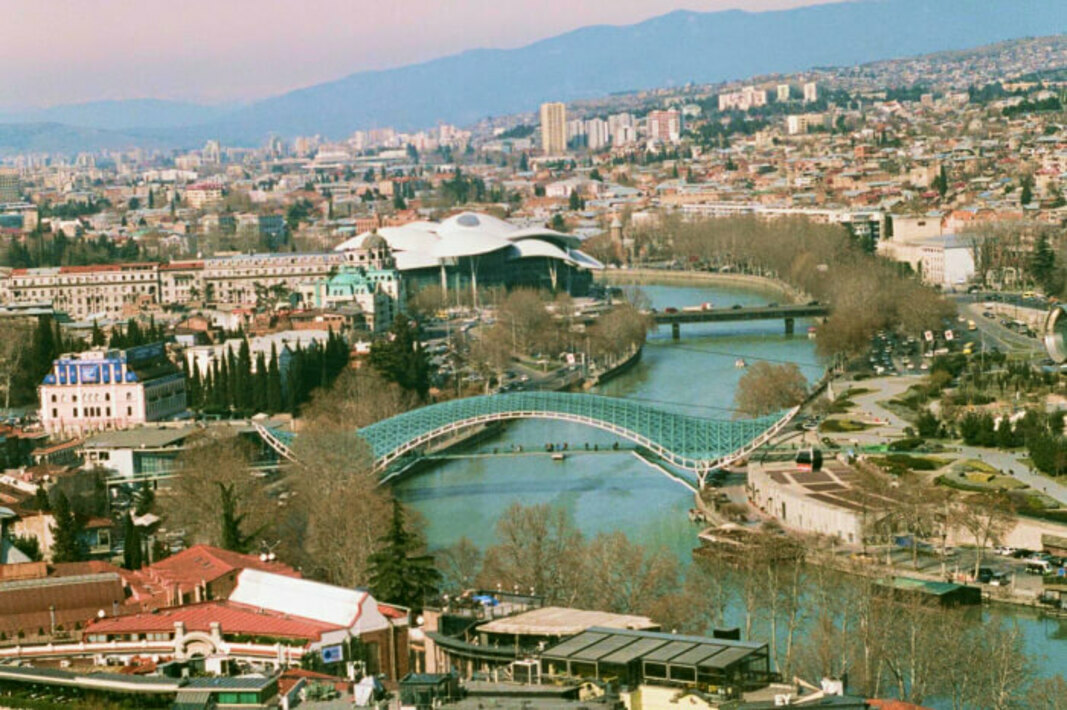
The Bridge of Peace is a modern symbol of Tbilisi and a perfect spot for an evening stroll
Things to do in Tbilisi beyond the top 10
The ten places in our main list are just the backbone of your route. Tbilisi offers something for everyone: history buffs, architecture lovers, foodies and photographers alike.
• Drop into wine bars in the Old Town to taste Kakhetian and Imeretian wines, accompanied by churchkhela and other traditional sweets.
• Wander around the Sololaki and Avlabari districts: old balconies, inner courtyards and street art sit side by side with trendy cafés, galleries and designer boutiques.
• Try khinkali, khachapuri and pkhali in family-run restaurants, then finish with specialty coffee and dessert in a modern coffee shop.
• Browse the Dry Bridge flea market for antiques and art, and buy ceramics, textiles, enamel works, spices, wine and local artworks — ideal souvenirs to bring back from Tbilisi.
1-day itinerary in Tbilisi
Only have one day? Focus on the most vivid impressions:
• Morning: explore the Old Town and Metekhi district, visit Sioni Cathedral and several viewpoints over the Kura River.
• Midday: take the cable car up to Narikala Fortress, walk through the Botanical Garden and stop for photos at the waterfall.
• Afternoon: visit the sulfur baths area of Abanotubani (either for a soak or just a walk), then enjoy coffee and dessert at one of the Old Town cafés.
• Evening: stroll along Rustaveli Avenue and end the day at the Bridge of Peace and Rike Park, watching the city lights come on.
2-day itinerary in Tbilisi
If you have two full days, structure your route so you can cover both the classics and some lesser-known areas.
• Day 1: Old Town, Metekhi, Sioni Cathedral, Narikala Fortress, Botanical Garden, sulfur baths and Bridge of Peace in the evening.
• Day 2: Ethnographic Museum and Vake Park with Turtle Lake, then Rustaveli Avenue with museums, galleries, the Opera and Ballet Theatre and cozy cafés.
Add the Rezo Gabriadze Marionette Theatre (time your visit for the clock-tower show) and finish with a dinner at a viewpoint restaurant overlooking the city — a perfect ending to your trip.
How to get to Tbilisi and get around the city
• By plane: the main gateway is Tbilisi International Airport. From there you can reach the city center by taxi, private transfer, bus or car-sharing/taxi apps.
• By train and bus: Tbilisi has rail links with major cities in Georgia and neighboring countries, and intercity buses operate as well. Within the city, the metro, municipal buses and taxi services are the most convenient ways to get around.
• Getting around the center: many of the sights described in this guide are within walking distance of each other. The most comfortable option is to combine walking with short metro or taxi rides, especially in the evening or when going up steep hills.
Current schedules, fares and route maps are best checked in online maps and official transport apps — they help you navigate in real time and choose the most convenient option.
Why it’s worth seeing Tbilisi with your own eyes
The ten places in our list are only a small part of what beautiful Tbilisi can offer. In this city, everyone finds something special: history lovers — ancient artifacts, architecture fans — elegant buildings, foodies — delicious cuisine, and photographers — picture-perfect views.
Reading about the charms of Georgia’s capital is inspiring, but seeing them with your own eyes is so much better. Book your tour to Tbilisi , walk through the city’s most beautiful places and dive into its one-of-a-kind atmosphere!
Frequently asked questions about visiting Tbilisi
Here are answers to the most common questions from travelers: when to come, how many days to stay, how to get around and what to pack.
When is the best time to visit Tbilisi?
Spring (April–May) and autumn (September–October) are the most comfortable: mild temperatures, lots of greenery and ideal weather for long walks around the city.
How many days do I need in Tbilisi?
For a first visit, 2–3 days are usually enough to see the main sights. If you’d like to add museums and day trips to nearby regions, plan for 4–5 days.
Is Tbilisi safe at night?
Central and tourist areas are generally considered safe, but as in any big city you should follow basic precautions: keep valuables close, avoid poorly lit, deserted streets and use licensed taxis or trusted apps.
Do I need a visa to enter Georgia?
Many nationalities can enter Georgia visa-free, but rules change over time. Always check the latest visa requirements on official government or embassy websites before your trip.
Which area is best to stay in Tbilisi?
For a first-time visit, the Old Town, Rustaveli Avenue and Avlabari are convenient bases — you’ll be close to many sights and have easy access to public transport.
Is eating out in Tbilisi expensive?
There are options for every budget: simple bakeries and canteens, mid-range cafés and fine-dining restaurants. On average, you can enjoy a good dinner at a reasonable price, especially if you go a bit away from the most touristy streets.
What currency is used in Tbilisi and how can I pay?
The local currency is the Georgian lari (GEL). Cards are widely accepted in shops and restaurants, but cash is useful for markets, small local stores and some types of transport.
Is tap water safe to drink in Tbilisi?
Many locals drink tap water, but visitors are often advised to choose bottled water, especially if you have a sensitive stomach or are not used to changes in water and diet.
Do I need to rent a car in Tbilisi?
To explore the city itself, walking, metro and taxis are usually enough. Renting a car makes sense if you want to travel extensively around Georgia — to Kakheti, Kazbegi, Borjomi and other regions.
Is Tbilisi a good destination for families with children?
Yes, Tbilisi works well for family trips: there are parks, viewpoints, cable cars and the Marionette Theatre. Just plan enough breaks for rest — the city is quite hilly and days of sightseeing can be physically demanding.
What should I pack for a trip to Tbilisi?
Bring comfortable walking shoes for cobblestones and hills, a scarf or shawl for visiting churches, sunglasses, sunscreen and, if needed, a travel adapter for the power outlets.
Is tipping expected in cafés and restaurants?
In many places a service charge is already included in the bill. If it is not included and you enjoyed the service, leaving around 5–10% as a tip is common.
What souvenirs are worth bringing home from Tbilisi?
Popular souvenirs include Georgian wine, churchkhela, spices, tea, ceramics, enamel jewelry, textiles and artworks created by local artists.
Can I combine Tbilisi with other regions of Georgia in one trip?
Absolutely. Tbilisi is a great base for day and overnight trips to Mtskheta, Kakheti (wine region), Kazbegi, Borjomi and many other popular destinations across Georgia.