 Enter
Enter





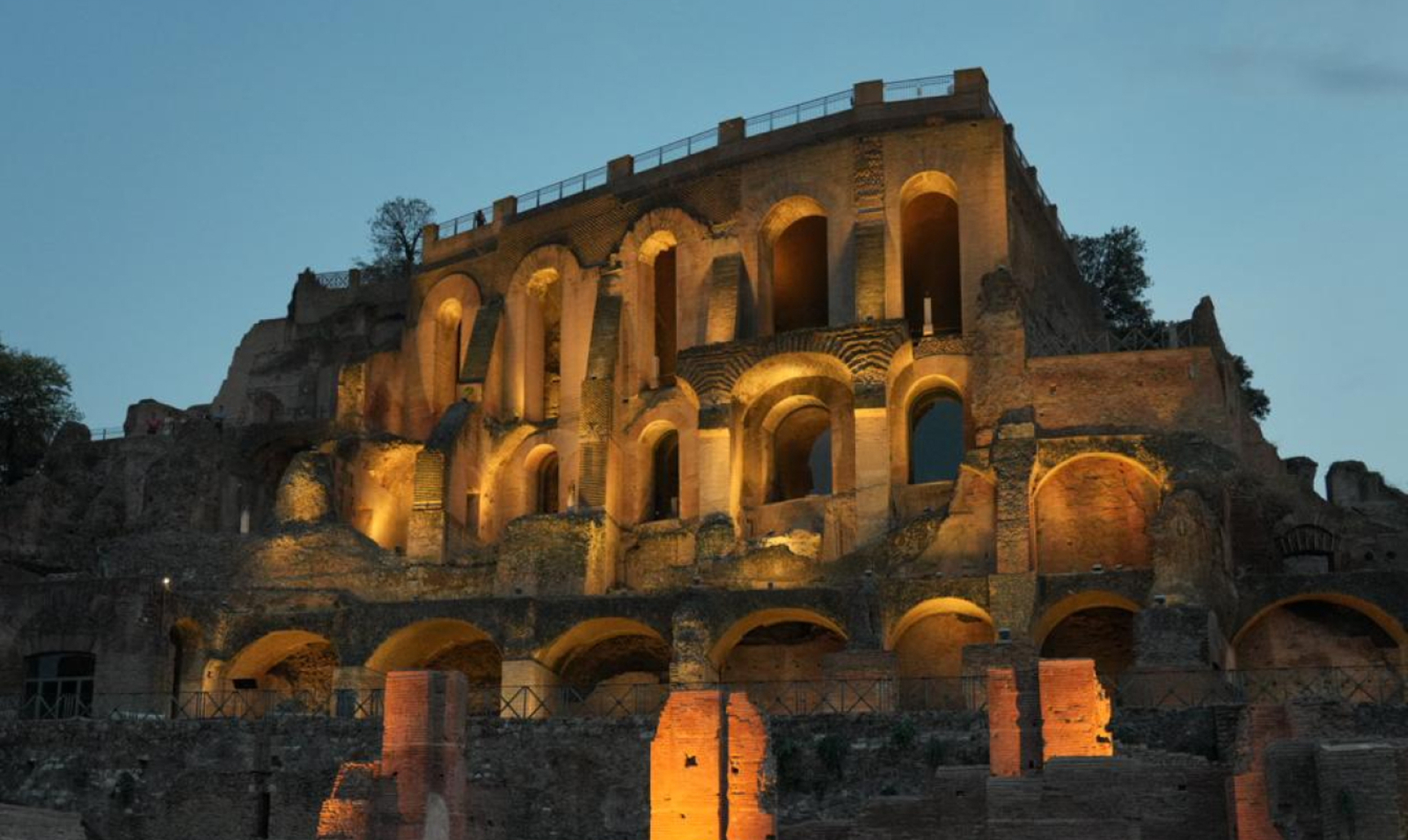
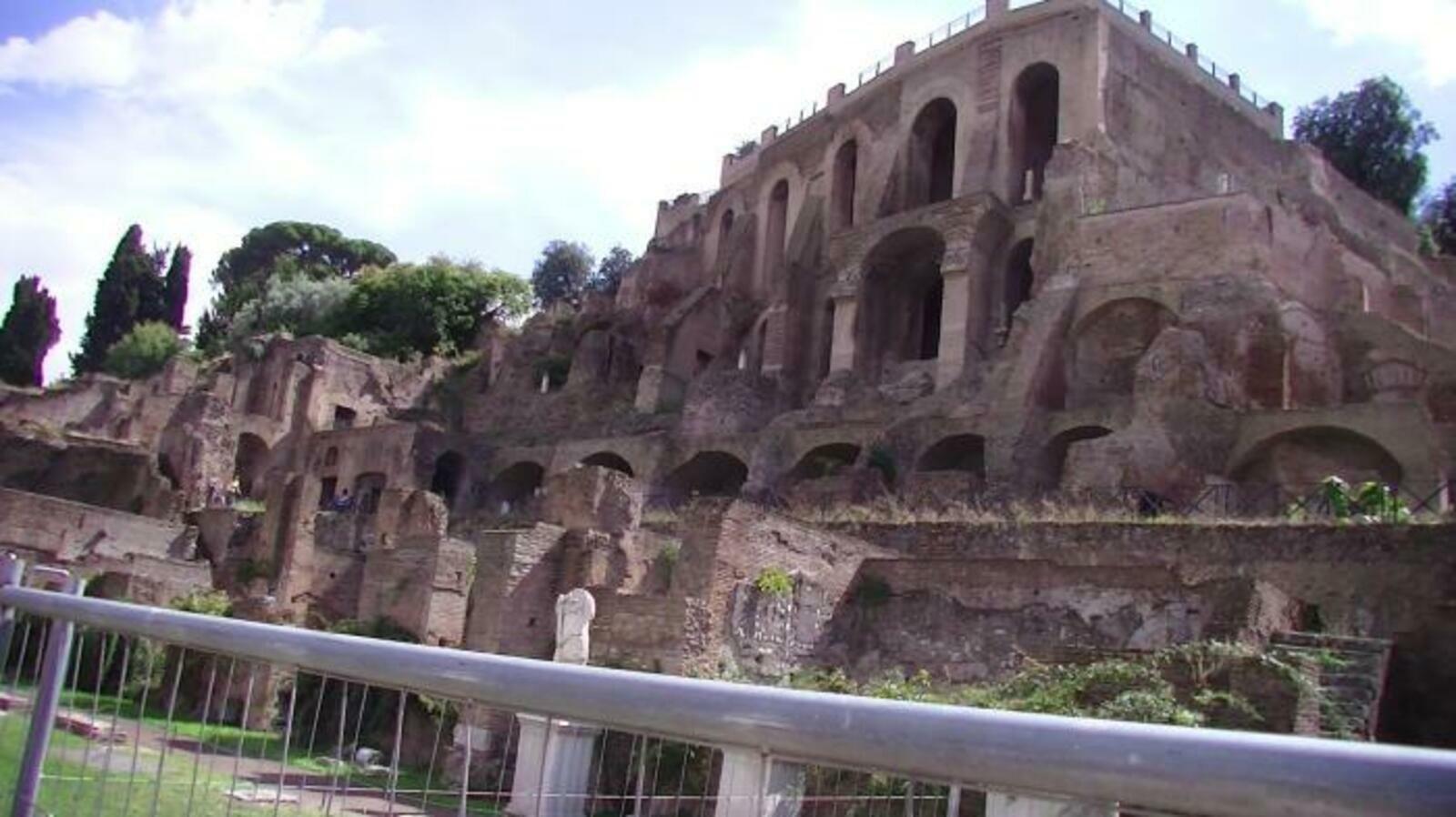
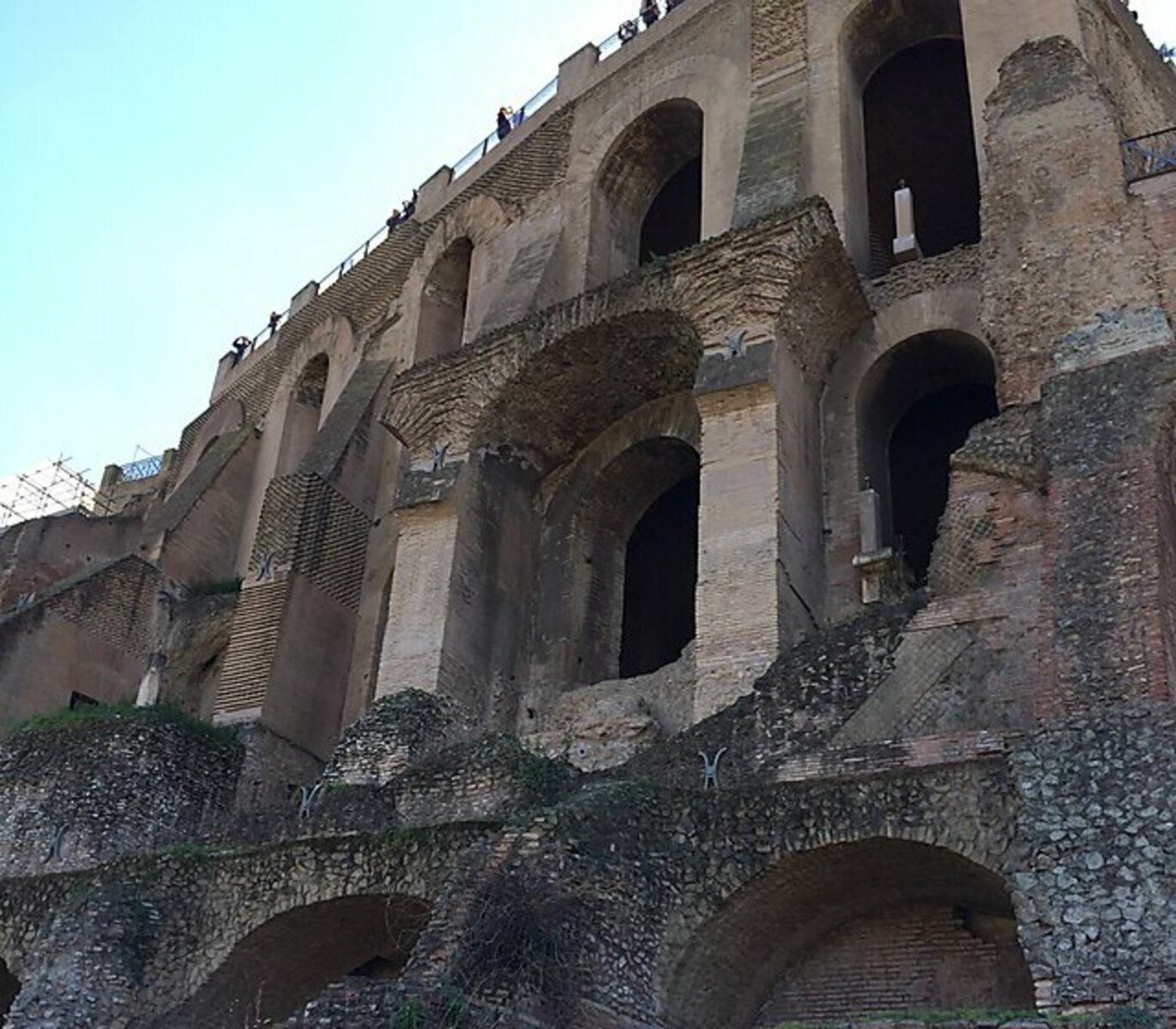

On September 21, 2023, Rome reopened the Palace of Tiberius, a 2,000-year-old site. After restoration, the residence of Roman Empire rulers became available for visits. The palace began construction in Nero’s era after the great fire in 64 AD. After the fall of the empire, it remained abandoned until the Farnese family created gardens there in the 1500s. This first imperial palace includes gardens, cult (religious) structures, the guard’s area, and service quarters overlooking the Roman Forum. Inside, hundreds of artifacts were found: metal and glass objects, statues, and ancient coins. The site is now accessible to tourists from 9:00 to 18:00.
The Palace of Tiberius reopened in Rome on September 21, 2023; the site is about 2,000 years old.
The residence of Roman Empire rulers is now open to visitors after restoration.
Construction began in Nero’s era after the great fire in 64 AD.
After the empire fell, the palace was abandoned until the Farnese gardens were created in the 1500s.
Hundreds of artifacts were found inside: metal and glass objects, statues, and ancient coins.
Visiting hours mentioned in the text: 9:00–18:00.
From Nero’s era to the Farnese gardens
The palace began construction in Nero’s era after the great fire in 64 AD. After the fall of the empire, it remained abandoned until the Farnese family created gardens there in the 1500s.
Gardens, sacred spaces, and views over the Roman Forum
This first imperial palace includes gardens, cult (religious) structures, the guard’s area, and service quarters overlooking the Roman Forum.
Inside, hundreds of artifacts were found: metal and glass objects, statues, and ancient coins.
Visiting hours
The site is accessible to tourists from 9:00 to 18:00.
What to do
Plan your visit within the stated hours (9:00–18:00) to explore the gardens, sacred structures, and service quarters overlooking the Roman Forum.
Follow the site’s timeline from the start of construction after the 64 AD fire, through abandonment after the empire’s fall, to the Farnese gardens in the 1500s.
If you love archaeology, look out for the finds mentioned in the text: metal and glass objects, statues, and ancient coins.
1-day itinerary
Start your day with a visit to the Palace of Tiberius during the stated opening hours (9:00–18:00). Take time to see the gardens, cult (religious) structures, the guard’s area, and service quarters with views over the Roman Forum. Inside, focus on the artifacts mentioned: metal and glass objects, statues, and ancient coins.
2-day itinerary
Day 1: visit the Palace of Tiberius (9:00–18:00), explore the gardens, sacred structures, the guard’s area, and service quarters overlooking the Roman Forum, then take time for the artifacts: metal and glass objects, statues, and ancient coins.
Day 2: revisit the broader story described in the text—construction began in Nero’s era after the 64 AD fire, and after the empire fell, the site stayed abandoned until the Farnese gardens were created in the 1500s.
How to get there
The source text does not provide transport or flight details. For planning, note that the location is Rome, and the visit is possible within the stated hours (9:00–18:00).
FAQ: The Palace of Tiberius in Rome
When did the Palace of Tiberius reopen to visitors?
The text states it reopened on September 21, 2023.
How old is the palace?
It is described as being about 2,000 years old.
What are the opening hours mentioned?
The site is accessible from 9:00 to 18:00.
When did construction begin?
According to the text, it began in Nero’s era after the fire of 64 AD.
What happened after the fall of the empire?
The palace remained abandoned until the Farnese gardens were created in the 1500s.
Who created the gardens in the 1500s?
The text mentions the Farnese family.
What does the complex include?
It includes gardens, cult (religious) structures, the guard’s area, and service quarters.
What views are highlighted?
The service quarters overlook the Roman Forum.
What artifacts were found inside?
Metal and glass objects, statues, and ancient coins are mentioned.
More details in the original source: ROYAL SKY article .