 Enter
Enter



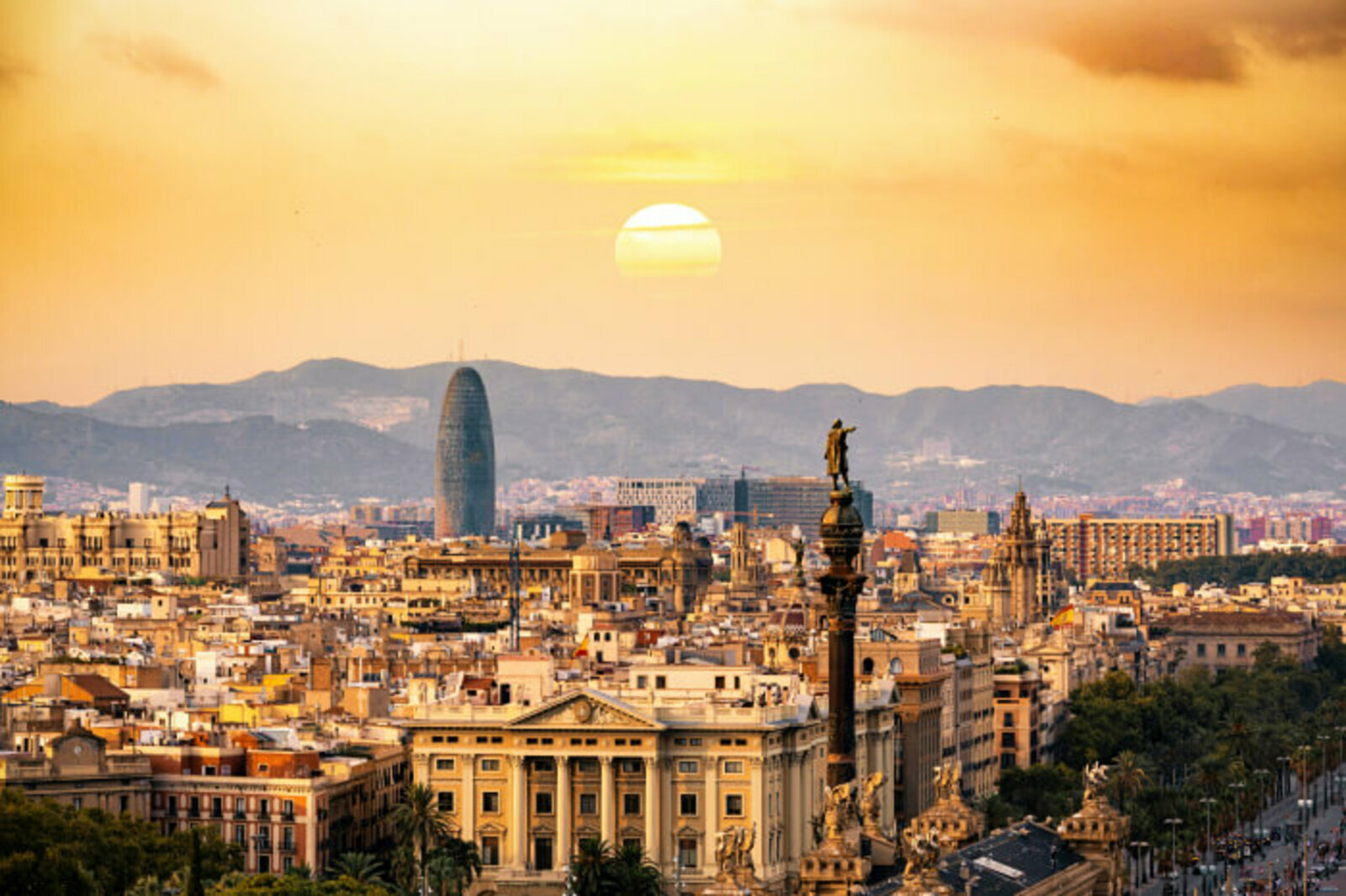
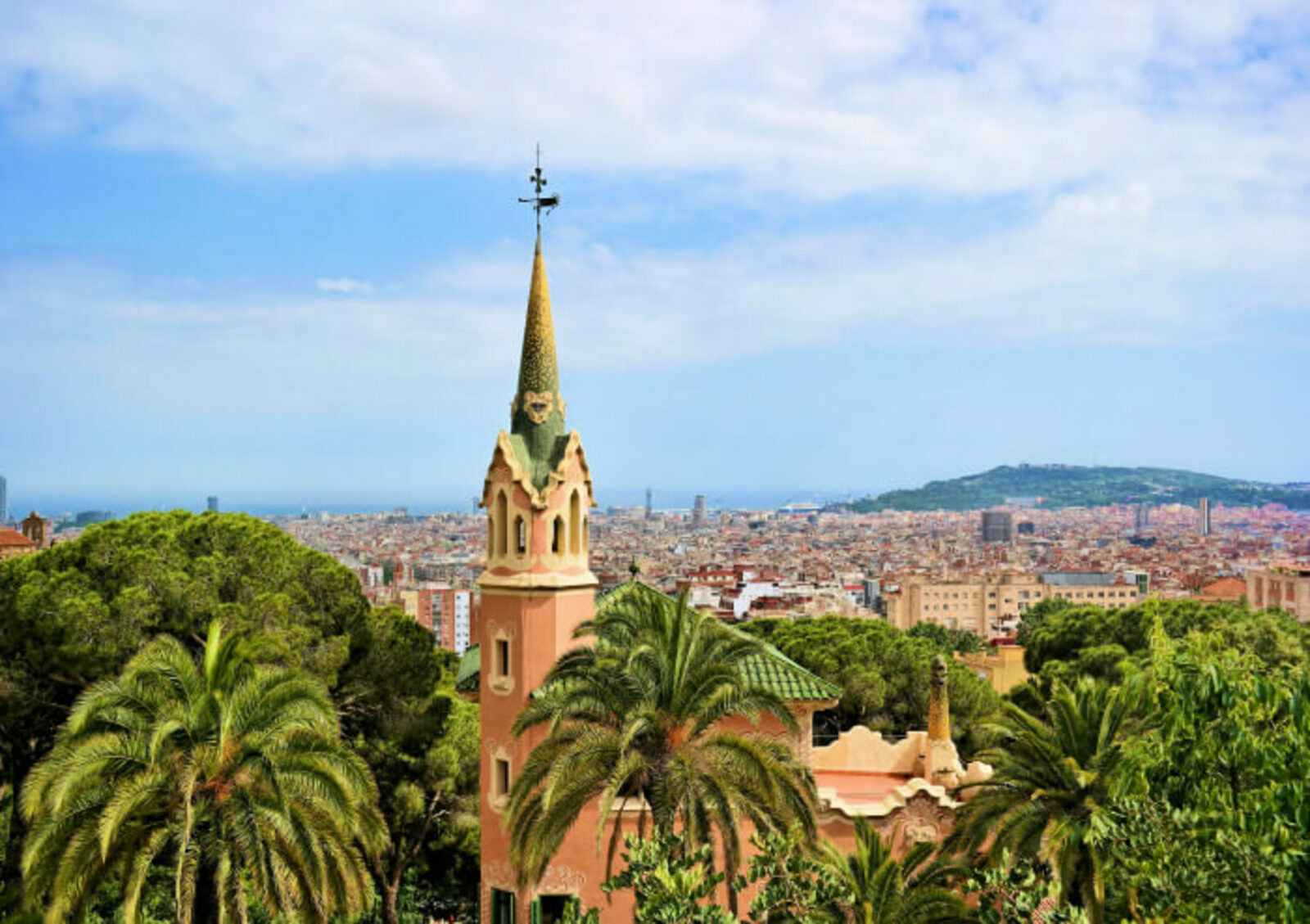
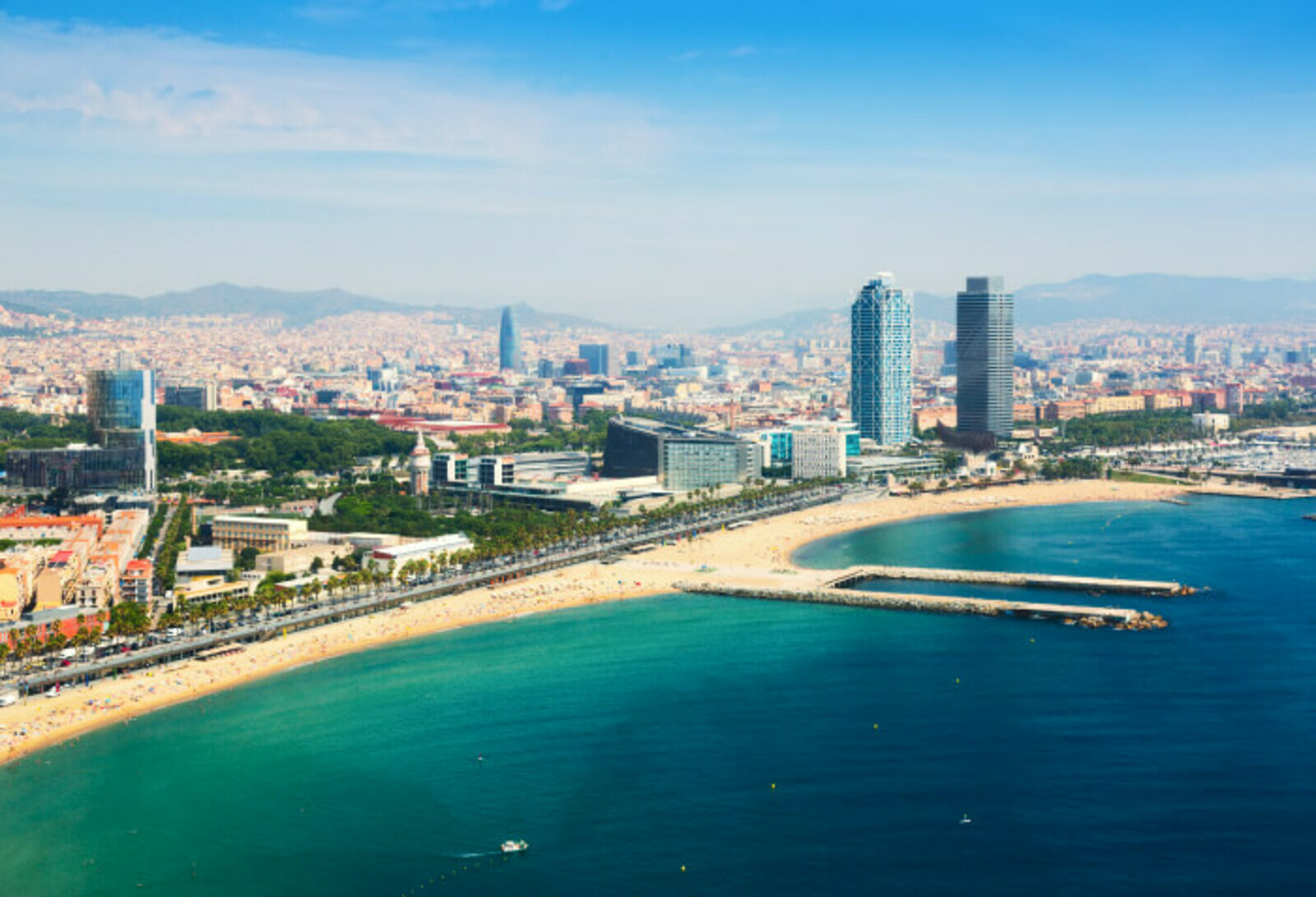
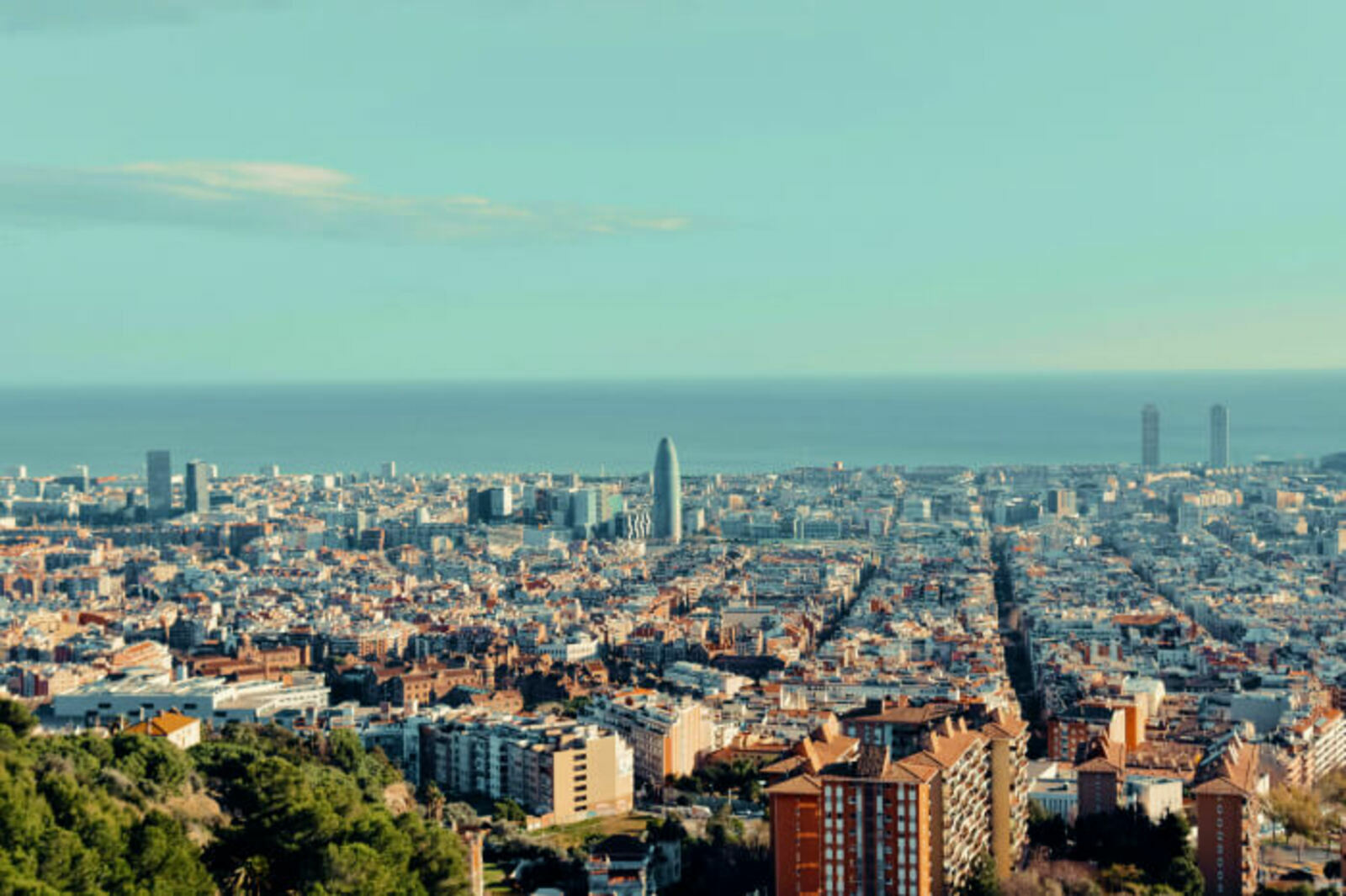
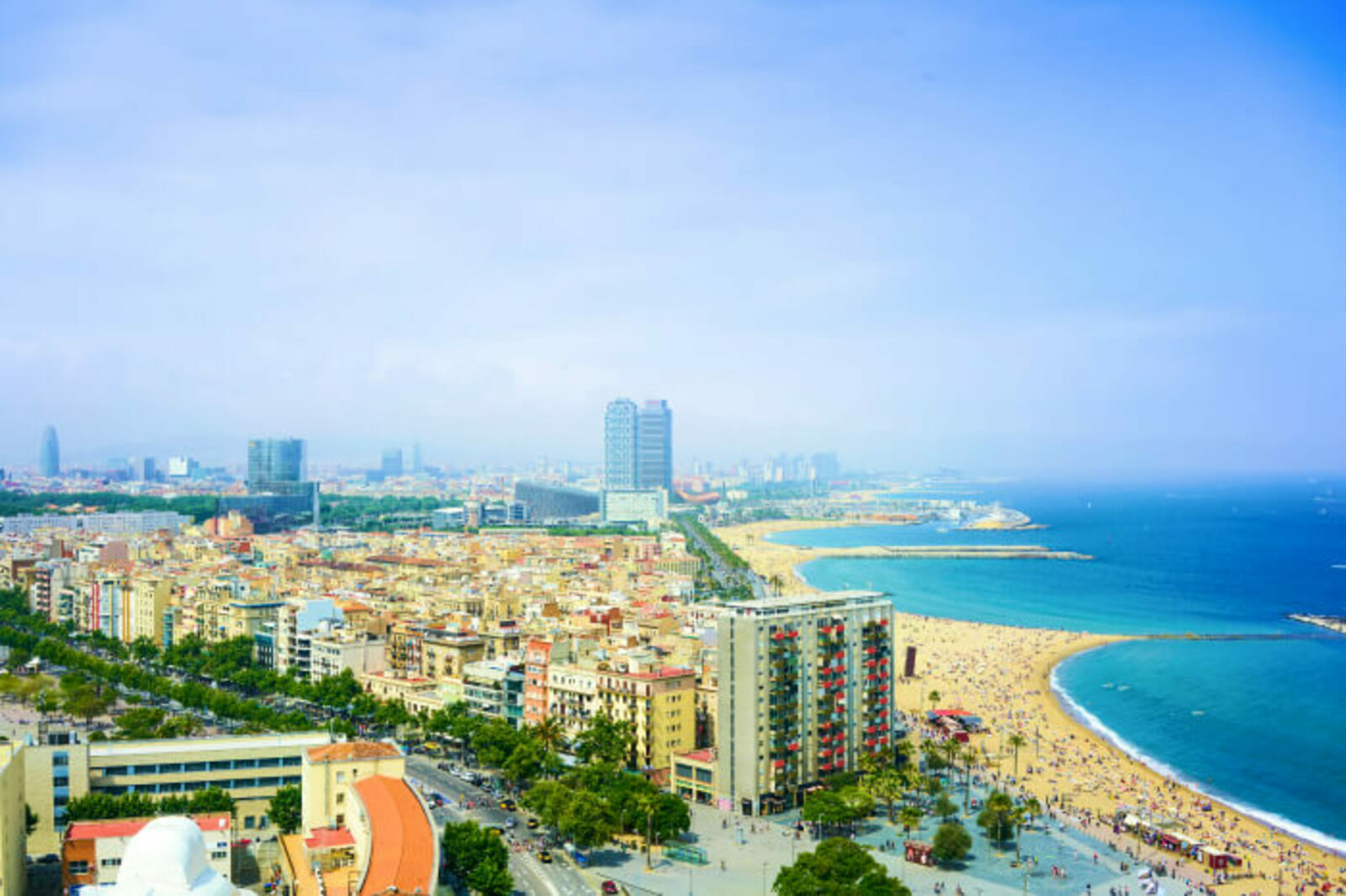
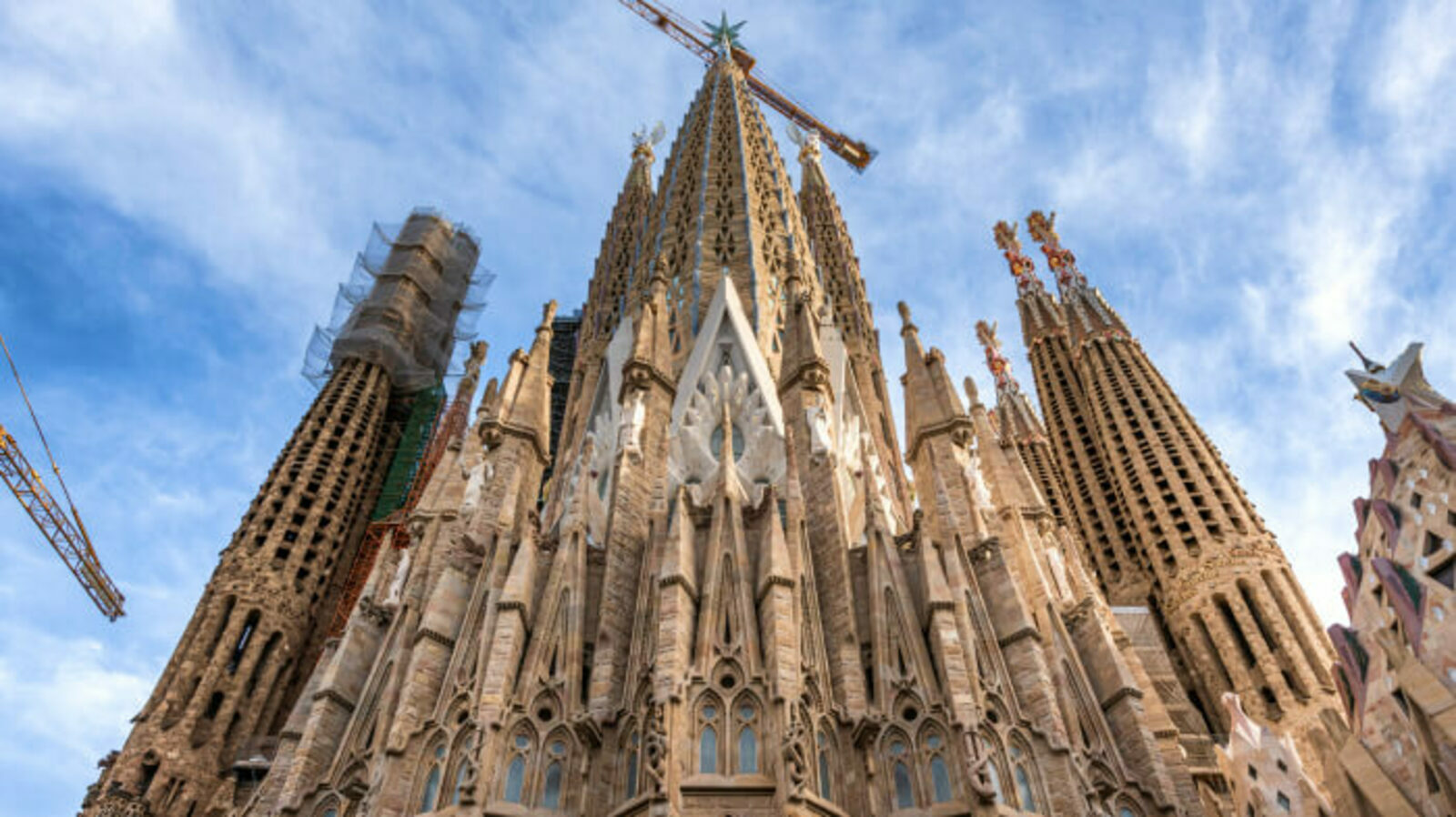

What to see in Barcelona? If you are looking for inspiration for your next trip, our guide to 20 of the best places in Barcelona will help you discover stunning architectural masterpieces, cultural hubs and picturesque parks in this sunny city.
Barcelona at a glance
Short on time, but want strong impressions? Use this mini checklist to feel the city even in a quick weekend.
• Tick off Gaudí icons: Sagrada Família, Casa Batlló, Park Güell and Palau Güell.
• Wander the Gothic Quarter, stroll down La Rambla and snack your way through La Boqueria market.
• Ride up Montjuïc and Tibidabo for sweeping views and end the evening at the Magic Fountain show.
• Pick at least one museum: Picasso, Joan Miró Foundation, FC Barcelona Museum or the National Art Museum of Catalonia.
• Add some adrenaline: Tibidabo or PortAventura parks, a flamenco show and a night stroll around the Old Port.
Tourist Barcelona: practical tips
The city of Barcelona (Spain) is the capital of Catalonia, an autonomous region in the north-east of the country. Every year it attracts around seven million visitors and is considered one of the most visited cities in Europe. The reasons are obvious: a huge number of sights from different historical eras and the special energy of this ancient yet very young metropolis on the Mediterranean coast.
Where to go and what to see in Barcelona depends entirely on your interests: the city’s landmarks are so diverse that they will impress both adults and children. You can start walking from early morning (for example, from 8:00 the colourful Mercat de la Boqueria opens) and continue until late at night, when fountains and night lights show the city at its most magical.
Because of the heavy tourist flow it is better to buy tickets to all key museums online in advance. Otherwise you risk standing in line for hours or not getting in that day at all. When ordering tickets, it is worth adding an audio guide in your language (if it is not already included), because classic guided tours inside museums are rarely offered.
Barcelona’s main attractions are not limited to the central districts, so it makes sense to study the public transport system. A T-10 multi-ride pass is often the most economical option. You can also buy tourist transport passes such as Barcelona Card, Barcelona City Pass or Hola Barcelona Travel Card – besides transport, they offer discounts for museums and sometimes even free entry (you can find more about tickets and transport in Barcelona here: tourister.ru).
Thorough preparation is the key to an unforgettable and comfortable holiday in beautiful Barcelona. To help you navigate all the interesting places, here is our curated top-20 list of what we consider to be the city’s most exciting tourist spots.
1. Basilica of the Sagrada Família
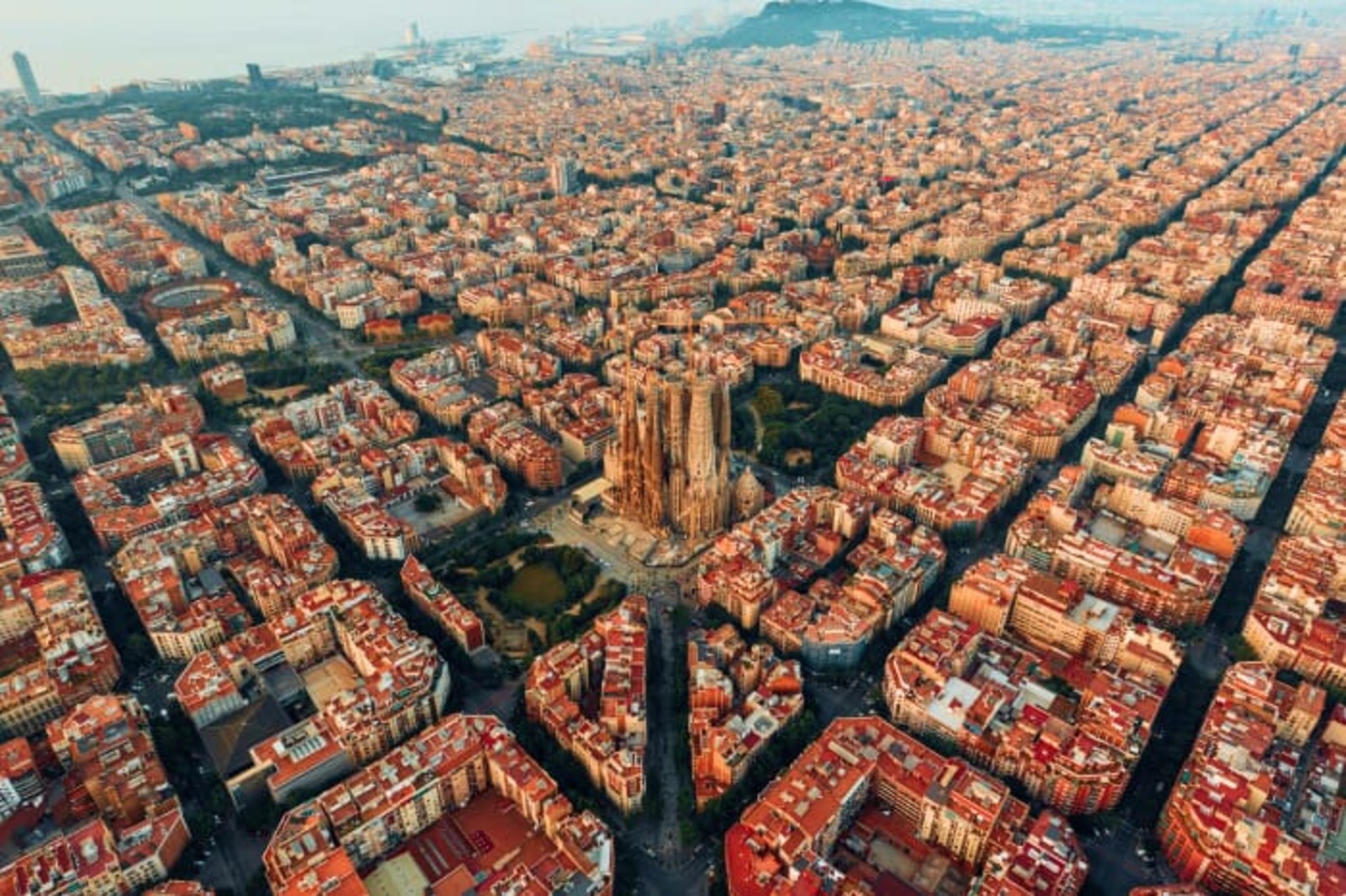
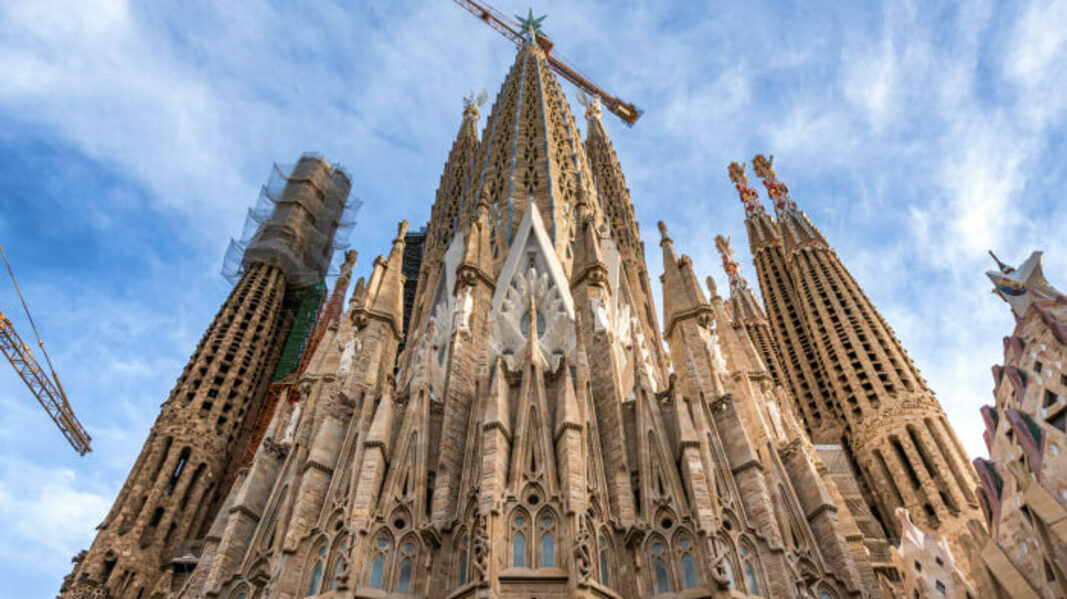
What should you see in Barcelona first? The symbol of Catalonia’s capital and the city’s most famous landmark – the Expiatory Temple of the Holy Family (Sagrada Família), the life’s work of genius architect Antoni Gaudí – has been under construction for more than 130 years. Although it is an active Catholic basilica, millions of visitors come here every year to see this real-life wonder of the world.
In the basilica’s architecture, strict Spanish Neo-Gothic traditions are interwoven with the curved, “organic” motifs of Modernisme. The bell towers on the façade, shaped like spindles, from afar resemble a giant anthill or a monumental sandcastle. Up close, they amaze with an abundance of sculpted detail. The airy design allows the bells’ sound to resonate, and the building’s unique acoustics can host masses for up to 30,000 worshippers.
Almost no straight lines can be found in the basilica. Sunlight pours in through dozens of windows of different sizes, and the interior feels like a magical forest thanks to the shape and colour of the concrete and basalt columns. Since 2005, the Sagrada Família has been on the UNESCO World Heritage list. The official website for tickets is: sagradafamilia.org.
2. Casa Batlló
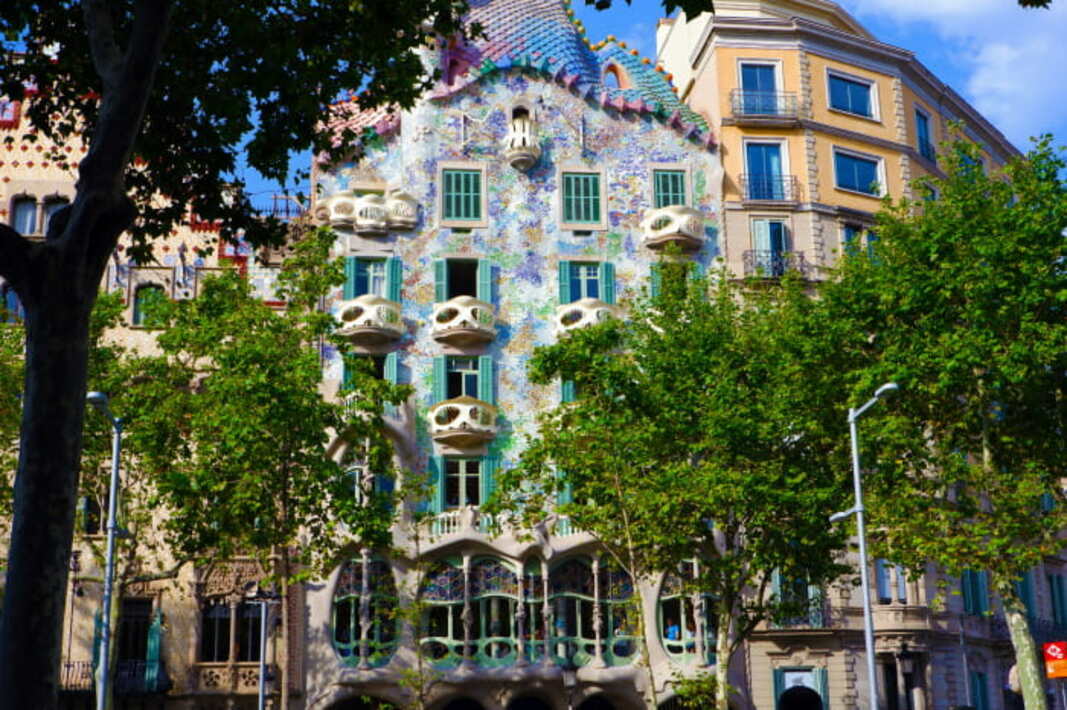
Another project by the great Antoni Gaudí, who forever transformed Barcelona’s skyline and turned it into a tourism magnet. This fairy-tale building, considered a landmark of Spanish Modernisme, is also included on the UNESCO World Heritage list. Inside and out, the residential house is designed almost entirely with rounded and wavy lines; the décor alludes to Catalan legends about dragons and sea creatures. Despite its fantasy feel, the building is highly functional and still surprisingly practical today.
Casa Batlló is open to visitors and has become a unique architectural experience. The house offers guided tours called “Journey into the Genius”. You can book tickets online on the official website: casabatllo.es.
3. The Gothic Quarter
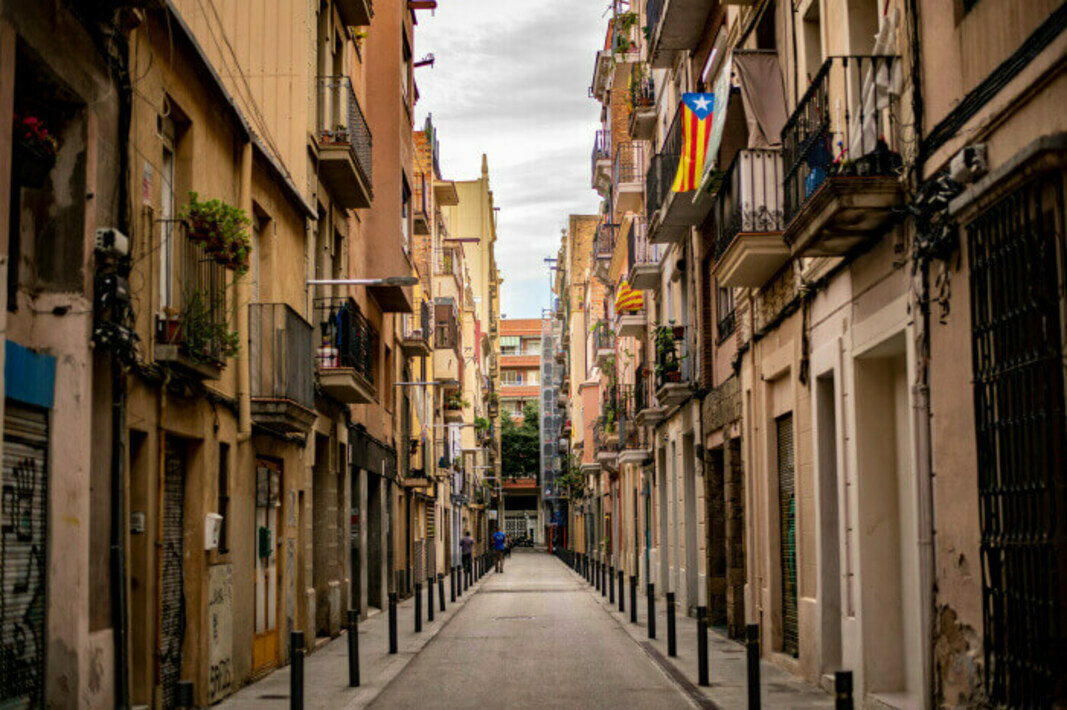
What can you see in Barcelona for free, at any time of the day? The answer is the Gothic Quarter, a true open-air museum. This is the central and oldest part of the city. Its narrow medieval streets are lined not only with buildings from the 13th–15th centuries but also with ancient Roman remains – fragments of the city wall and ruins of Octavian Augustus’s palace dating back to the 1st century BC.
Most streets are pedestrian and hide countless stories and secrets about Spain’s past. Today there are many cafés, authentic restaurants and bars. Shoppers looking for some of the best areas in Barcelona will love Portal de l’Àngel, a street full of well-known international brands as well as small local boutiques.
4. Park Güell
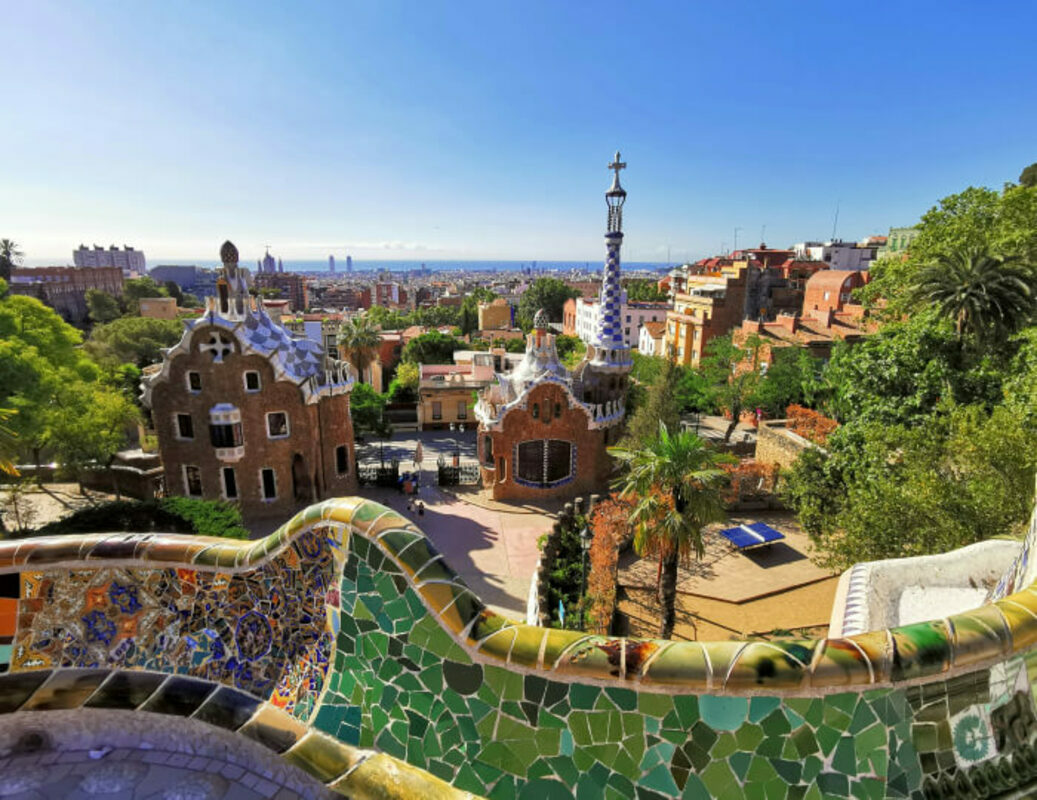
What can you see in Barcelona in one day on your own? Located on a hill a little outside the centre, Park Güell is a colourful and original site designed by Gaudí. His limitless imagination transformed around 17 hectares of rocky terrain into a fantasy garden-city.
At the entrance you’ll find the famous “gingerbread houses”, originally built for the gatekeeper and the administration, now symbols of the park. All stone sculptures, staircases, fountains and other art objects are harmoniously integrated into the landscape. Visitors’ favourite spots are the long, sinuous bench decorated with broken ceramics on the upper terrace and the Hall of a Hundred Columns, built in the style of an ancient Greek temple.
You can buy tickets online here: tiqets.com.
5. Palau de la Música Catalana
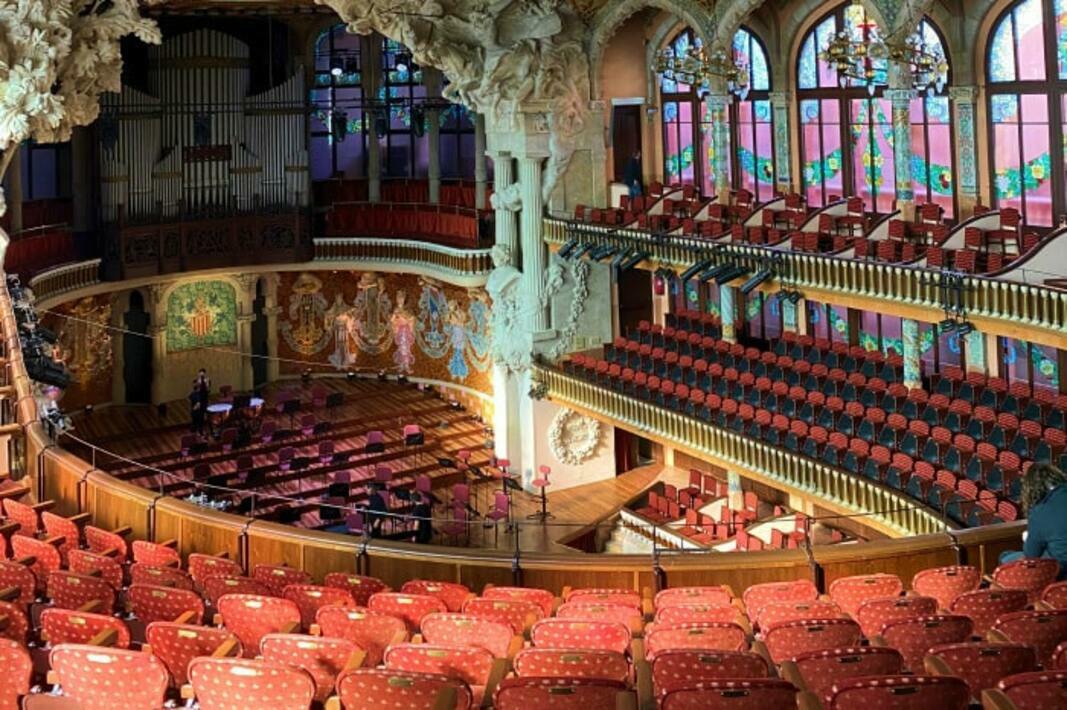
This incredibly beautiful building in Catalan Modernisme style was built at the beginning of the 20th century. In 1997 UNESCO placed it on the World Heritage list as the only concert hall in Europe lit mainly by natural light. The 2,200-seat auditorium is illuminated by huge side windows and a stunning stained-glass skylight in the centre of the ceiling.
Generously decorated with stucco and colourful ceramics, the palace has become one of Barcelona’s symbols. You can visit not only for concerts but also on guided tours. Tours are offered in Spanish, English, French and Catalan. Tickets can be bought at the box office or on the concert hall’s website: palaumusica.cat.
6. The Spanish Village (Poble Espanyol)
Still wondering what else to see in Barcelona? You’ll quickly notice that the city’s landmarks are spread out, making a hop-on hop-off bus tour a convenient option. That’s exactly what Barcelona Bus Turistic offers, with “red” (the longest), “blue” and “green” routes. Following the red route from Plaça d’Espanya toward Montjuïc will take you to Poble Espanyol.
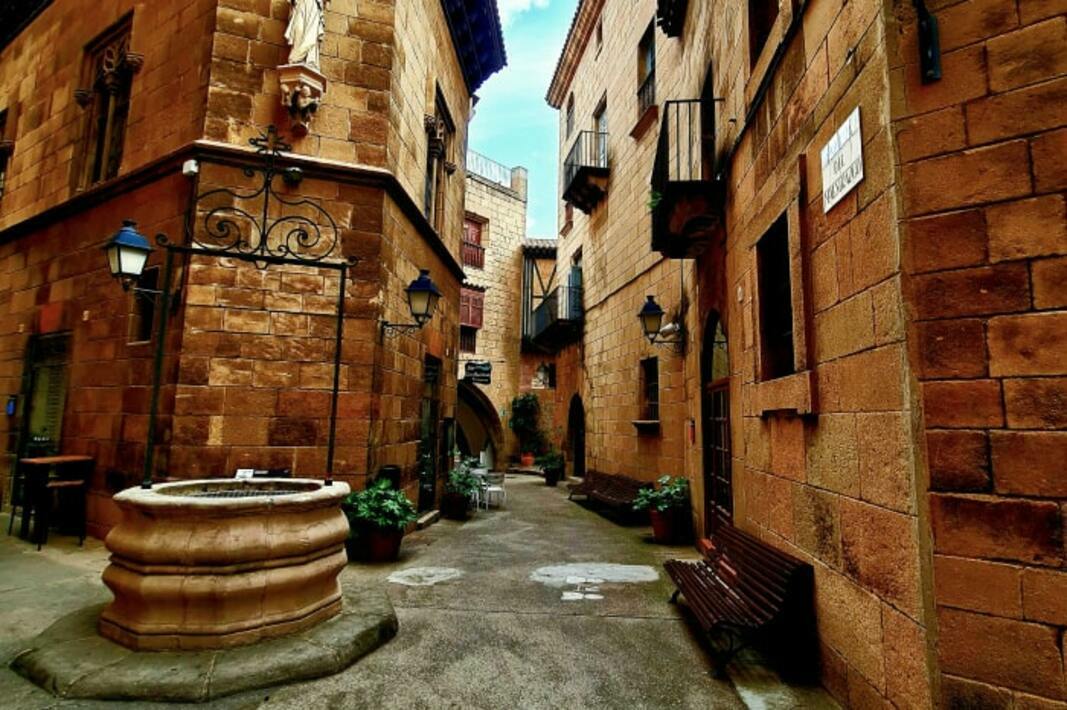
This open-air ethnographic museum consists of 117 houses built as exact replicas of real buildings from different regions of Spain. Constructed in 1928 for an international exhibition, they have turned into a fascinating tourist attraction showcasing Spanish culture and daily life. Here you can discover traditional crafts and buy handmade items such as jewellery, leather goods, ceramics, embroidery, dolls and more.
Tickets can be purchased in advance on the website: tiqets.com.
7. National Art Museum of Catalonia (MNAC)
Continuing up the same route to Montjuïc, you’ll find the National Art Museum of Catalonia (MNAC). It is famous not only for the elegant architecture of its building, but also for its collection of unique Romanesque frescoes from the 12th–13th centuries, brought here from churches in the Pyrenees, as well as wooden sculpture and panel painting.
The museum also owns paintings by El Greco and Velázquez, along with works from the Baroque, Realist and Avant-garde periods. Tickets can be reserved in advance here: museunacional.cat.
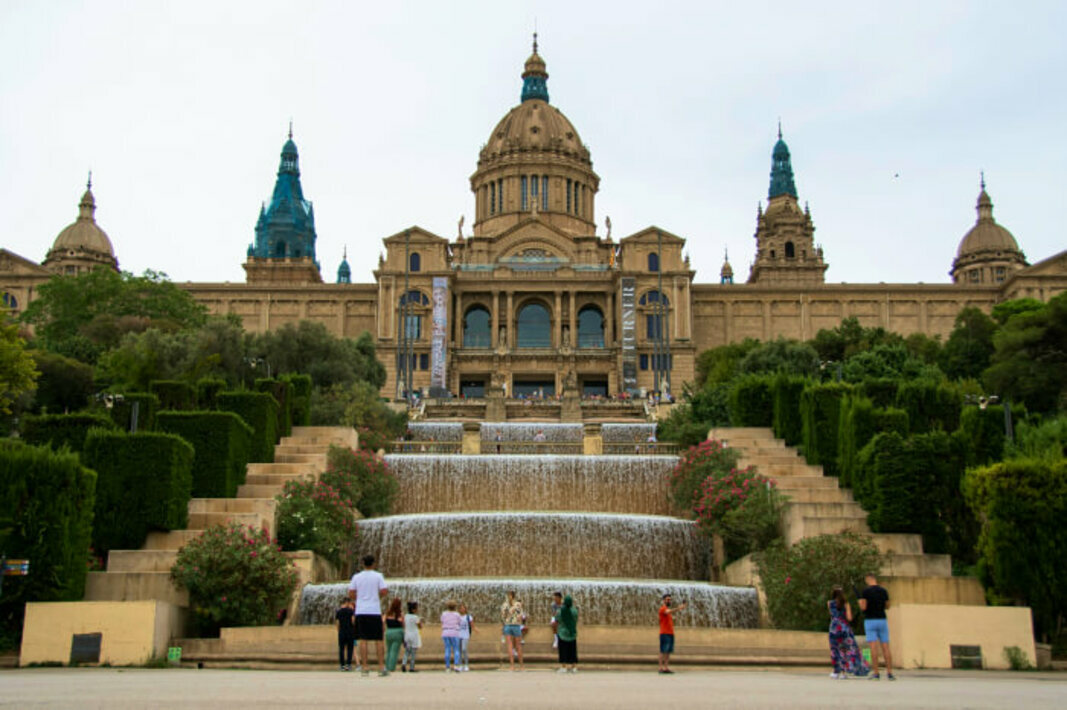
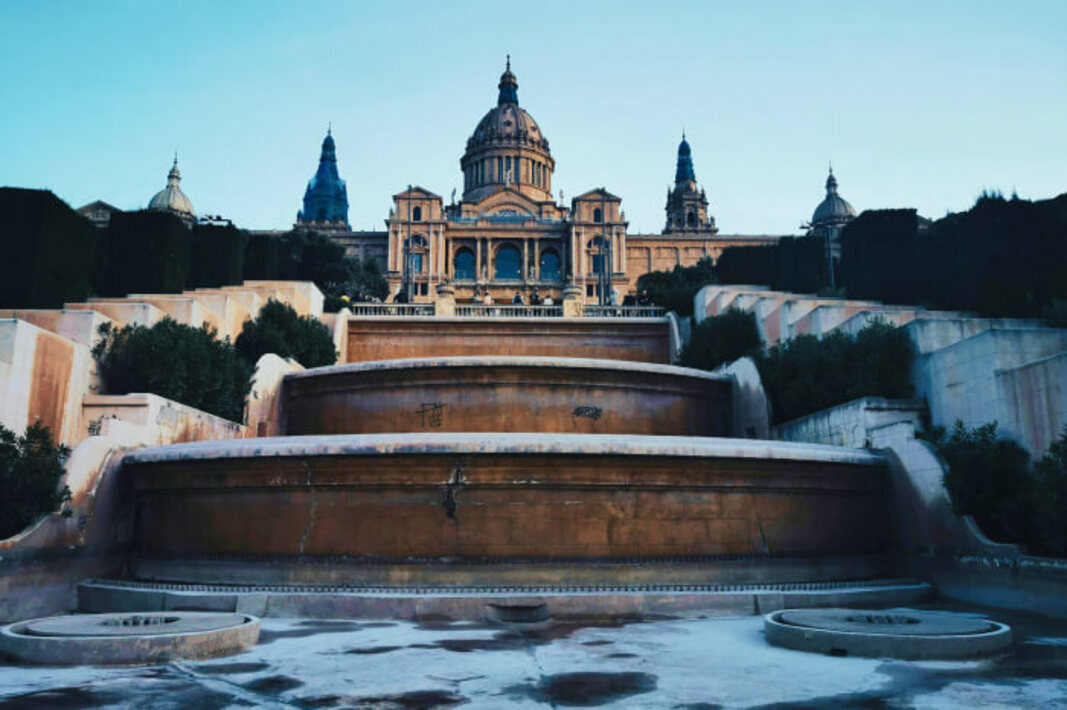
8. The Magic Fountain of Montjuïc
Right in front of the National Art Museum of Catalonia, at the foot of Montjuïc hill, a majestic fountain was erected in 1929. It has become one of Barcelona’s main attractions. If you are unsure where to go and what to do in Barcelona at night, head to the Magic Fountain show.
The spectacle of light, colour and thousands of water jets, soaring up to 50 meters high and forming different shapes to the music of famous composers, is truly impressive. The show is free – you just need to check the schedule in advance and arrive early to get a good spot.
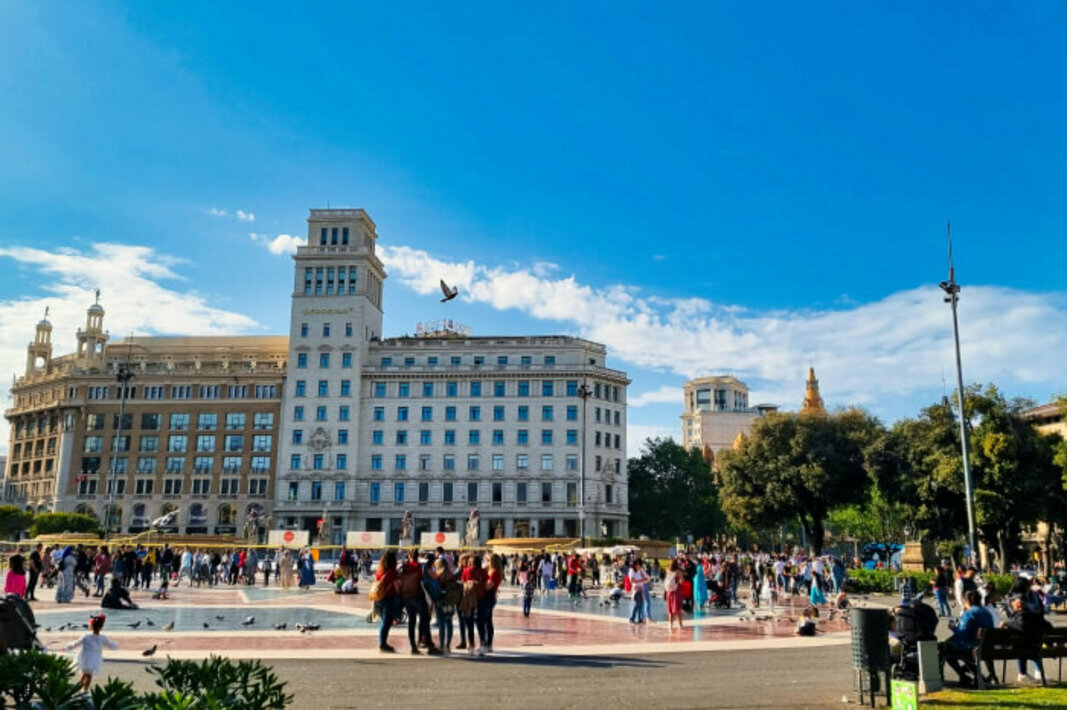
9. Plaça de Catalunya
The huge square between the Eixample district and the Old Town – Plaça de Catalunya – is the heart of Barcelona, where nine main streets meet. With its shops, cafés, statues and fountains, the square is a popular place for meeting friends, shopping and strolling. It is also a major transport hub with metro entrances and bus stops (including buses to the airport).
Tourists and locals, young people and older generations – everyone finds space here. You can order a coffee, try local dishes and drink from the Canaletes fountain – a small tourist ritual believed to guarantee your return to Barcelona.
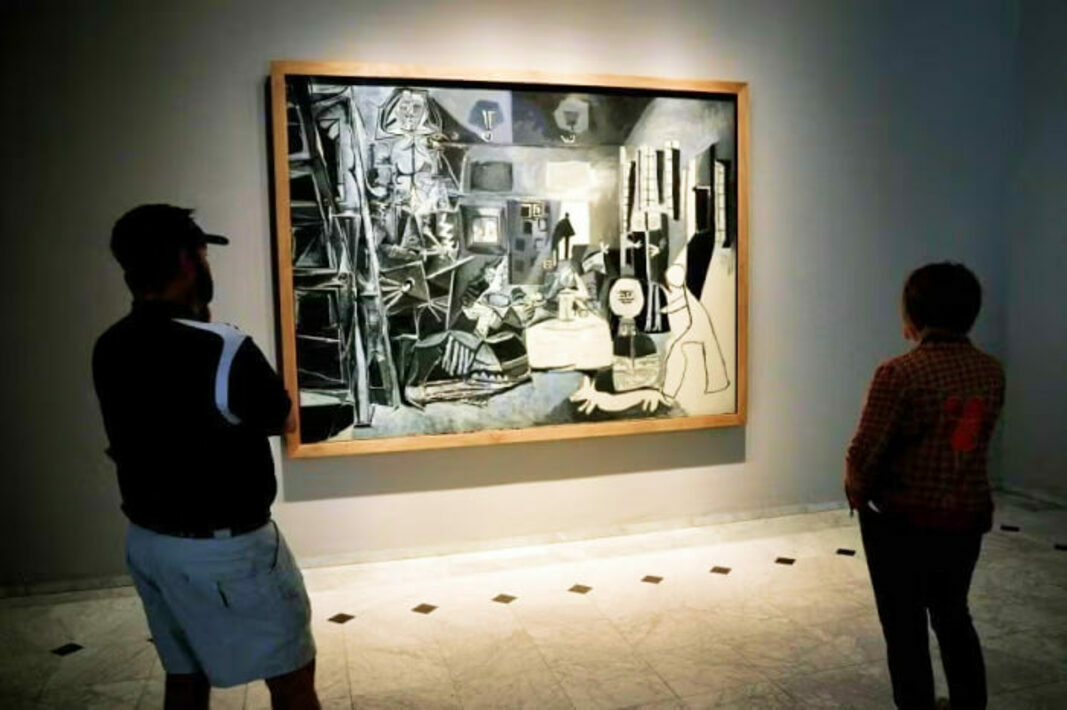
10. Picasso Museum
Spanish culture is closely associated with the work of famous Cubist painter Pablo Picasso, who lived and worked in Barcelona. His museum of paintings is located in the centre of the city in five atmospheric townhouses from the 13th and 14th centuries and is one of the most visited museums in Barcelona.
The museum’s core collection was formed from works donated to the city by Picasso’s friend Jaume Sabartés. It has grown significantly since then, and today the museum exhibits around 3,500 pieces by the artist. Tickets can be bought online here: museupicassobcn.cat.
11. Columbus Monument
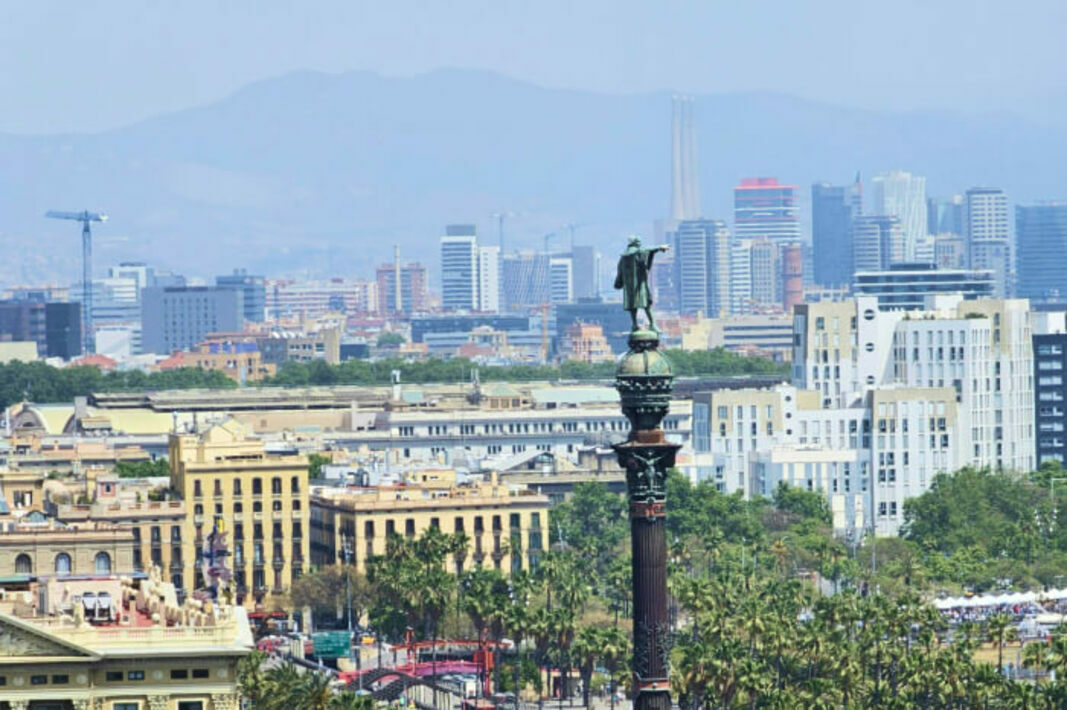
The huge monument in the Old Port attracts countless photo-hunters in search of interesting spots in central Barcelona. At the top of a 60-meter column stands a statue of the great explorer Christopher Columbus. It was placed here because this is where Columbus is believed to have set foot on land after returning from his voyage to the American continent.
Interestingly, there is an elevator inside the column that takes visitors to an observation deck at the top. From there you can enjoy magnificent views of the city and harbour: you’ll see the Sagrada Família, the Cathedral, the Gothic Quarter, Montjuïc hill and a magical panorama of the sea with its yacht marina. Photos taken here are particularly atmospheric.
You can book tickets online here: tiqets.com.
12. La Rambla
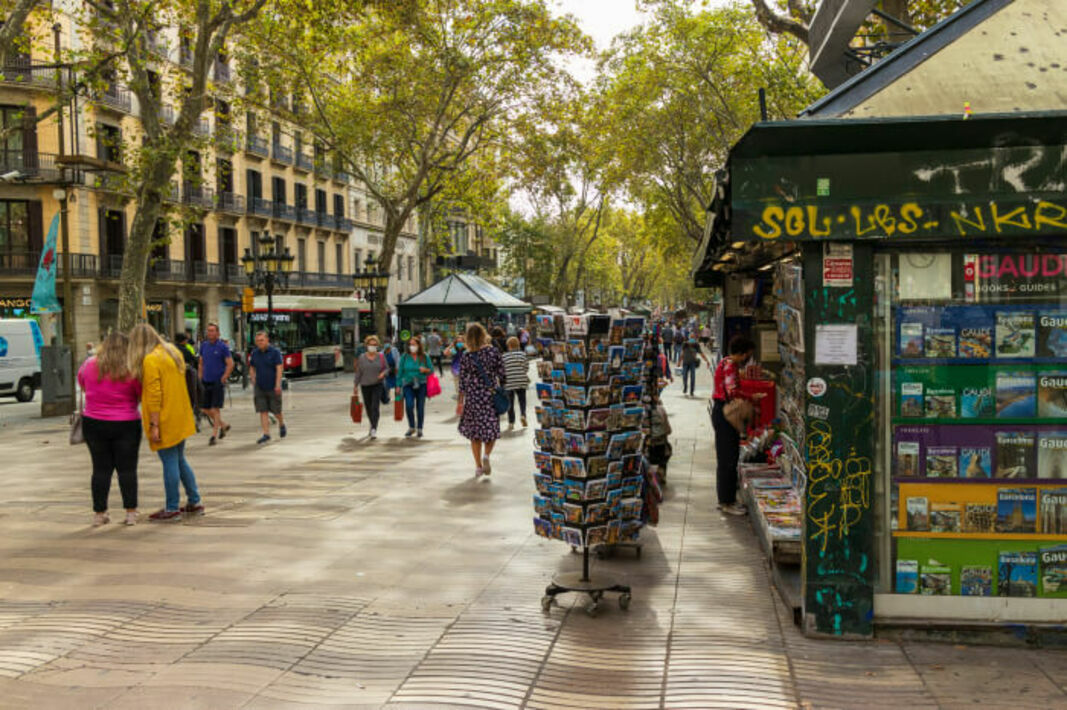
The pedestrian boulevard in the very centre of Barcelona has become a magnet for tourists thanks to its many cafés, shops and street entertainment. Artists paint portraits and sell their works, musicians and performers put on mini-shows. Especially memorable are the living statues and fairy-tale characters in extravagant costumes.
La Rambla, about 1.2 km long, is Barcelona’s main tourist street. It starts at Plaça de Catalunya and ends at the Columbus Monument in the Old Port. People often divide it into a quieter northern part and a more “risky” southern one. Late at night, the port end attracts nightlife of all kinds, so it is better to avoid this stretch with children.
In general, visiting crowded La Rambla requires simple safety rules: keep an eye on your belongings and valuables. More detailed tips can be found here: barcelona-tourist-guide.com.
13. La Boqueria Market
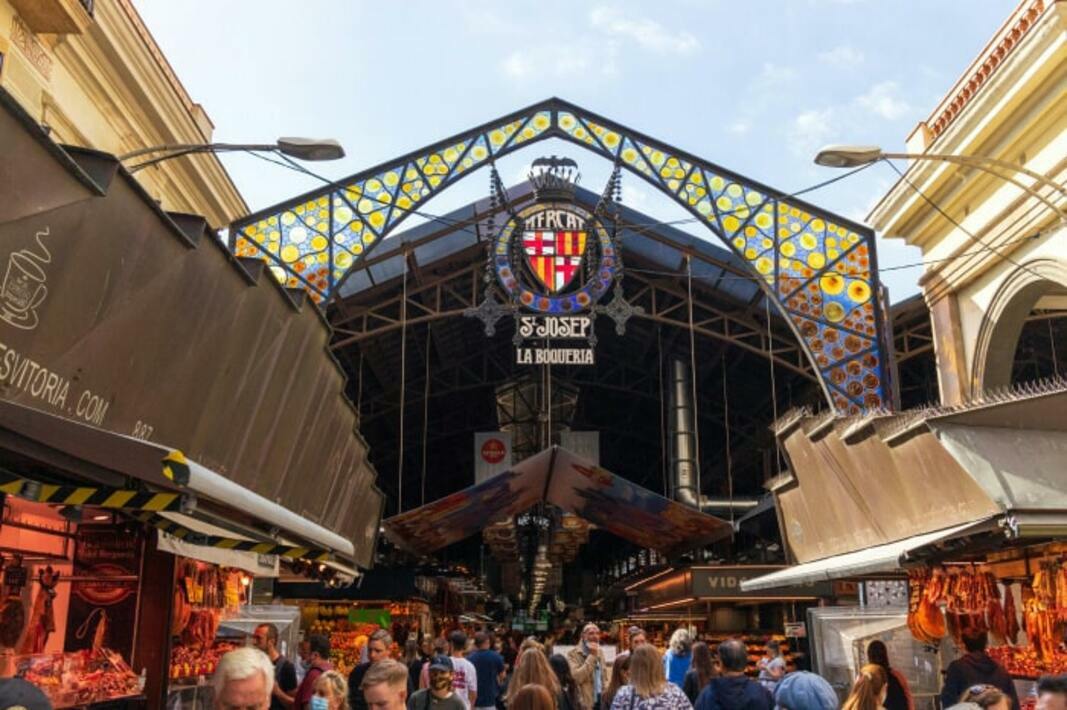
Walking down La Rambla towards the sea, on the right-hand side you’ll notice the entrance to the famous Mercat de la Boqueria. A meat market has existed here since the 13th century, but over time the site grew into a universal food market. Today you can buy ultra-fresh seafood, fish, milk, cheese, eggs, sausages, sweets, vegetables and fruit of every kind.
Inside there are several tapas bars and bistros, where you can grab a delicious bite and coffee – especially if you arrive early in the morning. The market is open from Monday to Saturday. Around midday it gets very crowded, so morning and evening are the best times to shop.
14. Cathedral of the Holy Cross and Saint Eulalia
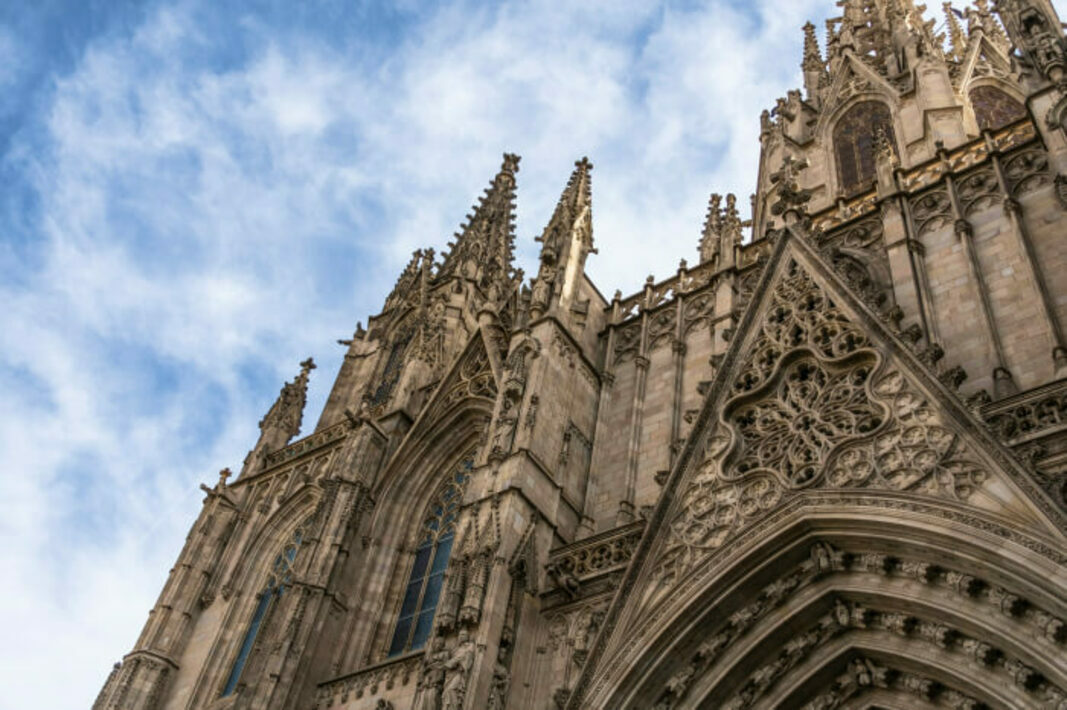
The majestic Gothic cathedral in Barcelona’s Old Town – the Cathedral of the Holy Cross and Saint Eulalia – is the main religious centre of the city. For more than 600 years it has called Catholic believers under its vaults and remains deeply respected by locals.
The cathedral’s history goes back to the year 303, when a young Christian girl, Eulalia, was tortured to death here by order of the Roman governor after enduring thirteen tortures (she was later canonised). The present-day cathedral was completed in 1420 and reflects medieval aesthetics down to the smallest details: elaborate tracery on the façade and bell towers, stone carvings and stucco, statues of saints and especially striking gargoyles perched on the tops of the towers.
In memory of Saint Eulalia’s suffering, 13 geese are kept in the cloister courtyard – one for each year of her short life – symbolising the Catalans’ love for their patron saint.
15. Barcelona’s amusement parks: Tibidabo and PortAventura
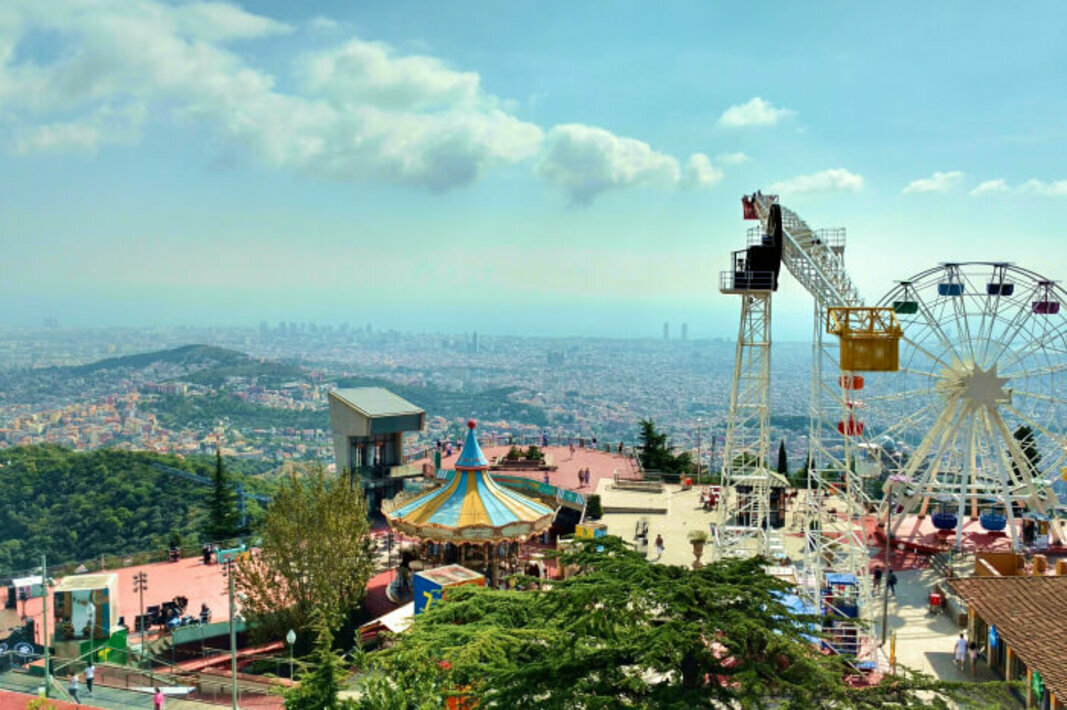
Much to the delight of children and active adults, while staying in Barcelona you can visit two different amusement parks: Tibidabo within the city limits, and the PortAventura theme park in the coastal town of Salou (about 1 hour and 20 minutes away).
To reach Tibidabo Amusement Park, you first take a train and then a tram or bus from the centre, and finally a funicular, as the park is located at the top of the hill. What can you expect, especially with children? Some of the attractions have been operating since 1889; there are no ultra-extreme rides, but the fairy-tale atmosphere, costume shows and vintage rides make it ideal for family visits.
Friendly staff and a panoramic view over the whole city are two more reasons to come here. Tickets can be booked at: tibidabo.cat.
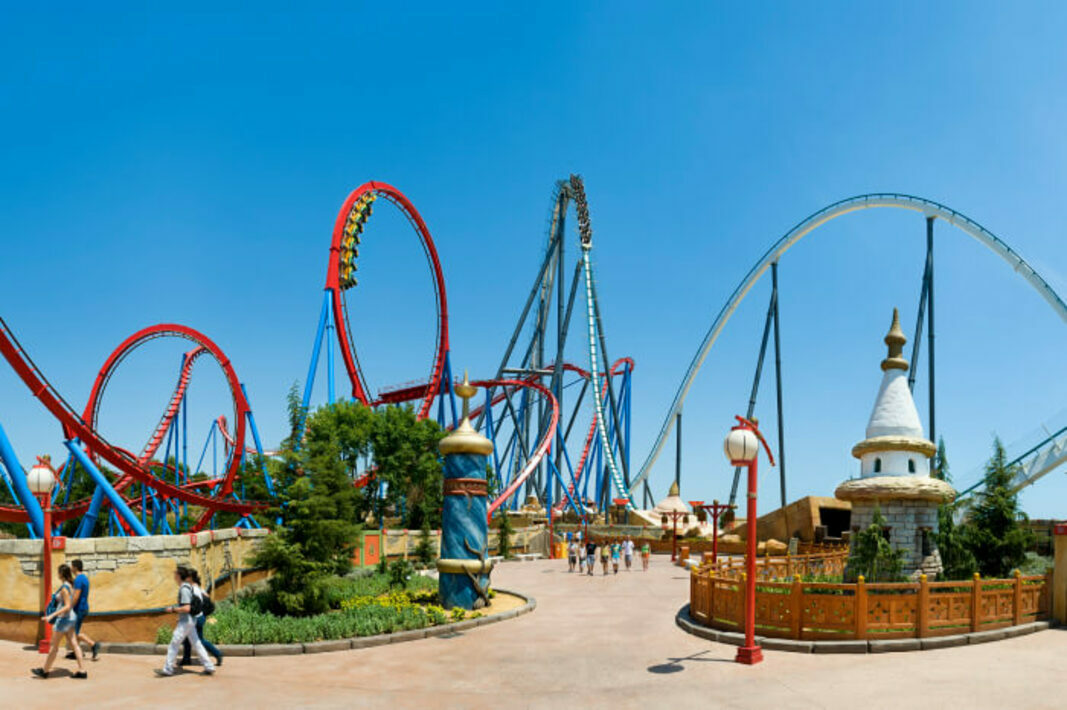
PortAventura Park is a huge entertainment complex on the Costa Dorada for visitors of all ages. The park is famous for its adrenaline-pumping roller coasters (although there are also calmer rides for the little ones). The area is so large that it is divided into themed zones: Mediterranean, Wild West, Mexico, China and Polynesia, each with its own thematic landscape, restaurants, rides and decorations.
PortAventura became world-famous thanks to its fast and twisted roller coasters. On Dragon Khan, for example, riders go through eight loops at a speed of up to 100 km/h. The newer Shambhala coaster is even more intense: it has the highest loop in Europe at 76 meters and reaches a speed of 134 km/h.
There are also water attractions, free-fall towers and numerous shows. Tickets can be booked here: portaventuraworld.com.
16. Flamenco show at Tablao Cordobés
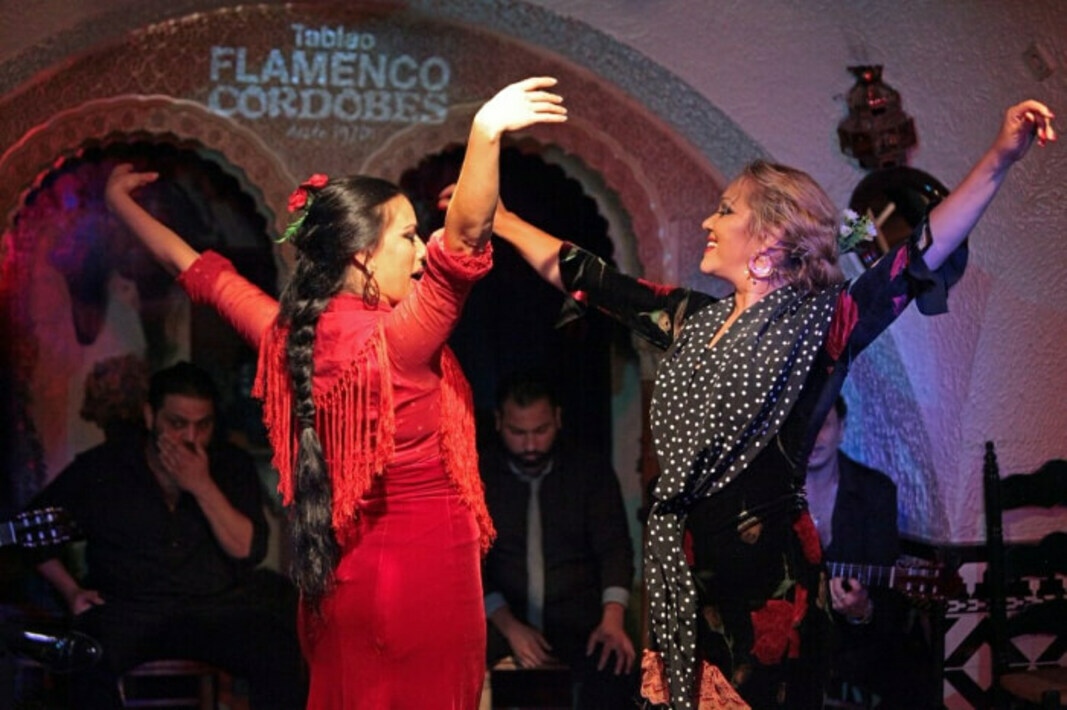
Where else should you go in Barcelona after seeing the main landmarks? It is almost impossible to fully understand Spanish culture and character without watching a flamenco show. This fiery dance reflects the passionate and sometimes rebellious nature of the locals, and the performance at Tablao Cordobés leaves a lasting impression.
If you wish, you can include dinner in your ticket and taste local dishes before the show, or simply enjoy drinks during the performance. You won’t have to go far from the centre: the venue is located right on La Rambla, in a traditional Andalusian-style interior that has seen many legendary Spanish performers.
You can order tickets online here: tiqets.com.
17. FC Barcelona Museum
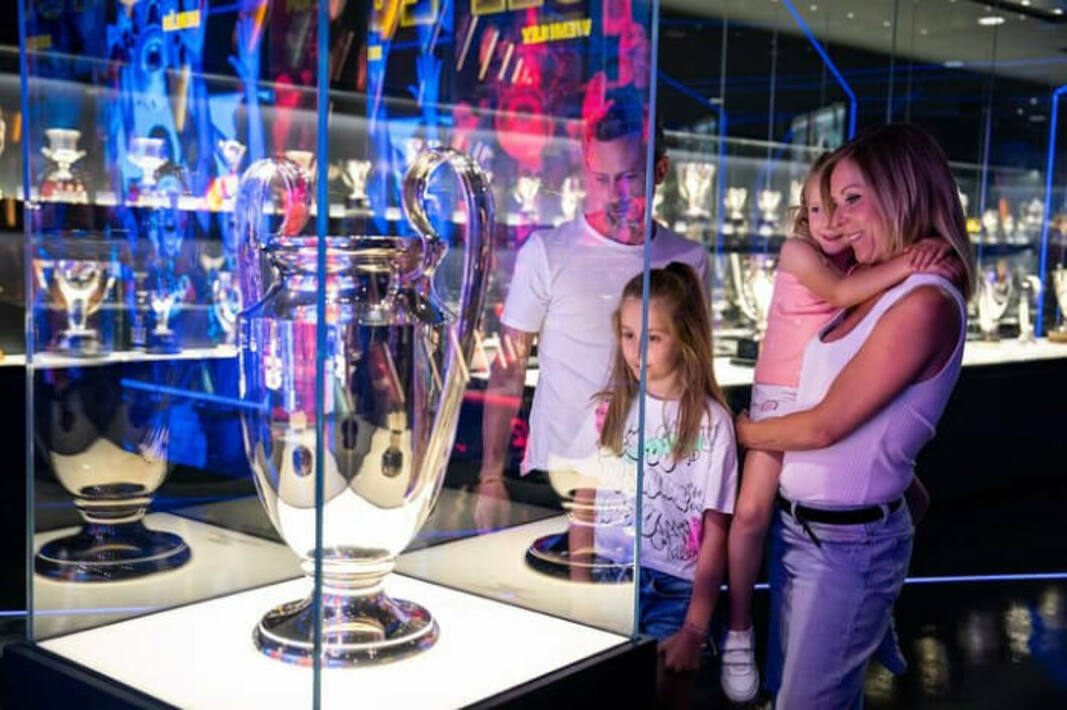
Millions of FC Barcelona fans dream of visiting the “holy of holies” – the museum with the players’ personal belongings and trophies – and walking through the stadium’s inner areas: the changing rooms, the tunnel leading to the pitch and even the substitutes’ bench.
This tour, the second most popular in the city after the Picasso Museum, is self-guided: information is presented on numerous displays and in an interactive centre, making the museum feel very high-tech. You can additionally rent an audio guide. Tickets can be booked here: tiqets.com.
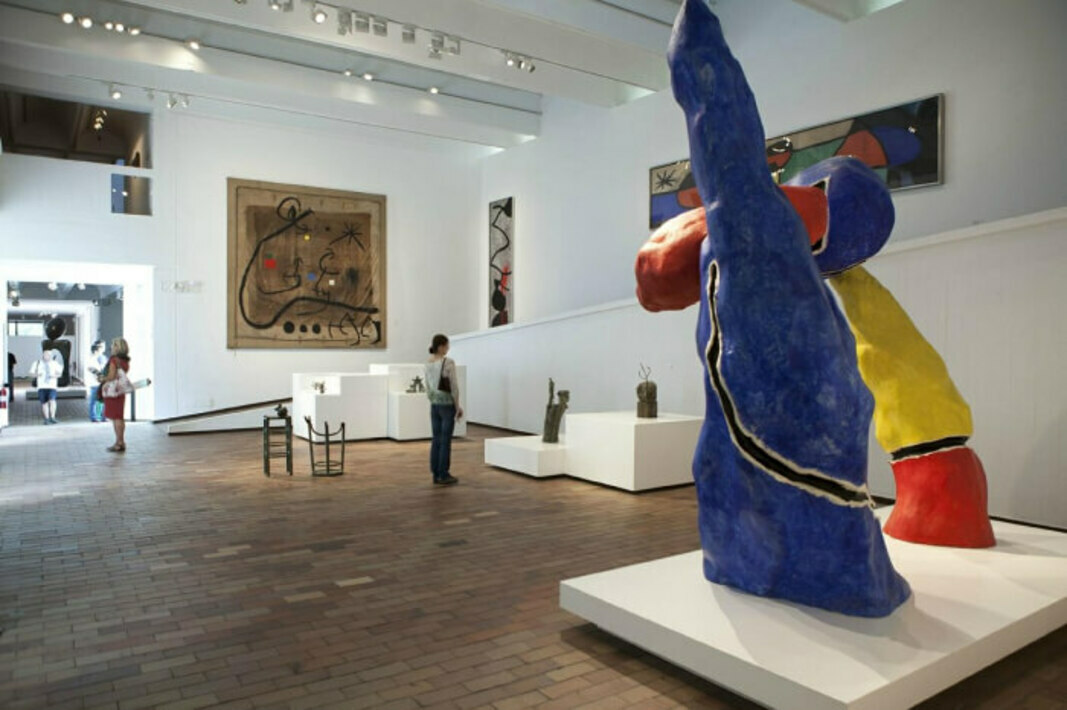
18. Joan Miró Foundation
The museum of modern art dedicated to renowned 20th-century avant-garde artist Joan Miró stands in a bright, modern building on the slope of Montjuïc hill. The collection mainly consists of sculptural, graphic and pictorial works from various stages of Miró’s career, as well as pieces by other modern artists.
Barcelona, rightfully considered one of the centres of contemporary art, is proud both of Miró’s work and of the foundation’s building itself. It has received an award from the American Institute of Architects, granted only once every 25 years. Tickets are best reserved in advance here: tiqets.com.
19. Tibidabo Hill
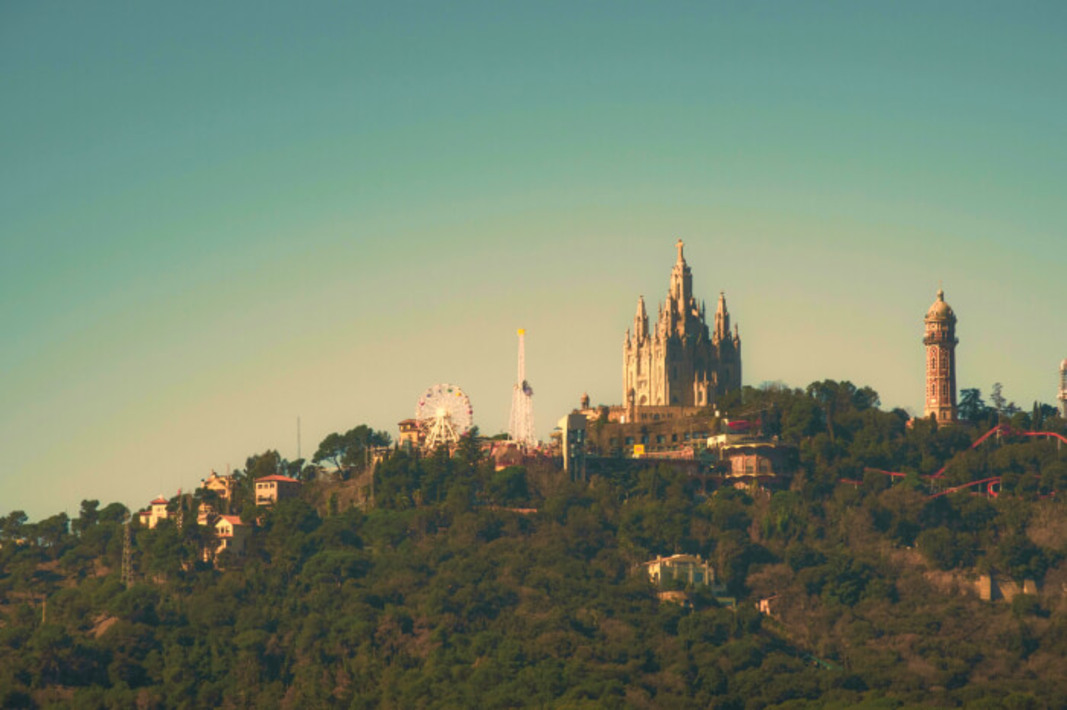
The highest point in the city, where streets and parks look tiny far below, is a rocky hill covered in forest. It’s not only the views and hiking trails that attract visitors: Tibidabo is also home to the striking Temple of the Sacred Heart, visible from almost anywhere in Barcelona. A statue of Christ with open arms crowns the central tower.
Another major attraction here is the CosmoCaixa natural science museum, a must-visit with kids. It popularises science through large-scale interactive exhibits about planet Earth, physics and biology – it is educational and fun for all ages.
A hidden gem on the slopes is the landscaped Parc del Laberint d’Horta, with a maze of living hedges on the grounds of the former Desvalls family estate. It is considered the oldest garden of its kind in the city.
20. Palau Güell
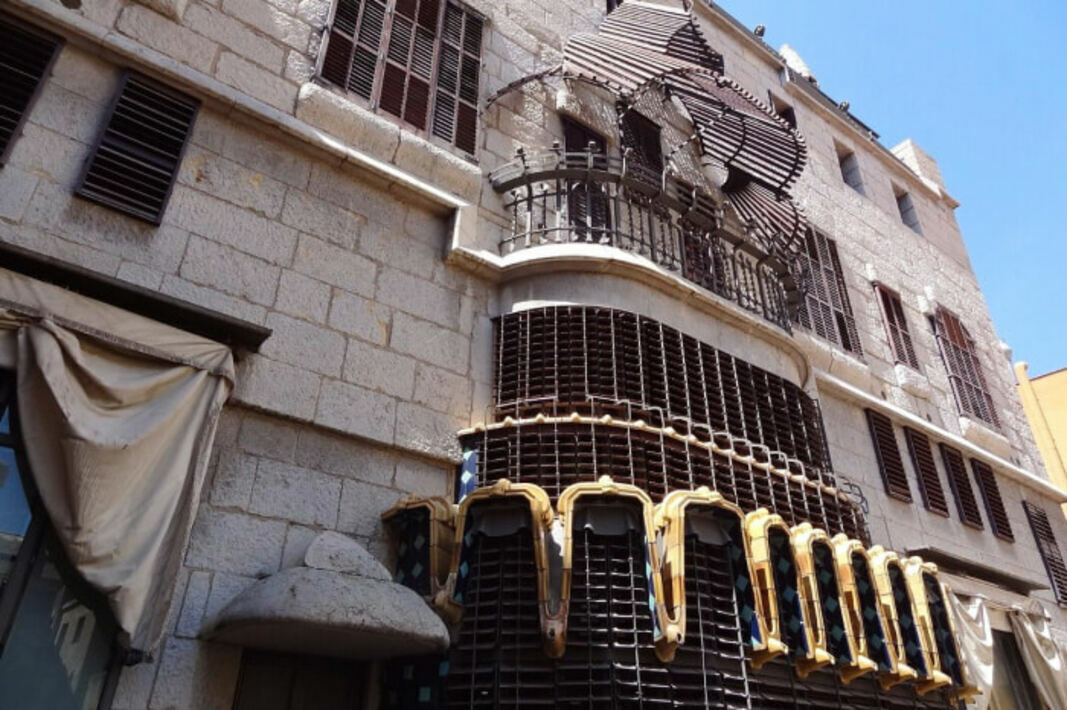
Among Barcelona’s most interesting and popular spots is a residential mansion built by Gaudí for industrialist Eusebi Güell – later respectfully called Palau Güell (Güell Palace). It is one of the architect’s early works, but his original style is already clearly visible and the building is considered an important step in his creative development.
The architect’s attention to detail – wrought-iron grilles, carved wooden elements – never distracts from the grand vision of space and form. The result is a building that constantly delights architecture lovers with its harmony and inventiveness.
Tickets for the palace can be booked here: tiqets.com.
Bonus. Sant Pau Hospital – an Art Nouveau hospital complex
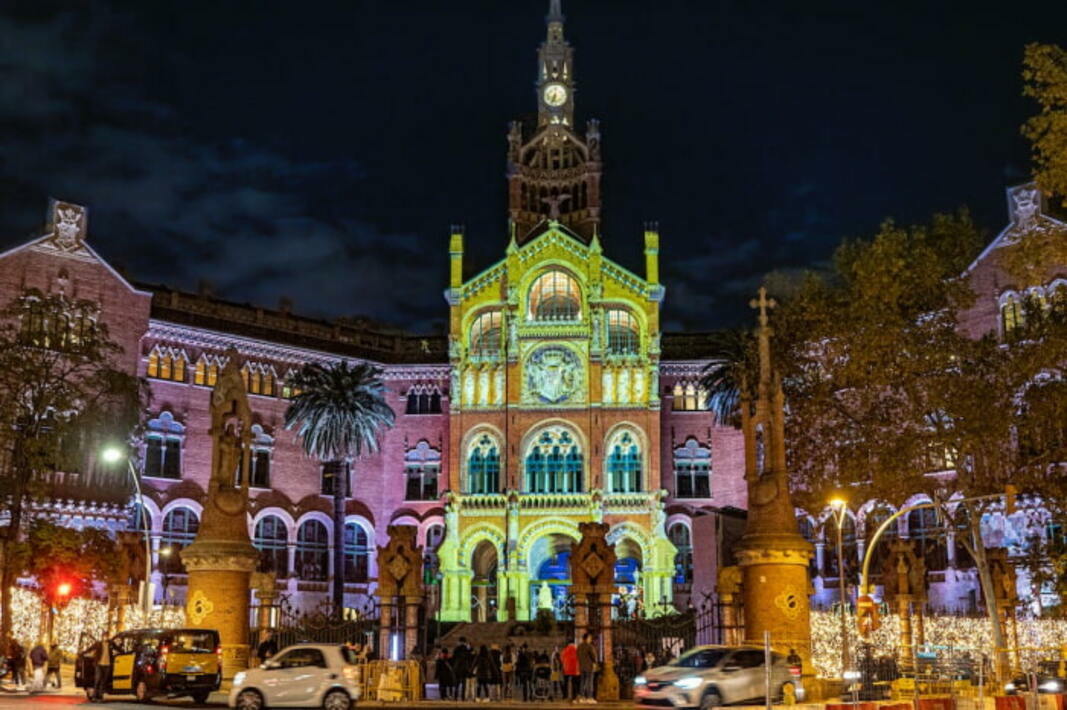
We conclude our overview with a monumental Art Nouveau complex of 48 pavilions connected by underground tunnels: the Sant Pau Hospital, designed by Catalan architect Lluís Domènech i Montaner. This “hospital city” has nothing in common with standard medical buildings – it is a refined work of art decorated with mosaics, stained glass, sculpted stone and ceramic panels with floral motifs.
By carefully planning every detail and colour palette, boldly combining traditional masonry with the flowing lines of Modernisme, the architect achieved a truly stunning result. In 1978 the hospital was declared a historic and artistic monument, and in 1997 it was added to the UNESCO World Heritage list.
You can reserve tickets online here: tiqets.com.
To wrap up, it’s worth emphasising that Barcelona is not only a major metropolis with rich history and culture, but also a city where every visitor can find a place that feels like their own. We hope our list of the 20 best sights will help you discover the uniqueness of “tourist Barcelona”. Remember that a real journey is not only about ticking off cities, but also about seeing the world from a new angle. Bright and enchanting Barcelona is waiting for you!
Impressed by our guide to Barcelona’s top spots? Don’t postpone your Mediterranean adventure! Book a tour today and experience the magic of the Catalan capital in all its beauty.
What to do in Barcelona beyond the classic sights
After you’ve seen the main landmarks, leave some time for the city’s small pleasures. Walk along the seafront promenade, stop at tapas bars, taste local wines and watch the sunset – either by the marina or from one of the many rooftop terraces with a view.
Dive into Catalan cuisine: paella with seafood, different tapas, bombas, cured jamón and the famous crema catalana for dessert. You can try these both at La Boqueria market and in small neighbourhood bistros in the Gothic Quarter or Eixample.
If you love being active, rent a bike and cycle along the beachfront, hike up Montjuïc or Tibidabo, or spend a whole day at PortAventura. In the evening, choose between a flamenco show, a football match or a slow stroll around the Old Port under the city lights.
Suggested 1-day itinerary in Barcelona
Start your morning at Plaça de Catalunya: grab a coffee and head down La Rambla to La Boqueria market for a local-style breakfast or snack. Soak up the colours and smells of fresh produce and tapas bars.
Then walk into the Gothic Quarter and visit the Cathedral of the Holy Cross and Saint Eulalia. Allow yourself time to wander aimlessly through the medieval lanes. After lunch, make your way to the Sagrada Família – with pre-booked tickets – and, if you wish, go up one of the towers for panoramic views.
Towards evening, head to Park Güell to watch the city turn golden from its terraces. Finish the day at the Magic Fountain on Montjuïc, where light, water and music create the perfect finale to your first Barcelona day.
2-day itinerary: Barcelona without rushing
On day one, follow the classics: Plaça de Catalunya, La Rambla and La Boqueria, then the Gothic Quarter and Cathedral, followed by the Sagrada Família and Park Güell. You’ll get a strong first impression and plenty of photo opportunities.
On day two, focus on culture and views. In the morning, choose between the Picasso Museum and the Joan Miró Foundation. After lunch, visit MNAC, explore Montjuïc and stay for the Magic Fountain show. If you’re travelling with children or love theme parks, you can swap part of this day for Tibidabo or a full-day trip to PortAventura.
In the evening, round off your stay with a flamenco show at Tablao Cordobés, a harbour walk or a relaxed dinner with sea or city views.
How to get to Barcelona and move around the city
Barcelona’s main airport is El Prat (BCN), serving both international and European flights. From the airport you can reach the city centre by Aerobús shuttle, commuter train, metro (L9 line), taxi or private transfer.
If you’re travelling around Spain, Barcelona is connected to Madrid, Valencia, Zaragoza and other cities by high-speed AVE trains, as well as by intercity buses. The main train stations are Sants and Passeig de Gràcia; for buses, Estació del Nord and Sants.
Within the city, the fastest way to get around is by metro and bus. The T-10 pass and tourist cards such as Barcelona Card, Barcelona City Pass or Hola Barcelona Travel Card help you save money if you use public transport a lot. For a first overview of the city, consider the Barcelona Bus Turistic routes – they are very convenient for hopping on and off at the main attractions.
Frequently asked questions about Barcelona
When is the best time to visit Barcelona?
The most comfortable months are April to June and September to October: mild temperatures, fewer crowds than in peak summer and great conditions for sightseeing.
How many days do I need in Barcelona?
For a first impression, 2–3 days are enough. For a more relaxed trip with museums, parks and day trips, 4–5 days is ideal.
Do I need to book Sagrada Família tickets in advance?
Yes. It’s highly recommended to book online in advance – many time slots sell out, and queues at the ticket office can be very long in high season.
Which transport pass is best for tourists?
For intensive use of public transport, the T-10 multi-ride ticket and tourist cards like Barcelona Card, Barcelona City Pass or Hola Barcelona Travel Card are very convenient and can save you money.
Which area is best to stay in Barcelona?
Eixample, the Gothic Quarter and the surroundings of Plaça de Catalunya are very convenient: central, well-connected and close to many attractions.
Is it safe to walk along La Rambla at night?
La Rambla is very touristy and lively, but you should watch your belongings and avoid the port end late at night, especially with children.
Is Barcelona suitable for a family holiday?
Yes. The city has amusement parks, beaches, interactive museums, playgrounds and plenty of parks, so kids have lots to do.
Do I need a guide in Barcelona’s museums?
Many museums don’t offer classic guided tours. Instead, they rely on audio guides and interactive displays, which are usually more than enough for most visitors.
Is PortAventura worth it if I’m not into extreme rides?
Yes. Besides high-thrill coasters, the park has family rides, kids’ zones, themed shows and restaurants, so everyone can find something they enjoy.
What food should I definitely try in Barcelona?
Seafood paella, tapas, jamón, local cheeses, crema catalana and fresh fruit and snacks from La Boqueria market are all must-tries.
Do I need to rent a car in Barcelona?
In most cases, no. Public transport is efficient and covers the city well. A car is mainly useful if you want to explore the wider Catalonia region or remote beaches.
How can I avoid queues at popular attractions?
Buy skip-the-line tickets online with a time slot, visit major sights like Sagrada Família, Park Güell and museums early in the morning or in the evening, and try to avoid weekends and major holidays.