
 Enter
Enter







Why restrictions are appearing in top destinations
In recent years, intensive tourism has brought many problems to a number of popular destinations. From Amsterdam to Tokyo, local residents and authorities are taking measures to reduce the flow of tourists, aiming to protect their culture and nature from degradation. As a result, many of these destinations have introduced restrictions or increased taxes for tourists, making them less attractive for mass visitation.
Quick take
Popular cities are tightening rules to curb overtourism and protect local life.
Restrictions can affect cruise ships, new hotels, short-term rentals, and access to landmarks.
Tourist taxes and fees are being increased to shift focus toward sustainability and quality.
Many destinations now promote nearby alternatives with similar vibes but fewer crowds.
The goal: protect each place’s uniqueness and prioritize experience over volume.
Unwanted guests: where tourism is being slowed down — and what to choose instead
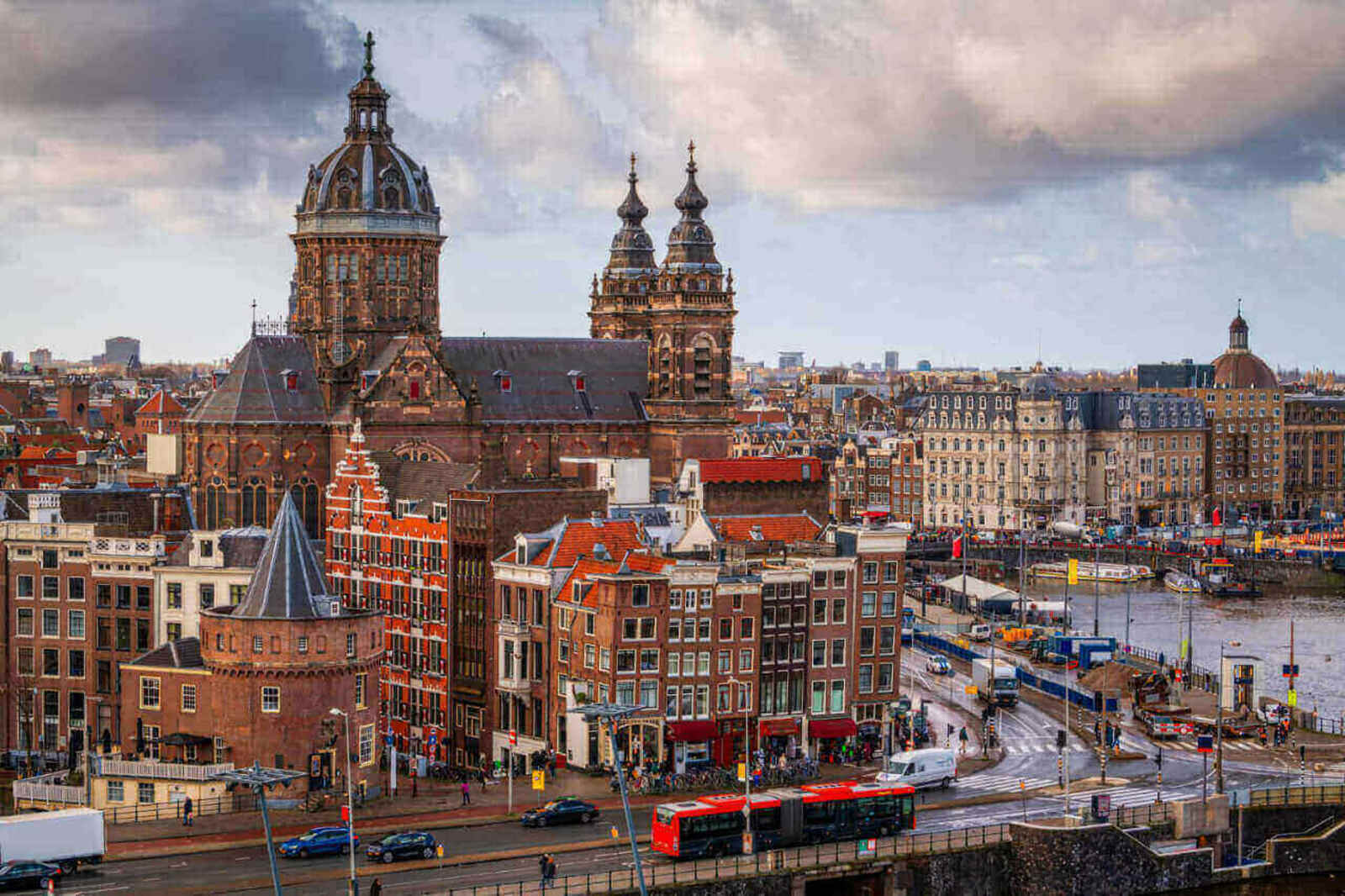
Amsterdam: stricter rules for cruise ships and new hotels
- Amsterdam, famous for its narrow streets and canals, has tightened rules for cruise liners and new hotels. As an alternative, Leiden is suggested — a city rich in history and culture that can offer similar canals with fewer crowds.
Canary Islands and Barcelona: limits to curb excessive tourism
- The Canary Islands and Barcelona have also introduced restrictions to rein in overtourism. For example, the Canaries have limited short-term housing rentals. As an alternative, Cape Verde is suggested, with its volcanic landscapes and sandy beaches.
Lake Como: paid access — and a calmer alternative
- Lake Como and its paid entry can also discourage tourists, offering Lake Maggiore instead, with its idyllic views and historic sights.
Greece: Acropolis access limits and a new climate tax
- In Greece, authorities limited access to the Acropolis in Athens and introduced a new climate tax for tourists. Still, there are lesser-known Greek islands that continue to welcome travelers with open arms.
Bhutan and Tokyo: higher costs to protect heritage
- Bhutan and Tokyo have taken similar measures, increasing the cost of visits to curb visitor flows and preserve cultural heritage.
These measures are designed to protect each place’s unique character, emphasizing sustainability and the quality of the travel experience rather than the sheer number of visitors. The full list of destinations and alternatives can be found in an article on the “Travel Off Path” website.
Source: Travel Off Path
What to do: travel smarter when places are overloaded
Local residents and authorities are trying to reduce tourist pressure to protect culture and nature from degradation. That’s why restrictions and higher tourist taxes are appearing — and why choosing calmer alternatives mentioned in the text can be a more comfortable option.
1-day idea: similar vibes, fewer crowds
Pick one of the suggested alternatives (Leiden instead of Amsterdam; Lake Maggiore instead of Lake Como) and focus on the same “signature” experiences — canals, lakeside views, and historic streets — with a calmer pace and less crowding.
2-day idea: split time between “hot” and “calm”
If you still want a famous hotspot, plan for the fact that there may be limits or added tourist taxes. Then use the second day for a suggested alternative (like Cape Verde’s volcanic landscapes and sandy beaches) to balance the experience.
How to get there: flights, planning, and what to check
Since many destinations have introduced restrictions or increased taxes for tourists, it’s worth checking local rules (access limits, paid entry, short-term rental regulations) before booking — especially for summer 2024 travel.
FAQ: restrictions, taxes, and calmer alternatives
What is overtourism?
It’s when visitor numbers overwhelm a place’s infrastructure, nature, and local life.
Why are some destinations discouraging mass tourism?
To protect culture and nature from degradation and to improve the quality of the travel experience.
What kinds of measures are mentioned?
Limits on cruise ships, new hotels, short-term rentals, and access to major landmarks.
Does this mean tourists can’t visit at all?
Not necessarily — it often means rules, quotas, or additional tourist fees.
What’s changing in Amsterdam according to the text?
Stricter rules for cruise liners and new hotels.
Why are short-term rentals being limited in the Canaries?
The text describes it as a measure to curb excessive tourism.
What does “paid entry” imply (Lake Como)?
It’s mentioned as a deterrent; it can mean extra costs and more structured access.
What’s the point of limiting Acropolis visits?
To manage crowds and reduce pressure on an iconic site, as described in the text.
What is the “climate tax” in Greece?
The text mentions it as a new tourist tax introduced by authorities.
Why do Bhutan and Tokyo raise visit costs?
To curb visitor flows and preserve cultural heritage, as stated in the text.
What alternatives are suggested in the article?
Leiden, Cape Verde, and Lake Maggiore (plus lesser-known Greek islands).
Where can I find the full list of destinations and alternatives?
The text says it’s available in an article on the “Travel Off Path” website.