 Enter
Enter



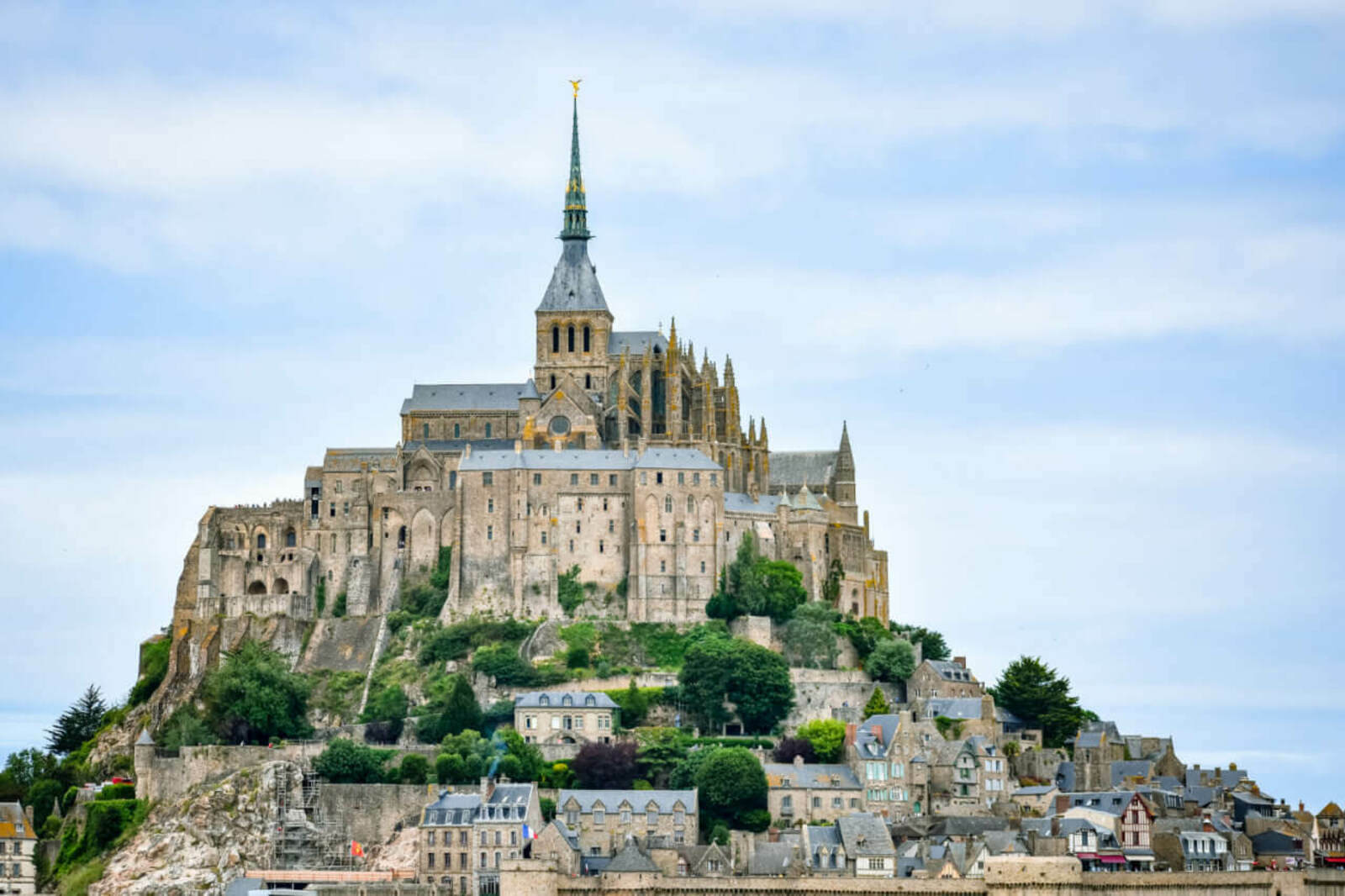
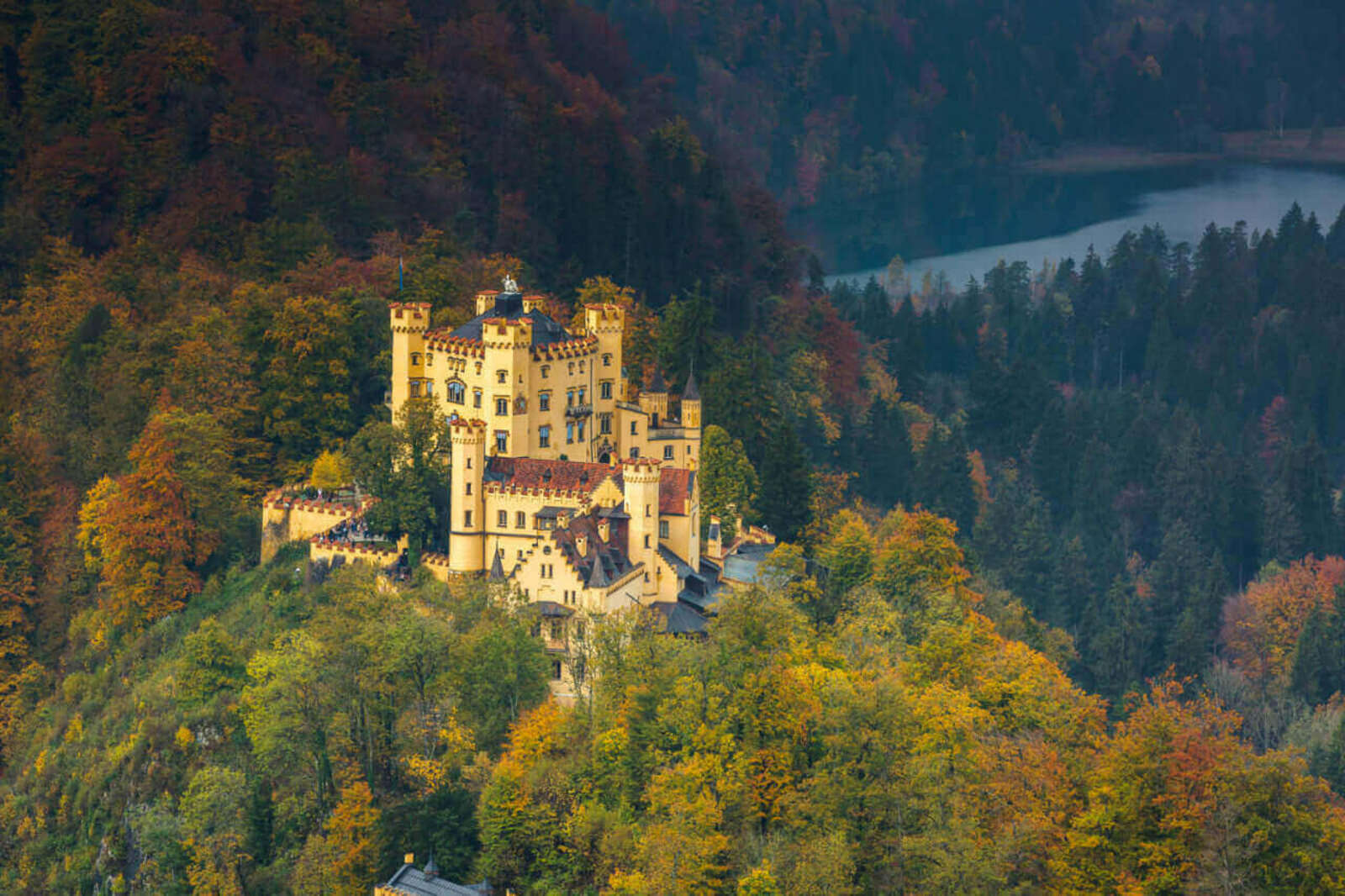

A journey across Europe wouldn’t be complete without visiting its famous castles — each one carrying a piece of the continent’s history and culture. The popular publication Daily Express selected ten of Europe’s most unusual castles, sure to make you look at historic landmarks from a new perspective.
10 castles across Europe — from Loire Valley grandeur to imperial Vienna.
A mix of styles: medieval fortresses, romantic palaces, and dramatic cliff-top strongholds.
Perfect for itinerary building: add a “castle stop” to a city break or road trip.
A “new perspective” list: familiar places that still surprise in details and atmosphere.
Great in any season: gardens and viewpoints in warm months, interiors and museums in cooler ones.
Ten of Europe’s most unusual castles (Daily Express selection)
1. Château de Chambord, France — the largest castle in the Loire Valley, drawing visitors with more than 400 rooms and 80 staircases, with a history dating back to the 16th century.
2. Eilean Donan Castle, Scotland — set where three lochs meet, known for its reconstructions and its status as one of Scotland’s symbols.
3. Corvin Castle, Romania — one of the continent’s largest castles, famed for the Knights’ Hall and the Parliament Hall, and considered one of Romania’s seven wonders.
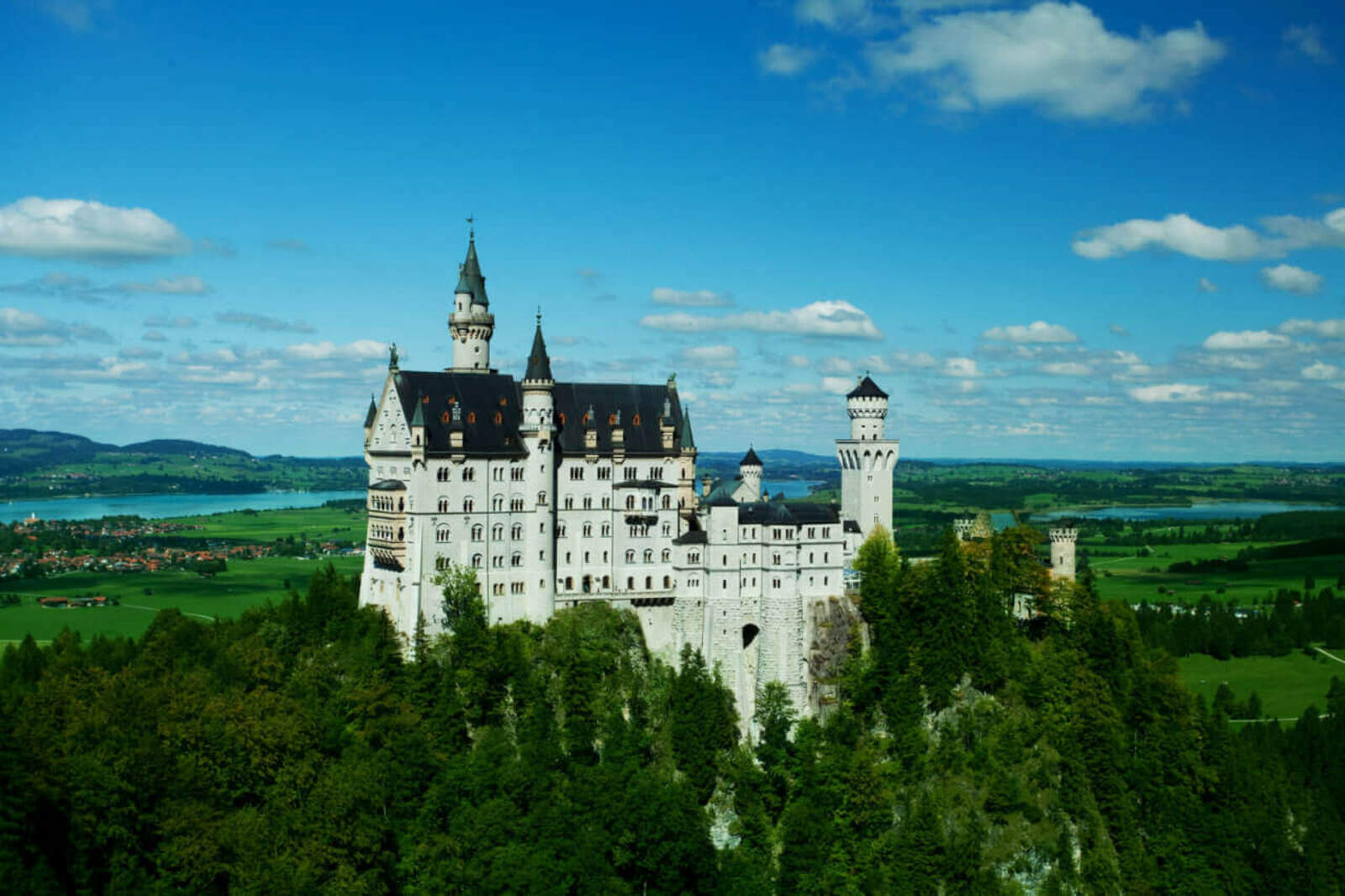
4. Neuschwanstein Castle, Germany — an unfinished 19th-century palace, said to be an inspiration for the “Cinderella” castle, attracting millions of tourists each year.
5. Conwy Castle, Wales — an exceptionally well-preserved medieval castle, built in four years and considered one of Wales’s most impressive.
6. Alcázar of Segovia, Spain — a rock-built castle that was home to 22 Spanish kings and a stage for major historical events, including Christopher Columbus meeting King Ferdinand.
7. Trakai Castle, Lithuania — located on an island in Lake Galvė and a popular tourist attraction showcasing the history of the Grand Duchy of Lithuania.
8. Pena Palace, Portugal — set in scenic Sintra, this castle draws visitors with its unique romantic design and vibrant colors.
9. Akershus Castle and Fortress, Norway — a fortress that protected Oslo and served as a royal residence, representing an important part of Norway’s history.
10. Schönbrunn Palace, Austria — the Habsburgs’ main summer residence, famed for its beautiful gardens and more than 1,400 rooms.
This unique list of castles lets every traveler add a little magic and grandeur to their journey.
Source: Daily Express
15.05.2024
What to do: turn the list into a great travel day
Pick 1–2 “headline” castles per region so you still have time for parks, viewpoints, and nearby towns.
Mix palace-style sites (Schönbrunn, Pena, Neuschwanstein) with fortresses (Conwy, Akershus) for strong contrast.
If the place is popular, aim for early morning for shorter queues and better light for photos.
1-day itinerary: “one castle, maximum atmosphere”
Morning:
Arrive early, stroll around the exterior (courtyards, walls, gardens) and hit the best viewpoints.
Midday:
Explore interiors and exhibitions (where available), then lunch in the nearest town or village.
Evening:
A relaxed walk nearby, a sunset panorama, and return.
2-day itinerary: “two castles + the region’s vibe”
Day 1:
Your main castle from the list + an evening walk in the nearby town (dinner, old streets, riverside if there is one).
Day 2:
A second site (fortress or palace) + local extras: lake, valley, park, museum — depending on the landscape.
Tip:
For very popular places (like Neuschwanstein), booking in advance and leaving buffer time helps a lot.
How to get there: flights, transfers, and route logic
The easiest approach is to choose one country or region and build a compact “castle mini-trip” with fewer long transfers.
If you plan multiple countries, group nearby points on the map and factor in travel time between cities.
Some castles are easiest by car (lakes, valleys, countryside), while city-based sites are often simpler by public transport.
FAQ: planning a castle day in Europe
How do I choose the best castle for a first visit?
Pick one that fits your region and interests: interiors and gardens (palaces) or fortress history and views.
How much time should I plan for one castle?
Often 2–4 hours including the grounds; large palace complexes can take longer.
What’s the best time to avoid crowds?
Typically early morning on weekdays, or later in the day if entry is still available.
Do I need to book tickets in advance?
For the most popular sites, it’s a smart idea — especially during peak travel periods.
What should I bring for a “castle day”?
Comfortable shoes, water, a light layer, a power bank, and ID if required for ticket checks.
Can I take photos inside?
Rules vary: some allow photos without flash, others restrict photography in certain rooms.
Is it better to go by car or public transport?
It depends: countryside sites can be easier by car, while city locations are often best by train, bus, or metro.
Is the off-season worth it?
Yes — fewer people and a different atmosphere, and many castles run exhibitions year-round.
How do I combine castles with a city itinerary?
Plan half a day for the castle, and keep the other half for museums, walks, and local food.
How do I avoid “sightseeing fatigue”?
Don’t schedule more than 1–2 castles per day, and add simple breaks: a park, coffee, or a short stroll.
What else is worth seeing near castles?
Gardens, lakes, old quarters, and viewpoints — they deepen the “sense of place.”
Where should I start if I want a long-term “castle collection”?
Start with one country per trip and expand gradually — it keeps the route comfortable and well-structured.