
 Enter
Enter





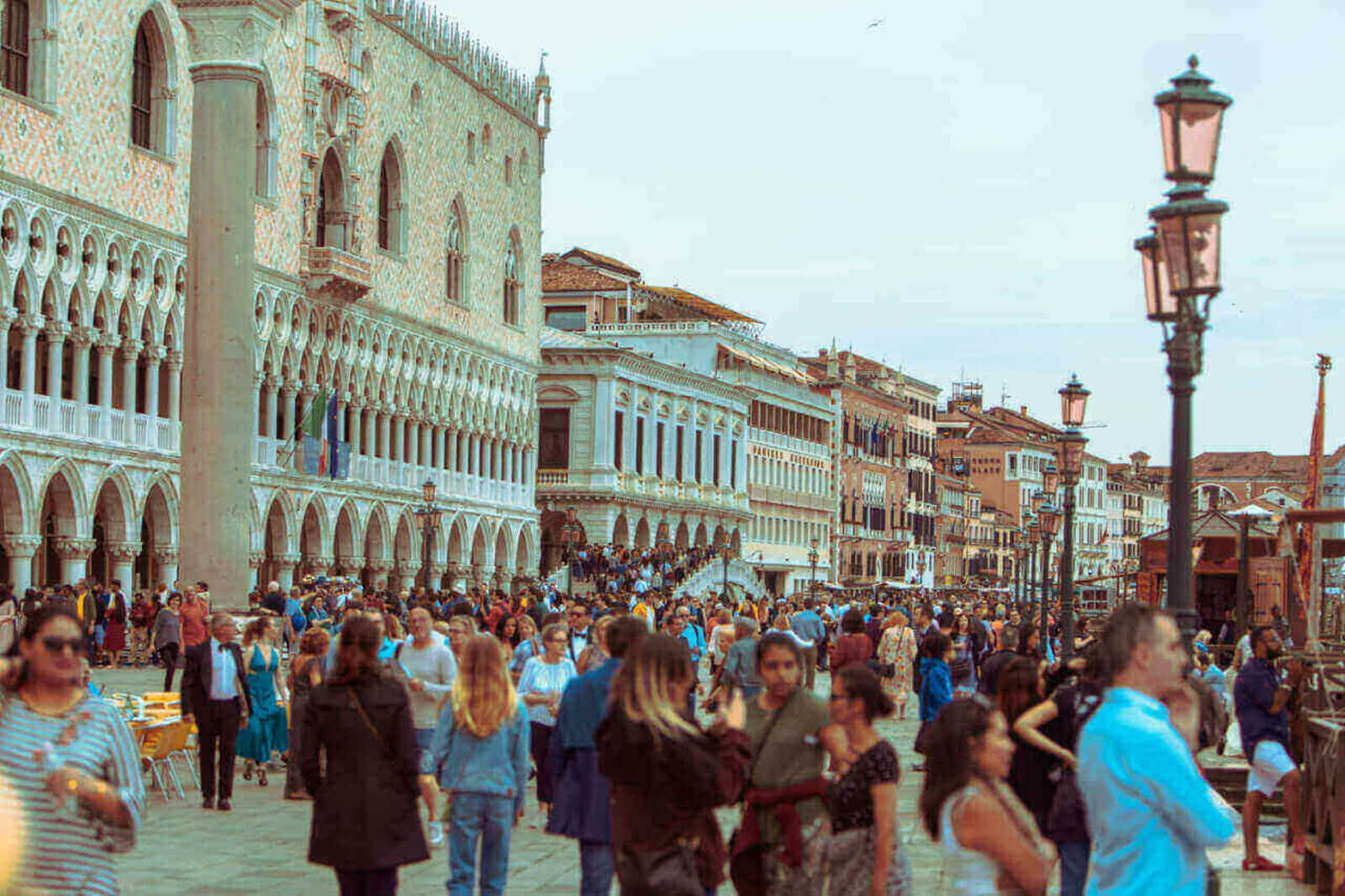

Venice continues to tackle the impact of overtourism and is tightening its rules for visitors. The city is introducing new limits for organized groups and moving away from noisy sightseeing formats in order to protect the fragile atmosphere of the historic center and the daily life of residents.
The most important things to know about the new rules in Venice:
Loudspeakers and megaphones are now banned for tour groups in Venice.
Tourist groups are limited to a maximum of 25 people.
A daily entry fee of 5 euros has been introduced for day-trippers.
Large cruise ships have already been banned from docking near the central canals since 2021.
The main goal is to protect Venice’s cultural heritage and unique atmosphere.
Together with flood-protection systems, these measures helped Venice avoid being placed on UNESCO’s list of World Heritage in Danger.
What new restrictions have been introduced in Venice for tourists?
New rules for tourists have come into force in Venice, aimed at reducing the negative impact of overtourism on the city. From now on, the use of loudspeakers is banned, and tourist groups may not exceed 25 people. These measures were introduced by the local authorities to protect the city’s unique atmosphere and its cultural heritage.
Venice and the pressure of mass tourism
Venice, with its famous network of canals, is one of the most popular tourist destinations in Europe. However, overtourism has become one of the most pressing problems for the city, whose population is around 250,000 people, while tourist numbers exceeded 13 million in 2019. Venice has already been experiencing an outflow of residents who fear that visitors may overcrowd the historic island city.
Daily entry fee and restrictions on cruise ships
Earlier this year, the city also introduced a daily entry fee of 5 euros to further control the flow of tourists. Previously, in 2021, Venice banned cruise ships from docking near the canals, which was an important step in the fight against overtourism.
UNESCO warnings and protecting the city’s heritage
Changes in tourism rules followed warnings from UNESCO experts that Venice could be placed on the list of World Heritage Sites in Danger. The main reasons are the impact of climate change and mass tourism, which threaten to cause irreversible changes to the city. However, thanks to efforts to implement a flood-protection system and to reduce the impact of overtourism, the UN cultural body decided not to include Venice on this list.
How the new rules affect tourists
Local authorities are continuing to search for a balance between maintaining tourist flows and preserving the city’s unique cultural and historical heritage. Venice remains a major tourist center, but now with new rules and restrictions that should help protect its uniqueness for future generations.
What to do in Venice with the new rules in mind
The new restrictions do not take away Venice’s charm, but they do require a bit more attention to how you organize your visit. Here are some practical tips:
Choose small-group tours (up to 25 people) or private walks with a guide instead of crowded excursions.
Skip portable speakers and loud devices. Use headphones or a discreet audio guide on your phone instead.
Check in advance whether the entry fee applies on your chosen dates and how to pay it correctly.
Explore quieter areas of the city beyond St. Mark’s Square for a more authentic experience and fewer crowds.
Venice in 1 day: a relaxed itinerary
If you only have one day in Venice, you can still see the highlights while respecting the new rules:
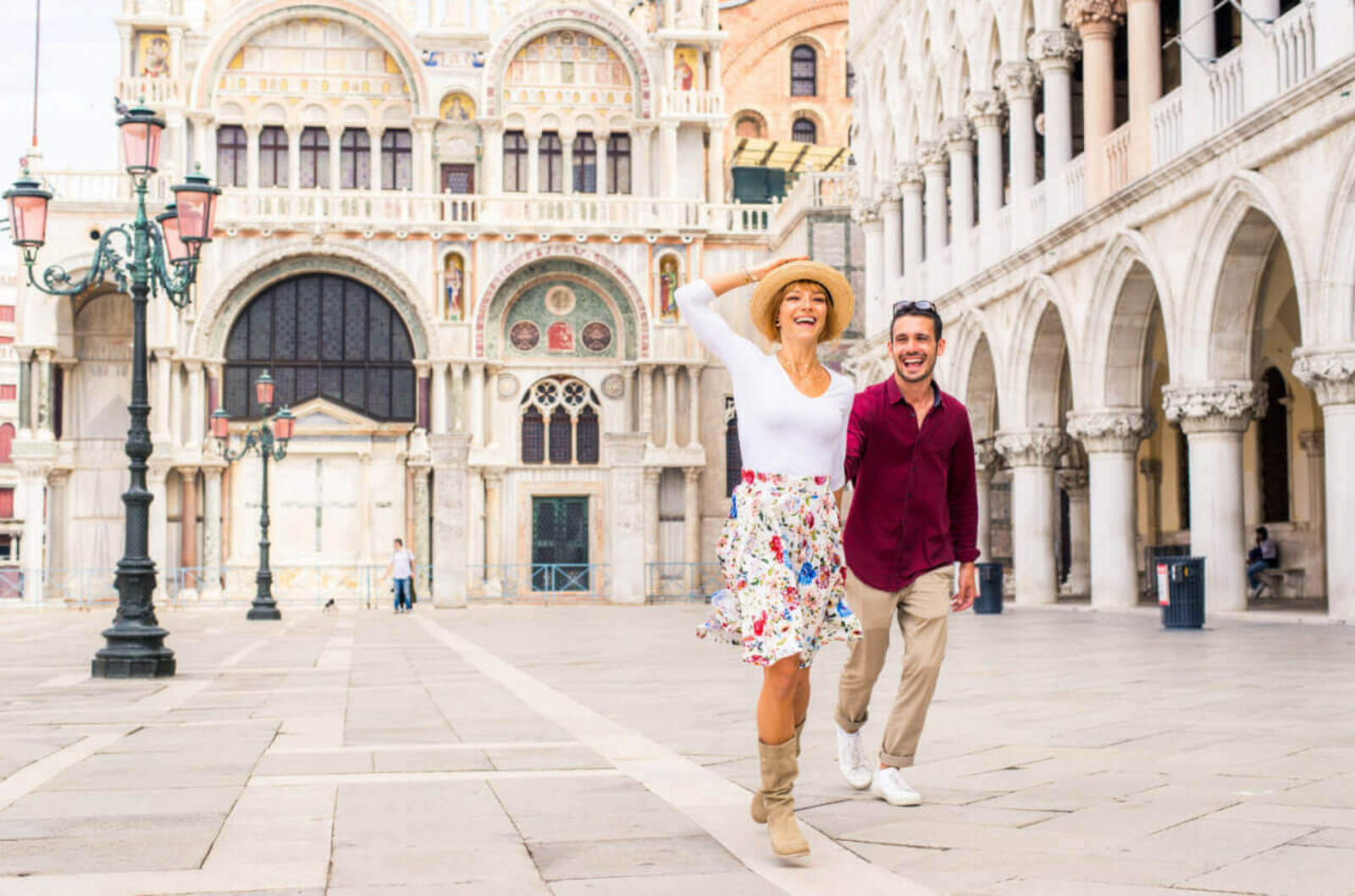
In the morning, head to St. Mark’s Square: the basilica, the Doge’s Palace and the view of the lagoon will give you unforgettable first impressions. Keep a calm pace, avoid lingering too long in the most crowded spots and don’t join dense groups that block the walkways.
Around midday, stroll towards the Rialto Bridge, discovering narrow alleyways and quieter districts along the way. Instead of a loud audio guide, use explanations in your headphones or a printed guidebook.
In the evening, it’s the perfect time to explore districts such as Dorsoduro or Cannaregio, where you can have dinner at a local trattoria and enjoy the atmosphere without noise and overcrowding.
Venice in 2 days: more time, less crowding
Day 1. Devote your first day to the classics: St. Mark’s, Rialto, and a walk along the Grand Canal. Plan your visit so you do not create large groups and do not rely on megaphones or powerful sound systems. If you are travelling with a bigger party, split into smaller subgroups.
Day 2. Reserve the second day for quieter areas and the lagoon islands. You can visit Burano or Murano, or choose less touristy districts of Venice where life moves at a slower pace. This reduces pressure on the historic center and lets you discover the city beyond its most famous sights.
On both days, leave space in your schedule for breaks, cafés, museums and simple walks, without trying to “do it all” in record time. This is the spirit of responsible tourism that Venice is trying to encourage.
How to get to Venice and what to keep in mind
You can reach Venice by air via Marco Polo International Airport or by train, arriving directly at Venezia Santa Lucia station in the heart of the city. From there, you continue on foot or by water transport.
Before your trip, it is worth checking:
whether the entry fee applies on your travel dates and whether advance registration or booking is required;
which rules are currently in place for organized tours and local guides;
whether there are any special recommendations from the authorities for major events, holidays or peak tourist periods.
The most reliable information is published on the city’s official websites and in announcements from local authorities. Your tour operator or hotel can also help clarify the current rules.
Frequently asked questions about the new rules in Venice
What new restrictions have been introduced for tour groups?
Loudspeakers have been banned, and the maximum size of any tourist group is limited to 25 people. The aim is to reduce noise and congestion in the narrow streets of the historic center.
Do the new rules apply only to organized tours or to all visitors?
The rules are primarily aimed at organized tours and licensed guides. However, all visitors are encouraged to behave respectfully and avoid very large, noisy groups.
What happens if a group exceeds the 25-person limit?
The guide or organizer may face fines and restrictions on operating in the city in future. It is important to book tours with companies that comply with local regulations.
Are the new restrictions in place all year round?
The measures are intended to be long term, but certain details or additional restrictions may vary by season and according to decisions made by local authorities. It is worth checking the latest information before travelling.
Why was the 5-euro entry fee introduced for Venice?
The fee helps control the number of day-trippers and partially offsets the pressure on the infrastructure of a fragile historic city. It also encourages visitors to plan their trip more thoughtfully.
How are these measures linked to UNESCO recommendations?
UNESCO had warned that Venice could end up on the list of World Heritage Sites in Danger due to mass tourism and climate change. The new rules are part of a broader package of actions to reduce these risks.
Why were large cruise ships banned from the central canals?
Cruise ships have a major impact on the lagoon ecosystem, contribute to erosion, and bring thousands of visitors at once. The ban is an important step both for the environment and for protecting the city’s fabric.
Do the new rules affect hotel bookings in Venice?
The restrictions mainly concern how visits and tours are organized. However, hotels and tour operators may remind guests of the rules and recommend responsible behavior while in the city.
Can I use a portable speaker if I am travelling independently?
The city is trying to reduce the overall noise level, so loud portable speakers are strongly discouraged. It is much better to use headphones or keep the volume on personal devices very low.
Where can I check the current rules before travelling to Venice?
The most reliable information is available on the city’s official websites and in announcements from local authorities. You can also ask your tour operator or hotel for up-to-date details.
Will these measures change how I experience the city as a tourist?
For many visitors, the changes may actually make the city more pleasant: less noise, fewer bottlenecks and more space to calmly enjoy Venice’s beauty.
How can I, as a tourist, support responsible tourism in Venice?
By respecting local rules, avoiding litter and noise, choosing slower-paced walks, and staying longer instead of making quick, crowded stopovers in large groups.