 Enter
Enter




Getting to know Corfu
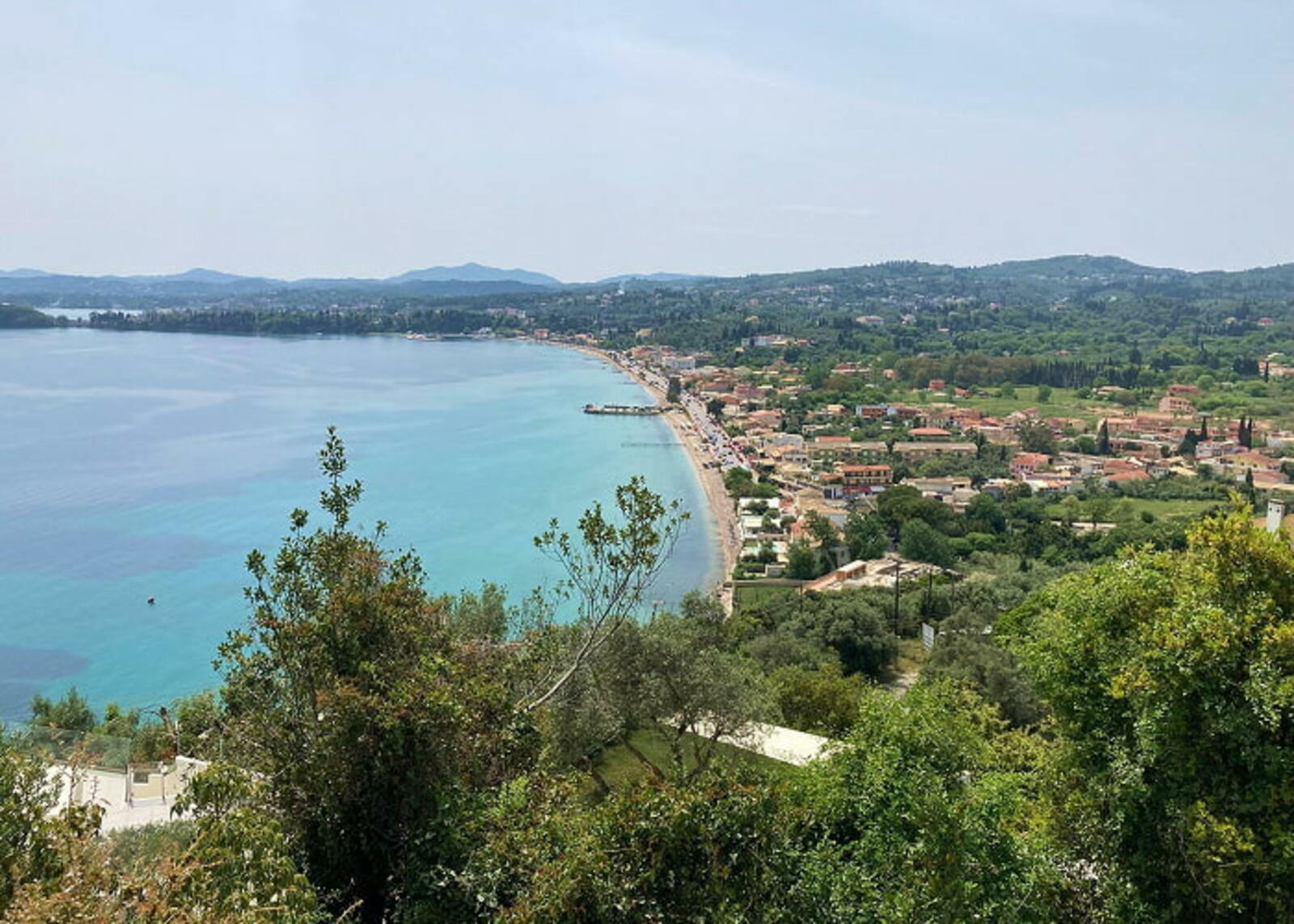
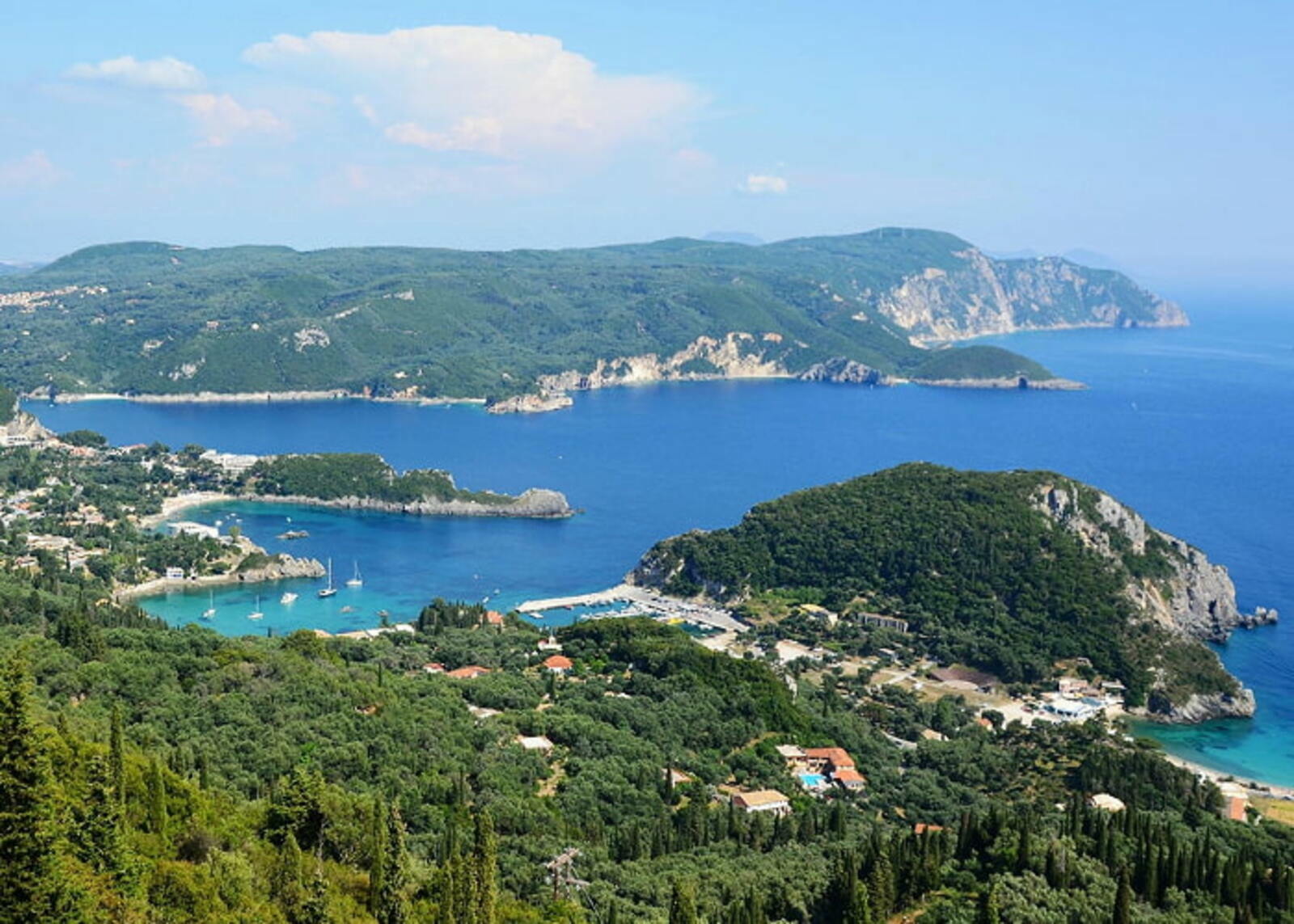
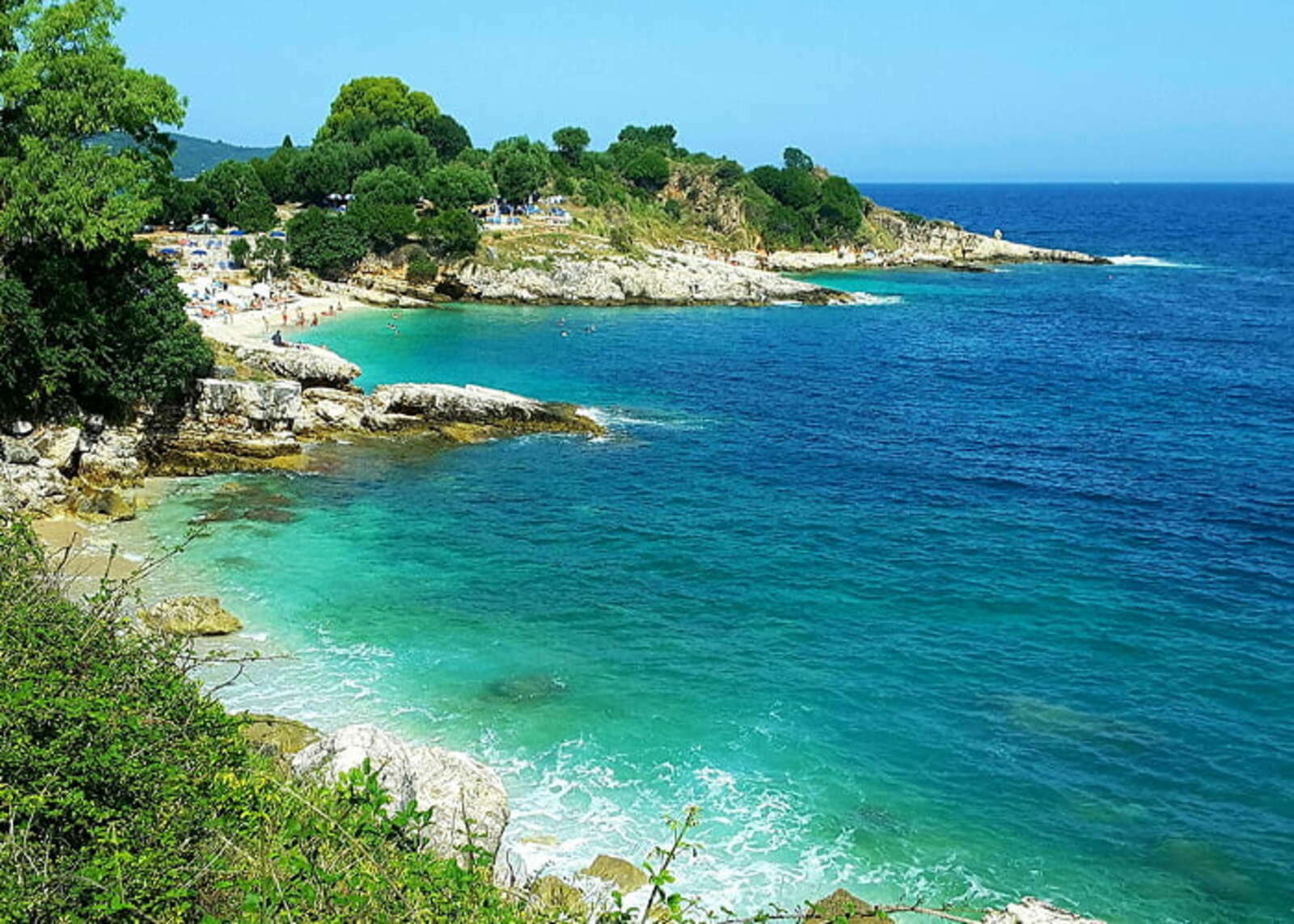
A holiday in Corfu is a different kind of Greece: greener, softer and more “European” than the familiar Cyclades with white houses and dry hills. The island is located in the Ionian Sea, off the western coast of the Balkans, and combines beach holidays, old architecture, olive groves, bays with clear water and a calm pace of life.
Corfu (Kerkyra) is often chosen by tourists from Moldova and Romania who prefer the sea, nature and walks through historic streets. Here you can sunbathe on sandy and pebbly beaches, dine in taverns with seafood and pastitsada, and in the evening walk among the Venetian façades of Corfu Old Town, included on the UNESCO World Heritage List.
But where is the best place to stay in Corfu, when is the sea warmest, will you need a rental car and which beaches deserve attention? Let’s go through everything step by step — from areas and seasons to family holidays and independent routes around the island.
Top highlights
Corfu holiday in brief
Corfu is located in the northern part of the Ionian Sea and is considered one of the greenest islands in Greece. Thanks to the humid climate, there are many cypresses, olive groves and dense vegetation here, which strongly distinguishes the island from the drier southern regions of the country.
A holiday on Corfu island is suitable for:
This destination offers much more than the usual idea of a beach holiday. Sea trips, boat rentals, village tours, hiking, photo routes and gastronomic tourism are popular here.
The main difference between Corfu and many other Greek islands is the atmosphere. Venetian, British and French influences can be felt in the local architecture, while the island itself looks aristocratic and does not have the sun-scorched feel typical of some parts of the Aegean Sea.
When is the best time to visit Corfu?
The best time to visit Corfu depends directly on what you expect from your trip. Many people come here for the warm sea and relaxed walks, while others value lively excursions or, on the contrary, as few tourists as possible.
May — June
May — June is considered one of the most comfortable periods. It is already warm, the island is full of greenery, and the beaches are not overloaded. Air temperatures usually stay around +24...+29°C, while the sea gradually warms up to comfortable levels. This is a good time for family holidays, trips through villages and excursions.
July and August
July and August are the high season on the island. The air can warm above +32°C, and popular Corfu resorts become noticeably livelier. The sea is at its warmest, beach bars, boat excursions and sea trips operate actively. But this is exactly the period when parking near popular bays can become difficult if you rent a car, and prices for good accommodation options are significantly higher than usual.
September and early October
September and early October are considered by many tourists to offer the best balance. The sea remains warm after summer, the heat becomes softer, and the island is calmer. For beach holidays and trips around the island, this is one of the most pleasant periods.
April and October
April and October are more suitable for walks, nature and excursions. The water temperature is not ideal for long swims, but Corfu enters the season of walking routes, village visits and viewpoints.
*** If you are choosing the optimal time for a first trip, we recommend considering May — mid-June or September — early October. This way, you can avoid the island’s busiest periods, and thanks to the milder climate during these months, you can explore the island with maximum comfort.
Best areas and resorts in Corfu
Corfu is a very diverse resort destination: each part of the island is completely different from the neighboring ones. Somewhere tourists will find sandy beaches and family hotels, elsewhere noisy bars, old Venetian streets or secluded bays among olive groves. Therefore, before booking a holiday in Corfu, it is important to understand what type of vacation suits you best.
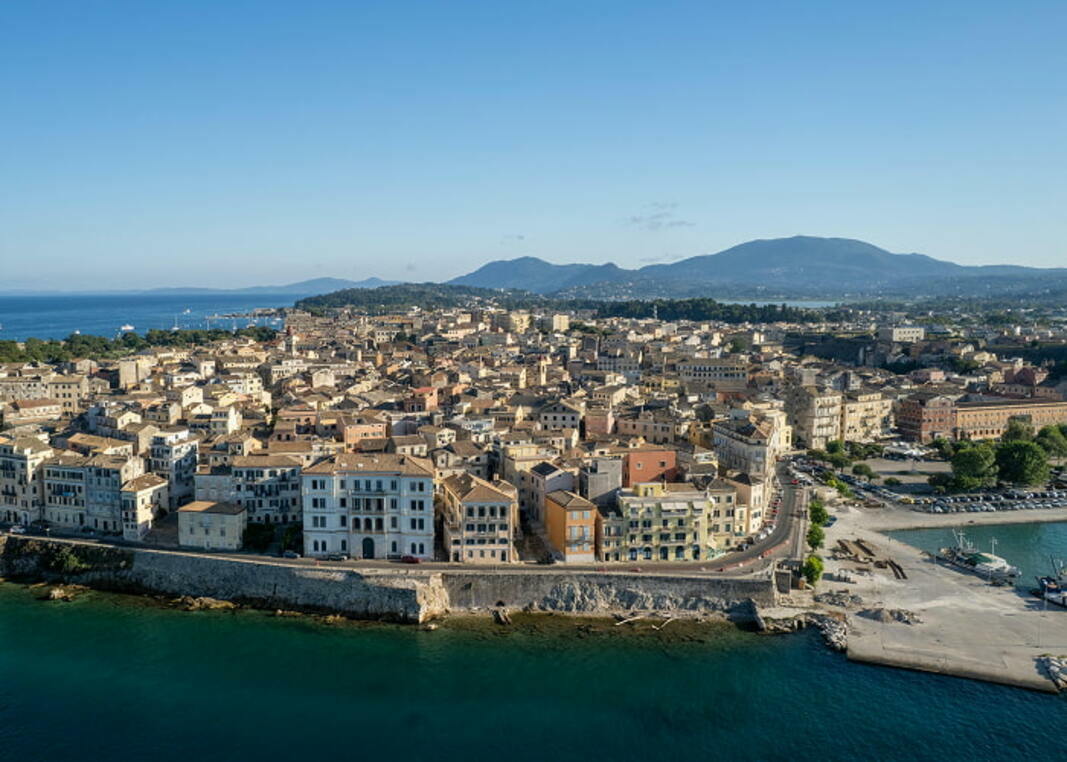
Kerkyra / Corfu Town
Corfu Town is suitable for those who want to combine walks, restaurants, architecture and short trips without renting a car. You can comfortably spend several days here even without a car: cafés, museums and the Old Town are nearby, and it is easy to move between them by bus. The downside is that this is not a classic beach resort. For the best beaches, you will usually need to travel outside the city.
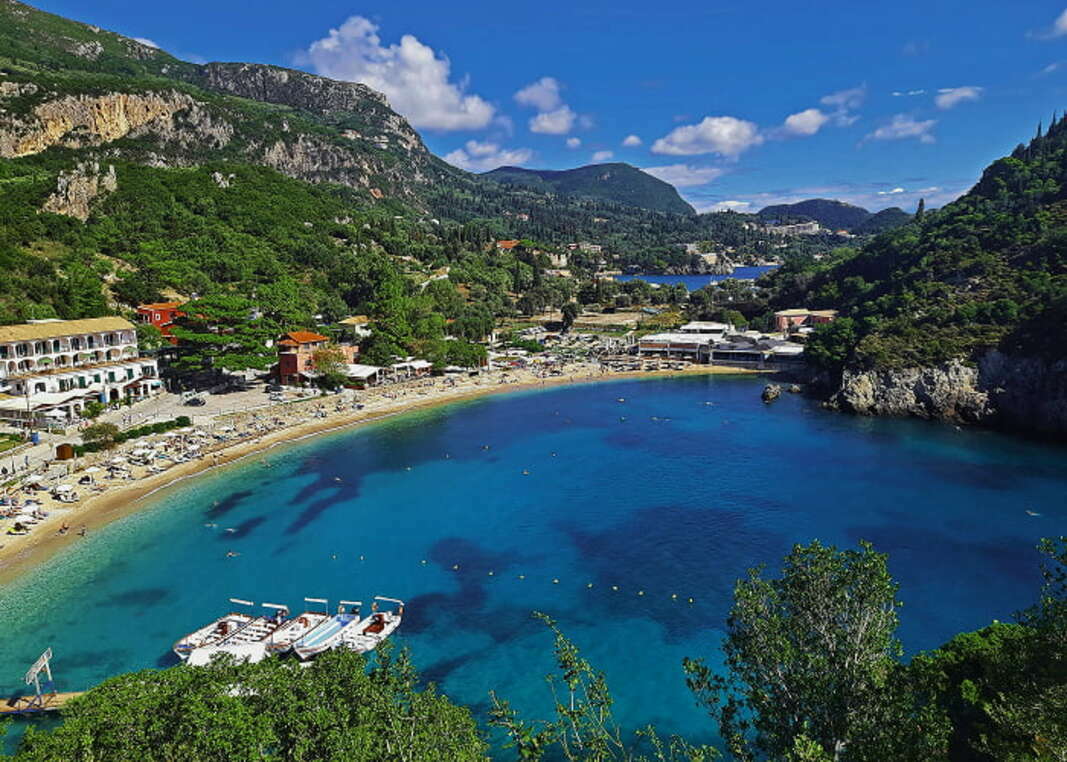
Paleokastritsa
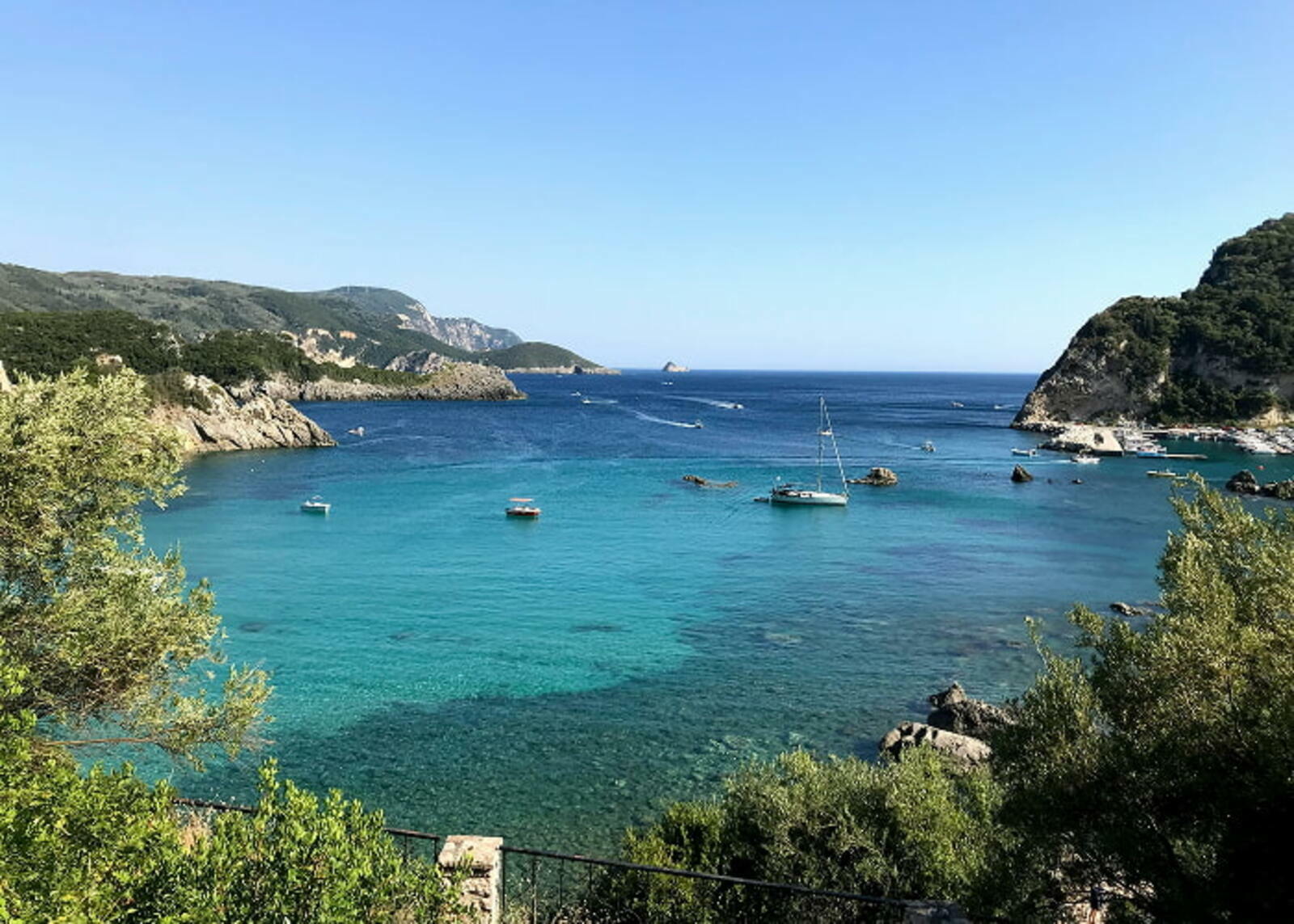
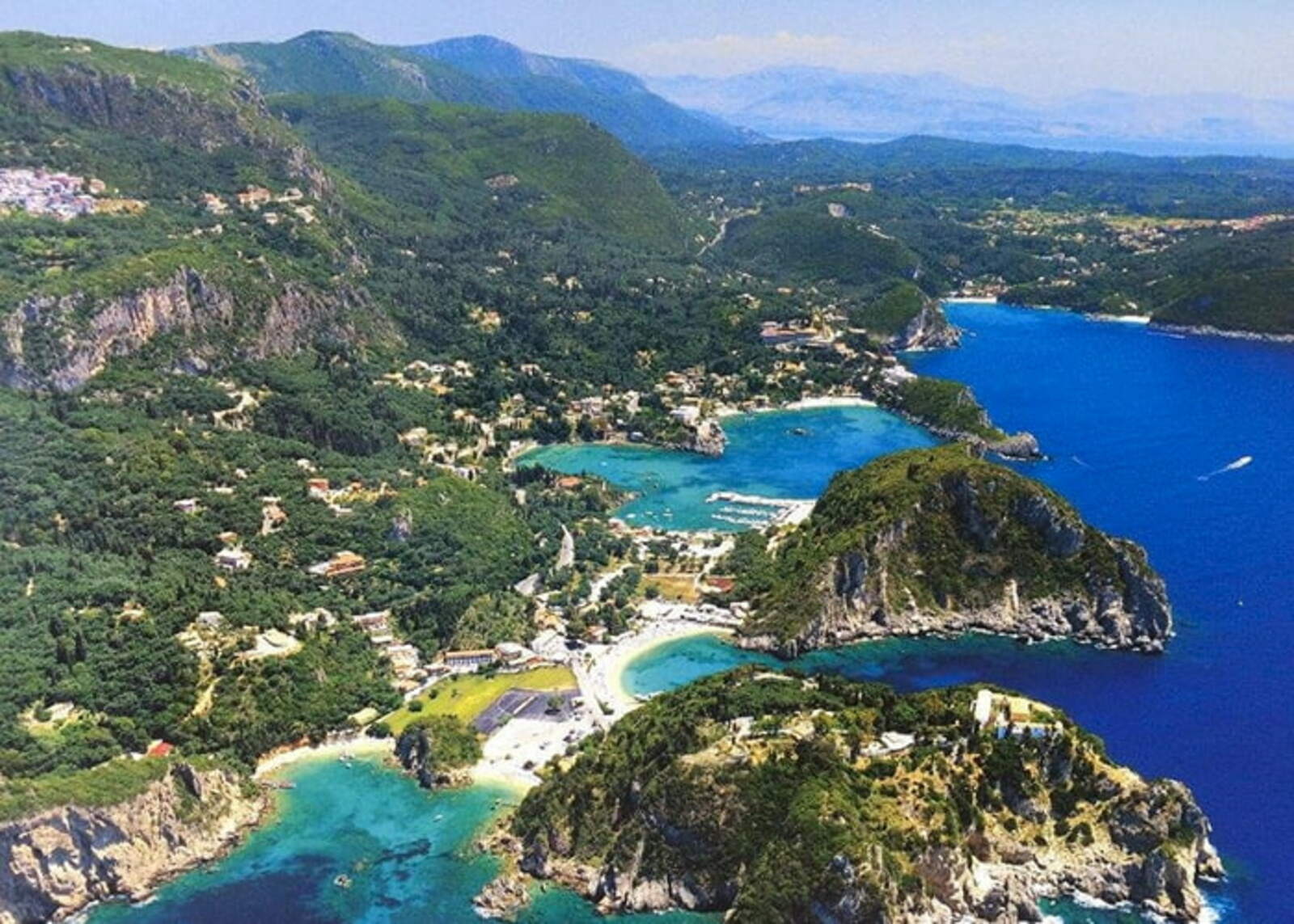
Paleokastritsa is one of the most picturesque areas of the island. Tourists will enjoy small bays with clear water, boat trips and beautiful views of hills covered in greenery. The area is suitable for romantic holidays, photo sessions and a calm beach vacation. It is important to consider the local terrain: the roads here are winding, and some hotels are located on elevations.
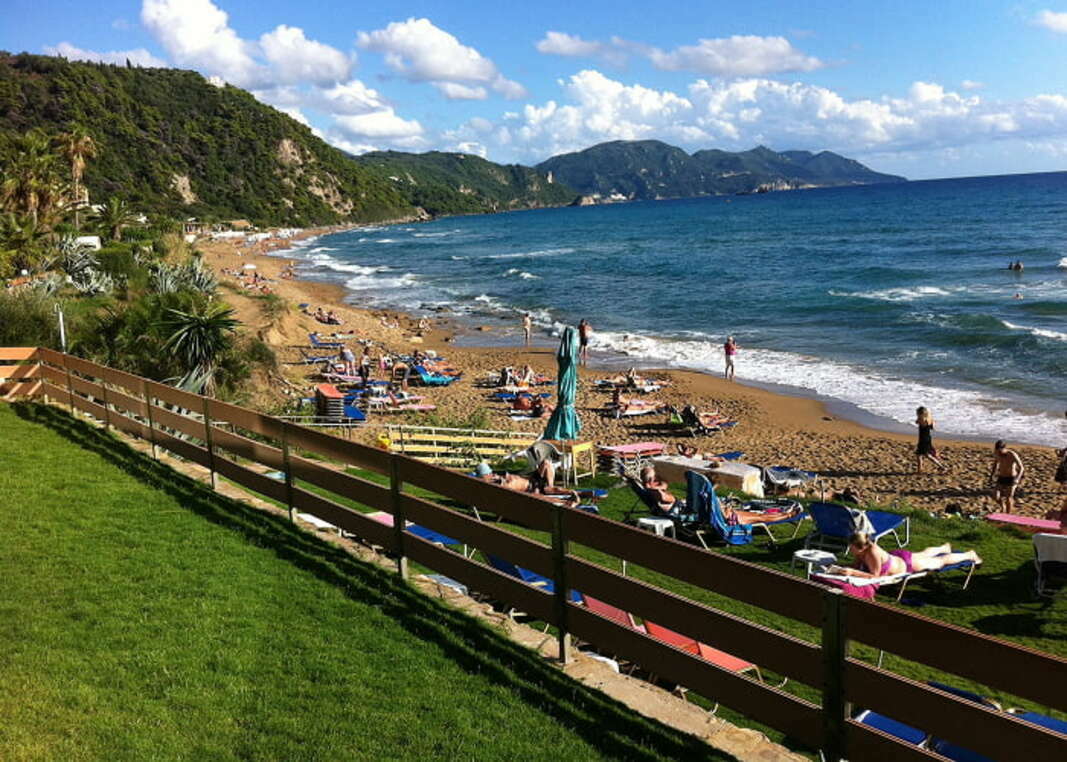
Glyfada
Glyfada is one of the most popular options for a beach holiday on the west coast. The resort is known for its wide sandy beach, beautiful sunsets and a more modern resort atmosphere. It is suitable for tourists who value comfortable seaside relaxation, but without overly noisy nightlife.
Dassia and Ipsos
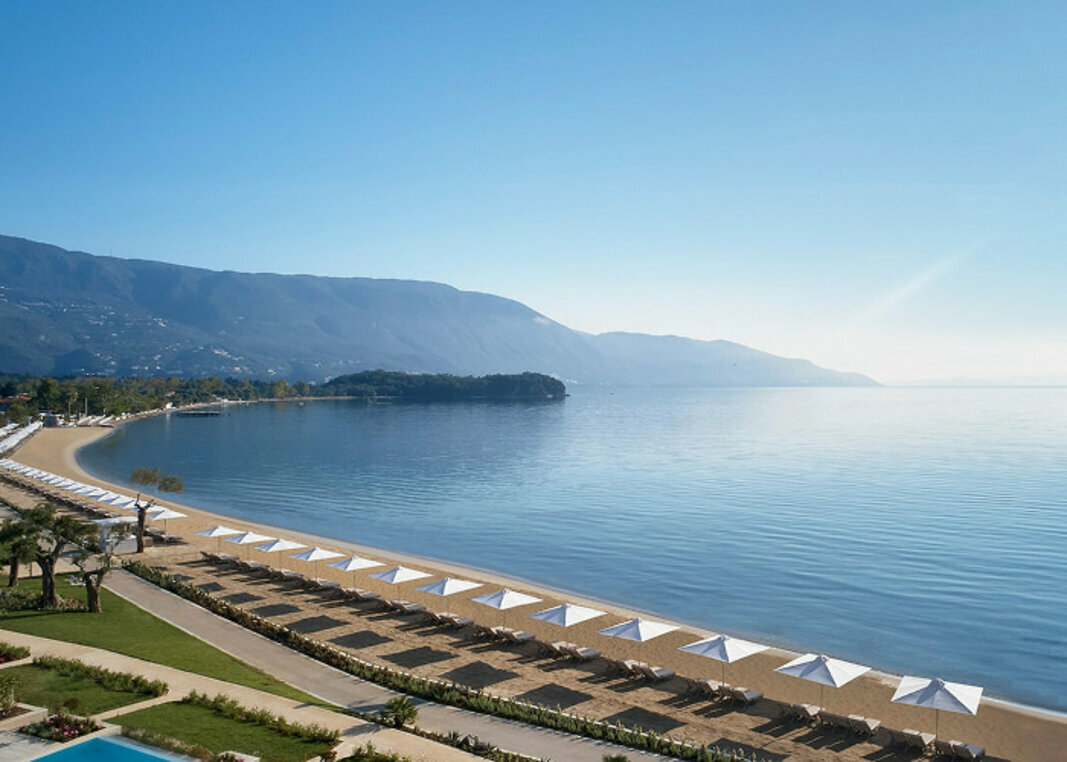
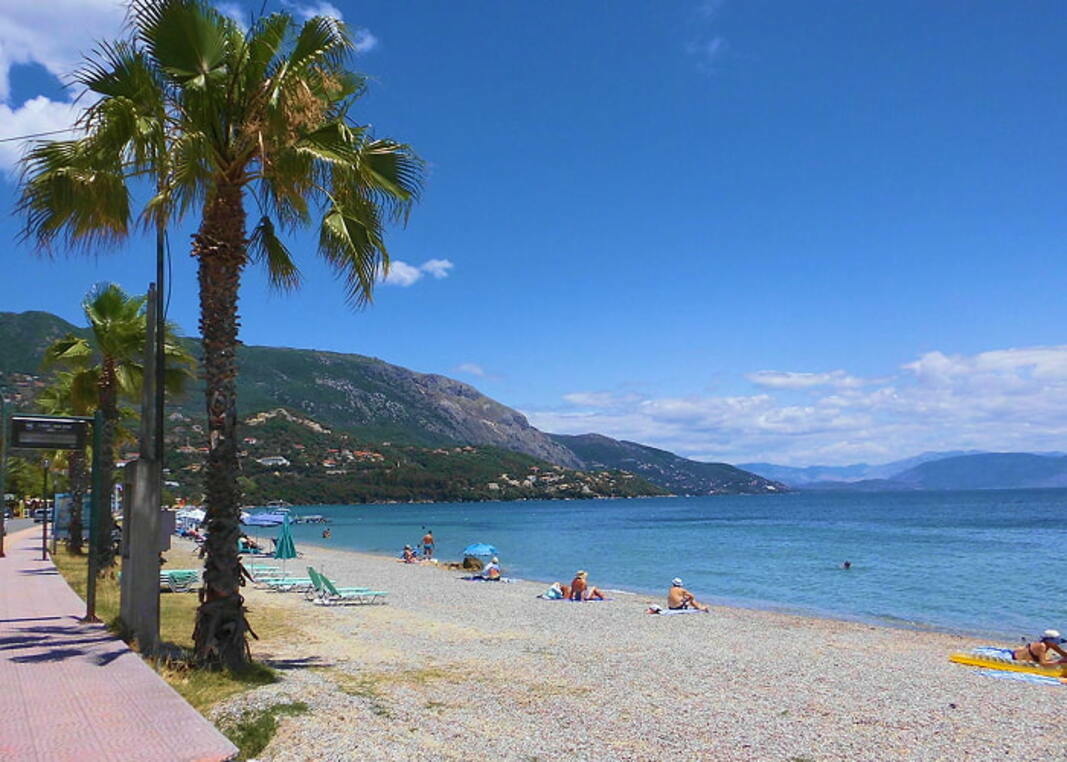
Dassia and Ipsos are convenient for those looking for developed infrastructure, a variety of cafés, bars and good connections with Corfu Town. Here you will not need to rent a car all the time. Ipsos is considered a more youthful resort and is suitable for active holidays, while Dassia is calmer and more comfortable, ideal for families.
Dassia
Ipsos
Sidari
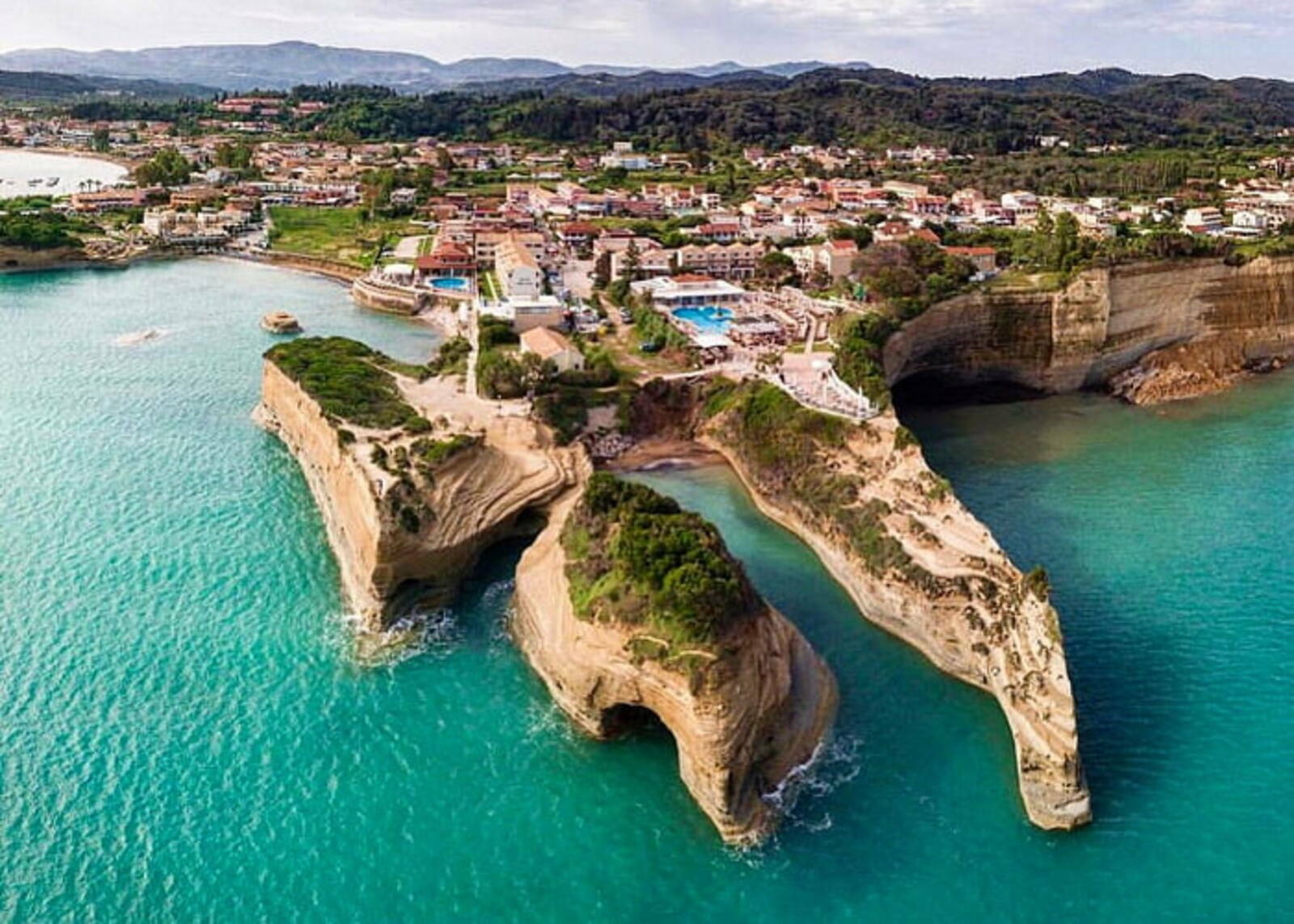
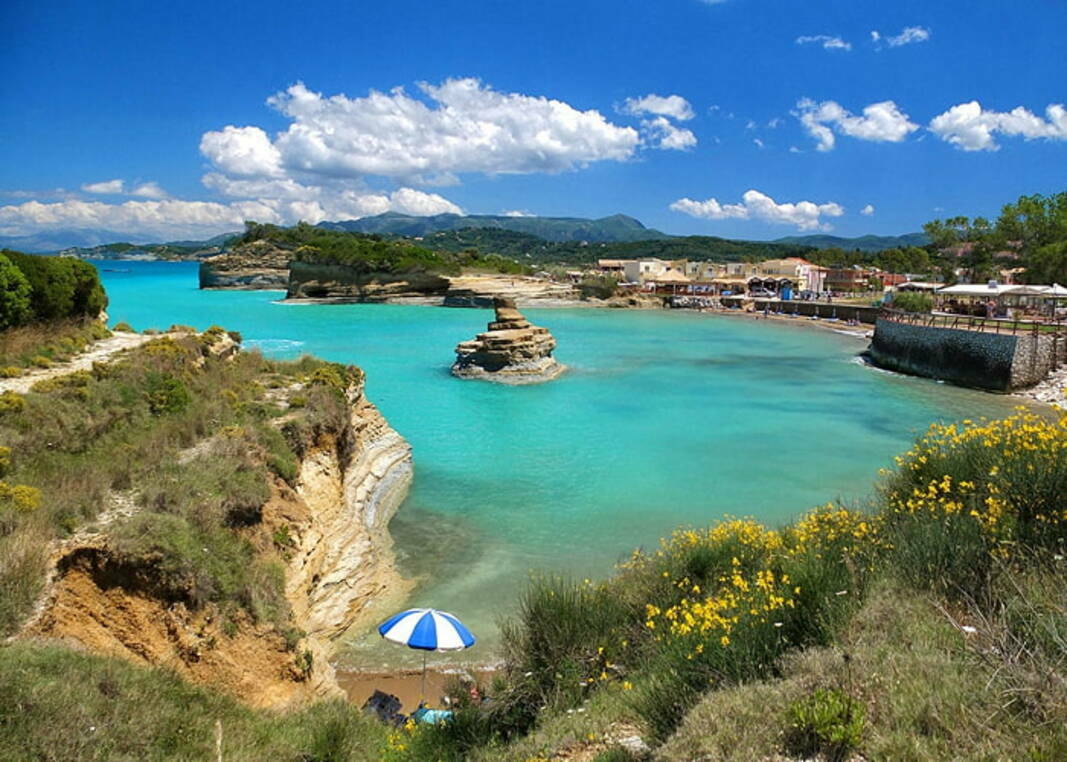
Sidari is known thanks to the Canal of Love (Canal d’Amour). This is an unusual natural bay with unique rock formations and coves. The resort is popular among young tourists and couples. It is believed that couples who swim through the canal together will keep their love forever. In high season, it is crowded, but the infrastructure is well developed: bars, cafés, excursions and transport rentals are available almost everywhere.
Kassiopi
Kassiopi is located in the north-east of the island and is considered one of the most atmospheric areas of Corfu. Beautiful views, calm sea and a more relaxed atmosphere are guaranteed. The place is suitable for a leisurely holiday for couples and tourists who enjoy the combination of a small resort and nature.
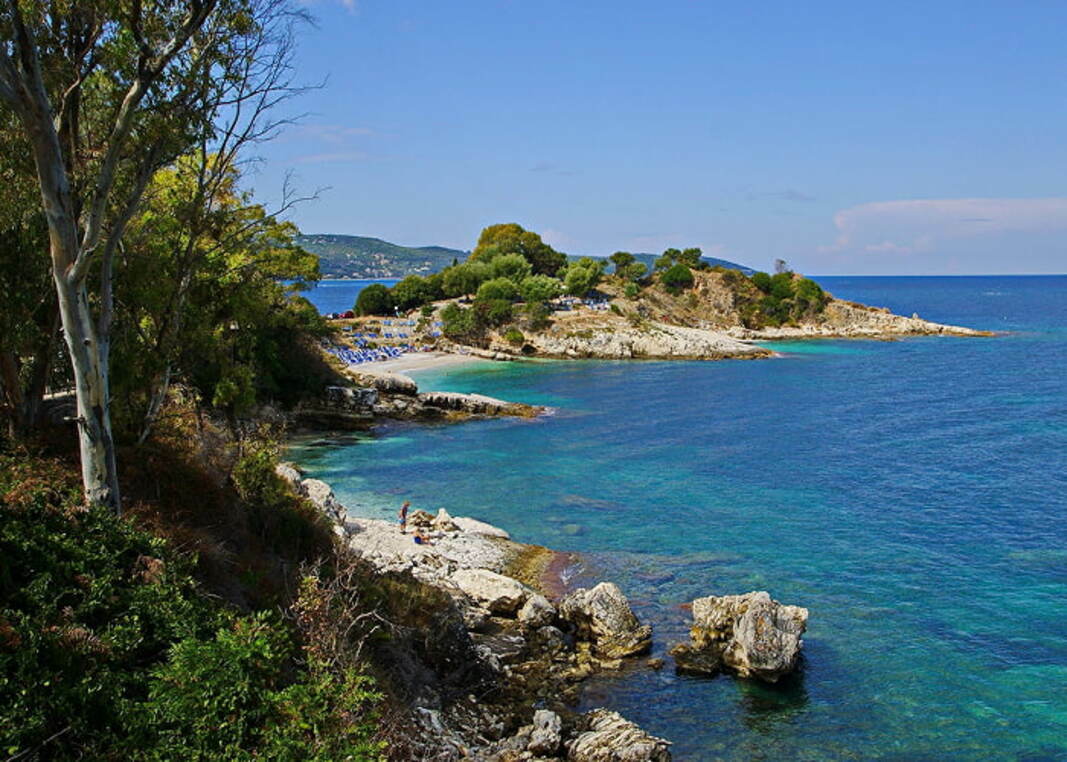
Benitses
Benitses is often chosen by families and tourists who want to stay not far from Corfu Town, but closer to the sea. It is calmer here than in Ipsos or Sidari, and the infrastructure covers all needs for a comfortable holiday.
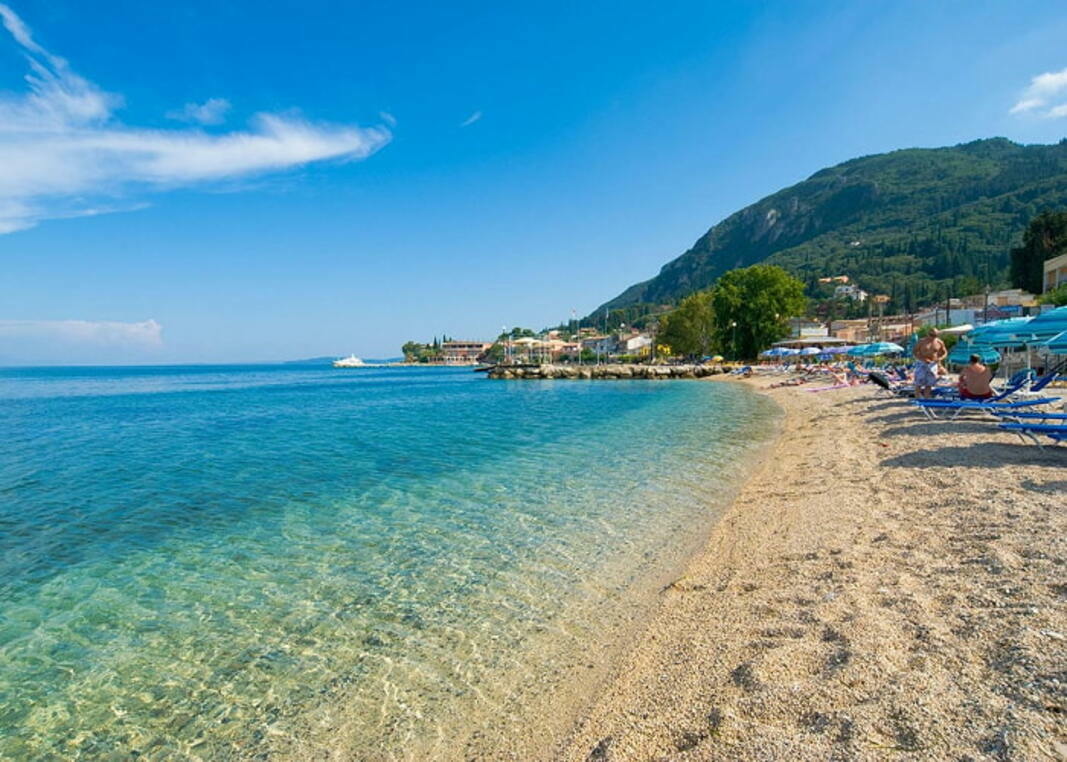
Best beaches in Corfu
Corfu’s beaches differ greatly from each other: in the west, wide sandy shores and waves are more common, while in the north-east there are calmer pebbly bays. Here are the features of each beach, so you can choose the most suitable conditions for your holiday:
Paleokastritsa
Shore type: Pebble, mixed
Suitable for: Couples and lovers of beautiful views
Features: Clear water, bays, boats
Parking: Available, can be busy in summer
Glyfada
Shore type: Sand
Suitable for: Families who prefer beach holidays
Features: Wide beach, developed infrastructure, picturesque sunsets
Parking: Large parking area
Agios Georgios
Shore type: Sand
Suitable for: Calm family holidays
Features: Wide shore, gentle entry into the water
Parking: Available
Myrtiotissa
Shore type: Pebble and sand
Suitable for: Nature lovers
Features: Hills, a more “wild” format
Parking: Small parking area, difficult access
Issos
Shore type: Sand
Suitable for: Active tourists
Features: Dunes, winds, a feeling of freedom
Parking: Available
Sidari / Canal d’Amour
Shore type: Sand, sandstone
Suitable for: Young travelers and couples
Features: Rocks, photo spots, bays, developed infrastructure
Parking: Available, overloaded in high season
Kassiopi
Shore type: Pebble
Suitable for: Calm holidays
Features: Clear water, large pebbles, views of Albania. Snorkeling opportunities are available.
Parking: Several small parking areas
Barbati
Shore type: Pebble
Suitable for: Snorkeling, thanks to the clear water
Features: Gentle entry into the sea, underwater springs. Boat rental, kayaking and surfing are available
Parking: Free parking spaces are available
Paleokastritsa is considered one of the island’s most famous beach areas thanks to the intense color of the water and its bays. But in summer, parking and free spots can become a problem. Glyfada is convenient for a full beach break: sunbeds, cafés, parking and a wide sandy shore make it comfortable even in high season. Issos and part of the west coast are suitable for a more active holiday: there can be waves and wind here, which lovers of kitesurfing and long walks along the shore appreciate.
What to see in Corfu
Corfu is not only a beach holiday on the Ionian Sea, but also an island with a very rich history. Venetian, British and Greek heritage are mixed here: fortresses stand alongside narrow streets, monasteries with panoramic viewpoints, and old villages with lively promenades and restaurants.
Corfu Old Town
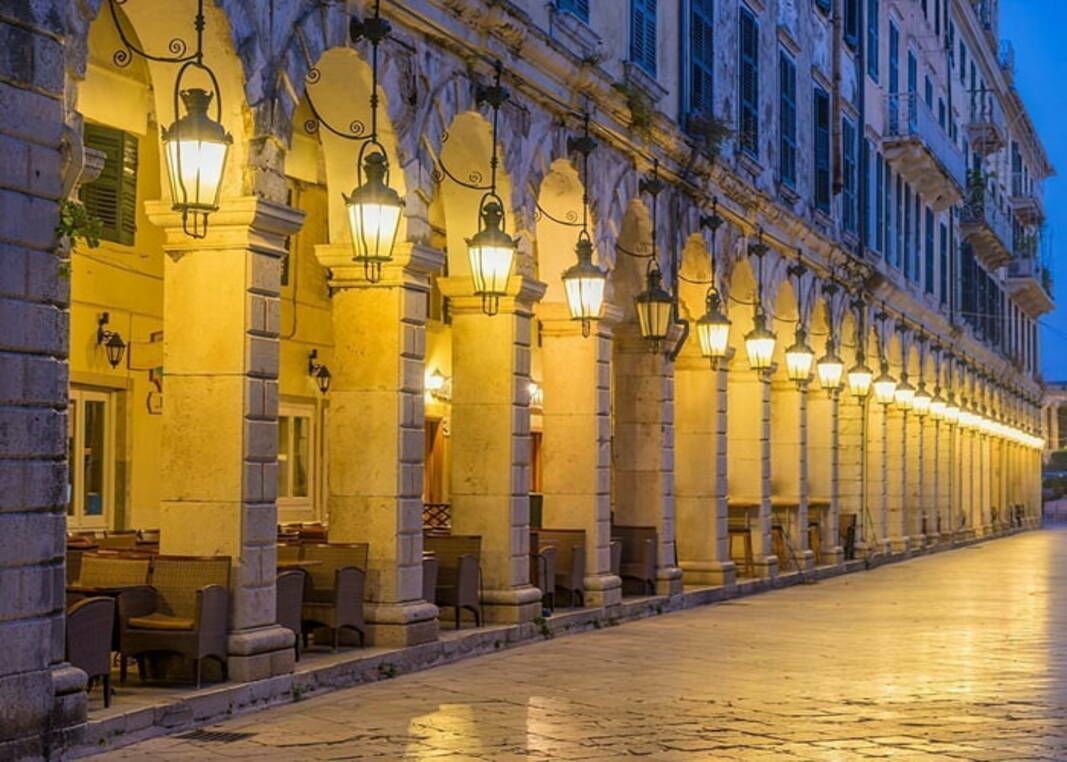
Corfu Old Town is the island’s main attraction. It is a historic center with Venetian architecture, arcades, narrow alleys and pastel-colored houses. Have coffee on Spianada Square, visit shops with kumquat and olive oil, and in the evening dine in taverns among old façades and lanterns.
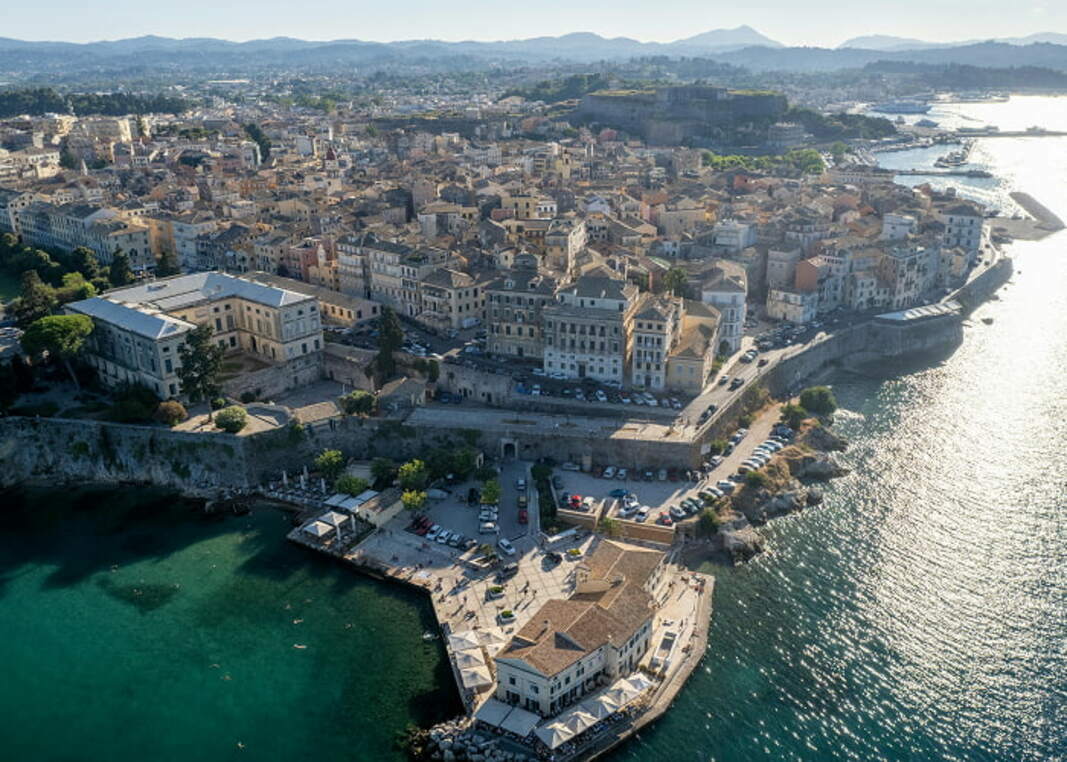
Old Fortress
The Old Fortress is a massive fortification with panoramic views of the sea and city rooftops. A little further away is the New Fortress, which looks more severe. These two sites largely shaped the architectural appearance of Corfu.
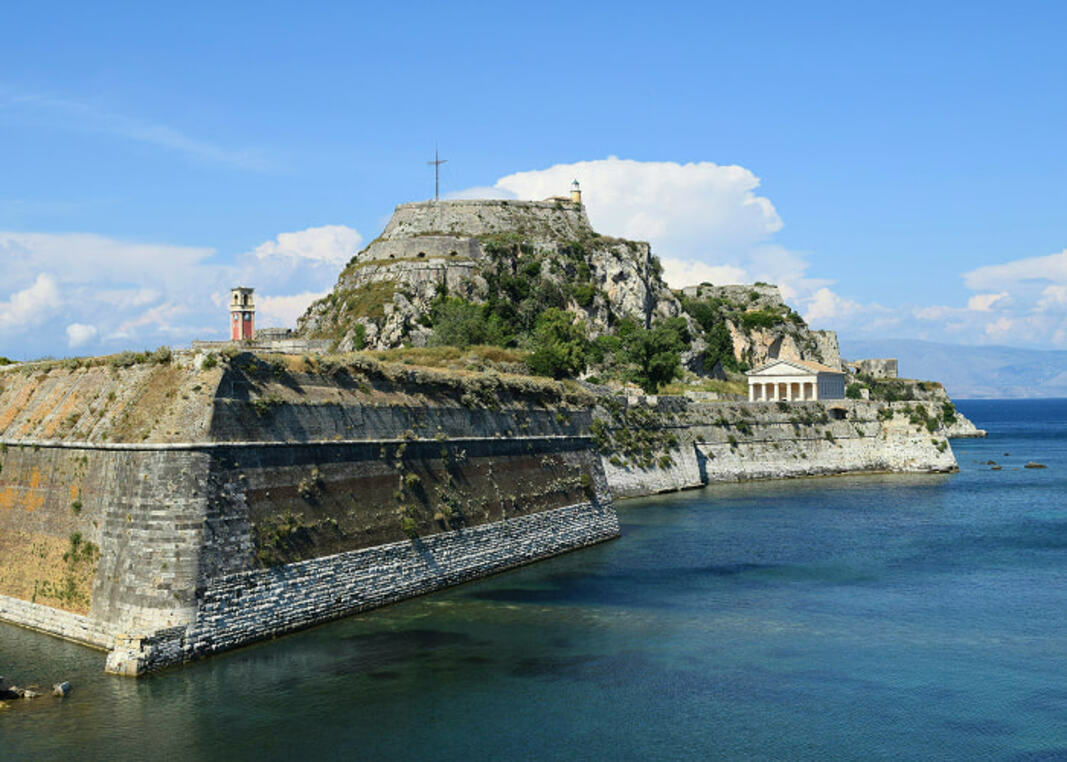
Liston
After walking through the Old Town, tourists usually come out to Liston — the famous gallery with arches and cafés. The relaxed rhythm of the island is especially noticeable here, recalling the atmosphere of old Europe.
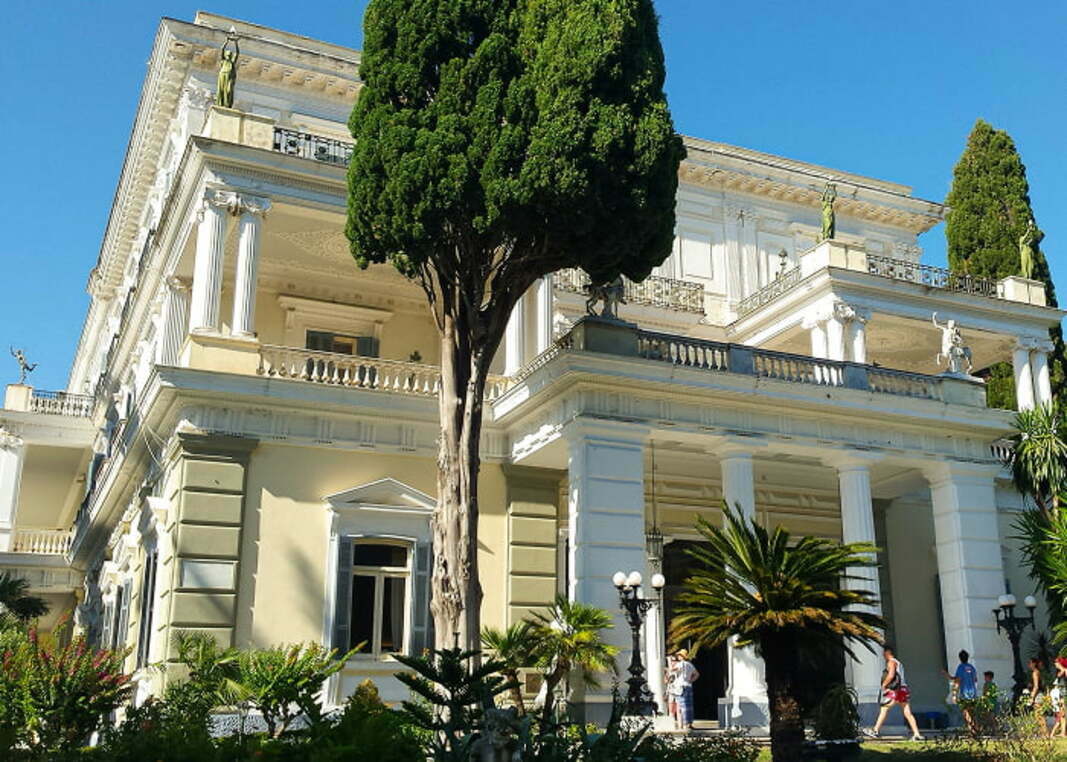
Achilleion Palace
One of the most famous sights in Corfu remains Achilleion Palace — the former residence of Empress Elisabeth of Bavaria (“Sisi”). The palace is surrounded by gardens overlooking the coast, and original interiors have been preserved inside.
Vlacherna Monastery and Pontikonisi island
Not far from the capital are Vlacherna Monastery and the small island of Pontikonisi. The snow-white monastery is connected to the shore by a narrow bridge, and airplanes landing over the sea especially attract photographers here.
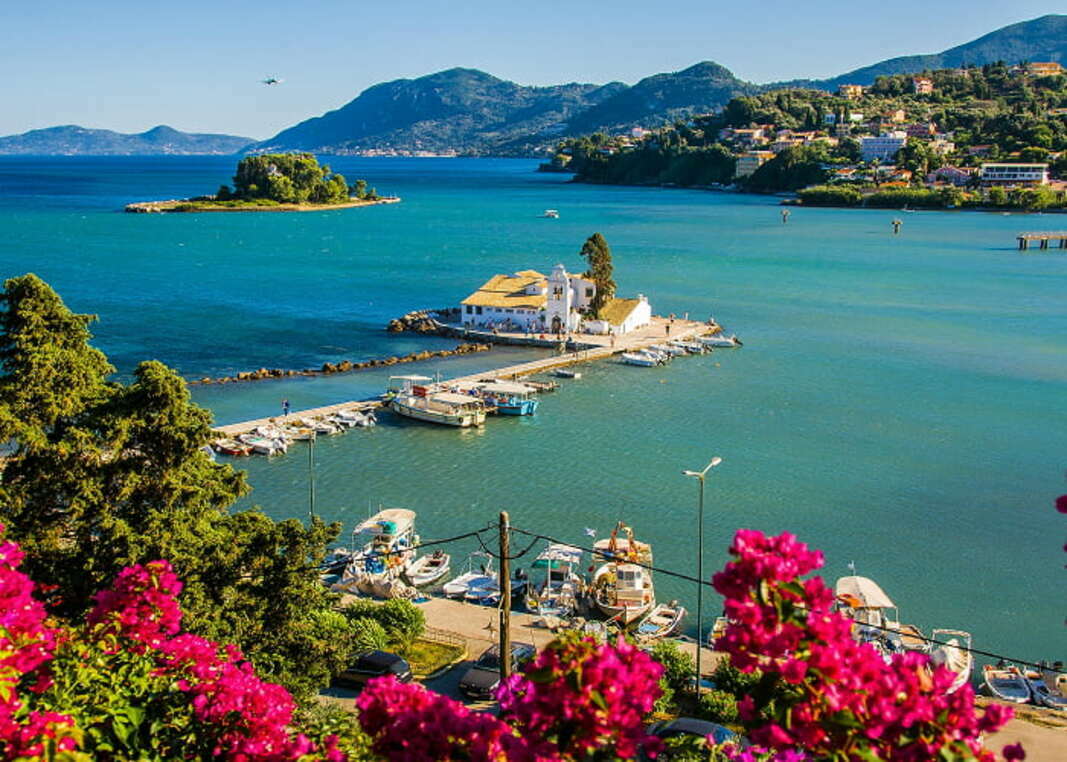
Vlacherna Monastery
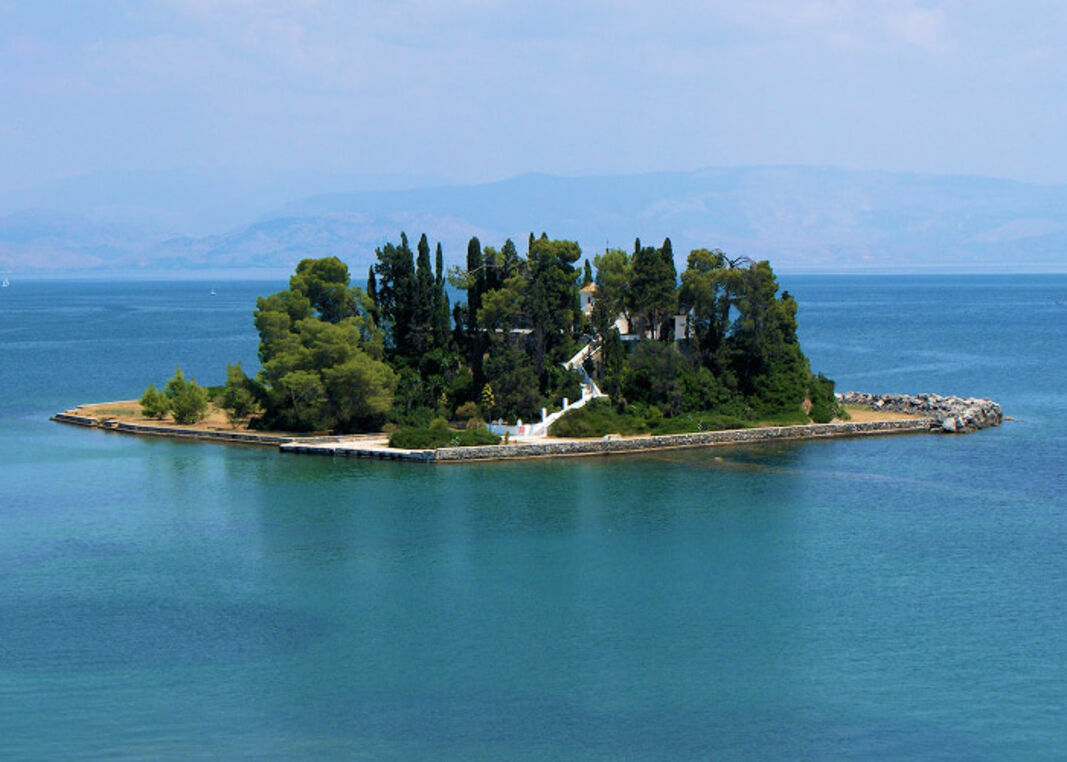
Pontikonisi island
Paleokastritsa
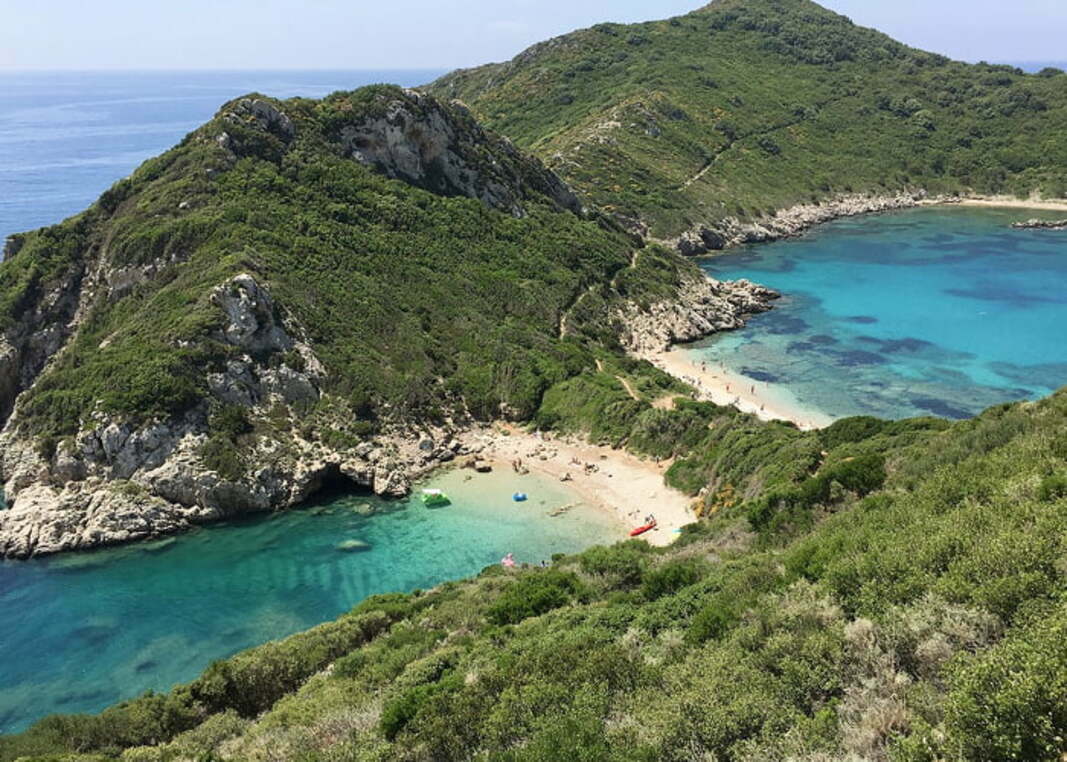
Paleokastritsa is a special part of the island. This area is known for green bays, rocks and clear water, and the Monastery of Paleokastritsa is located above the coast. From here, beautiful panoramas of western Corfu open up, especially closer to sunset.
Mount Pantokrator
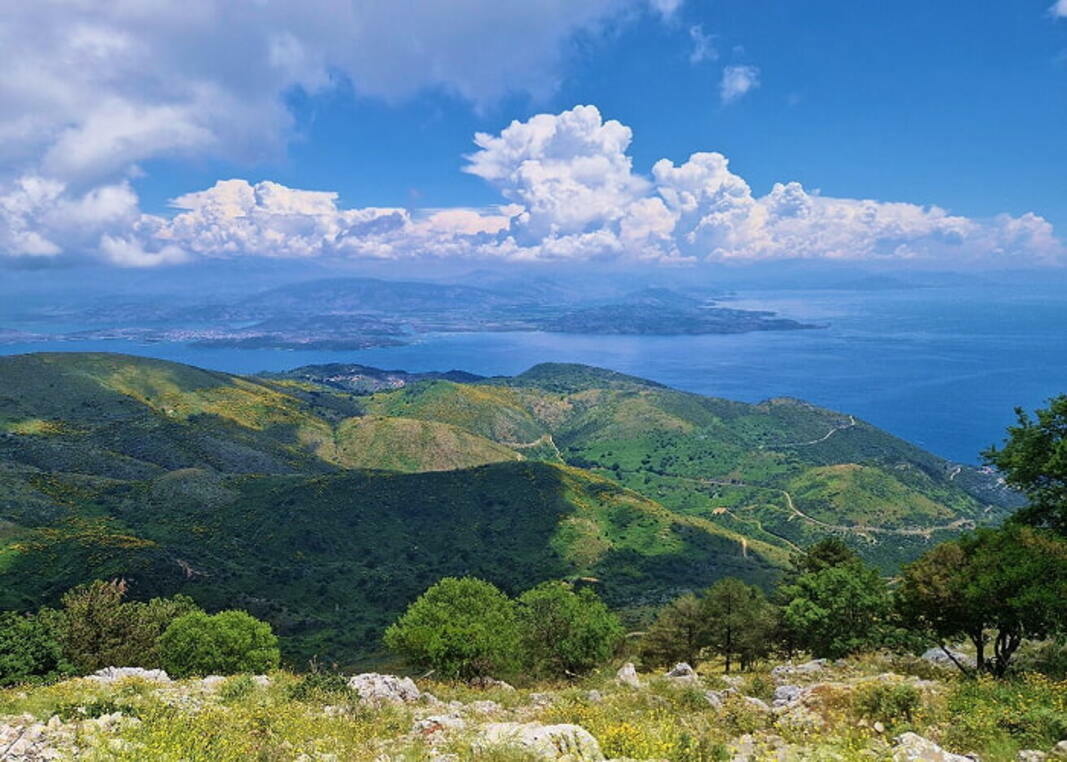
To see the island from above, climb Mount Pantokrator — the highest point of Corfu. The road passes through small villages and viewpoints, and in clear weather you can see mainland Greece and Albania from here.
Palea Perithia village
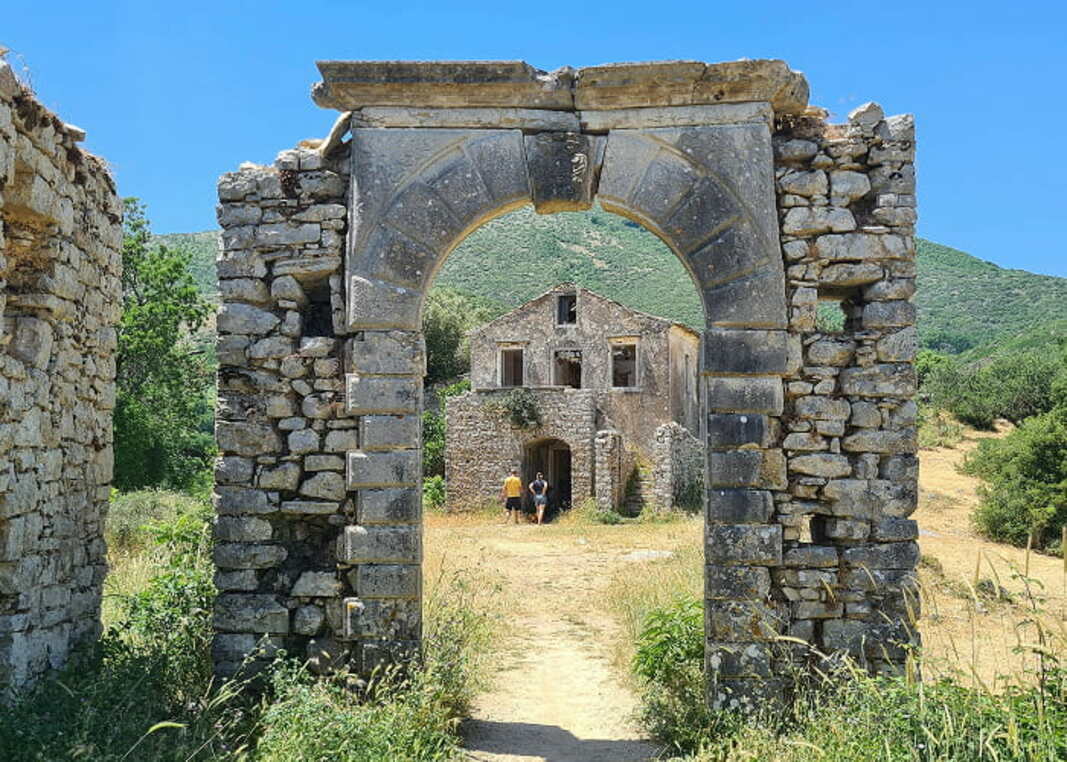
At the slopes of the mountain, a more authentic atmosphere prevails. Palea Perithia is one of the oldest settlements in Corfu, with stone houses, narrow streets and old taverns, free from beach bustle and noise.
Things to do in Corfu
A beach holiday in Corfu means alternating between sandy beaches, pebbly bays and small lagoons with clear water. The west of the island is more picturesque, with many waves and winds, while the north-east is calmer and better suited for snorkeling.
Sea trips allow you to see hidden bays, caves and small beaches that are difficult to reach by car. Boat excursions from Paleokastritsa and Kassiopi are especially popular.
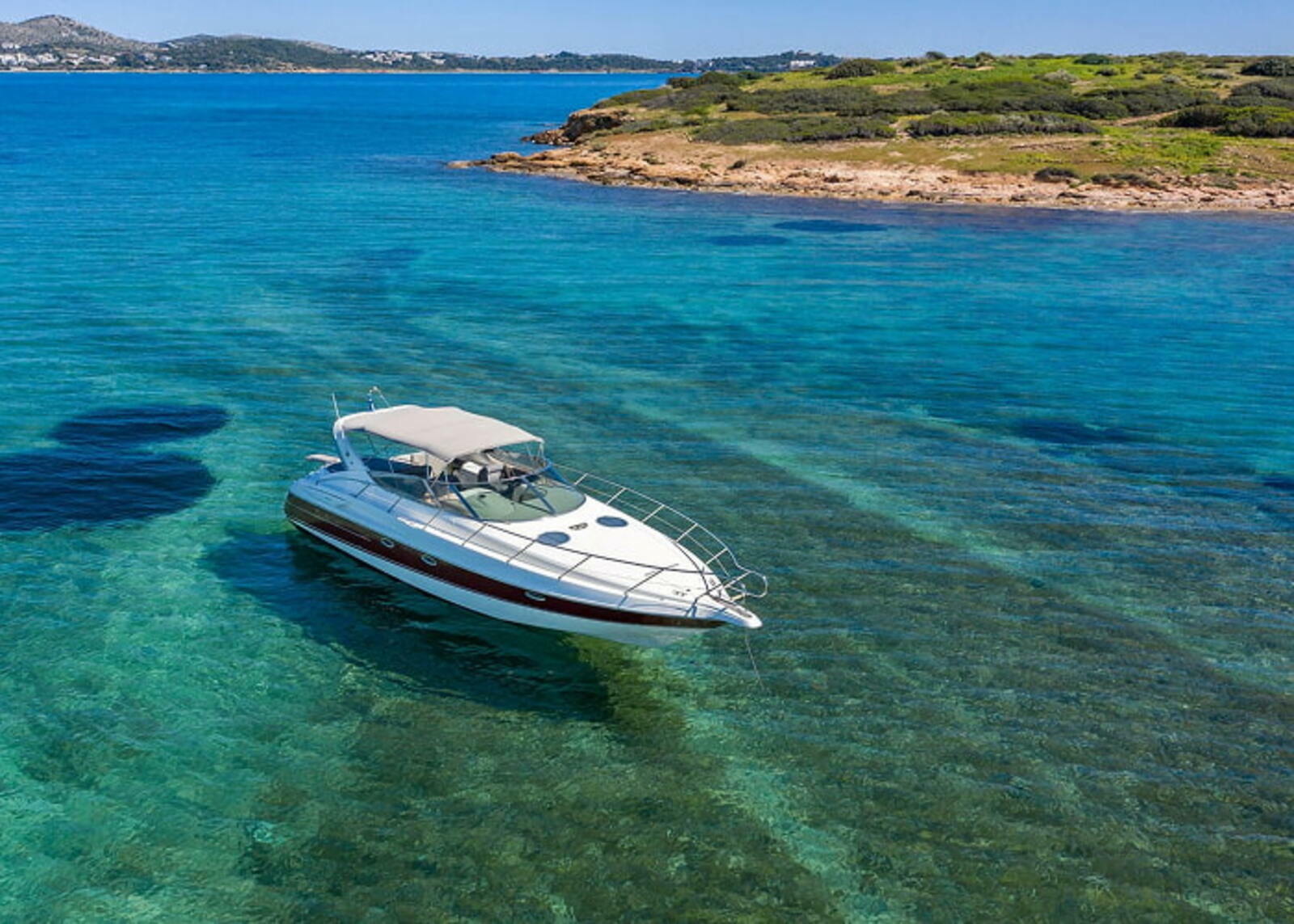
Renting a boat is one of the best ways to explore the north-eastern coast of Corfu independently. In many areas, you can rent a small motorboat even without a license.
Trips through villages help you see a calmer and more authentic Corfu — with olive groves, old houses and family taverns. The mountain areas near Pantokrator are especially atmospheric.
Local cuisine in Corfu differs noticeably from mainland Greece thanks to Venetian influence. We recommend trying pastitsada, sofrito, bourdeto, seafood and kumquat liqueurs here.
For active holidays, hiking and walking routes are suitable on the island, including individual sections of the Corfu Trail. In spring and autumn, such walks are more comfortable due to milder temperatures.
Corfu is also popular among fans of photo routes: tourists especially often photograph Paleokastritsa, Vlacherna Monastery, the Old Town and the viewpoints of the west coast.
From the island, it is convenient to take sea excursions to Paxos and Antipaxos — small islands with bright turquoise water and sea caves.
And walks through Corfu Old Town are an essential part of the trip: in the evening, taverns open, fortress lights come on and the Venetian streets look especially beautiful.
Corfu with children
A family holiday in Corfu is in demand among tourists from Romania and Moldova, but it is important to choose the right area and season. We recommend giving preference to the following resorts:
Choose sandy beaches with a gentle entry into the water and developed infrastructure. It is worth keeping in mind that in July and August the heat can be tiring for children, especially during longer trips.
If you plan to visit different beaches and move around the island, renting a car will make the holiday much easier. But when staying near Corfu Town or in areas with good bus connections, it is easy to manage without a car. With children, you can enjoy time in the Old Town and short sea trips, or go to the viewpoint near Pontikonisi. Also, in the Agios Ioannis area, there is one of the largest water parks in Greece — Aqualand Corfu Water Park. There are family slides, children’s zones and pools here.
How many days do you need in Corfu?
Do you need a car in Corfu?
Without a car, it is convenient to stay in Corfu Town, Gouvia, Dassia and areas with bus connections. If you plan to spend time on the west coast, explore mountain routes, remote beaches and villages, then a car will be needed. Many beautiful bays are located far from the main bus routes.
For an active holiday, renting a car usually gives much more freedom, but it is important to keep in mind that:
Food in Corfu
Corfu cuisine differs from that of some other Greek islands thanks to Italian and Venetian influence. Small family taverns are popular on the island, especially in villages and on the north-eastern coast. What is really worth trying here:
Pros and cons of a holiday in Corfu
Pros
Cons
Tips for tourists before the trip
Conclusion: who is Corfu best for?
A holiday in Corfu is suitable for families, couples, solo travelers, as well as lovers of nature, beaches and history. The island successfully combines the sea, architecture, gastronomy and green landscapes, which makes it a versatile destination for a holiday in Greece. But Corfu may not suit those looking exclusively for a club atmosphere or a very dry “Cycladic” landscape with white houses and minimal vegetation. The optimal trip format is 7–10 days, including beach relaxation, walks through the Old Town and trips around different parts of the island.
Video from Corfu
Frequently asked questions
When is the best time to visit Corfu?
May to mid-June and September to early October are usually recommended.
Where is the best place to stay in Corfu for the first time?
For a first trip, Dassia, Gouvia, Benitses or the Corfu Town area are convenient.
Is Corfu suitable for families with children?
Yes, especially if you choose calm areas and beaches with a gentle entry into the water.
Which beaches in Corfu are the most beautiful?
Paleokastritsa, Glyfada, Barbati, Issos and Canal d’Amour are among the most popular.
Do you need a car in Corfu?
For active trips around the island — yes. For staying in Corfu Town and areas with bus routes — not necessarily.
How many days do you need in Corfu?
Minimum: 3–4 days, optimal: 7–10 days.
What can you visit in Corfu independently?
The Old Town, fortresses, Achilleion, Pantokrator, Paleokastritsa and mountain villages.
Is a holiday in Corfu expensive?
Corfu is considered a medium to above-average budget destination by Greek standards, especially in high season.
Which Corfu resorts should you choose for a quiet holiday?
For a quiet format, Benitses, Dassia, Kassiopi, Agios Georgios and part of Paleokastritsa are suitable.
Where are the best sandy beaches in Corfu?
Sandy beaches are more common on the west coast, with Glyfada, Agios Georgios and Issos among the popular options.
What local food should you try in Corfu?
It is worth trying pastitsada, sofrito, bourdeto, sykomaida, seafood, cheeses and kumquat sweets.
Is Corfu suitable for independent travel?
Yes, the island is suitable for independent routes, especially if you rent a car and choose the areas to visit in advance.