 Enter
Enter





Intro
The Palace of Versailles is one of France’s greatest treasures. This article equips travelers with everything they need — from the history of the royal residence to practical tips for visiting.
Quick essentials for visiting Versailles
Where: the suburb of Paris (about 22 km).
Best season: April–October (fountains run, gardens bloom).
Tickets: book ahead to avoid long lines.
Must-see: Hall of Mirrors, Grand Trianon, gardens & fountains.
Less crowded: typically Wednesday/Thursday; autumn & winter are calmer inside.
Versailles — an icon of French culture
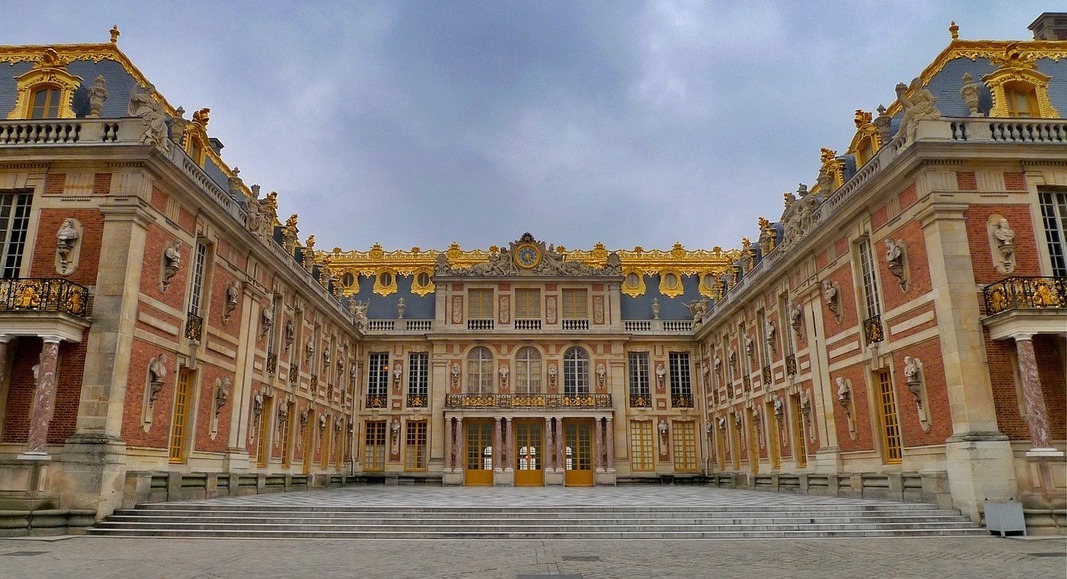
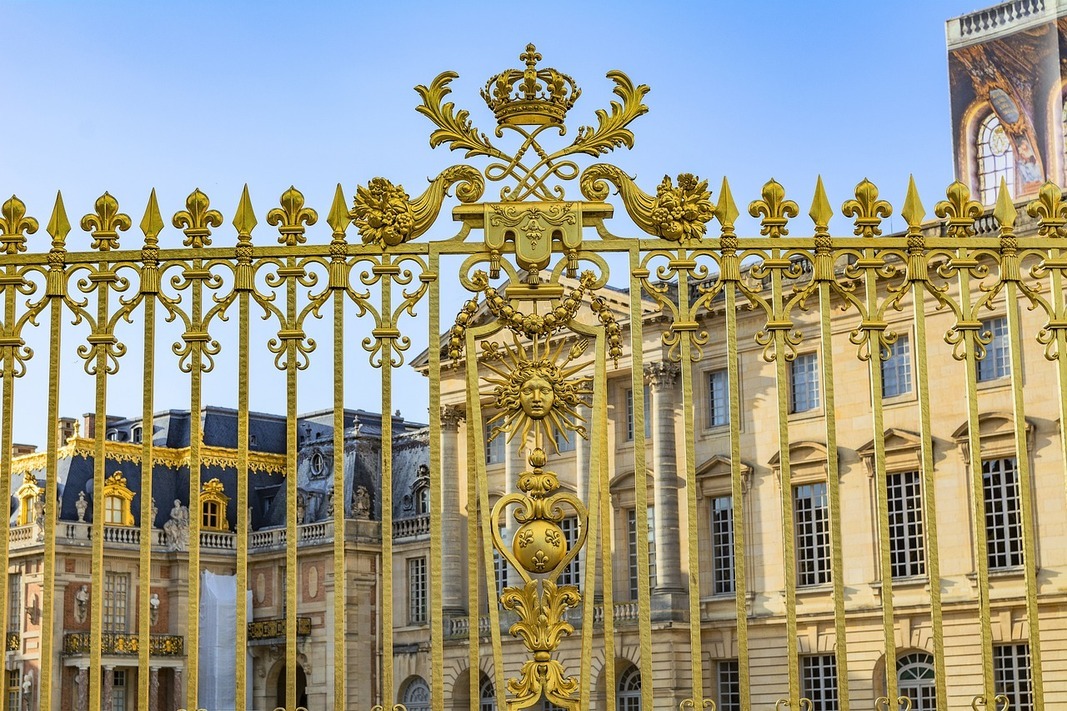
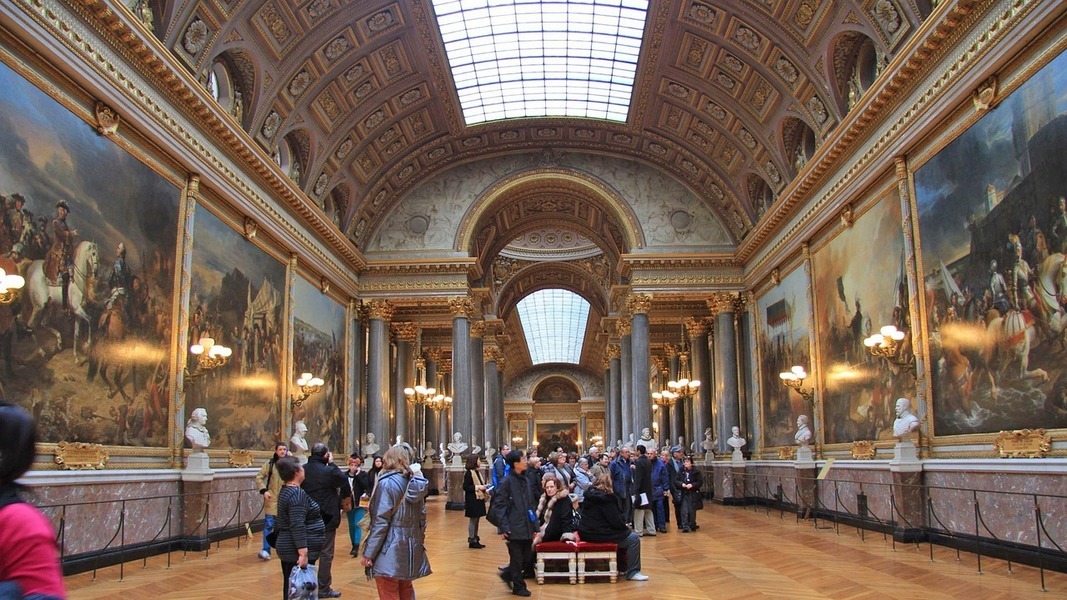
The vast palace-and-park complex located in the outskirts of Paris became the benchmark of “High Style,” closely associated with Louis XIV. The palace architecture blends classicism, meant to emphasize the grandeur of France, with baroque splendor that showcases unmatched luxury. The museum within the Versailles estate holds outstanding paintings and sculptures from the “golden age” of French art, while the park’s magnificent landscape design and working fountains make this attraction truly unique.
A brief history of Versailles
Versailles is a grand monument to human envy (the Sun King wanted a residence “100 times better” than his finance minister’s) and vanity: construction costs are estimated at up to €250 billion in today’s money. Building began in 1624 (under Louis XIII) with a small hunting lodge, and under Louis XIV it grew to monumental scale, becoming the largest royal residence in Europe.
Louis XIV and the making of Versailles
Under Louis XIV, the palace was expanded threefold; the right and left wings were added (and yes — the French kings’ palace had secret rooms). The central part was rebuilt, where the Hall of Mirrors appeared — filled with gold and light — a masterpiece of French baroque. New pavilions and a church were erected, and a vast park was laid out with fountains and artificial ponds.
Areas of Versailles: variety and uniqueness
After the French Revolution, the royal estate was turned into a museum. Today, visitors can explore the gold-drenched main palace (the château), the modest rustic farm of Marie Antoinette, the impressive Grand Trianon, and the smaller Petit Trianon. And of course — stroll through the manicured alleys of the gardens and parks, which form a remarkable complex in their own right.
What to see and how to spend your time: Versailles highlights
The Hall of Mirrors
This is the grand ceremonial hall connecting the right and left wings of the main Palace of Versailles. The décor — with 357 mirrors reflecting light from the large windows opposite — caused an incredible sensation in its time (not only because mirrors were exceptionally expensive). The baroque hall gleams with gilded stucco and the sparkle of crystal chandeliers, amazes with its painted ceiling, and impresses with its overall magnificence.
The Royal Stables
Two horseshoe-shaped buildings with beautiful stucco decoration — once home to the horses of the royal court (today one houses the French Academy of Fine Arts, and the other still operates as a stable).
The Grand Trianon: the “second palace”
Clad in pink marble, the Grand Trianon was built by Louis XIV as a retreat from the “big” palace, in the north-west part of the park. Designed in a classical style, it includes royal apartments and a covered colonnaded gallery.
Fountains, parks, and gardens: where to walk
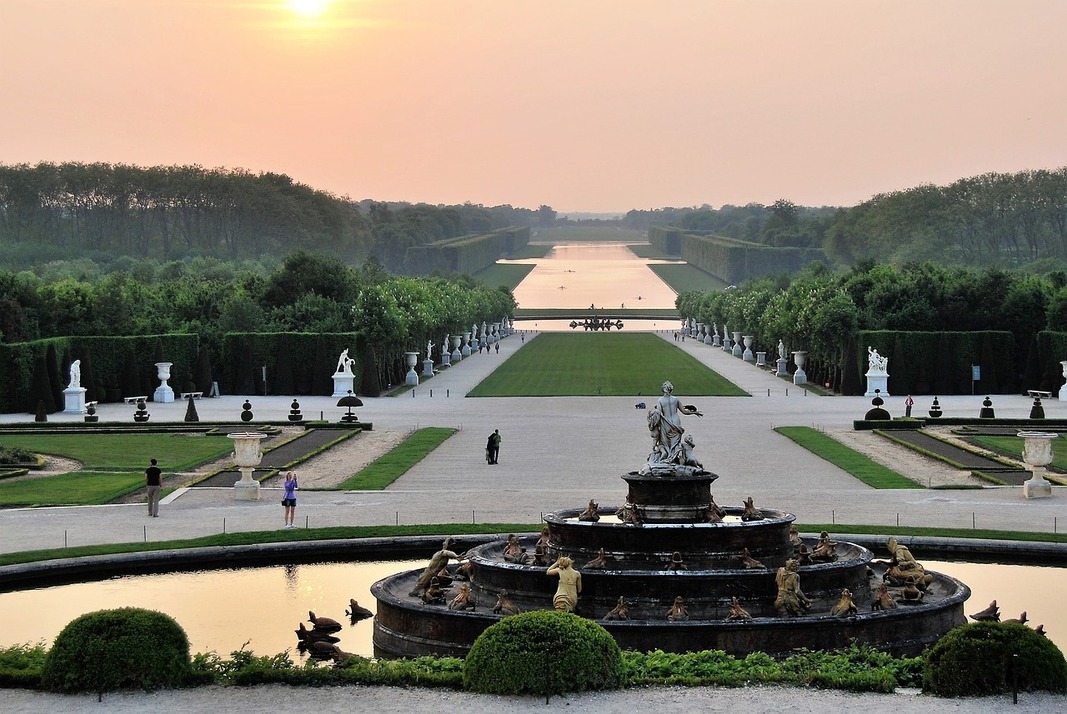
The Gardens of Versailles cover around 800 hectares. The park’s strict geometry (especially visible on a map) is softened by lush greenery and blue waterways (the Grand and Small Canal, artificial lakes), classical statues, and spectacular fountains — about 1,400 in total (well-known ones include the Latona Fountain, the Neptune Basin and Fountain, the Dragon Fountain — the tallest, the Apollo Fountain, and more).
When and how to visit Versailles
The best time for tours in Versailles is from April to October, when all fountains run and flowerbeds are in bloom. But if you prefer fewer crowds, come in early spring or late autumn — the parks have their own charm then, the Royal Orangerie is open year-round, and palace interiors are beautiful in any season.
Ticket prices and discounts
To avoid long queues, it’s best to buy tickets to Versailles in advance (at least a week ahead). You can do this online on the official Versailles website or with help from Admiral Travel managers (free consultation). A standard one-day ticket covering all palaces and parks costs €20 on days without the fountain show (with the show — €27). A two-day ticket costs €25 (with the show — €30). Children under 18 enter for free (a supporting document is required). You can also choose cheaper tickets with limited access or more expensive options with added services (guide, transfer, etc.).
Opening hours: when is the best time to go?
Main entrance: Apr 1 – Oct 31 — daily 8:00–20:30, last entry 19:00. Nov 1 – Mar 31 — 9:00–18:00, last entry 17:30.
The Palace: Apr 1 – Oct 31 — 9:00–18:30; Nov 1 – Mar 31 — 9:00–17:30. Monday — closed.
Fountains: Apr 6 – Oct 27 — Saturdays & Sundays 11:00–12:00 and 15:30–17:00. May 21 – Jun 25 — also Tuesdays + on these dates: Apr 19, May 8, May 30, Aug 15 — 11:00–12:00 and 14:00–16:00.
Gardens: open daily, 8:00–20:30 in season and until 18:00 in colder seasons.
Trianon & Marie Antoinette’s Hamlet: open 12:00–18:00, except Monday.
In warm months, the busiest times are weekends, Tuesdays, and holidays from 10:00 to 15:00. Wednesdays and Thursdays are usually quieter, and in autumn/winter palace rooms are fairly uncrowded.
Visitor rules at Versailles
For park walks, it’s best to arrive no later than 1.5 hours before closing. In addition to general visitor etiquette, note that in some palace rooms photography may require an extra fee. Evening fountain shows and other events are paid separately. To rent an electric cart, you need an international driving license.
Where Versailles is and how to get there
The Palace of Versailles is located in the Paris suburbs (the town of Versailles, about 22 km from Paris).
1. The easiest way is by RER from Gare d’Austerlitz, running from 6:00 every 15 minutes (ticket €3.5). From “Versailles Chateau” it’s a 15-minute walk or bus 117.
2. Another option: SNCF train from Saint-Lazare (Line L) or Montparnasse, departures hourly, ticket €4.5.
3. By bus: route 171 is very convenient, ticket €2 (8 departures per hour) or an express shuttle from the Eiffel Tower (transfer + tour, online booking in advance).
4. You can take a taxi or rent a car; for the most active travelers — rent a bike in Paris and ride to Versailles on excellent bike paths.
Helpful tips for visiting Versailles
How to navigate Versailles
For comfortable navigation, download a mobile map app for Versailles in advance. At the park entrance you can take a free paper map, connect to Wi-Fi, charge your phone, and leave luggage. For an extra fee, you can use a guide or audio guide (ideally booked together with your ticket).
Getting around the park easily
Versailles is vast: you can walk, rent a bike, e-scooter, or electric cart; there’s even an electric train from the château to the smaller palaces. You can also rent a boat and row on the Grand Canal.
Where to stay overnight in Versailles
Travelers can stay in local hotels — especially convenient if you buy a two-day ticket. Within 2–4 km of the former royal residence, there are plenty of hotels from €40–50 (Premiere Classe Versailles, Kyriad Versailles, Les Clefs du Roy, etc.) up to about €150 per night.
Now that you have everything you need, all that’s left is to buy your Versailles tickets and go!
Don’t forget to consider the details — from opening times to visitor rules: you can discuss everything with an Admiral Travel manager when booking your France trip. Have a wonderful journey and exciting discoveries!
What to do in Versailles
Start with the château and give the Hall of Mirrors the time it deserves, then set aside a few hours for the gardens and park — canals, statues, and fountains are best enjoyed at a slow pace. For a more comfortable rhythm, consider the electric train, bike/e-cart rental, or a boat ride on the Grand Canal.
1-day itinerary
Morning: arrive early, explore the palace rooms and the Hall of Mirrors.
Midday–afternoon: gardens, alleys, canals, fountains (according to schedule).
Late afternoon: relaxed walk, boat ride on the Grand Canal, or the estate’s electric train.
2-day itinerary
Day 1: the château + main gardens and fountains (ideally on a show day).
Day 2: Grand Trianon, Petit Trianon, Marie Antoinette’s Hamlet, and long park walks.
Tip: use on-site transport (bike/e-cart/e-train) to save energy across long distances.
Transfers & logistics
Plan your departure from Paris around the entrance schedule. In peak season, arriving right at opening helps you see both the palace and the park at a comfortable pace. If you want a transfer + guided visit, consider the express shuttle from the Eiffel Tower (online booking in advance).
FAQ: Palace of Versailles
When is the best time to visit Versailles?
April to October is popular because fountains run and gardens are at their peak.
How do I avoid long lines?
Book tickets in advance (often at least a week ahead) online or with a manager’s help.
How much time should I plan for?
One full day for palace + gardens; two days if you want Trianon and Marie Antoinette’s Hamlet comfortably.
Do fountains run every day?
No — they follow a seasonal schedule (often weekends + selected special dates).
How much are tickets?
As a guide: €20 without the fountain show and €27 on show days; two-day tickets are available too.
Is entry free for children?
Yes — children under 18 can enter for free with a supporting document.
How do I get there from Paris?
RER, SNCF trains, and bus 171 are common options.
Can I get around without walking the whole time?
Yes — bike/e-scooter/e-cart rentals, an electric train, and boats on the Grand Canal.
What’s the must-see inside?
The Hall of Mirrors is one of the most iconic and impressive rooms.
When is it less crowded?
Wednesdays and Thursdays are often calmer; autumn and winter are quieter too.
Can I take photos inside the palace?
In some rooms, photography may require an additional fee — check the on-site rules.
Where can I stay overnight nearby?
There are hotels within 2–4 km of the estate, convenient for a two-day visit.