
 Enter
Enter








Weather in the UAE by Month
The weather in the UAE by month is divided into two periods: the comfortable beach season from November to April (with an average daytime temperature of +24…+32°C) and the period of intense heat from May to October (when the air warms up to +38…+45°C). The dry desert climate makes the country a year-round tourist destination; however, based on the experience of our travelers, high humidity in the summer months seriously complicates a seaside holiday.
Prices for tours to the Emirates from Chișinău and Bucharest drop noticeably in summer, but which gulf should you choose from June to August — the Persian Gulf or the Gulf of Oman? Is it worth flying to the UAE with children at this time, or is it better to celebrate New Year there? Today we are talking about the seasonality of holidays in the Emirates, based on official climate data and practical tourist advice from Admiral Travel experts.
Key takeaways about the weather in the UAE
The best period for beaches and excursions is from November to April, when daytime temperatures stay around +24…+32°C.
The toughest heat comes in July and August: temperatures may rise to +45°C, while coastal humidity reaches 80–90%.
In summer, UAE holidays become noticeably cheaper, but it is better to plan your stay around hotels, malls, water parks, and air-conditioned spaces.
For families with children, November, December, March, and April are especially comfortable: there is less risk of overheating, the sea is warm, and the sun is gentler.
Fujairah differs from Persian Gulf resorts: in summer the Gulf of Oman is cooler, while in winter the water cools more slowly.
A Brief Overview of the UAE Climate
The UAE climate is characterized by an exceptionally hot summer, a mild warm winter, and minimal rainfall throughout the year. About 80% of the country’s territory is occupied by sandy desert, where the air is typically dry and rare rains usually fall in the winter period.
However, the proximity of the Persian Gulf creates a Turkish-bath effect on the coast during the summer months: it is hot and very humid here. This gulf is relatively shallow, it warms up to an extreme +35°C…+36°C, and water evaporates from it in colossal volumes.
The desert climate of the Emirates also causes a sharp temperature contrast between day and night — after sunset, the thermometer can drop by 10–15 degrees.
Unlike the Black Sea or Mediterranean resorts we are used to, the seasons in the UAE are shifted. When there are gray clouds and winter frost in Chișinău or Bucharest, the Emirates have the best time for a beach holiday. And when the swimming season opens on the coasts of Romania or Bulgaria, daytime activity in the UAE moves indoors, under the roofs of air-conditioned malls and theme parks because of the intense heat.
Weather in the UAE by Month — Table
Official data on air and sea temperatures in the UAE by month, recorded by NCM and WMO stations, is presented below. It is based on average climatological ranges.
January
Daytime air temperature: +23°C … +25°C.
Night temperature: +14°C … +16°C.
Sea temperature: +21°C … +23°C.
Suitable for holidays: Yes (ideal for excursions).
February
Daytime air temperature: +24°C … +26°C.
Night temperature: +15°C … +17°C.
Sea temperature: +21°C … +22°C.
Suitable for holidays: Yes (excursions + beach).
March
Daytime air temperature: +27°C … +29°C.
Night temperature: +17°C … +20°C.
Sea temperature: +23°C … +24°C.
Suitable for holidays: Yes (excellent balance).
April
Daytime air temperature: +32°C … +34°C.
Night temperature: +21°C … +24°C.
Sea temperature: +25°C … +27°C.
Suitable for holidays: Yes (real beach season).
May
Daytime air temperature: +37°C … +39°C.
Night temperature: +25°C … +27°C.
Sea temperature: +28°C … +30°C.
Suitable for holidays: Moderate (already hot).
June
Daytime air temperature: +39°C … +42°C.
Night temperature: +27°C … +29°C.
Sea temperature: +31°C … +33°C.
Suitable for holidays: Hot (hotel-based holiday recommended).
July
Daytime air temperature: +41°C … +44°C.
Night temperature: +29°C … +31°C.
Sea temperature: +33°C … +35°C.
Suitable for holidays: Very hot (but there are discounts).
August
Daytime air temperature: +42°C … +45°C.
Night temperature: +30°C … +32°C.
Sea temperature: +34°C … +36°C.
Suitable for holidays: Very hot (discounts: peak humidity).
September
Daytime air temperature: +39°C … +41°C.
Night temperature: +28°C … +30°C.
Sea temperature: +32°C … +34°C.
Suitable for holidays: Hot (evening activities).
October
Daytime air temperature: +34°C … +36°C.
Night temperature: +24°C … +26°C.
Sea temperature: +29°C … +31°C.
Suitable for holidays: Yes (velvet season).
November
Daytime air temperature: +30°C … +32°C.
Night temperature: +20°C … +22°C.
Sea temperature: +26°C … +28°C.
Suitable for holidays: Yes (best month).
December
Daytime air temperature: +25°C … +27°C.
Night temperature: +16°C … +18°C.
Sea temperature: +23°C … +25°C.
Suitable for holidays: Yes (mild warmth).
Weather in the UAE in Winter
In winter, from December to February, the UAE experiences its high tourist season: the average daytime air temperature is maximally comfortable at +24°C…+27°C. At this time, there is no excess humidity on the coast, and after sunset the evening coolness arrives.
For travelers from Moldova and Romania, the Emirates become one of the closest places where they can enjoy a wonderful beach holiday when it is cold at home. In addition, there is no difficult acclimatization, which is important for family holidays with children or older people.
UAE in December
December in the UAE treats tourists to daytime warmth of +25°C…+27°C and Persian Gulf water warmed up to +24°C. Comparing the weather in the Emirates by month, our travelers note that at the beginning of winter it is sunny here, and a light sea breeze pleasantly touches the skin. Residents of Chișinău and Bucharest often choose December tours to combine a beach holiday with pre-New Year shopping, as well as celebrating New Year to the sound of waves and grand fireworks over Burj Khalifa.
Tip from Admiral Travel: in December, the evening desert wind brings noticeable coolness to the UAE. Be sure to take jackets made of thick cotton, knitwear, and windbreakers, especially for evening cruises around Dubai Marina or walks near the fountains.
UAE in January
January is considered the coolest period of the year in the Emirates: the air temperature usually does not exceed +23°C…+25°C, and the sea cools down to an invigorating +21°C. However, January here is an excellent time for atmospheric excursions and trips inland. Dynamic desert safaris and long walks await you. Swimming in the gulf at this time is not for everyone; many tourists stay to sunbathe by heated pools.
Early in the morning, from 4 to 9 a.m., in January you can observe a phenomenon that attracts thousands of photographers: thick white fog covers the sky at the level of the middle floors (about 150–200 meters above the ground), the lower floors sink into twilight, and the upper floors seem to float above the clouds.
UAE in February
February is that rare time in the Emirates when short rains may occur. The weather is good for excursions (about +24°C…+26°C), but waves are possible at sea because of frequent coastal winds. The sea temperature reaches its winter minimum (+21°C). February is ideal for those focused on actively exploring cultural attractions, for example Abu Dhabi and Sharjah, as well as for shopping and walking under the mild sun.
Weather in the UAE in Spring
Spring in the UAE is a rapid transition from mild winter warmth to full tropical summer, with daytime temperatures rising from +28°C to +39°C. The water in the Persian Gulf begins to warm up intensively after winter cooling. For Moldovan and Romanian tourists, spring in the Emirates is an opportunity to catch a luxurious velvet period before the arrival of extreme summer temperatures.
UAE in March
March brings travelers a pleasant combination of temperatures: the air warms up to +27°C…+29°C, while the sea temperature rises to a comfortable +23°C…+24°C. This is an excellent time for holidays with children and elderly parents, because the sun is not yet aggressive. It is in March that the agricultural regions of the Emirates gather the peak harvest of field-grown vegetables: sweet tomatoes, crunchy cucumbers, and fresh greens that can easily compete with the summer vegetables of our regions.
UAE in April
Real summer warmth comes to the Emirates already in April: daytime temperatures are around +32°C…+34°C, and the sea warms up to a pleasant +26°C. According to our specialists, April is one of the most in-demand months for buying tours from Chișinău and Bucharest, because the swimming season in the UAE is already in full swing, and warm jackets are no longer needed for evening walks.
Tip from Admiral Travel: we recommend buying UAE holiday packages for April in advance; this destination often sells out through early booking promotions (3–4 months before departure).
UAE in May
May opens the period of intense heat on the coast: the thermometer in the shade confidently crosses the +37°C…+39°C threshold. The sun becomes aggressive, so it is now advisable to apply a strong SPF cream. Daytime excursions become difficult, so travelers’ life gradually shifts toward pools and air-conditioned areas. As temperatures rise, the cost of tours to the UAE from Moldova and Romania begins to fall rapidly, because the low season is ahead.
Weather in the UAE in Summer
In the summer months, the weather on the UAE coast is determined by the collision of hot air masses from the desert and dense sea evaporation. Humidity reaches extreme 80–90%, so daytime tropical temperatures (around +42°C) are very hard to tolerate. It should be noted that even at night the heat does not subside and rarely drops below +30°C.
So is it worth going to the Emirates from June to August? Absolutely yes, because you can enjoy a stay in luxurious modern hotels at more affordable prices, without coming into contact with the heat in air-conditioned spaces. The city infrastructure here is also adapted to the heat: transport, bus stops, multi-level malls (with entertainment centers, cafés, and aquariums) — everything is cooled to comfortable temperatures.
The main task is to drink not only bottled water from the hotel (it contains few salts), but also to add products such as ayran, mineral water, and dates to your diet.
UAE in June
In June, the coastal part of the UAE faces not only exhausting heat, but also sandstorms caused by strong northern winds. The Persian Gulf warms up to +32°C, so it no longer provides a cooling effect. Beach holidays are now possible only in the early morning hours (before 8:30) or after sunset. However, June still attracts tourists from Romania and Moldova with record-low prices for complete tour packages from Admiral Travel (including airfare, transfer, hotel accommodation, and medical insurance).
UAE in July
In July, being outdoors in the UAE can be physically difficult: during the day it is +41°C…+44°C, and the sea, at +34°C, steams rather than cools the surroundings. However, it is precisely at this peak that a unique gastronomic season begins in the UAE — fresh local “rutab” dates ripen. In the Emirates, these fresh summer dates are soft, juicy, with a melting caramel taste. Locals eat them with hot Arabic Gahwa coffee with cardamom, which helps the body naturally adapt to the heat.
Tip from Admiral Travel: in July you will face a sharp temperature contrast: outside there is extreme heat, while inside taxis or malls in Dubai and Sharjah, air conditioners maintain an icy +18…20°C. Take a light long-sleeved shirt with you for entering indoor spaces.
UAE in August
Some call the UAE in August a climatic test because of daytime heat up to +45°C and suffocating air humidity reaching 80–90% on the coast. Sweat practically does not evaporate from the skin surface, making natural thermoregulation more difficult. This month is suitable exclusively for tourists who plan to spend the entire holiday in closed air-conditioned complexes or in hotel pools cooled (!!!) to +26°C. The main argument in favor of August is spectacular sales in shopping centers and huge accommodation discounts.
Weather in the UAE in Autumn
The weather in the UAE in autumn finally allows you to breathe deeply: from September to November, the temperature drops from +40°C to +30°C, and humidity decreases. Millions of vacationers now arrive on the coast of the Emirates, because this is the best time for those who want to extend their summer and swimming season. At the moment when the first frosts arrive in Moldova and Romania and long autumn rains begin, the UAE has pleasant “summer” weather.
UAE in September
In September, humidity on the UAE coast begins to decrease, daytime temperatures are around +39°C…+41°C, and evenings become cooler. This is how tourists from Chișinău and Bucharest manage not only to save thanks to discounts, but also to combine swimming in the gulf in the morning (it is still very hot during the day) with evening excursions and walks to the famous dancing fountains in the emirate of Dubai.
UAE in October
The velvet season in the UAE begins in October: daytime heat decreases to +34°C…+36°C, and the water temperature drops to +29°C. According to long-term climate data, October is a month for a full-fledged beach holiday. Residents of Moldova and Romania traditionally head to the resorts offered by Dubai, Abu Dhabi, and Sharjah, escaping the autumn mud and rain. Prices for holiday packages during this period begin to rise dynamically, as the high season is already approaching.
UAE in November
November demonstrates almost ideal conditions for beach relaxation. The daytime temperature is usually +30°C…+32°C, and the sea delights with a refreshing +26°C. The meteorological services of NCM UAE confirm that November is one of the best months for any type of tourism. In the emirates of Dubai and Abu Dhabi, all outdoor parks closed for the summer open again, including Miracle Garden. Feel free to plan a holiday with children and active trips around the country for November.
When Is the Best Time to Visit the UAE
The main conclusion about when it is best to go to the UAE to swim in the sea and sunbathe is the period from November to April, when daytime air temperatures fluctuate within the most comfortable range, from +25°C to +32°C. To make your choice of destination as accurate as possible, use the following expert conclusions from Admiral Travel:
For excursions and long walks, the winter months — December, January, and February — are ideal.
For a budget trip, choose the summer low season (from June to August), when hotels offer serious discounts.
If you are planning a holiday with children, the optimal months are November, December, March, and April, when there is no risk of overheating.
Lovers of velvet-warm sea should visit the UAE in October and November.
Where Is It Warmer: Dubai, Abu Dhabi, Sharjah, Ras Al Khaimah, or Fujairah?
The Persian Gulf resorts (Dubai, Abu Dhabi, Sharjah, Ras Al Khaimah) are very similar in weather conditions because of the country’s compact size, but each region has its own microclimatic nuances.
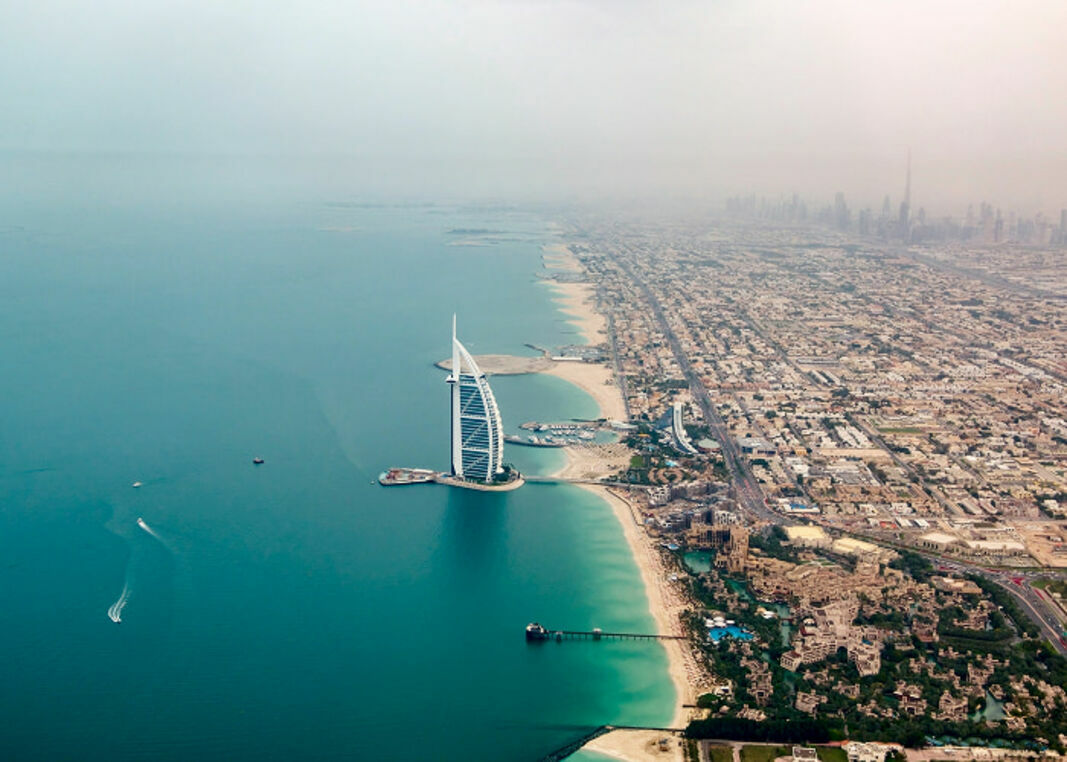
Dubai
Dubai is considered a popular option, but because of dense high-rise skyscraper development, the “urban heat island” phenomenon forms here, making summer nights feel more stuffy.
Abu Dhabi
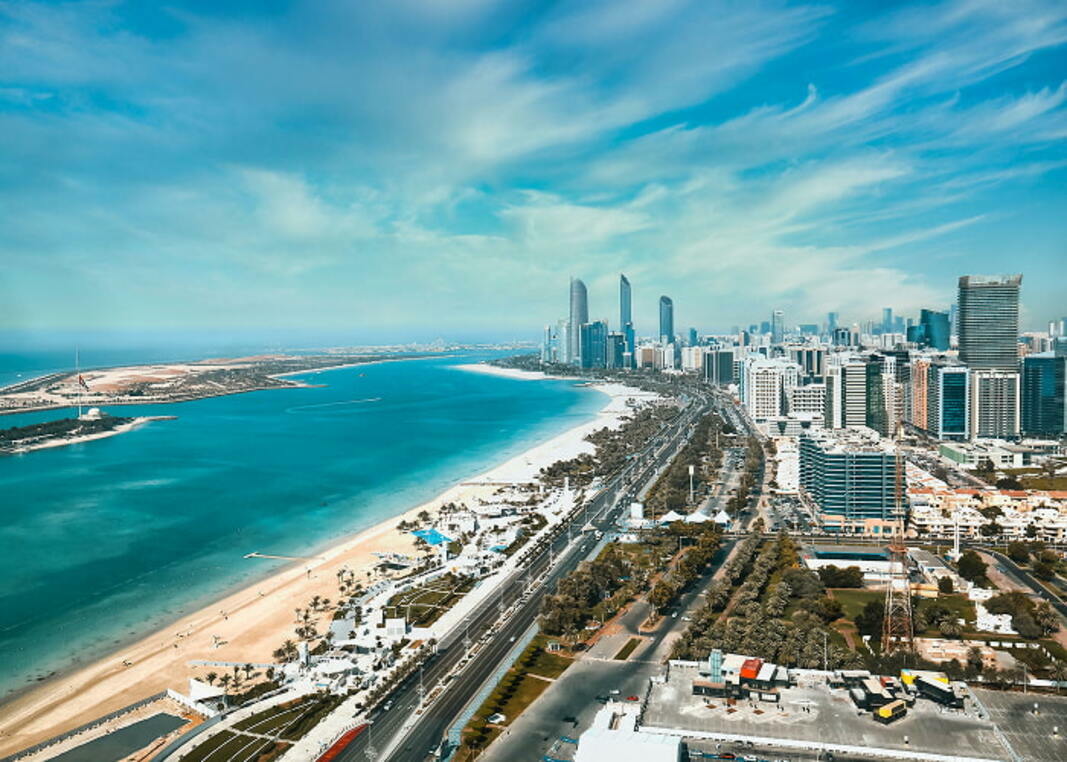
Abu Dhabi is climatically very similar, but thanks to abundant artificial greenery and mangrove forests along the coast, the heat is a little easier to tolerate here.
Sharjah
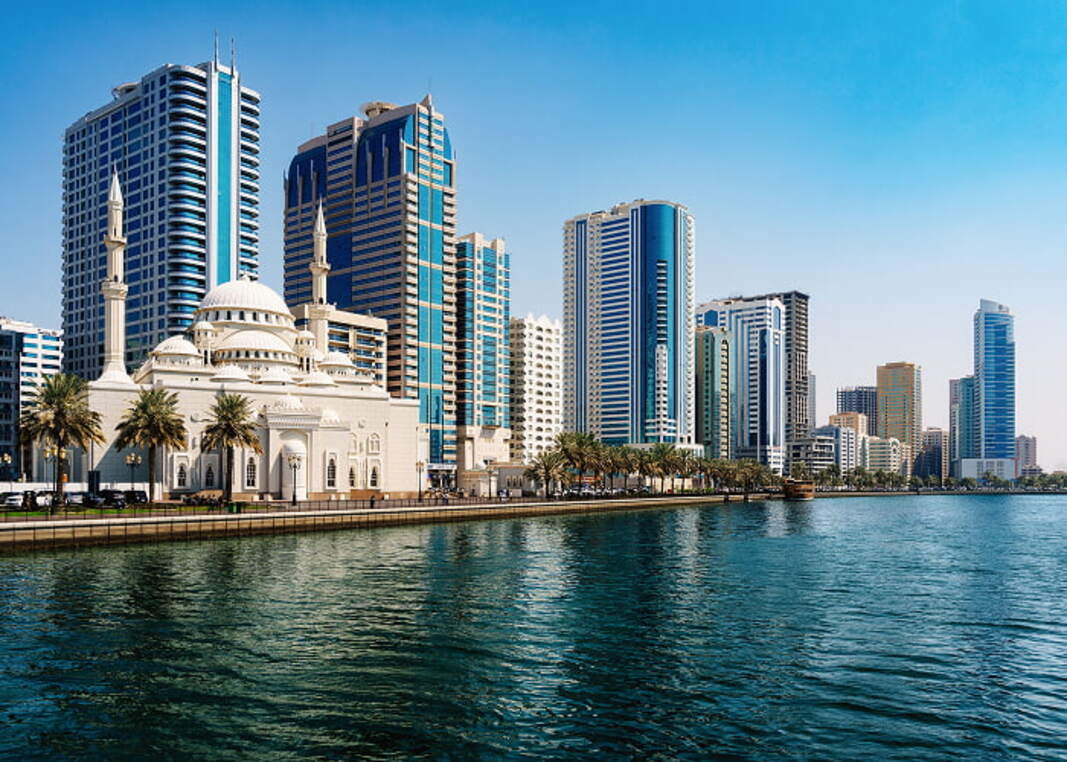
Sharjah: the weather is like in Dubai, but the strict dress code requires shoulders and knees to be covered even in intense heat.
Ras Al Khaimah
Ras Al Khaimah is the northernmost emirate of the UAE, which, thanks to its direct proximity to the Hajar mountain range, offers tourists the most comfortable weather: the air temperature here is on average 1–2 degrees lower than in Dubai, and the mountains protect the coast from strong winds.
Fujairah and the Gulf of Oman
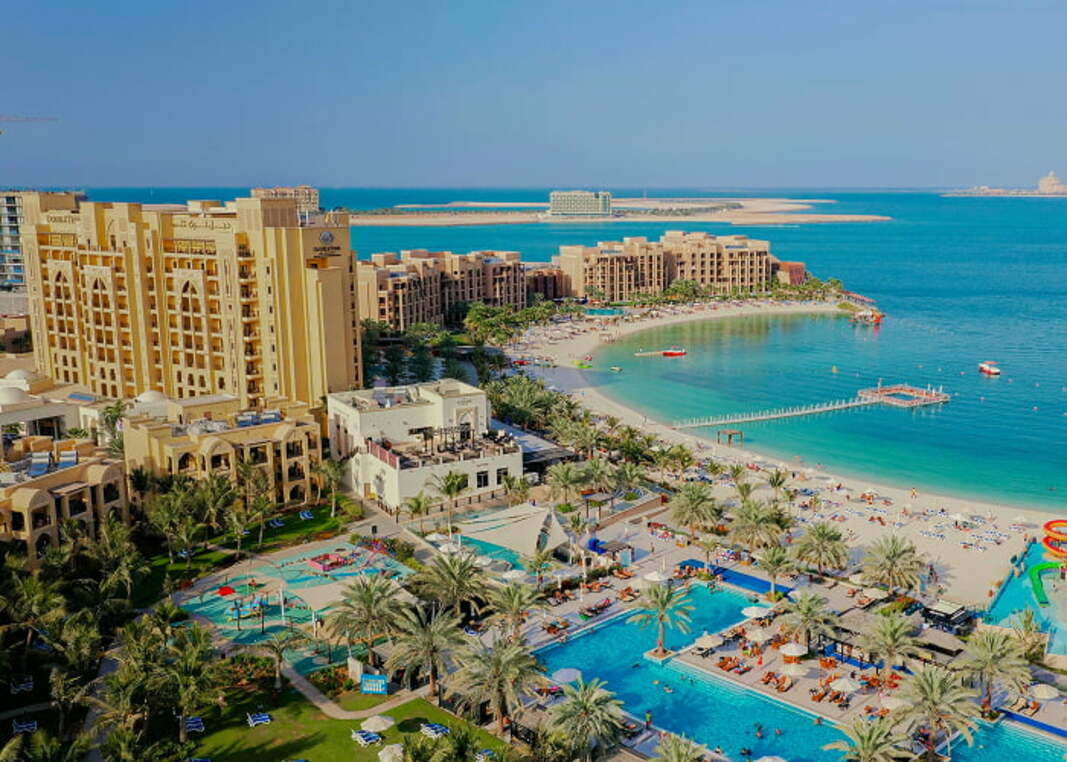
Unlike the resorts listed above, the UAE has one unique region — Fujairah, located on the coast of the Gulf of Oman (part of the Indian Ocean). The difference from the Persian Gulf is noticeable by season:
In summer (June — August): when the Persian Gulf warms up to +36°C, creating strong humidity, the Gulf of Oman in Fujairah, thanks to ocean currents, is several degrees cooler (around +30°C), while the mountains protect it from the scorching desert air.
In winter (December — February): the Persian Gulf cools quickly to +21°C. The Gulf of Oman cools more slowly and remains 1–2 degrees warmer, but in Fujairah the sun sets earlier in winter and rare rains are possible.
What to Pack for the UAE by Season
Winter
Winter (December – February): Along with swimwear, be sure to pack a thick pullover, jeans, and a light windbreaker. Because of the desert climate, night temperatures in the UAE drop to +14°C, so it will be cold without warm clothes during evening walks and excursions.
Spring
Spring (March – May): Focus on loose summer clothing made from natural cotton and linen. The sun becomes aggressive, so high-SPF sunscreen, hats, and sunglasses are the mandatory minimum.
Summer
Summer (June – August): Because of the extreme heat, you will move between air-conditioned spaces. The main secret: take a light sweater or cardigan with you to all malls and taxis so you do not catch a cold under powerful icy air flows (+18°C after +42°C outside). For rare outdoor exits, SPF 50+ cream is needed.
Autumn
Autumn (September – November): The UAE has an ideal beach season. Take the classic set: shorts, light dresses, open shoes, and sun protection products. In September and October the sun is still very active, so aloe gels for skin recovery after tanning will also be useful.
Tip from Admiral Travel: A light sweater or stole is your year-round must-have in the UAE, where air conditioners always work at full power. In summer, the temperature difference is especially dangerous: going from +42°C outside into air-conditioned +19°C, you can quickly catch a cold.
Video: Egypt or UAE - what to choose
Frequently Asked Questions (FAQ)
When is the most comfortable season in the UAE?
From November to April. Daytime temperatures stay within +24°C…+32°C, and the sea is warmed to a pleasant +23°C…+27°C. This is the ideal time for beach holidays and excursions.
When is the strongest heat in the UAE?
In July and August. The thermometer in the shade rises to +45°C, while coastal air humidity reaches 90%, creating the effect of an extreme sauna.
Can you swim in the UAE in winter?
Yes. However, in January and February the Persian Gulf cools down to +21°C…+22°C. Because of the refreshing water, many tourists prefer heated hotel pools.
What is the weather like in Dubai in January?
Comfortable and cool. The average daytime air temperature is +24°C, and at night it drops to +15°C. Rainfall is unlikely, and the time is ideal for walking.
What is the weather like in the UAE in August?
Extremely hot. Daytime temperatures exceed +42°C in the shade. Because of strong evaporation from the gulf, humidity is extremely high, so all tourist activity moves into air-conditioned spaces.
When is it cheapest to holiday in the UAE?
From June to August. In summer, the Emirates enter the low season because of the heat. Package prices fall, and discounts at luxury five-star hotels can reach 50–70%.
Does it rain in the UAE?
Yes, but rarely. Precipitation is usually short and shower-like, falling mainly in winter — from January to March.
When is the best time to visit the UAE with children?
In November, December, March, and April. During these months there is no extreme heat, the sun is gentle, and the water temperature is safe for longer swimming with a child.
Which gulf should you choose in summer — the Persian Gulf or the Gulf of Oman?
In summer, Fujairah on the Gulf of Oman often feels more comfortable: the water is cooler thanks to ocean currents, while the mountains partially protect the coast from the scorching desert air.
Do you need warm clothes in the UAE in winter?
Yes. In the evening and at night in winter it can be cool, especially during walks by the water, in the desert, and on evening cruises, so a windbreaker, pullover, or light jacket will be useful.
Is summer in the UAE suitable for excursions?
Daytime excursions in summer are hard to tolerate because of the heat and humidity. It is better to choose indoor spaces, evening programs, malls, aquariums, theme parks, and hotels with cooled pools.
When is the velvet season in the UAE?
The velvet season begins in October and is especially pleasant in November: the heat decreases, the sea remains warm, and conditions suit both beach holidays and active trips around the country.