 Enter
Enter





Athens, unhurried: breathe, look, wow
Introduction
Tourist attractions in Athens represent a unique mosaic of cultural treasures, historical monuments, and objects of modern art. Here, in the sunny capital of Greece, you can immerse yourself in the atmosphere of antiquity and ancient beauty if you first find out what to see in this celebrated city. Let our guide plunge you into the world of the main sights of Athens.
Top 15 attractions in Athens: quick info guide
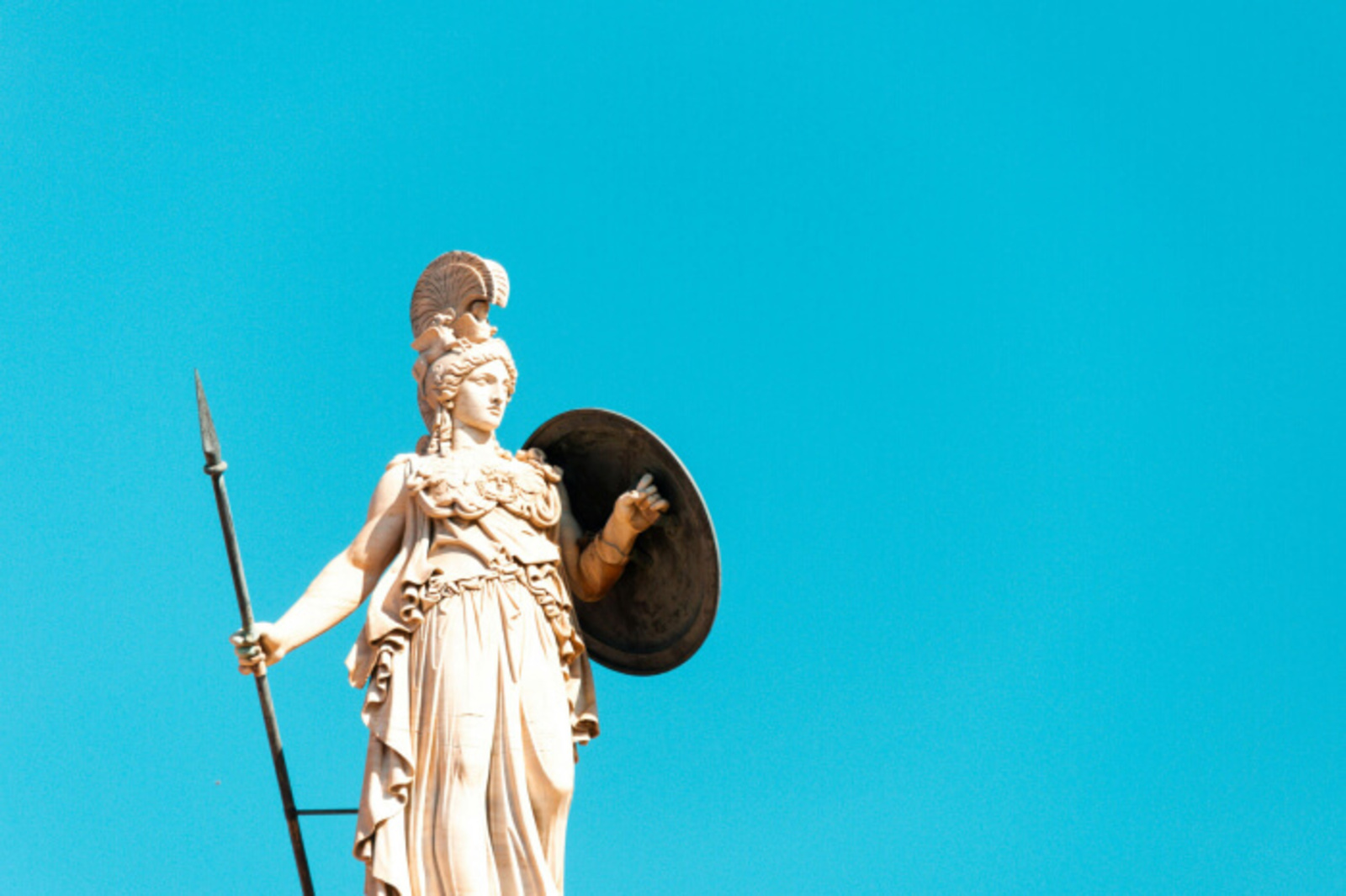
Ancient Greece experienced its heyday in the 6th–4th centuries BC; this period became the city’s “golden age” — everything you need to know about Athens. The polis, founded three thousand years ago and named after the goddess Athena (celebrated for wisdom), went through stages of glory and decline. It gained worldwide fame thanks to the philosophical works of Socrates, Aristotle, and Plato, the birth of democracy, and the development of art.
Today Athens is a sprawling metropolis, but the main tourist attractions are in its old part next to the Acropolis — a hill 156 meters high, visible from all corners of the capital. In this tourist heart of Athens, first of all, it’s worth visiting the top attractions of Athens:
Top 15 (two columns)
Acropolis of Athens
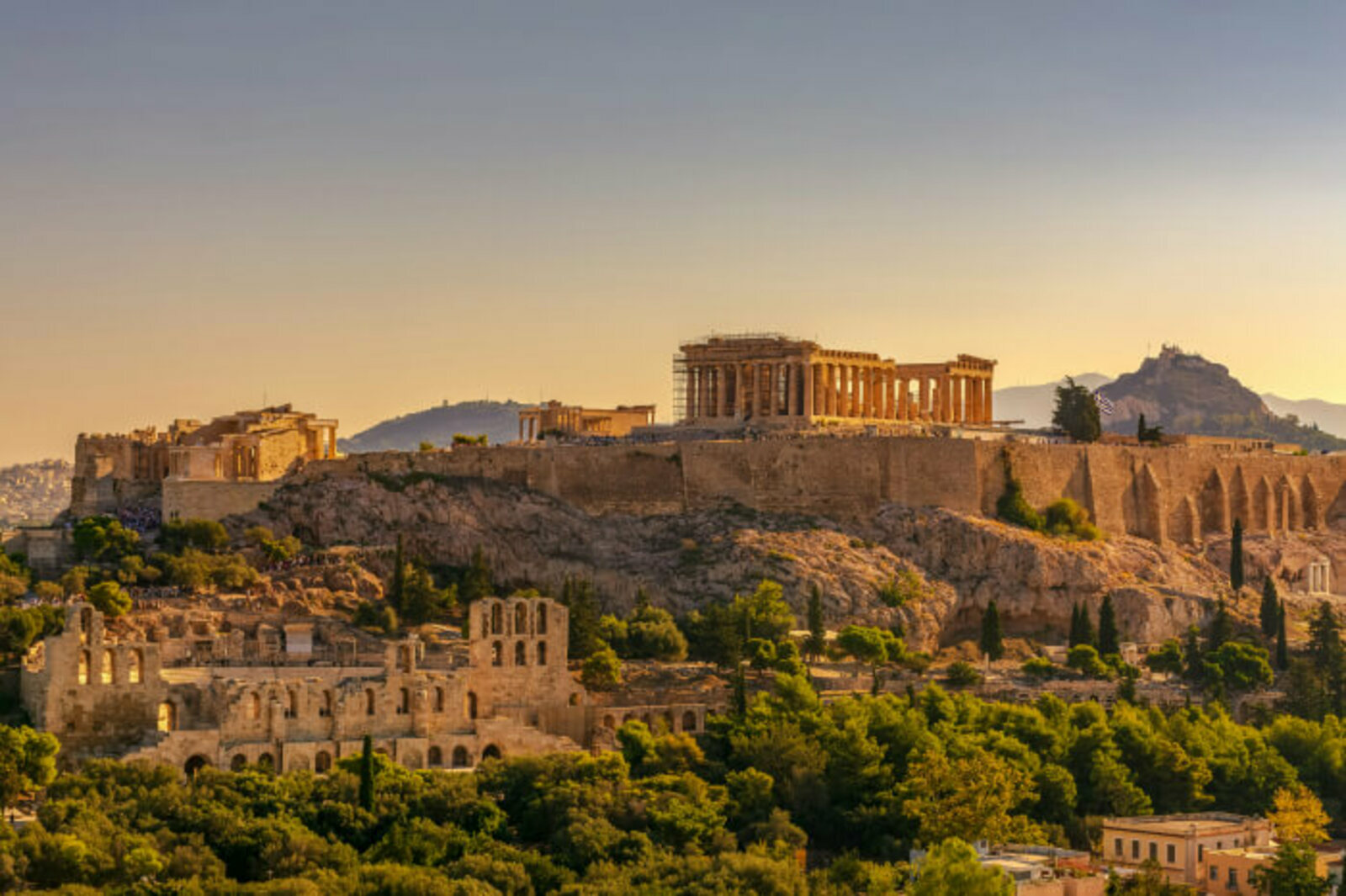
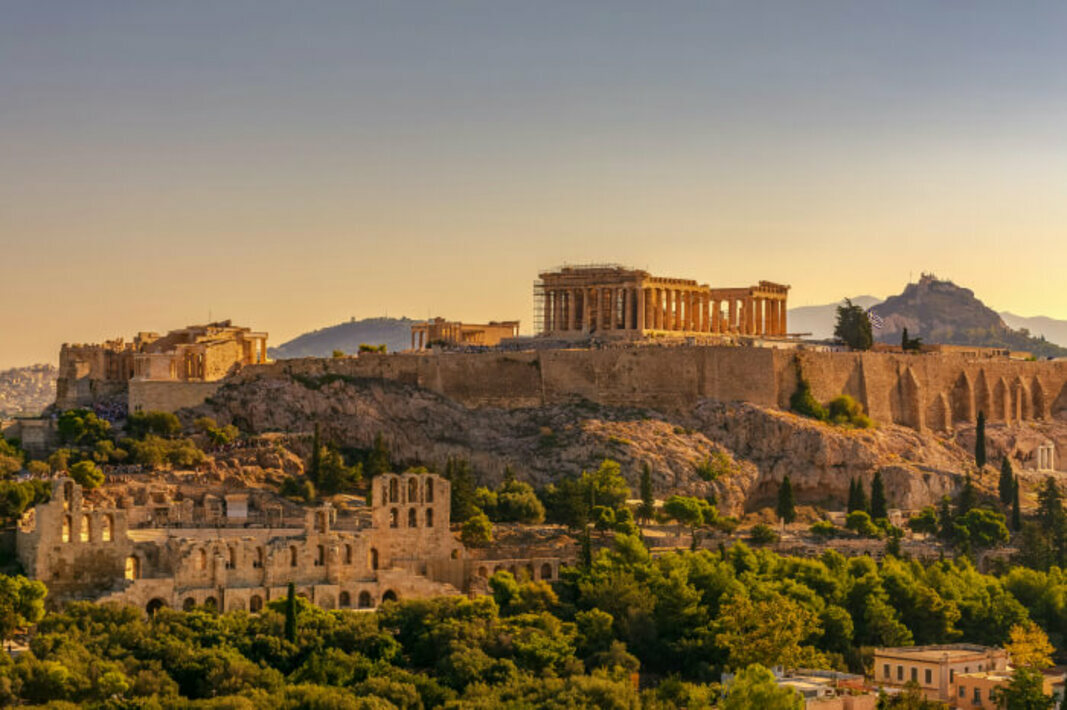
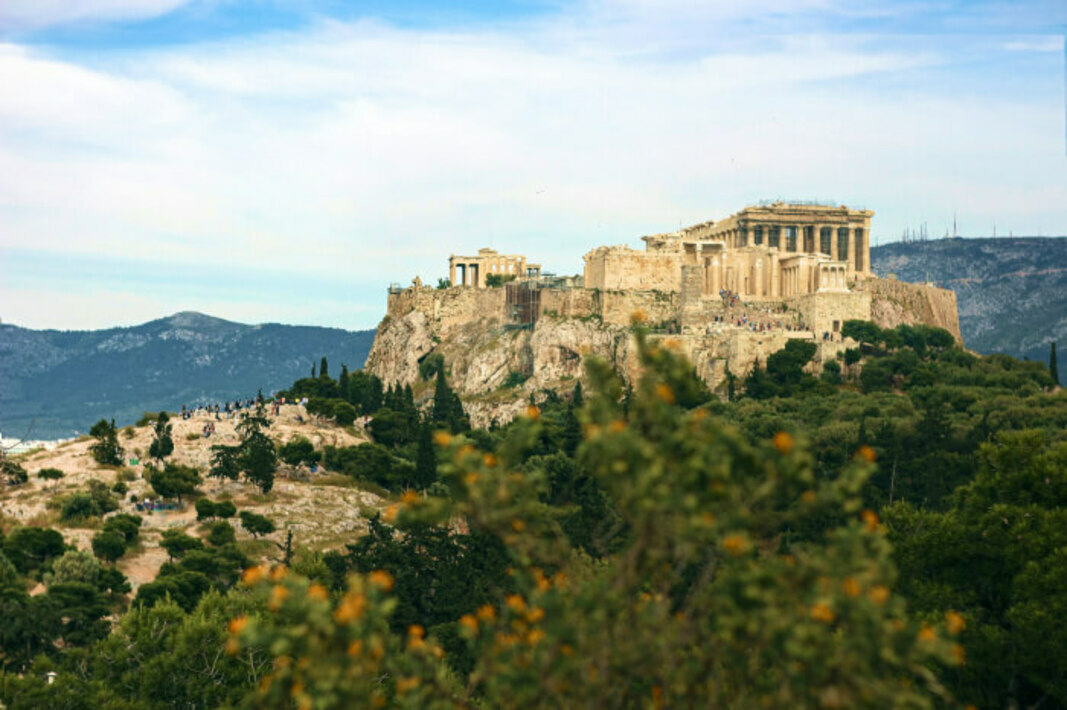
Among popular walking tours, the Acropolis is the fortified part of the city, built by the ancient Greeks on a hill in each polis (to defend against enemies). Fortifications neighbored castles, temples, and theatres, forming the nucleus of the future city. The Acropolis of Athens is the most famous and grandiose structure in Greece, located on a rocky hill with a flat top. The historical complex is part of the capital and a calling card of the country.
The Acropolis appeared before our era, but important structures such as the Parthenon, the Erechtheion, and the Temple of Athena Nike were built in the 5th century BC by order of Pericles. One of the most renowned masters who worked on this hill was Phidias, the famous ancient sculptor and architect. The Acropolis of Athens has enormous historical significance, as over different periods it served as a residence of rulers, a temple complex, and a fortified citadel. After significant destruction caused by conquerors (Byzantines, Ottomans, Persians, Heruli, etc.), looting by the British, and reconstruction after the country gained independence, it became a testament to the greatness of Ancient Greek civilization (*although many sculptures from the Acropolis temples are still in foreign museums).
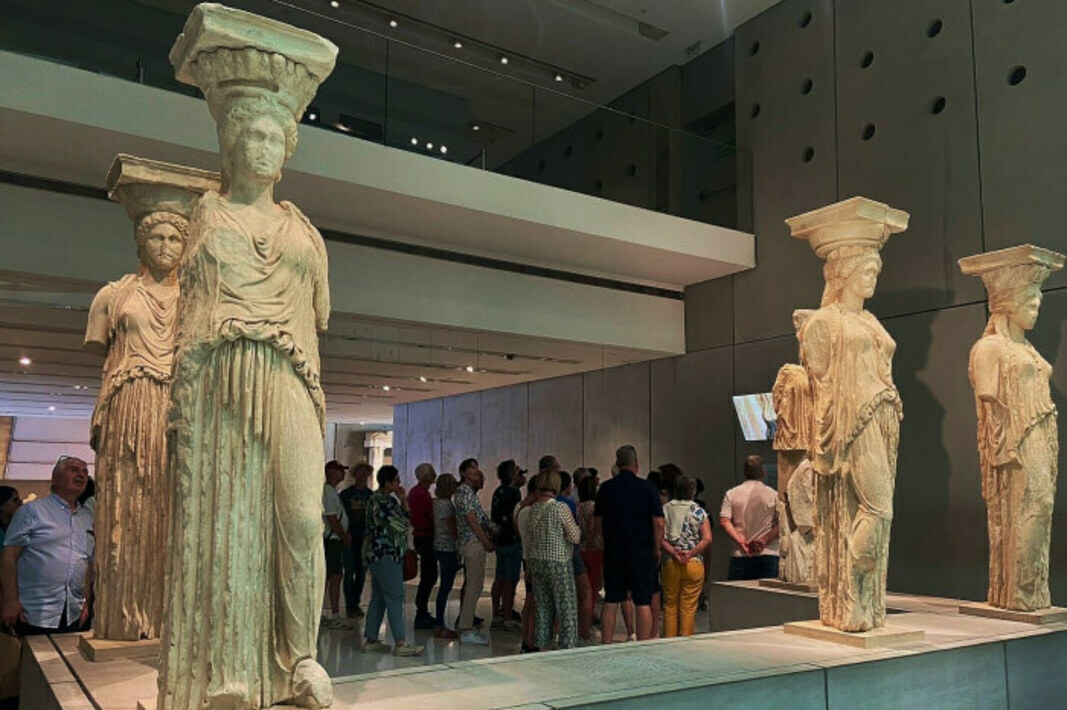
New Acropolis Museum
The return of ancient artifacts from abroad, especially from Britain, was an important matter for independent Greece. It concerned primarily marble sculptures taken by Lord Elgin in the 19th century. Built in 2003, the Acropolis Museum opened in June 2009 at the foot of the hill. The main goal of the new museum was to provide a worthy place for exhibiting the ancient sculptures returned to the country, as well as the archaeological finds made during its construction. The new museum became a tourist magnet: besides the rich collection, the modern glass walls offer fabulous views of the Acropolis hill and surroundings, and in places the transparent floor lets you study excavations that still continue under the foundation.
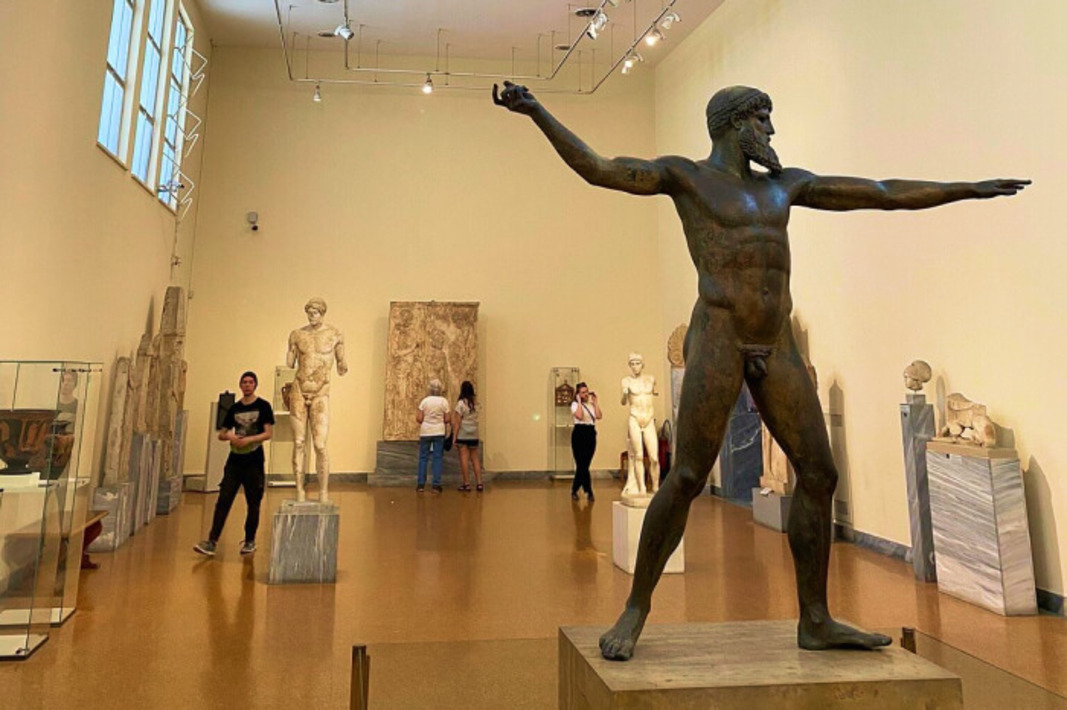
National Archaeological Museum
Discover Athens. What to see in Athens on your own? The largest and most spacious museum in Greece — the archaeological museum — is a 35-minute walk from the Acropolis. It was built between 1866 and 1935, and today includes over 20,000 exhibits. The museum showcases a collection of artifacts from different eras and cultures, including Neolithic objects from Thessaly, and the Mycenaean culture dating from 1600—1100 BC. The exhibition preserves vases, sculptures, jewelry, weapons, and golden funerary masks, including the famous mask of King Agamemnon. In addition, it contains items found on the Cycladic archipelago islands (3rd–2nd centuries BC), as well as on Santorini, and from Egypt and the East. The core of the collection includes sculpture (statues, groups, sarcophagi and altars), ceramics (from the 11th century BC to the Roman era), and bronze objects from different periods of Ancient Greece (sculptures, weapons, jewelry, tableware, tools, cult objects and funerary artifacts).
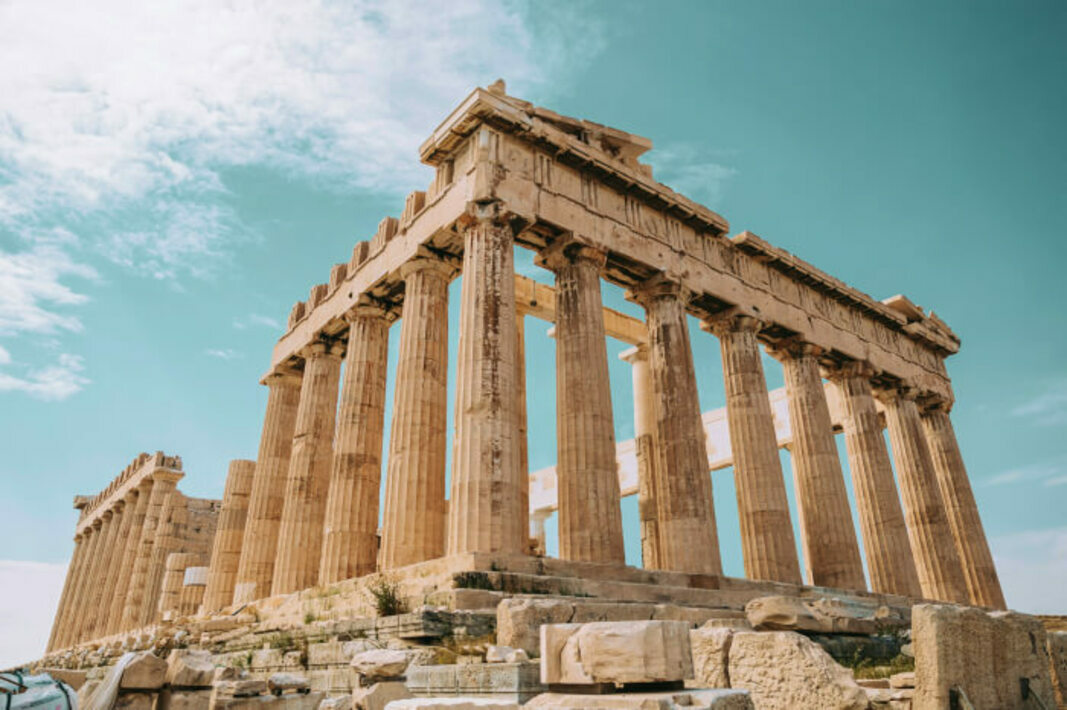
Parthenon Temple
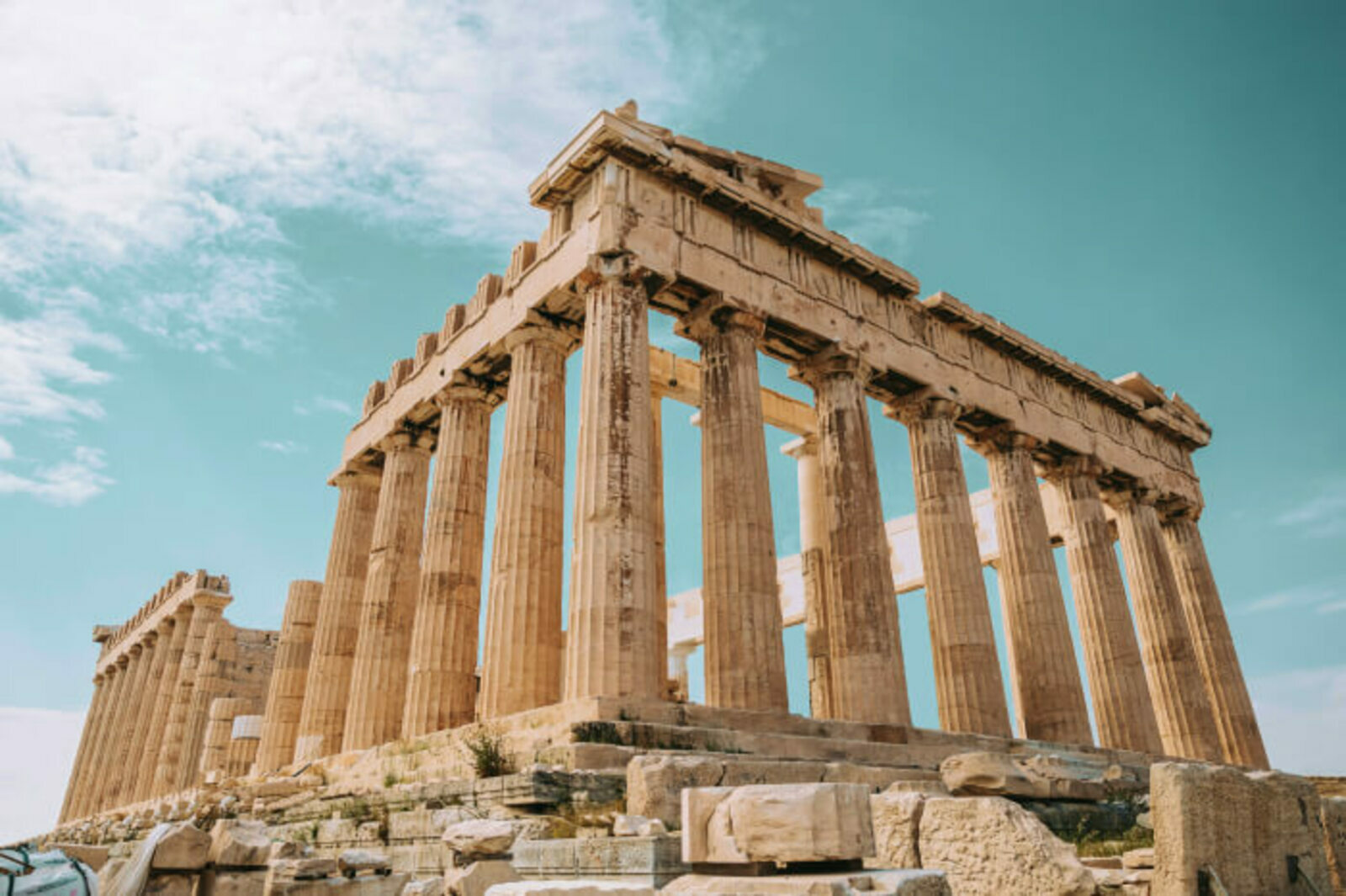
Among the most beautiful places to visit in Athens, the Parthenon Temple is one of the primary cultural heritage sites in Greece. Built of marble in the 5th century BC on the top of the Acropolis in honor of the goddess Athena Parthenos. Architecturally, the Parthenon is a Doric temple with Ionic elements. It has a rectangular space with eight columns at the facade and seventeen along its length. Originally the temple housed a grand statue of Athena, created by Phidias from ivory, gold, and wood, which was later lost. The Parthenon is adorned with sculptures depicting scenes from Greek mythology. The structure’s history has seen numerous events: it served as a temple, then a mosque, a fortress, and a gunpowder depot. It was destroyed in different periods, including during Ottoman rule and by the explosion of the powder magazine in 1687. Many sculptures lost in 1687 are known only from drawings made in 1674. Today the Parthenon is a model of ancient architecture, included in the UNESCO World Heritage list.
Erechtheion
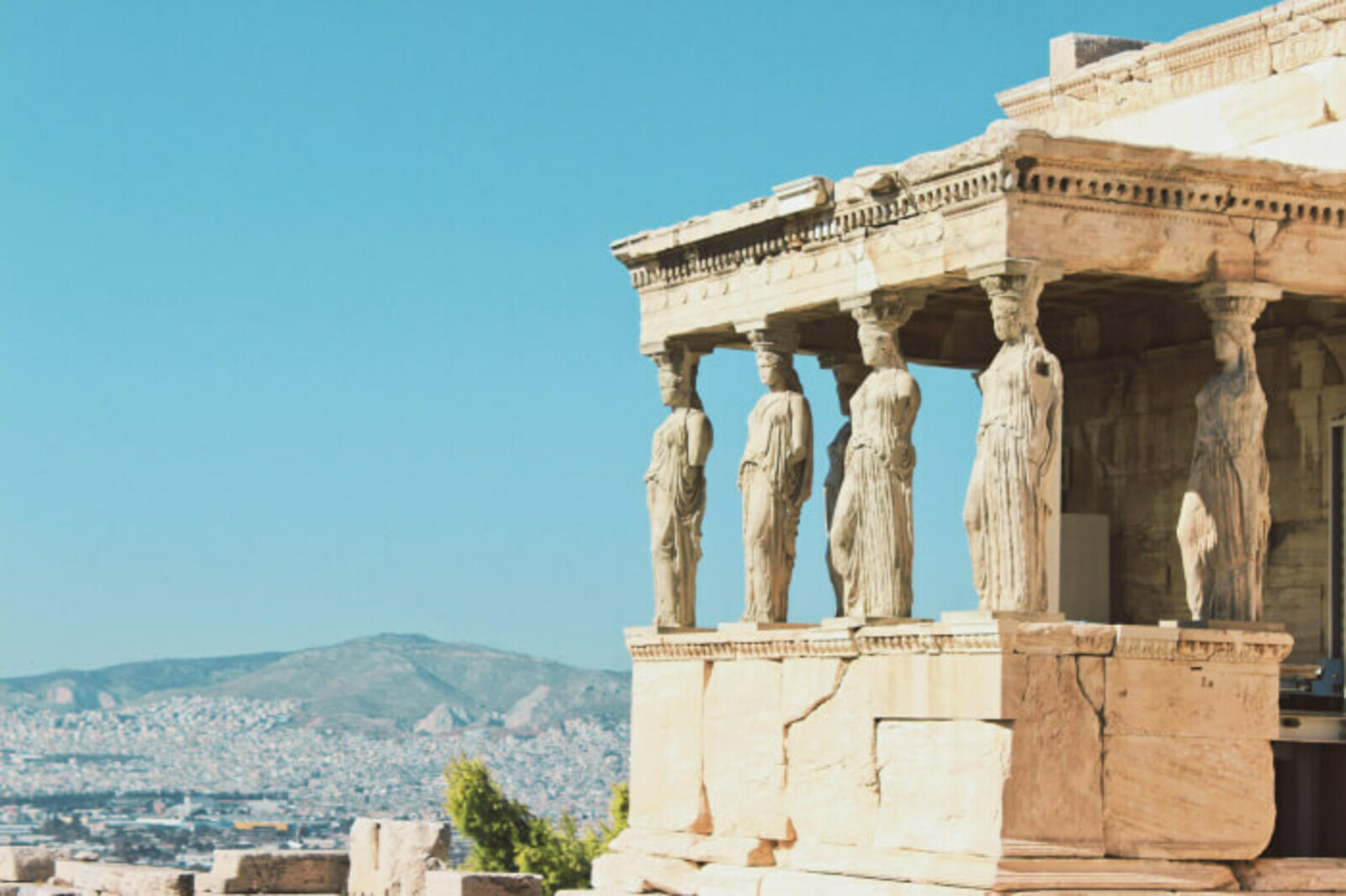
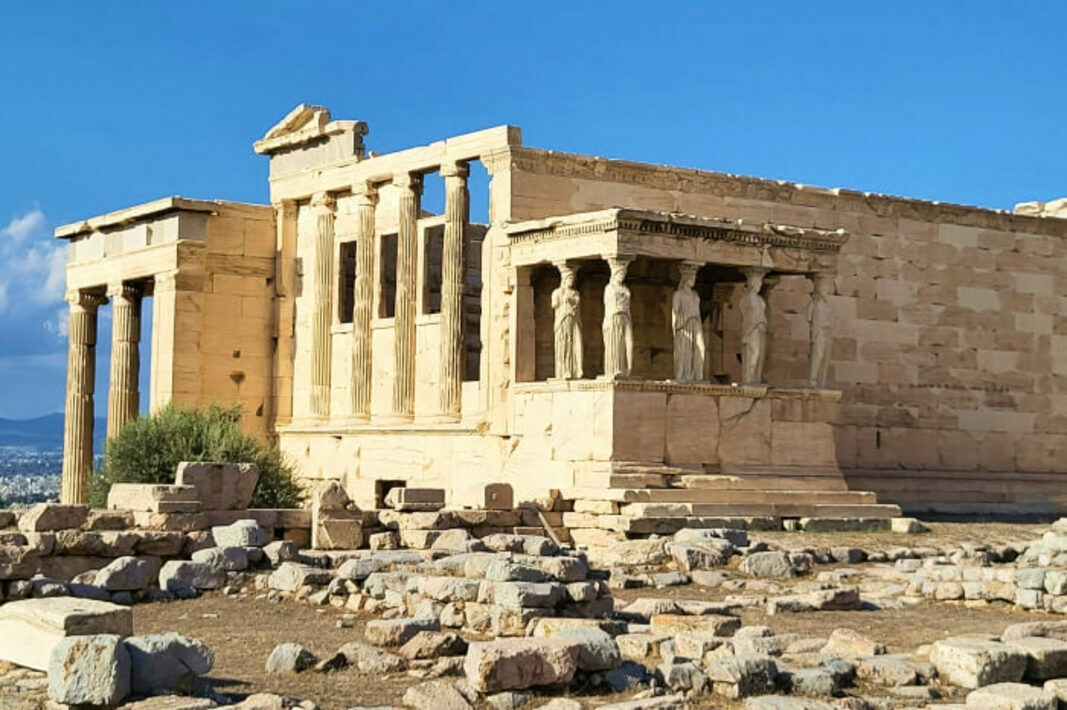
Reviewing Athens’ attractions is impossible without the Erechtheion Temple, built on the Acropolis between 421 and 406 BC, and famed for its Caryatid Porch — six sculptures representing female figures with offering baskets on their heads. These original symbols of Athens, carved from marble, have a special grace, yet their history is sad. The sculptures were removed in 1802 and taken abroad. Today they have been replaced with copies, while the original marbles are in the British Museum in London and the New Acropolis Museum in Athens. It’s worth noting that during Ottoman rule the temple served as a mosque and a gunpowder store, which led to partial destruction. Nevertheless, today the Erechtheion attracts researchers and travelers with its unique architectural style and mysterious atmosphere.
Agora of Athens
The map of Athens attractions will certainly include the ancient marketplace at the foot of the Acropolis, called the Agora. The Agora of Athens was located northwest of the Acropolis, bounded to the south and west by the Areopagus and the Agora Colonnade. This location made it not only a market, but also a social, cultural, and political center. Residents gathered here for trade, discussions, and important events. Today the Agora is the subject of archaeological excavations that began in 1931 by the American School of Classical Studies. These excavations shed more light on the significance of this place for the civilization of Ancient Greece.
Areopagus Hill
Famous places in Athens include the Areopagus — a unique historic site west of the Acropolis. Although no major architectural masterpieces stand here, the rocky hill played a key role in the history and culture of Ancient Greece: according to legend, the gods judged Ares here for killing Poseidon’s son, while in the reality of ancient Athens the Areopagus served as a meeting and court place. The hill was an “arena” for philosophical debates and discussions of important political and social questions. For pilgrims it is important that the Apostle Paul preached the teachings of Christ on this hill (therefore the Areopagus became a symbol of the intersection of ancient mythology and Christianity). Today the Areopagus attracts travelers with its fabulous atmosphere and panoramic views of the city and the Acropolis.
Temple of Hephaestus
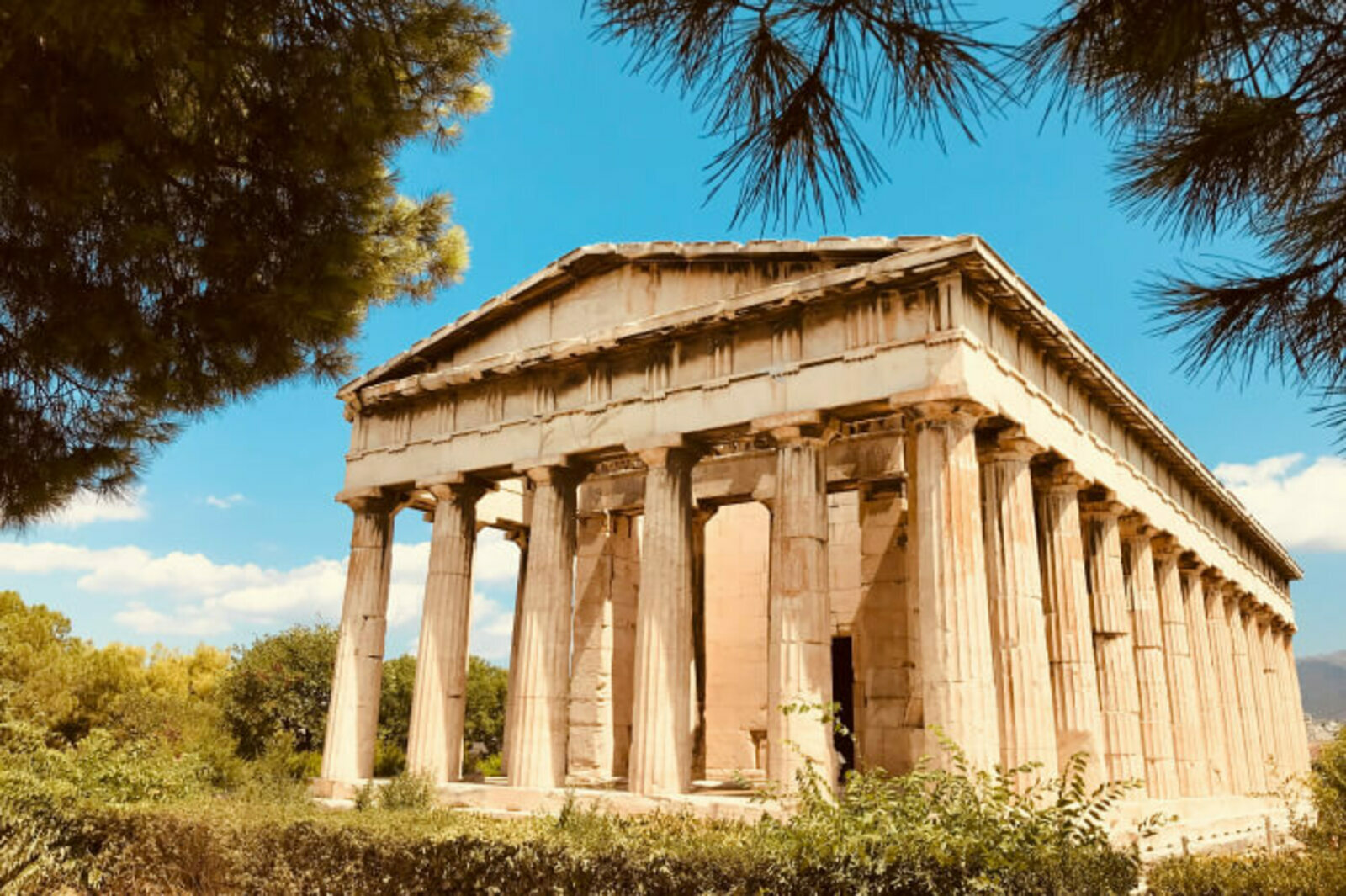
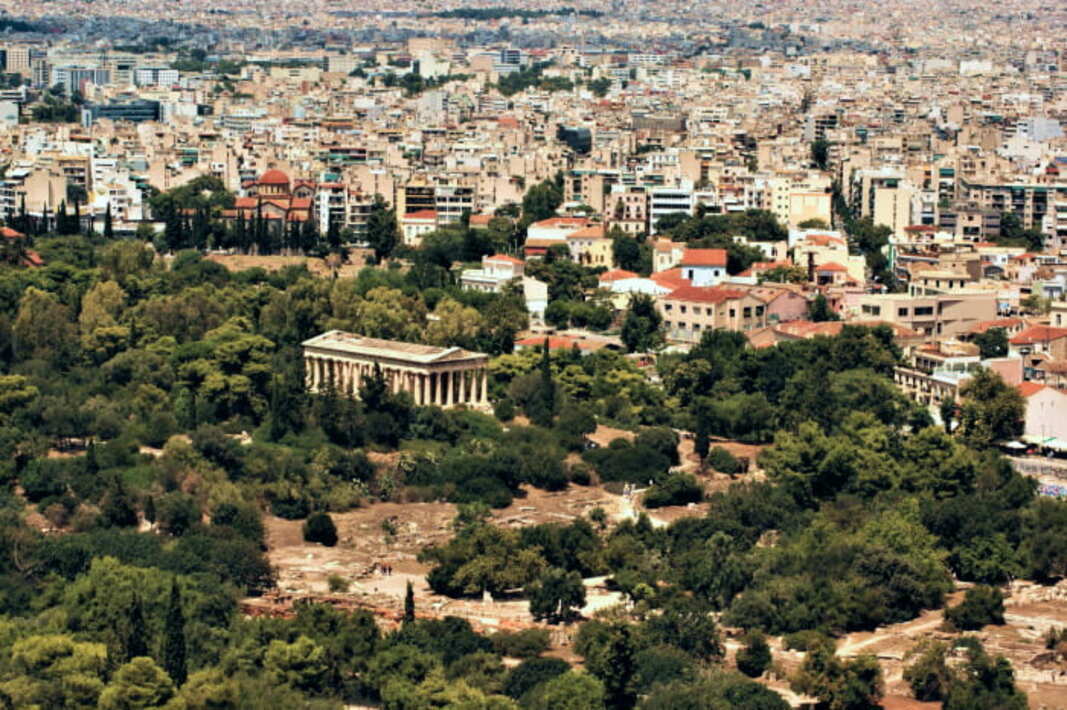
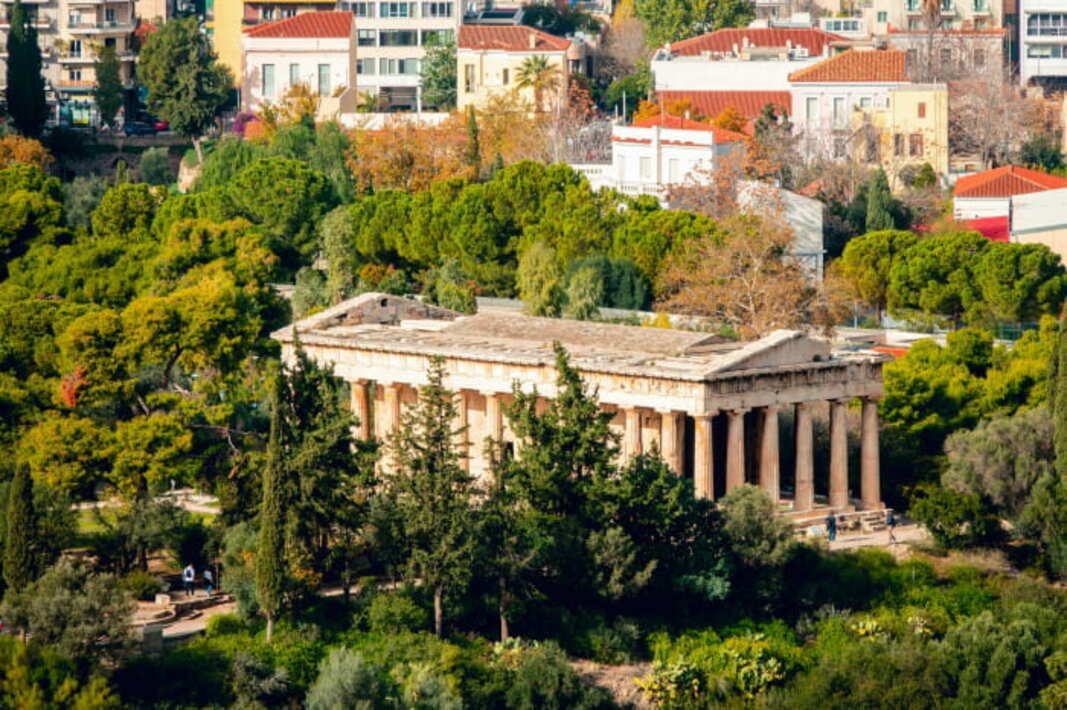
The Temple of Hephaestus, also known as the Hephaisteion, is one of the best-preserved buildings of the Athenian Agora. This Doric temple was built from 460 to 420 BC in honor of Hephaestus, the god of fire and blacksmithing. The building is a peripteral temple with 6×13 columns and a height of almost 6 meters. The temple is decorated with reliefs reflecting the labors of heroes of Greek mythology — Heracles and Theseus. Inside stood statues of Hephaestus and Athena Ergane, the patroness of pottery, and on the eastern pediment — the battle of the centaurs. In antiquity, the temple hosted religious ceremonies and festivals; singers and poets performed on the hill near the temple, attracting public attention. The Temple of Hephaestus also had special significance for slaves in Ancient Athens: it offered asylum to fugitives who asked for a new master or served in the temple or on its lands. Later it served as an Orthodox church and a burial place for Protestants.
Temple of Olympian Zeus
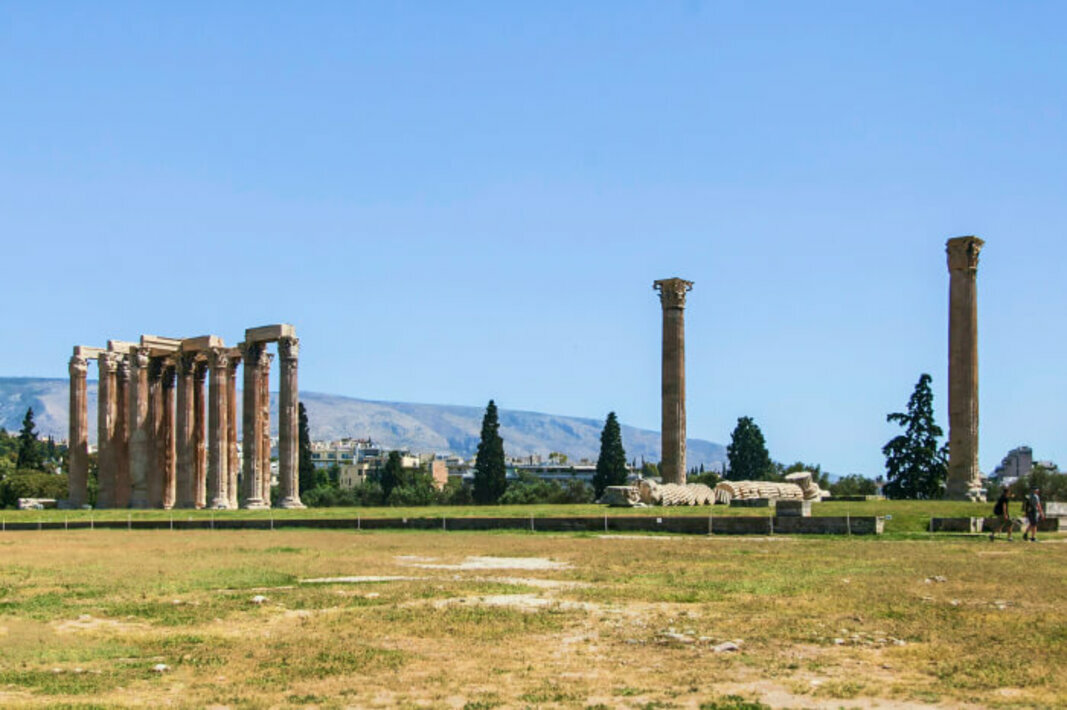
The Temple of Olympian Zeus is a majestic structure whose construction began in the 6th century BC and was finished only 650 years later during the reign of the Roman Emperor Hadrian. Consisting of 104 columns of the Doric order, it was one of the most grandiose temples in Ancient Greece. Corinthian capitals crowning the pillars created a special sense of solemnity. Only a small fragment has survived to this day, including 14 columns and two standing separately. The temple suffered severe damage in 267 during the invasion of Goths and Heruli. Later it was practically destroyed as Emperor Theodosius banned worship of pagan gods and elements of the temple were used in constructing other buildings. Located 500 meters southeast of the Acropolis and not far from Syntagma Square, it still amazes visitors with its grandeur and vast scale.
Theatre of Dionysus
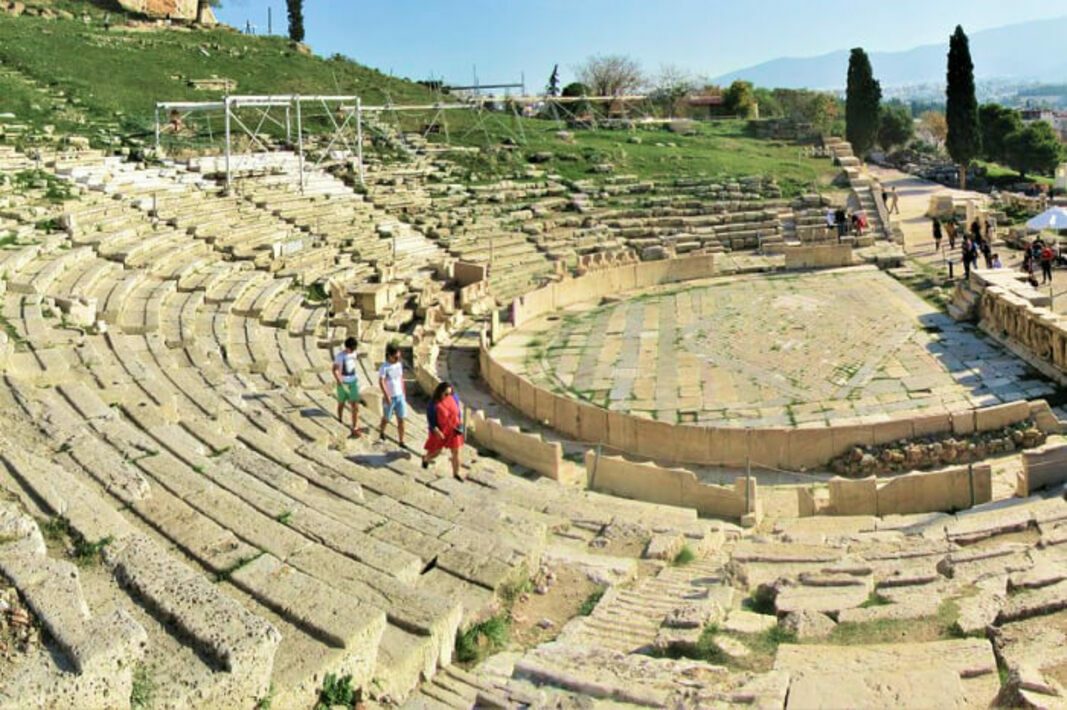
The ancient monuments of Athens are also represented by the Theatre of Dionysus, one of the oldest theatres in the world, initially built of wood in the 5th century BC for performances in honor of Dionysus, the god of merriment and wine. It became a venue for the Lesser and Greater Dionysia theatre festivals where playwrights and actors competed. In the 3rd century BC the theatre was rebuilt and expanded, replacing wood with stone, which increased capacity to 17,000 spectators and allowed for circus and gladiatorial shows. The open, roofless construction created a special atmosphere of the ancient theatre. Today the ruins form an important archaeological site and one of the key Athens monuments popular with travelers.
Odeon of Herodes Atticus
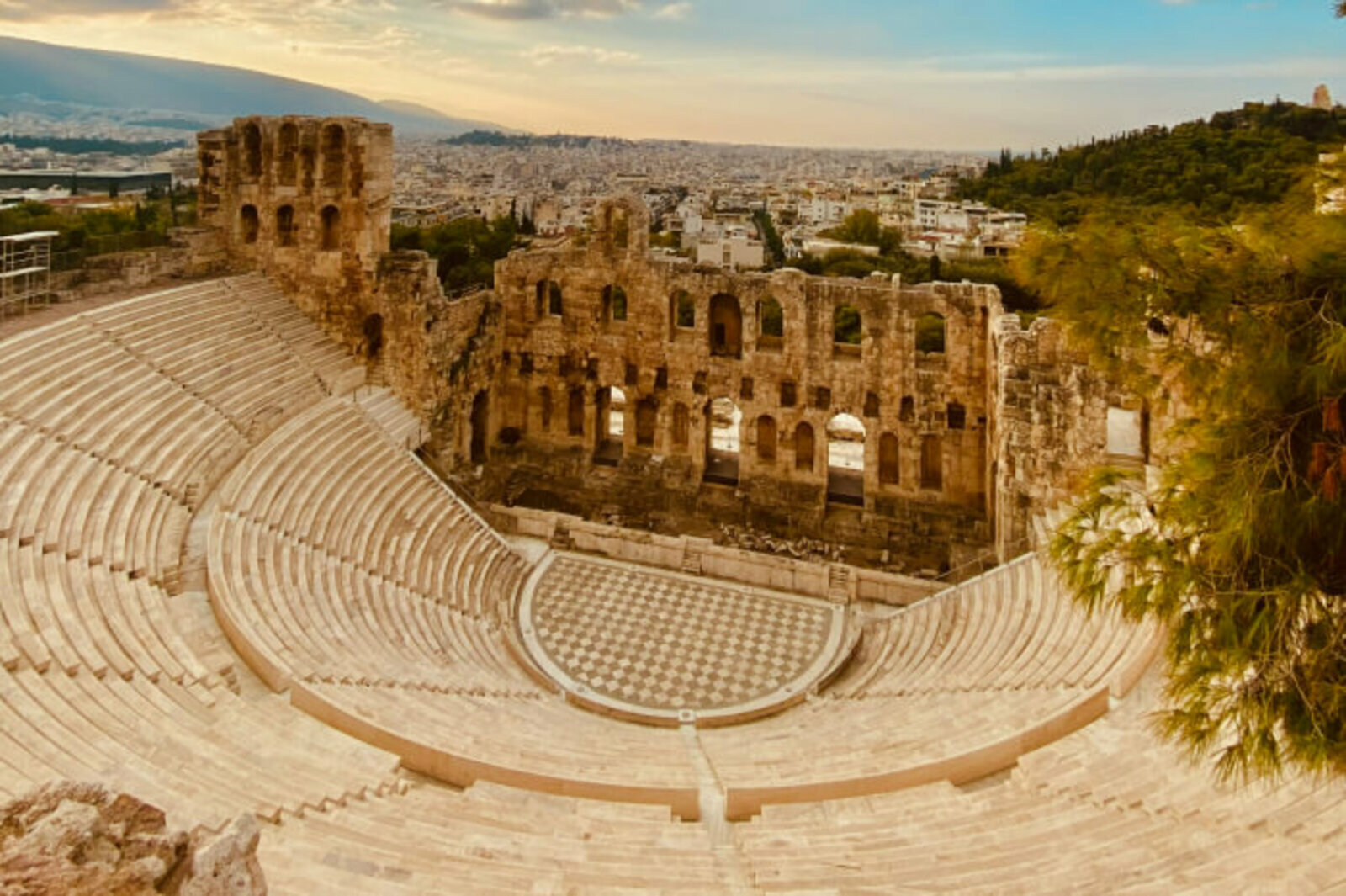
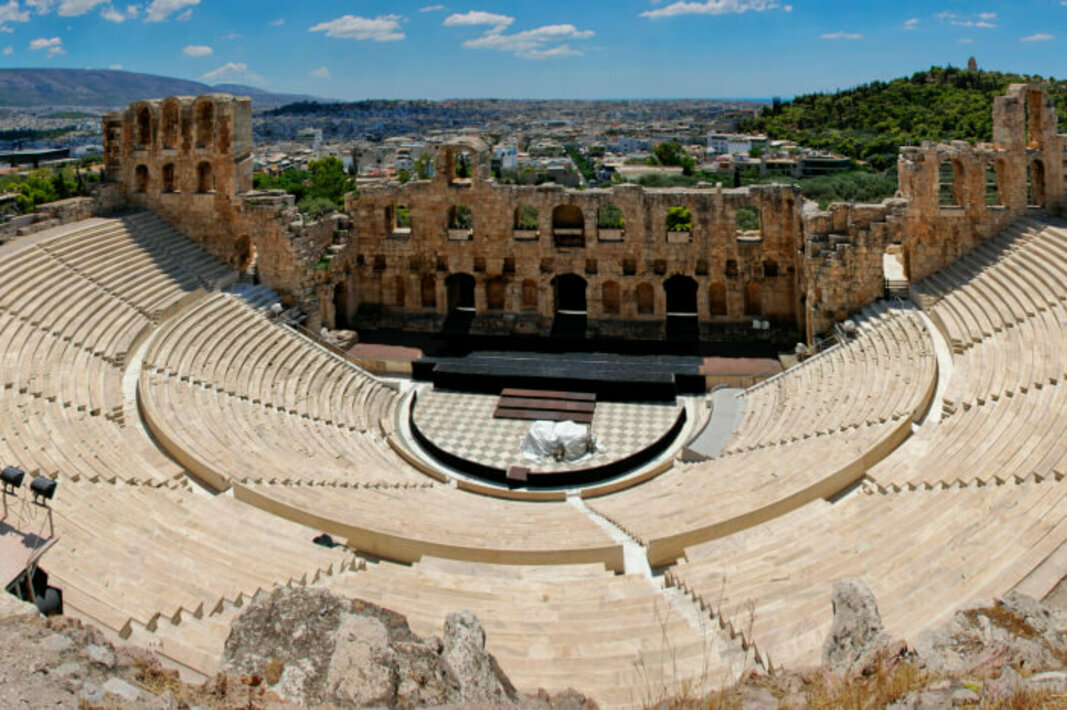
The Odeon of Herodes Atticus is an ancient theatre in central Athens, built in AD 161, located south of the Acropolis. This marble theatre was a gift from Herodes Atticus to his wife Regilla, a classical ancient venue with 5,000 seats and a model of ancient architecture. It has been well preserved since its construction, except for sculptures and marble cladding. After reconstruction in the 1950s the cladding was restored, and since then the Odeon has hosted a theatre festival held annually from June to September. Legendary artists have performed on its stage, including Maria Callas and the Bolshoi Ballet; in 1973 it hosted the “Miss Universe 1973” pageant.
Roman Agora
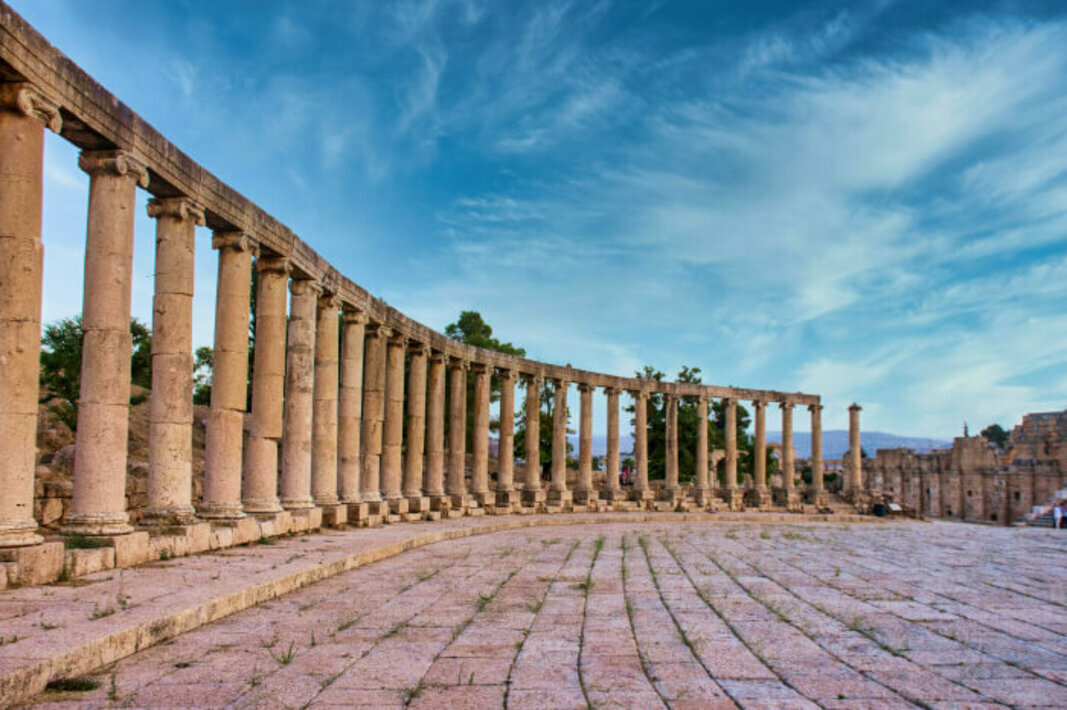
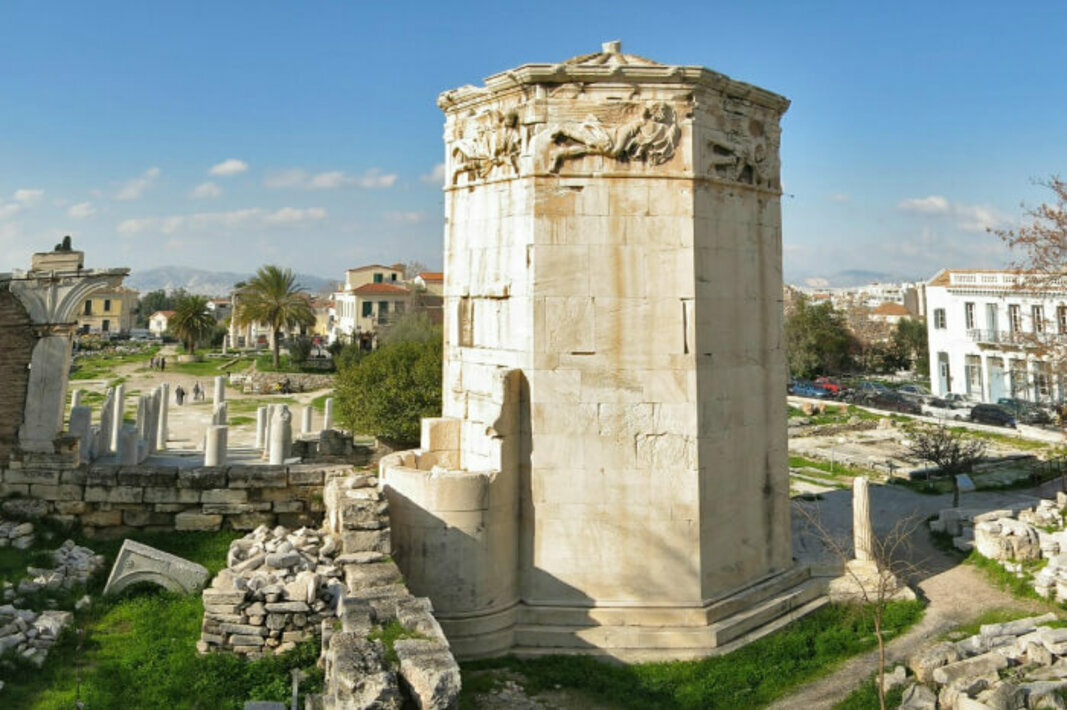
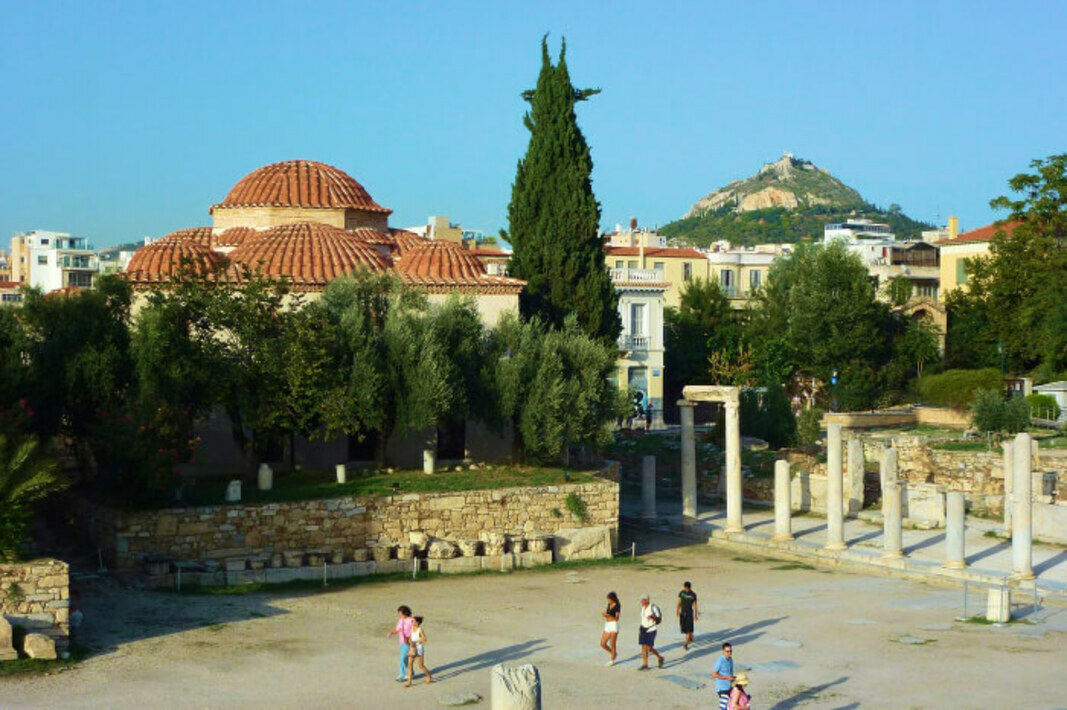
The Athens tourist route also includes two agoras: the Roman Agora in Athens, known as the Agora of Caesar and Augustus, appeared in 27 BC by order of Julius Caesar. This commercial square lies northeast of the Acropolis, just a hundred meters from the Athenian Agora. Although not fully uncovered due to ongoing archaeological work, it is known to have been an open space surrounded by columns, with a fountain to the south and a gate to the west. During Emperor Hadrian’s rule the agora was expanded, and inscriptions about taxes appeared on the gate. In the medieval period a mosque was built here, later becoming a Catholic church. Today the Roman Agora attracts tourists with various structures preserved on the site: the ruins of the Gate of Athens and the eastern gate (East Propylaea), as well as the Tower of the Winds.
Tower of the Winds
The Tower of the Winds in Athens is a unique architectural monument of late Ancient Greece. It was built in the mid-1st century BC in the eastern part of the Roman Agora (north of the Acropolis). This octagonal marble structure served as a sundial and wind indicator. Inside there was a water clock operating on running water from the Acropolis. Today the Tower of the Winds attracts many tourists. During scientific restoration in 1976 the marble cladding and column fragments were restored. The most famous detail is the “capital of the Tower of the Winds,” with an original form that became a prototype for other architectural structures.
Plaka
What to see in Athens for free? Plaka is an ancient district at the foot of the Acropolis (to its northeast). Here the streets are narrow and cobbled, with many shops where you can buy unique jewelry, clothing, and ceramics. The area is famed for cafes with terraces and family-run taverns. In Plaka lies Adrianou Street, the oldest in Athens. Excavations have shown it has preserved its direction since antiquity. The Anafiotika quarter, part of Plaka, is adorned with snow-white houses in Cycladic style. Many homes in the district stand on the foundations of ancient structures, and the facades were built in the 18th century. Long ago it was a residential neighborhood, but over the decades it has become a tourist center with many shops, restaurants, and cafes.
Monastiraki
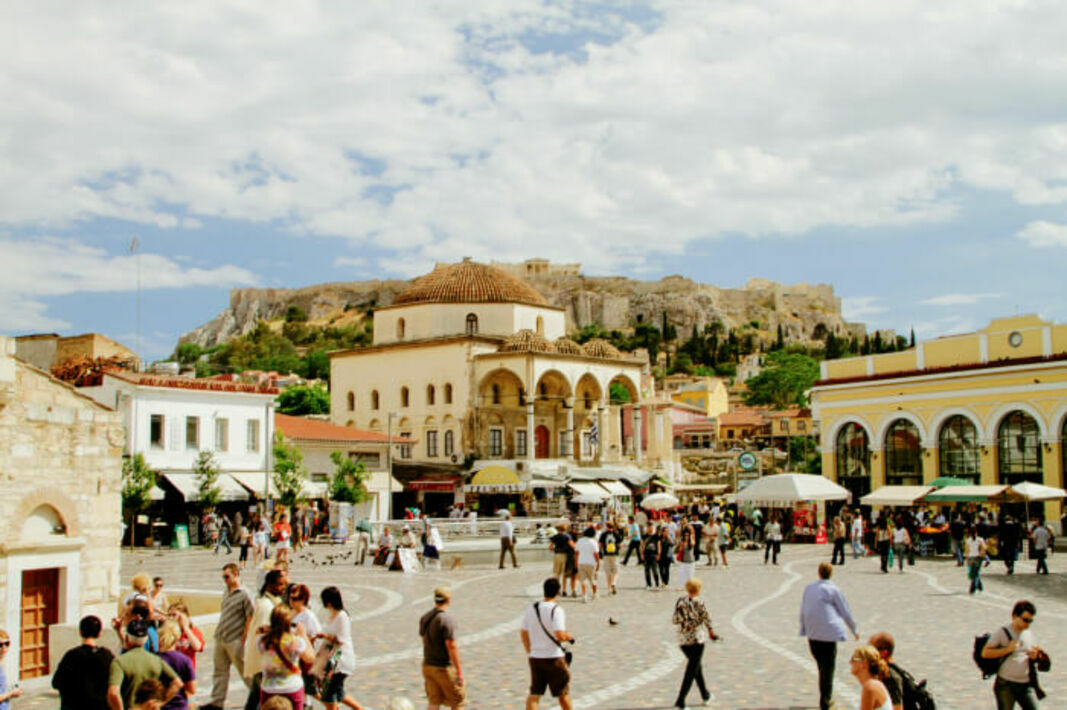
Monastiraki is a picturesque district in central Athens, north of the Acropolis and east of the Athenian Agora. The streets are crowded with cafes and shops, and the main landmark is the square where Sunday flea markets take place with antiques and vintage clothing. Opposite the “Monastiraki” metro station stands the Tzistarakis Mosque, built in 1759 on the site of a destroyed column of the Temple of Olympian Zeus. After the Greek Revolution it served as a meeting place for the authorities, and in 1924 it was transferred to the Museum of Folk Art. You can also visit the local market and climb Lycabettus Hill to admire the views of the city and the Acropolis. This area is ideal for walking and soaking in the atmosphere of ancient Athens.
Athens — Frequently Asked Questions
Best time to visit?
April–June and September–October: mild weather, fewer crowds, good prices.
How long for the Acropolis?
Plan 2–3 hours including the Parthenon, Erechtheion, and viewpoints.
Where to buy skip-the-line tickets?
Online on official museum and site portals — reserve in advance.
Combined tickets available?
Yes — multi-site passes to several archaeological areas are often cheaper.
Do I really need sturdy shoes?
Absolutely. Cobblestones and inclines are common downtown.
Where to eat like a local?
Step 1–2 blocks off main tourist streets — better prices and often better food.
Are beaches close to the center?
Yes — the tram to the Athenian Riviera is the easy way to go.
Is it safe at night?
Tourist areas are generally safe; keep normal awareness.
What souvenirs to bring?
Olive oil, spices, ceramics, local sweets, and jewelry.
Best viewpoints?
Lycabettus, Areopagus, and terraces around the Acropolis.
Does siesta affect opening hours?
Yes, roughly 14:00–17:00 many shops and venues may close.
Airport to city center?
Metro, suburban rail, express buses, or taxi — pick by budget and time.