
 Enter
Enter



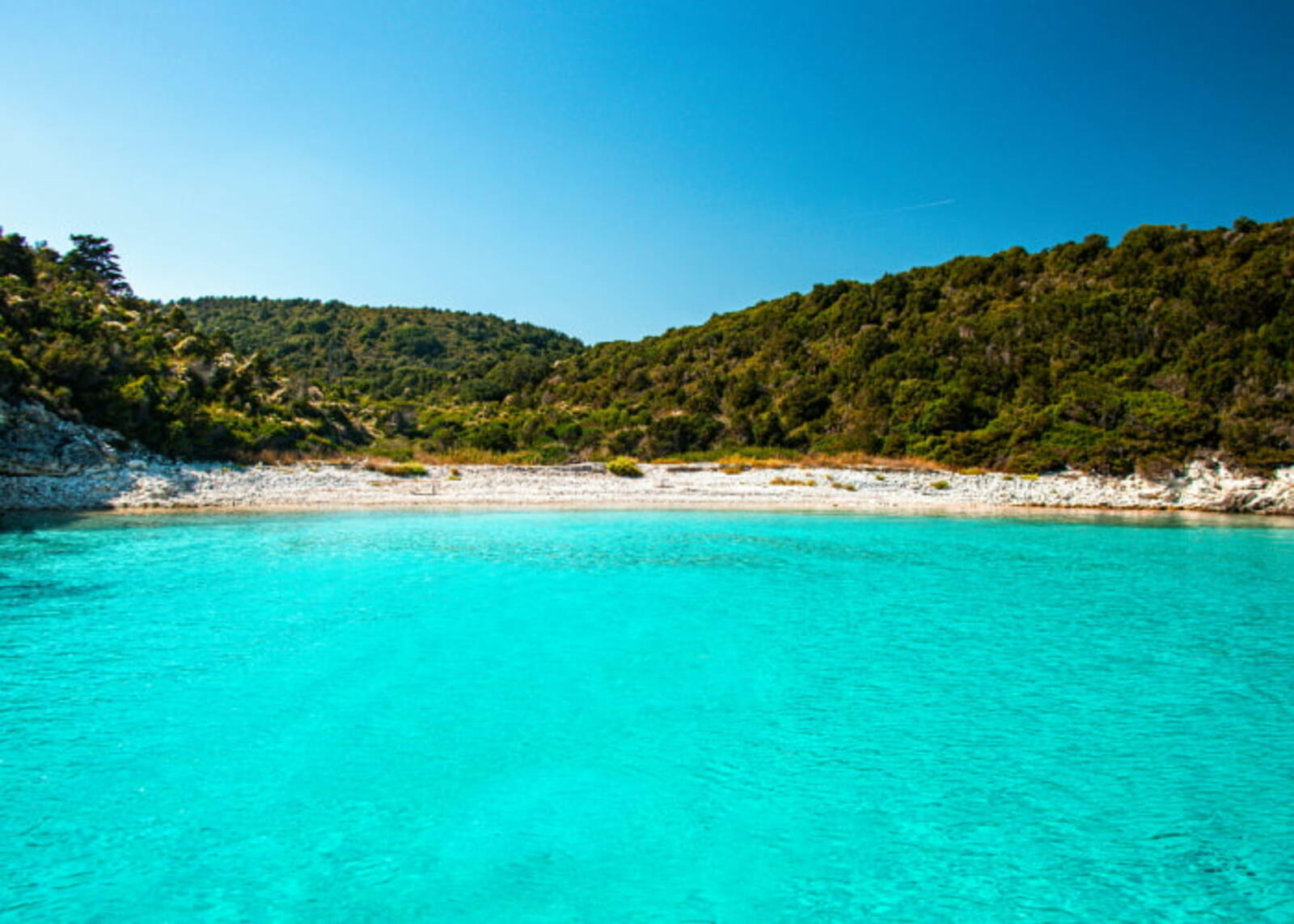
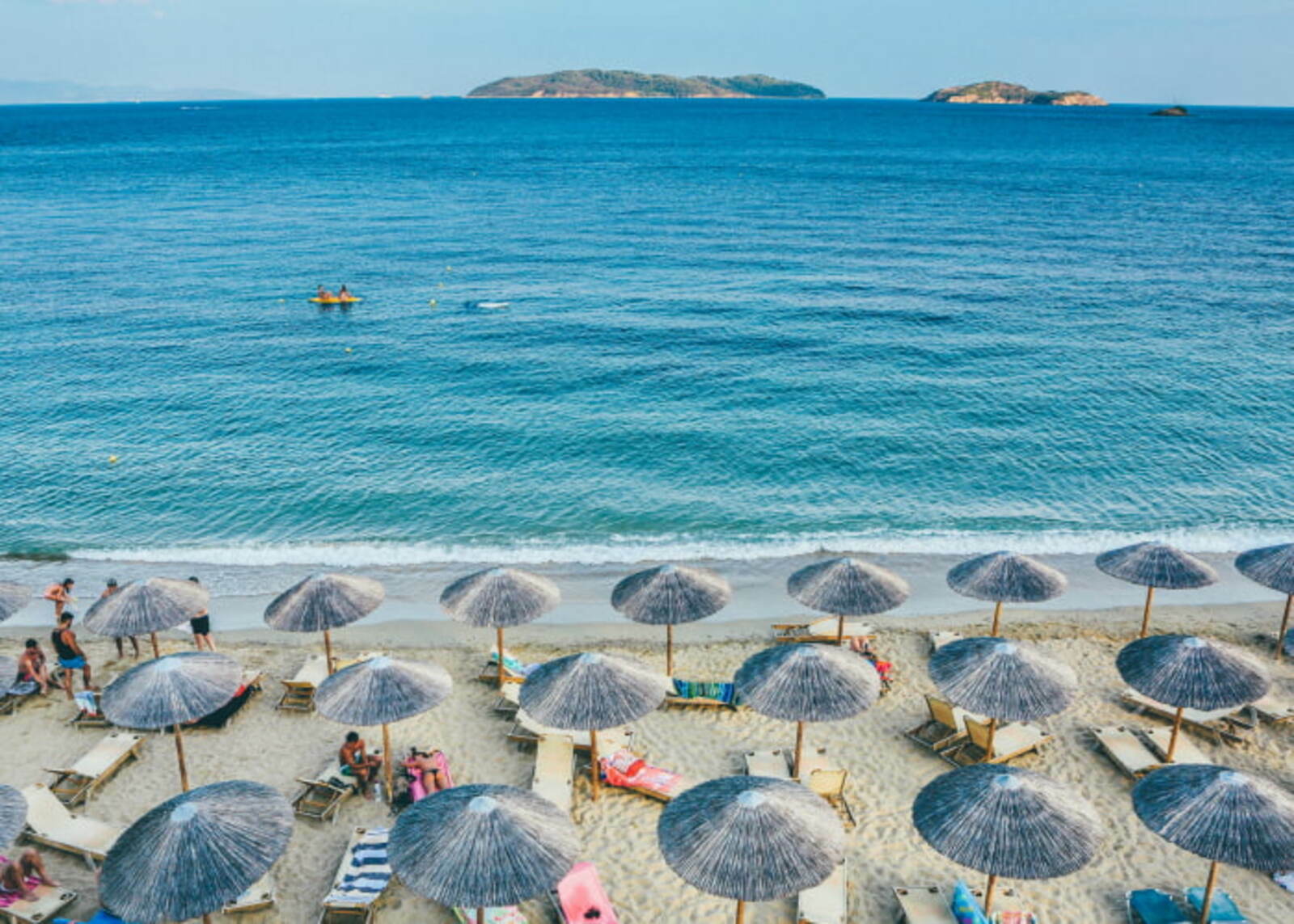

Greece or Cyprus — these are not two identical destinations, but two different holiday formats. If you need a sandy beach that is as predictable as possible, a short transfer and compact tourist infrastructure — Cyprus is generally the more suitable choice. If, however, you want to choose between different types of coastline, historic cities, resorts spread across the country and atmospheric tavernas — Greece offers considerably more options.
At Admiral Travel we send tourists from Chișinău to both destinations every season: Crete, Rhodes, Corfu, Halkidiki, Zakynthos, as well as Ayia Napa, Protaras and Paphos. That is why the comparison below is not a general overview, but a comparison based on specific criteria: beaches, sea entry, hotels, food, atmosphere, transfers and the type of tourists.
Direct answer: for families with children up to 7 years old and for a beach holiday without frequent travel, Cyprus is generally more convenient — here, sandy sea entries are compact and predictable. For couples, excursion enthusiasts and those willing to choose a region based on their preferred type of coastline, Greece is more advantageous — it offers a greater variety of resorts and landscapes.
Greece or Cyprus: a quick comparison based on 8 criteria
Before looking separately at beaches and hotels, here is the general comparison matrix. It helps eliminate destinations that do not suit your travel scenario from the outset.
| Criterion | Greece | Cyprus | Conclusion |
|---|---|---|---|
| Types of beaches | sand, pebbles, rocky coves — depending on the region | predominantly sandy in Ayia Napa and Protaras, mixed beaches in Paphos | Cyprus is more predictable, Greece is more diverse |
| Entry into the sea | gentle in some areas, steep or rocky in others | more often gentle and sandy, especially on the east coast | Cyprus is generally more comfortable for children |
| Compactness | resorts are spread out, and on the islands you need to choose the right base | most of the hotel infrastructure is concentrated in 3 areas | Cyprus is simpler for short trips |
| Airport transfer | from 20–30 min to 1.5–2 hours, depending on the island and resort | Larnaca — Ayia Napa approximately 40–50 min, Paphos approximately 1.5 hours | almost equal, but logistics are simpler in Cyprus |
| All Inclusive | very well represented in Crete, Rhodes, Corfu, Halkidiki | well represented in Ayia Napa and Protaras, less so in Paphos | the Greek All Inclusive format is more extensive |
| Atmosphere | historic cities, tavernas, changing landscapes | resort environment, long promenades, English-style services | Greece is more authentic, Cyprus is more convenient |
| Excursions | ancient monuments, monasteries, lagoons, islands | archaeological parks, villages, the Troodos Mountains | Greece offers more attractions |
| Evening activities | spread across the resorts, less concentrated | Ayia Napa — one of the most concentrated nightlife areas | for entertainment and nightlife, Cyprus is simpler |
Interim conclusion: Greece wins when destination diversity, changing landscapes and a rich programme of excursions matter most. Cyprus wins when compactness, predictable beach infrastructure and short distances are the priorities.
Where are the better beaches — in Greece or Cyprus?
It makes little sense to compare the beaches of entire countries without looking at specific resort areas. This is where the main difference becomes most apparent: in Cyprus, the main beaches are concentrated in two or three areas, while in Greece the type of coastline changes significantly from one island to another.
Beaches in Greece
Greece should be chosen not „in general”, but according to the region. For example:
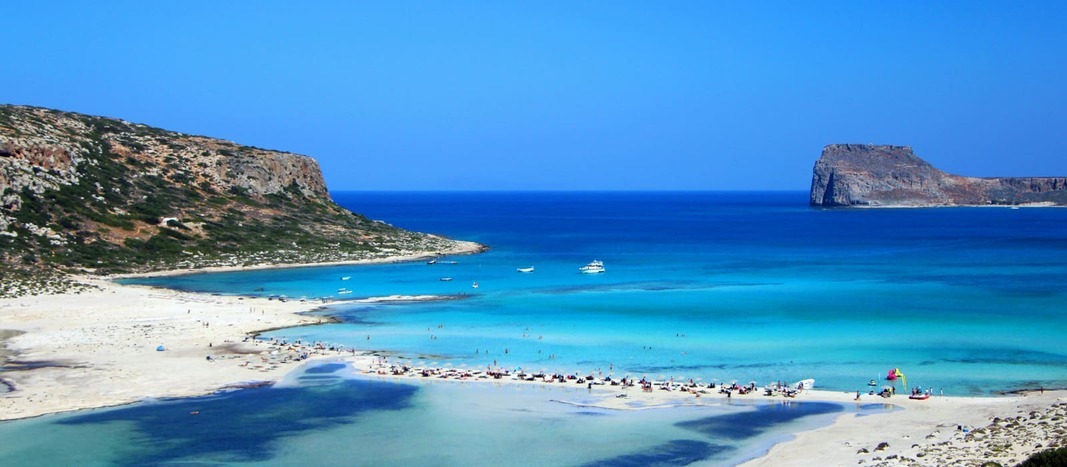
- Crete. Elafonisi — pinkish sand and a shallow-water lagoon, suitable for children. Balos — a turquoise lagoon with a wide strip of sand. At the same time, the south coast has both rocky areas and sections exposed to the wind. The resorts on the north coast — Hersonissos, Agios Nikolaos, Rethymno — offer a quieter infrastructure.
- Rhodes. Elli Beach in Rhodes Town — sand and pebbles, Faliraki — a long sandy beach with a gentle entry into the water, Lindos — a picturesque bay beneath the acropolis. In July and August, Rhodes can be windy, but the water is warm and entering the sea is generally convenient.
- Corfu. Paleokastritsa — rocky coves with turquoise water, Sidari — unusual clay cliffs, Kerasia — a more secluded option with sand and pebbles. Corfu is a good choice for beach lovers in June and September: during the peak season, popular beaches are more crowded.
- Halkidiki. Kassandra — a tourist area with well-developed infrastructure and sandy entries into the water, Sithonia — greener and more secluded, with small coves. For a family beach holiday, Kassandra is chosen more often.
- Zakynthos. Navagio — visually, one of the most spectacular bays in the Mediterranean, but it is more of a place for photographs than a beach for spending an entire day. For swimming, Limnionas, Alykes or the quieter areas in the southeast are more practical.
Therefore, if you are considering holidays in Greece, check not only the hotel from the outset, but also the type of coastline in the respective resort. On the Admiral Travel destination page, you can compare resorts in Crete, Rhodes, Corfu, Halkidiki and Zakynthos, as well as choose hotels and travel dates.
Beaches in Cyprus
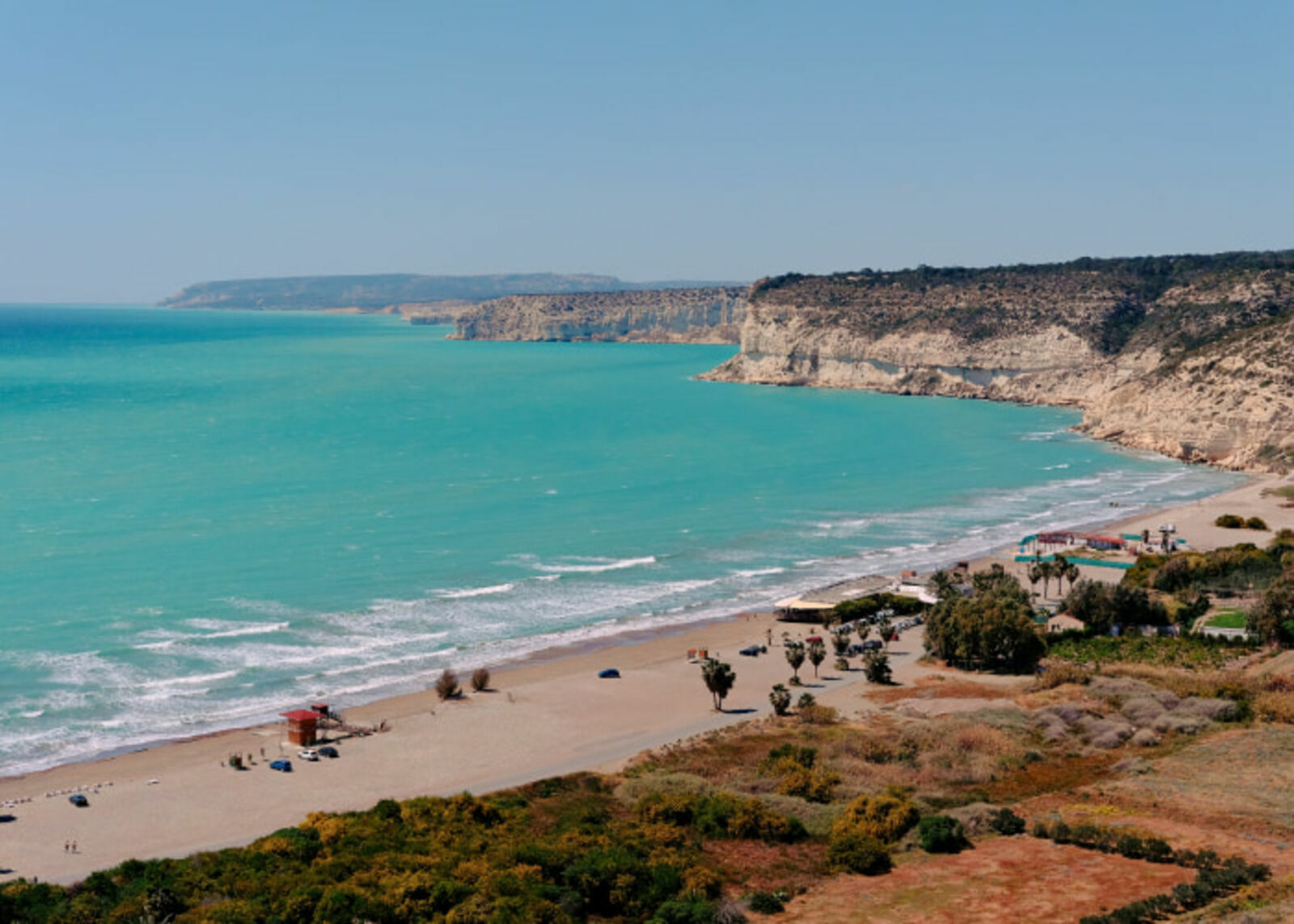
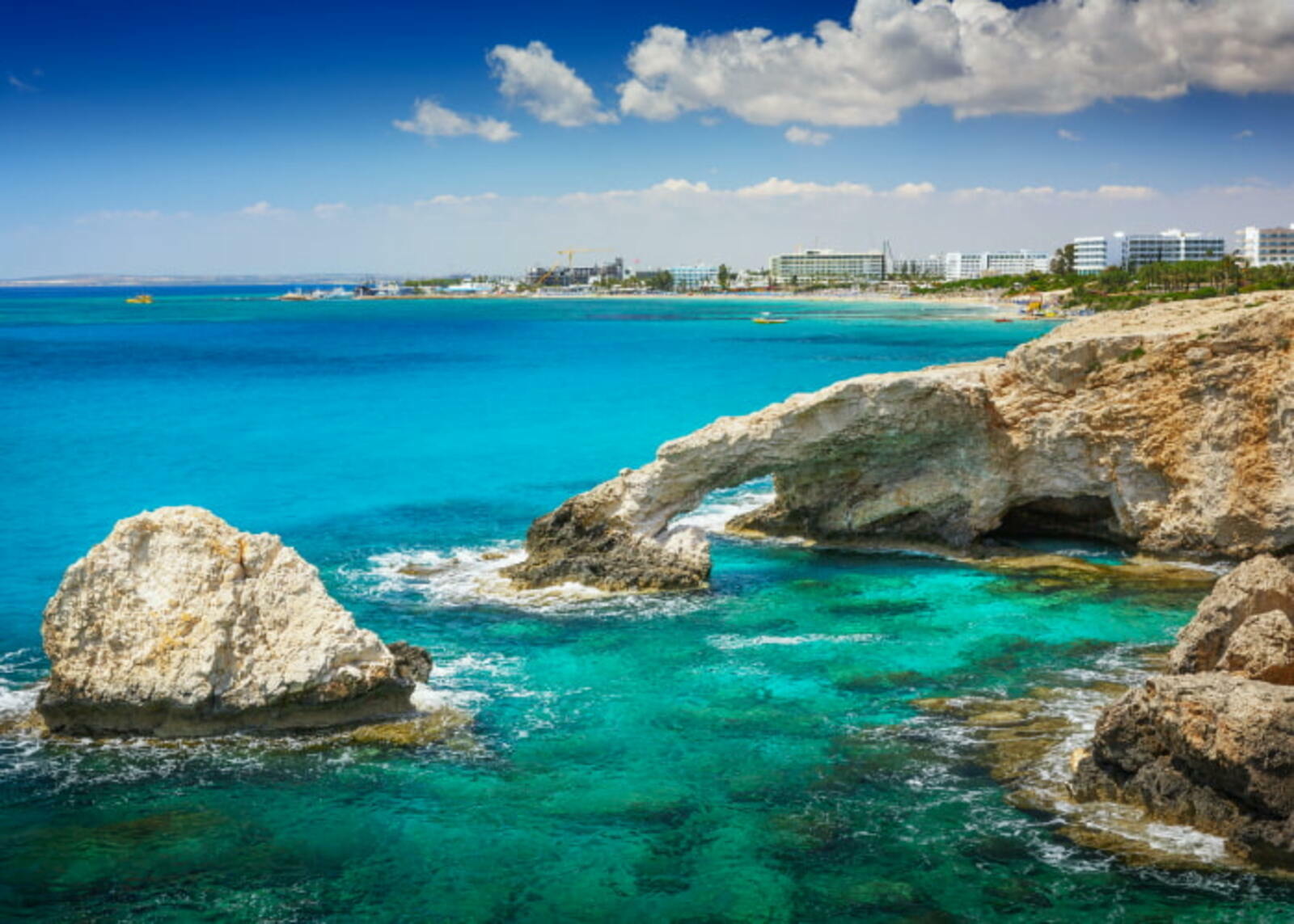
The coastline of Cyprus is simpler, and this is its main advantage for a short beach holiday.
- Ayia Napa. Nissi Beach — the island's best-known sandy beach: a gentle entry into the water, shallow water for dozens of metres and clear water. Makronissos, with a quieter atmosphere, is located nearby. The entire area is compact.
- Protaras. Fig Tree Bay — probably the best family beach in Cyprus: fine sand, a gentle entry into the water and no sudden increase in depth near the shore. The water is calmer here than in the exposed areas of Ayia Napa.
- Paphos. Coral Bay — a sandy beach north of the city. In Paphos, the coastline is more varied: rocky platforms and deeper areas are common, so for a holiday exclusively on a sandy, child-friendly beach, Paphos is less suitable than Protaras.
If your goal is a consistently sandy entry into the sea with as few surprises as possible, check out holidays in Cyprus in Ayia Napa or Protaras. The destination page has filters for meal plan, hotel location and trip duration, making it easy to select options located close to the beach.
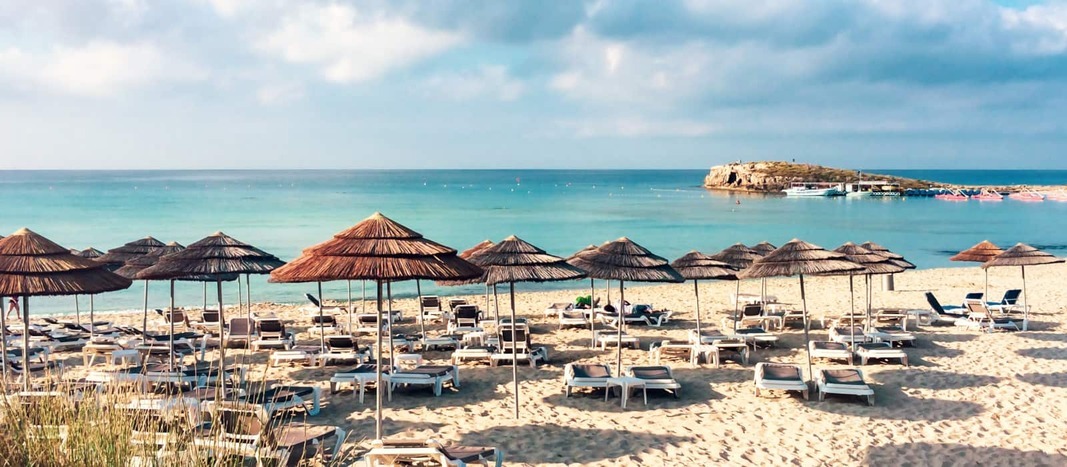
Interim conclusion about beaches. Greece — for diverse landscapes and the opportunity to choose the type of coastline that best suits your preferences. Cyprus — for the compact format of its resorts, where you are almost guaranteed a gentle, sandy entry into the sea, especially in Ayia Napa and Protaras.
Where are the better hotels — in Greece or Cyprus?
The comparison should be made not between countries, but between the hotel bases of specific resorts. Otherwise, it is easy to get a false impression: Cyprus does not have huge resort areas like those found in Greece, while Greece does not have compact beachfront hotels everywhere.
Hotels in Greece
In Crete, Rhodes, Corfu and Halkidiki, the large All Inclusive resort format is very well represented: private water parks, multiple restaurants, kids' clubs and sports facilities. Resort and luxury brands such as Mitsis, Grecotel, Iberostar and Atlantica are widely represented in Greek resorts. At the same time, Greece has many boutique hotels, aparthotels and villas, especially in smaller towns. The disadvantage: the choice is very extensive without filters, and two neighbouring hotels can offer completely different standards even if they have the same star rating.
Hotels in Cyprus
The hotel base is more concentrated. In Ayia Napa and Protaras, there are many hotels for families and young people operating on an All Inclusive basis: Olympic Lagoon, NissiBlu, Tsokkos, Louis. In Paphos, quieter-format hotels are more common, often offering half board or breakfast only and targeting couples and a more mature audience. Hotels in Cyprus are generally more compact than those in Greece, but they are closer to promenades and resort infrastructure.
Hotels are easier to compare using specific filters rather than by country. For hotels in Greece and Cyprus, you can set the meal plan, location and category — allowing you to immediately see where the format best suited to your trip is available.
An honest conclusion about hotels. If you need a large hotel complex with a water park and full All Inclusive, you are more likely to find a suitable option in Crete, Rhodes or Halkidiki. If you need a beachfront hotel just a few steps from the promenade, without long journeys, the Cypriot format is often more practical.
Where is the holiday atmosphere better?
The atmosphere can be assessed through specific indicators: the pace of the resort, the type of evening activities, building density and the local character of the area.
Greece offers more contrast. In Crete, for example, you can walk through the Venetian harbour in Chania in the morning, head to the mountains during the day and have dinner in a family-run taverna in a small village in the evening. Rhodes is a lively medieval old town within the European Union, with cobbled streets and historic towers. Corfu combines Italian architecture, lush vegetation and a relaxed island atmosphere. The disadvantage: popular resorts on the Greek islands can be crowded in July and August, and for more peace and quiet you need to move away or drive further from the centre.
Cyprus is more tourism-oriented and predictable. Ayia Napa means a long promenade, bars, clubs, souvenir shops and a very tourist-oriented atmosphere. Protaras is quieter, with well-maintained promenades and family-run tavernas. Paphos is the most subdued of the three: an archaeological area, promenade, wine routes and nearby villages.
Where is the atmosphere better? For authenticity, changing cities and historic walks — choose Greece. For a relaxed resort pace where you do not need to plan anything, — Cyprus.
What different types of tourists should choose: 6 scenarios
There is no absolute winner between Greece and Cyprus. There is a right choice for every type of traveller.
- 1 Families with children — more often Cyprus
For children up to 7 years old, Cyprus is generally more convenient. The reasons: a short transfer from Larnaca to Ayia Napa or Protaras, sandy beaches with a gentle entry into the sea, and a large number of family-friendly All Inclusive hotels with kids' clubs and entertainment. You do not need to choose a region with a suitable sea entry — you can opt directly for Protaras or Ayia Napa.With children, Greece is chosen when you are prepared to consciously select a specific area: for example, Crete with a verified sandy beach or Halkidiki with a hotel in Kassandra. Here, it is important to check the coastline type at the specific hotel, as the entry into the sea can differ even along the same coast.
- 2 Couples — Greece for atmosphere and privacy
For couples who want landscapes, sunsets, old towns and dinners in authentic tavernas, Greece is generally more suitable: Rhodes, Corfu, Crete and the small Greek towns. However, if a couple wants a short flight, a promenade suitable for walks and evening entertainment without renting a car, Cyprus is more practical — Protaras or the quieter Paphos.
- 3 Groups of young people — Cyprus and Ayia Napa
For groups who enjoy concentrated nightlife, bars, beach parties and short distances, the simplest option is Ayia Napa. The Greek islands also have nightlife: Faliraki in Rhodes and certain areas of Crete, but these are spread across different resorts and are less concentrated.
- 4 Excursion enthusiasts — Greece
For those who prefer exploring independently, Greece offers more: the Palace of Knossos in Crete, the acropolis in Lindos and the Old Town of Rhodes, Venetian architecture in Corfu, monasteries and caves. Cyprus also has the archaeological park in Paphos, Kourion and the Troodos Mountains, but the density of historical sites per square kilometre is lower.
- 5 Beach holiday without travel — Cyprus
If the goal is simply beach, sea, hotel and an evening promenade, without renting a car or making long journeys, Cyprus wins thanks to its compactness. You land in Larnaca, and within an hour you are on a beach in Protaras or Ayia Napa, with all the infrastructure within walking distance.
- 6 Small and quiet resorts — Greece or Paphos
For a quiet holiday without large hotel complexes, either small Greek towns — for example, in Corfu, Halkidiki or certain areas of Crete, — or Paphos in Cyprus are suitable. Paphos is particularly suitable for those who want a peaceful environment, but also good restaurants, a promenade and the opportunity to take short excursions.
Conclusion — Greece or Cyprus
There is no absolute winner. Greece means diversity: different islands, different types of coastline and different holiday scenarios within the same country. Cyprus means predictability: sandy beaches, compact resorts, short transfers and easy-to-understand tourist infrastructure.
Do not choose Greece if you need the shortest possible transfer and a sandy beach with a gentle entry into the sea, without having to analyse different regions. Do not choose Cyprus if you want the diversity of an island, changing cities, longer journeys and a rich programme of excursions.
From there, everything depends on dates, budget and availability at specific hotels. The most convenient approach is to check both destinations simultaneously by searching for offers in Greece and Cyprus and comparing prices for specific travel dates. At this stage, current promotions and early booking are particularly important — in 2026, they can make the biggest difference between hotels in the same category.
Frequently asked questions
In Cyprus, they are concentrated in Ayia Napa and Protaras, where the entry into the sea is generally gentle and sandy. In Greece, sandy beaches are spread across different regions: Crete, Halkidiki, Zakynthos and certain areas of Rhodes. If you need a predictable sandy coastline without spending time choosing the right region, Cyprus is more convenient.
For children under 7, Cyprus is generally more practical: short transfers, sandy beaches with a gentle entry into the sea and many family-friendly All Inclusive hotels. Greece is suitable for families who are prepared to choose a specific resort — traditionally, Crete, Halkidiki and Rhodes are good options.
In Cyprus, the All Inclusive format is best represented in Ayia Napa and Protaras, and less so in Paphos. In Greece, there are more such hotels in Crete, Rhodes, Corfu and Halkidiki. The comparison should be made not between countries, but between specific resorts and the types of hotels available.
For a couple looking for atmospheric coves, hotels with beautiful views and privacy, Greece is generally more suitable. If you need a short transfer, a promenade for walks and evening infrastructure without travelling around — Cyprus is more practical, especially Protaras or the quieter Paphos.
Related questions:
- Where is the sea warmer in October — in Crete or Cyprus?
- Which resort should I choose for my first visit to Greece?
- What is cheaper in July: Ayia Napa or Crete?
- Is it worth renting a car in Cyprus for a holiday in Protaras?
- Where is it easier to organise a trip from Chișinău?
In short: both Greece and Cyprus are suitable for tourists from Moldova, but the decisive factors remain the composition of the travel group, the type of coastline and the desired level of activity. If you are unsure — compare specific hotels and travel dates, rather than countries as a whole.