 Enter
Enter



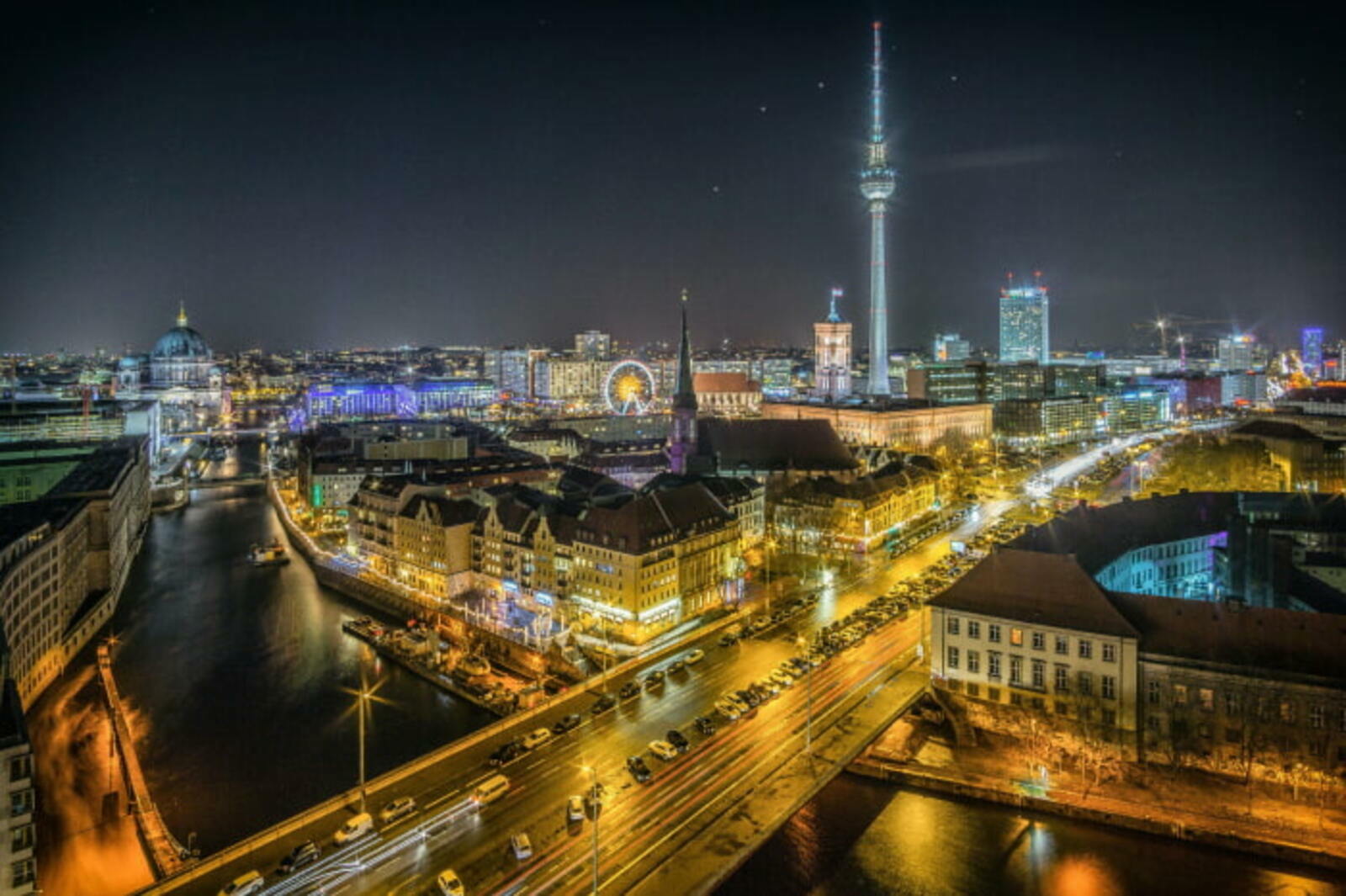
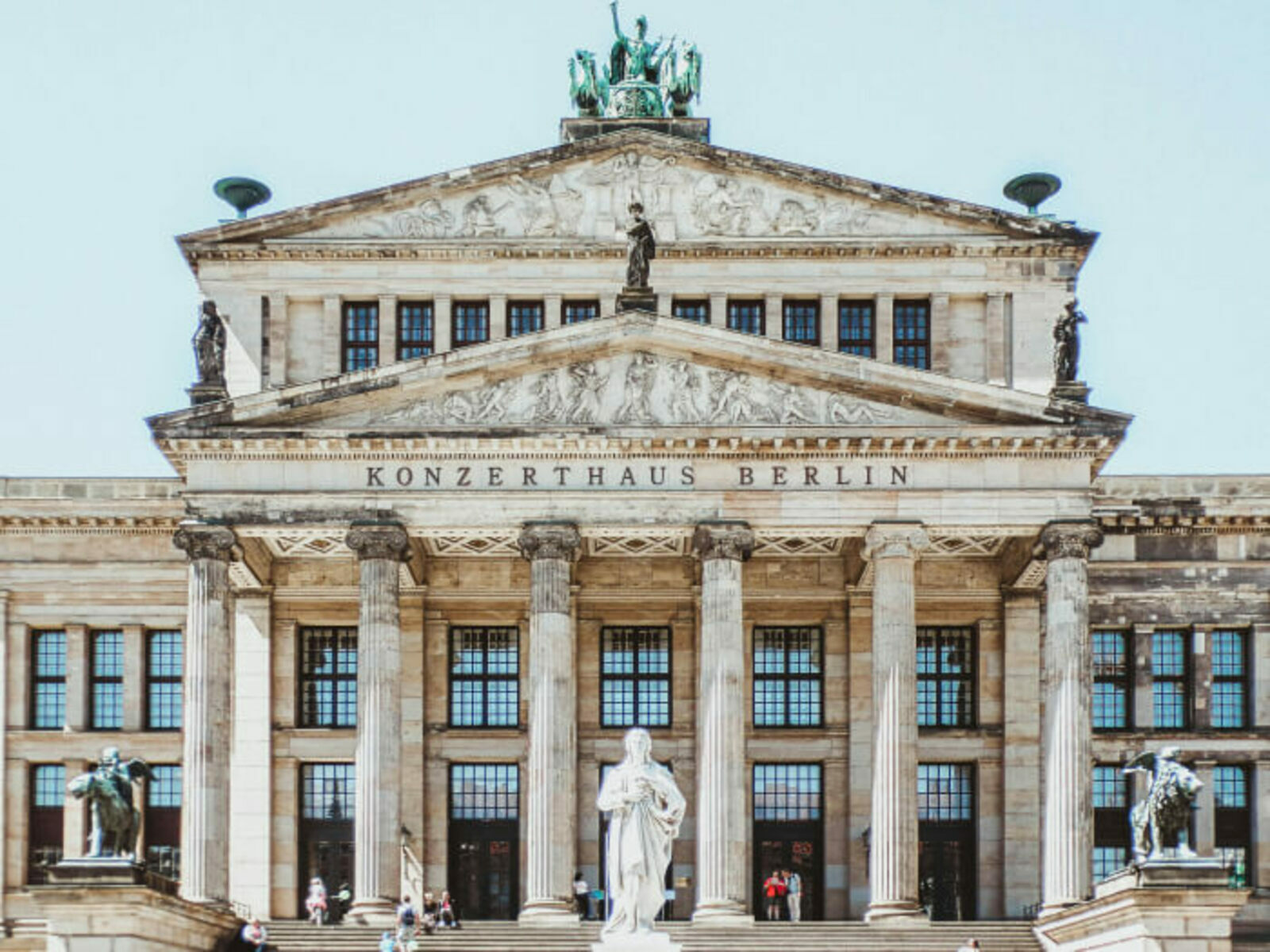
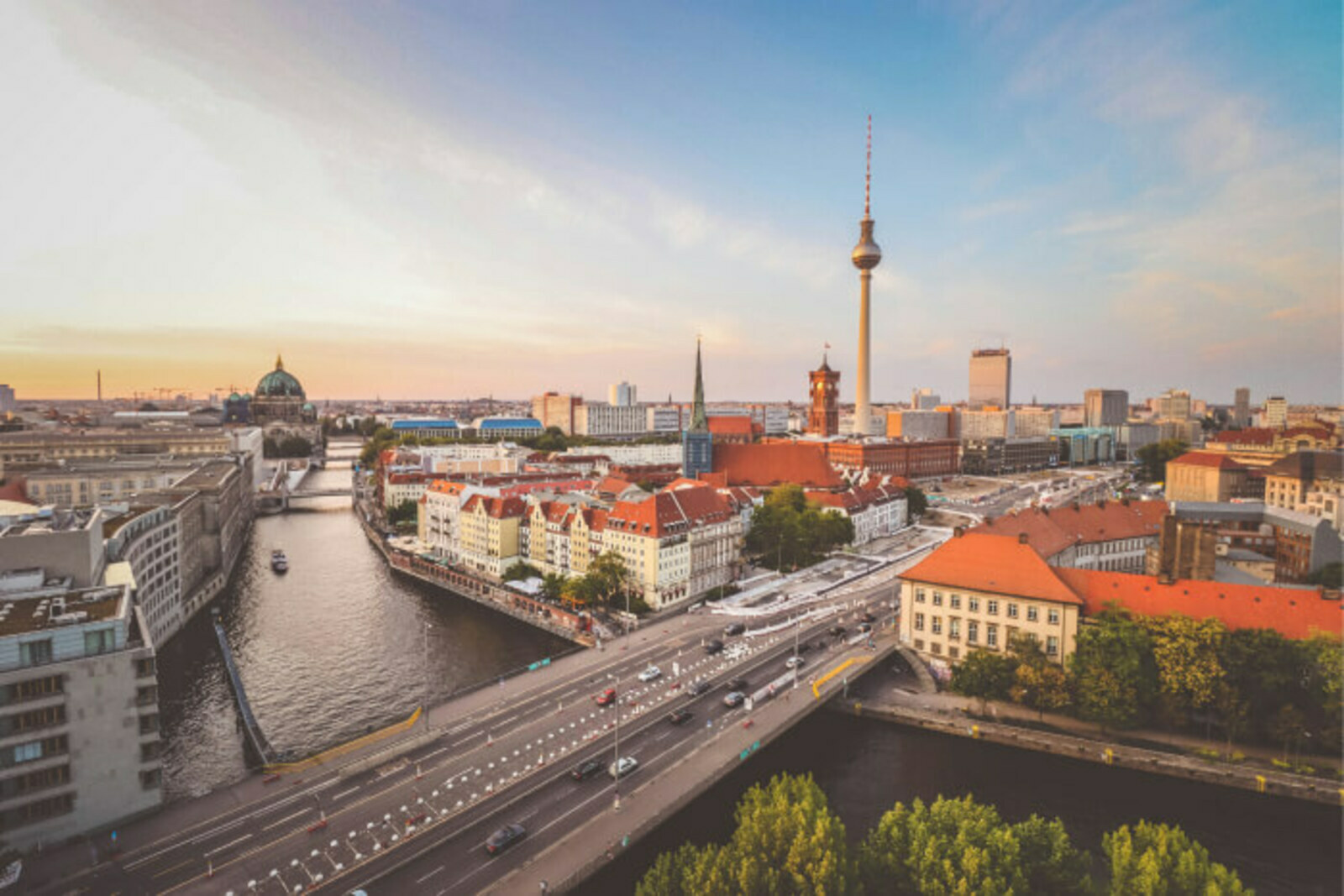
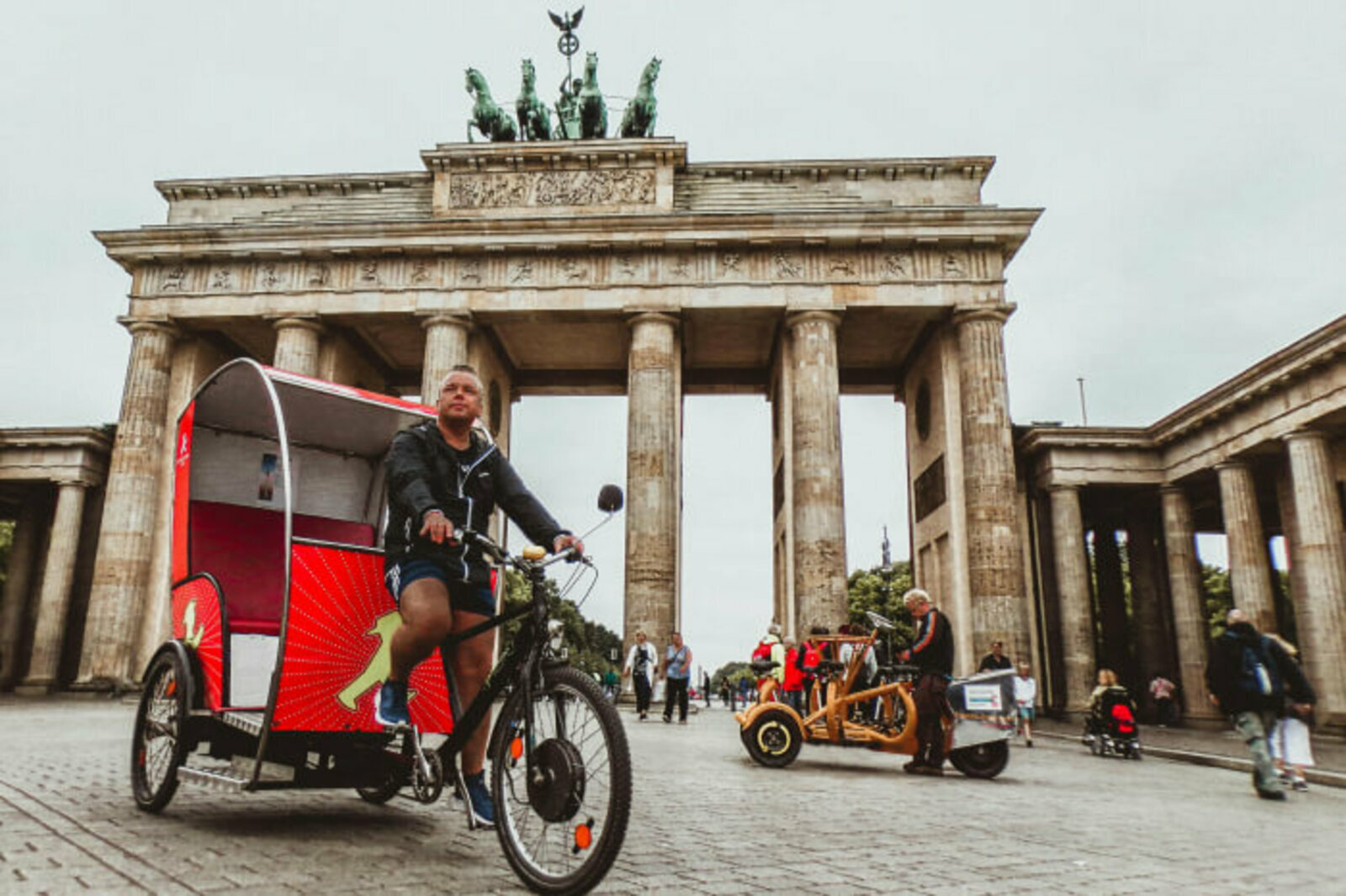

The top sights in Berlin — what should you see in this fascinating city? Berlin, the heart of Germany and the most populous city in the EU, offers a huge mix of historic and cultural landmarks: modern skyscrapers on one side, centuries-old cathedrals on the other. This guide highlights the most interesting places to visit in Berlin and helps you plan a rich, eventful trip. Dive into the city’s atmosphere and discover its most iconic spots!
Berlin: sightseeing guide
The capital of Germany — Berlin — was almost entirely destroyed during World War II, yet it came back to life and became one of the world’s most forward-looking metropolises. Since 1990, after reunification and the fall of the Berlin Wall, the city has been changing daily and writing a new story. Here are the attractions you should prioritize:
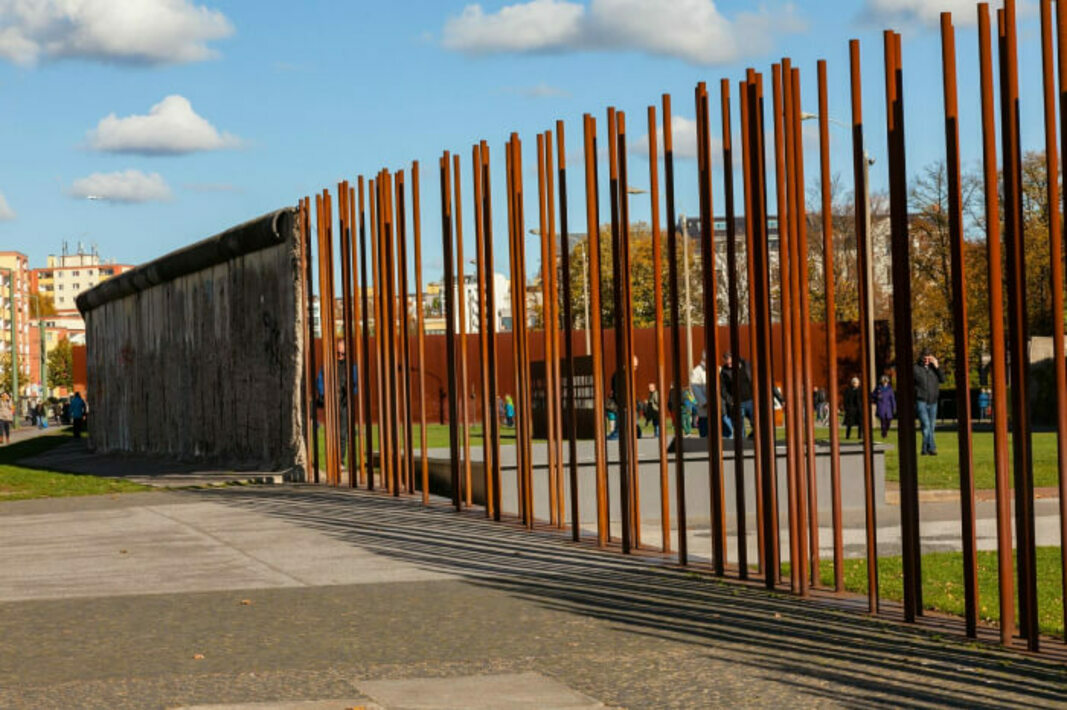
Berlin Wall
The Berlin Wall Memorial and the East Side Gallery are the city’s best-known sites. Built in 1961 by the GDR authorities, the wall shocked Berliners and became a national tragedy. Many tried to escape; too often, attempts ended in arrest or death.
In 1989 the wall fell; within a year its remains turned into a canvas for artists — the East Side Gallery. Many works portray Cold War episodes and the joy of reunification; the most famous is Dmitri Vrubel’s “My God, Help Me to Survive This Deadly Love.” Part of the wall is now a memorial with exhibitions about events and fates divided by the “Iron Curtain.”
Brandenburg Gate
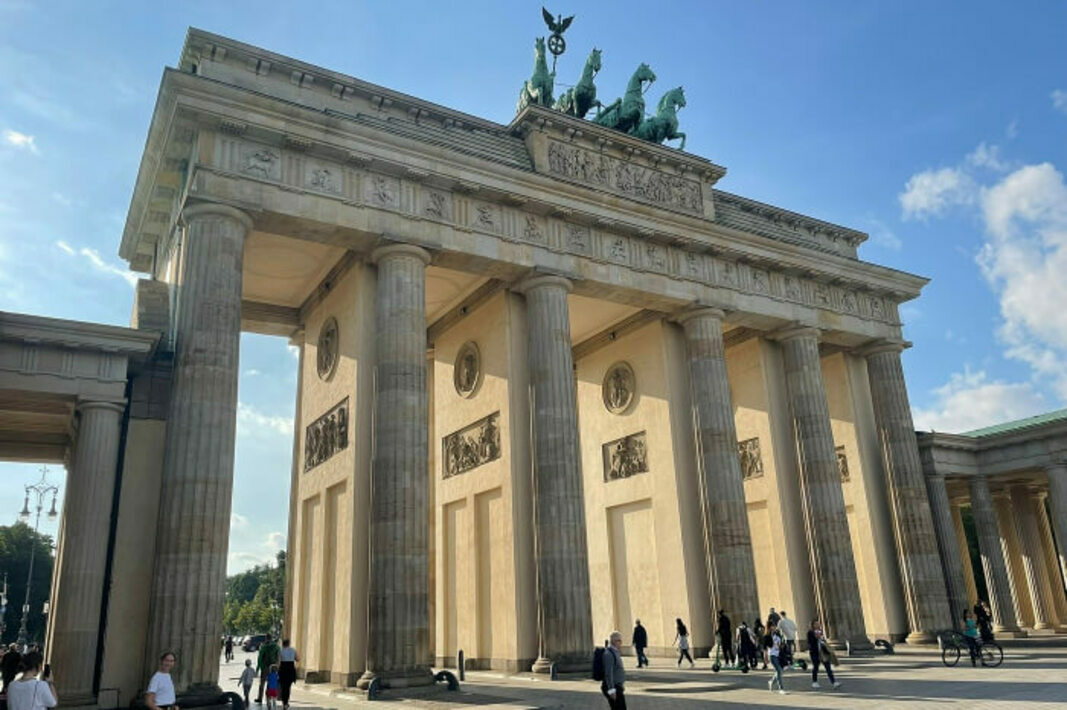
Berlin’s most famous postcard view. The classical triumphal arch symbolizes peace, yet historically troops passed through it to war. The quadriga with goddess Victoria and the twelve columns nod to ancient myth.
Since reunification, the gate is a national symbol — it stood near the wall dividing East and West. Stroll through to Unter den Linden and on to the Reichstag.
Reichstag
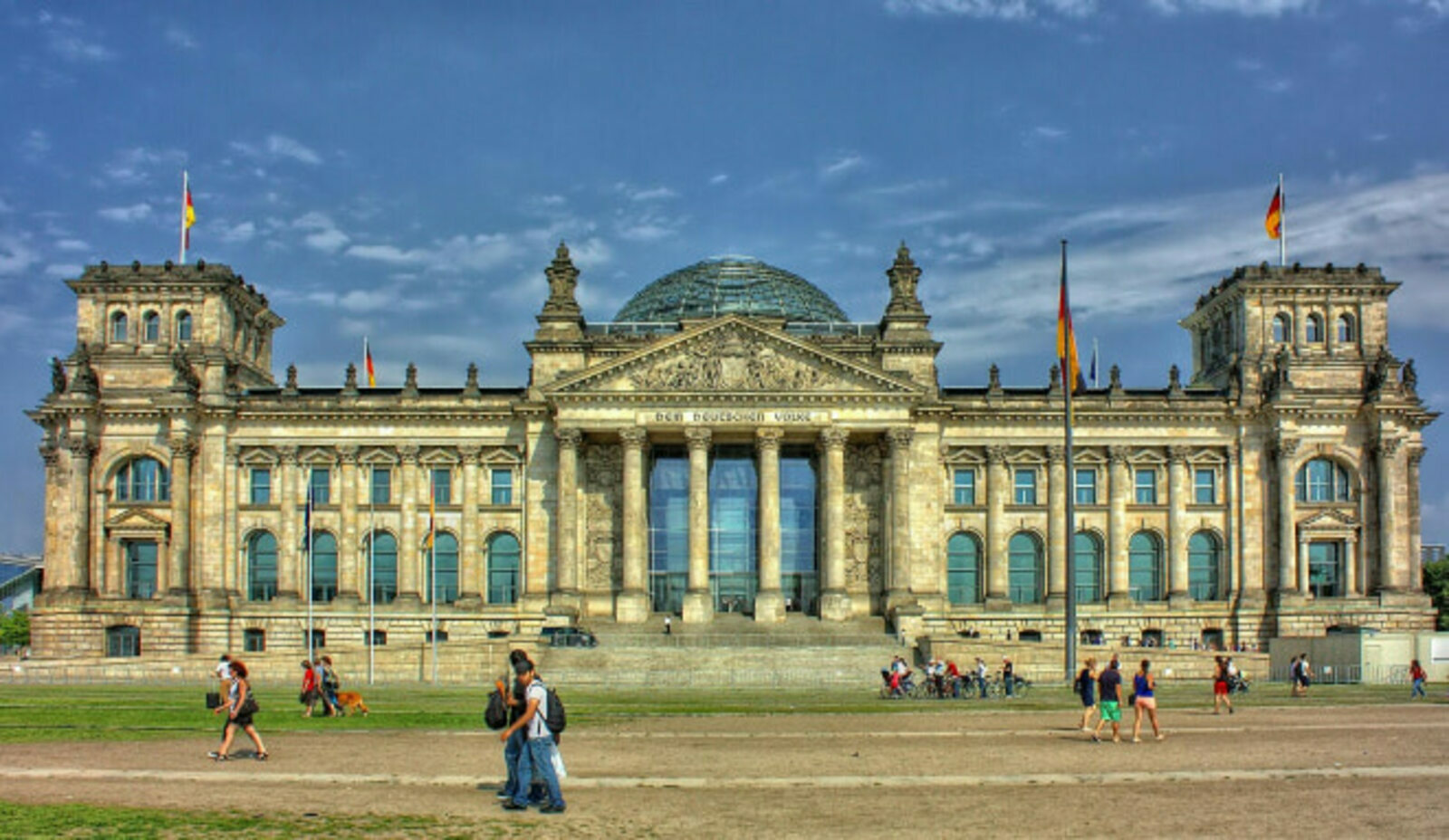
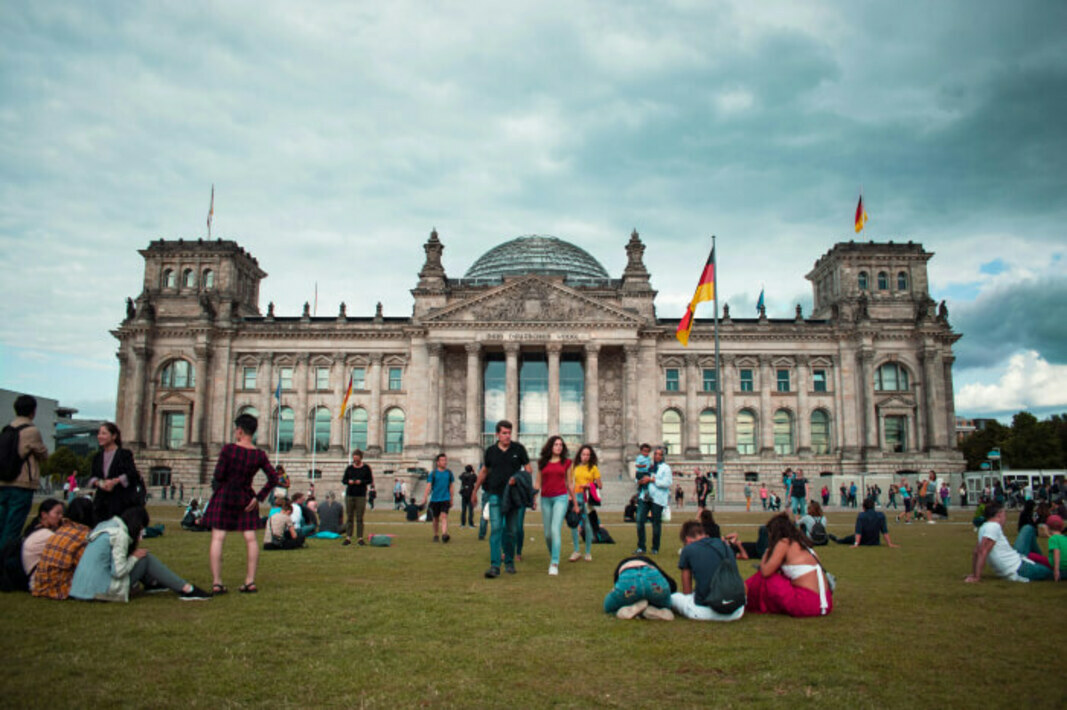
The most emblematic landmark. Built in 1894, the parliament building witnessed events that shaped modern Germany.
Severely damaged in 1945, it was restored over time, including its iconic glass dome — a symbol of political transparency. The rooftop observation deck lets you admire the city and, through the glass, even see parliament at work.
Admission is free, but you must register in advance on the official website.
Museum Island
Culture lovers shouldn’t miss Museum Island — five world-class museums:
— Altes Museum — classical antiquities;
— Pergamon Museum — Islamic art and ancient masterpieces;
— Bode Museum — Byzantine and medieval art;
— Neues Museum — Ancient Egypt collections;
— Alte Nationalgalerie — Impressionists and Roman frescoes.
Reach it via a pedestrian bridge — “a walk from present into past.” Seeing everything in one visit is tough; plan 1–2 days. It’s also great with kids.
Hours: Tue–Fri 10:00–18:00, Thu until 20:00; Mon closed.
Combined ticket: €18; children free.
Tickets online here.
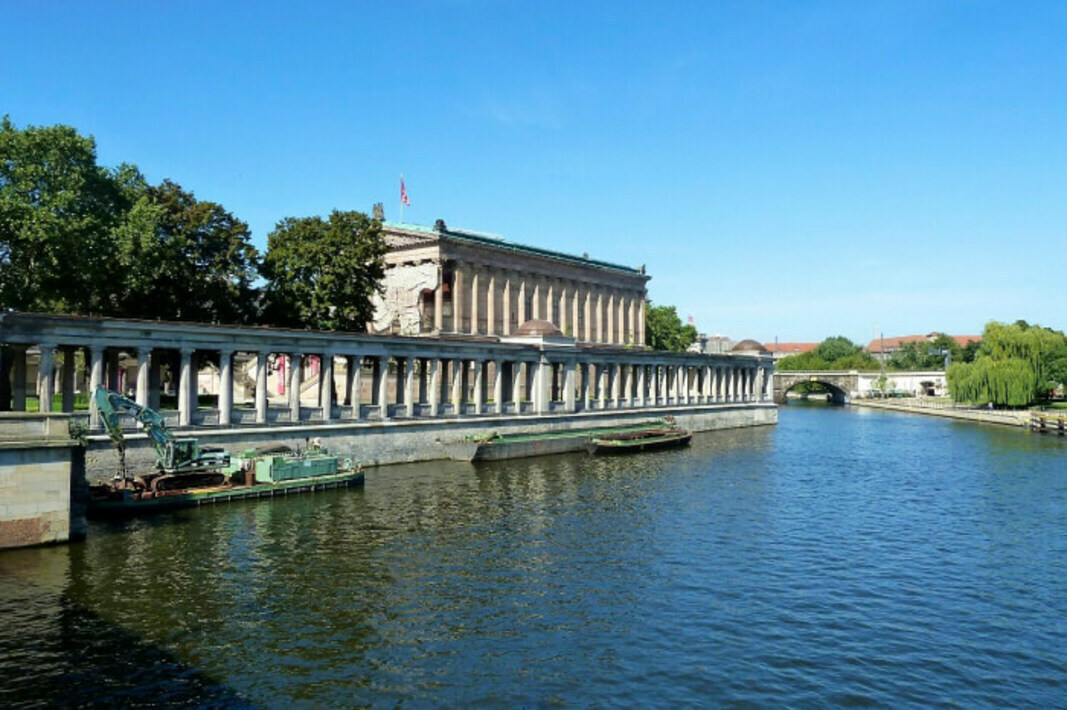
Altes Museum
Opened in 1845 as the Royal Picture Gallery — the first museum on the island. The building is a fine example of Prussian Hellenism; the antiquities are exceptional, from a 7th-century BCE bronze figurine from Olympia to an ornate wine vessel. Royal paintings, sculpture, and decorative arts round out the collection.
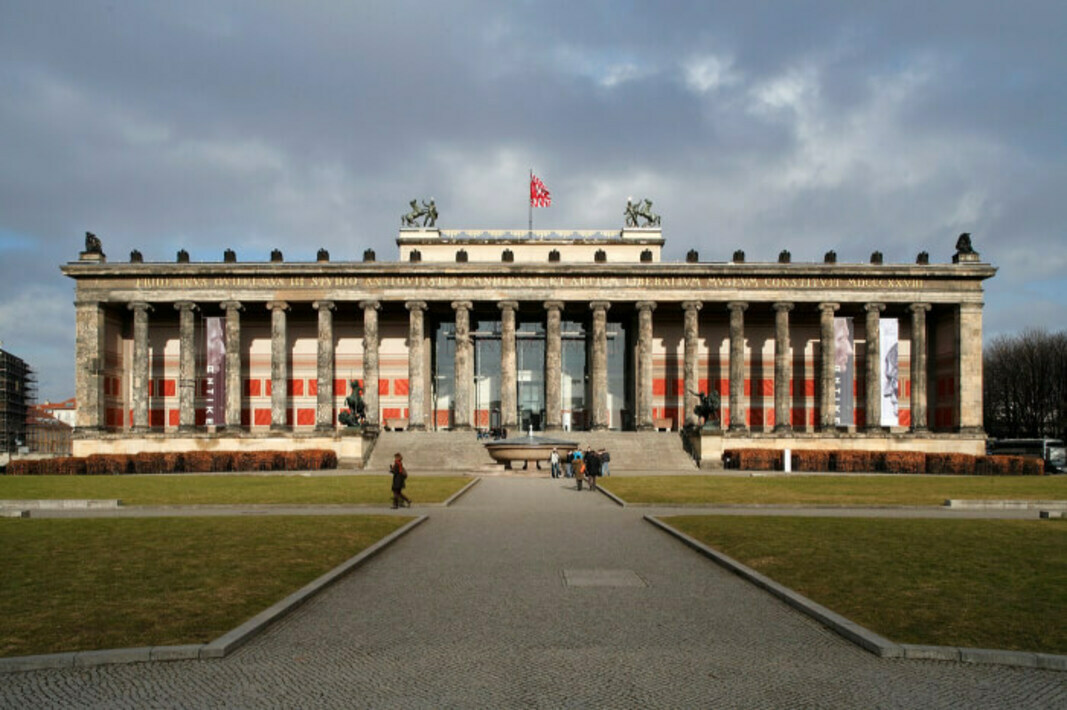
Pergamon Museum
The island’s “crown jewel” and Germany’s most visited museum, named for the Great Altar of Pergamon (2nd century BCE), reconstructed inside from parts brought from Asia Minor. Beyond the altar, you’ll see classical masterworks, Islamic art, and striking archaeological ensembles.
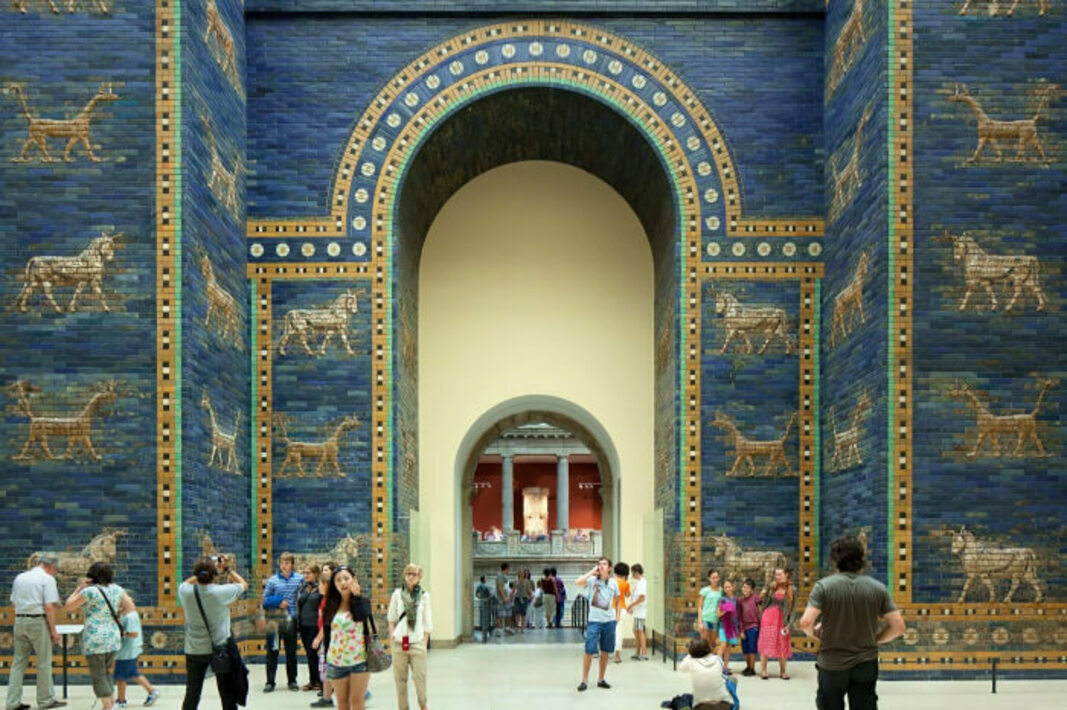
Bode Museum
One of the island’s most beautiful museums, still shaped by founder Wilhelm von Bode’s vision. Four pillars: sculpture, Byzantine art, the coin cabinet, and the picture gallery. Expect ancient sarcophagi, Orthodox icons, glass mosaics, ritual objects, and one of the world’s largest numismatic collections — about 500,000 items.
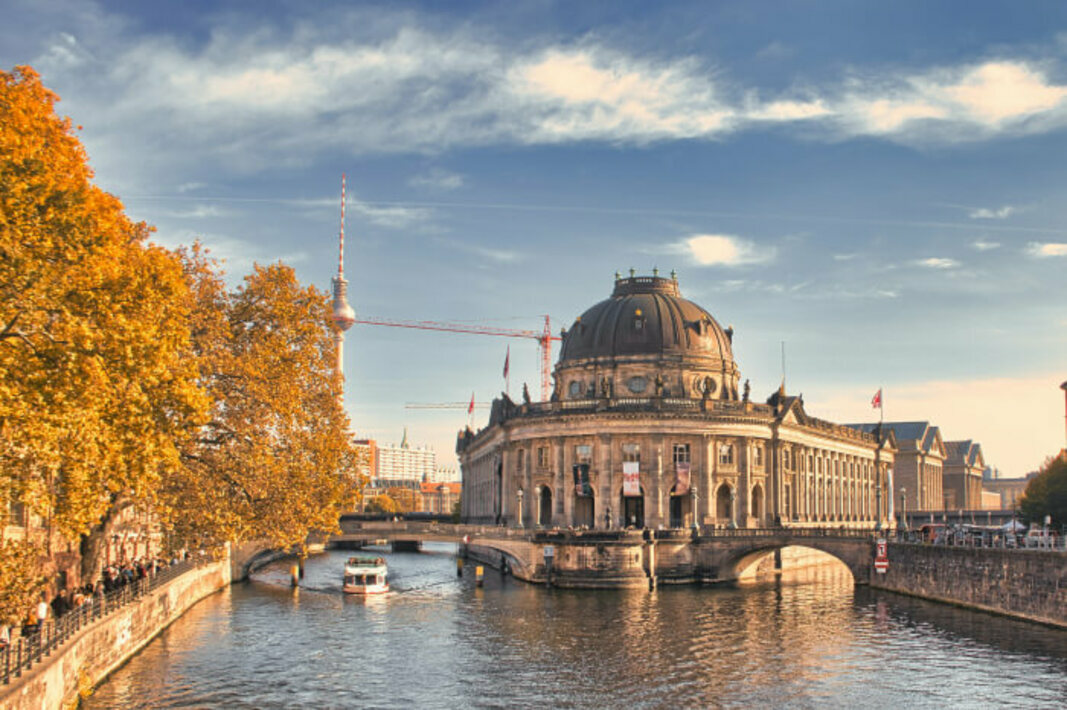
Neues Museum
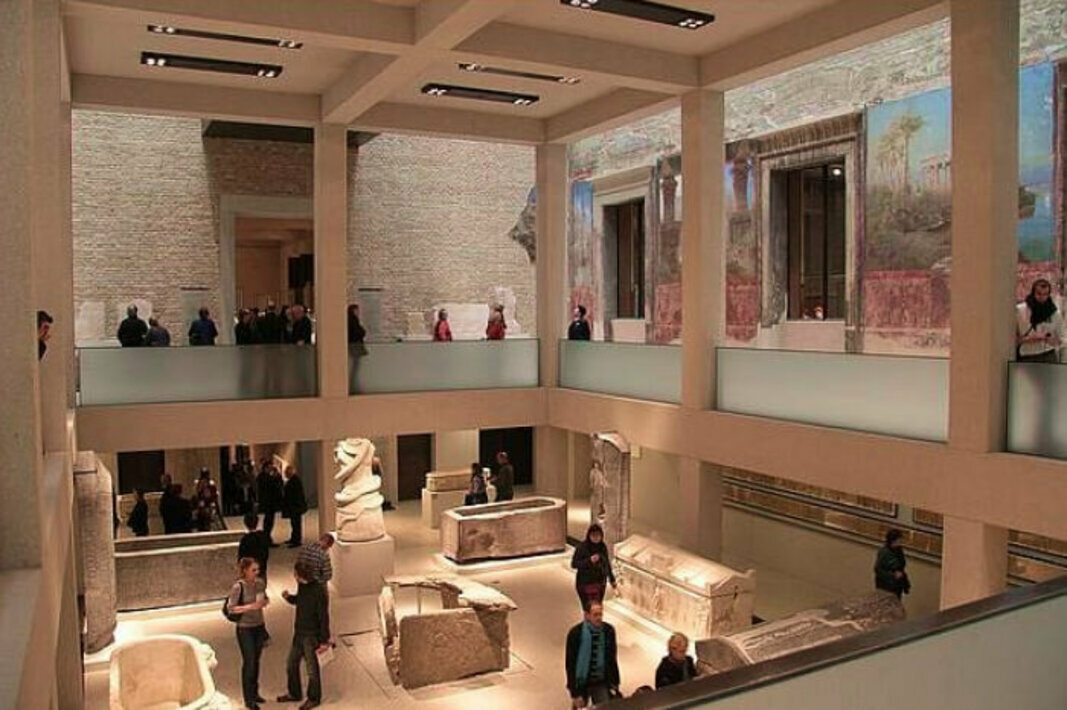
Built 1843–1855; heavily damaged in WWII and left in ruins for decades. During Germany’s division, its collection was also split. By 2005 it was reunited; since the 2009 reopening, the building houses the Egyptian Museum with its Papyrus Collection (including the famous bust of Nefertiti) and the Museum of Prehistory and Early History.
Alte Nationalgalerie
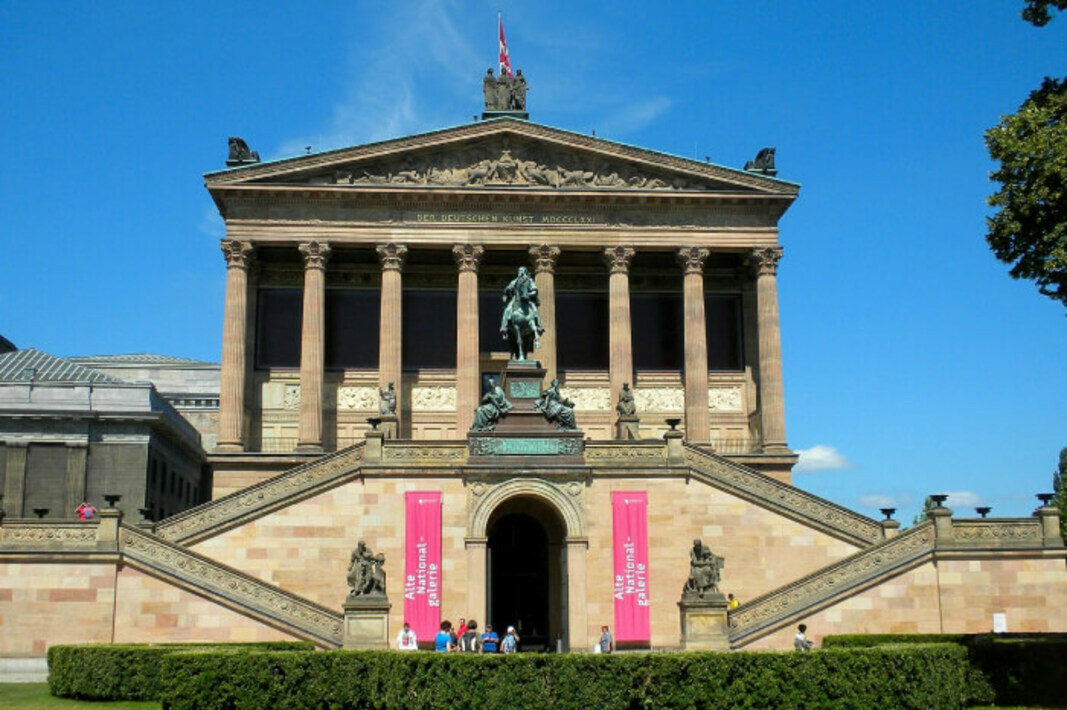
Founded in 1861 from banker Johann Heinrich Wagener’s dream of a public museum. He donated 262 paintings to the Academy of Arts; since 1876, the works have been housed in a temple-like building envisioned by Frederick William IV. Today it’s a unique collection of painting, sculpture, and porcelain from Romanticism, Impressionism, Classicism, and early Modernism.
Charlottenburg Palace
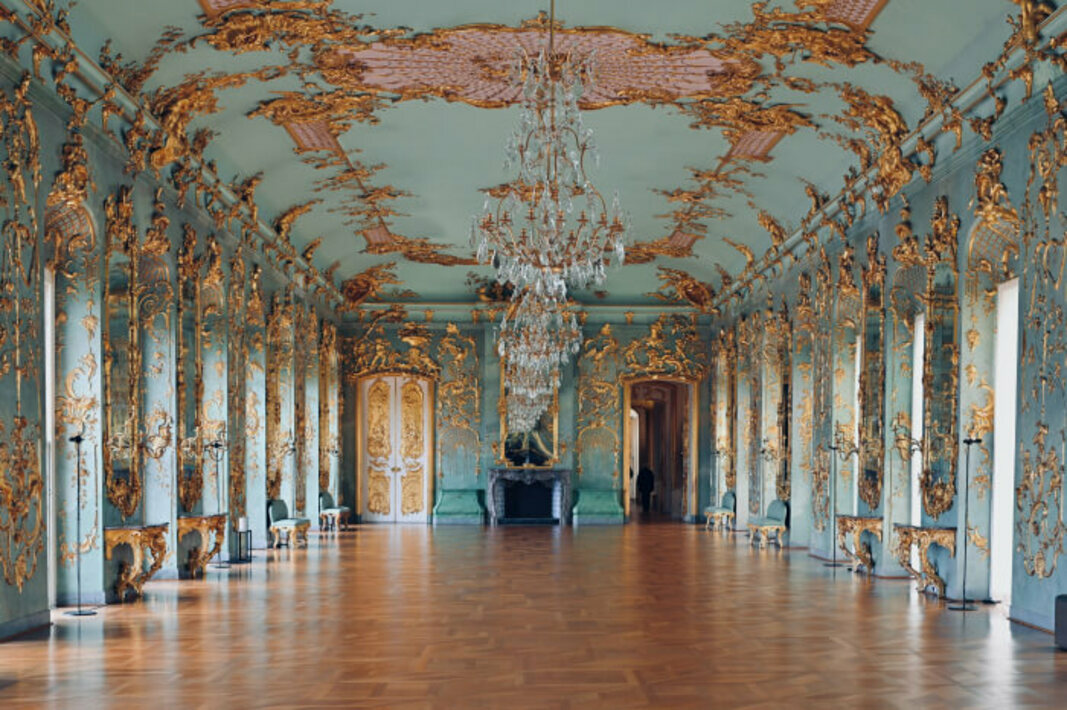
Craving Baroque splendour? Head to Charlottenburg, Germany’s largest Baroque palace with Rococo elements, residence of seven generations of Hohenzollerns. Built in the late 17th century as a gift from King Frederick I to Sophia Charlotte, it expanded over time into today’s grand complex.
Inside: lavish Baroque and Rococo decor, sculpted stucco, statuary, inlaid furniture, painted ceilings, and a unique porcelain collection. Hours: daily 10:00–18:00; Mon closed. Ticket from €12.
Berlin Cathedral
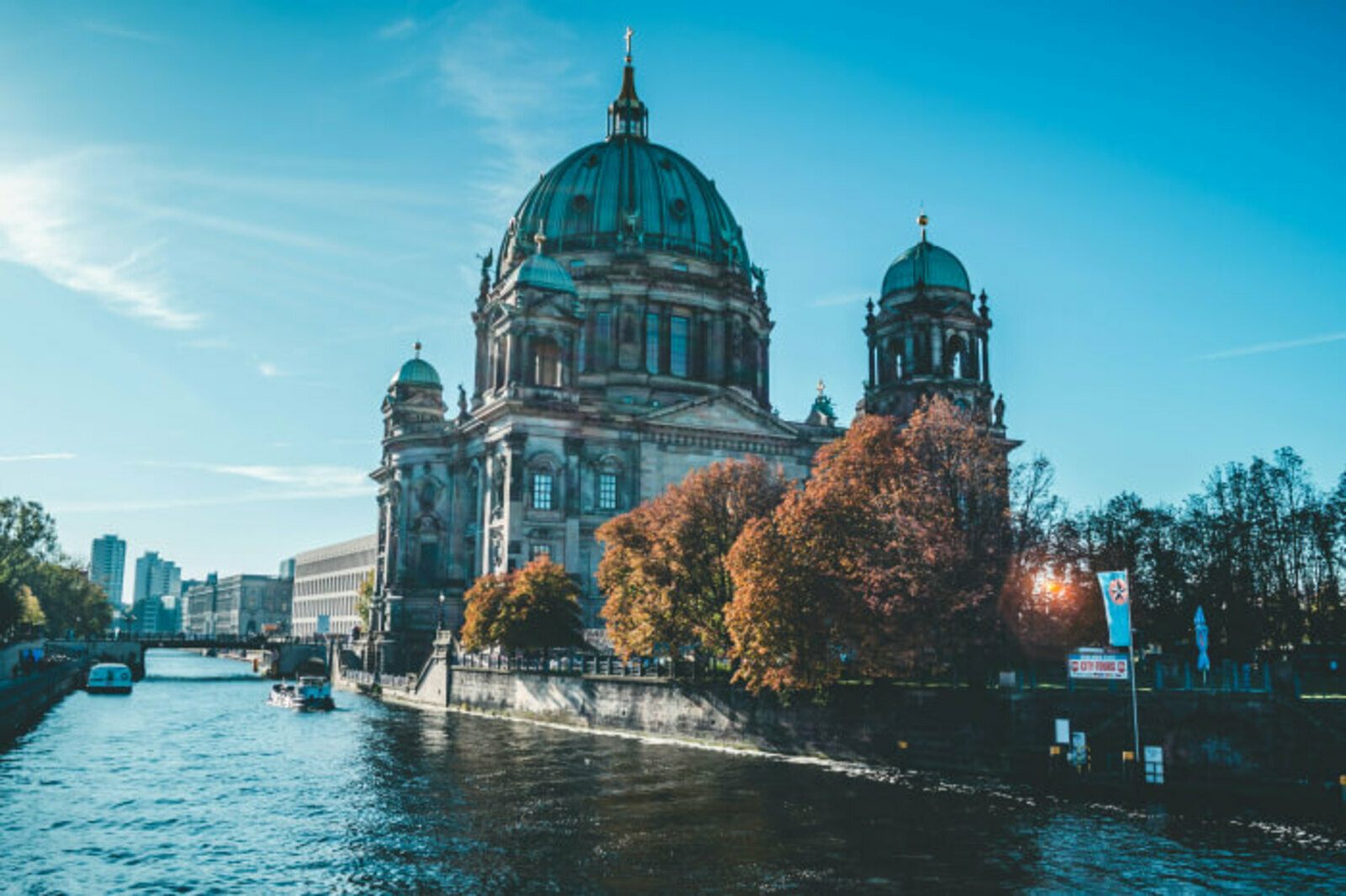
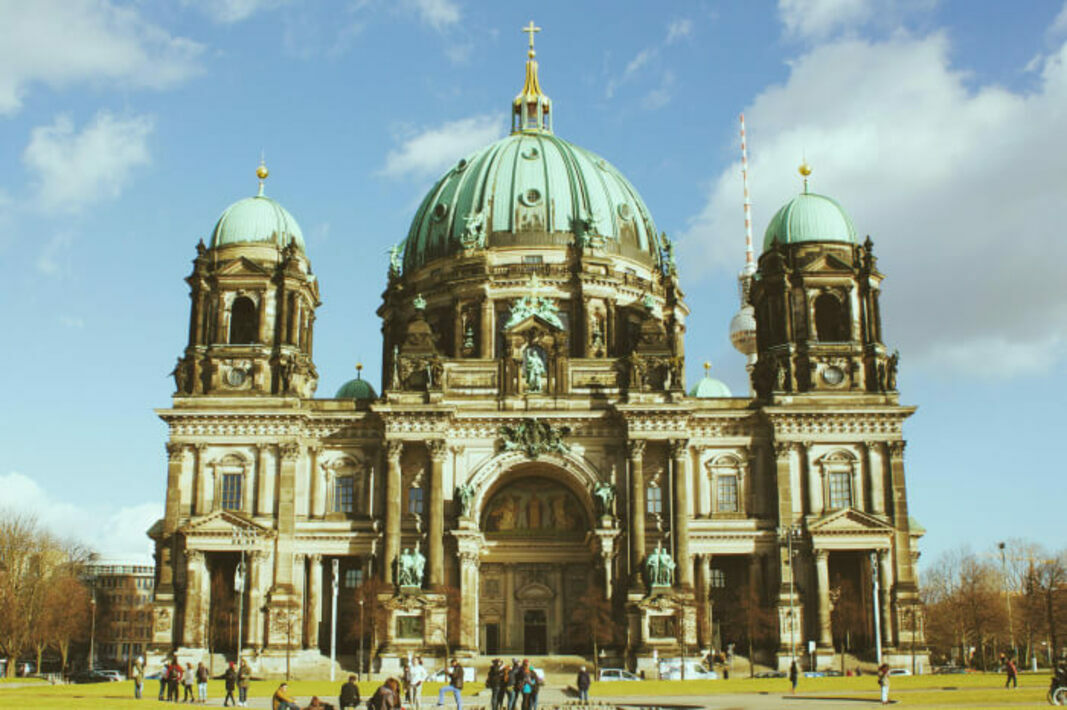
Built in 1894, one of the largest Protestant churches in Germany and a pilgrimage landmark. A majestic Baroque building richly adorned with Silesian granite.
Beyond services, it hosts regular organ concerts with acclaimed acoustics (2,000+ seats). Climb to the dome for views of Museum Island and central Berlin. Summer: 09:00–20:00; winter (Oct 1–Mar 31) 09:00–19:00; Sunday closed. Tickets: adults €7; concessions €5.
Tiergarten — green escape
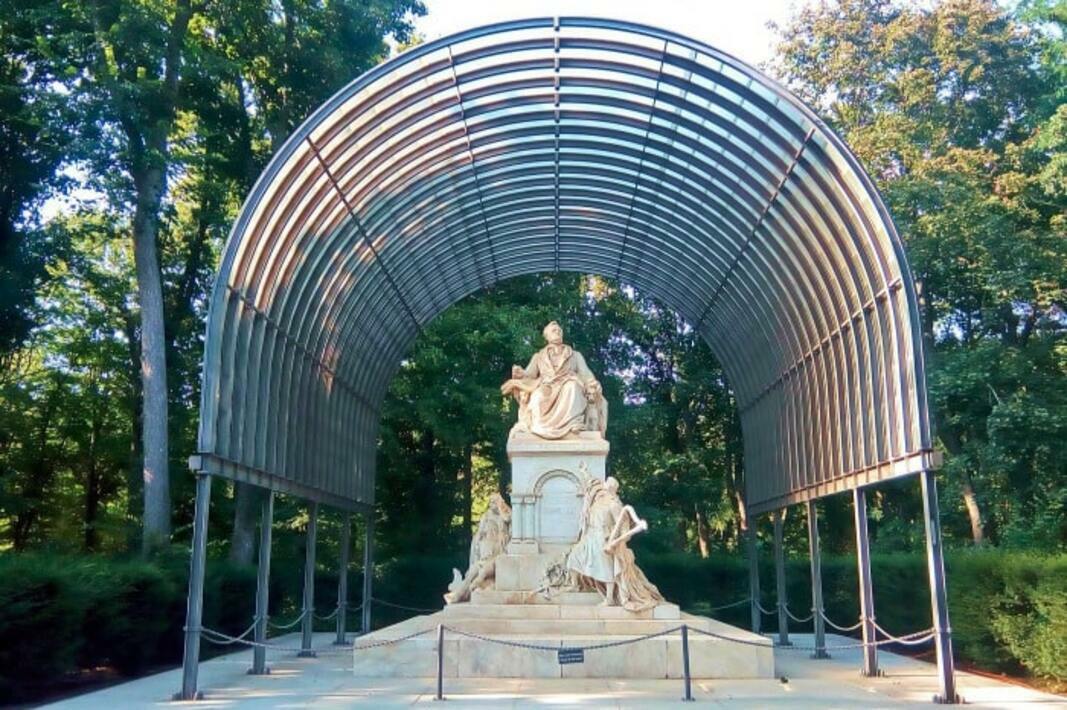
Berlin is more than museums and monuments. In the very center lies vast Tiergarten — shady alleys, flower carpets, crystal fountains, mirror-like ponds. One of Europe’s largest historic parks and a must for nature lovers.
What to do in Berlin
Make room for experiences: a Trabi convoy tour along the former Wall line, currywurst tastings with a cold beer, donut cafés, and local flea markets.
Trabi tours are quirky and fun: follow the guide and listen to stories. Short tour (1h15) — €49 here; more options here. Starts near Checkpoint Charlie.
Speaking of currywurst — Berlin even has a dedicated museum.
Explore Kreuzberg — Berlin’s hub of trendy cafés, restaurants, galleries, parks, bars, and clubs.
Mauerpark flea market on Sundays is legendary: vintage clothing, furniture, bikes, and curiosities. Souvenirs to bring: a “piece” of the Wall (as a keepsake), beer steins, the Berlin Bear, and craft chocolate.
One-day Berlin itinerary
Start at Brandenburg Gate; continue to the Reichstag. Walk to the Holocaust Memorial (open 24/7). Then Museum Island — five “palaces of art” worth seeing at least once. Berlin Cathedral is right there. At sunset, head to Alexanderplatz and the TV Tower.
A neat slice of Berlin’s spirit, wrapped up with a cup of tea or coffee.
Two-day plan
On day two, rent a bike (€8–12/day) or join the Berlin’s Best Bike Tour. Nature fans should visit the grand Botanical Garden (22,000 plant species).
Current ticket price: €6.
Two days will fly by — rich, educational, and full of memories.
Where is Berlin and how to get there?
Berlin lies in northeastern Germany (Central Europe). From Chișinău it’s ~1,263 km (flight or bus). From Bucharest ~1,702 km — a flight is best; bus works but is tiring. A road trip by car via several countries is another rewarding option.
Berlin is a city of contrasts and possibilities. Visiting these icons connects you to centuries of history and vibrant modern culture. Add them to your route for a packed, meaningful trip. Enjoy unforgettable moments in Berlin!
Don’t miss your chance to dive into Berlin’s history and culture! Book your tour now and enjoy an unforgettable journey through the city’s most stunning sights. Your adventure starts here!