 Enter
Enter




Landmarks and Thermal Baths on the Danube
Budapest’s attractions are not just the splendid architectural ensembles along the Danube but also its famous thermal springs — there are around 130 within the city. Budapest is often called a SPA resort, and it also captivates visitors with a rich cultural heritage and celebrated Hungarian cuisine.
Top X places to visit in Budapest first?
The main sights and attractions of Hungary’s capital — palaces, castles, monuments, museums, and baths — cluster by the Danube, in the historic Buda and Pest districts. If you’re weighing up what to see in 2–3 days on a Budapest city break, it’s worth pre-booking hotels near the center so landmarks are within walking distance (*note that tour prices to Budapest depend on season, booking time, and hotel category). Travelers love riding the metro because Budapest has Europe’s oldest underground, preserving a turn-of-the-20th-century vibe (a UNESCO site). You can feel like you’re in a film riding an original restored carriage (*the yellow M1 line runs past most of the key sights, and surface transport — especially tram No. 2 — is a budget-friendly alternative to city tours).
Széchenyi Chain Bridge
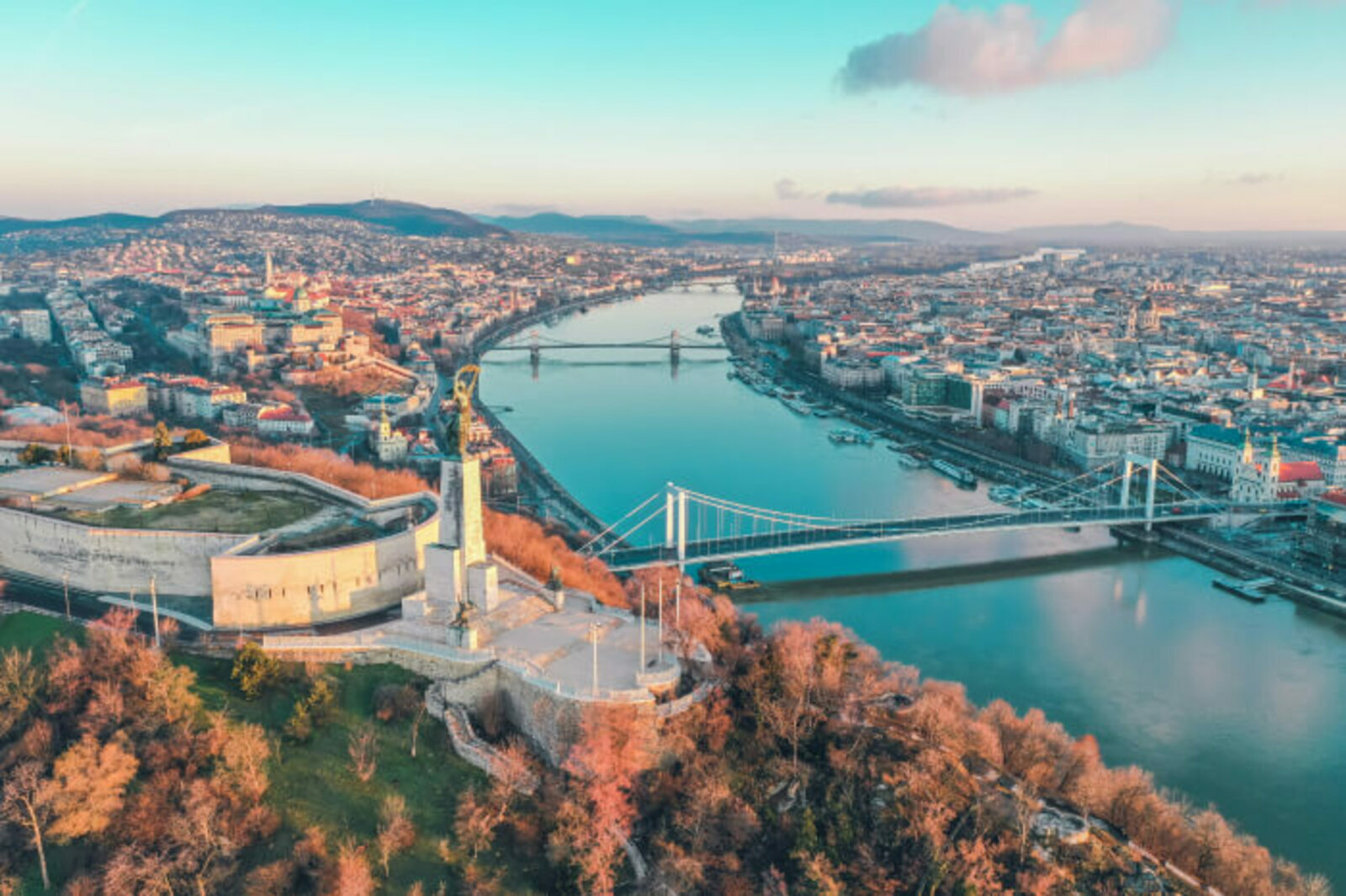
Hilly Buda and flat Pest were united into one city — Budapest — in 1873, when they were linked by a bridge named after the project’s initiator, Count István Széchenyi. The suspension bridge with its lion sculptures has become one of the city’s best-known symbols. Visitors photograph its ornate cast-iron details and monumental stone piers. After sunset, thousands of lights reflect in the river, casting a golden glow around this historic landmark.
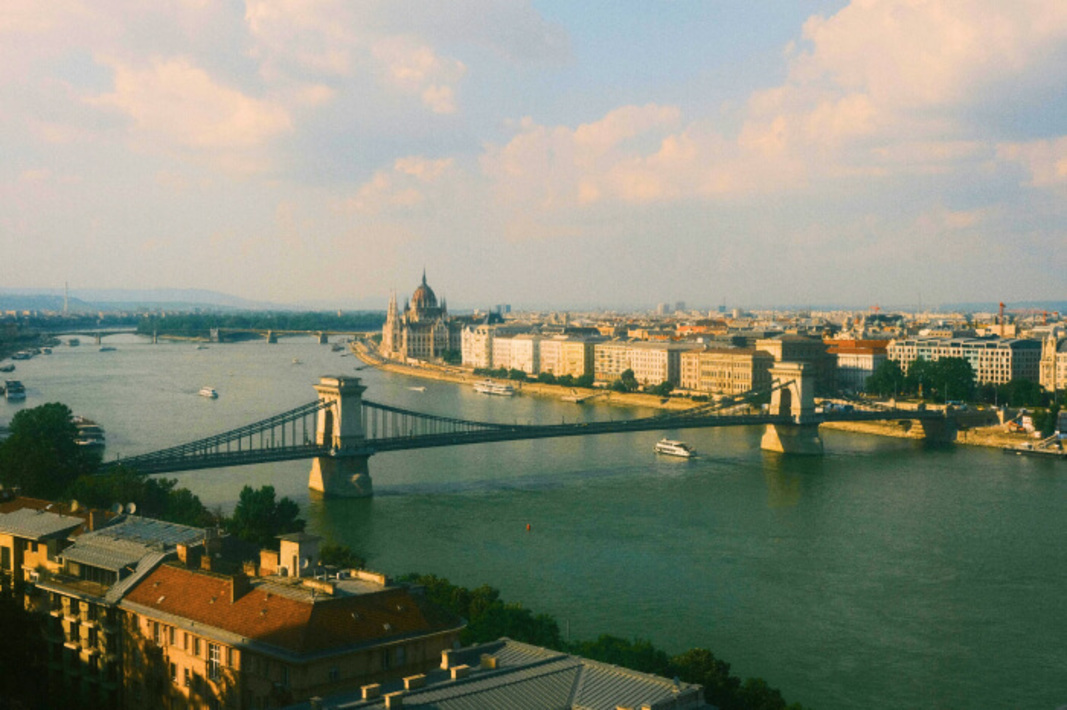
Buda Castle District
Where is Budapest and how does it compare with other Central European capitals and cities in Hungary? On the map it’s in the country’s north, close to Slovakia and Austria. The climate is typically Central European: not overly hot and without severe frosts. Fertile land and mild weather have attracted people since ancient times — from early tribes and Roman conquerors to later settlers, the Magyars, who arrived from the east. Blending the culture of warlike proto-Magyars with influences from Christianity, the Mongol-Tatars, Ottomans, and Austrians shaped the modern Hungarian state.
The Buda Castle area is the historic district on the Danube’s bank where Hungarian kings built their residence and fortifications. Today you can visit the Royal Palace, medieval castle ruins, Matthias Church, Fisherman’s Bastion, and the Sándor Palace. History and art museums operate here as well. Ride the funicular up to Buda and explore the castle quarter on a guided tour or independently.
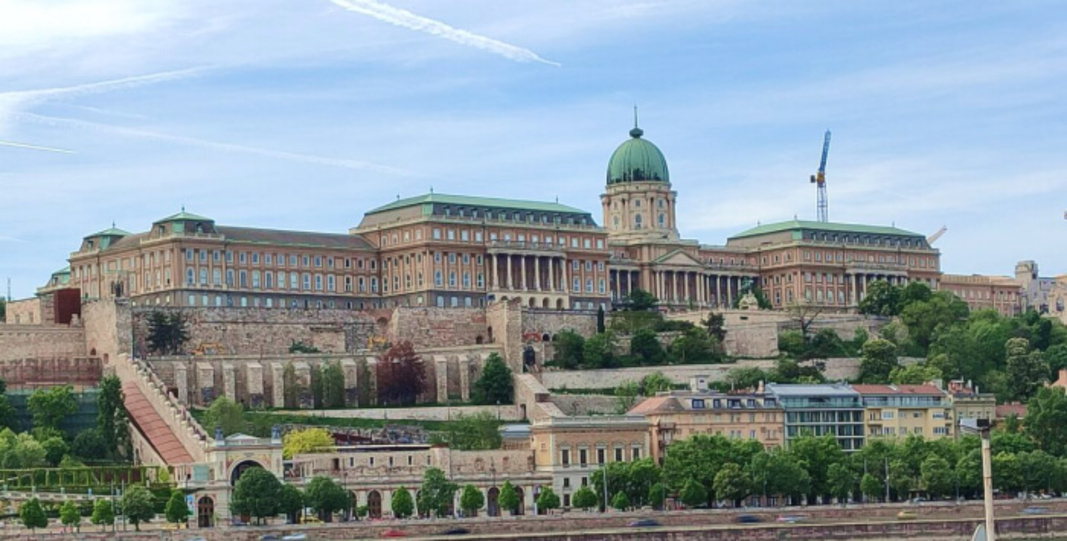
Royal Palace
The Royal Palace (Buda Castle) headlines Budapest’s museum list — a grand architectural complex on the Danube’s right bank, rising from a 13th-century fortress. Its current look evolved over time: King Matthias initially led construction, and his Renaissance residence was among the most magnificent in 14th-century Europe. Turbulent history saw the palace burned, ruined, and looted. Only in the early 20th century was it reborn under Hungarian architect Miklós Ybl, as a lavish Baroque jewel commanding the river.
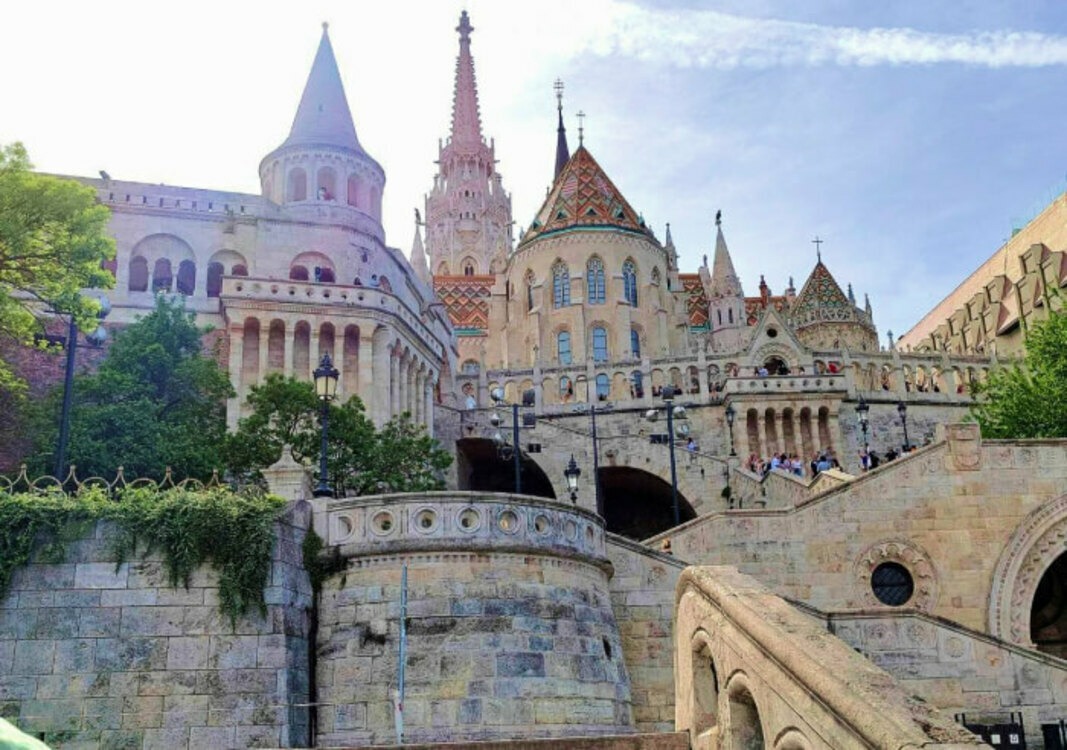
Fisherman’s Bastion
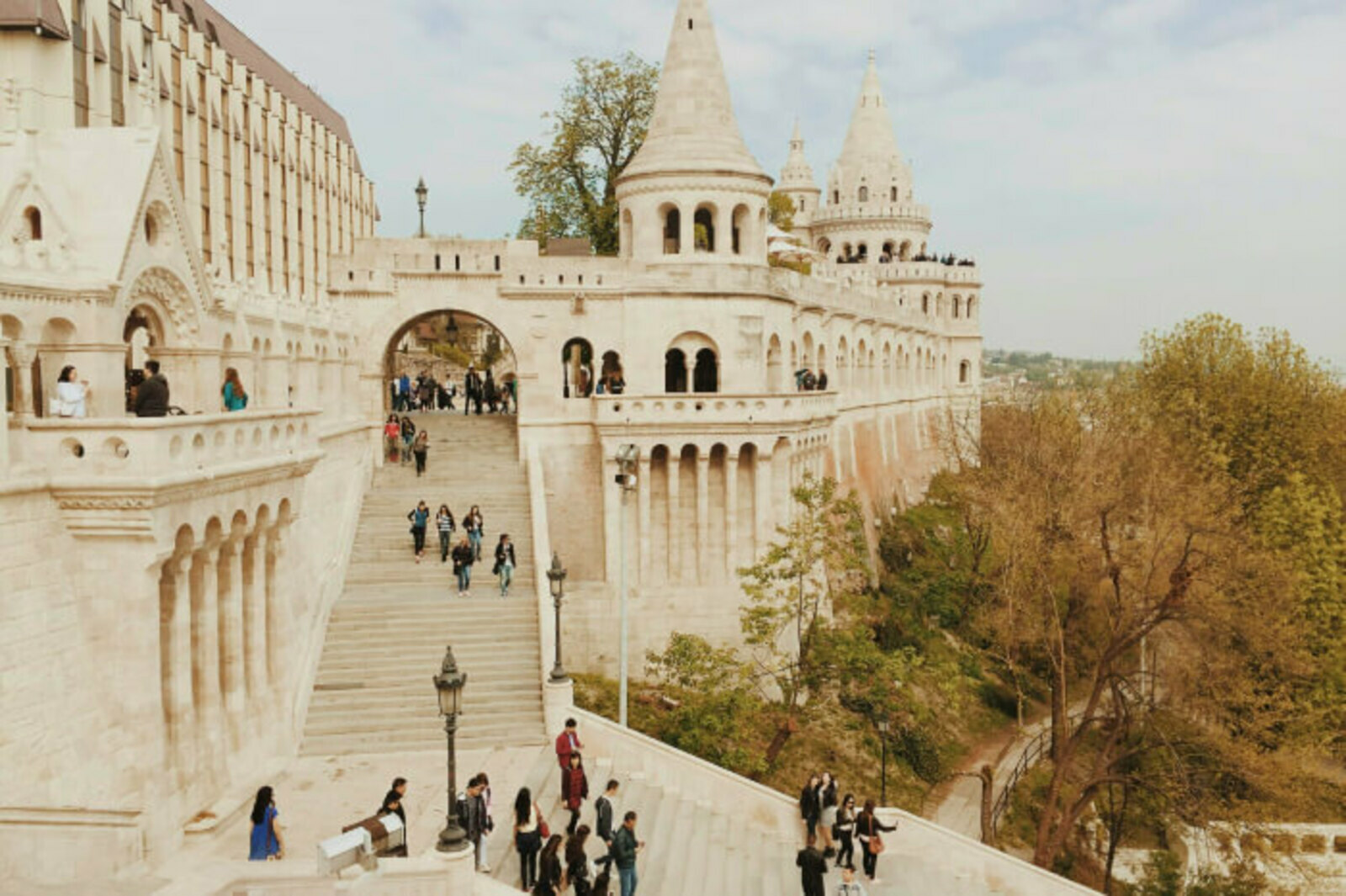
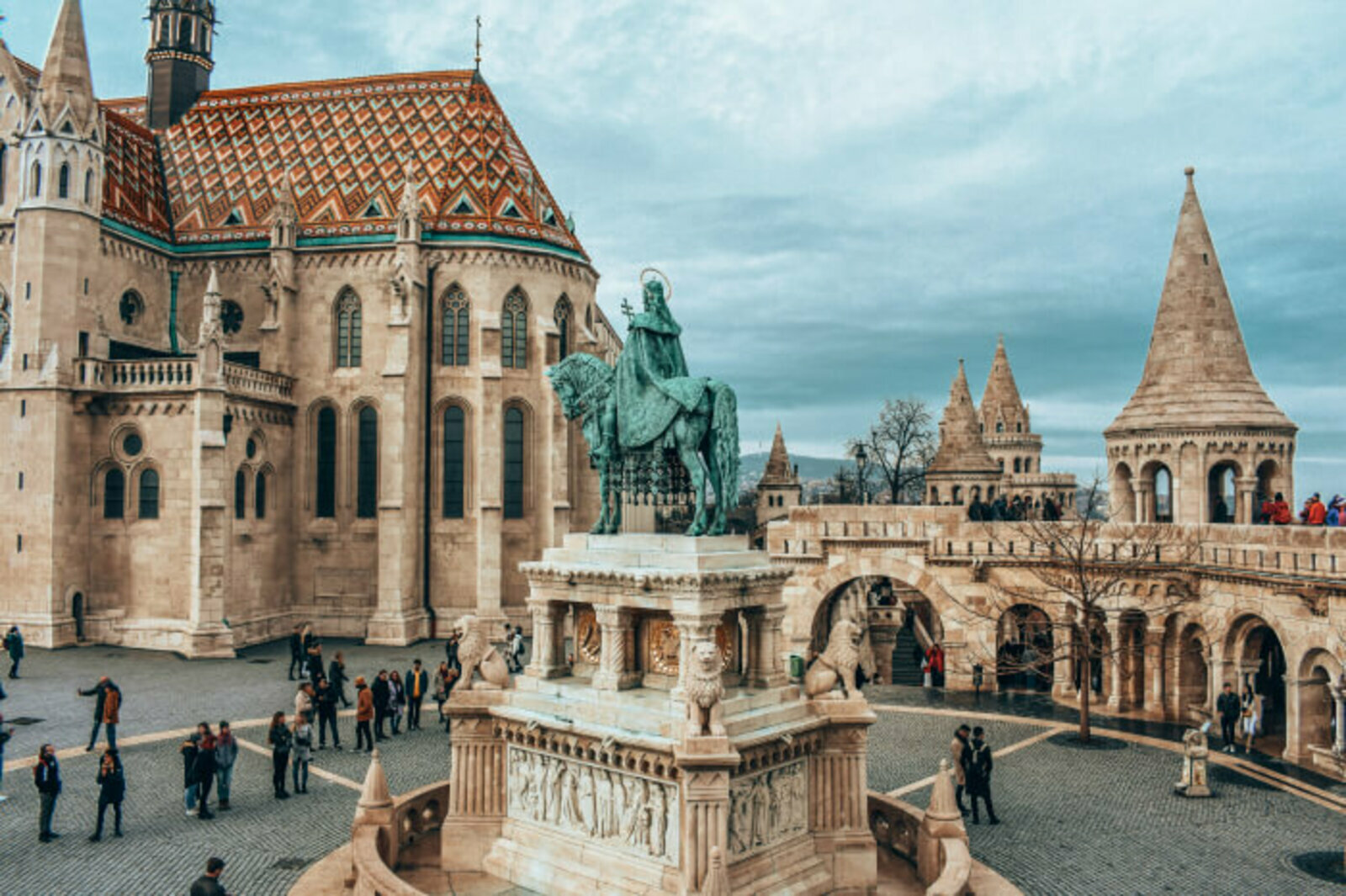
This fairytale fortress with sharp towers and lace-like walls is one of the best free things to see in Budapest, despite its immense cultural value. Once a fish market, today thousands come to admire the 1895 Neo-Romanesque architecture and climb its viewing terraces. The Parliament building lies “in the palm of your hand”, with sweeping views over the city and the Danube.
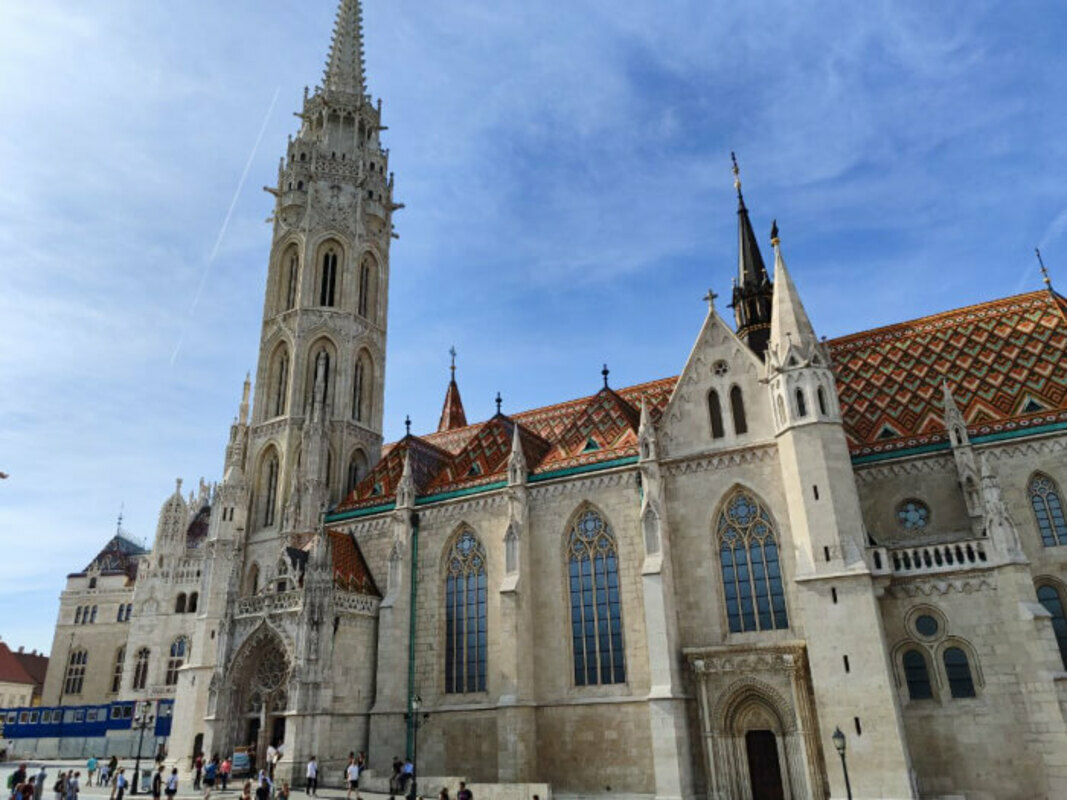
Matthias Church
One of the district’s oldest buildings, extensively rebuilt in the late 19th century. Original 13th-century columns, depictions of saints, and the royal family survive. The church also hosts a museum of religious art.
Hungarian Parliament Building
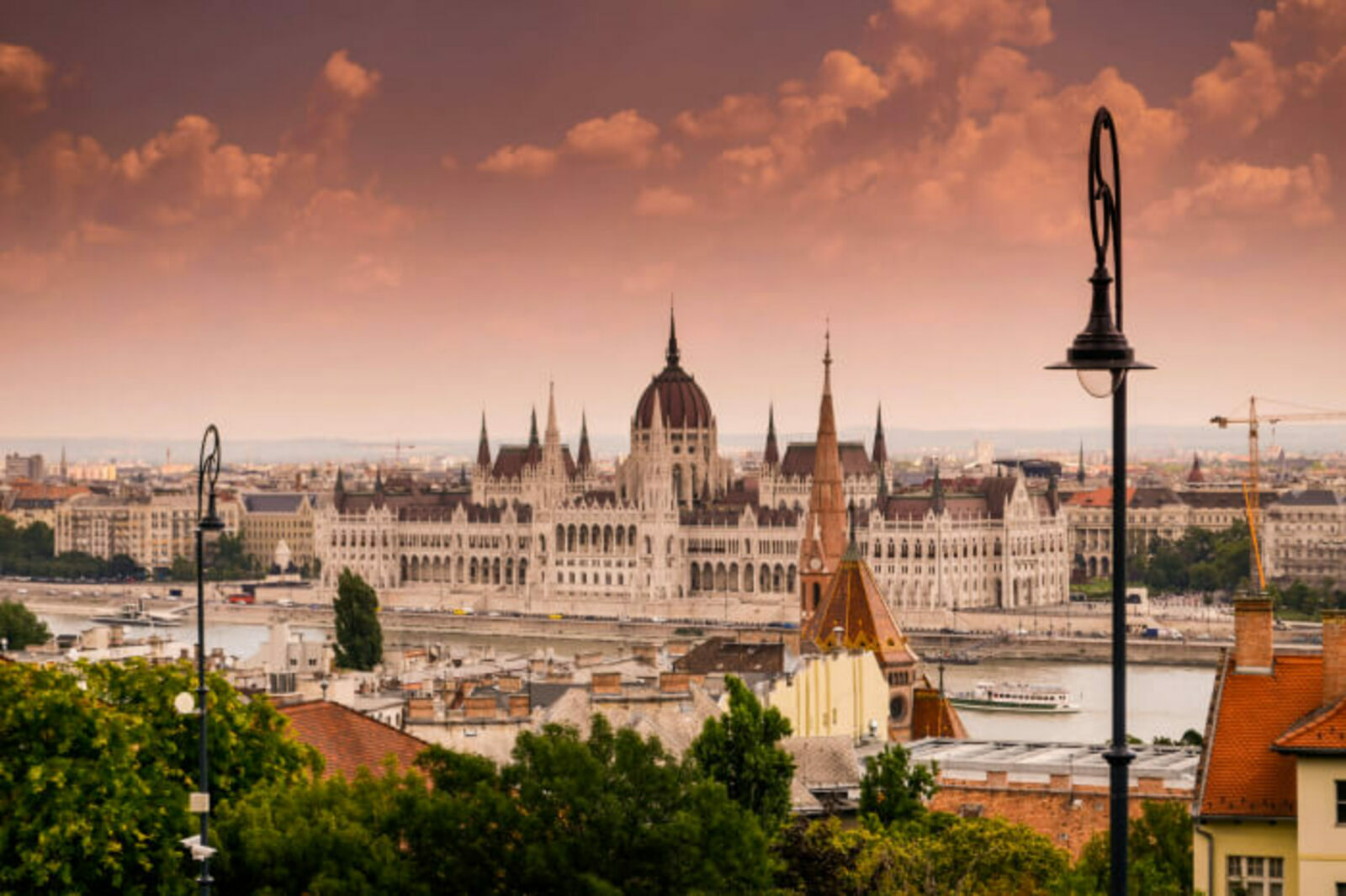
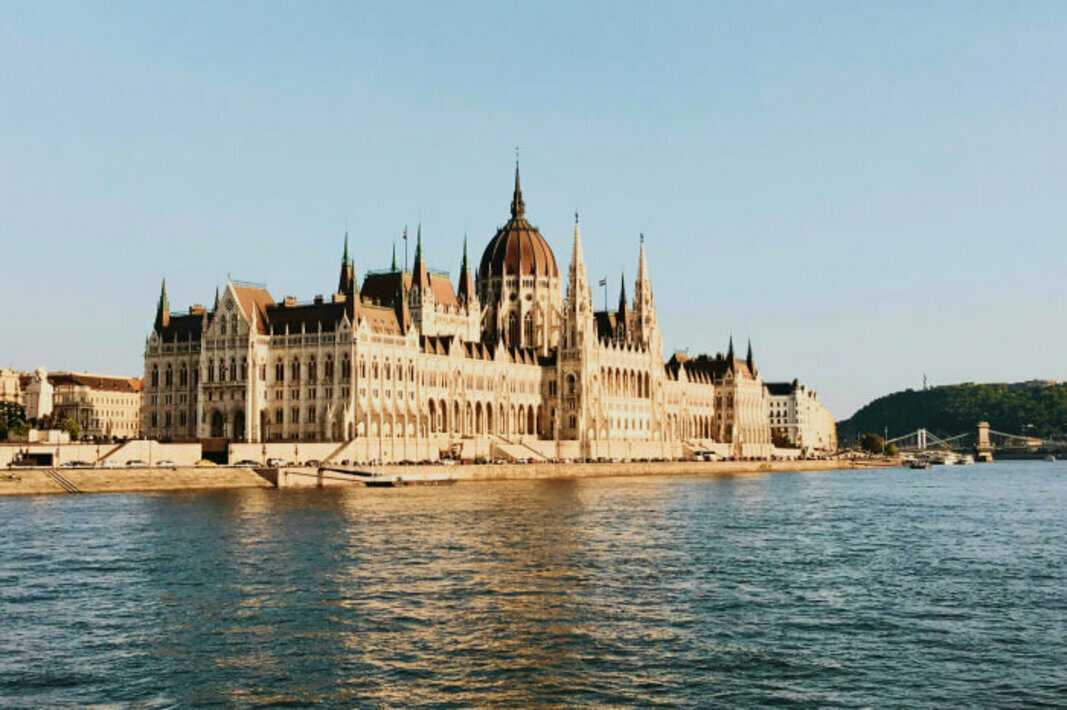
Among Budapest’s Danube-side landmarks, the Parliament on the left bank stands out. Built in Neo-Gothic style at the beginning of the 20th century, it has four levels and a grand dome; its interiors are as lavish as the façade. It’s open for daytime tours, and in the evening a full illumination from the river side creates a dazzling spectacle.
St Stephen’s Basilica (Szent István)
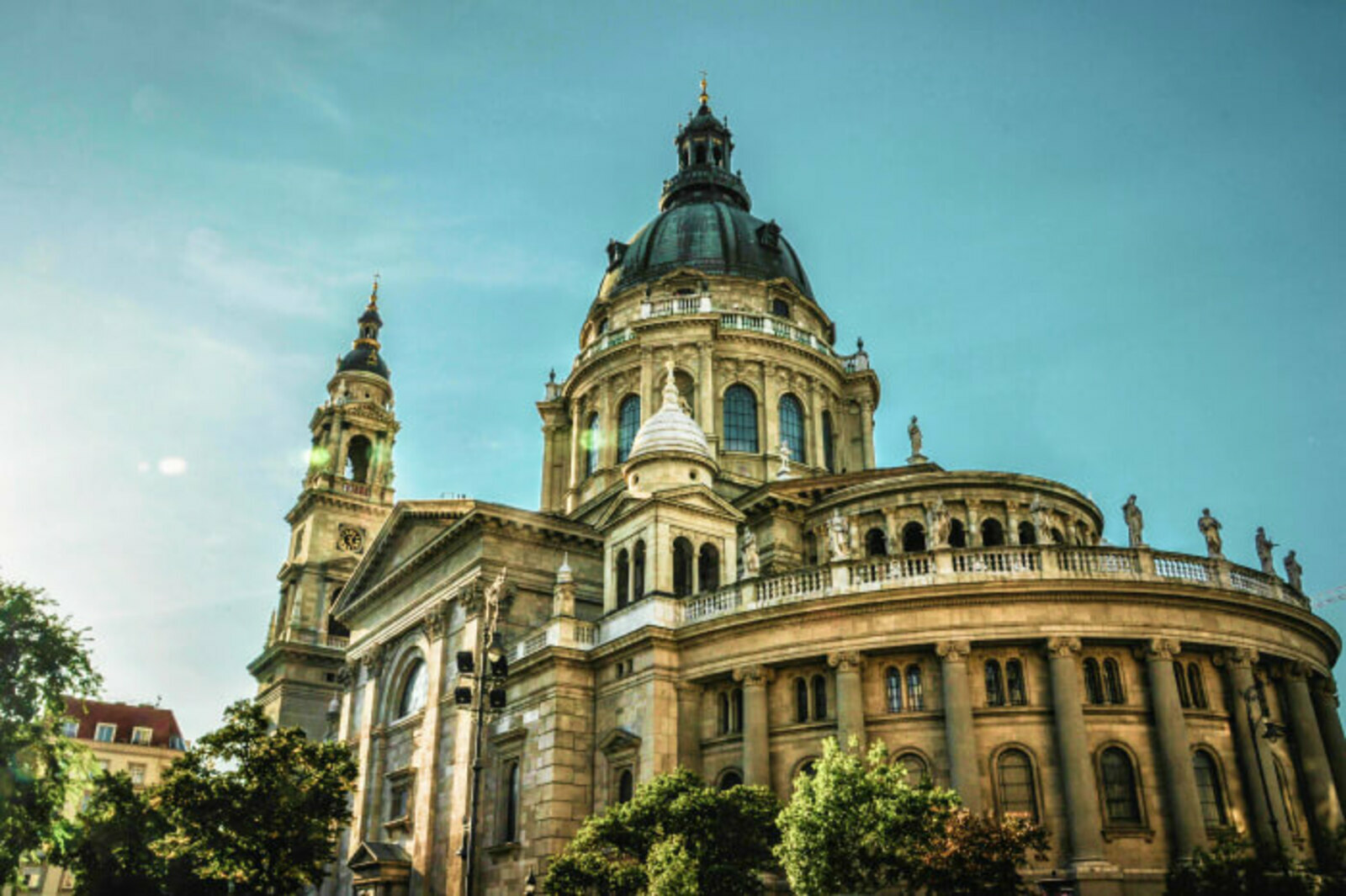
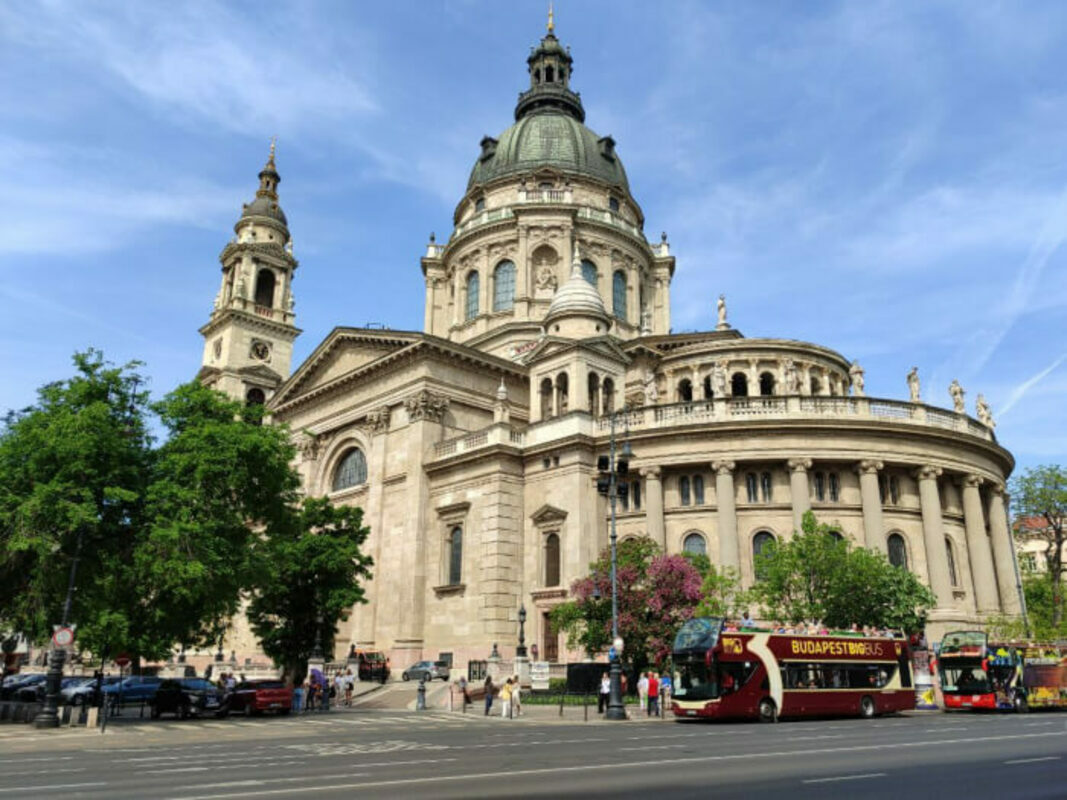
One of the best free sights in Budapest — a Roman Catholic basilica whose height (96 m) matches the Parliament — the city’s most important and grandest church. Completed in 1905 in Neoclassical style, it’s adorned with marble, gold, mosaics, and superb stained glass. For a small fee you can climb to the viewing platform at the top of the dome.
Thermal Baths and Springs
One legacy of the Ottoman conquest was the growth of public baths: Király, Rudas, Lukács, and Császár — original oriental structures that added special color to Budapest and strengthened a tradition of healing rituals. Everything is arranged to relax body and soul in beautiful, comfortable spaces. Many baths sit in historic buildings and are landmarks in their own right: Rudas was built by the Ottomans in the 16th century, and Lukács was a spa even in the Crusader era.
Széchenyi Baths
(address: Állatkerti krt. 9–11, Budapest)
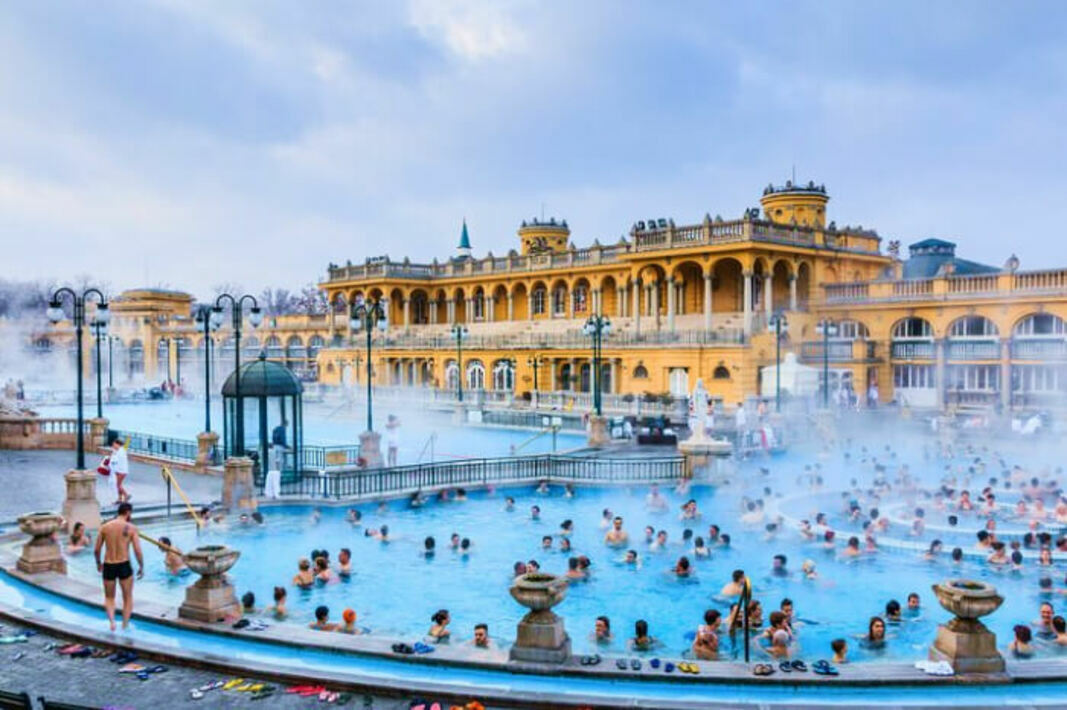
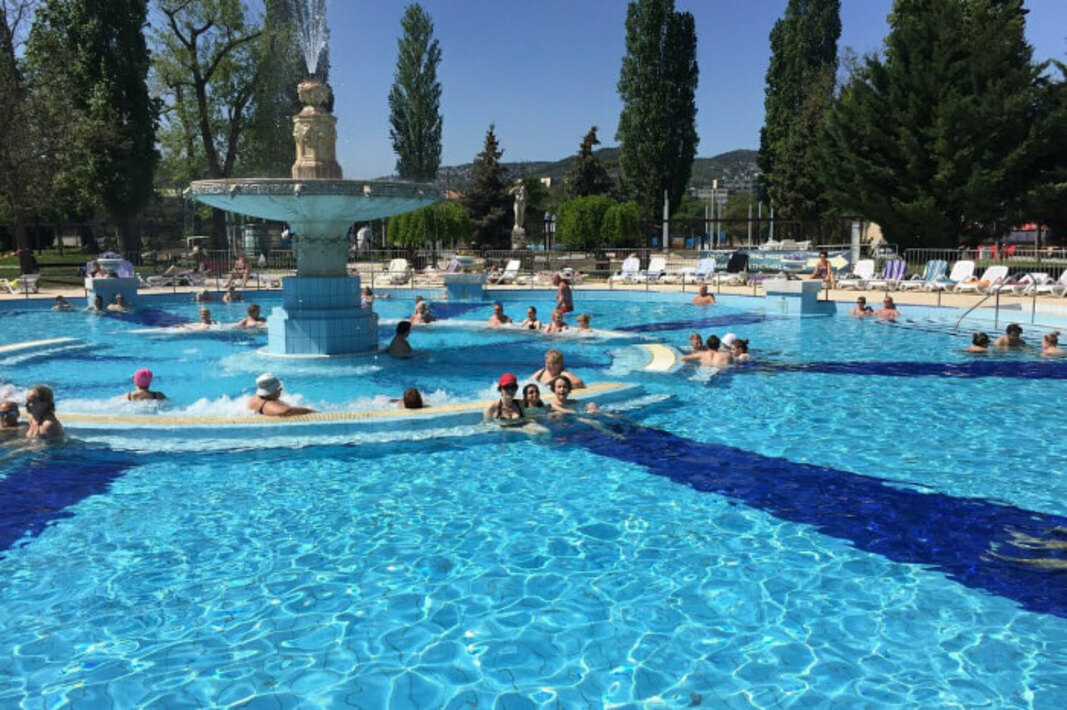
A Budapest highlight with rave reviews — the largest bath complex in Europe. The open-air pools are favorites, and the Baroque architecture is a showstopper. This balneological SPA center offers 21 pools, baths, saunas, massage, and physiotherapy.
Gellért Baths
(address: Kelenhegyi út 4, Budapest)
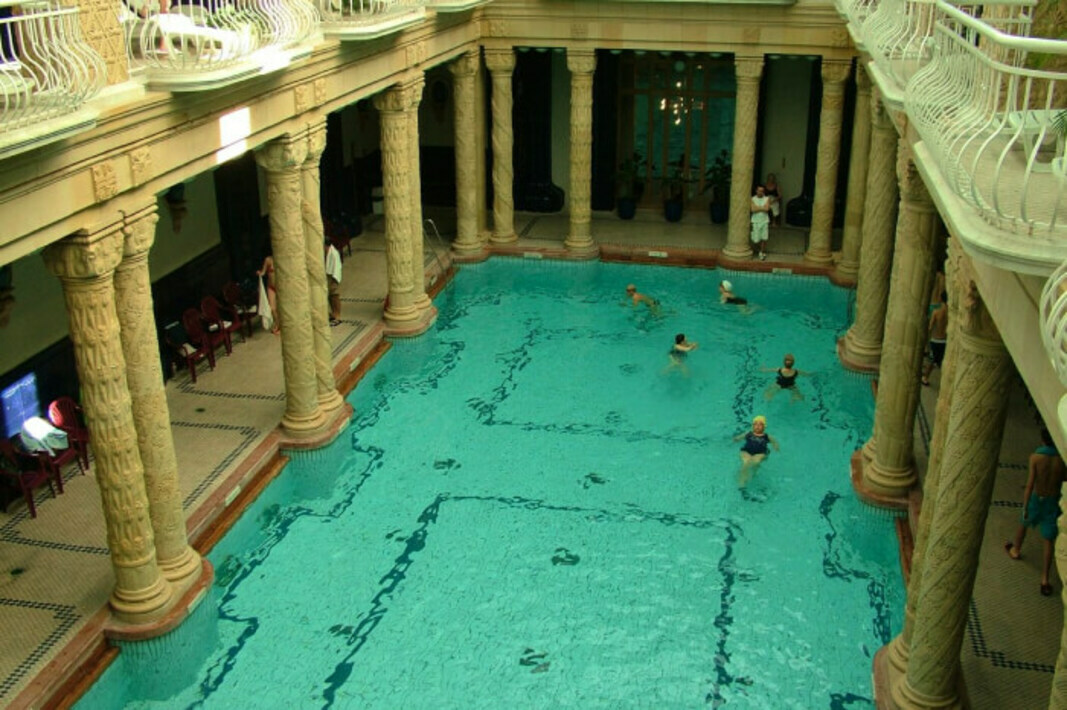
The most sumptuous and refined of the city’s baths. If you dream of soaking in healing thermal waters in “royal” surroundings, this is the place. Mosaics, stained glass, marble carvings, and colonnades make the wellness experience unforgettable.
Palatinus Baths
(address: Soó Rezső stny. 1, Margitsziget, Budapest)
Beloved by locals and visitors alike, this family-friendly bath on Margaret Island is more affordable yet offers excellent indoor and outdoor thermal pools. You’ll find a full suite of SPA treatments, water attractions, and shallow pools for little ones — one of Budapest’s “secret” places to go with kids.
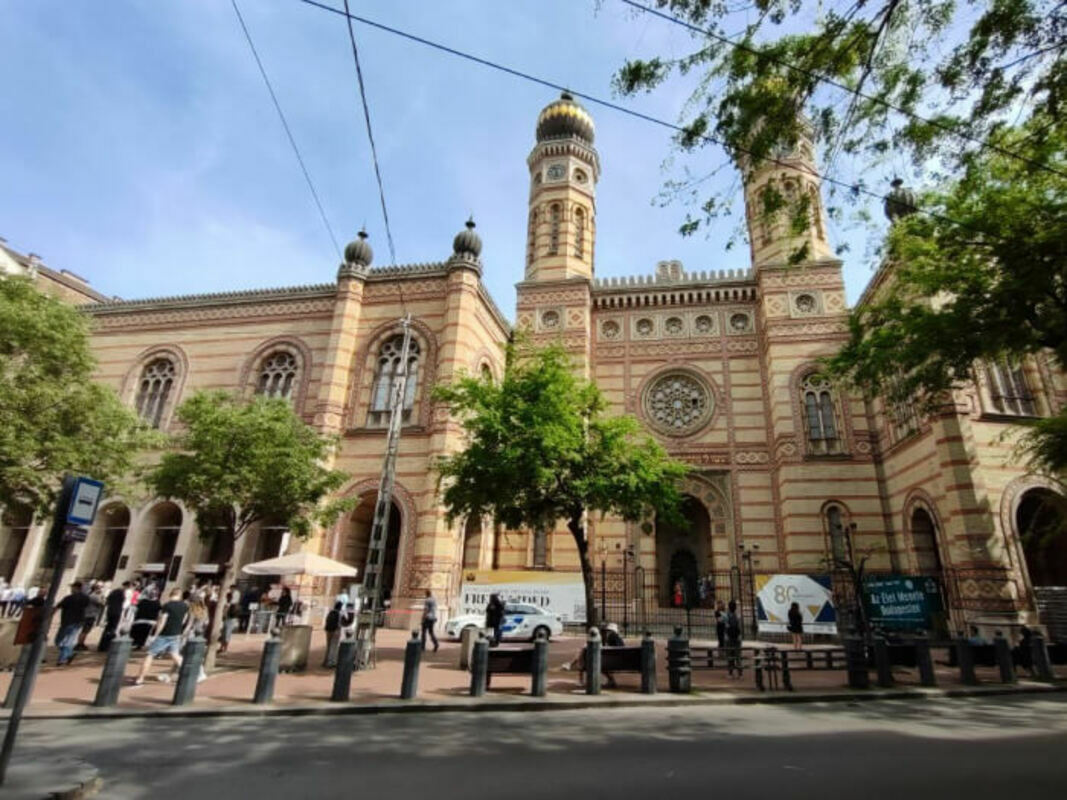
Great Synagogue
Europe’s largest and the world’s second-largest synagogue stands in Pest’s Jewish Quarter. From the mid-19th century until World War II it was the heart of Jewish life in Hungary. The Holocaust brought tragedy to many Budapest families, and the grand religious building decayed during fascist occupation. Restored in the 1990s, it now impresses with carved ornament, huge chandeliers, and Moorish-style mosaics.
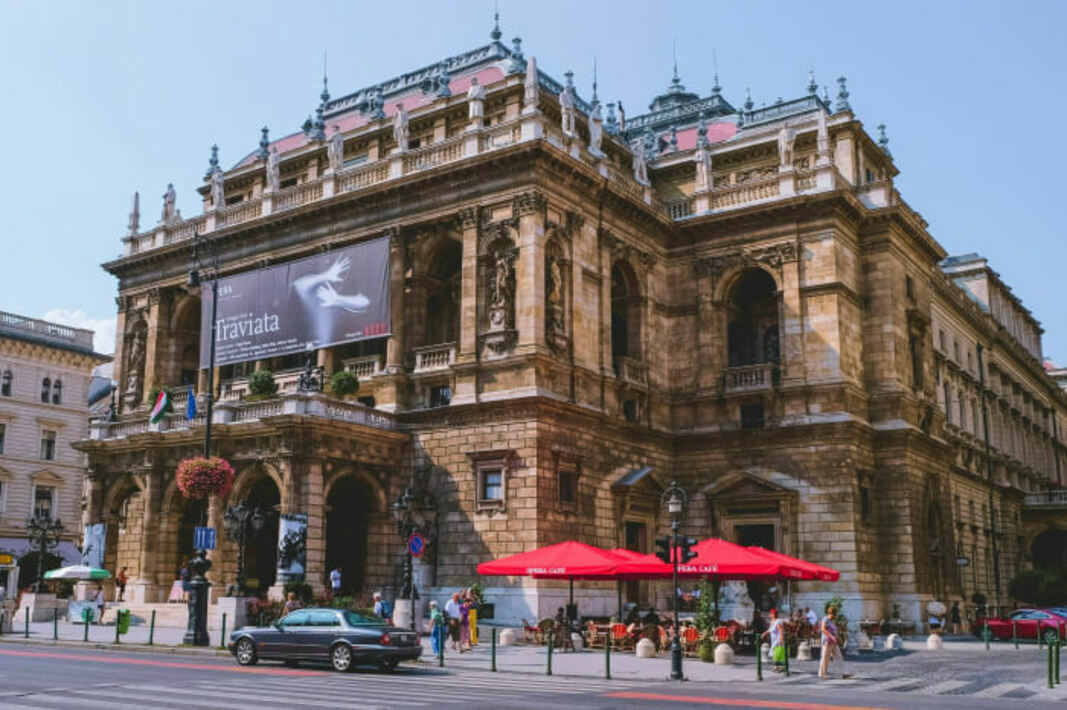
Hungarian State Opera
The Hungarian State Opera (Andrássy út 22, Budapest) ranks among Europe’s most popular houses after La Scala and the Paris Opera, thanks to superb acoustics. The building is Renaissance in style; burgundy-and-gold interiors feature Baroque elements: stucco, ornament, and frescoes. Alongside opera and ballet, daily guided tours are offered.
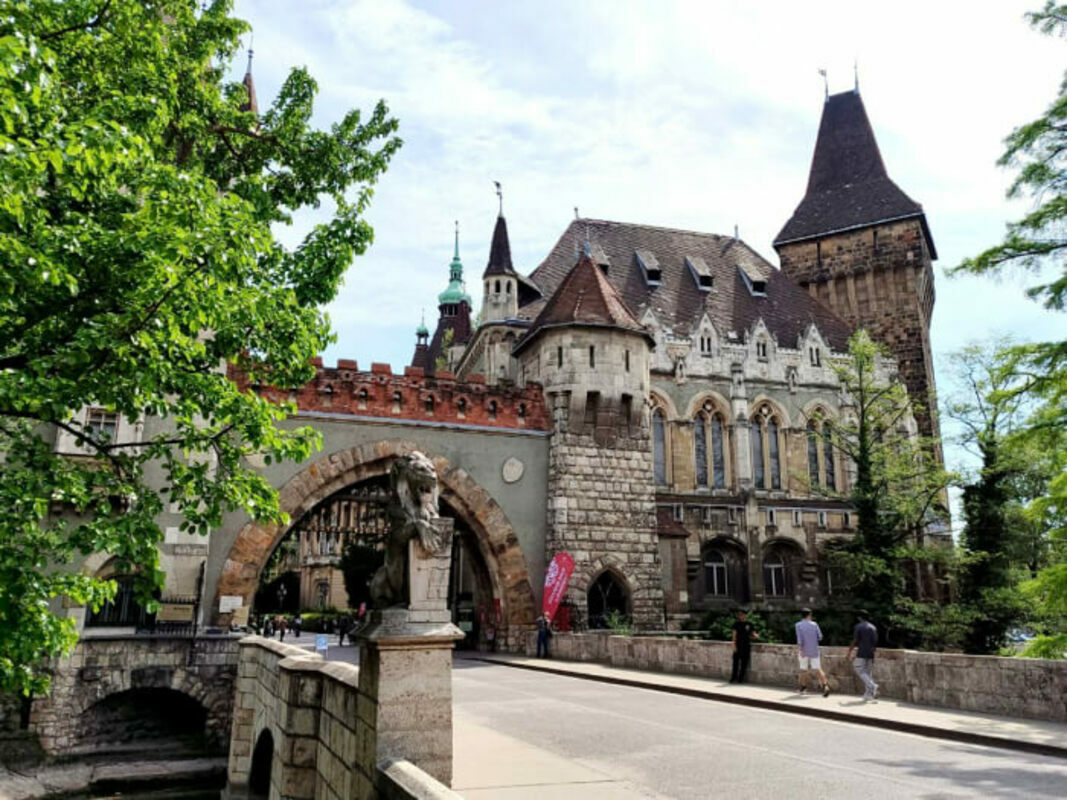
Vajdahunyad Castle
X things to do and see in Budapest to soak up the city’s romantic air — once museums and theaters are checked off your list. Head for one of the capital’s most photogenic spots, Vajdahunyad Castle, ringed by lakes and parkland. Built in 1900, it combines elements of 20+ Hungarian buildings. This striking fusion created an authentic cultural site that now hosts national festivals, concerts, and all kinds of events.
Central Market Hall
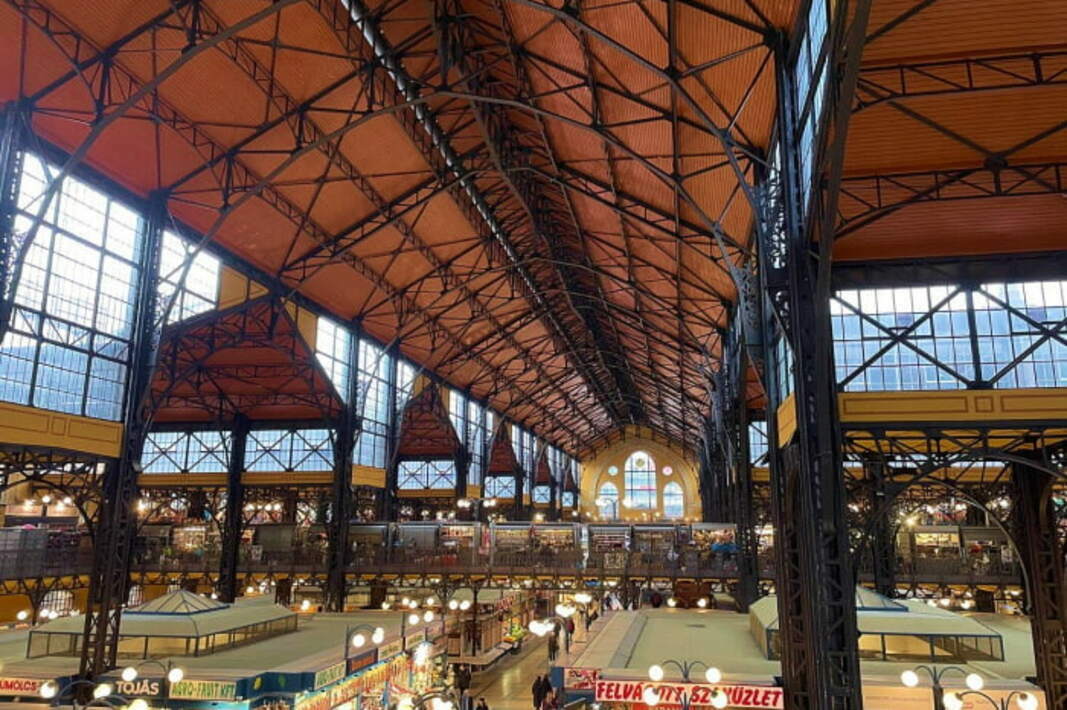
Visitors are first struck by the space and beauty of this public hall — it feels like a museum or a grand railway station. Huge glass spans, elegant metal arches, stucco, and mosaics make it a fine example of late-19th-century architecture. The first two levels host stalls with fresh fruit, meats, cheese, sausages, and spices; the third level sells handicrafts and has cafés and restaurants serving local dishes.
Hungarian Cuisine
What should you try in Budapest? The famous gulyás (hearty meat stew with onion and paprika), bogrács meat soup (with tomatoes and dough), halászlé fisherman’s soup, chicken paprikash, lecsó with sausage, and goose-liver pâté. You’ll also find lots of veggie dishes, flatbreads and crêpes, distinctive sweets, and the classic Dobos torte, invented by a royal pastry chef who layered sponge cake with a then-novel chocolate cream.
Hungarian cuisine sits at the crossroads of European, Jewish, and Turkish influences (the Ottomans brought spices and paprika). Many dishes are cooked in a single pot — a memory of medieval times when cookware was scarce. The world-renowned Tokaj dessert wine is prized for its honeyed aroma and raisined grapes.

To close this “Budapest: X destinations to visit” overview, note that this is only a short list of a European capital’s countless highlights. Many know Budapest as a balneological resort, but it offers far more — unique cafés from palatial salons to underground ruin pubs, galleries and museums, green Margaret Island, a celebrated zoo, and Ecseri Piac, a vast flea market for antiques lovers.
To truly discover Hungary — its character and aesthetics, traditions and temperament — don’t just read about it. Walk the streets of Buda and Pest, take a boat along the Danube, breathe the perfume of blooming parks, and taste the country’s dishes.
Fresh impressions of this original, beautiful country are within easy reach — simply book a tour to Budapest on our website. The Danube city’s most splendid sights await and promise to make your trip unforgettable!
Ion Admiral
Head Manager & Lead Travel Blogger
Author
Ion Admiral — Head Manager & Lead Travel Blogger
Budapest FAQ
Which thermal baths are most popular?
Széchenyi (Europe’s largest), Gellért (Art Nouveau icon), and Palatinus (family-friendly on Margaret Island). Also Rudas, Lukács, and Király.
Best transport for sightseeing?
Metro M1 (the historic UNESCO yellow line) and tram No. 2 along the Danube — a great low-cost city tour.
Can you tour the Parliament?
Yes, daytime guided tours run regularly. In the evening, the illuminated façade is stunning from across the river or on a boat trip.
Where are the best viewpoints?
Fisherman’s Bastion, the Buda Castle District, and the dome of St Stephen’s Basilica (small fee) offer textbook Danube panoramas.
What Hungarian dishes should I try?
Gulyás, halászlé, chicken paprikash, lecsó, goose-liver pâté, and Dobos torte. For produce, browse Central Market Hall.
When to visit the baths to avoid crowds?
Go early morning or late evening; in winter the steaming outdoor pools feel especially atmospheric.