 Enter
Enter





Madrid: art, history, football & unforgettable bites
Top sights, must-see museums, 1–3 day itineraries, and practical tips for a smooth city break.
Madrid — the heart of Spain — is a city of inexhaustible energy. Once famed for bullfighting and palatial grandeur, it now draws art lovers, football fans, foodies, and shopping enthusiasts. In this “city that never sleeps,” tranquil parks and historic corners sit next to buzzing nightclubs, while warm hospitality and the fiery rhythms of flamenco create a festive atmosphere.
Madrid highlights: a quick tourist guide
Spain’s imperial past shapes the capital’s look and feel, with an abundance of architectural and historical monuments. What should you see first in Madrid? According to travelers, these are the top attractions — the essential things to see in the Spanish capital:
Top 15 places in Madrid
The capital of Spain — Madrid — is one of Europe’s largest metropolises, even though back in the 9th century it was just a small settlement. In the mid-16th century, by order of King Philip II — fond of seclusion and strict religious rules — the court moved here, to a barren site 667 m above sea level. In this region, where Sancho Panza joked “three months of winter and nine months of blazing hell,” a city took shape that now dazzles with grand architecture and lush parks. Let’s look closer at the most famous and beautiful spots — your quick guide to Madrid’s highlights.
Plaza Mayor
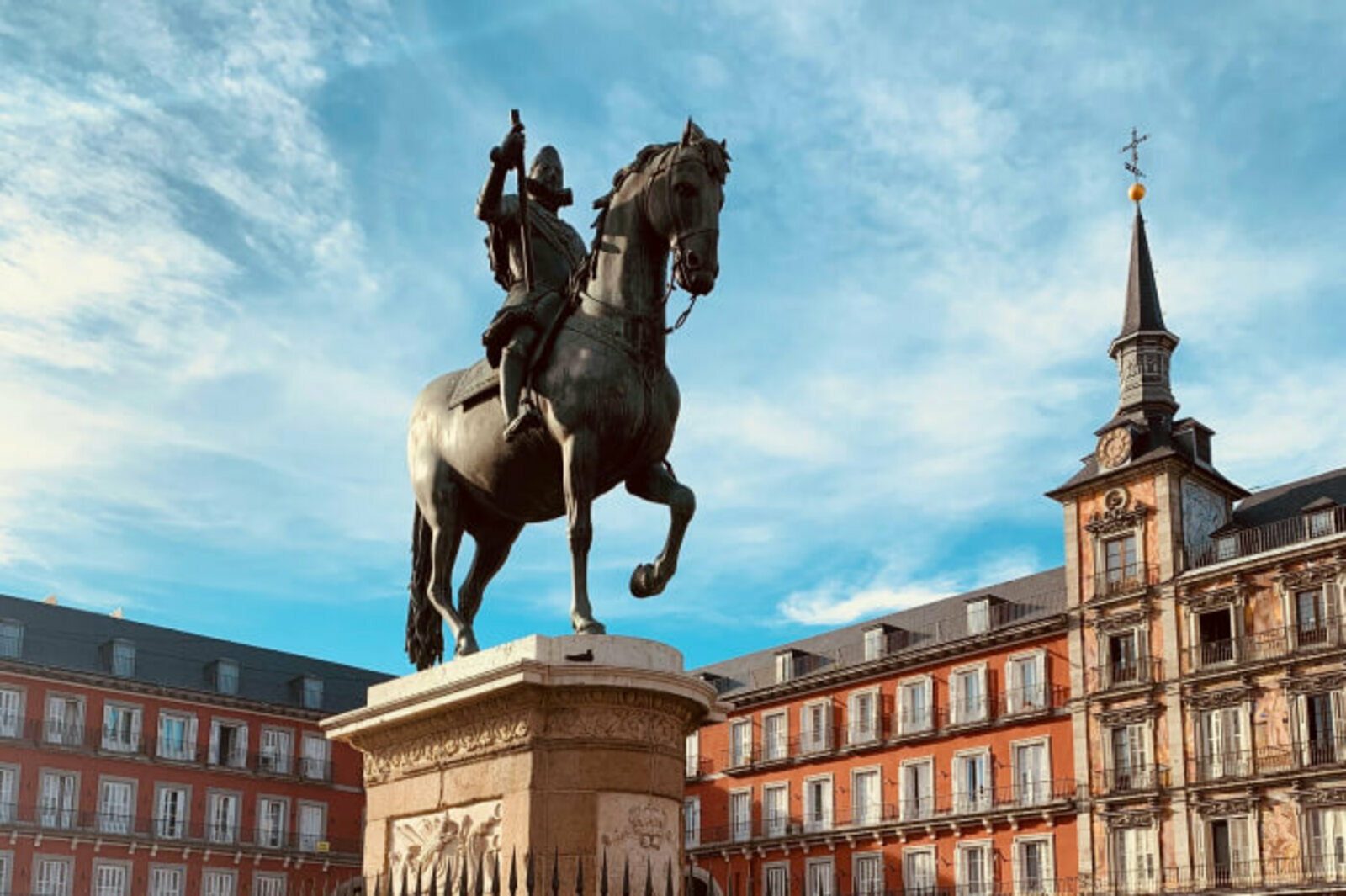
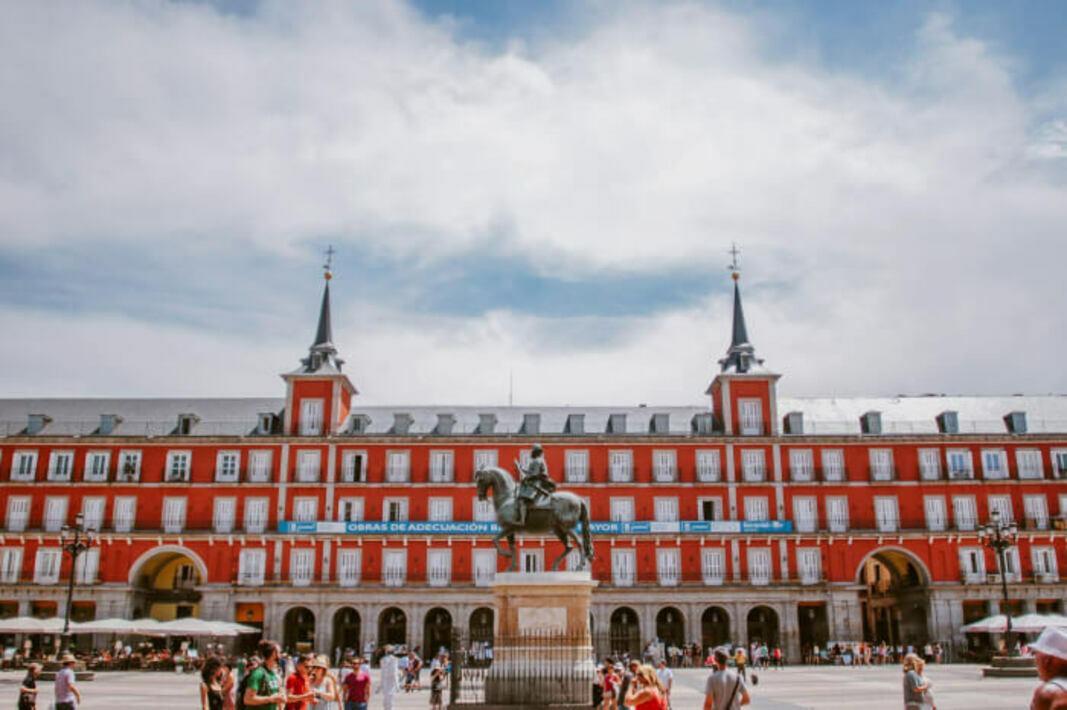
Plaza Mayor tops Madrid’s symbolic landmarks — a place to feel the city’s history right away. If you didn’t know that for centuries (until 1826) mass “heretic” burnings, bullfights, markets, and theater shows took place here, you’d simply admire a model of Spanish Baroque with King Philip III’s equestrian statue (17th c.). Uniform façades surround the square; the Casa de la Panadería was the main building — fresh pastry on the ground floor and balconies for royals and nobles during ceremonies. Opposite stood the rival Casa de la Carnicería (butcher’s house) with equally coveted balconies.
Puerta del Sol
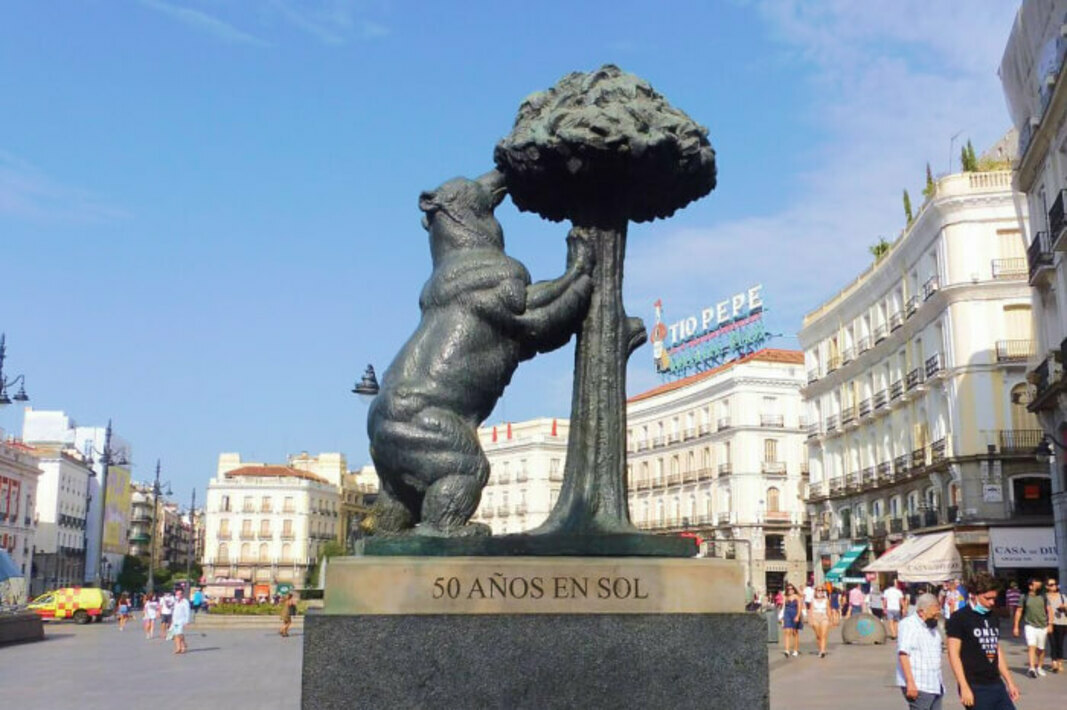
Another key square, Puerta del Sol (“Gate of the Sun”), rivals Plaza Mayor and sits in the city center. Here you’ll find the bronze “Kilometer Zero” plaque and the “Bear and Strawberry Tree” sculpture — a nod to Madrid’s coat of arms. The 18th-century Post Office building with its clock chimes in the New Year at midnight on January 1 for all Spain. Lined with handsome buildings and an equestrian statue of Charles III, the square is also a hub of “firsts”: the city’s first gas streetlamp, electric lighting, tram, and car — and in 1919, the first metro line.
Royal Palace
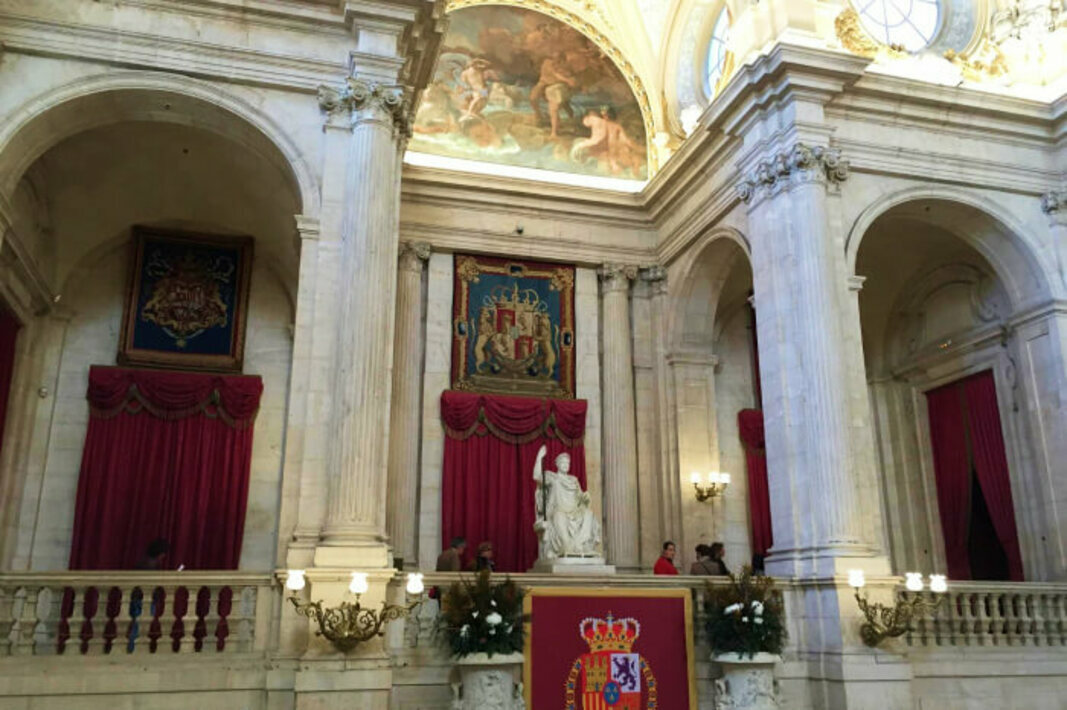
The Royal Palace (Palacio Real de Madrid) is one of the city’s major cultural landmarks, west of the center. Although it’s the official residence of Spain’s monarchs, today’s royal family lives elsewhere and uses it mainly for state ceremonies. The rest of the time, this vast complex of over 3,000 rooms functions as a museum, open to visitors.
It’s a fine example of 18th-century architecture: a symmetrical façade with arcades and a French-inspired courtyard reminiscent of Versailles. Inside you’ll see frescoes by masters like Tiepolo, Goya, and Velázquez, crystal chandeliers, precious furniture, tapestries, porcelain, the royal armory, and a unique Stradivarius violin collection. Entry is ticketed; book online here.
Almudena Cathedral
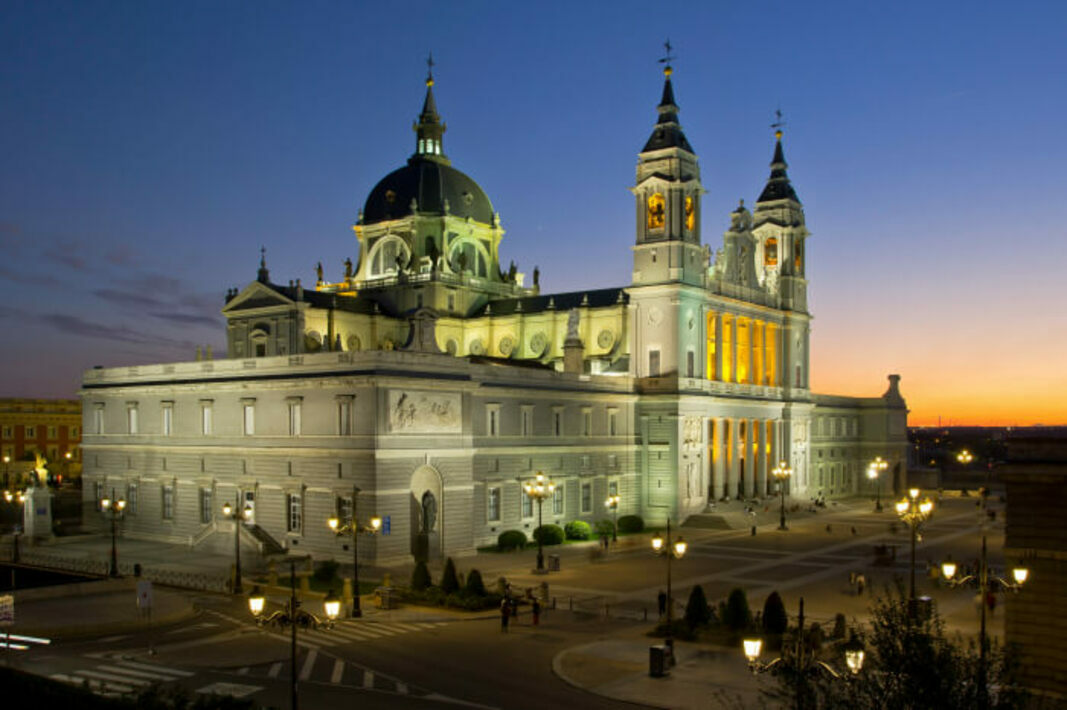
Just steps from the main routes is Madrid’s principal cathedral, Almudena. This vast church near the Royal Palace is the bishop’s seat and a pilgrimage site. Built between 1884 and 1993, it’s one of the youngest cathedrals in Spain and notable for its unusual mix of Neo-Gothic, Neo-Renaissance, and Neo-Baroque elements. The bright interior uses white stone; stained glass and murals embrace a modern — even avant-garde — style. The altar faces south, in line with Christian tradition. The name “Almudena” comes from the Arabic word for “citadel,” recalling the miraculous discovery of a hidden statue of the Virgin Mary in the old city wall.
Prado Museum
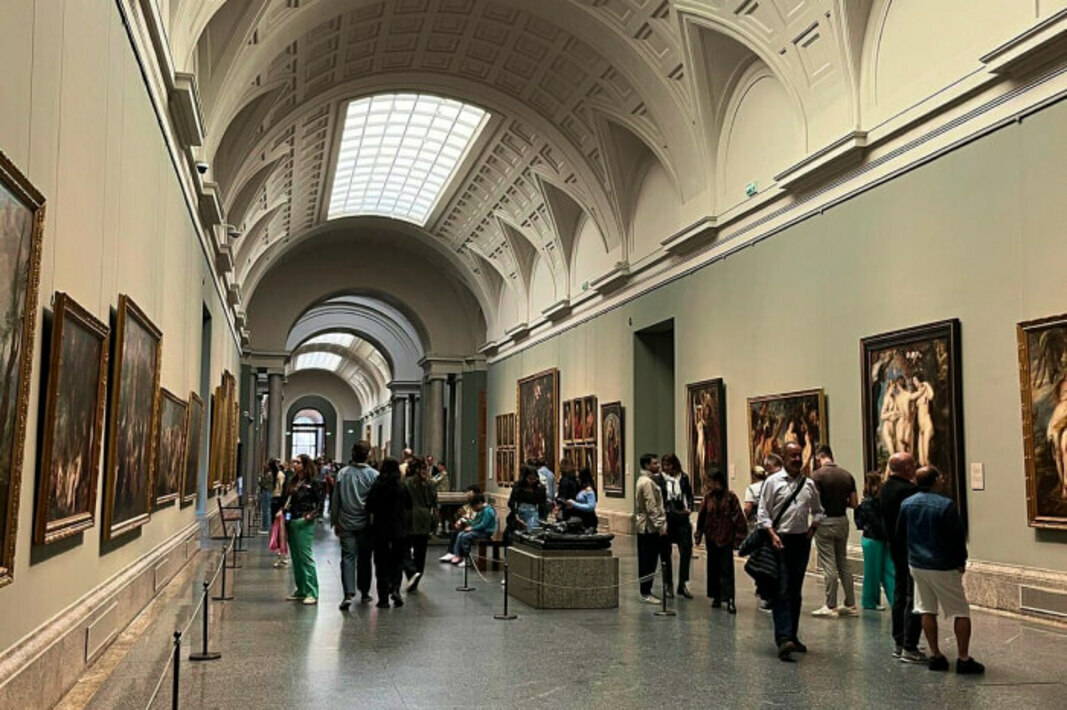
Madrid’s main museums form the “Golden Triangle of Art” along the Paseo del Prado: the Prado Museum, the Reina Sofía Museum, and the Thyssen-Bornemisza Museum — three remarkable collections of painting, sculpture, and graphics side by side. Many travelers opt for a combined ticket for good value.
The city’s most famous gallery — comparable to the Louvre or the Hermitage — came about almost by accident. In 1814, Queen Isabella, wife of Ferdinand VII, decided to remove some 3,000 paintings from palace walls (French wallpaper was in vogue), then asked the king to refurbish a building on the Prado boulevard to house them. The palace became a national museum of painting, today home to one of the world’s richest collections: masterpieces from Spain’s “Golden Age” (Velázquez, Goya, El Greco, and more) and works by European greats — Raphael’s “Madonna and Child,” Titian’s “Danaë” and “Self-Portrait,” Bosch’s “Garden of Earthly Delights,” Rubens’ “Three Graces,” plus Botticelli, Van Dyck, Bruegel, and others.
Thyssen-Bornemisza Museum
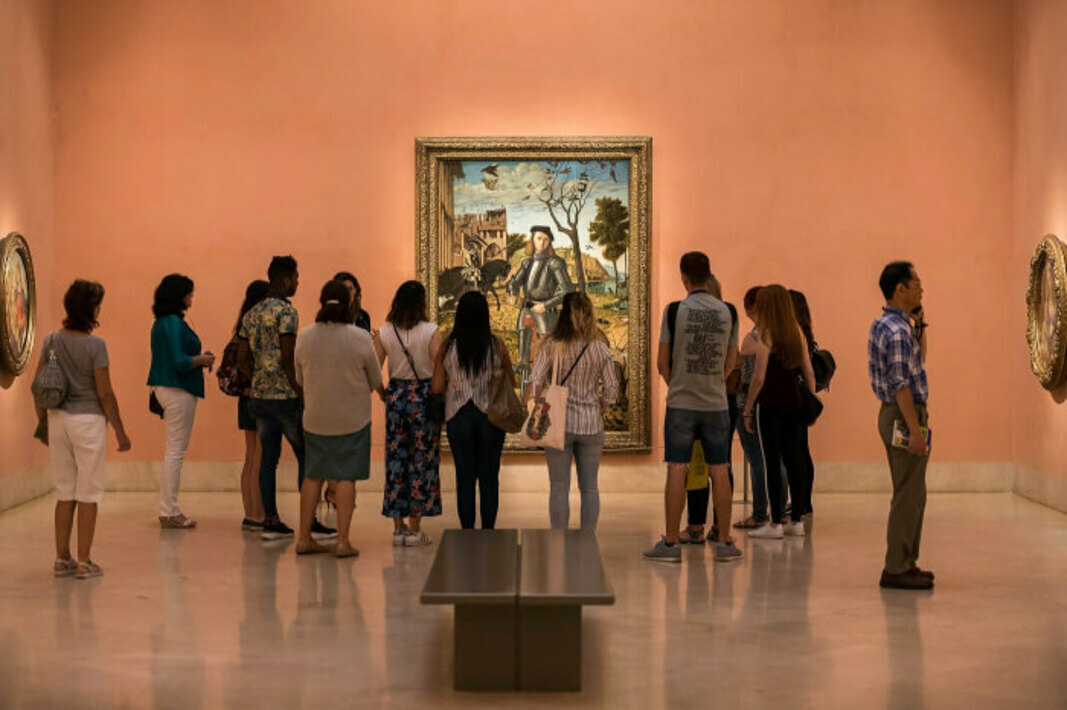
North of the Prado, in the elegant Villahermosa Palace, lies the collection of the German baron Heinrich Thyssen-Bornemisza. Acquired largely in the United States during the Great Depression, it was the world’s largest private art collection. Its fate was sealed thanks to the baron’s daughter-in-law, Carmen “Tita” Cervera, a Catalan actress and former Miss Spain. The holdings span eight centuries of European painting, including the Renaissance (Dürer, Raphael, Titian), and — unlike the Prado — feature many Impressionist and Post-Impressionist masterpieces (Monet, Renoir, Van Gogh, Picasso, Mondrian). The Spanish state purchased the core collection; it’s open to the public today.
Reina Sofía Museum
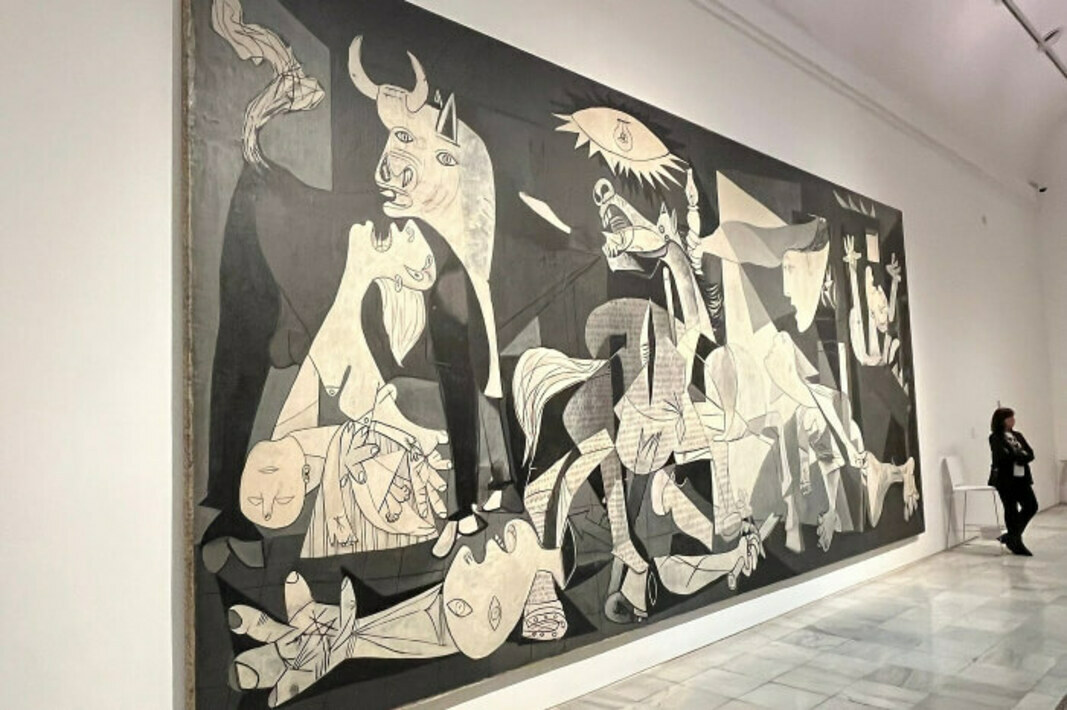
Fans of modern art shouldn’t miss Madrid’s third giant: the Reina Sofía Museum, next to the Royal Botanical Garden. Founded in 1992 within a former hospital, it’s sometimes called the city’s most “mystical” space, even though the interiors are thoroughly modern. Unlike the Prado and the Thyssen, the collection focuses on Spanish and international art from the 20th and 21st centuries — including Picasso’s “Guernica,” works by Salvador Dalí, Joan Miró, Juan Gris, Julio González, and María Blanchard; plus Kandinsky, Delaunay, and Bacon among foreign masters.
El Retiro Park
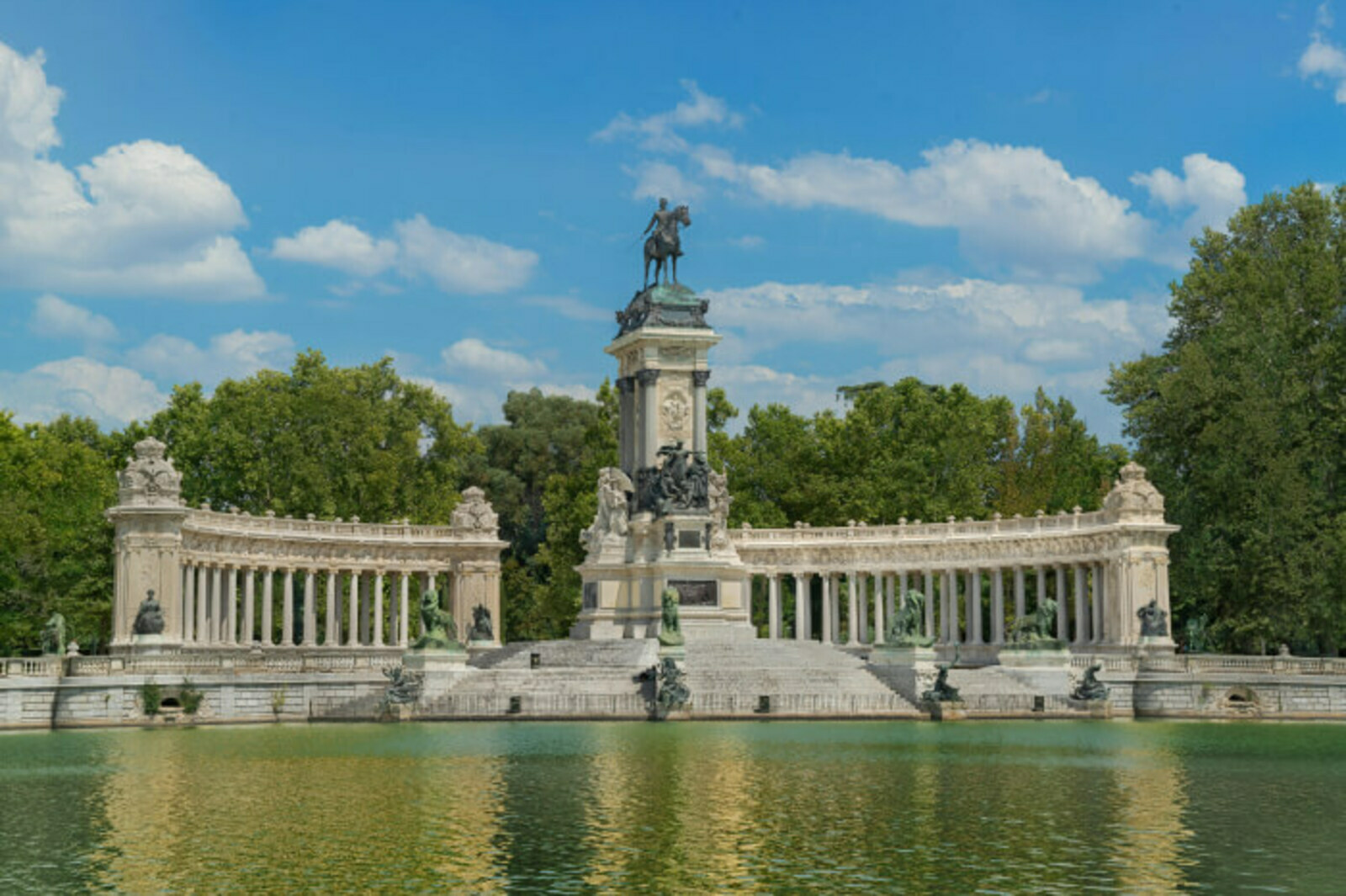
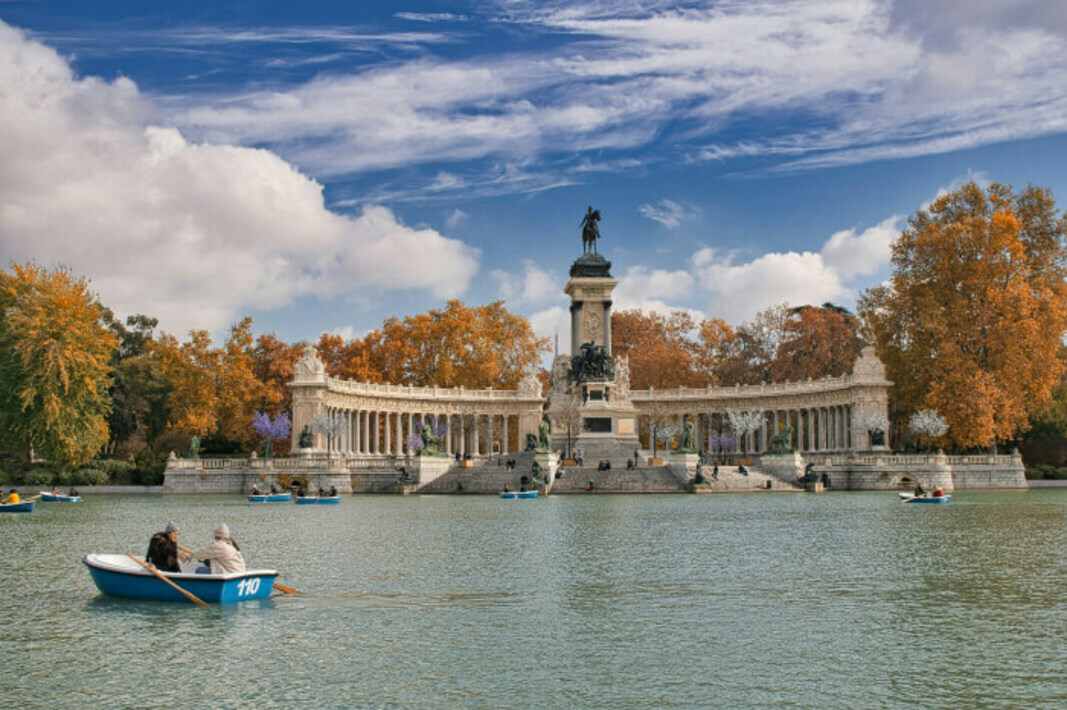
Looking for shade and calm? Since the 17th century, Spanish royals found it in El Retiro (“pleasant retreat”). Opened to the public in 1869, today it’s Madrid’s favorite green escape: a grand lake with rowboats, the monument to Alfonso XII, the glorious Crystal Palace, a formal rose garden, fountains with sculptural groups, and the much-whispered “Fallen Angel” statue (since 1885 — still the subject of dark legends).
Crystal Palace
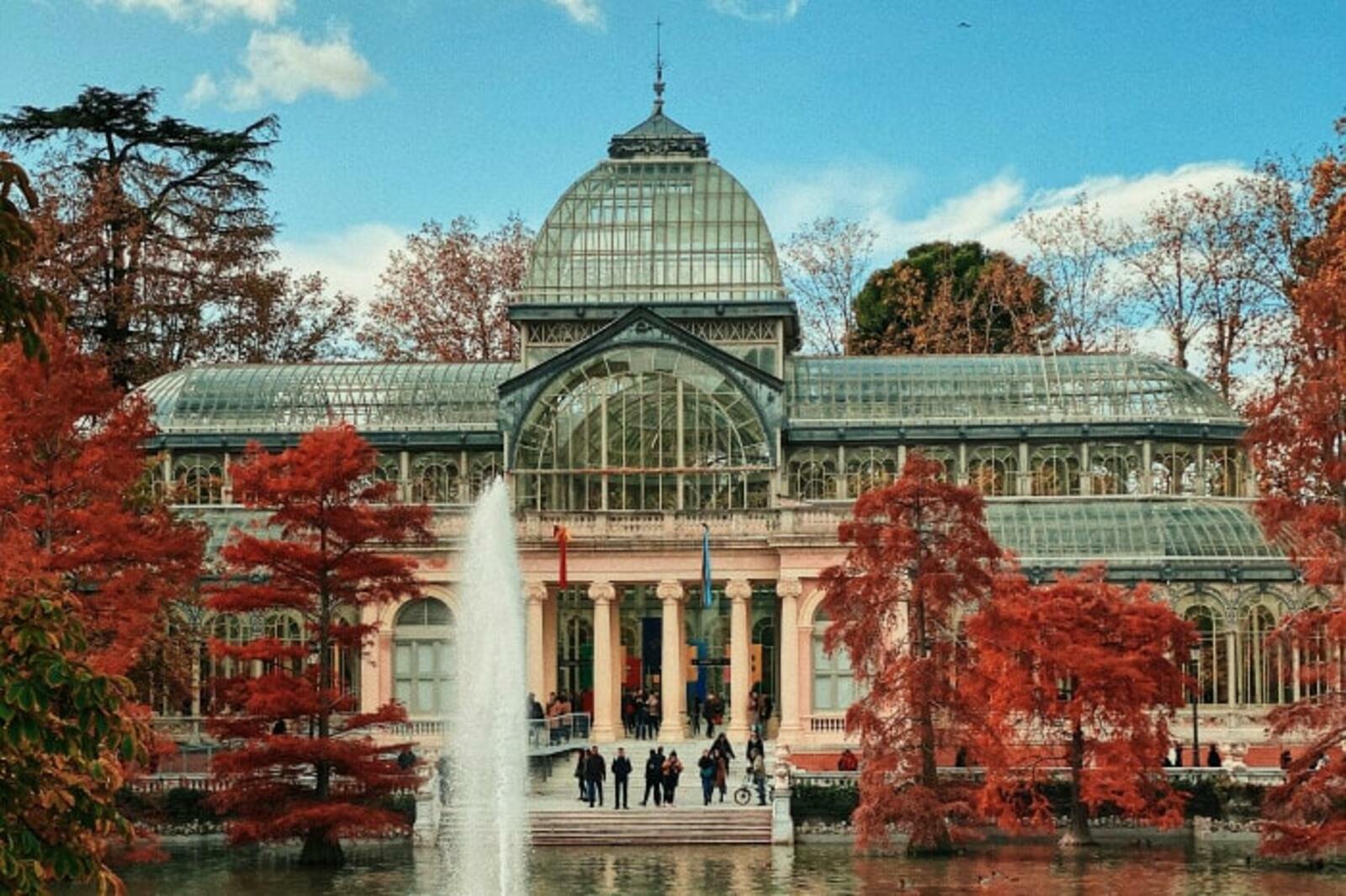
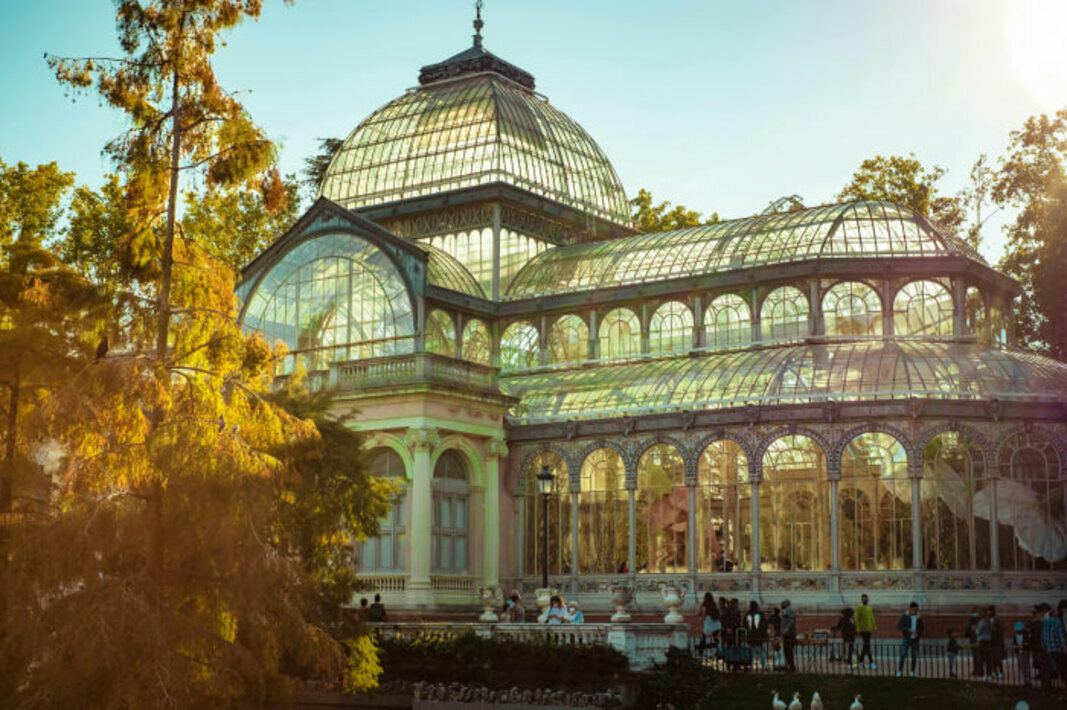
Perhaps Madrid’s most photogenic spot: a lace-like glass-and-iron pavilion in El Retiro. Built in 1887 as a greenhouse for tropical plants during an international exhibition, the Palacio de Cristal won so many hearts that it’s firmly in the city’s top sights — and a prime Instagram location.
Temple of Debod
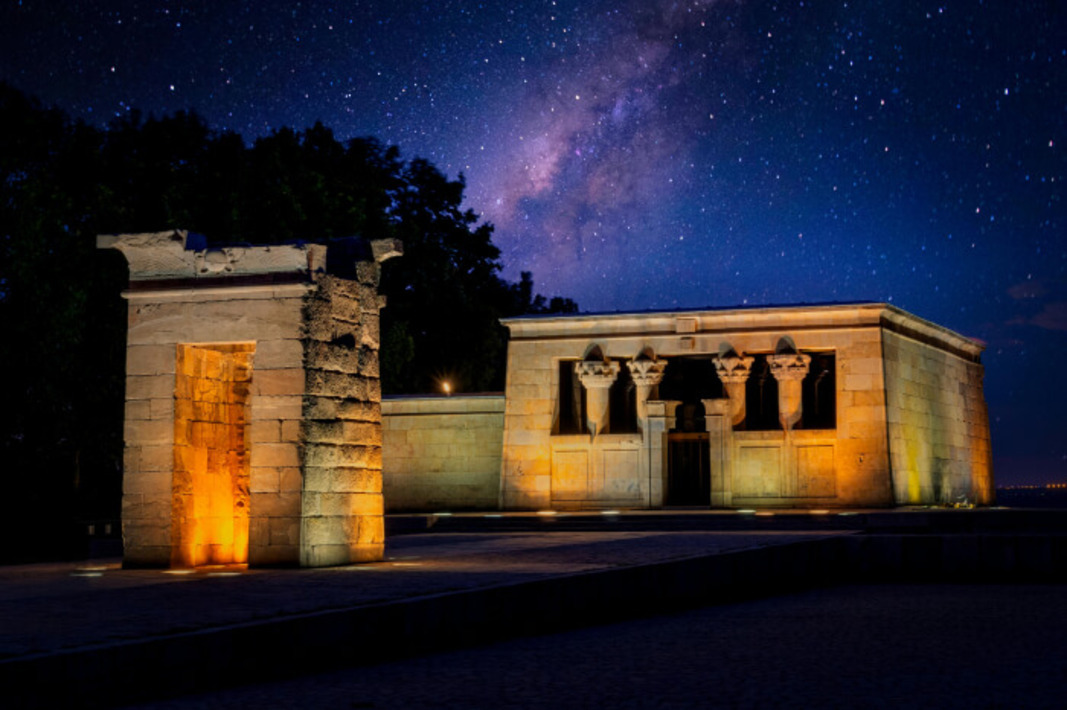
Madrid’s most exotic sight is an authentic Egyptian temple from the 4th century BC, dedicated to the goddess Isis. How did it get here? In 1968, Egypt gifted it to Spain in gratitude for helping save heritage threatened by the Aswan Dam. Reassembled in Madrid’s West Park, it’s especially magical at sunset.
Mercado de San Miguel
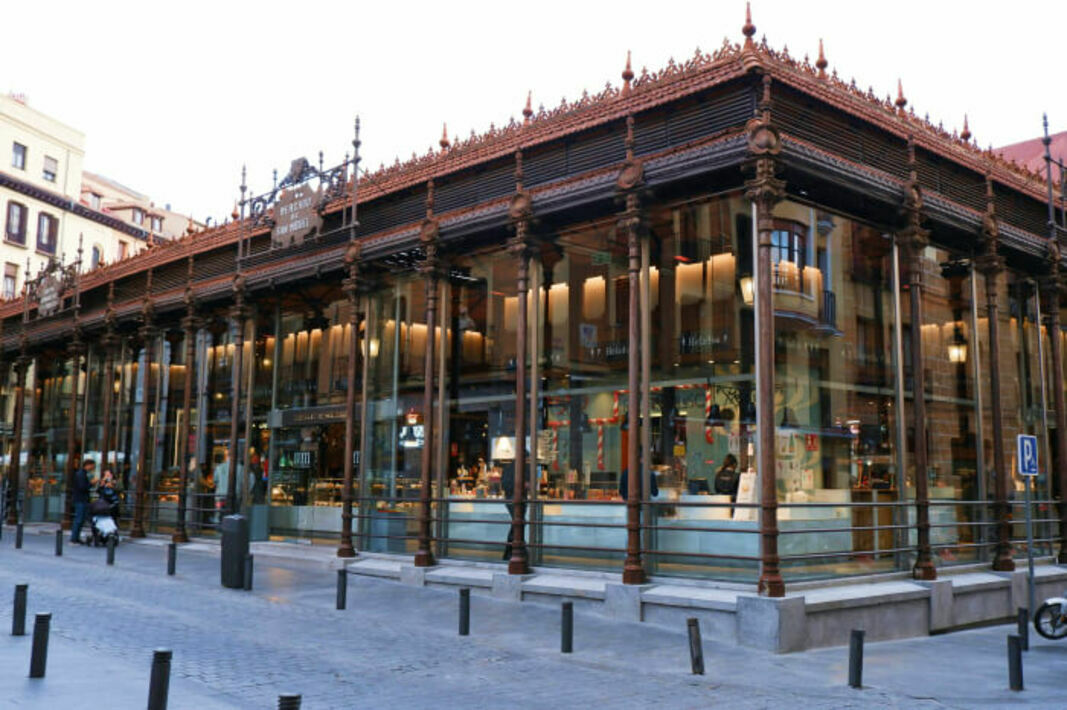
Hungry? Madrid’s street-food culture shines at Mercado de San Miguel — the epicenter of Spanish delicacies and fresh produce. Snack the local way with tapas — small toasts with varied toppings (jamón, salami, sheep’s cheese, dried fish, calamari, etc.). A single tapa often costs €1–2; a larger plate €10–12. Locals also love potato dishes, tortilla, chorizo and fuet, roast pork, seafood (shrimp, squid, octopus), olives and peppers, soups and desserts (don’t miss churros with hot chocolate). Souvenir shopping? Jamón, chorizo, olives and spices, cheeses, and local drinks (Rioja reds, cider, dark vermouth, anise liqueur).
Gran Vía
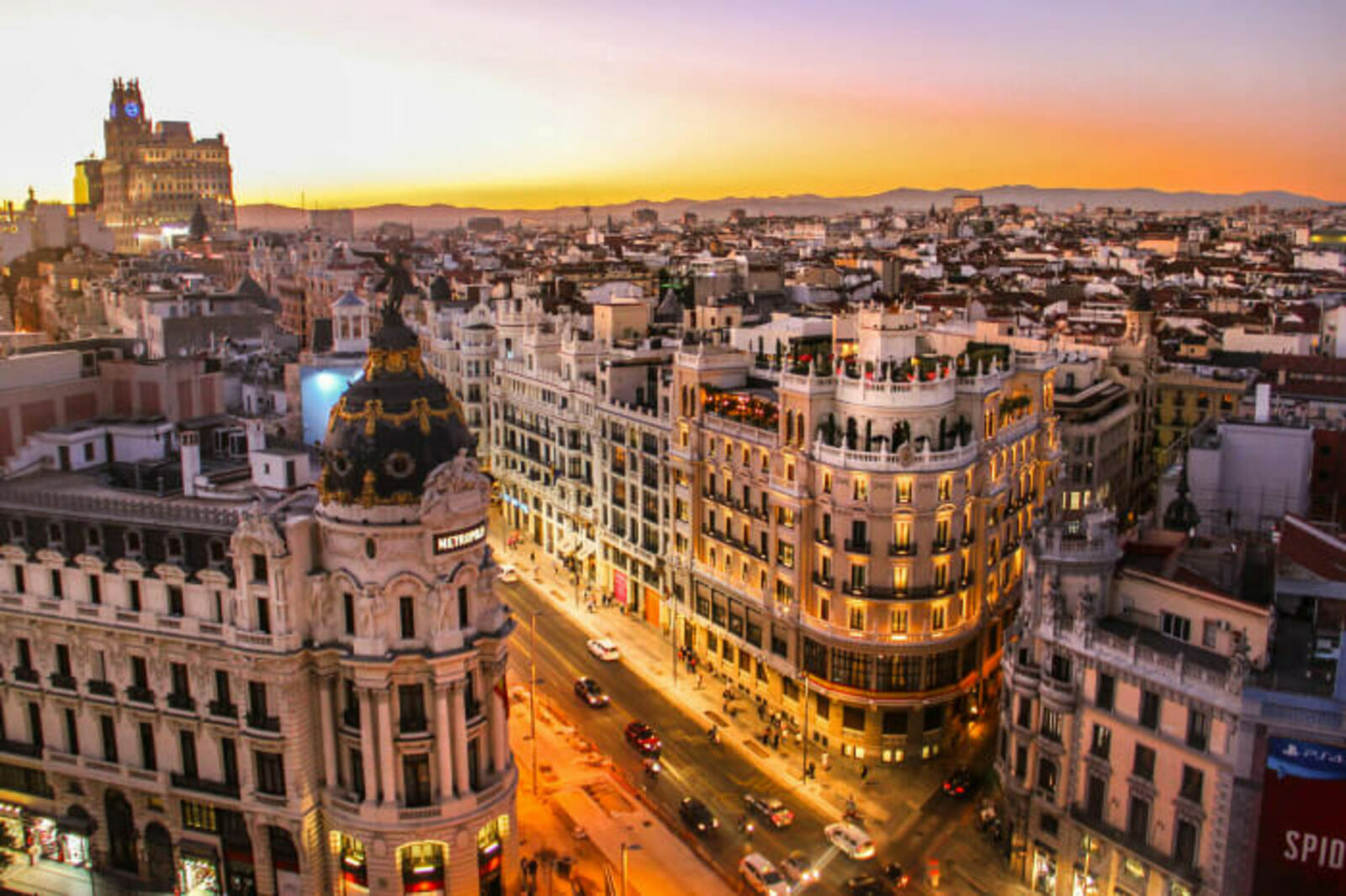
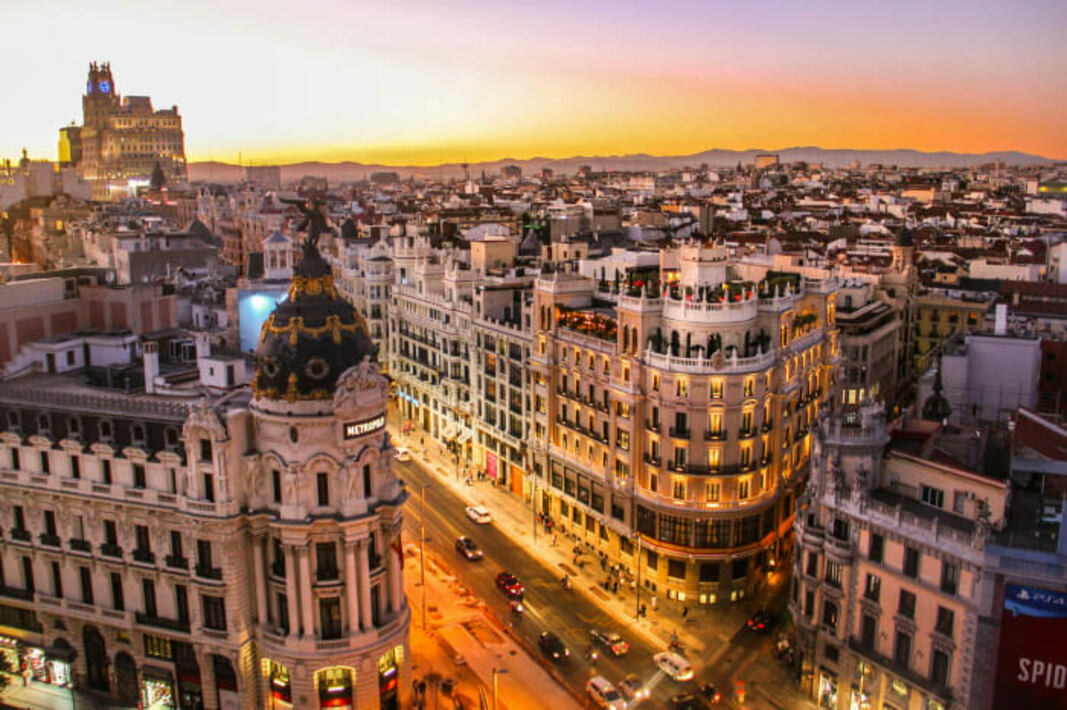
Shopping is a Madrid specialty. The city’s fashion artery is Gran Vía — its busiest boulevard, laid out in the early 20th century. Expect flagship stores of Mango, Zara, H&M, Primark, Nike, and luxury boutiques like Chanel, Louis Vuitton, and Cartier. Department stores (El Corte Inglés, etc.) sell everything from clothing and accessories to cosmetics and electronics. Architecture ranges from Art Nouveau to Art Deco, giving the street special charm. Don’t miss the iconic Metropolis building with its domed roof and the Telefónica tower — among Europe’s first skyscrapers.
Football clubs & Santiago Bernabéu Stadium
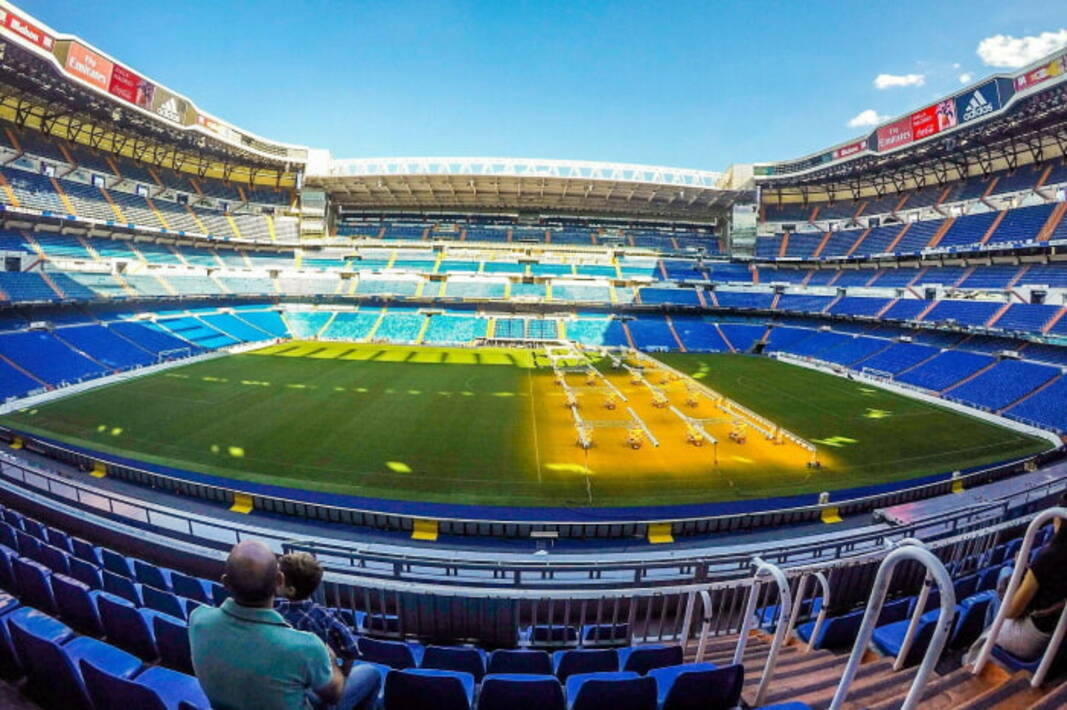
Football pilgrims to Madrid — home of Real Madrid and Atlético — have their own must-see spots: the Santiago Bernabéu stadium and two central fountains.
Real Madrid fans flock to Cibeles Square, drawn not just by the beautiful Communications Palace but by the fountain of the goddess Cybele — considered the club’s protector. Victories are celebrated here with flags, scarves, fireworks, and bubbly. Atlético fans rally at the nearby Neptune fountain. With such “patrons,” Madrid derbies are called “battles of the gods.”
Stadium tours often feature in city itineraries — the Bernabéu is where Real trains and plays. Tickets for the tour and museum can be bought here.
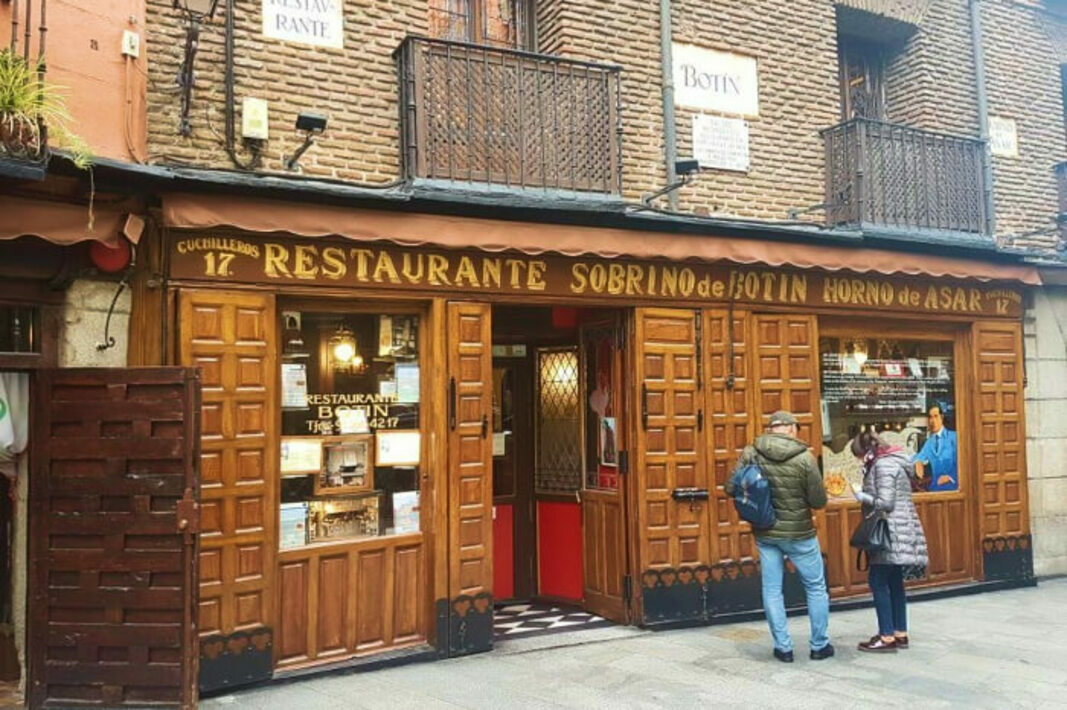
“Sobrino de Botín” restaurant
No Madrid overview is complete without this gastronomic legend: the world’s oldest restaurant still in operation (since 1725). Listed by Guinness World Records, Botín preserves original recipes and roasts suckling pig in a wood-fired oven that’s been burning since 1868. A young Francisco Goya worked here while awaiting entry to the Royal Academy, and the restaurant appears in novels by Hemingway, Graham Greene, Frederick Forsyth, and more. Centuries pass, but the sign at 17 Calle de los Cuchilleros still recalls French chef Jean Botín and his nephew (“sobrino”), who inherited the business.
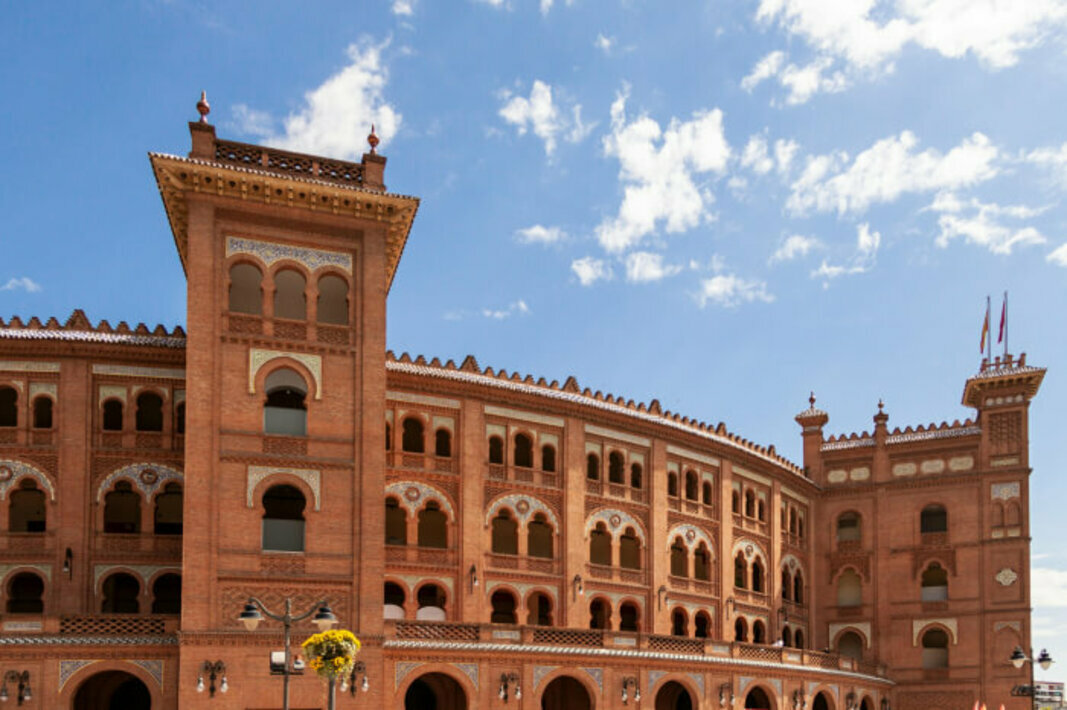
Las Ventas bullring
Madrid’s legendary bullfighting venues include Plaza Mayor (which hosted corridas in the 16th–17th centuries) and the open-air Las Ventas arena (1929), built during the art’s peak popularity. The building’s Neo-Moorish style is typical of Spanish provinces and is an architectural attraction in its own right. Capacity exceeds 23,000; bullfights run March–October, with concerts and festivals the rest of the year.
Best ways to get around Madrid
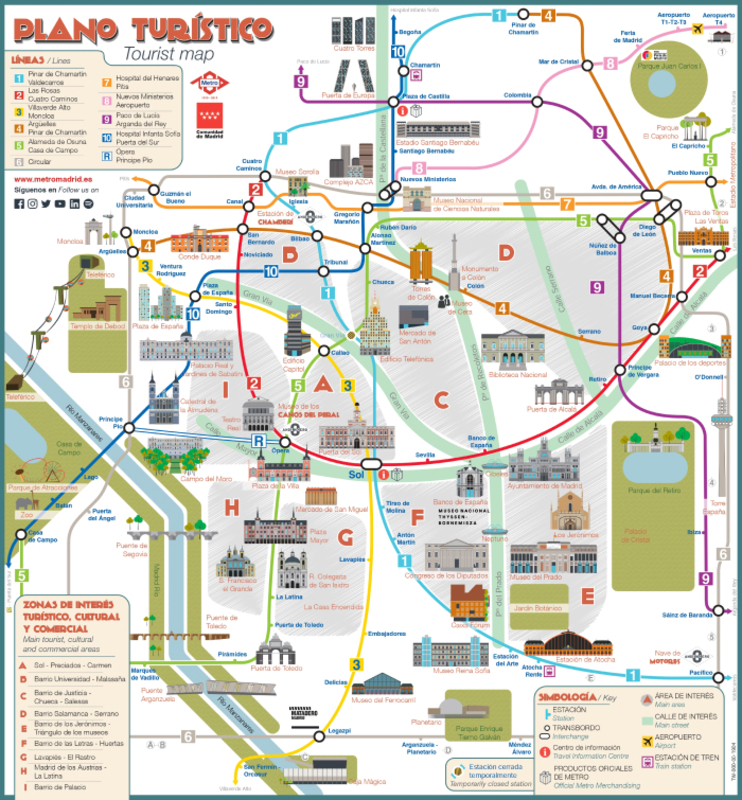
Madrid’s transport is traveler-friendly: a clean, safe metro, light rail, buses, commuter trains, and even a cable car (plus taxis and rentals down to bicycles). The “CRTM” mobile app helps plan routes, estimate travel times, and check your balance on the rechargeable multi-transport card (buy once and top up). More on modes, cards, prices, and payment on this site.
Metro hours: 06:05–02:00. The network is extensive and reaches all major sights. To plan your ride, check the official metro website and the tourist metro map with key locations marked.
What to see in Madrid in one day
If you have just one day, start at Puerta del Sol: snap photos at the “Bear and Strawberry Tree” and “Kilometer Zero,” then walk to Plaza Mayor. When hunger strikes, go for tapas at Mercado de San Miguel. Continue to Plaza de la Villa, Almudena Cathedral, the Royal Palace, and Plaza de Oriente. For breathers, use the shaded parks and alleys; in the evening, book dinner or a fiery flamenco show at a central tablao.
City Break in Madrid: 2–3 days
With a couple of free days, follow your heart: museums and cathedrals for some, a Bernabéu tour or a bullfight for others. To get a full picture, visit the magical spots above, sample local dishes, row a boat in royal El Retiro, and treat yourself to shopping along Gran Vía.
Best time to visit Madrid
Excursion prices in Madrid vary by season: summers are hot, winters are cold and sometimes snowy. The best months for sightseeing are spring and autumn. For sales and seasonal discounts, look for the biggest drops from January 1–March 30 and July 1–August 30.
Madrid is a city that wins you over at first glance — every corner breathes history, while grand palaces, cozy parks, and lively streets leave lasting impressions. Plan ahead: around 7 million tourists visit annually, so last-minute hotel bookings can be tricky. Reserve accommodation and museum tickets early. Madrid awaits — ready to gift you bright, sunny, unforgettable memories!
Ready to explore Madrid? Book your tour now and enjoy unforgettable excursions across the capital’s most charming sights!