 Enter
Enter




Prague: charming, mysterious, and irresistibly photogenic
Districts, top-15 sights, 1–2 day plans, and practical tips — all in one guide.
Prague – charming and mysterious, fabulous and inspiring – attracts over four million visitors each year, with a rich history and unique medieval colors. Every street keeps moving secrets ready to reveal themselves to the curious traveler.
Prague: urban districts at a glance
The capital of Czechia — Prague — is divided into districts numbered 1–22 from the center outward. District 1 is the city’s heart with high-end hotels and iconic historic spots that deserve first-time priority. Here’s the 2024 visitor-vetted Top-15 list.
(*Most attractions sit within Praha 1 and Praha 2.) Districts 2 and 3 offer budget-friendlier stays near the center; youthful Žižkov (Praha 3) concentrates lively evening venues. For a quiet, affordable base choose Praha 4 or Holešovice (Praha 7). Praha 8 also delivers strong impressions — just pick your hotel and plan a can’t-miss Prague sightseeing tour.
Top 15 Things to See in Prague
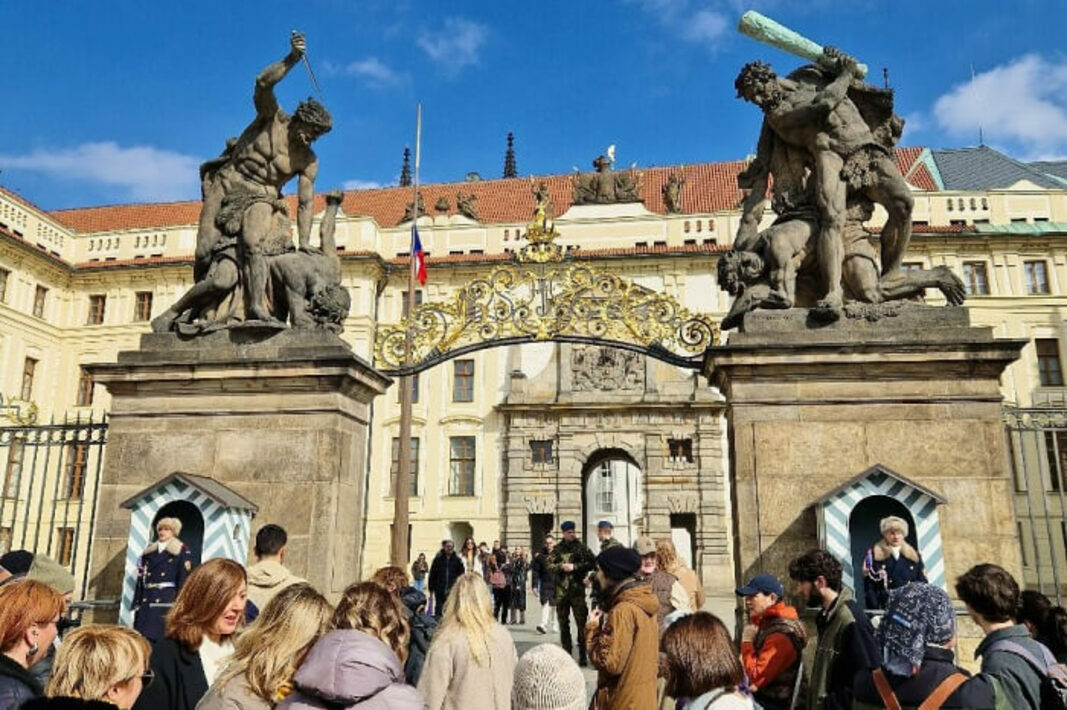
Prague Castle
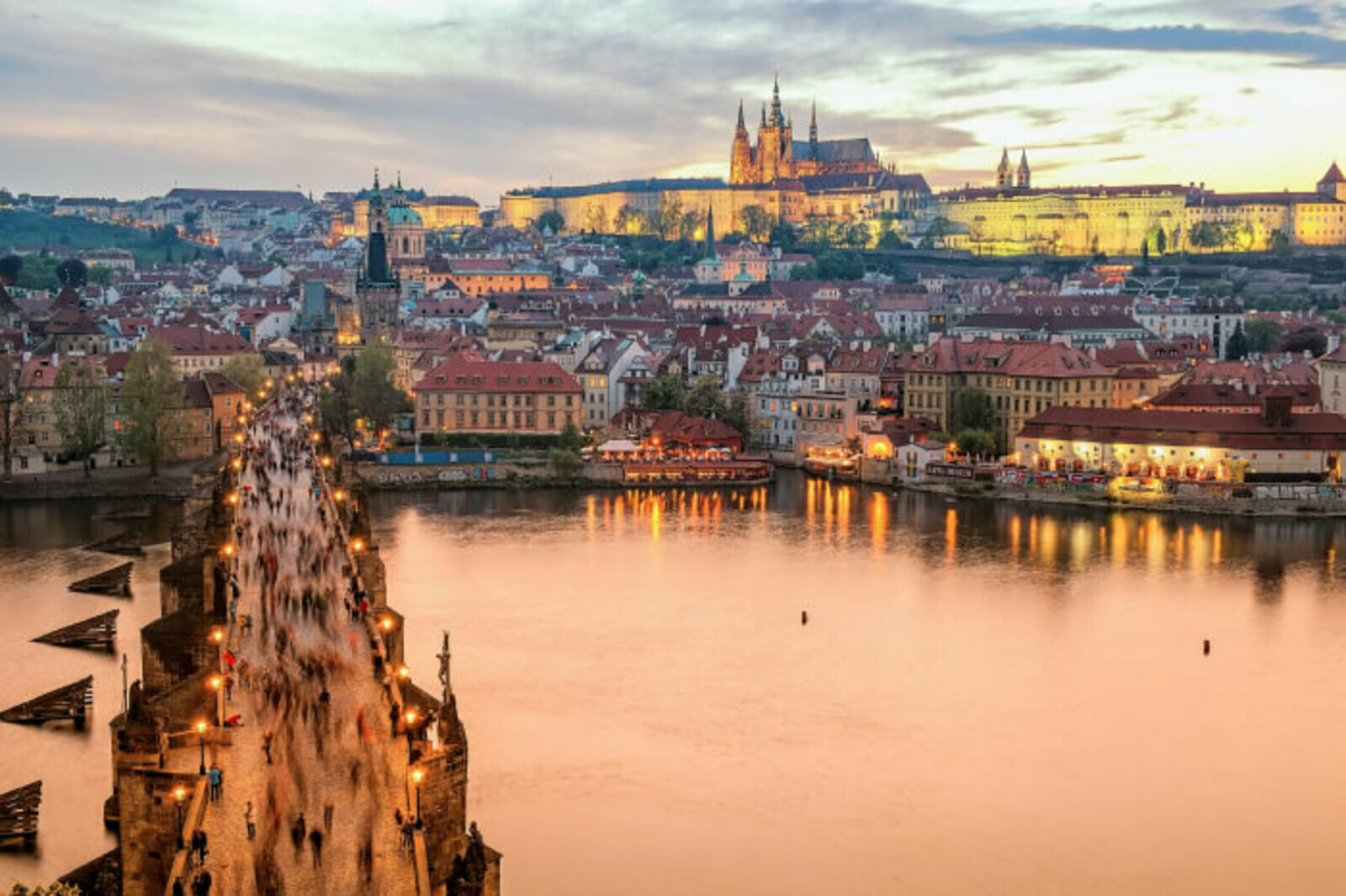
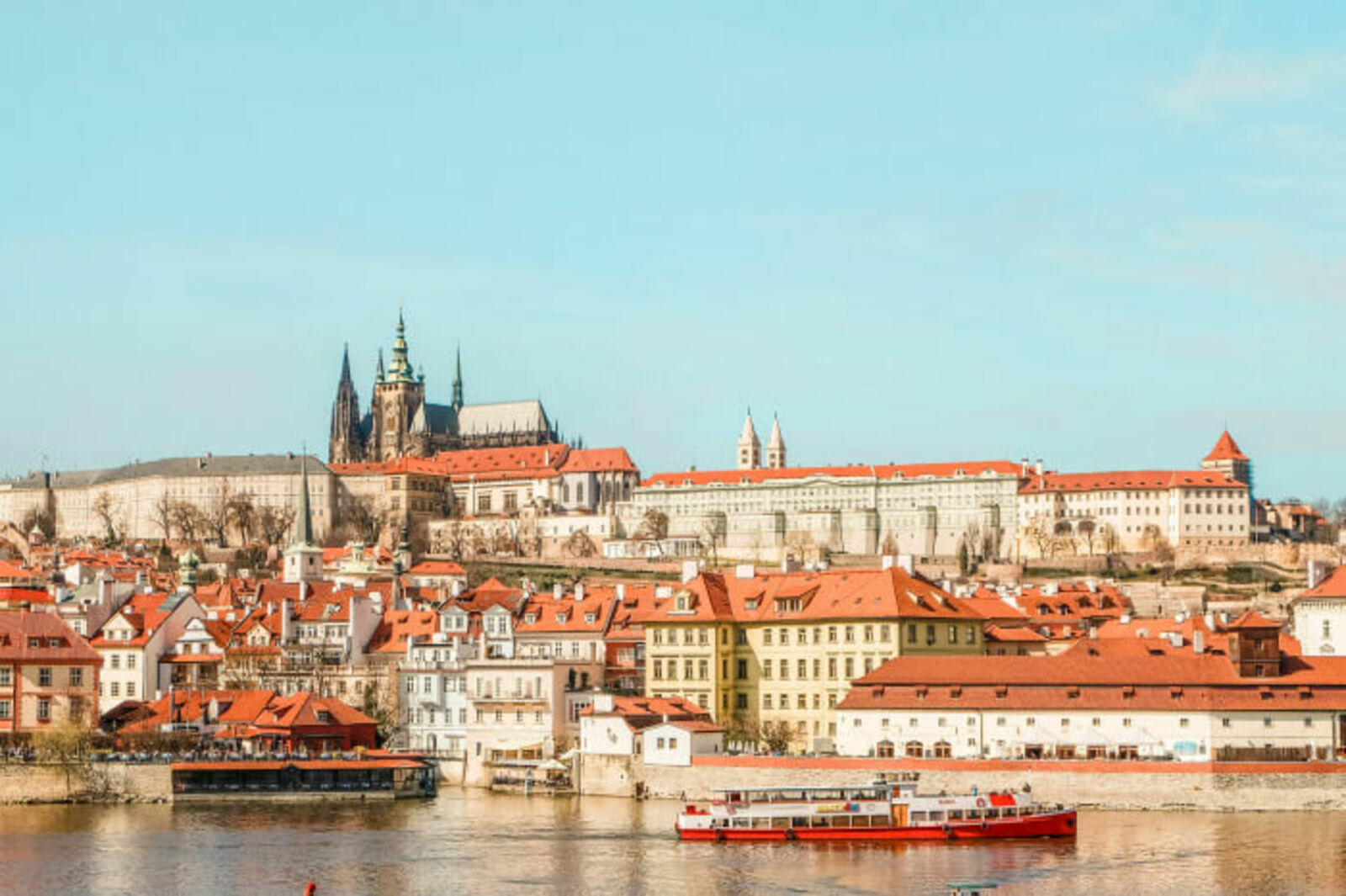
Prague Castle is a vast complex founded in the 9th century on the Vltava’s left bank, once the seat of Bohemian kings. Multiple historic buildings span Romanesque and Gothic styles with later Baroque and Classicist additions. The noon Changing of the Guard is a photo magnet. The ensemble’s centerpiece is the medieval St. Vitus Cathedral. You’ll also find the Old Royal Palace, Vladislav Hall, Queen Anne’s Summer Palace, museums, galleries, and parks. Today it houses the President of Czechia, making it the world’s largest inhabited castle (~7 ha). Grounds are free; some interiors require tickets (buy online).
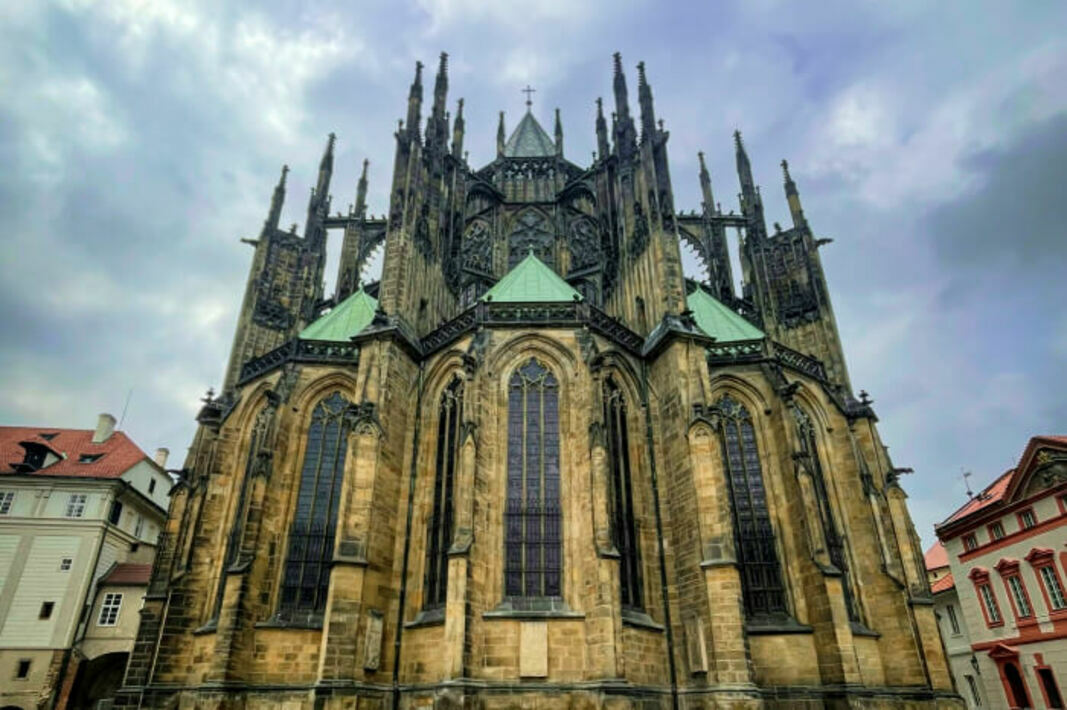
St. Vitus Cathedral
A Gothic masterpiece within the Castle complex. Construction began in the 10th century and concluded across the 14th–16th centuries, evolving from a Romanesque basilica. It hosted royal coronations and burials of kings, bishops, and cardinals. Expect soaring rib vaults (central nave ~33 m) and warm stained-glass light, plus the “Last Judgment” mosaic and the chapels of St. Wenceslas, Schwarzenberg, and St. Agnes.
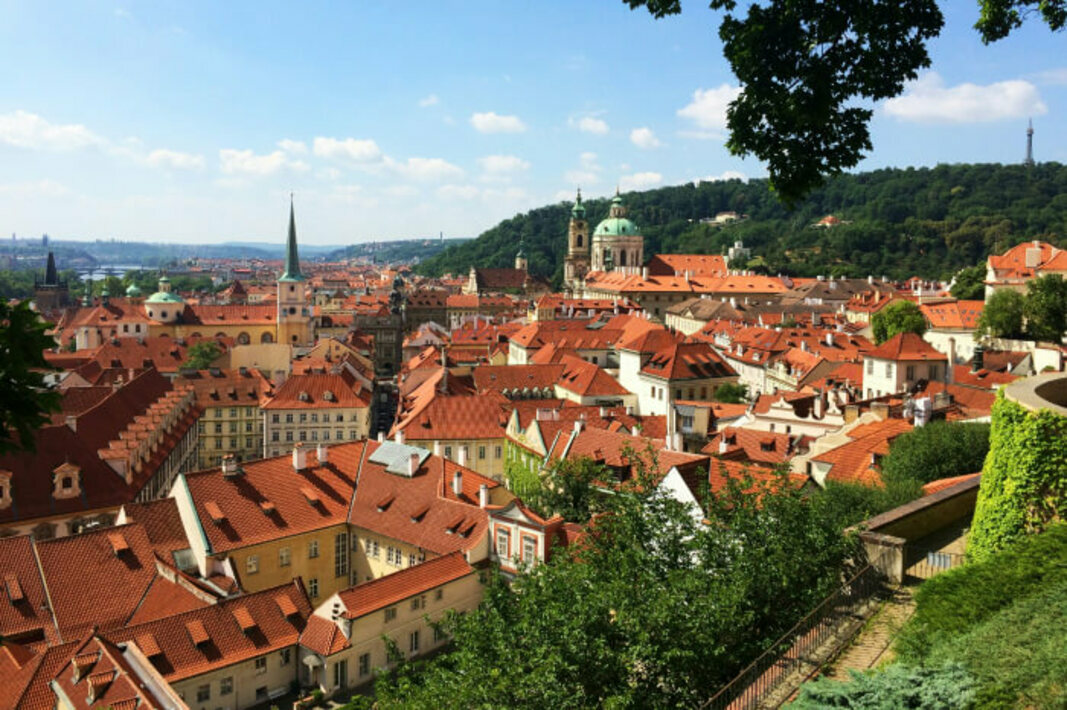
Old Town
An open-air museum on the Vltava’s right bank. Growing from 8th-century settlements, it became a major trading hub linking Western and Eastern Europe. Highlights: Old Town Square, Town Hall with the Astronomical Clock, Charles Bridge, Powder Tower (start of the “Royal Route”), Josefov (Europe’s oldest synagogue and historic Jewish cemetery), and Rudolfinum (concert halls and gallery).
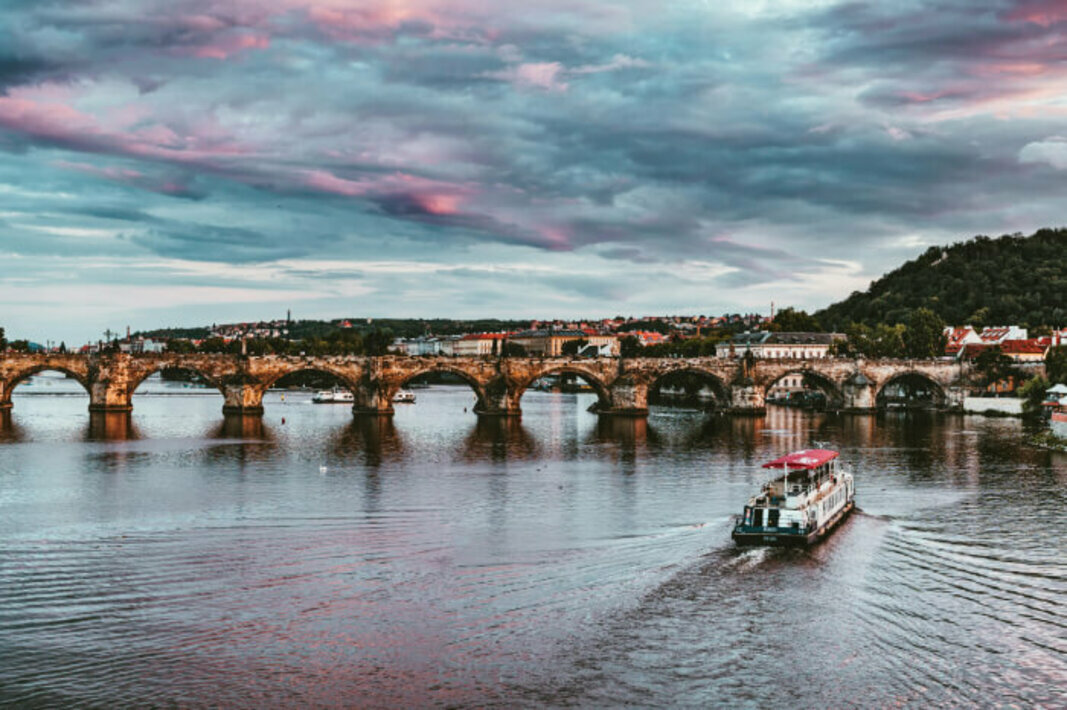
Charles Bridge
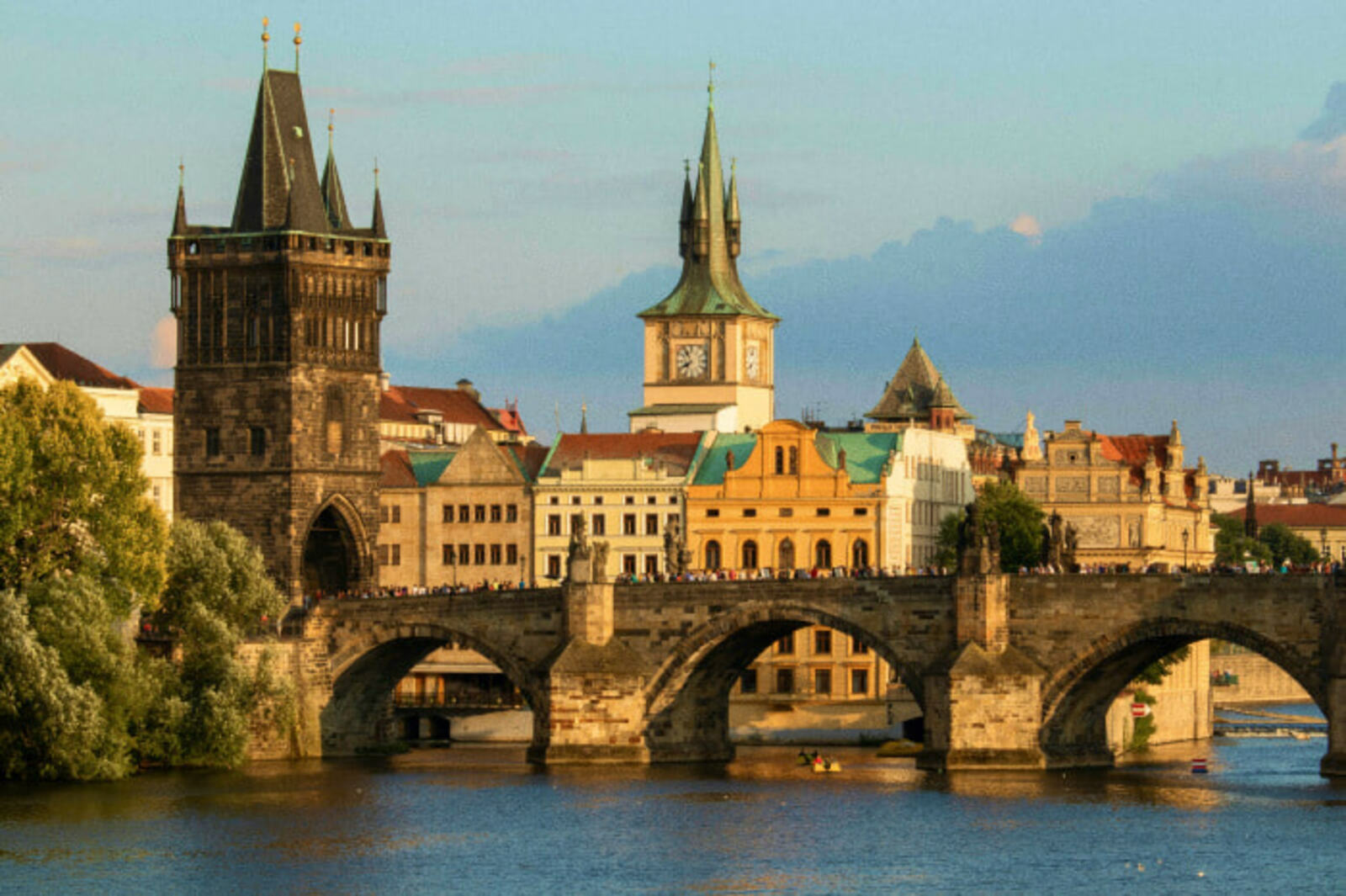
The city’s oldest bridge links Old Town with Malá Strana. Commissioned in the 14th century by Charles IV, it’s adorned with 30 Baroque statues (mostly saints) and three fairy-tale-like towers. Buskers and painters amplify the magic — arrive early for crowd-free photos.
Old Town Square
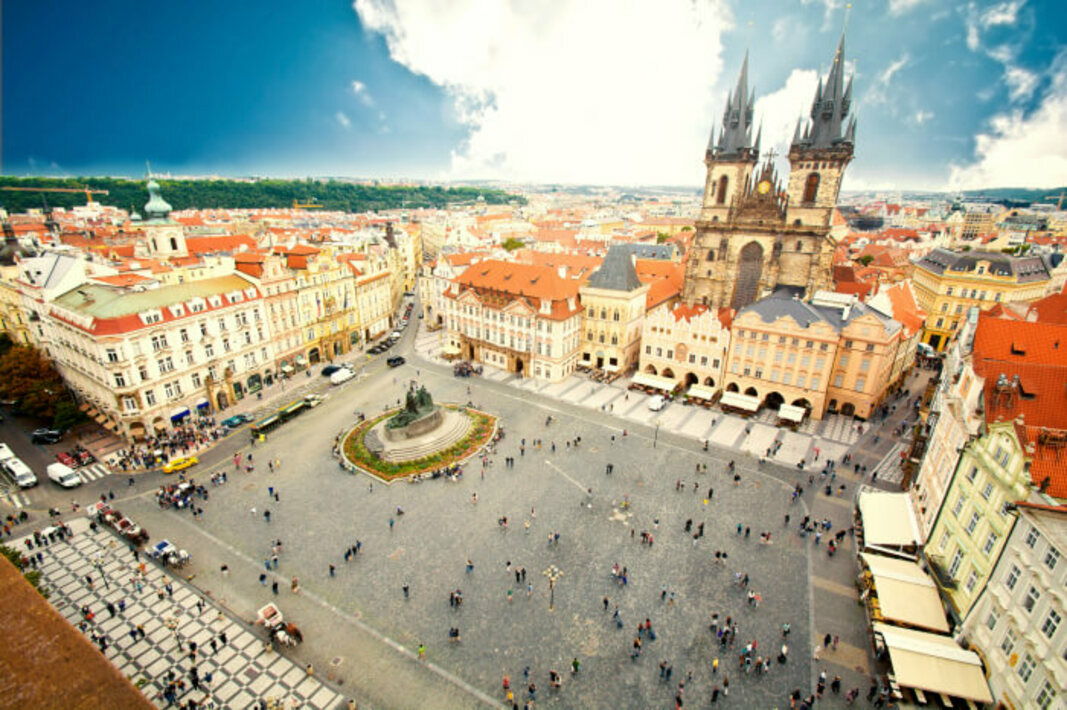
The historic stage for markets and public events — today home to Prague’s beloved Christmas fair. Architectural variety stuns: Gothic, Baroque, and Renaissance. Landmarks include the Town Hall with the Astronomical Clock, the Týn Church, and St. Nicholas Church. Jan Hus stands proud at the center.
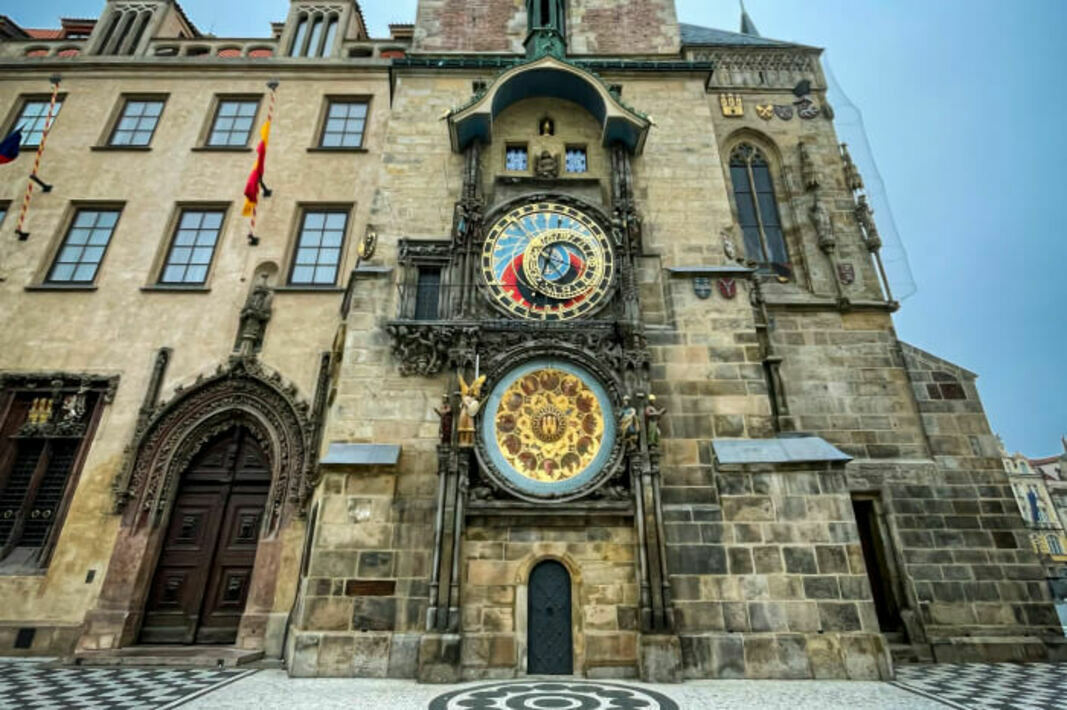
Astronomical Clock (Orloj)
Installed in 1410, this intricate marvel ranks among the world’s oldest operating clocks. The astronomical dial tracks time, Sun and Moon positions, and sunrise/sunset; the calendar disc shows months and zodiac signs. Hourly from roughly 09:00–23:00, apostles appear, while animated figures — Death, the Turk, the Miser, and Vanity — play their roles before a rooster’s finale. Our Prague tours time your visit for the show.
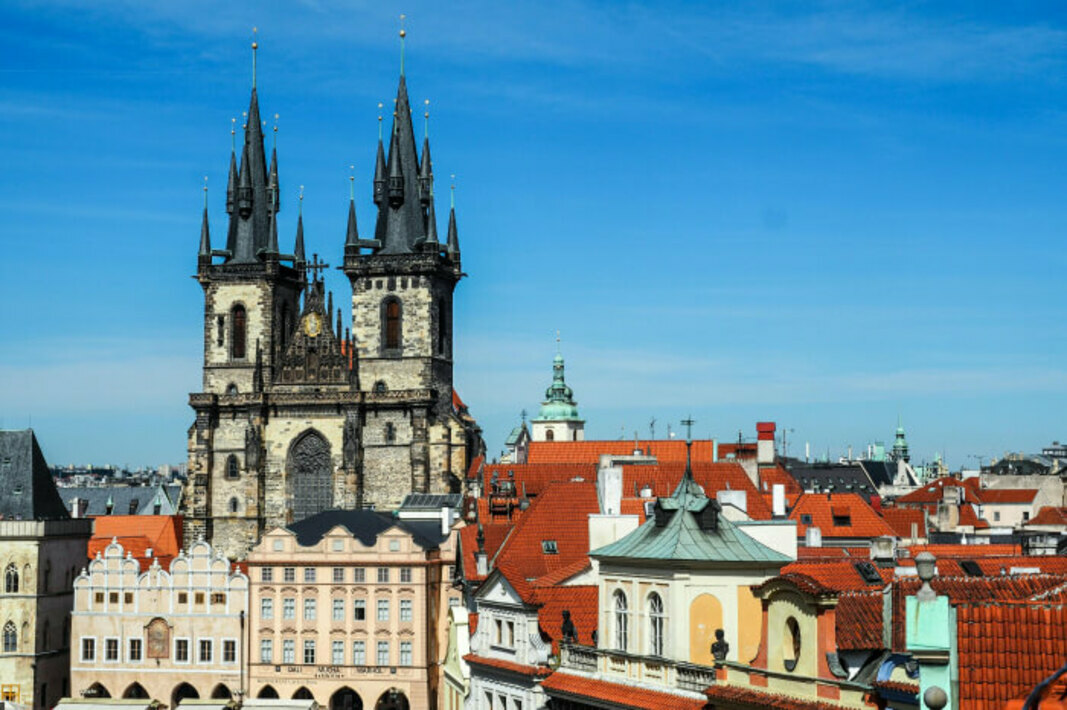
Church of Our Lady before Týn
A postcard icon with asymmetric “black” spires (14th–16th c.), mixing Gothic with Romanesque roots and Baroque details within. The famed 17th-century astronomer Tycho Brahe — a Protestant — is buried here in a Catholic church.
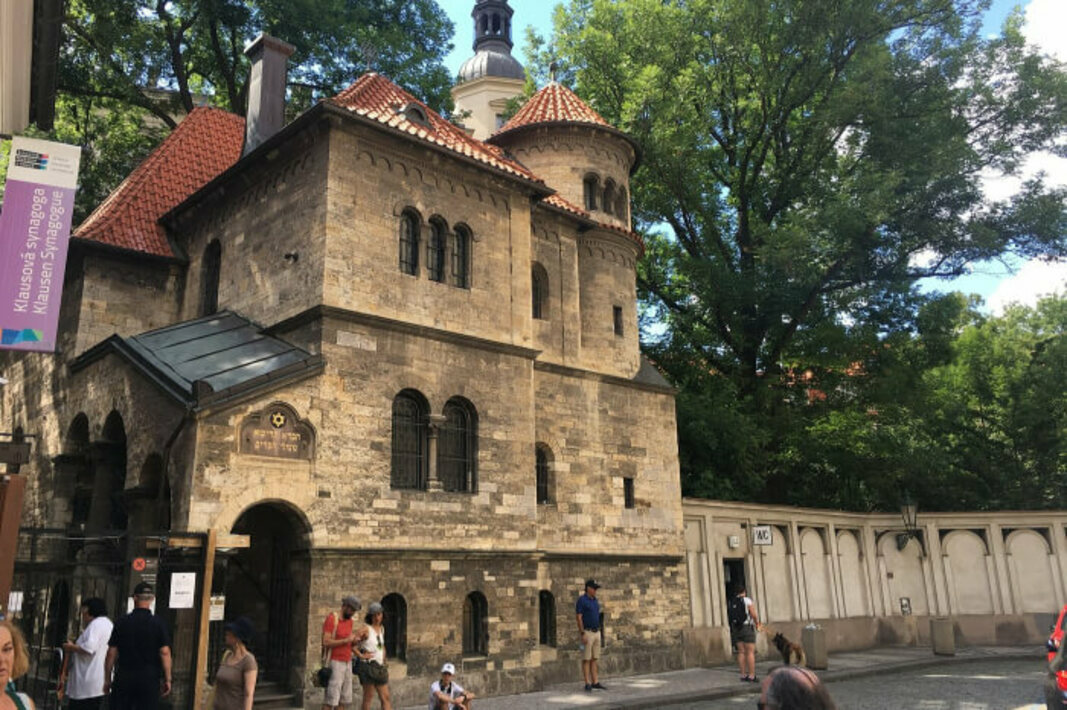
Jewish Quarter (Josefov)
A district of poignant history between the Vltava and Old Town Square — traces of the former ghetto, legends of the Golem, and the reforms of Emperor Joseph II (1850) that improved Jewish life. Around 1900, parts were rebuilt, but synagogues and cemeteries remain. Under Nazi occupation, cultural artifacts were stored here. Expect a powerful, “mystical” atmosphere.
Wenceslas Square
A 750-m boulevard crowned by the statue of St. Wenceslas and the National Museum. Once a horse market, it became a focal point of political life (including the Prague Spring of 1968). Today it’s a lively axis of shops, banks, hotels, restaurants, and public celebrations.
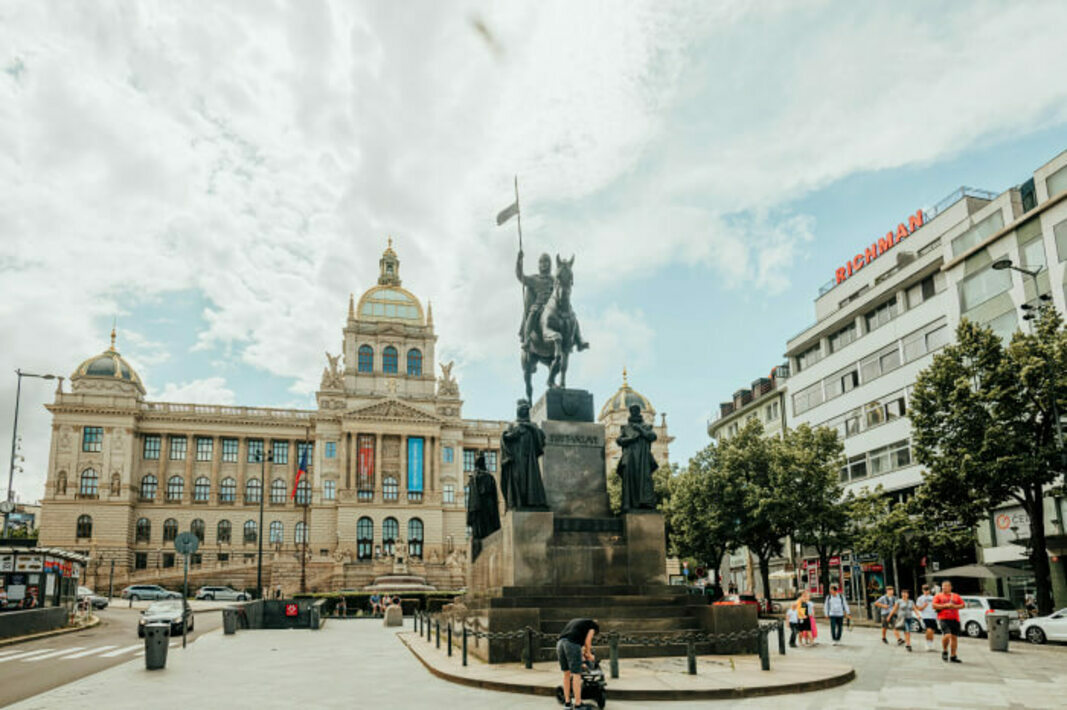
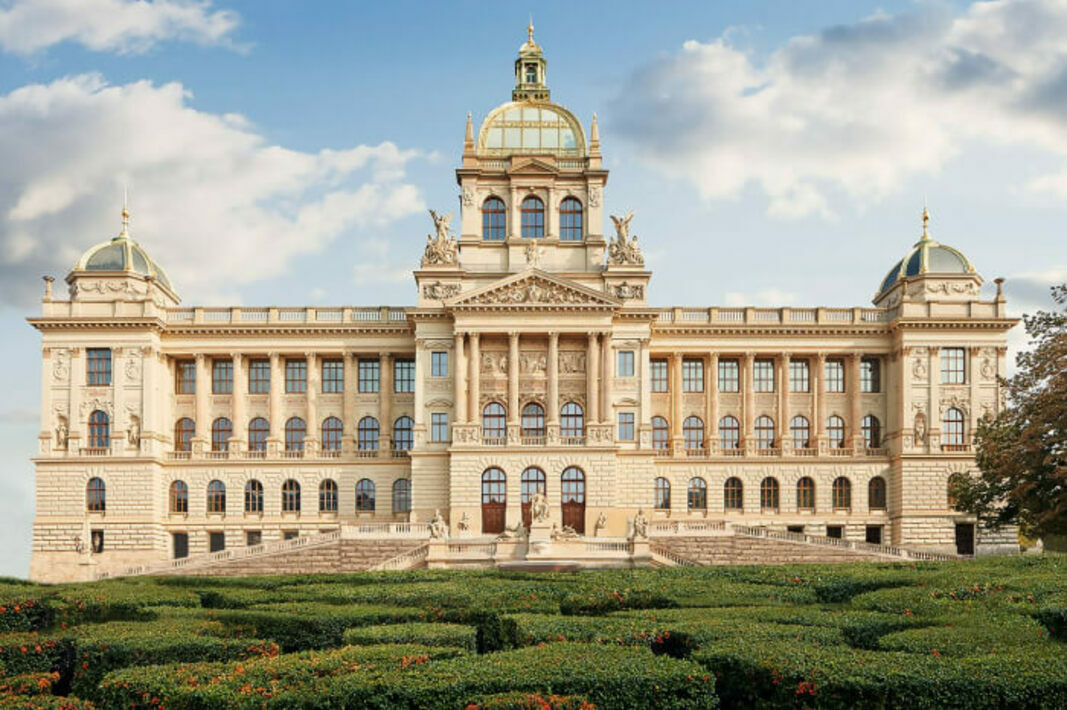
National Museum
A grand Neo-Renaissance palace presenting Czech history, nature, and art: archaeology, coins, botany, zoology, mineralogy, paleontology, painting, sculpture, and graphics, plus a pantheon of notable Czech figures.
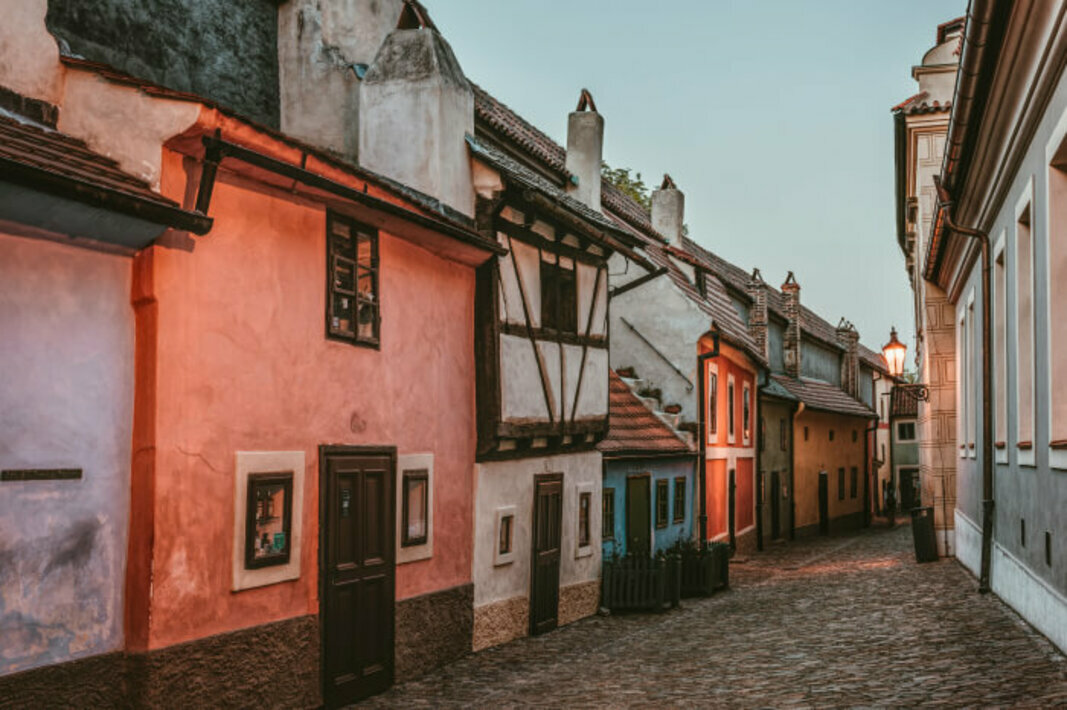
Golden Lane
An atmospheric alley in the Castle complex, famous for tiny colorful houses (Franz Kafka lived in one). Originally guards’ lodgings, later a haven for jewelers and craftsmen. Today it’s a delightful stroll, with interiors open to visitors and plenty of souvenirs.
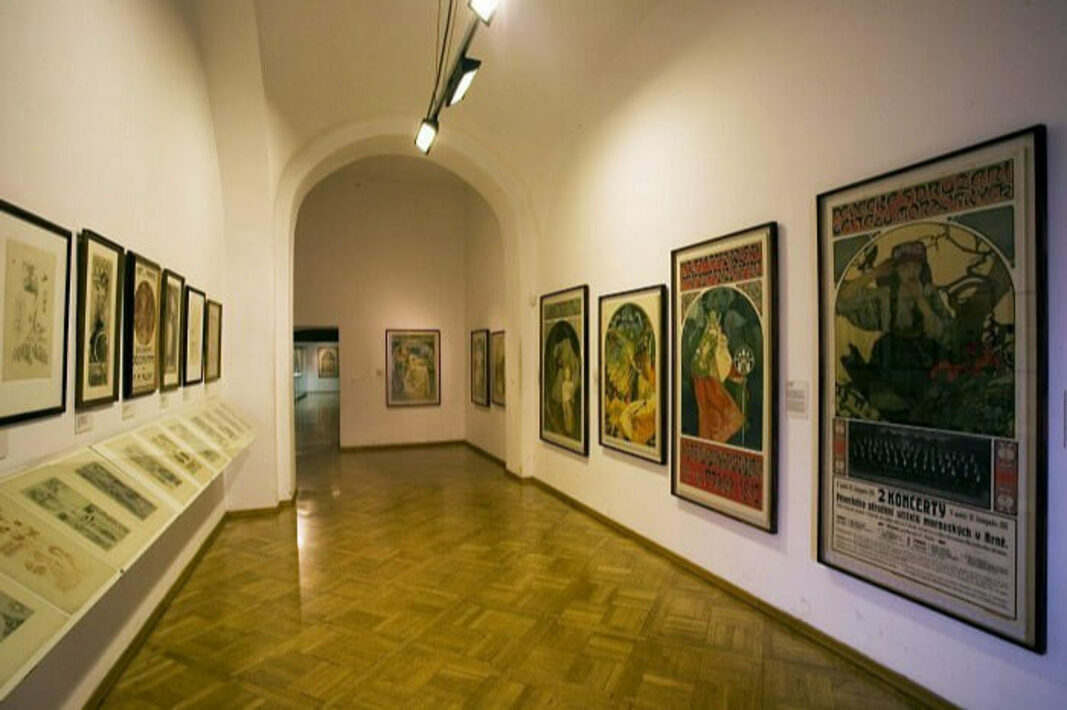
Mucha Museum
A must for Art Nouveau lovers on Panská 7. Opened by the artist’s heirs in 1998, it spans Mucha’s life and work — from decorative painting to theatre posters — plus influences, studio reconstructions, and the feel of early-20th-century Prague.
David Černý’s Installations
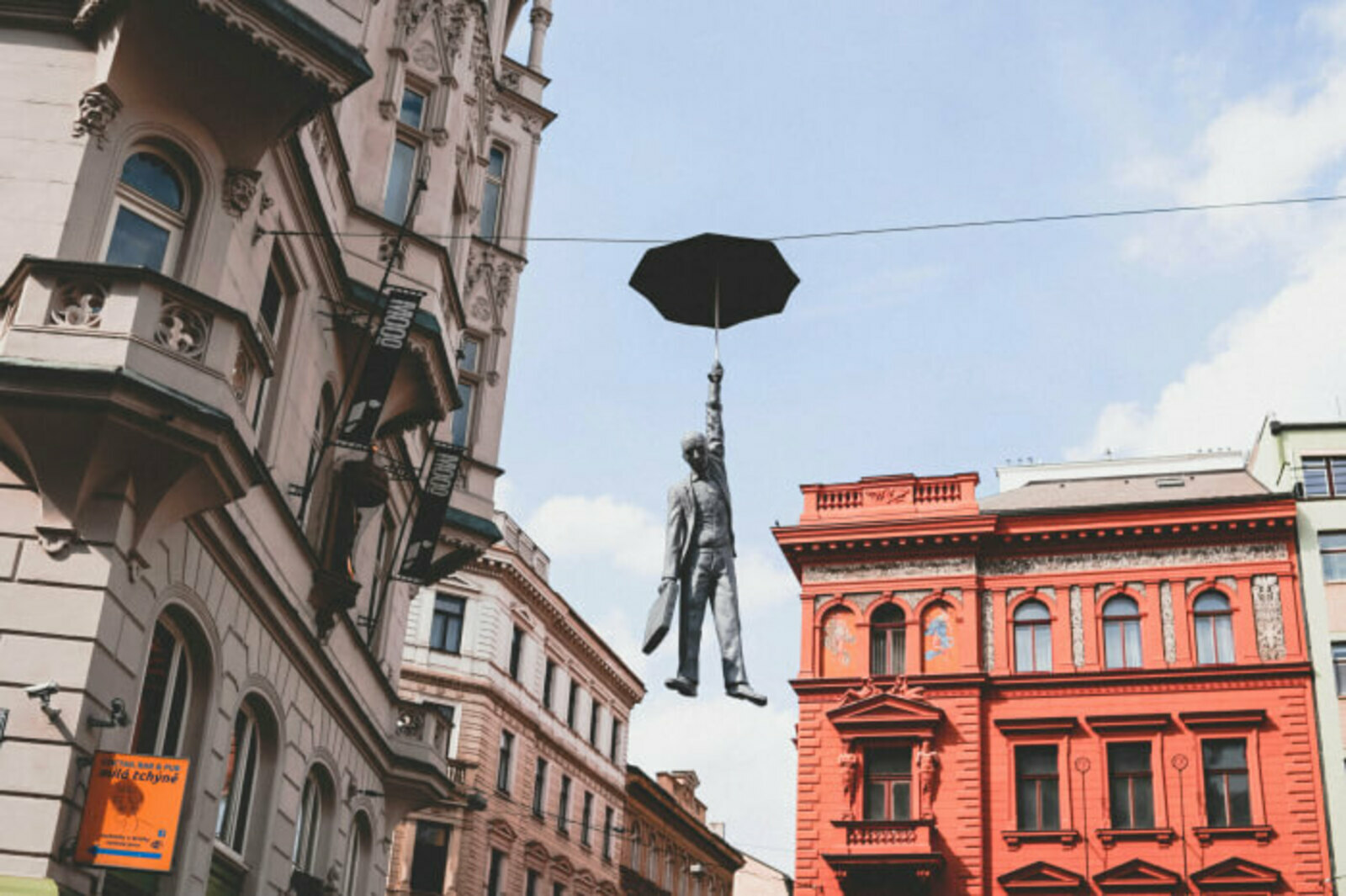
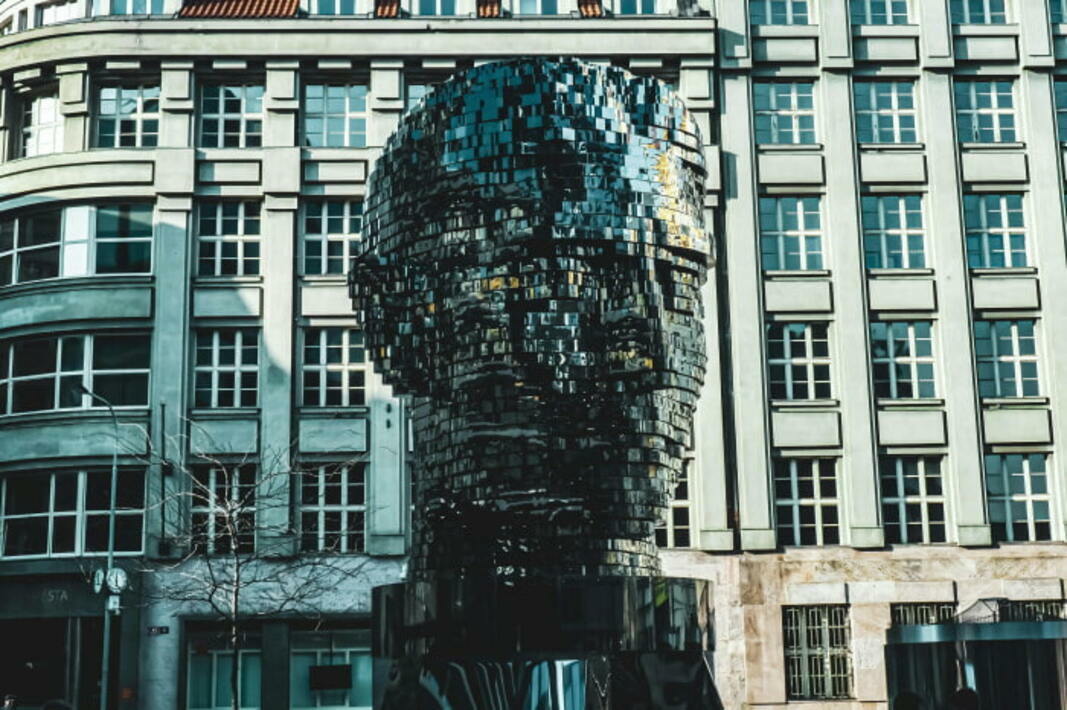
Prague’s provocative contemporary art: the 10-m rotating “Head of Kafka” of 42 mirrored layers; the playful “Piss” in the Franz Kafka Museum courtyard; plus “Pregnant”, “Babies”, “Monument to Empathy”, and more.
Natural Highlights
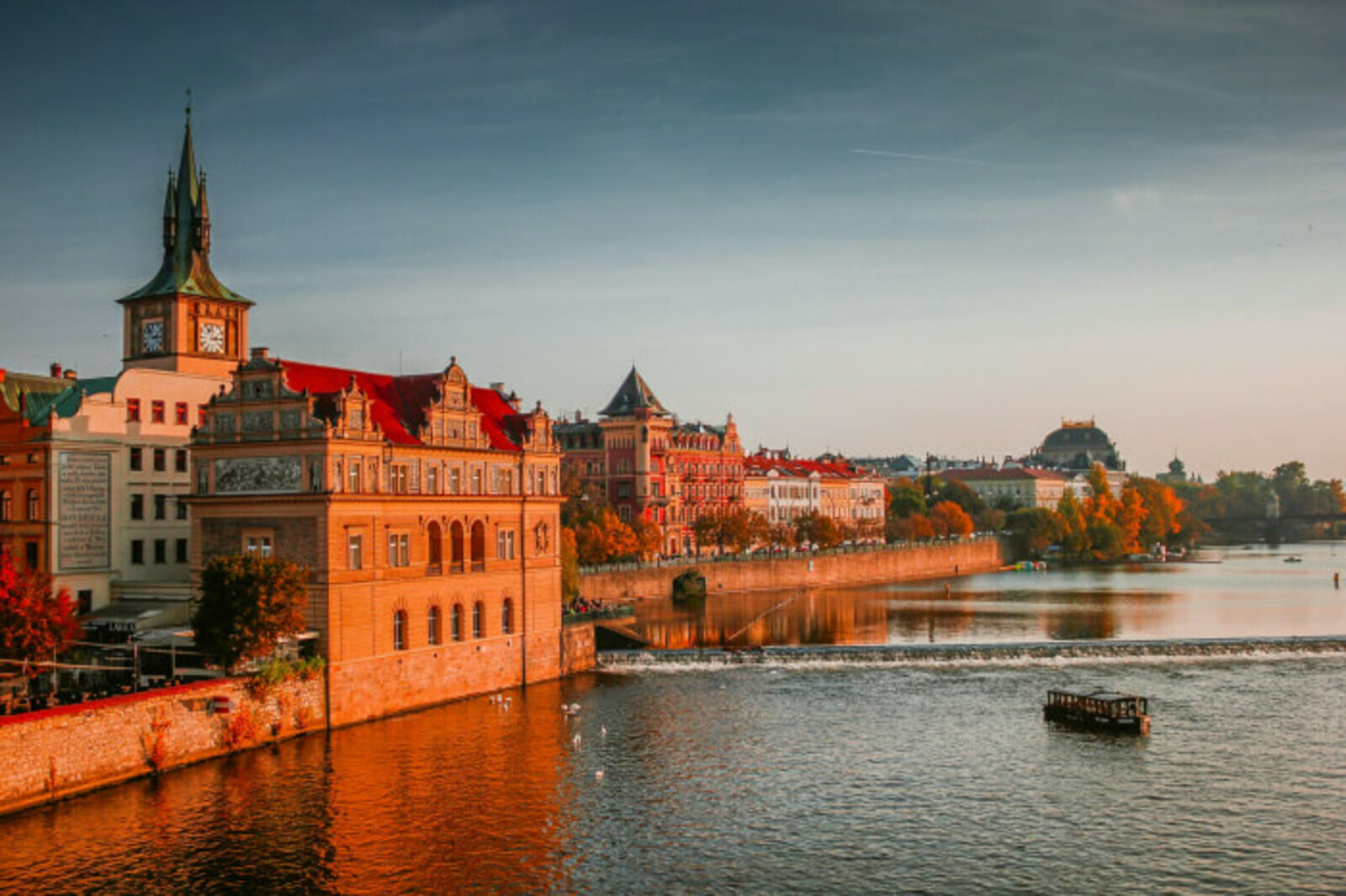
The Vltava River shapes Prague’s vistas. Petřín Rocks mean woodland walks amid boulders. Vyšehrad Gardens are an inner-city oasis. Průhonice Park dazzles with botany and calm; Troja Chateau fuses architecture and nature. Letná Park hosts picnics, Europe’s oldest carousel, and music festivals.
Kampa Island
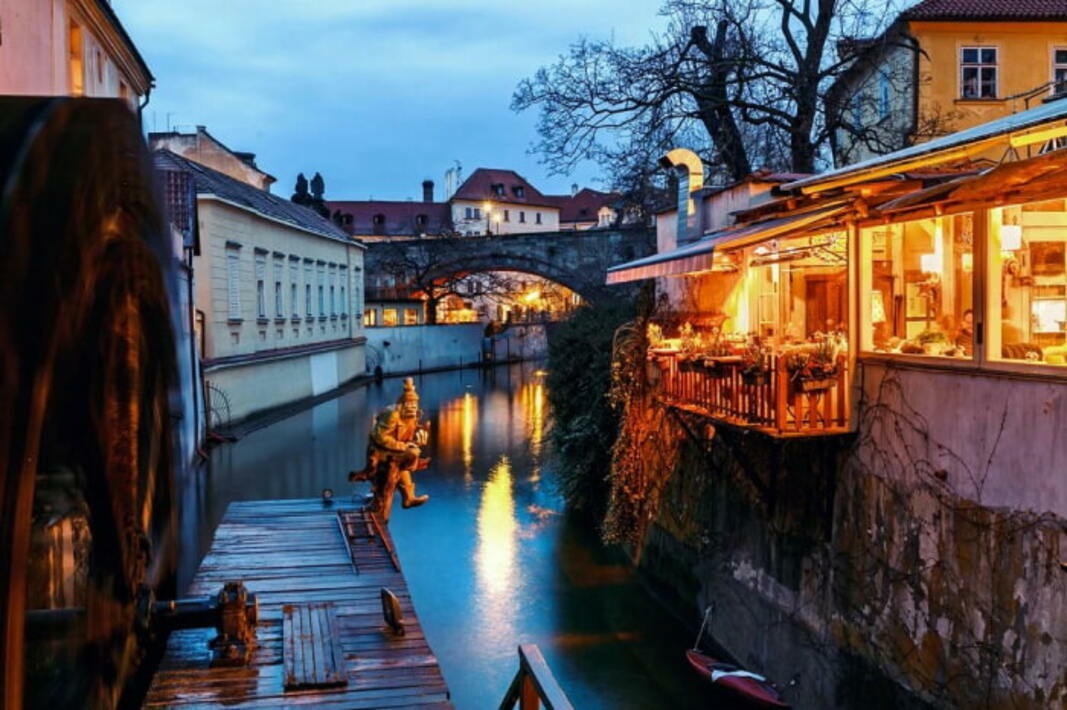
Dubbed “Prague’s Venice”, this peaceful residential island by Charles Bridge is laced with canals and photogenic bridges, blending Prague’s character with a touch of Italy.
Essential Prague Experiences
Feast on Czech classics — vepřové koleno, goulash, sausages, street pastries — and sample world-class beer. Prague boasts legendary beer halls and even a Beer Museum with tastings. Don’t miss trdlo, the iconic rolled pastry. To dig deeper, try themed tours of the best breweries or the mystical walk “Prague of stonemasons, Templars & alchemists”.
What to buy: beer and spirits (Becherovka, slivovitz, Moravian wines), wafers and Hermelín cheese, Bohemian glass and crystal, garnet jewelry, marionettes, and KOH-I-NOOR pencils.
One-Day Itinerary
Start at Prague Castle and St. Vitus, cross Charles Bridge to the Old Town, see Josefov, and time the Astronomical Clock show at Old Town Square. Wenceslas Square adds modern city vibes; cafés and pubs showcase Czech flavors. Finish with an evening Vltava cruise.
Two-Day City Break
Beyond the essentials, stroll the Vltava promenades or take a boat. Choose between the National Museum and the Beer Museum, roam cobbled lanes, and dip into authentic cafés and beer halls. In two days, you’ll cover the highlights and catch Prague’s unique spirit.
Where is Prague and how to get there?
Prague sits in Central Europe (roughly midway between Berlin and Vienna) in Czechia’s west. From Chișinău it’s ~900 km — FlyOne runs direct flights; buses also operate. From Bucharest it’s ~1130 km — flights are easiest, while buses take around 24 hours.
Prague isn’t just a fairy-tale city of medieval castles and lavish palaces; it’s also a modern-art hotspot. From monumental fortresses to avant-garde architecture, everyone finds their Prague. Don’t miss the magic.
Ready for an unforgettable trip? Explore our deals and book your Prague package today!
Prague FAQs
Best time to visit?
Spring and autumn: mild weather, fewer crowds.
Is Prague Castle free?
Grounds are free; some interiors require tickets.
When is the Orloj show?
Hourly, roughly 09:00–23:00.
Top photo spots?
Charles Bridge at sunrise, Golden Lane, Petřín, Kampa.
Must-try foods?
Goulash, vepřové koleno, sausages, trdlo, Hermelín cheese.
Is Prague kid-friendly?
Yes: Vltava cruises, parks, interactive museums, zoo.
Airport to center?
Bus + metro, shuttle, or taxi; 35–50 minutes.
Where to shop?
Wenceslas Square, Na Příkopě, Palladium, Old Town boutiques.
Cards accepted widely?
Mostly yes; carry cash for stalls and souvenirs.
Best souvenirs?
Bohemian glass and crystal, garnet jewelry, marionettes, beer.
Time needed for the Castle?
At least 2–3 hours; half a day for depth.
Is a Vltava cruise worth it?
Yes — especially at night with the riverside lights.