 Enter
Enter





Introduction
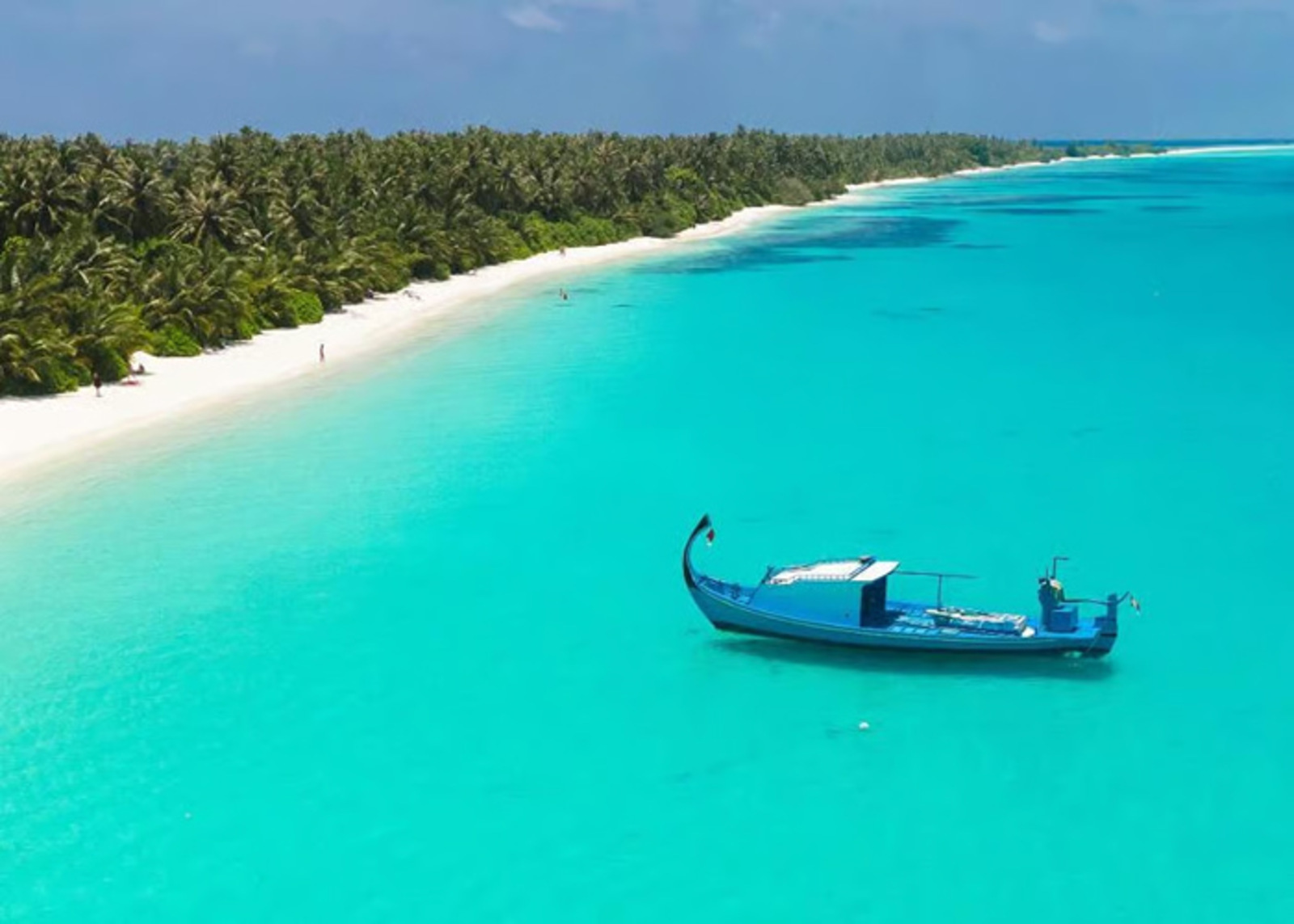
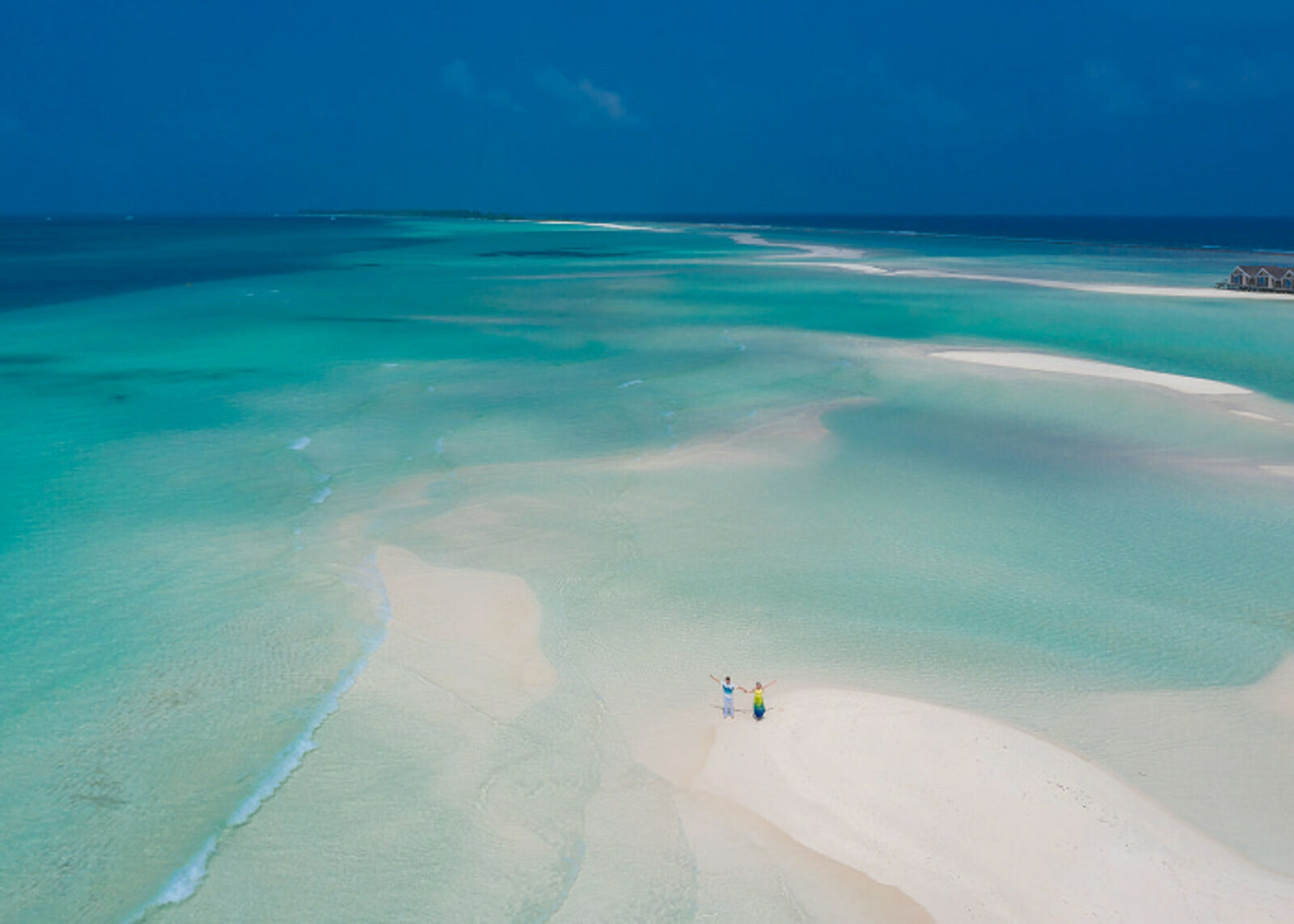
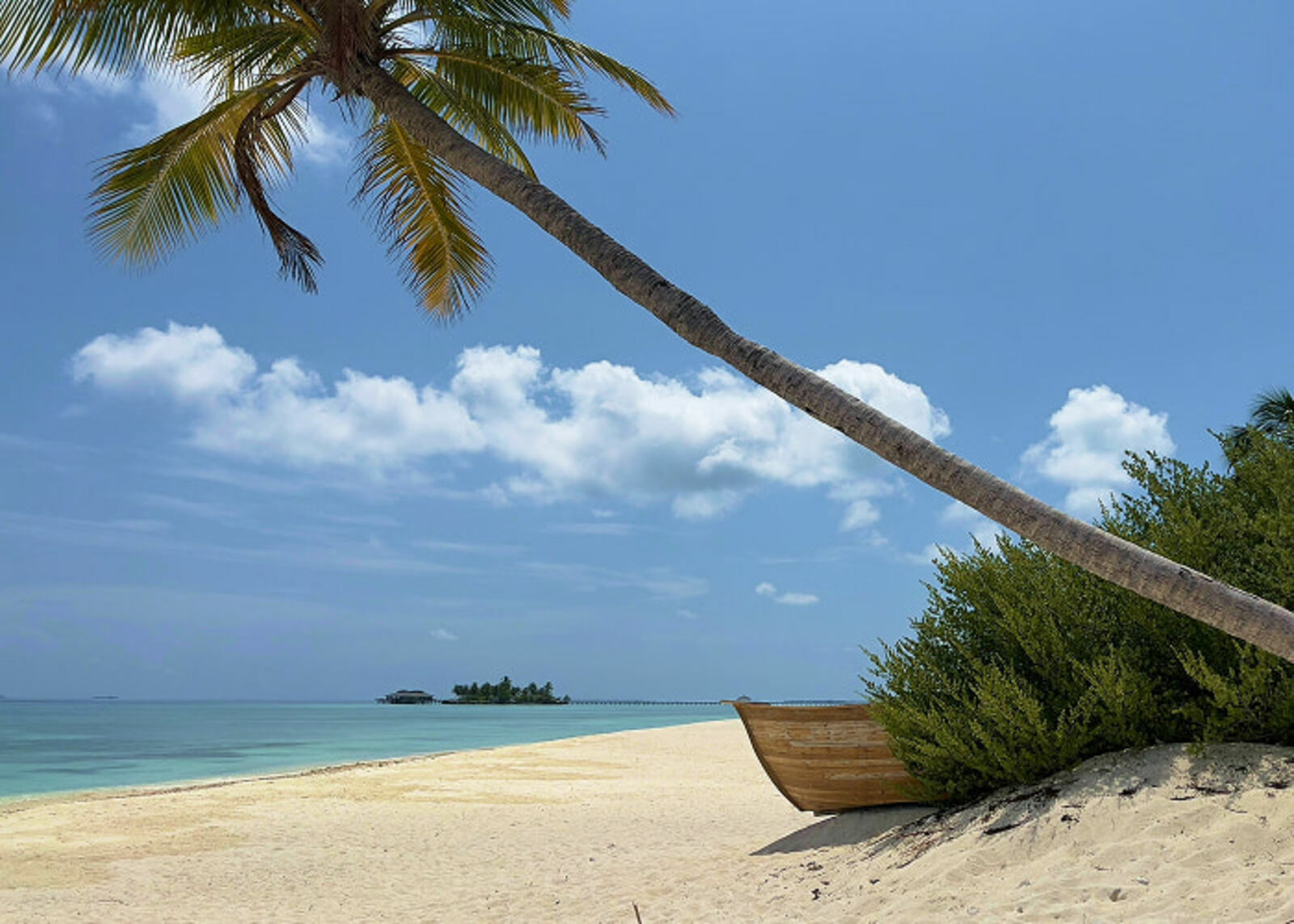
Holidays in the Maldives are always about tropical exoticism, white sand and the turquoise waves of the Indian Ocean. But did you know that the archipelago has a region where people travel not so much for the beach, but for what is hidden underwater?
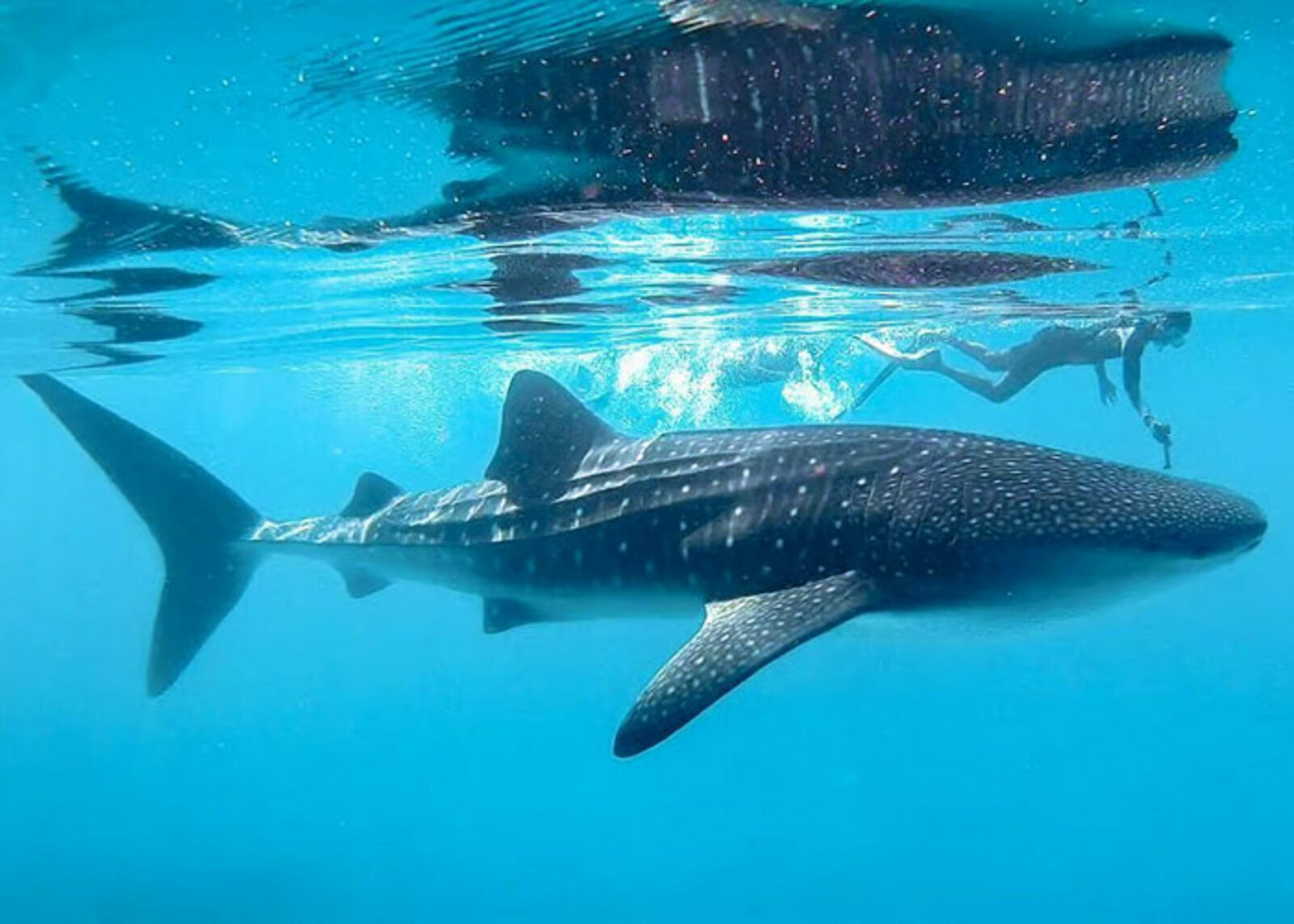
South Ari Atoll is one of the most popular locations in the Maldives for diving and snorkeling, where huge whale sharks can be seen all year round. It is like meeting a kind dinosaur in the sea: they feed on plankton and are safe for humans. The surrounding waters are also home to many colorful fish, rays, turtles and living multicolored corals, so snorkeling and diving can become an incredible new experience for travelers from Moldova and Romania.
But what else makes South Ari Atoll interesting, where is it better to stay, and what should be avoided? Perhaps this ring of coral islands holds not only underwater secrets, but also important details worth knowing before the trip.
Top highlights
Why South Ari Atoll is worth considering
There is a year-round chance to see whale sharks in and around the South Ari Marine Protected Area.
The region is suitable for both diving and snorkeling, with many reefs located close to resort islands.
Underwater, travelers can meet mantas, turtles, reef sharks, rays and hundreds of tropical fish.
The best weather period is the dry season from December to April, but vivid underwater experiences are possible year-round.
Choosing the right island depends on proximity to SAMPA, the quality of the house reef and the level of the dive center.
Why South Ari Atoll is chosen for underwater holidays
South Ari is chosen for its rare combination of deep outer reefs, calm inner lagoons, healthy coral gardens and an exceptionally rich underwater world. It is comfortable both for divers and for those who prefer snorkeling, because many reefs are located close to the resort islands.
The South Ari Marine Protected Area, SAMPA, is the main attraction of the Maldives for observing large ocean fauna in its natural habitat. Experts also note an exceptionally high concentration of pelagic fish here, meaning fish that live in the upper layers of the ocean.
Who is South Ari suitable for? This atoll fits several categories of travelers at once:
- snorkeling lovers;
- certified divers;
- families with teenagers;
- couples;
- photographers and fans of marine nature.
Whale sharks — South Ari’s strongest argument
Whale sharks attract divers from all over the world to the Maldives, but it is South Ari Atoll that they have chosen as a permanent habitat, because stable deep-water currents form here and bring huge masses of plankton. The high probability of meeting this giant fish in the protected SAMPA zone, without the need for deep dives, becomes a key reason to buy a tour to this part of the Indian Ocean.
According to the specialized website dedicated to whale shark protection, the aggregation period of these marine giants in the waters of the atoll is classified as year round.
Can a whale shark encounter be guaranteed during a dive? No, because SAMPA is not an oceanarium, but a protected area of wild nature. However, South Ari is considered one of the best places in the Maldives to observe these giant fish thanks to the high probability of sightings.
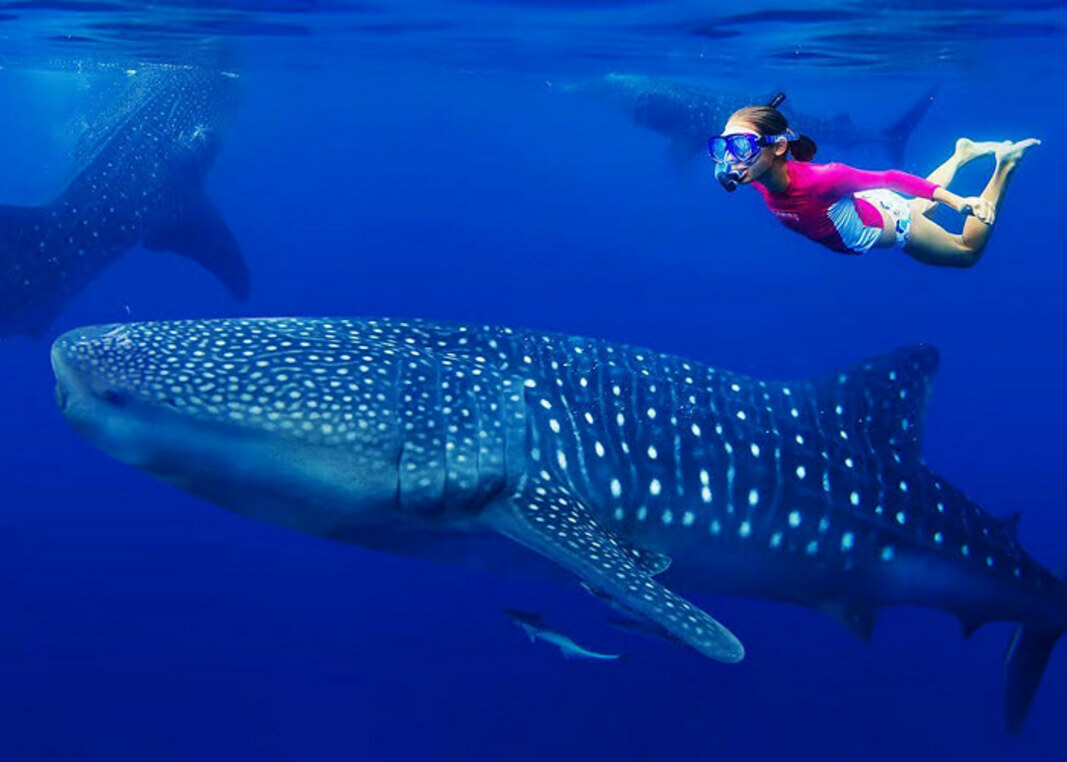
The largest fish in the world is most often seen on the outer reefs, where the depth increases sharply. Whale sharks, reaching 8–12 meters in length, move through the water at no more than 4–5 km/h and completely ignore people. Watching this spotted giant glide smoothly through the water column leaves one of the strongest emotional impressions in the life of any traveler.
Important safety rule: it is forbidden to approach whale sharks closer than 3 meters from the side of the body and 4 meters from the tail, to block their path or to touch their skin. Breaking these rules frightens the animals and can lead to large fines from SAMPA supervisory authorities.
Diving on South Ari Atoll
Diving on South Ari Atoll is considered a benchmark experience thanks to the variety of underwater landscapes and the developed infrastructure of international PADI dive centers.
The underwater relief of this region of the Maldives consists of three key elements:
- Inner isolated reefs, known as thila, are underwater mountains whose tops are hidden below the surface at depths from 3 to 12 meters. They are densely covered with soft corals and serve as home to millions of tropical fish.
- Ocean channels, known as kandu, are passages through which masses of water from the open ocean rush into the atoll. Strong currents form in these areas and attract large predators.
- Vertical outer reefs, or drop-offs, are steep walls descending to depths of more than 40 meters, where underwater visibility can be phenomenal.
Underwater visibility while diving in the Maldives often remains very good, but it depends on the season, currents and the amount of plankton in the water. Many divers consider the months from January to March the most comfortable in terms of weather conditions.
Recommendation from Admiral Travel: beginners should choose resorts or local islands with their own dive center. This makes training, dive organization and the selection of suitable dive sites much easier.
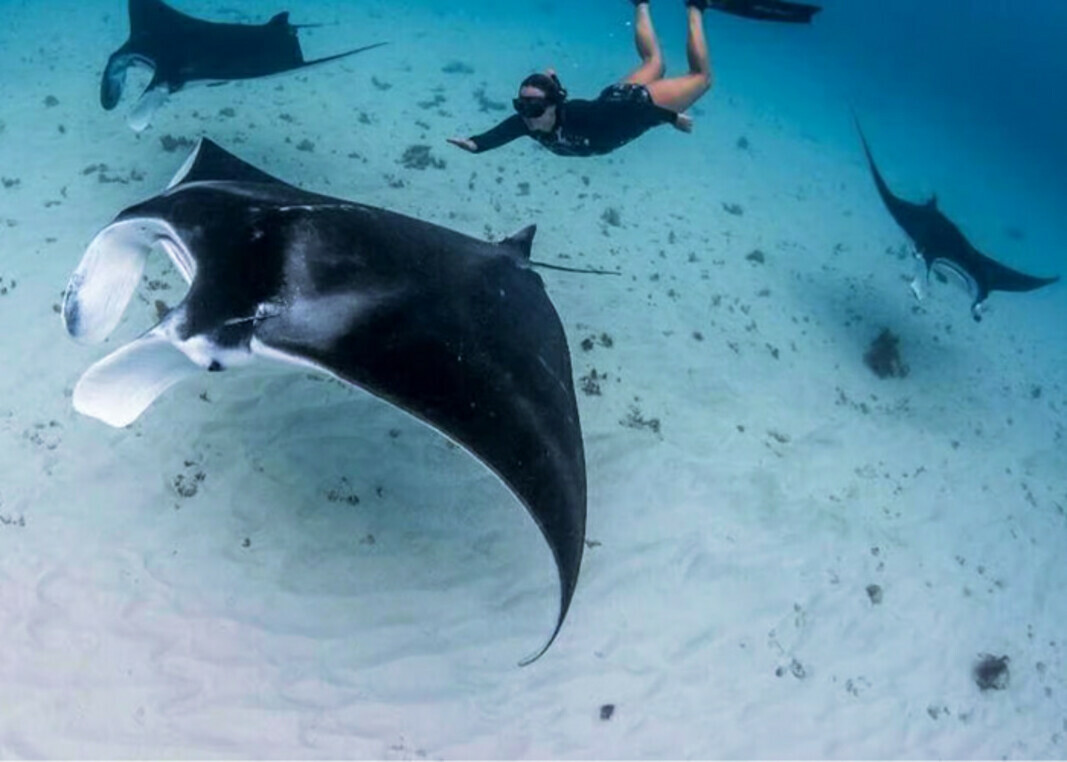
Snorkeling on South Ari Atoll
Snorkeling on South Ari is an accessible alternative to deep-water diving. This atoll is unique because, in many cases, a basic set of mask, snorkel and fins is enough to observe the colorful ecosystem of the Indian Ocean.
A house reef within walking distance is standard on the atoll: most resort islands are surrounded by their own coral platforms located 20–50 meters from the shore. You can simply step off the sandy beach or descend the ladder of a water villa and instantly find yourself among schools of bright fish and sea turtles.
Organized excursions are also popular:
- to outer reefs;
- to manta feeding spots;
- to whale shark observation zones.
The animals rise into the upper layers of the lagoon to feed, so tourists without bulky diving equipment can swim near them from above for hours.
Who you can see underwater
The underwater world of South Ari Atoll is one of the most diverse in the Indian Ocean, with hundreds of fauna species gathered in one area to delight travelers.
During a standard one-week tour, travelers can meet marine creatures that are completely unusual for residents of Moldova and Romania:
1. Whale shark: the largest fish on the planet.
2. Giant rays — mantas, called “sea devils” in the Maldives, with a wingspan of up to 4–5 meters.
3. Sea turtles: green turtles and hawksbill turtles.
4. Reef shark: sharks safe for humans, up to 1.5 meters long.
5. Rays: spotted eagle rays, stingrays and marble rays resting on the sandy bottom of the lagoon.
6. Moray eels: leopard and giant morays hiding in the cracks of coral walls.
7. Pelagic fish: fast tuna, snappers, trevallies and barracudas.
8. Tropical fish: parrotfish, surgeonfish, clownfish, angelfish and butterflyfish.
9. Living corals: massive brain corals, branching acropora and soft alcyonarian corals.
10. Glowing ocean: on moonless nights, the beaches of South Ari can reveal the unique bioluminescence of plankton. The ocean near the shore begins to sparkle neon blue, creating the illusion of a “starry sky under your feet”.
When is the best time to visit South Ari
The best time to visit South Ari Atoll is generally considered the dry season, from December to April. During this period, the sea more often remains calm and underwater visibility may be higher. But thanks to the atoll’s hydrological features, vivid impressions can be found here all year round. The main thing is to understand the difference between seasons.
Dry season, December — April
- Above water — a time of bright sun and a dry refreshing breeze. It is the perfect moment to try local papaya, passion fruit and tiny bananas ripening on farming islands.
- Underwater — the ocean turns into liquid glass: visibility sometimes reaches 40 meters. The period from January to March is ideal for longer trips on dhoni boats, underwater photography and relaxed snorkeling.
Rainy season, May — November
- Above water — a time of sudden, powerful tropical downpours, usually at night, and fantastic sunsets. Chilled royal coconuts, “kurumba”, fragrant Maldivian mango and crispy breadfruit chips, served here with evening tea, help you cope with the humid heat.
- Underwater: the monsoon changes the currents, filling the lagoons with tons of plankton. Water transparency drops to 15–20 meters, but for divers this is a golden time. Ari turns into a lively “feeding station”: this is when the chances of finding yourself surrounded by giant mantas and whale sharks can be at their highest.
South Ari for beginners and experienced divers
South Ari Atoll suits both absolute beginners and advanced divers, because it offers a flexible system of underwater routes.
For beginners
For a first introduction to the ocean, choose islands with a gentle sandy entry and a nearby house reef protected from the open sea. Start with snorkeling in the shallow lagoon under the supervision of a guide. Any local dive center can offer an introductory dive program — a trial scuba dive to a depth of up to 12 meters together with an instructor. All excursions to large fauna on the outer reefs should be done by beginners strictly as part of organized groups.
For experienced divers
For certified divers, South Ari opens access to complex deep-water sites with strong tidal currents in ocean channels. Whale shark dives, night dives on remote thila and specialized multi-day dive safaris are in demand here.
If you are already an experienced diver, when booking a tour from Chișinău or Bucharest, discuss with the Admiral Travel manager the technical capabilities of the hotel’s dive center, the availability of nitrox, a special gas mixture for diving, and speedboats for longer trips.
How to choose an island or resort on South Ari
The main factor when choosing where to stay on South Ari Atoll is its geographical position in relation to the SAMPA protected area and the quality of the surrounding house reef. It is useful to pay attention to the following points:
- availability of a house reef;
- availability of a medical room;
- own dive center;
- whale shark excursions;
- proximity to the SAMPA zone;
- snorkeling programs;
- participation in environmental initiatives;
- marine biologists on the resort team.
Depending on your budget and holiday concept, Admiral Travel experts divide locations into several types:
- Resort islands on private islands: suitable for couples, families, honeymoons and premium secluded holidays, with all inclusive, beach and overwater villas, refined cuisine and staff marine biologists.
- Local islands with guesthouses are an optimal choice for active travelers and divers who want to minimize accommodation costs and spend more of the budget directly on excursions.
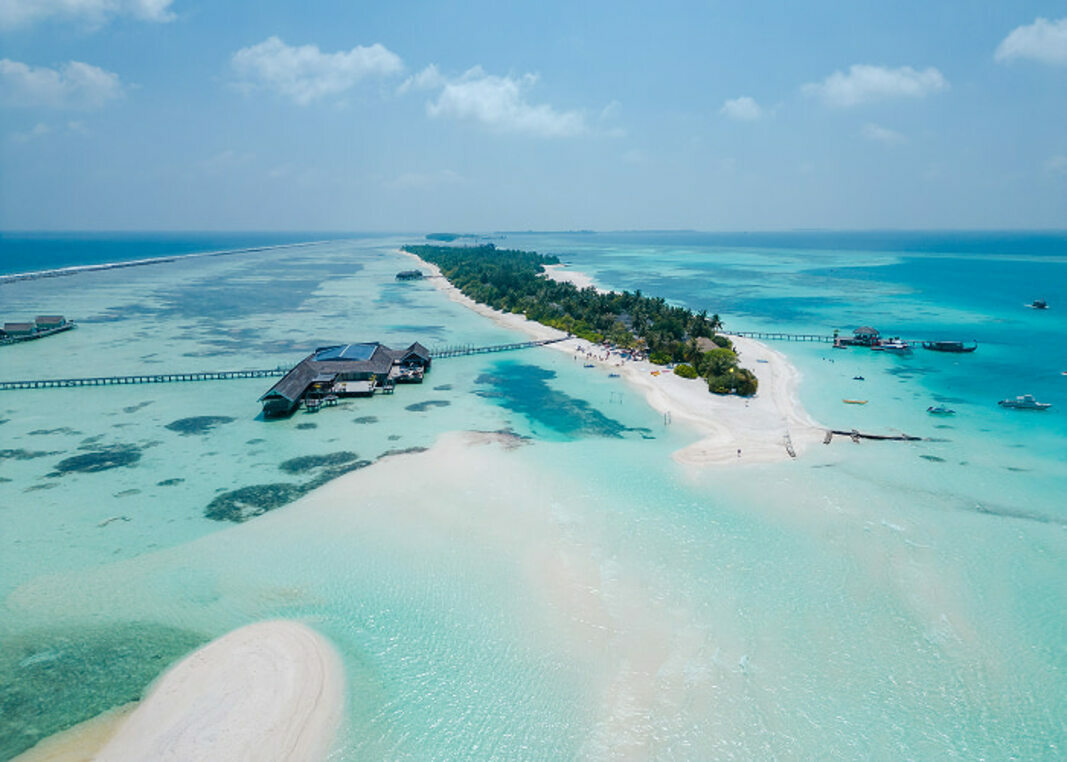
Dhigurah
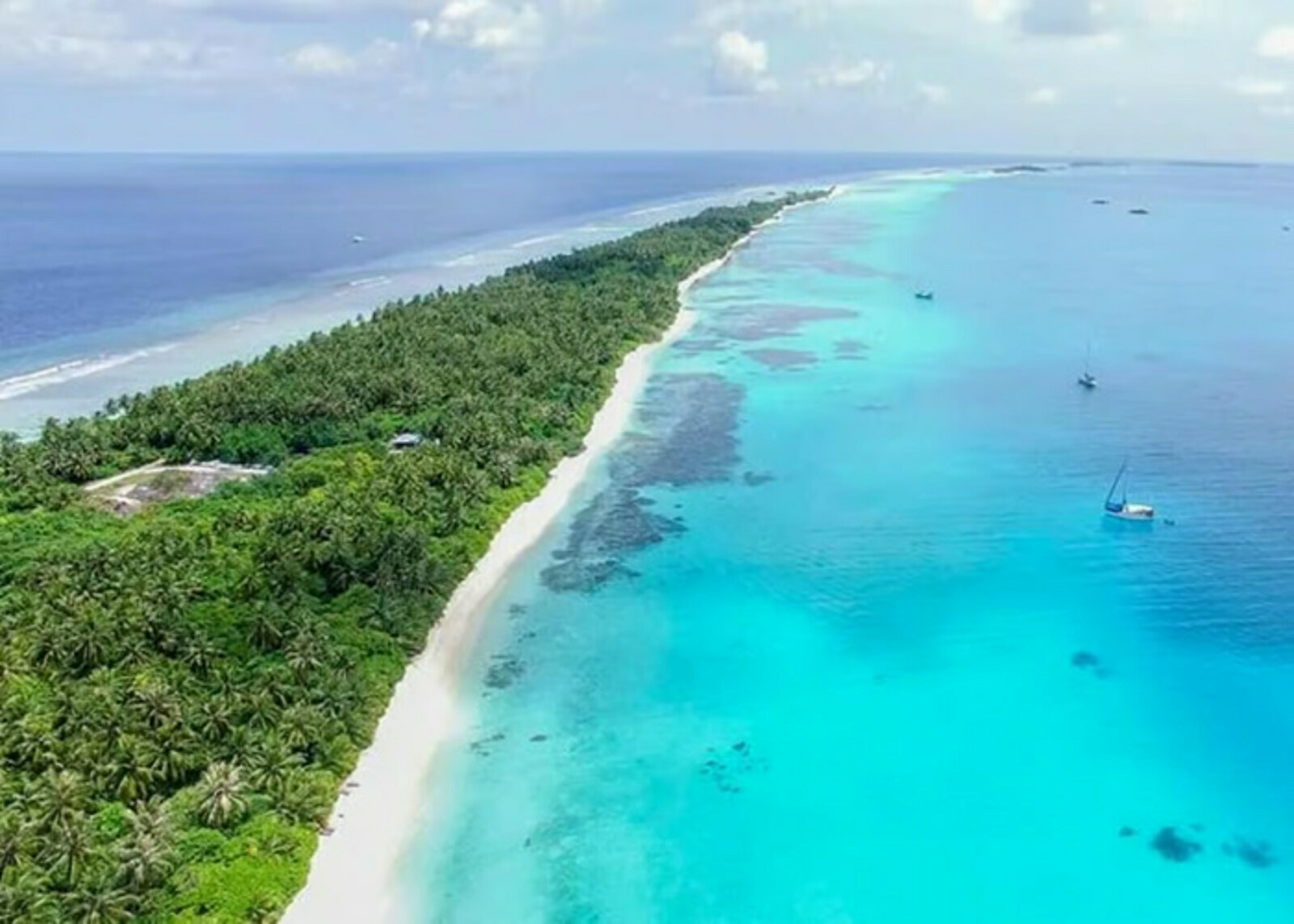
- Dhigurah is one of the longest islands of the atoll and ends with a narrow sandbank. It is considered one of the most popular bases for snorkeling and whale shark excursions thanks to its location near the protected area.
Dhangethi
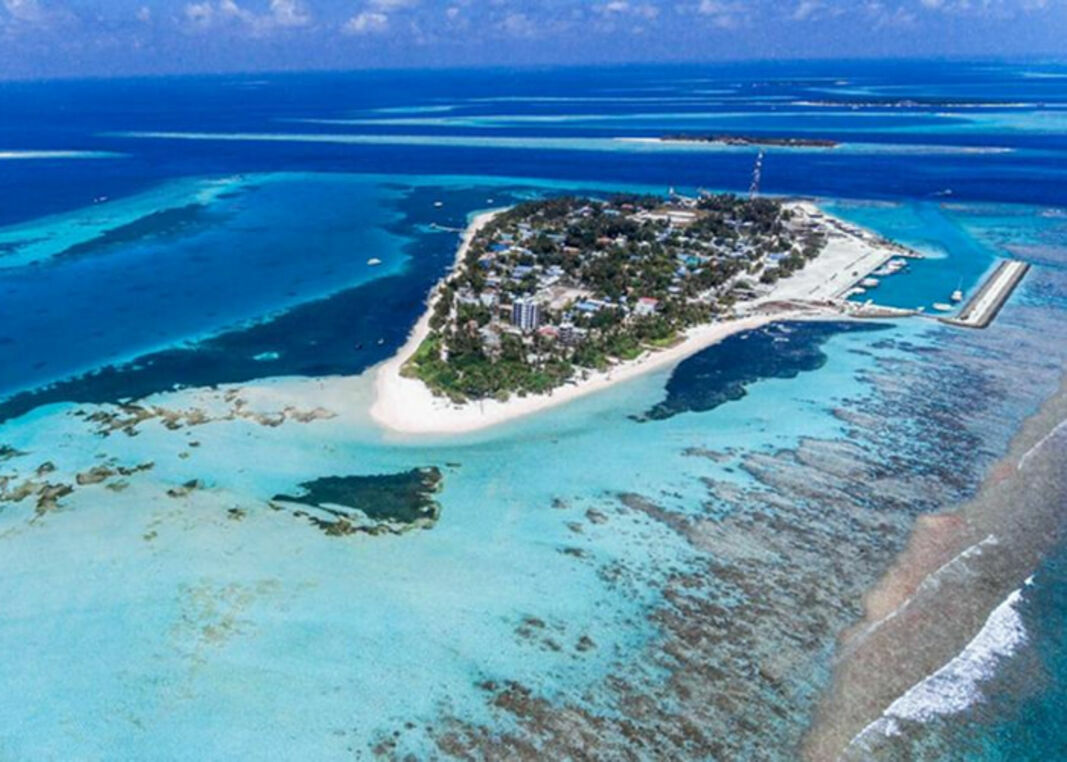
- Dhangethi is an authentic local island aimed at lovers of traditional culture and crafts. Shipyards still operate here, where local craftsmen hand-build traditional Maldivian dhoni boats from durable tropical wood.
Mahibadhoo
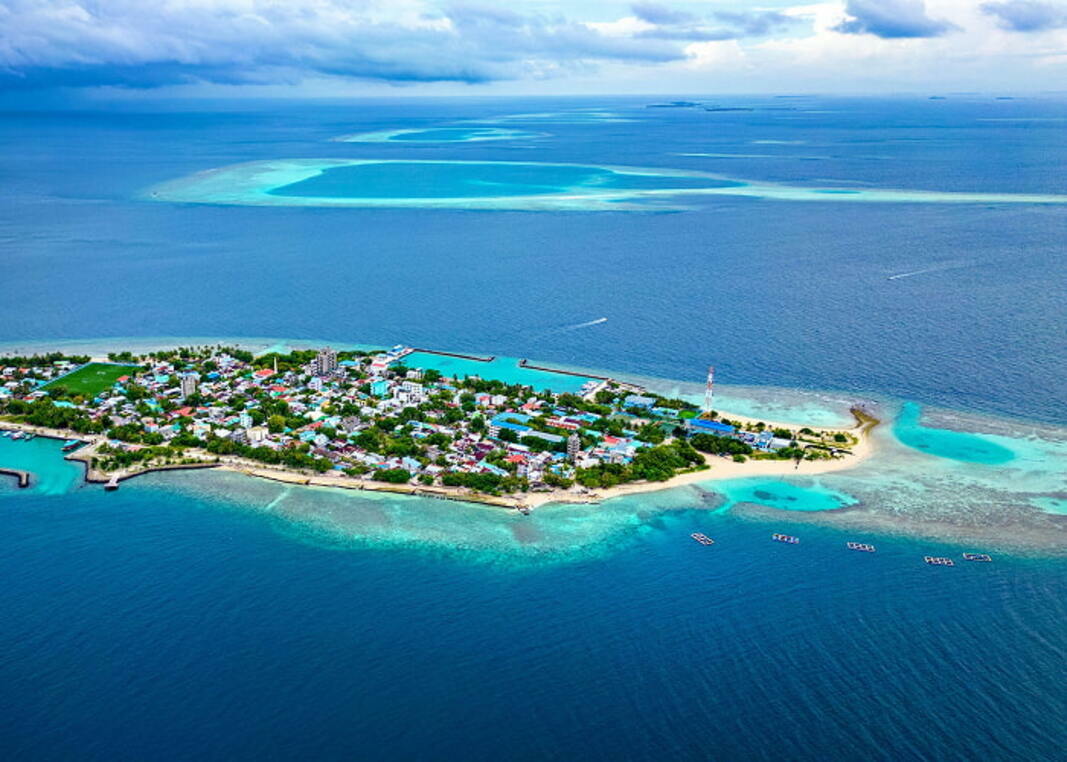
- Mahibadhoo is the administrative capital of the atoll. The island attracts travelers with its neat streets, colorful house facades and the warmth of local residents, which feels so familiar to tourists from our region.
Details from Admiral Travel: on local islands you can try traditional Maldivian cuisine, including Maldivian-style flatbreads “roshi”, thin flatbreads in which Mas huni is wrapped instead of cheese, a salad of lightly smoked tuna, coconut and onion; Mas Riha, fish stewed in coconut milk with spices and local chili; and coconut honey “Dhiya Hakuru”, a thick syrup with a bright caramel-and-cream taste served with pancakes for dessert. Handcrafted souvenirs, local artisan products and natural coconut oil, often used for skin care after sun exposure, are also frequently sold here.
Rules for responsible snorkeling and diving
Every guest of the atoll must strictly follow the principles of responsible tourism developed by international environmental institutions and designed to preserve the fragile reef ecosystem for future generations of travelers.
Main rules:
- do not touch whale sharks, mantas, turtles or corals;
- do not feed marine animals;
- do not use flash near animals;
- keep the recommended distance;
- do not stand on corals;
- use only dive centers and excursion boats that have an official SAMPA license;
- use reef-safe sunscreen that does not contain oxybenzone, which damages corals.
Who South Ari Atoll suits best
South Ari Atoll is considered a universal destination, but it offers the greatest value to tourists who choose the Maldives for their pristine underwater world. It will especially appeal to:
- those who dream of seeing whale sharks;
- snorkeling lovers without a diving certificate;
- certified divers;
- couples and honeymooners;
- families with teenagers;
- travelers who choose the Maldives for the underwater world, not only for the beach.
Who may not enjoy a holiday on South Ari Atoll
- Party seekers: there are no nightclubs or promenades here. Life follows the rhythm of the ocean — early wake-ups for sharks and absolute silence after sunset.
- Families with very young children: although children are often seen here, the journey to the hotel, including a seaplane flight or domestic flight, can be tiring.
- Those afraid of open depth and waves: the most interesting locations are on the outer reefs and in ocean channels, where noticeable tidal currents are common.
- Fans of beach-only relaxation: it makes little sense to pay extra for a trip to the unique SAMPA marine reserve area if your goal is simply to sunbathe on a lounger.
- Travelers on a strict budget: the complex transfer to a distant atoll costs more than a short speedboat trip to nearby resorts.
South Ari is a territory of the wild ocean. If the image of an ideal vacation in your mind does not match its dynamic character, the region may disappoint you.
Conclusion
South Ari is one of the best atolls in the Maldives for diving and snorkeling thanks to the year-round possibility of observing whale sharks, rich coral reefs, mantas, sea turtles and well-developed underwater holiday infrastructure.
Feel free to contact Admiral Travel managers for help organizing a holiday in the Maldives that may become one of the most unusual and exciting experiences of your life.
Video about weather in the Maldives
Frequently Asked Questions
Can you see a whale shark on South Ari Atoll?
Yes. South Ari is considered one of the best places in the Maldives to observe whale sharks year-round, although a sighting cannot be guaranteed.
Do you need a diving certificate to meet a whale shark?
No. In many cases, a snorkeling excursion with mask, snorkel and fins is enough.
When is the best time to visit South Ari Atoll for snorkeling?
It is possible year-round, but the period with the clearest water is usually from January to March.
Is South Ari Atoll suitable for beginners?
Yes. Many resorts offer house reefs, introductory dives and beginner-friendly excursions.
Which is better: diving or snorkeling?
Snorkeling suits most travelers, while diving allows you to see more reefs and marine life at depth.
Which South Ari islands are convenient for active holidays?
Dhigurah, Dhangethi and Mahibadhoo are often chosen, as well as resorts with a good house reef and their own dive center.
Can you touch whale sharks, mantas and turtles?
No. You must keep distance, avoid blocking the animals’ path and never touch marine creatures.
Is South Ari suitable for families with teenagers?
Yes. Teenagers usually enjoy snorkeling, house reefs, large-fauna excursions and first introductory dives.
Is it worth visiting during the rainy season?
Yes. Visibility may be lower, but the plankton can increase the chances of seeing mantas and whale sharks.
What should you check when choosing a resort?
Proximity to SAMPA, house reef quality, dive center, medical assistance and snorkeling programs are important.
Who might not enjoy South Ari?
Travelers looking for parties, those afraid of open depth, or those wanting only quiet beach relaxation without marine excursions may not enjoy it fully.
Can you see bioluminescence on South Ari?
Sometimes, yes. On moonless nights, plankton near the shore may glow, creating a neon “starry sky” effect.