 Enter
Enter




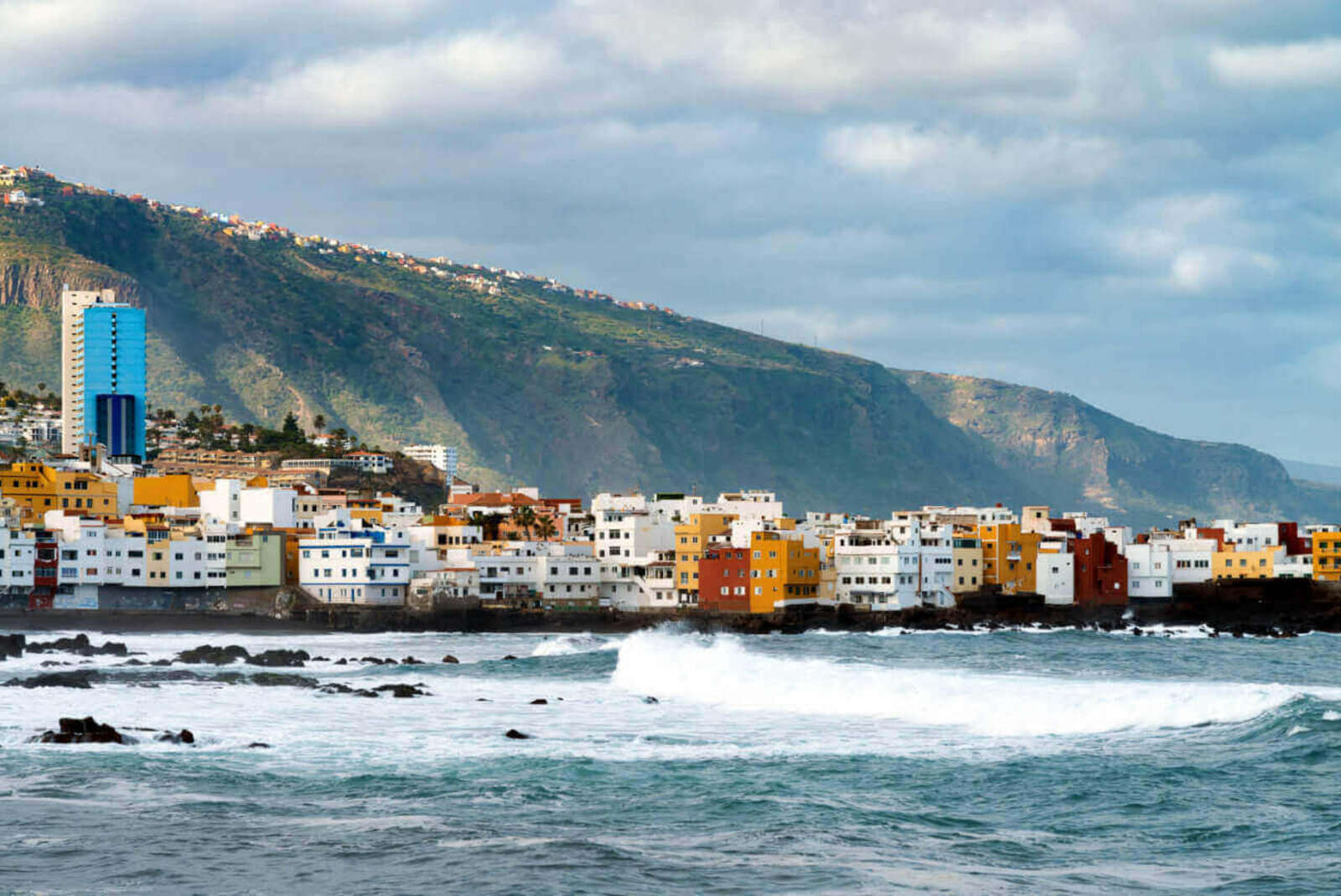
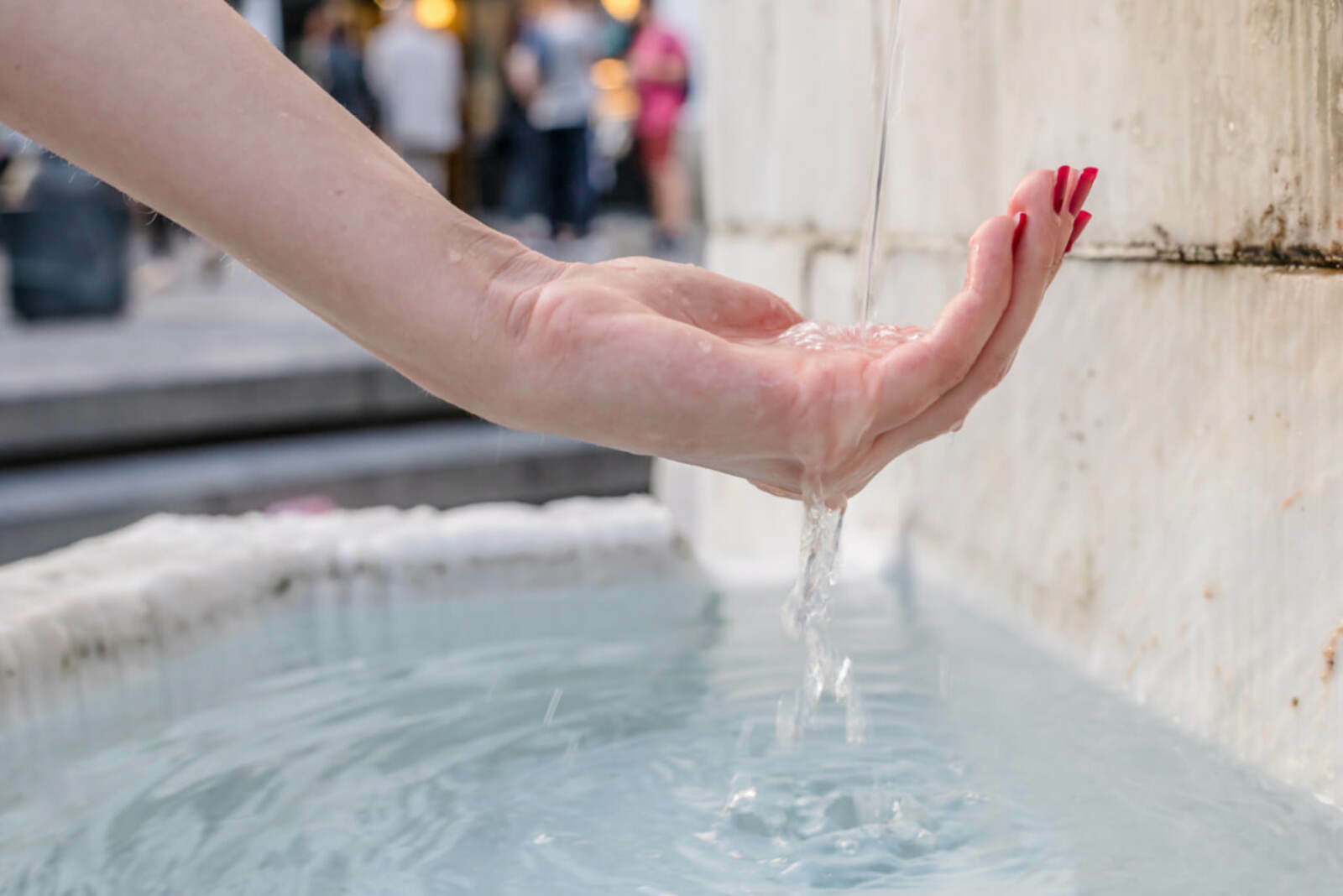
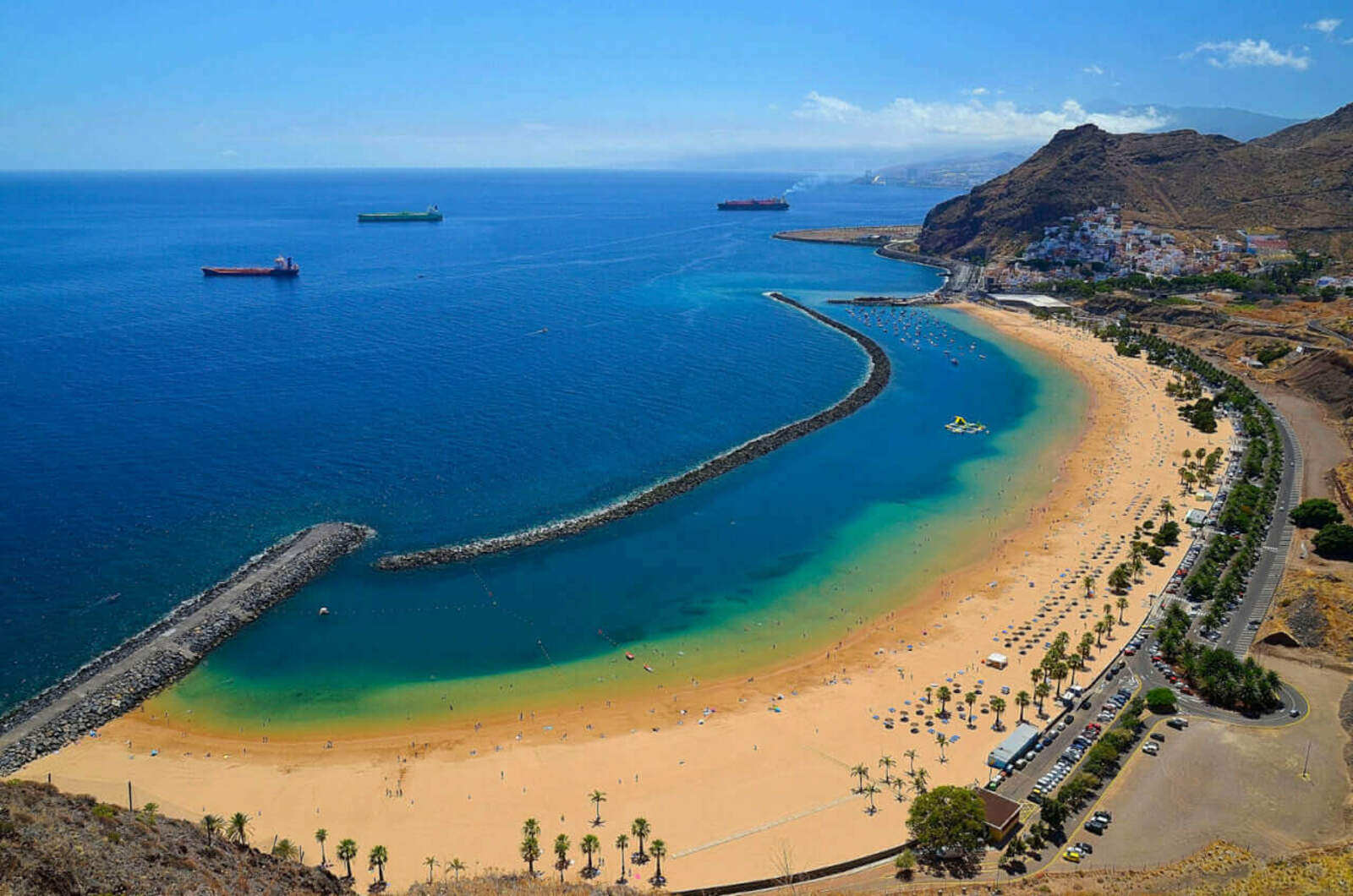

The island of Tenerife, a favourite with tourists and one of the gems of the Canary Islands, has run into a serious problem — drought — which has forced local authorities to introduce strict limits on water consumption. According to information reported by Mirror, the municipality of Fasnia, located in the south of the island, declared an emergency. In response to the challenges posed by nature, new rules regarding the use of drinking water were introduced. It is now forbidden to use it for irrigation, for refilling swimming pools, ponds and reservoirs, for cleaning building façades, and for washing vehicles (except for services at petrol stations). In addition, tourists and local residents will have to do without showers on public beaches.
The reason for such drastic measures is a hotter and drier autumn and winter, which led to a significant reduction in the island’s water resources. The forecasts are not encouraging: if heavy rains do not arrive soon, Tenerife may face the most critical period in its history in terms of water availability.
Although Fasnia is not Tenerife’s main tourist hub, its proximity to other popular areas raises concerns about how the restrictions could affect the island’s appeal. Despite possible inconvenience, many large hotels have their own water-supply systems, and swimming pools are often filled with seawater, which may soften the impact of restrictions for holidaymakers.
Emergency declared: Fasnia municipality (southern Tenerife).
Drinking water bans: irrigation, refilling pools/ponds/reservoirs, façade cleaning.
Vehicle washing: prohibited except at petrol station services.
Public beaches: outdoor showers may be unavailable.
Hotels may cushion the impact: some have their own water systems; pools are often filled with seawater.
What exactly is restricted
According to information reported by Mirror, the municipality of Fasnia in southern Tenerife declared an emergency. New rules regarding drinking-water use were introduced: it is forbidden to use drinking water for irrigation, to refill swimming pools, ponds and reservoirs, to clean building façades, and to wash vehicles (except for services at petrol stations).
Tourists and local residents will also have to do without showers on public beaches.
Why it’s happening now
The measures are linked to a hotter and drier autumn and winter, which significantly reduced water resources. Forecasts remain worrying: if heavy rain does not arrive soon, Tenerife may face the most critical period in its history in terms of water supply.
How it may affect your holiday
Fasnia is not Tenerife’s main tourist centre, but its proximity to other popular locations is raising concerns about how the restrictions could affect the island’s attractiveness.
That said, many large hotels have their own water-supply systems, and pools are often filled with seawater — factors that may soften the impact for travellers.
A wider issue across Spain
The situation in Tenerife is part of a broader problem affecting Spain as a whole. In other regions, water-saving measures are already being discussed, including installing water meters in hotels and charging extra for consumption above a set allowance.
To support cities hit especially hard by water shortages, such as Barcelona, delivering water by ship is being planned.
These steps highlight how important responsible use of natural resources is, and the need to adapt to changing environmental conditions. They also serve as a reminder that drought is a serious challenge that requires collective effort to overcome.
What to do: stay comfortable while respecting restrictions
The key change mentioned is the ban on using drinking water for certain activities and the absence of showers on public beaches. For travellers, this mainly means planning with small adjustments in mind while keeping your holiday routine simple.
Choose accommodation thoughtfully: many large hotels have their own water systems, and pools may be filled with seawater.
Beach days: expect that public beach showers may be turned off and plan your comfort around that.
Use water responsibly: small habits support local measures without changing your travel plans.
1-day itinerary: relaxed and practical
Morning for walks and viewpoints, midday for downtime at your accommodation (especially if it has a reliable water system), and an evening promenade. If you plan a beach stop, keep in mind that public showers may be unavailable.
2-day itinerary: balance beach time with easy exploring
Split your time between a beach/hotel-focused day (with realistic expectations about public beach showers) and a day built around exploring, walks and popular locations — while keeping a mindful approach to water use.
Day 1: hotel + beach time, slow pace.
Day 2: walks, viewpoints and exploring — with fewer “water-dependent” services.
How to get there: what to check before you travel
Because restrictions can be introduced at the municipal level, it’s worth confirming with your accommodation what rules apply in your area. If a pool is important for your stay, ask how it’s managed and whether it relies on seawater or local supply.
Source: unian.net
FAQ: Tenerife water restrictions
Where was the emergency declared?
In the municipality of Fasnia, in the south of Tenerife (as stated in the text).
What is banned when it comes to drinking water?
Using drinking water for irrigation, refilling pools/ponds/reservoirs, cleaning façades and washing vehicles (except at petrol stations).
Can I wash my car during my trip?
The text says vehicle washing is prohibited, except for services at petrol stations.
What about showers on public beaches?
The text states that tourists and residents will have to do without showers on public beaches.
Will this affect major hotels?
Many large hotels have their own water-supply systems, which may reduce the impact on guests.
Are hotel pools still likely to operate?
The text notes that pools are often filled with seawater, which can soften the effects of restrictions.
Why were restrictions introduced?
A hotter and drier autumn and winter reduced the island’s water resources.
Could the situation get worse?
If heavy rains do not arrive soon, Tenerife may enter its most critical period for water availability (as described in the text).
Is this only happening in Tenerife?
No. The text describes it as part of a broader issue affecting Spain.
What measures are being discussed in other Spanish regions?
Water meters in hotels and potential extra charges for consumption above a set allowance.