 Enter
Enter



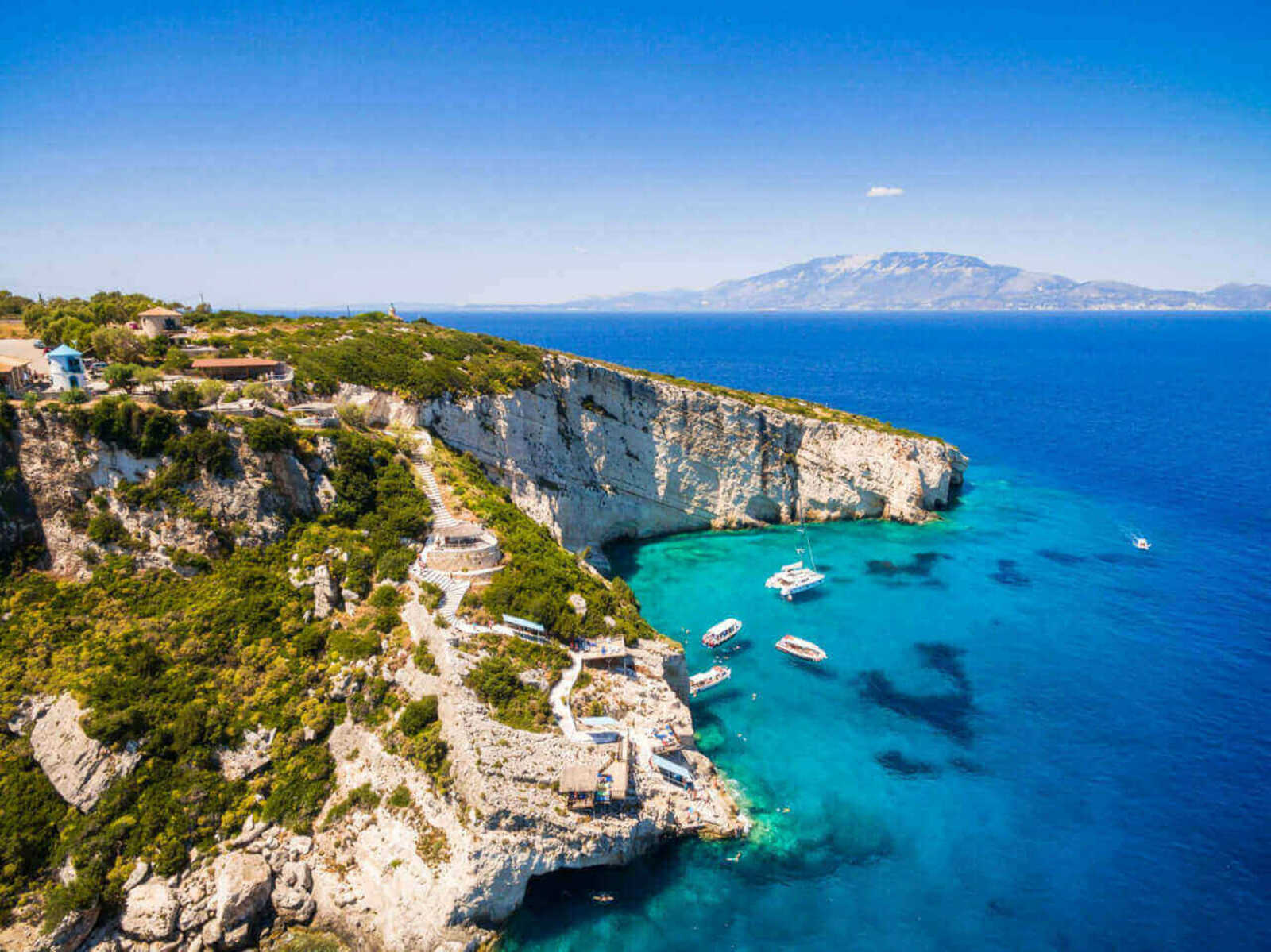
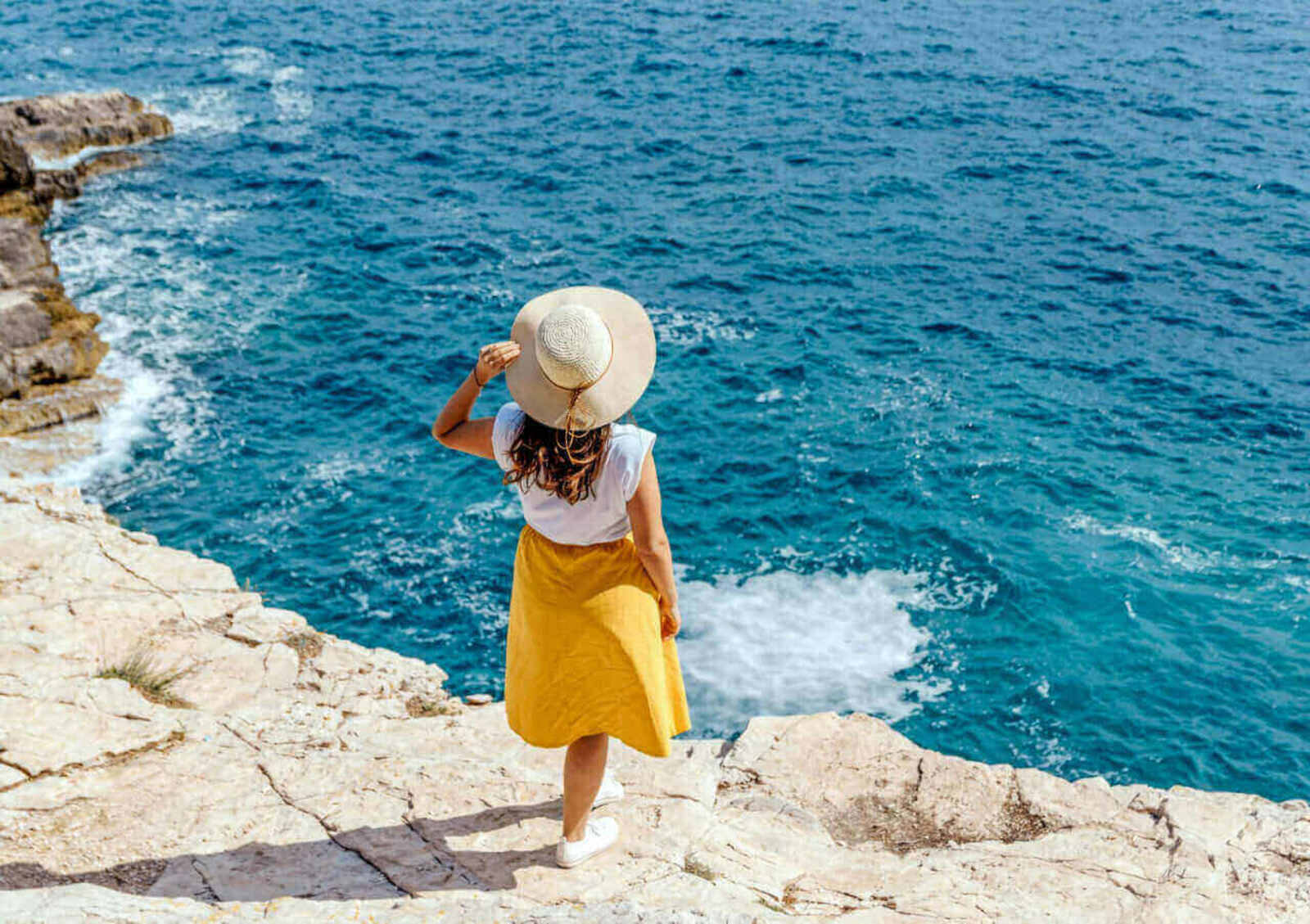

In 2024, one of the world’s leading travel publishers, Lonely Planet, presented a fresh list of 12 European islands that deserve special attention from travellers. Each of these islands is unique and attracts visitors not only with picturesque beaches, but also with rich culture and outstanding natural beauty.
Below you’ll find a short description of every island: what makes it special, what the local atmosphere feels like, and why it’s worth adding to your travel plans – whether you go this year or in one of the upcoming seasons.
These islands offer unique experiences and are an excellent choice for European getaways – not only in 2024, but also in the years to come.
Source of inspiration: Lonely Planet’s official feature on the best islands in Europe ( lonelyplanet.com , published in summer 2024).
Key highlights of the 12 European islands
12 very different islands: from sun-drenched Sardinia and Menorca to the northern drama of Lofoten, Skye and Inis Mór.
A mix of seas and regions: Mediterranean, Baltic, North Sea and Atlantic coasts – easy to combine with classic European city trips.
All travel styles: beach relaxation, hiking, cycling, medieval towns, nature escapes and foodie itineraries.
Authentic atmosphere: fishing villages, old windmills, monasteries, fortresses and long summer evenings with glowing sunsets.
Perfect for an extended weekend: most islands are reachable by short flights or convenient ferry connections.
European islands recommended by Lonely Planet
The list below follows Lonely Planet’s original order and covers very different corners of Europe – from Croatia’s Dalmatian coast and Mediterranean islands to the Baltic Sea, the North Sea and the Atlantic edge of the continent.
1. Korčula, Croatia
Korčula, Croatia , is a green Dalmatian island covered with vineyards, olive groves and dense forests. It offers historic architecture, a charming old town and plenty of opportunities for coastal walks and cycling with sea views.
2. Skiathos, Greece
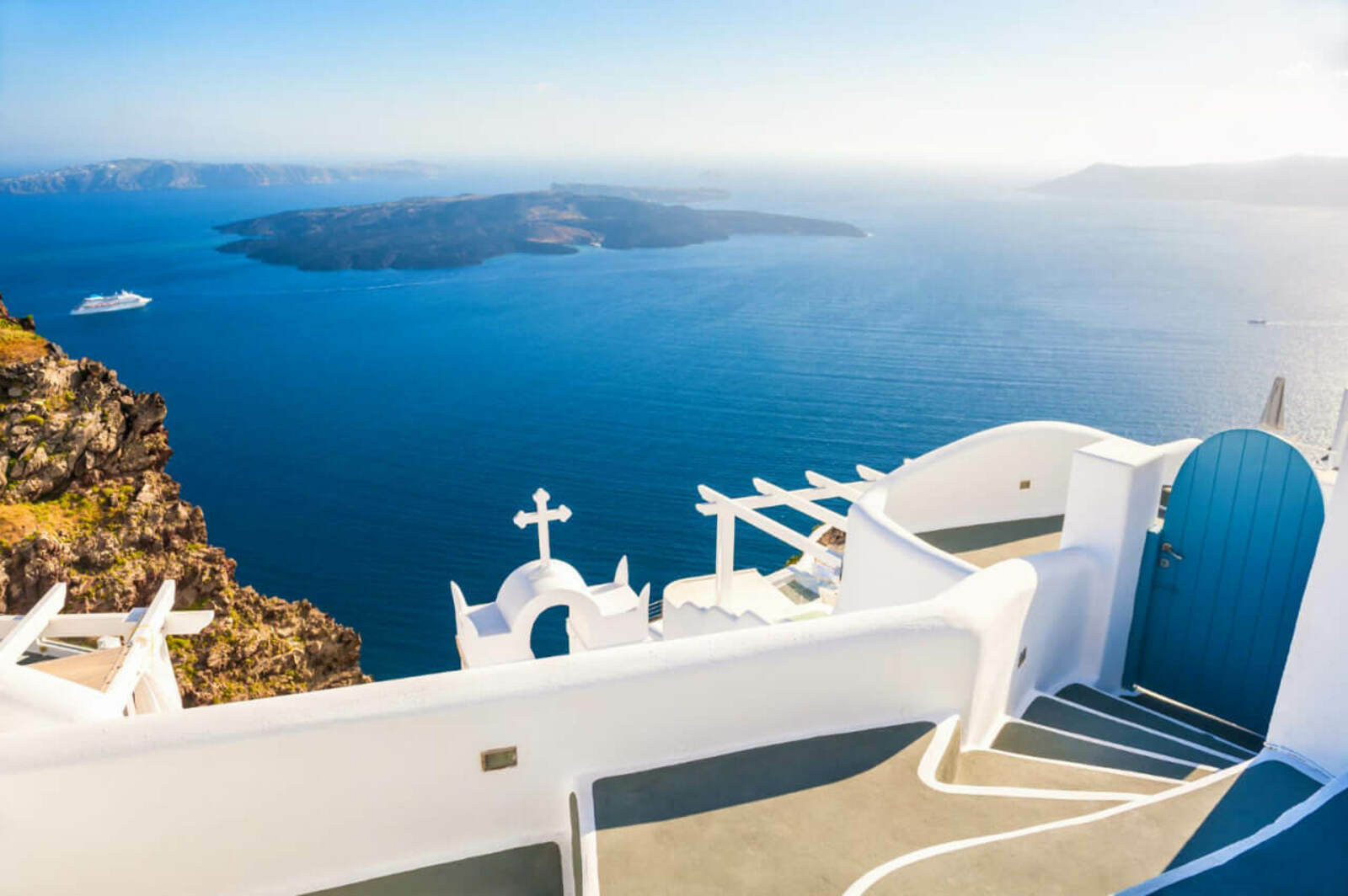
Skiathos, Greece , is an island with a rich history and the scent of pine trees in the air. It is the birthplace of writer Alexandros Papadiamantis and is famous for its whitewashed houses, ancient monasteries and beautiful beaches with fine sand and crystal-clear water.
3. Sardinia, Italy
Sardinia, Italy , is a bold and charismatic island in the Mediterranean Sea. Expect impressive coastal hiking trails, rocky coves with turquoise water and mysterious Neolithic tombs that tell stories of an ancient past.
4. Corsica, France
Wild and proud Corsica, part of France , has a unique culture and dramatic scenery ranging from sandy beaches and rocky coves to rugged mountain ranges. The island is ideal for fans of active holidays, road trips and multi-day hiking.
5. Menorca, Spain
Menorca, Spain , is a sun-soaked island with beaches on the Balearic Sea. It is known for sustainable development, a calmer vibe compared to neighbouring Mallorca, and a rich culinary heritage that includes local cheeses and fresh seafood.
6. Saaremaa, Estonia
Saaremaa is often called the “soul of Estonia”, with oak and juniper forests, old windmills and quiet villages. The island is famous for some of the best farm-brewed beer in the Baltic countries and for its laid-back, northern coastal atmosphere.
7. Lofoten Islands, Norway
Norway’s Lofoten archipelago is known for its legendary whirlpool and the red fishermen’s cabins immortalised by Jules Verne. The main draw is nature: dramatic peaks, narrow fjords and northern skies that in winter are illuminated by the aurora borealis.
8. Gotland, Sweden
Gotland, the “queen of the Baltic”, impresses with medieval towns and churches, sandy beaches and long summer evenings. The capital Visby offers cobbled streets, ruins of old churches and defensive walls that make every walk feel like a journey back in time.
9. Texel, Netherlands
Texel in the Netherlands , offers wide beaches with white sand, nature reserves and a rich maritime history. It’s a perfect cycling island: numerous bike paths lead through dunes, fields and picturesque villages.
10. Isles of Scilly, England
The Isles of Scilly, about 45 km off the coast of Cornwall, are a true ecological haven with subtropical plants and beautiful beaches. A mild climate, well-kept gardens, clear sea and small villages create the feeling of a remote corner of the world at the edge of England.
11. Isle of Skye, Scotland
The Isle of Skye is Scotland’s second-largest island. It is known for its rugged mountains and cliffs, waterfalls tumbling straight into the sea and numerous small museums and galleries that tell the story of the island’s history and culture.
12. Inis Mór, Ireland
Inis Mór is the largest of Ireland’s Aran Islands, with a rich cultural heritage and strong traditions in music. Sheer cliffs, stone walls, ancient ringforts and wild, windswept nature create a very special atmosphere that draws travellers from all over the world.
What to do on these European islands
On each of these islands you can shape your days to match your travel style. You can keep things slow – beach time, swimming, seaside strolls – or go more active with hikes, bike rides and exploring historic towns and villages.
Nature lovers often choose mountain and ridge paths in Corsica and on Skye, coastal trails in Sardinia and Lofoten, and cycling routes on Korčula, Texel and Saaremaa. On Baltic and northern islands it is especially enjoyable to combine walks with visits to lighthouses, windmills and small local museums.
Foodies will appreciate Menorca’s and Sardinia’s culinary scenes, farm products from Saaremaa and the fish and seafood dishes of Lofoten. In the evenings you can join local festivals, listen to traditional music on Inis Mór or simply wander the medieval streets of Visby on Gotland.
One day on an island: a sample plan
If you only have one day, start the morning with a seaside walk and a coffee at a small café facing the water. On Korčula, Menorca or Texel this is the perfect moment to tune into the local rhythm of life and watch fishing boats and ferries come and go.
Travellers drawn to wilder scenery might prefer Lofoten or Skye, where the day can begin with a short hike to a viewpoint over fjords, mountains and steep cliffs – a great way to feel the scale of the landscape even in limited time.
In the evening, leave time for an old town or traditional village: Visby’s medieval stone, the windmills of Saaremaa, little museums on Skye or the cultural vibe of Inis Mór. Finish the day with dinner in a taverna or local restaurant, pairing regional dishes with wine or craft beer.
A weekend on a European island: 2-day idea
On day one, focus mainly on nature: beaches, coves, viewpoints and short trails. In Sardinia and Menorca you can visit several different bays in a single day, while in Lofoten you might combine a fiord-side walk with a short drive or bus ride to villages further away.
Day two can be dedicated to culture: the fortifications and narrow streets of Korčula, monasteries on Skiathos, museums and galleries on Skye and Gotland. On Saaremaa and Texel, make time for historic villages with traditional houses, windmills and small museums about island life in the past.
At the end of the trip, allow for a slow evening walk along the waterfront and a final sunset. It’s the ideal way to say goodbye to the island – and often the moment when you start planning which destination from the Lonely Planet list you want to see next.
How to get to these islands
Most islands on the list are connected to the mainland by short flights or ferries. Sardinia, Menorca, Corsica, Skiathos and other Mediterranean islands are typically reached by scheduled or charter flights from major European cities.
Saaremaa, Gotland and Texel are easy to combine with trips through the Baltic states, Sweden or the Netherlands: first fly to a capital or major city, then continue by ferry, domestic flight or a drive including a short ferry crossing. The Isles of Scilly and Skye fit naturally into itineraries through England and Scotland.
When planning, pay attention to the seasonality of ferry schedules and regional flights. In summer there are usually more options, while outside peak season some routes may run less frequently or pause temporarily.
Frequently asked questions about Europe’s islands
When is the best time to plan a trip to these European islands?
For Mediterranean islands (Sardinia, Menorca, Korčula, Skiathos, Corsica), the best time is from late May to early October. Northern and Baltic islands (Saaremaa, Gotland, Lofoten, Texel, Skye, Inis Mór) are most pleasant between May and September, when the weather is milder and ferry schedules are more reliable.
Is it realistic to visit several islands from the list in one trip?
Yes. Many travellers combine, for example, Sardinia and Corsica, Menorca with other Balearic islands, or several British and Irish islands. Just make sure to check ferry and domestic flight schedules in advance and leave some buffer time for possible delays and connections.
Are these islands suitable for holidays with children?
Menorca, Texel, Korčula and Saaremaa are particularly family-friendly, with calm beaches, bike paths and good infrastructure. Lofoten and Skye are better suited to families with teenagers who enjoy hiking, road trips and spending more time outdoors.
Do I need to rent a car on these islands?
On Lofoten, Skye, Corsica and Sardinia, having a car gives you a lot of freedom – it’s much easier to reach remote beaches and viewpoints. On Menorca, Texel, Saaremaa and some of the British islands, you can often combine public transport, bikes and walking.
Which islands have the most beautiful beaches for classic seaside holidays?
For classic sandy beaches and turquoise water, Sardinia, Menorca, Skiathos, Korčula and the Isles of Scilly are among the most popular. You’ll find both well-equipped beaches and quieter coves for those who prefer more peace and space.
Which islands are best for hiking and dramatic scenery?
Lofoten, Skye and Corsica are top choices for hiking in mountains, along cliffs and around fjords. Sardinia and Korčula have beautiful coastal trails, while Saaremaa and Gotland offer gentler routes ideal for relaxed walks.
Do I have to book accommodation well in advance, or can I find it on arrival?
In peak season it’s highly recommended to book ahead, especially on smaller, popular islands like Lofoten, the Isles of Scilly or Inis Mór. Outside peak season, you may find options closer to your travel dates, but the overall choice will be more limited.
Are these islands suitable for short weekend breaks or only longer holidays?
Many of the islands work very well for extended weekends, as long as there are convenient flights or ferries. Menorca, Korčula, Texel, Saaremaa and the Isles of Scilly are often chosen for short escapes combined with a few extra days in a nearby city.
Which islands are most interesting for history and culture?
Korčula, Gotland, Saaremaa, Skye and Inis Mór are particularly strong on history and culture: medieval towns, old churches, museums, galleries and ancient fortifications. They are perfect if you want to mix beach time with meaningful cultural experiences.
Are these islands better for independent travel or organised tours?
All 12 islands are very manageable for independent travellers: good infrastructure, clear signage and plenty of information available. For a first visit, you might also consider a package or a combined itinerary that includes flights and accommodation.
Is there a big difference in budget between northern and southern islands?
In general, southern islands can be more expensive for accommodation and dining during high season, while northern islands sometimes mean higher transport costs. You can optimise your budget by booking early, travelling outside peak months and choosing less touristy areas to stay.
Can I combine these islands with classic European city itineraries?
Yes, they pair beautifully with city breaks: Sardinia with Rome or Milan, Menorca with Barcelona, Gotland with Stockholm, Saaremaa with Tallinn, Lofoten with Oslo, and Skye and the Isles of Scilly with London, Edinburgh or Glasgow.