
 Enter
Enter




Greece • Aegean & Ionian Seas • Where to go & what to see
How to fall in love with Greece on your very first trip
Enchanting Greece — from ancient ruins and turquoise bays to cliff-top monasteries and lively seaside towns. Let’s figure out where to go and what you simply can’t miss.
Where should you go in Greece and what is worth seeing there? Enchanting Greece offers countless options for travelers: from ancient ruins and stunning beaches to island-hopping trips and pilgrimages to religious sites.
Today it’s relatively easy to get here from Moldova: by plane (regular and seasonal, including charter flights), by coach tour or with your own car. Once you arrive, thousands of kilometers of coastline, historic cities and hundreds of islands are waiting to be explored — each with its own character and atmosphere.
Quick orientation for Greece if you’re short on time:
Cities: Lindos, Chania, Mykonos Town, Agios Nikolaos, Rethymno, Oia, Parga.
Ancient sites & temples: Parthenon, Temple of Olympian Zeus, Erechtheion, Temple of Hephaestus, Temple of Aphaia, Temple of Poseidon at Cape Sounion, Sanctuary of Apollo at Delphi, Temple of Apollo in Bassae, Temple of Zeus at Olympia, Palace of Knossos.
Nature highlights: Meteora, Samaria Gorge, Melissani Cave Lake, Blue Caves of Zakynthos, Butterfly Valley on Rhodes, Santorini volcano, Loutra Pozar hot springs.
Islands & resorts: Crete, Rhodes, Corfu, Santorini, Zakynthos, Mykonos, Halkidiki, Thassos, Peloponnese, Pieria.
How to get to Greece from Moldova and where to stay
Greece (Grecia) is a country in southern Europe, bordering Albania, North Macedonia, Bulgaria and Turkey. It lies relatively close to Moldova, so besides flying, you can reach it by coach tour or by driving your own car.
Surrounded by several seas and boasting a coastline of roughly 13,700 kilometers, Greece is divided into the mainland, the Peloponnese Peninsula and numerous islands, most of them scattered across the Aegean and Ionian Seas.
Roads in Greece are generally of very good quality, making driving easy and pleasant. At the same time you can see many of the most beautiful places in Greece on your own. (Note: if you visit the main highlights of Greece independently, you can save a lot compared to organized excursions.)
Frequent ferries connect the mainland with the islands (often carrying cars as well), so a trip through island Greece can be completely independent and very scenic.
A coach tour from Chișinău to Greece becomes an adventure in itself of about 24 hours: after crossing Romania and Bulgaria, travelers are rewarded with the landscapes of Greece. The terrain is mostly mountainous, but there are also green plains, which makes the scenery diverse and photogenic. The most beautiful places are often by the sea, where the coastline is cut by rocky bays, private yachts line the harbors and colorful towns climb up the hills — each with its own story.
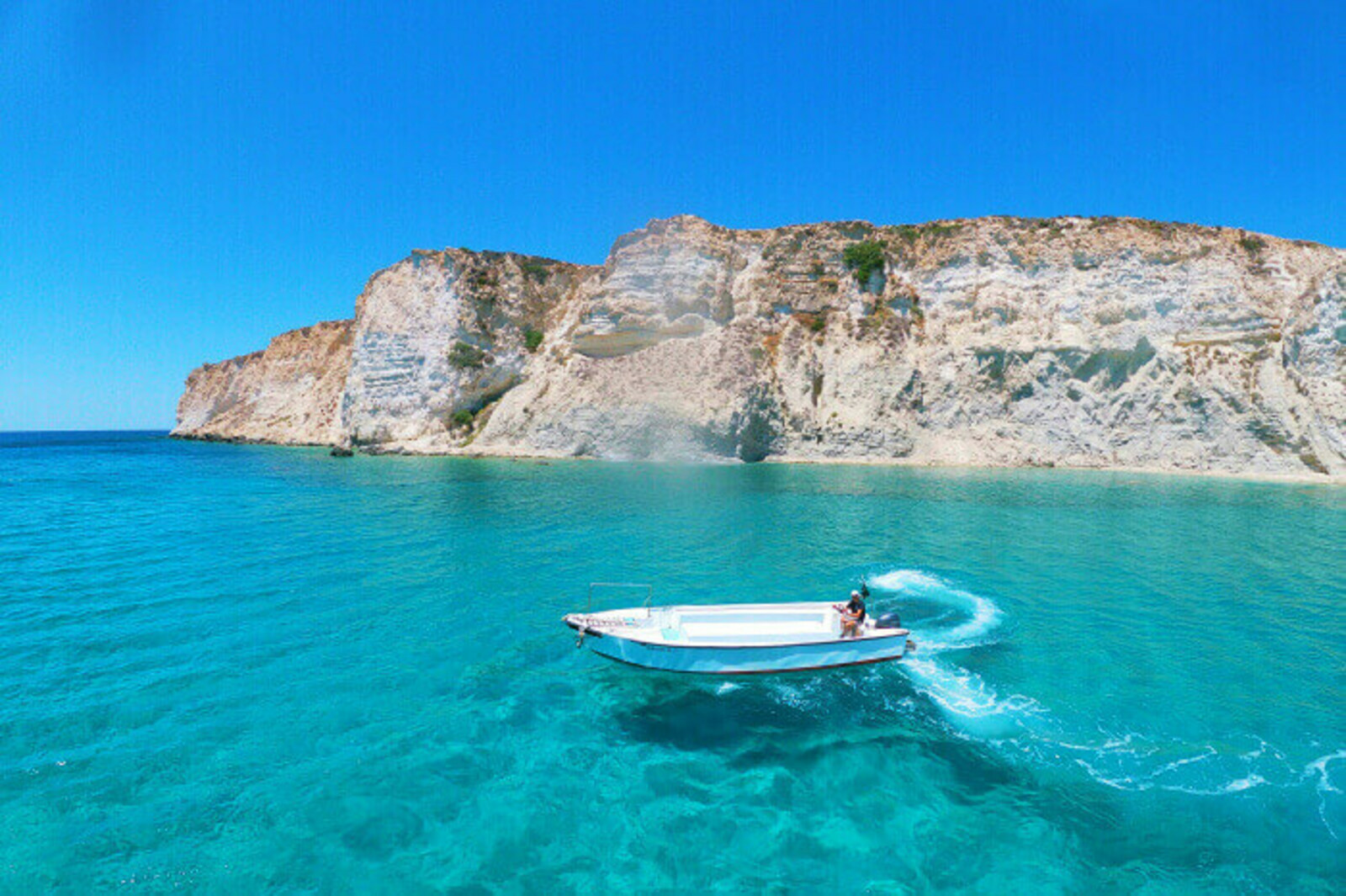
Some of the best destinations to visit by car or coach in northern Greece are Halkidiki (sandy beaches, azure sea, warm weather from late May, many hotels for any budget) and the island of Thassos (the closest Greek island to Chișinău, famous for its marble beach and affordable accommodation). Drivers also often choose popular islands like Zakynthos, Corfu, Lefkada and the coastal town of Parga.
To reach Crete from Chișinău, most travelers fly: typically via Athens and then continue by domestic flight or ferry to Crete. The island offers hotels ranging from 1* to 5* and regular ferries to Santorini. To get to family-friendly, green Rhodes it’s convenient to fly via Iași — in season there are direct or connecting flights, with schedules changing from year to year.
When deciding where to stay in Greece, keep in mind that the mainland is usually a bit cooler than the islands. On the islands the beach season often starts in late April (about a month earlier) and can last until the end of October, especially in the south.
The most beautiful cities in Greece
Greek cities differ a lot from one another because of the rich and varied history of each region. Settlements have existed here for around four thousand years, surviving both the rise of ancient Greek civilization and darker periods of conquest. Romans, crusaders and Ottomans all left their mark on the architecture and traditions. Yet, despite this complex history, Greece is still seen as the cradle of European culture and a major center of ancient science and art. Greek mythology underpins much of modern literature, and the country’s architectural landmarks make Greece attractive not only for beach holidays but also for cultural trips.
According to many travelers, the most beautiful cities in Greece — taking into account scenery, atmosphere and cultural monuments — include this top 7:
1. Lindos — a town on Rhodes, so old and famous that Homer himself mentioned it. The acropolis ruins still stand above the town, but Lindos is better known for its whitewashed houses tumbling down towards the sea and forming a maze of narrow lanes. Photos of Lindos are often used as Greece’s calling card in travel brochures.
2. Chania — a must-see city on Crete. Its architecture preserves Venetian, Ottoman, Byzantine and ancient Greek influences, with a charming old harbor, lighthouse and colorful alleys.
3. Mykonos Town — the main town on the island of Mykonos, considered one of the most bohemian places in Greece. Loved by film stars and affluent travelers, it is bright, sunny and festive, buzzing with energy late into the night.
4. Agios Nikolaos — a picturesque town on Crete, set on the beautiful Mirabello Bay. It is famous for its deep freshwater lake, Voulismeni, where, according to myth, the goddesses Athena and Artemis bathed.
5. Rethymno — another Cretan town, cosy and romantic, with narrow streets, a Venetian fortress and plenty of traces of the Ottoman era.
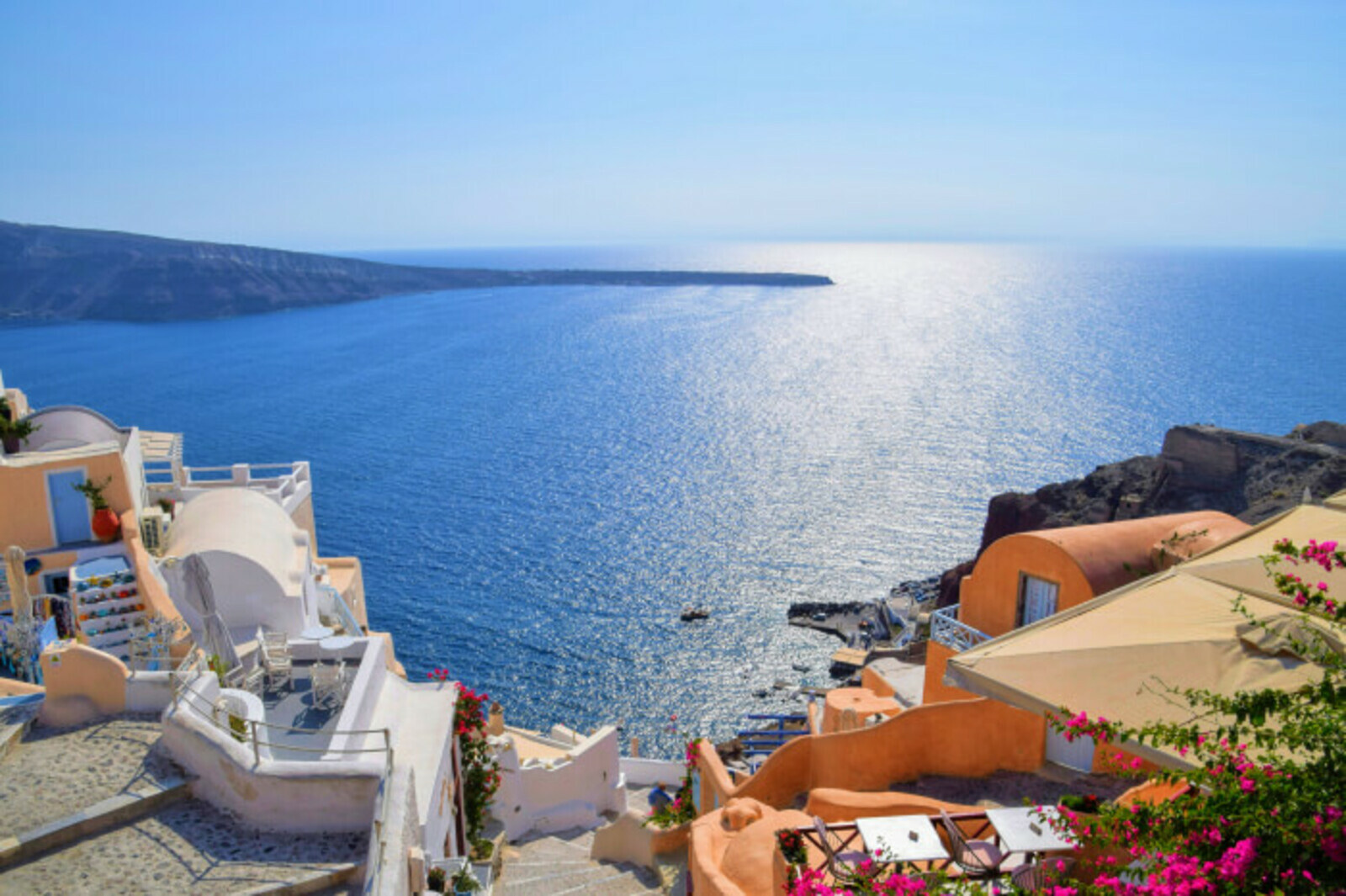
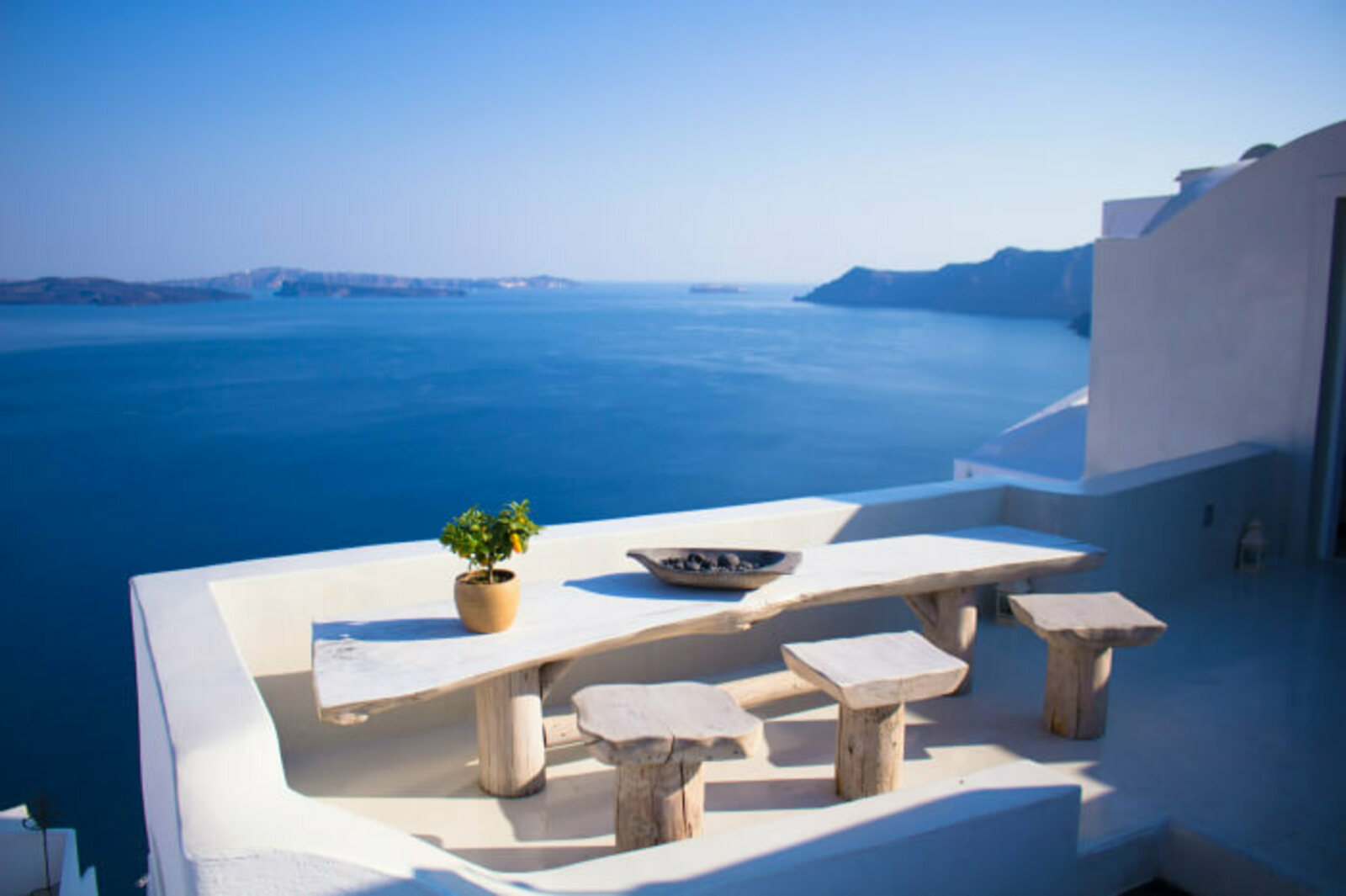
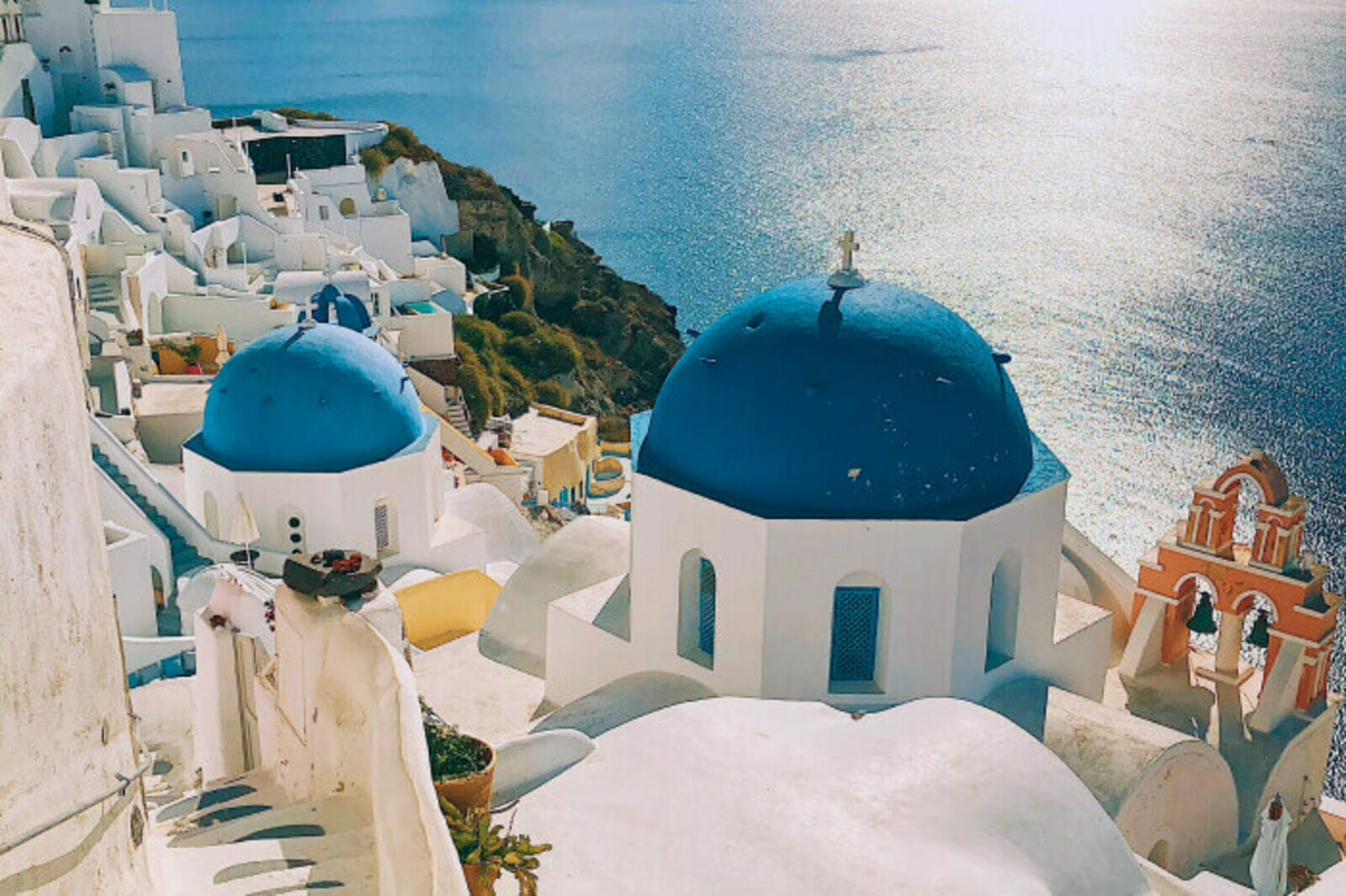
6. Oia — a village on Santorini and one of the most popular spots for a romantic getaway. It’s famed for its sunsets, whitewashed houses and windmills perched on the cliffs. Cars are largely restricted, so you mostly hear birds and cicadas instead of traffic.
7. Parga — a town on the west coast of Greece, on the Ionian Sea. Deep blue water, colorful houses climbing the hillside, a hilltop fortress and a calm Balkan vibe make Parga one of the most atmospheric seaside towns to visit in Greece.
Main highlights and landmarks of Greece
What should you see in Greece and where should you go if you want to grasp the scale of its ancient monuments, wander through medieval fortresses, visit caves where early Christians once hid and see what life in mountain monasteries looks like today? You might also be interested in hot springs, volcanoes and other natural wonders — and Greece has plenty of these as well.
Landmarks of Ancient Greece
What is Greece most famous for? First and foremost, for the monumental ruins of its ancient civilization. Almost every ancient site is wrapped in legends, with temples, marble statues and other cultural treasures dedicated to gods and mythological heroes.
10 of the most famous Greek temples:
1. Parthenon, Athens
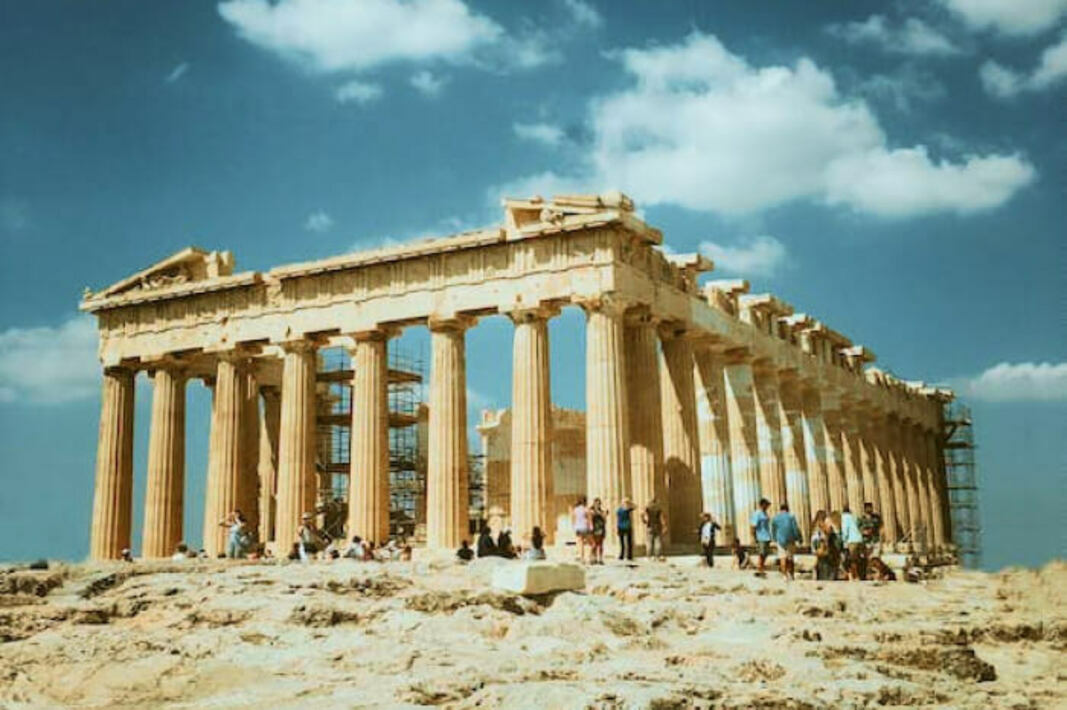
2. Temple of Olympian Zeus, Athens
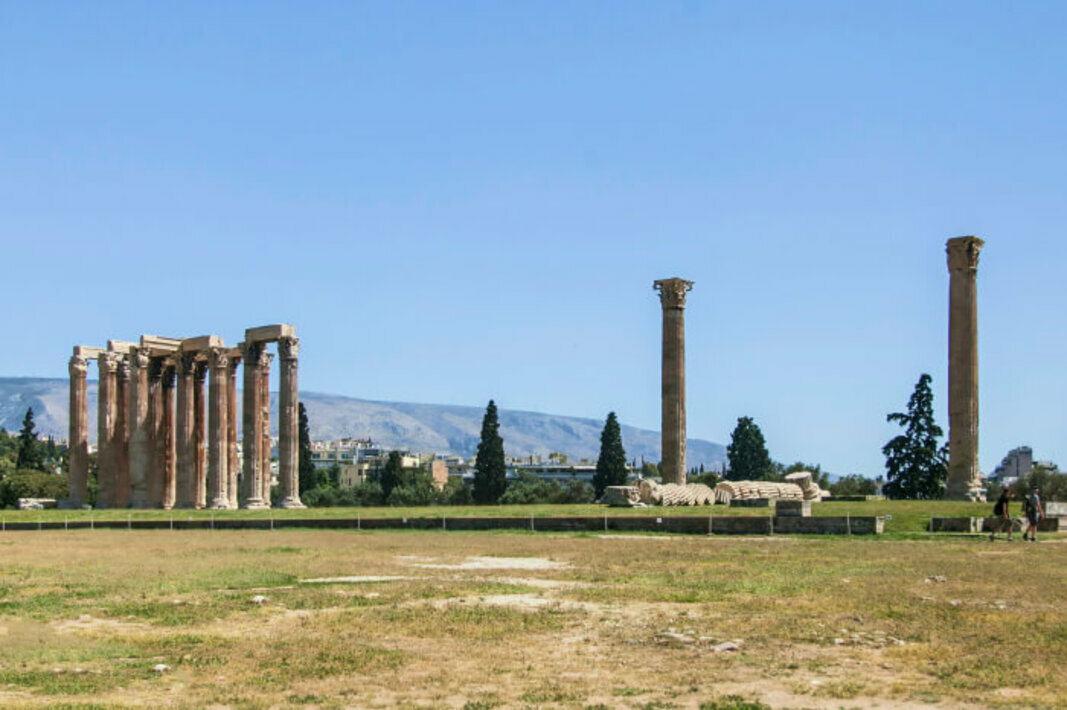
3. Erechtheion, Athens
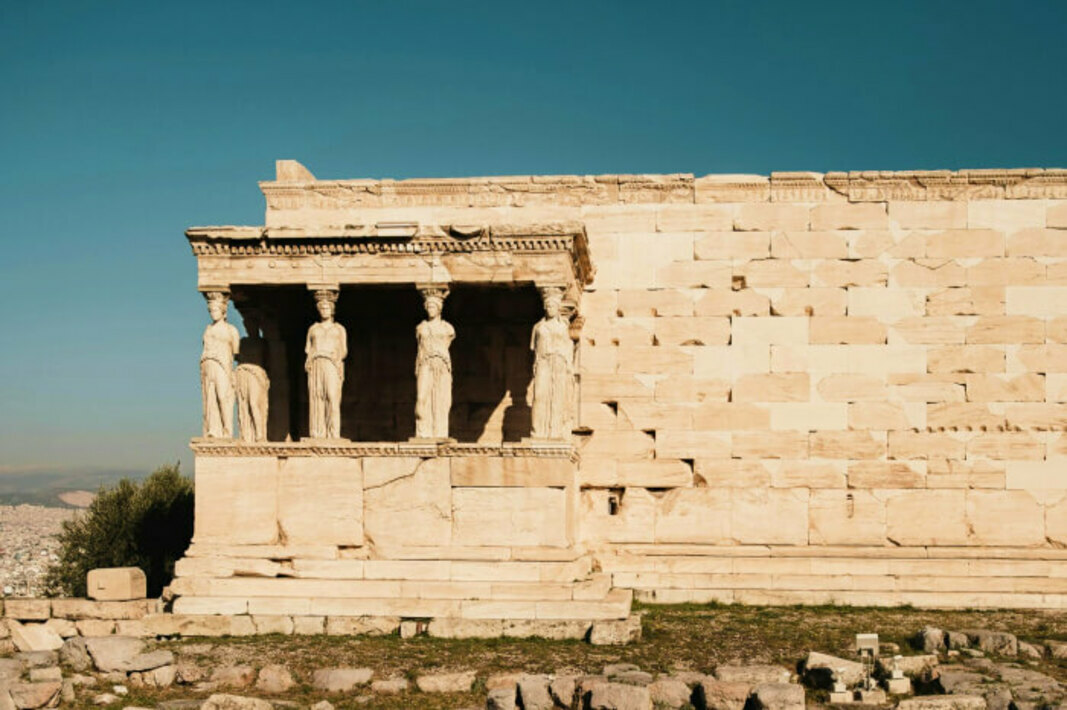
4. Temple of Hephaestus, Athens
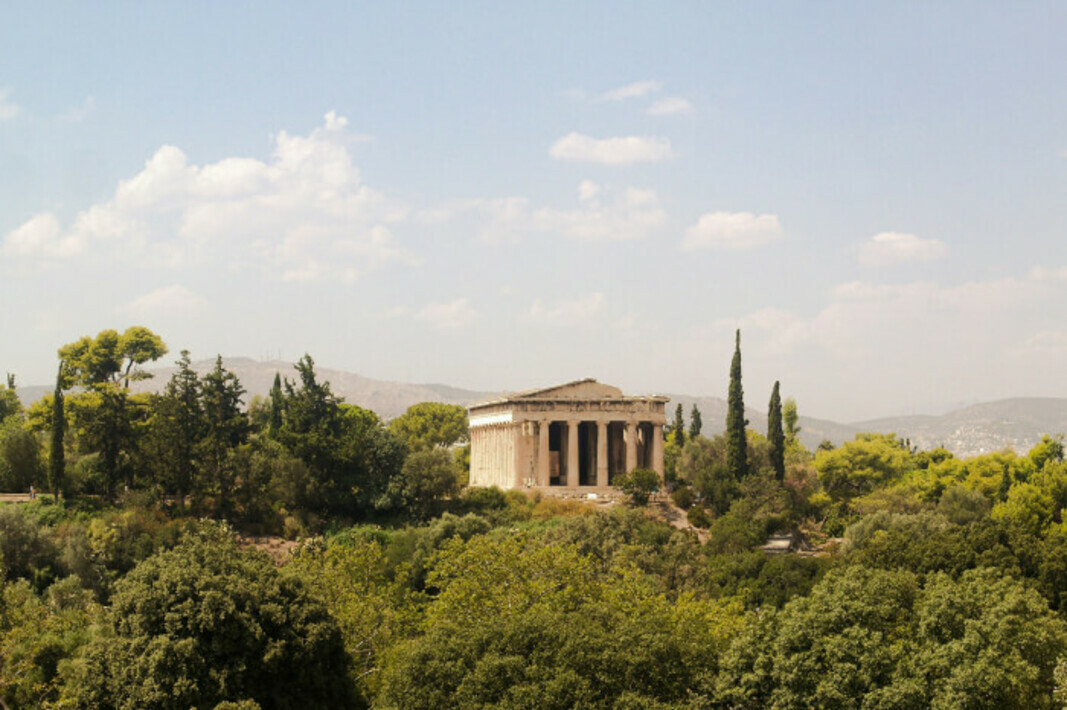
5. Temple of Aphaia, Aegina Island
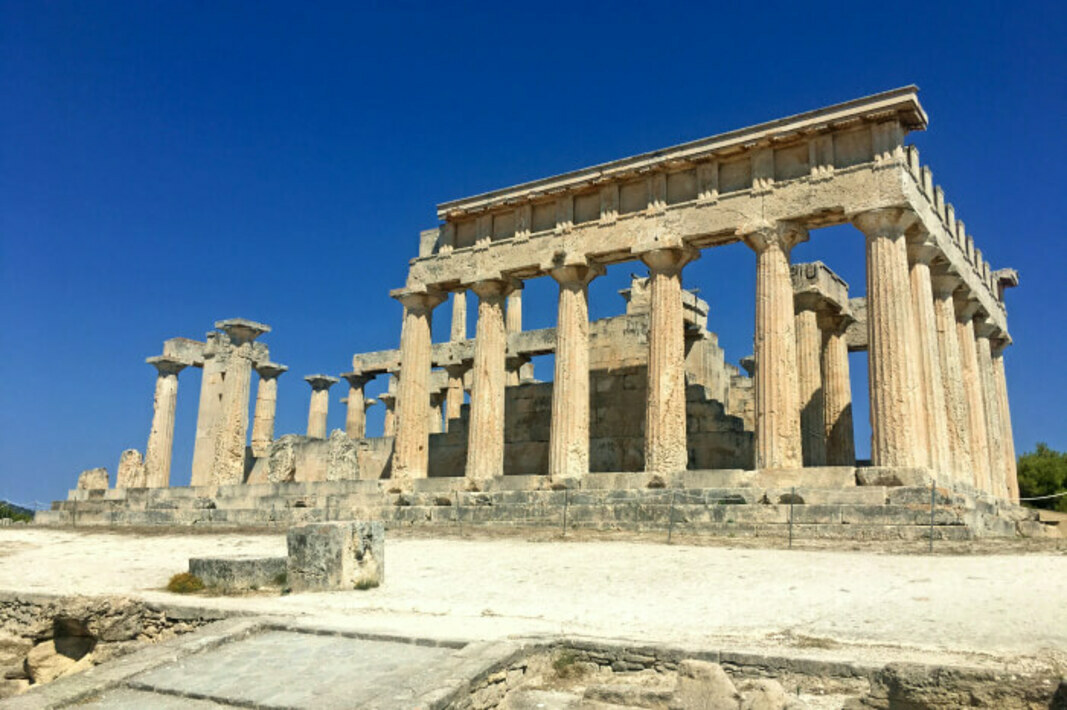
6. Temple of Poseidon, Cape Sounion
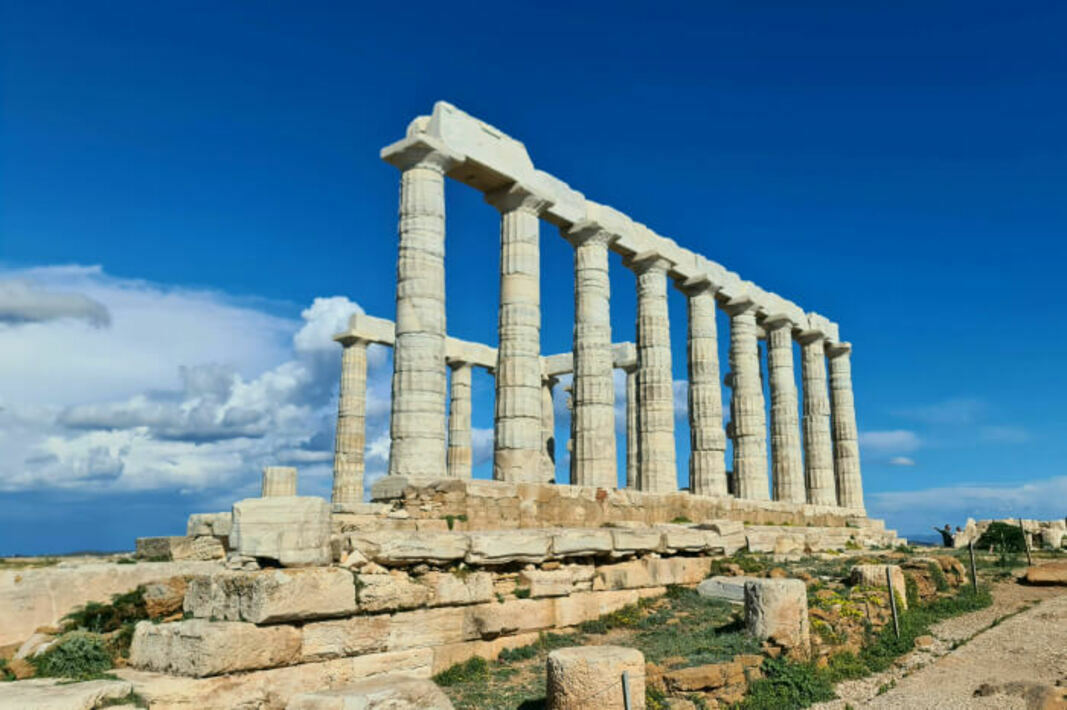
7. Delphi and the Sanctuary of Apollo, Phocis
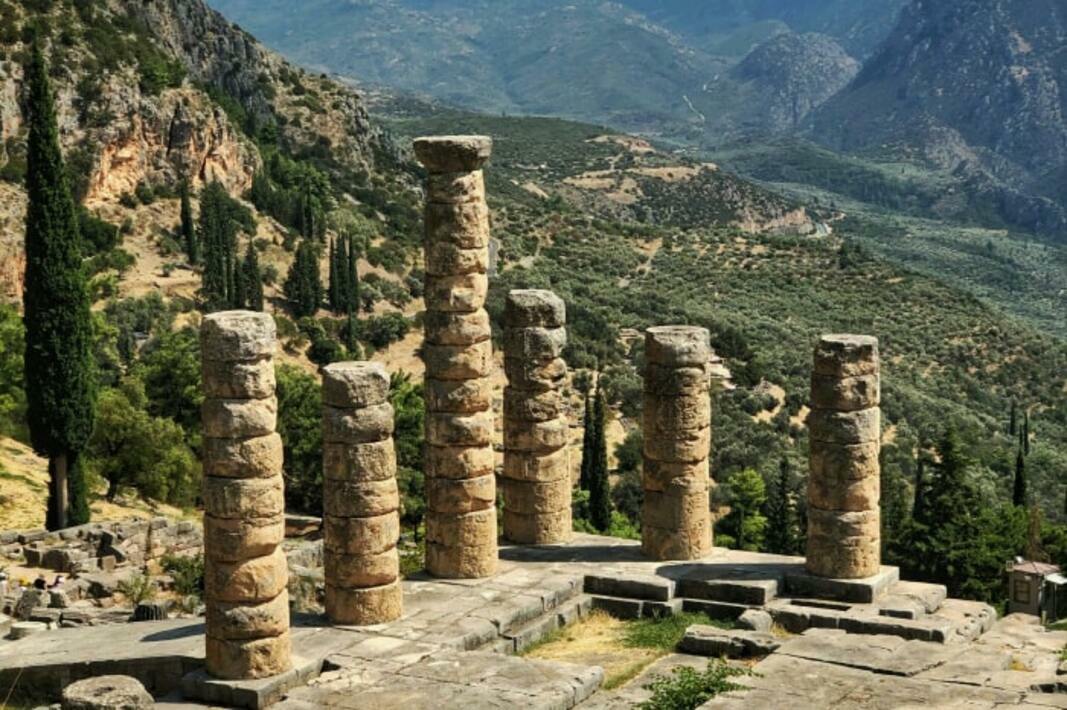
8. Temple of Apollo at Bassae (Peloponnese)
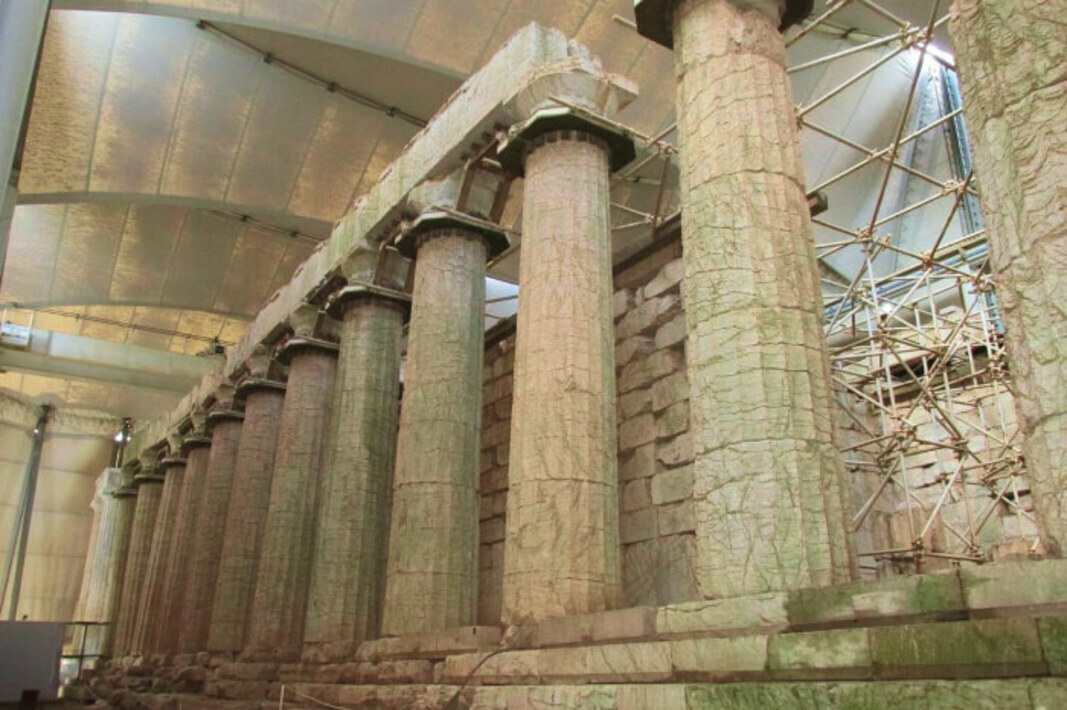
9. Temple of Zeus at Olympia (Peloponnese)
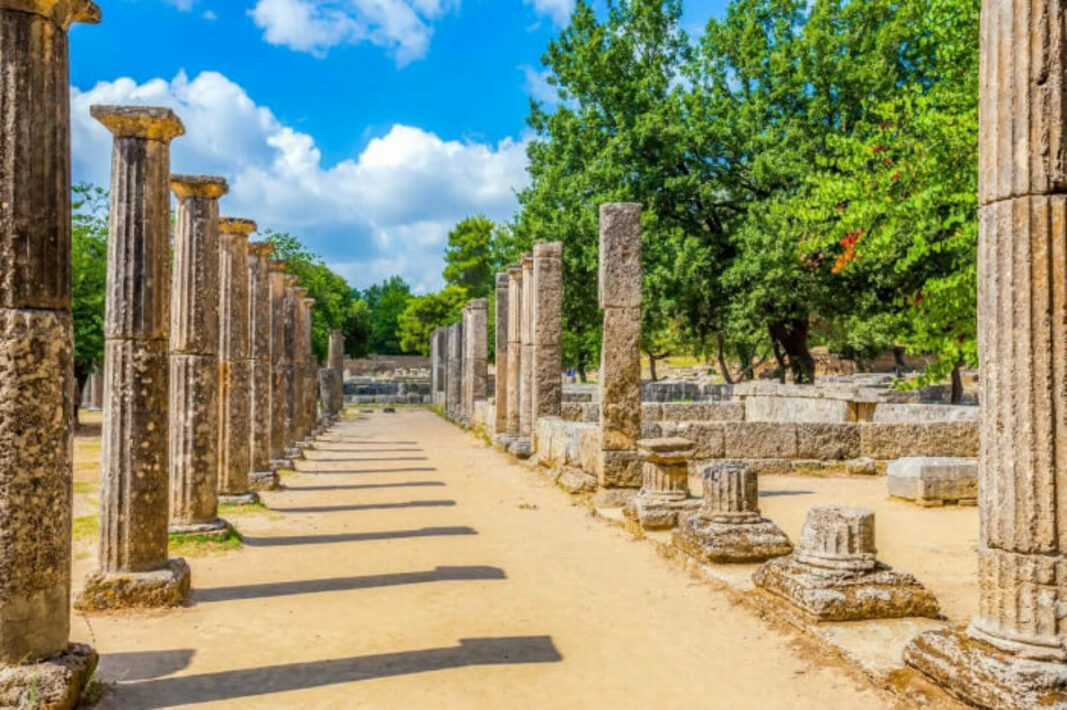
10. Palace of Knossos, Crete
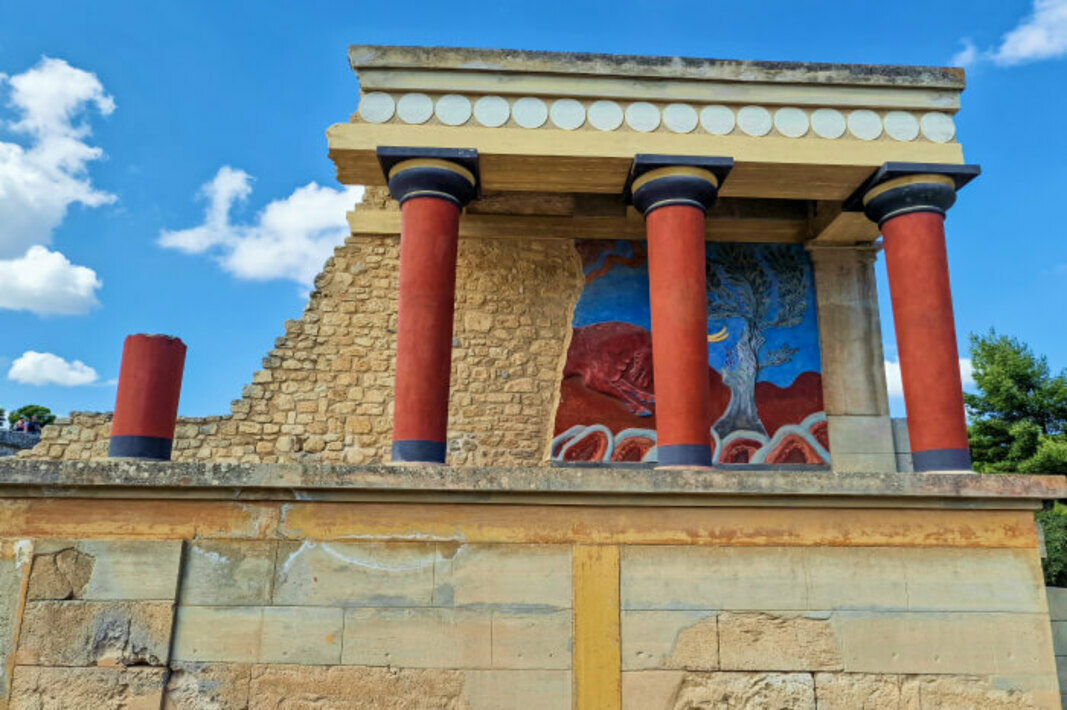
*** One special note about the last site in our top-10: the Palace of Knossos is the legacy of the ancient Minoan civilization (2000–1700 BC). It was the residence of King Minos and functioned partly as a palace and partly as a temple complex. Located near Heraklion, Crete’s capital, it’s traditionally associated with the myth of the Minotaur and the Labyrinth.
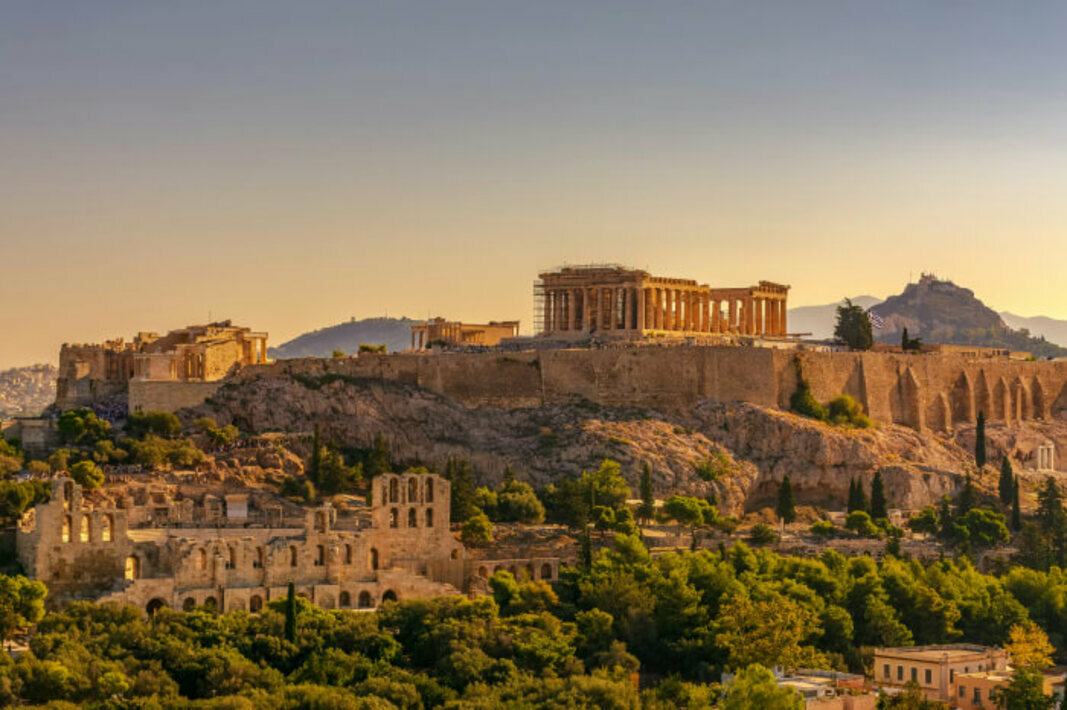
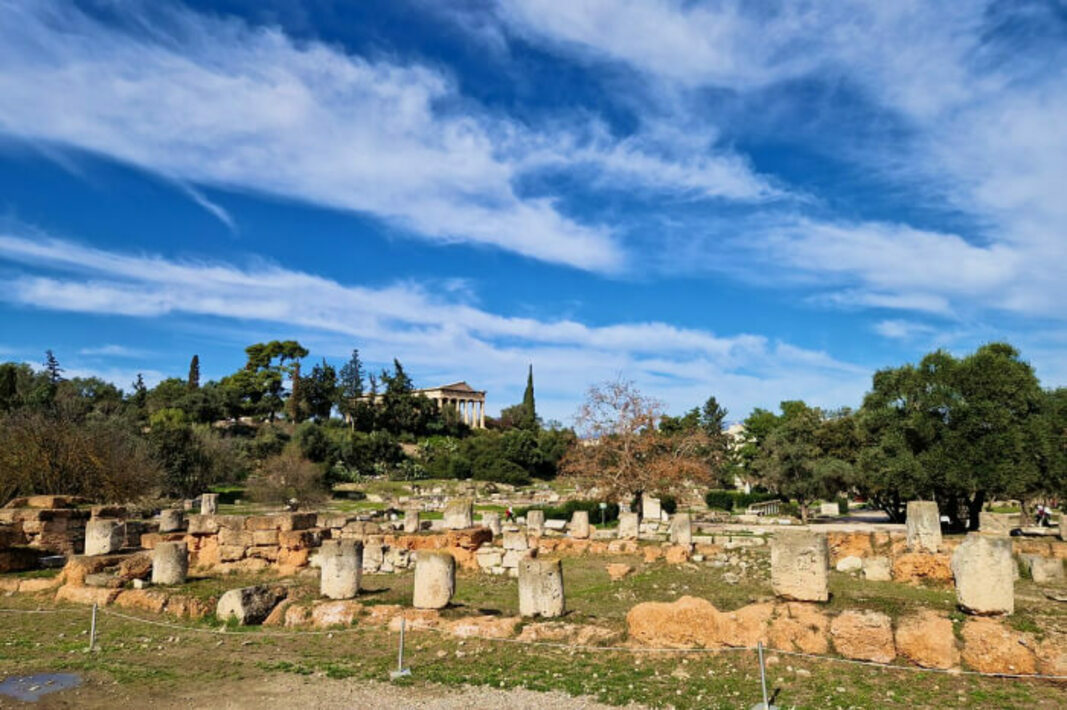
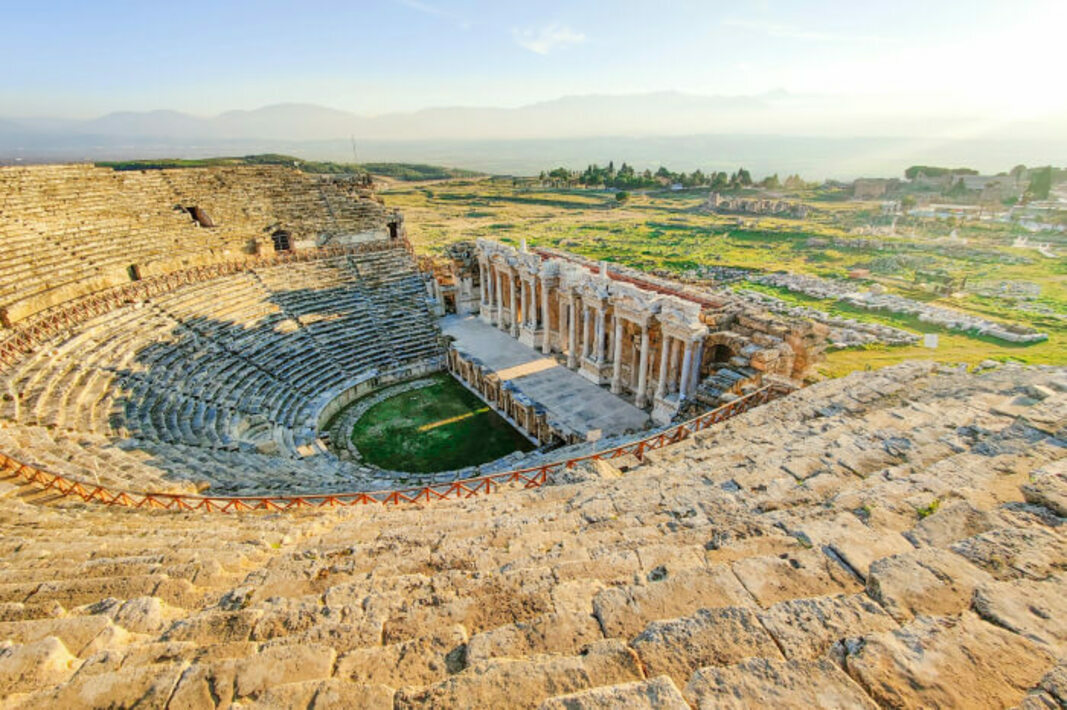
As Greek city-states grew, they needed fortifications, marketplaces and administrative buildings. In many cities, a fortified acropolis was built on a hill, while the central agora served as a marketplace and meeting point. An open-air amphitheatre was used for performances and gatherings. The acropolises in Athens and Lindos are must-see sights. The Ancient Agora of Athens is very well preserved and lies at the foot of the Acropolis. Some of the most impressive theatres are in Epidaurus and on Thassos, and one of the best-known is the Odeon of Herodes Atticus in Athens.
Acropolis
Agora
Amphitheatre
Medieval heritage in Greece
Greek architecture also preserves layers from the medieval era — from crusaders, Venetians and Ottomans. Where should you start?
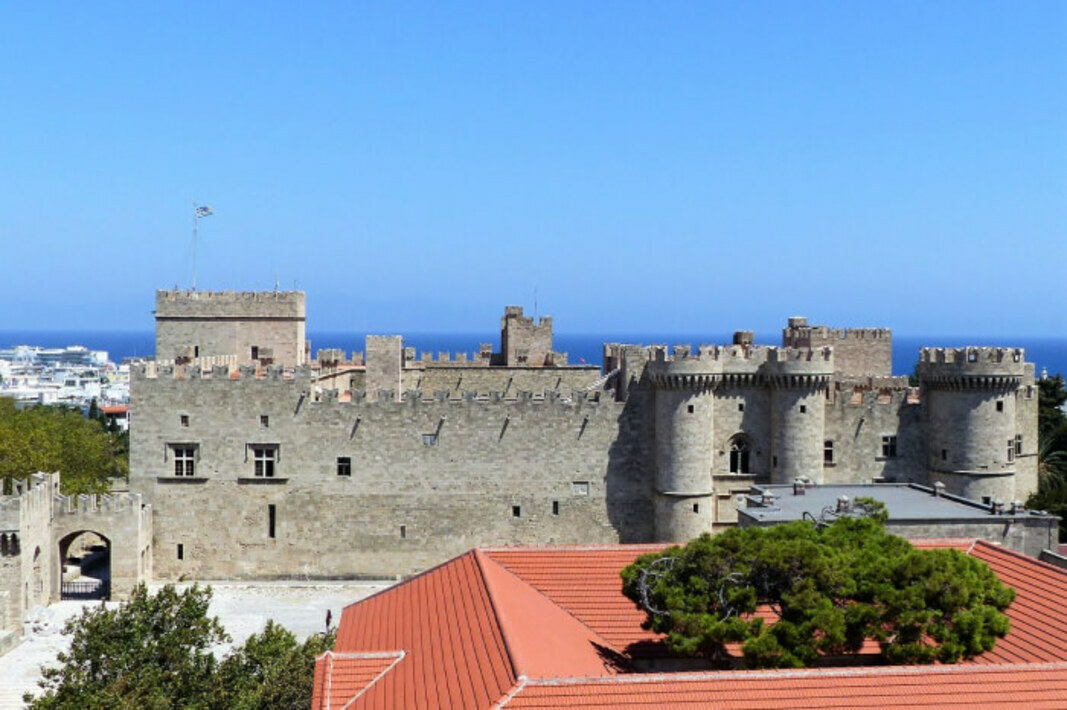
The most famous medieval site is the Rhodes Fortress. It once served as the residence of the Grand Master of the Knights Hospitaller and later fell to the Ottomans. Today this citadel is the main attraction of Rhodes Town and is protected as a UNESCO World Heritage Site.
Christian shrines and pilgrimage centers
Christianity reached Greece as early as the 1st century AD, and according to tradition, it was preached here by the Apostles themselves. Thessaloniki is considered one of the first centers of Christian worship. Until 313 AD services were often held in secret, with believers hiding in the mountains and caves. Many of these early hermit cells can still be visited today.
The most famous is the Cave of the Apocalypse on Patmos, where the Apostle John the Theologian is believed to have received the Revelation and completed his Gospel. Nearby stands the renowned Monastery of Saint John the Theologian, which has been on the UNESCO World Heritage list since 1999.
Cave of the Apocalypse on Patmos (Greece)
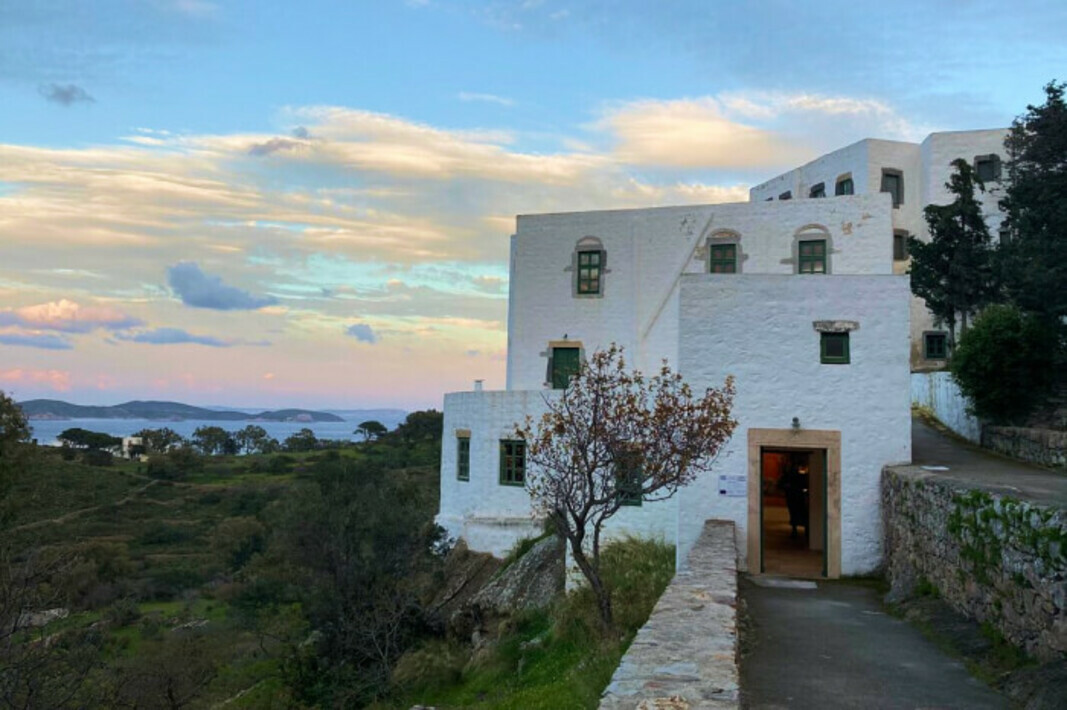
Monastery of Saint John the Theologian
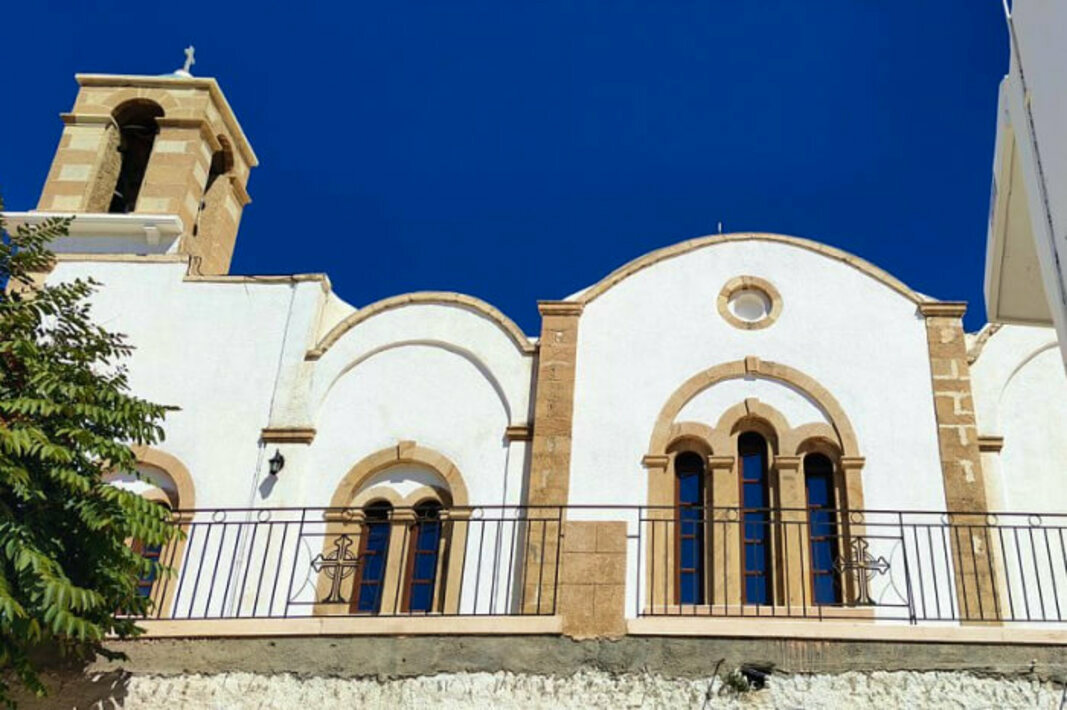
Mount Athos is one of the most important pilgrimage destinations for men, located on the Halkidiki peninsula. Around 180 monasteries and smaller communities form a unique monastic republic. Women are not allowed to enter Athos, and in an atmosphere of strict monastic discipline, monks preserve miracle-working icons, relics and an invaluable library of manuscripts.
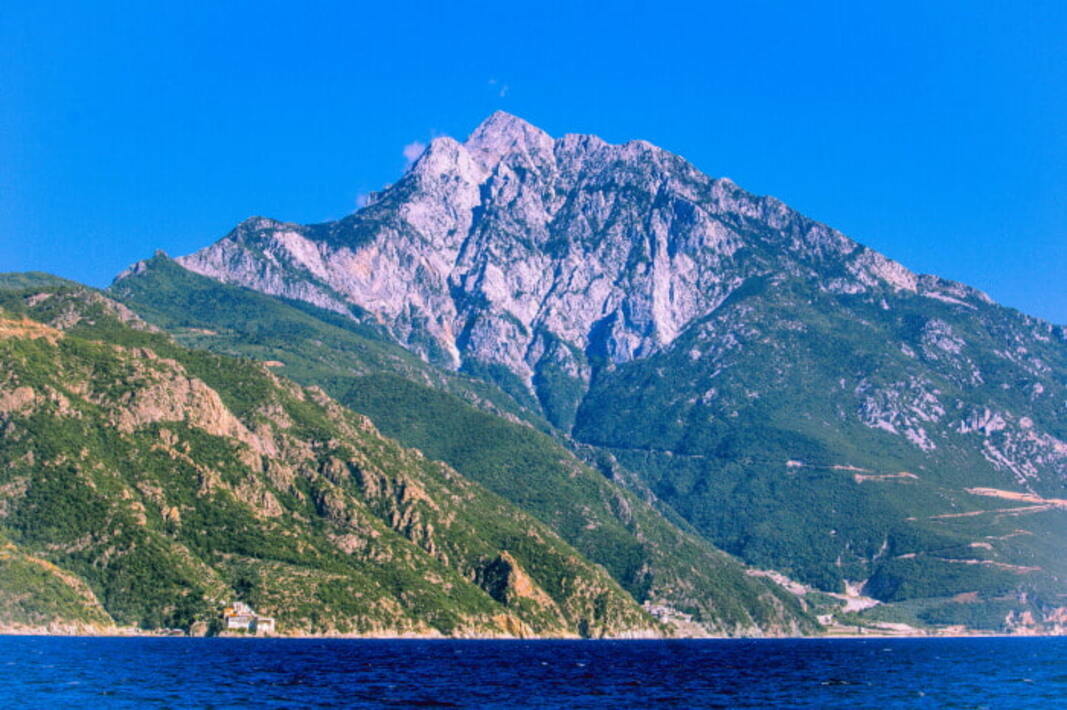
Meteora is a region in northern Greece where hermits once sought isolation on the tops of sheer rocks. The name “Meteora” can be translated as “suspended in the air” — and when you see the monasteries perched on vertical cliffs, you understand why. Many of them are still active and are now a UNESCO World Heritage Site.
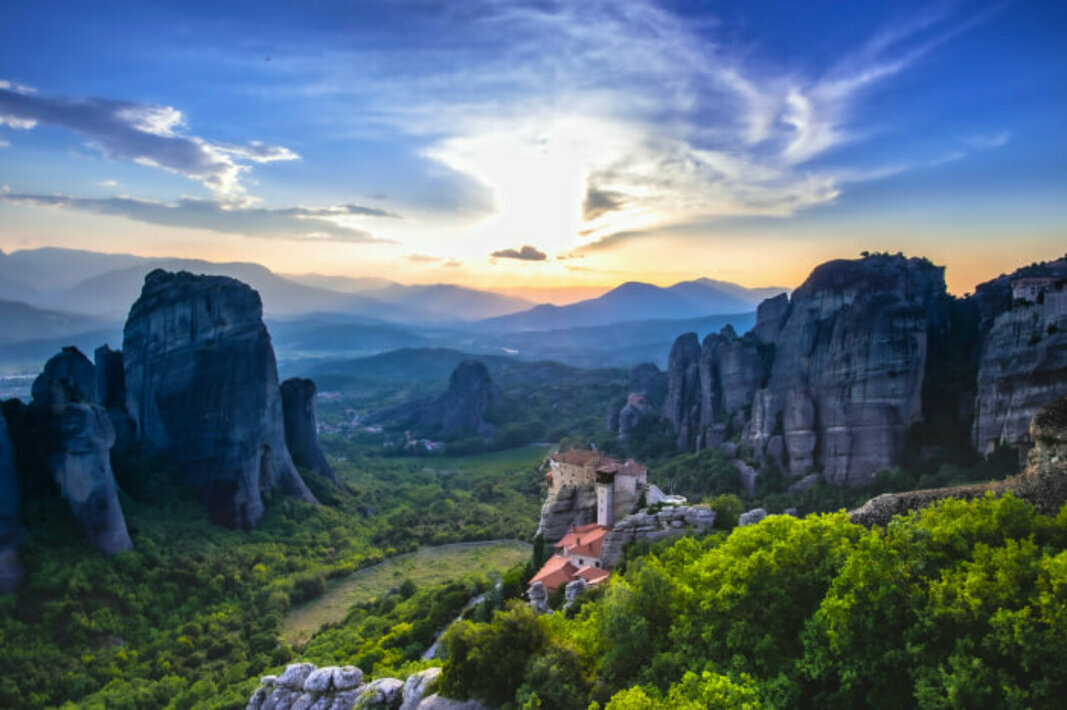
It would be difficult to list all the churches, cathedrals and monasteries scattered throughout Greece. Every year thousands of people come here on pilgrimages, asking for help, giving thanks or simply seeking quiet reflection in sacred places.
Natural wonders of Greece
Greece is full of beautiful coves, dramatic cliffs and caves — some flooded and accessible only by boat. You can also visit lakes, hot springs, volcanic craters, nature reserves and even turtle islands. Here are some of the must-see spots for nature lovers.
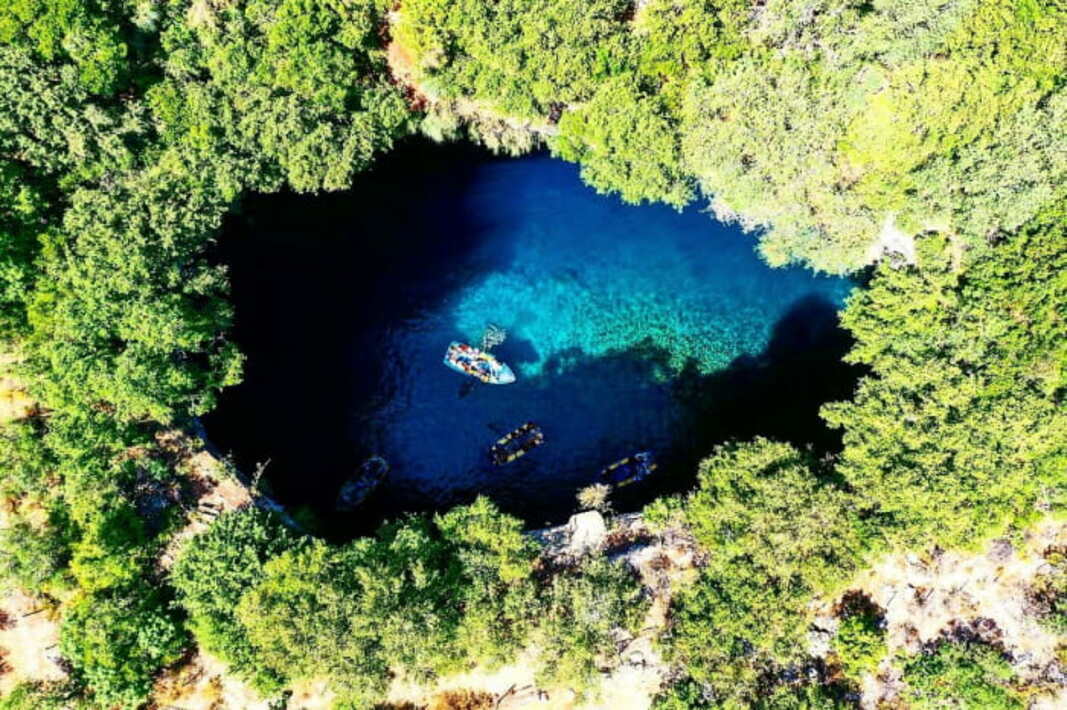
Melissani Cave Lake is an atmospheric natural site on Kefalonia. The crystal-clear water, poetically called “the tears of a rejected nymph”, is so transparent that it looks as if the boat is floating in mid-air.
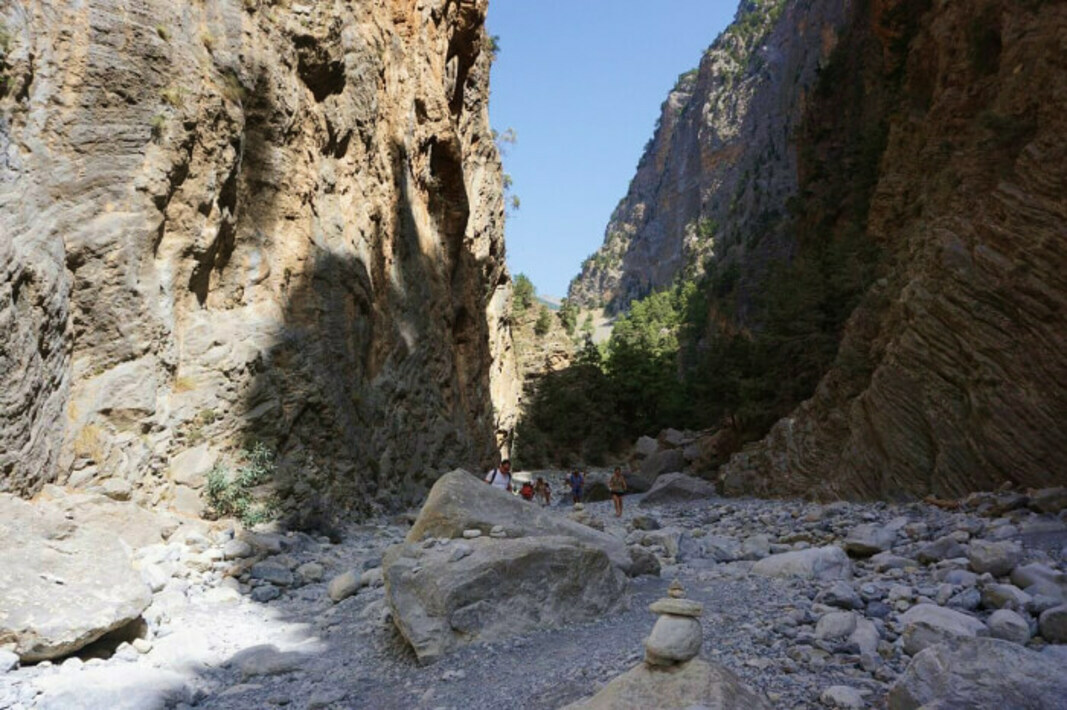
Samaria Gorge on Crete is considered one of the longest and most beautiful gorges in Europe and is part of a UNESCO Biosphere Reserve. Carved by a mountain river, it stretches for about 18 km and its walls rise up to 300 m high. A well-marked hiking trail runs through the gorge, with rangers, water sources and basic facilities along the way.
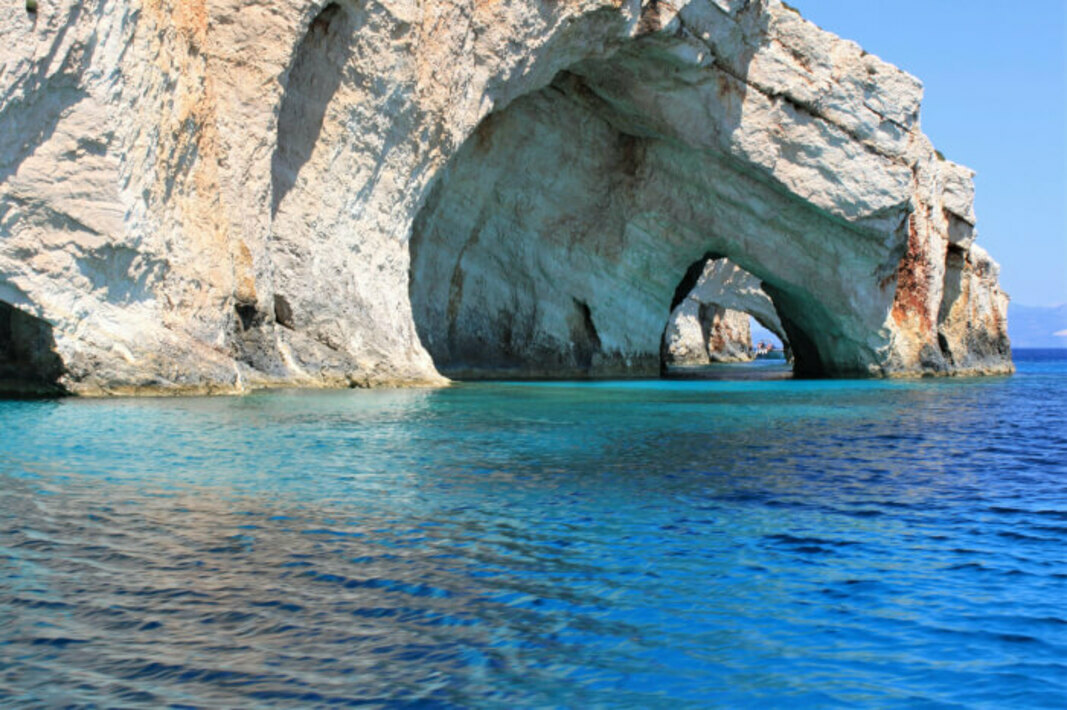
Blue Caves on Zakynthos are a chain of sea caves that can only be reached by boat. Their walls are formed from white rock, and the water shines in every shade of blue, from pale turquoise to deep indigo. The most famous is the Blue Grotto at Cape Skinari, whose entrance is so low that sometimes you can only access it by swimming.
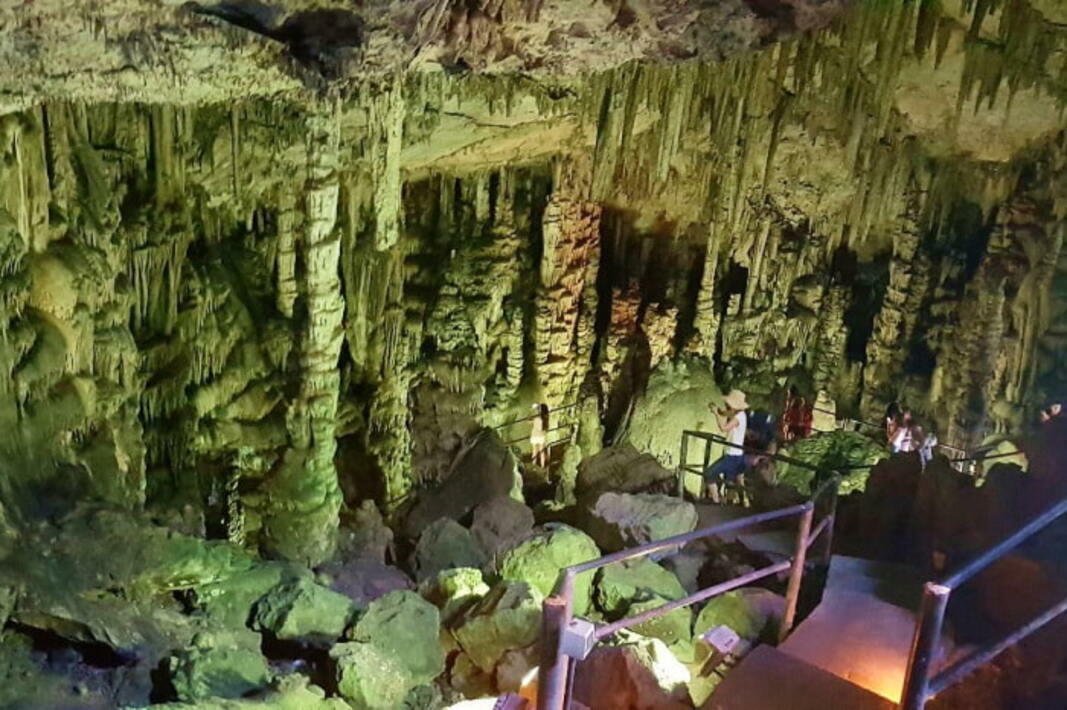
Dikteon Cave is a cool cave with five halls filled with stalactites and stalagmites. According to myth, this is where the god Zeus was born and raised.
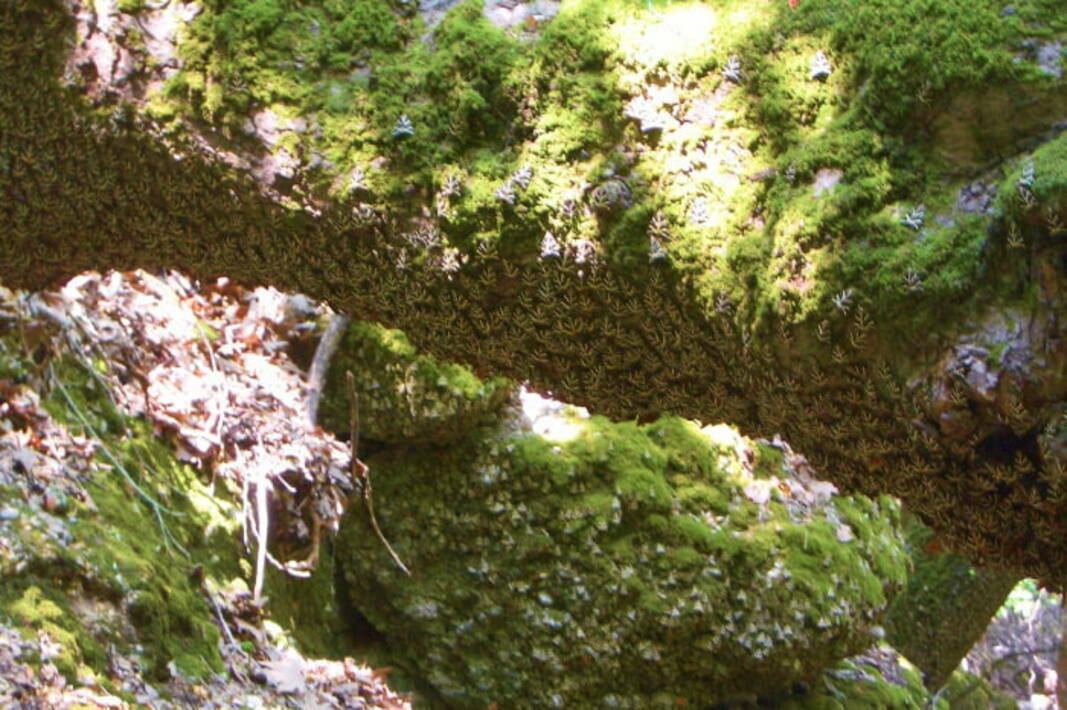
Butterfly Valley on Rhodes is a natural park where millions of butterflies gather every summer, drawn by the scent of resin from liquidambar trees. When they take off, they turn the trees into living mosaics that leave visitors speechless.
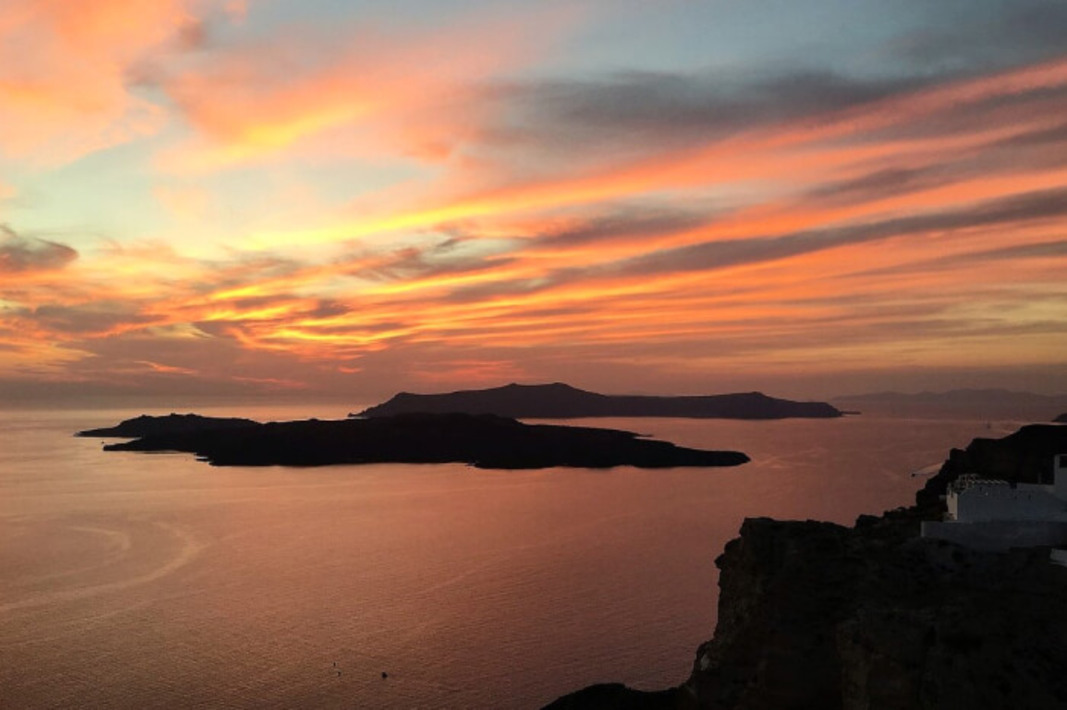
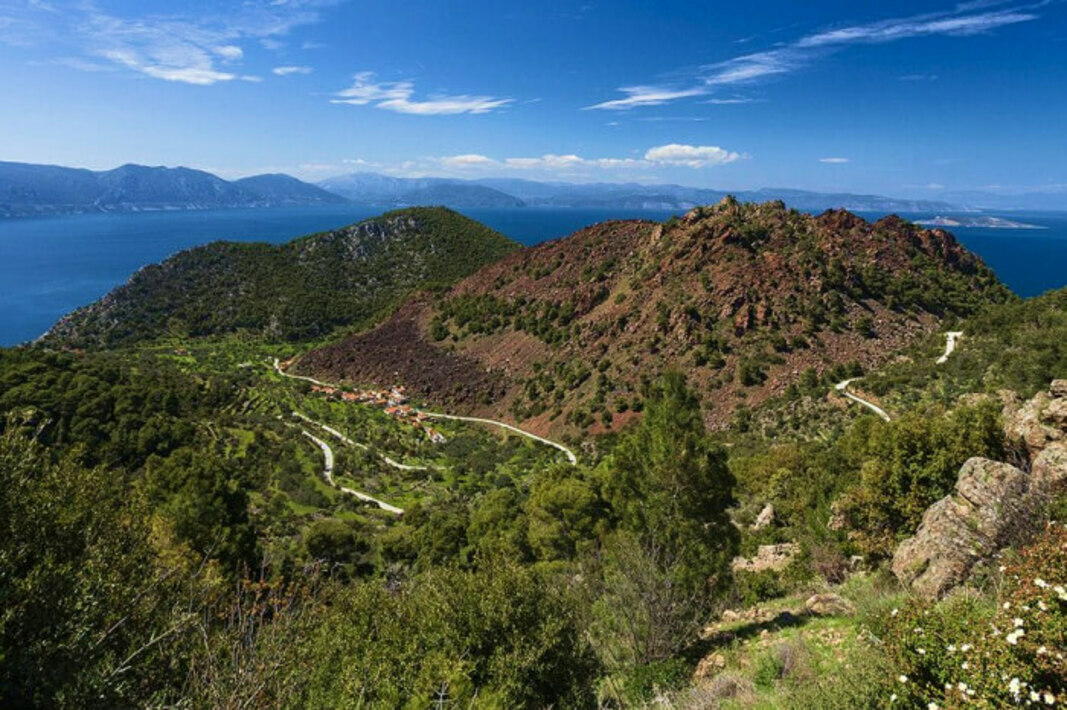
Greek volcanoes form what is known as the Hellenic volcanic arc. Some are extinct, others are still active. The most famous active volcano is Santorini (on the island of the same name): the last major eruption occurred in 1950, and today you mainly see fumarole activity and hot springs, monitored by scientists. The island of Methana is also known for its volcanic landscape. Other important volcanoes are on Kos, Milos and Nisyros.
Volcano on Santorini island
Volcanic landscape on Methana island
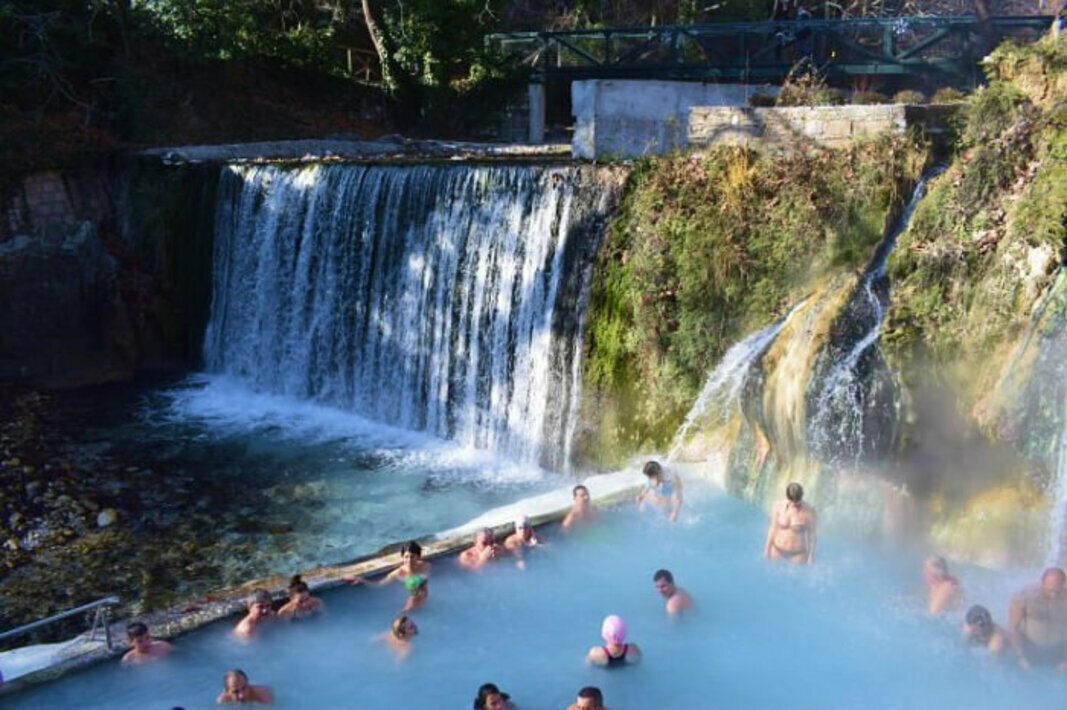
Thermal springs have been used in Greece since ancient times, when the first public baths — thermae — were built. Today there are about 700 known hot springs in the country. Some of the most famous include Loutra Pozar (Aridea), Souroti and Thermi near Thessaloniki, Kanistra (Kassandra, Halkidiki) and Kallithea on Rhodes.
Loutra Pozar (Aridea)
Top-10 best holiday regions in Greece
Holidays in Greece are not limited to summer beach breaks and city tours. Besides the warm season, winter is becoming increasingly popular thanks to mountain ski resorts and thermal spas.
Here are some of the main and most popular holiday regions in Greece:
1. Crete — one of the best islands for a versatile holiday. Sandy beaches in the north and pebbly coves in the south work equally well for families, culture lovers and young travelers. The island’s capital, Heraklion, and nearby sites such as Knossos will keep history fans busy.
2. Rhodes — an island where beach holidays pair perfectly with cultural sightseeing. Photographers love Rhodes for its varied landscapes, and history fans appreciate the incredible blend of architectural styles and monuments.
3. Athens — one of Europe’s oldest cities and the capital of Greece. From here you can quickly reach the sea, and within the city you’ll find world-famous ancient ruins and museums that should be on every first-time visitor’s list.
4. Kassandra — a popular branch of the Halkidiki peninsula, known for its white sandy beaches and scenic bays. It’s an excellent destination for relaxing seaside holidays, diving and yachting.
5. Pieria — a coastal region near Thessaloniki, ideal for both beach breaks and active tourism (including hikes on Mount Olympus). It’s a good choice for families, and a practical base for excursions and religious trips.
6. Corfu — a lush, green island with well-preserved medieval architecture. It’s a great base for excursions to major Greek landmarks and a classic choice for romantic getaways.
7. Loutraki — a small spa town near Athens, loved by both locals and tourists for its relatively affordable prices and wellness facilities.
8. Peloponnese — the southern part of mainland Greece, known for its thermal springs, olive groves and historic sites. It’s an excellent option for relaxed family holidays.
10. Parnassos — a mountain area that hosts one of the largest and best-equipped ski centers in Greece. The resort lies near the lively village of Arachova, in the Livadi area, at altitudes between 1,600 and 2,300 meters.
11. Kalavryta — another ski resort not far from Athens, offering varied slopes as well as opportunities for excursions in the surrounding mountains and traditional villages.
The most beautiful islands of Greece
Greek islands are a major attraction in themselves. It’s estimated that there are around 6,000 islands and islets — more than in any other European country. Many are uninhabited, and on some the population is fewer than 100 people, which makes them perfect if you’re dreaming of quiet and untouched landscapes.
Here are some of the most popular Greek islands that are worth visiting at least once:
Santorini is a volcanic island famous for its “multi-colored” beaches: the Black Beach with volcanic sand, the Red Beach with reddish pebbles and the White Beach with bright white stones. There isn’t much greenery — mostly cacti and vineyards — but Santorini is iconic not for its vegetation or even its excellent wine, but for that postcard look: white houses with blue domes clinging to the cliffs.
Crete is Greece’s largest island, easy to spot on the map in the south of the country. The emerald-green, crystal-clear sea on the north coast is often called the Cretan Sea (part of the Aegean). Comfortable beaches have made Crete famous, and Elafonissi and Balos regularly appear in rankings of the world’s most beautiful beaches. The city of Chania, with its old harbor, is considered one of the most picturesque towns in Greece.
Rhodes is an island where medieval castles meet pine forests and popular beaches alternate with secluded rocky coves. Among lush greenery, flowers, sunsets and panoramic views of the sea and fortress walls, it feels like a ready-made movie set. For photography-focused trips, Rhodes is a dream.
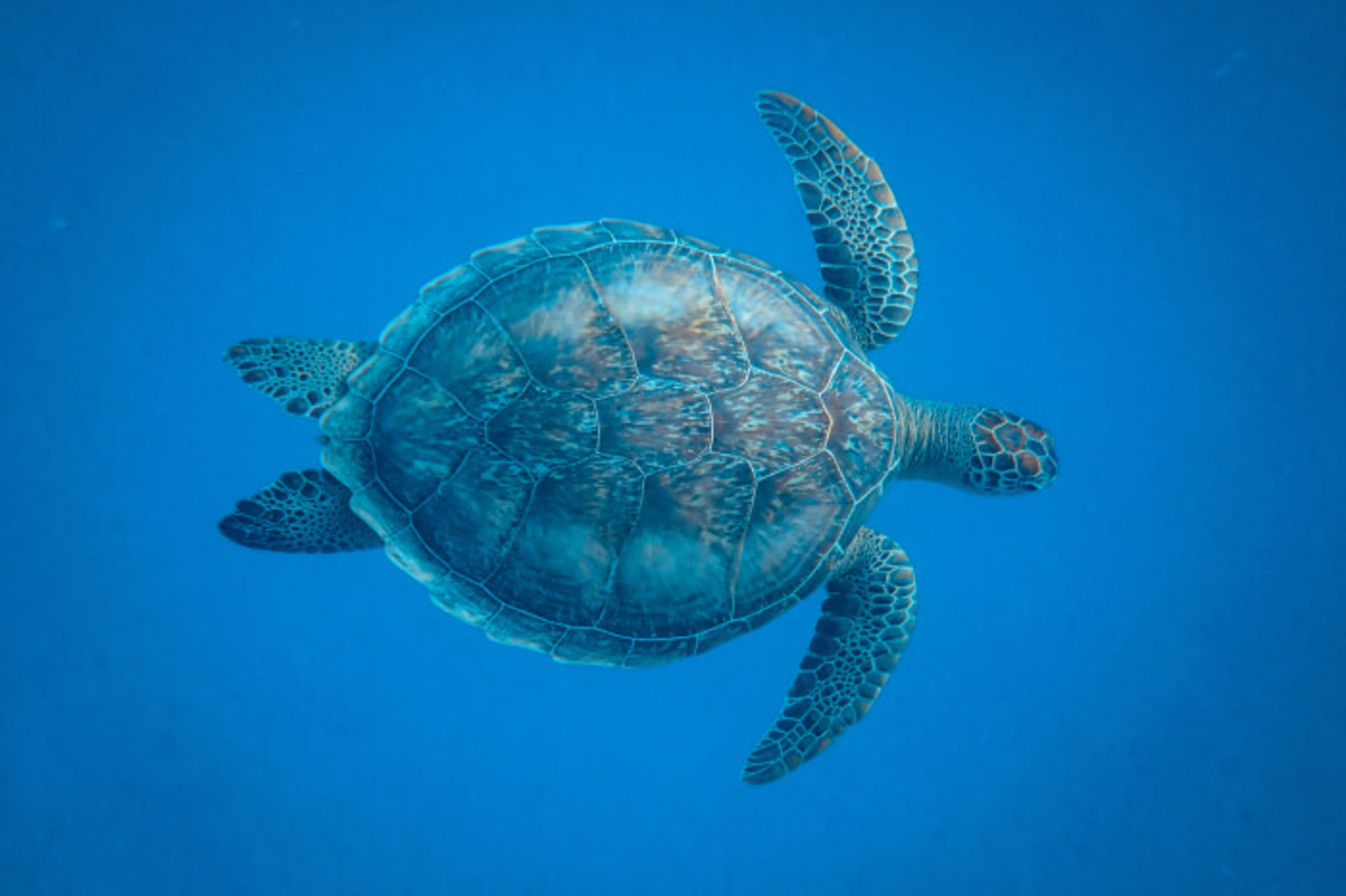
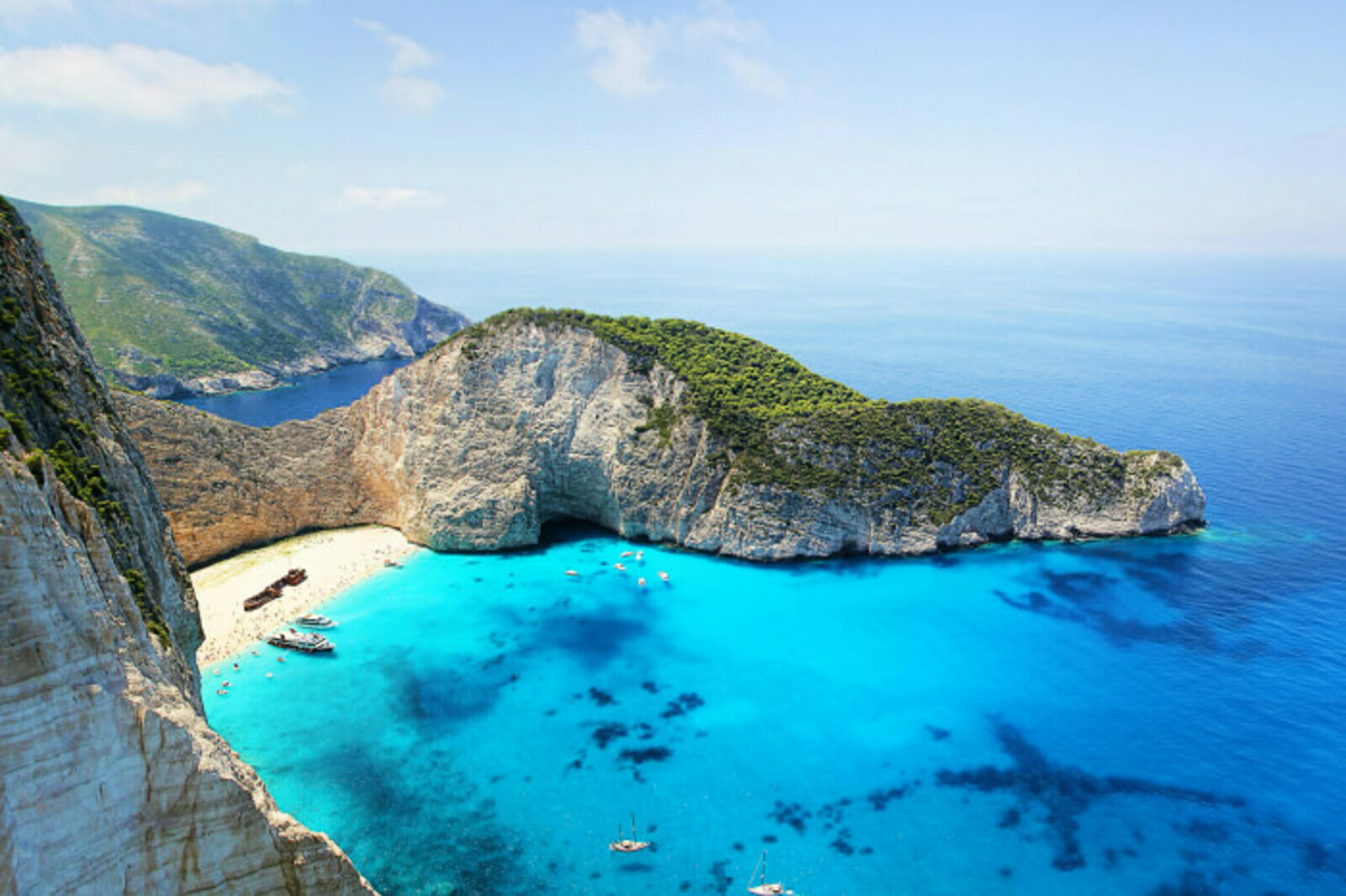
Zakynthos (Zante) is an island in the Ionian Sea, known for its bright blue waters and protected nature — loggerhead turtles and monk seals live here. Zakynthos is famous for its Venetian-influenced architecture, the legendary Navagio (Shipwreck Bay) with white sand, steep cliffs and a rusting ship on the shore, as well as the Blue Caves.
Mykonos is the island of yachts and stylish nightlife, with white houses and bright accents cascading down to the sea and reflected in deep-blue water (hence the frequent comparison to Venice). The windmills on the hill above town are its postcard symbol.
Things to do in Greece beyond the beach
Greece is the perfect destination if you want to combine several styles of travel. Spend your mornings on the beach, your afternoons exploring ruins or medieval fortresses, and your evenings strolling along the seafront and trying local food in tavernas.
Greek cuisine deserves its own chapter: try moussaka, souvlaki, fresh fish and seafood, Greek salad with feta and olives, and desserts like baklava and loukoumades. Each region has its own wines and specialties — Santorini, for example, is known for the Assyrtiko grape, while Crete is famous for its raki and excellent olive oil.
For active travelers, Greece offers mountain hiking trails, diving along rocky shores, yachting and kayaking in quiet bays. In Halkidiki and the Ionian Sea, one-day boat trips and mini-cruises with stops in hidden coves are particularly popular.
And of course, don’t leave Greece without a few souvenirs: olive oil, natural cosmetics based on olives and herbs, Greek sweets, hand-painted ceramics, embroidered textiles and icons — small reminders of a big trip.
1-day itinerary: first date with Athens
If you only have one day in Greece, spend it in Athens. Start in the morning with a climb up to the Acropolis: the Parthenon, Erechtheion and panoramic views of the city will give you that classic “Ancient Greece” feeling. On the way down, visit the Ancient Agora and its small but interesting museum.
Around midday, head to Plaka — the old neighborhood at the foot of the Acropolis, full of narrow streets, tavernas and souvenir shops. It’s the perfect place for lunch or a coffee with a view of traditional houses and the hills above.
In the evening, stroll along the shopping streets or the seafront if you have time to reach it, then climb Lycabettus Hill or Areopagus to watch the sunset and see the Acropolis illuminated after dark. It’s a memorable ending that will make you want to come back to Greece for a longer stay.
2-day itinerary: Athens + a taste of the islands
On day one, follow the classic route through Athens: the Acropolis, Ancient Agora, Plaka and adjacent neighborhoods. Be sure to add the Acropolis Museum — a modern building with floor-to-ceiling windows and an impressive collection of artefacts.
On day two, head to the sea. A relaxed option is a one-day cruise in the Saronic Gulf (Aegina, Poros, Hydra) departing from Piraeus: you’ll see three different islands, have time for a swim and stroll through charming old streets.
If you prefer complete freedom, rent a car and drive to Cape Sounion to visit the Temple of Poseidon. Combine a beach stop with one of the most beautiful sunsets in Attica, with the temple silhouetted against the sky.
To sum up this guide, one thing is clear: every trip to Greece is unique. With its incredible variety of cultural and natural attractions, Greece always leaves vivid memories. From snow-capped mountain peaks to golden beaches, from ancient ruins to modern cities — Greece is always ready to share its beauty generously.
Dreaming of a trip to Greece? Book your tour now and start exploring the land of myths and legends!
Frequently asked questions about traveling to Greece
When is the best time to go to Greece for a beach holiday?
High season runs from June to September. For warm sea and fewer crowds, aim for late May–June or September–early October, especially on the islands.
Do Moldovan citizens need a visa to visit Greece?
Yes. Greece is part of the Schengen area, so Moldovan citizens need a valid Schengen visa. Always check the latest requirements and list of documents with official sources or your tour operator before you apply.
For a first trip, should I choose Athens or the islands?
If you love history and museums, start with Athens and add a day trip to nearby islands. If you mainly want beaches and relaxation, choose Crete, Rhodes or Corfu and add a day excursion to major ancient sites.
Which Greek resorts are best for families with children?
Halkidiki, Pieria, parts of Crete and Rhodes, and the Peloponnese are very family-friendly. Look for sandy beaches with shallow entry, kids’ pools, playgrounds and hotels with animation or kids’ clubs.
Is it safe to rent a car in Greece?
Generally yes, if you choose a reputable company and follow traffic rules. Check what the insurance covers, the amount of any deductible, mileage limits and carefully inspect the car when you pick it up.
Is Greece worth visiting in winter as well?
Yes. In winter you can explore Athens without summer heat, ski at Parnassos or Kalavryta, and enjoy thermal spas and hot springs. It’s a great mix of culture and outdoor activities.
Are women allowed to visit Mount Athos?
No. The monastic republic on Mount Athos is open only to men under specific rules. Women can admire the monasteries from the sea on boat trips that sail along the coast at a regulated distance.
Are earthquakes and volcanoes in Greece dangerous for tourists?
Greece is in a seismically active region, but tourist infrastructure is built with this in mind, and local authorities closely monitor conditions. Follow official guidance and your guide’s instructions if there are any alerts or restrictions.
How many days do I need for a trip to Greece?
For a first visit, plan at least 7 days: 2–3 days for Athens and 4–5 days for an island or coastal region. If you want to visit several islands at a relaxed pace, 10–14 days is ideal.
Which Greek islands are best for a romantic holiday?
Santorini, Mykonos and Corfu are classic choices, as well as romantic towns like Oia and Lindos. Think beautiful sunsets, narrow lanes, rooftop terraces and hotels with sea views.
Can I combine beach time and cultural sightseeing in one trip?
Absolutely. Regions like Crete, Rhodes, the Peloponnese and Halkidiki are perfect for this. You can visit ancient sites or monasteries in the morning and relax on the beach or in tavernas in the afternoon and evening.
What’s the most budget-friendly way to get from Chișinău to Greece?
The most budget-friendly options are coach tours, early-booked or promotional airfares from Chișinău or nearby Romanian cities, and road trips in your own car — especially cost-effective if you travel with family or a group of friends.