
 Enter
Enter





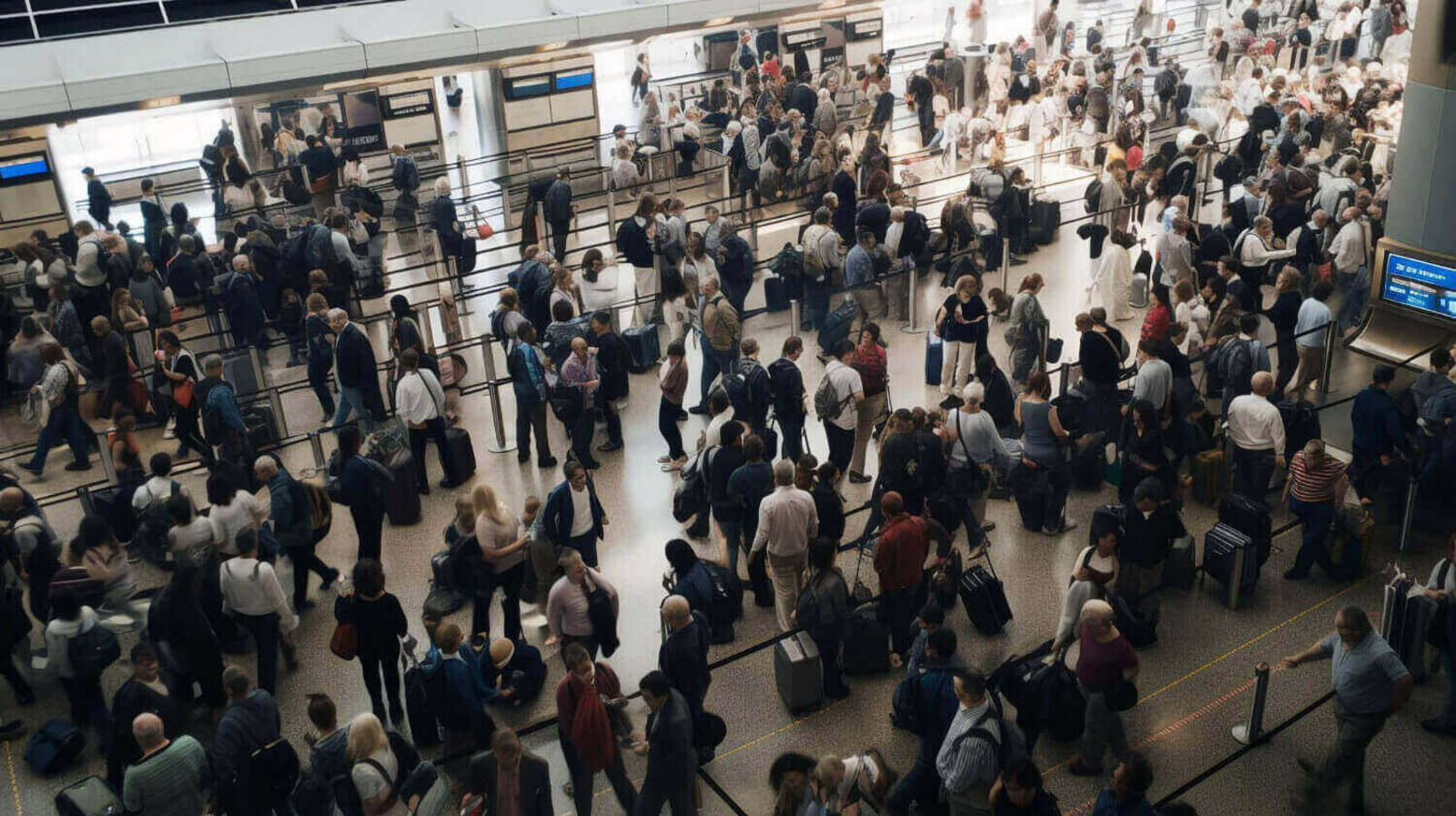

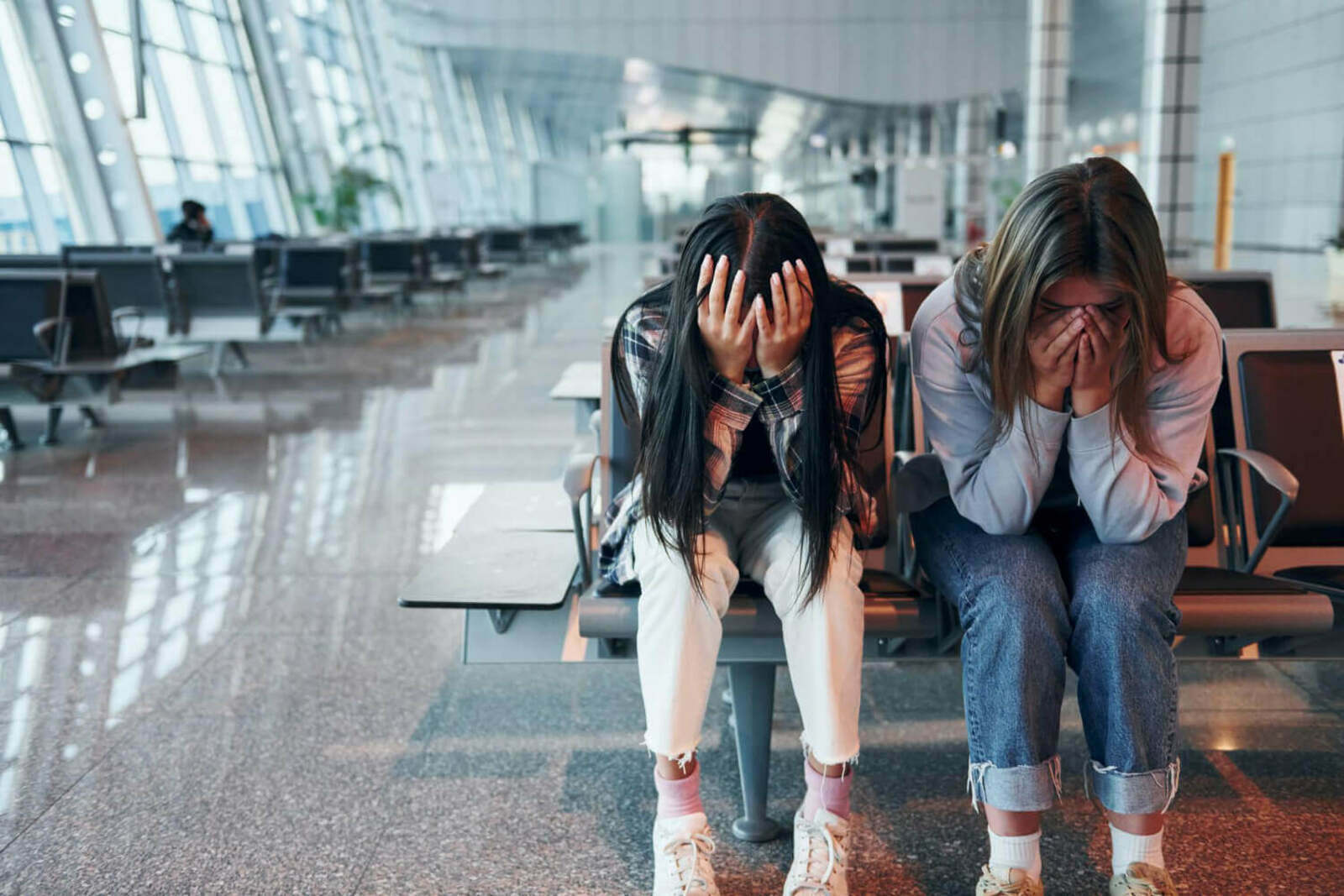

According to the VisaGuide.World study, traveling through the world’s largest airports can be a stressful experience. When assessing 30 top airports, factors such as the density of crowds, the likelihood of flight delays, and the distance from the city center were taken into account. The ranking includes five key parameters: total number of passengers, airport size, passenger density, delay percentage, and distance to the city.
London Gatwick ranks first due to its noisy atmosphere, high passenger density, and significant delays. The Istanbul airport stands out for its complex infrastructure and huge scale, which can make navigation difficult. The Munich airport, although efficient, sometimes faces overcrowding issues.
Denver International Airport is known for its extensive terminals and challenges related to weather conditions. London Heathrow is famous for its massive passenger flow and complex planning. Los Angeles International Airport is known for heavy crowds and potential delays.
Rome Fiumicino in Rome, DFW in Dallas, and John F. Kennedy Airport in New York are also included in the list due to their size, passenger flow, and periodic delays. Rounding out the top ten is Chicago O’Hare, known for its huge scale and intense air traffic.
If you want to avoid stress during your trips, it’s recommended to check this list of the most stressful airports.
5 metrics power the ranking: passengers, size, density, delays, and distance to the city.
Gatwick (London) leads due to noise, high density, and notable delays.
Istanbul is highlighted for complex infrastructure and massive scale—easy to feel lost.
Major hubs like Heathrow, LAX, JFK, DFW, O’Hare appear due to flow and periodic delays.
Use the list to plan extra time for navigation, queues, transfers, and delays.
Why big airports can feel stressful
When evaluating 30 top airports, factors such as crowd density, the probability of flight delays, and the distance to the city center were considered.
The ranking includes five key parameters: total passengers, airport size, passenger density, delay percentage, and distance to the city.
Airports mentioned in the top 10
London Gatwick ranks first due to its noisy atmosphere, high passenger density, and significant delays.
Istanbul stands out for complex infrastructure and huge scale, which can make navigation difficult.
Munich, although efficient, sometimes faces overcrowding.
Denver International is known for extensive terminals and issues linked to weather conditions.
London Heathrow is famous for massive passenger flow and complex planning.
Los Angeles International is known for heavy crowds and potential delays.
Rome Fiumicino in Rome, DFW (Dallas), and John F. Kennedy (New York) are also included due to size, passenger flow, and periodic delays.
Chicago O’Hare completes the top ten, known for huge scale and intense air traffic.
A simple recommendation
If you want to avoid stress during your trips, it’s recommended to check this list of the most stressful airports.
What to do to reduce airport stress
Keep the five ranking parameters in mind: if passenger density is high and delays are common, build in extra time for queues, walking between zones, and boarding.
Also consider the distance to the city—long transfers can amplify fatigue and increase the chance of missing tight connections.
1-day itinerary (simple plan) for a smoother connection
If you’re passing through a large hub, assume extra walking time and possible bottlenecks: airport size and passenger density can slow everything down.
If delays are likely, avoid planning “minute-to-minute” and keep a buffer for security, gates, and any terminal changes.
2-day itinerary (simple plan) when logistics are tricky
Day 1: focus on navigation and timing—complex infrastructure and massive terminals can make it harder to move fast.
Day 2: plan the city transfer with a buffer; the ranking highlights distance to the city as an important factor for comfort and reliability.
How to get to the city: what to keep in mind
Distance to the city is one of the five metrics: in real life, it means you should plan transfers (train, bus, taxi) in advance and leave extra time.
In very large or overcrowded airports, moving between terminals, passing security, and reaching the gate can take longer than expected.
FAQ: most common questions
What does “stressful airport” mean here?
It refers to an airport where travel can feel more demanding due to crowd density, delays, size, and navigation complexity.
How many airports were evaluated in the study?
The text mentions that 30 top airports were assessed.
Which five key parameters are used?
Total passengers, airport size, passenger density, delay percentage, and distance to the city.
Why does passenger density matter so much?
Higher density often means longer queues, slower movement, and more pressure when finding gates and services.
Why is Gatwick ranked #1?
It’s described as having a noisy atmosphere, high passenger density, and significant delays.
What makes Istanbul Airport challenging?
The article highlights its complex infrastructure and huge size, which can make navigation difficult.
Munich is efficient—why is it mentioned?
Even though it’s efficient, the text notes that it can sometimes experience overcrowding.
Why is Heathrow considered stressful?
It’s famous for massive passenger flow and complex planning/layout, which can add pressure.
Which airport is linked to weather issues?
Denver International is mentioned due to challenges associated with weather conditions.
Which U.S. airports are named in the list?
Denver, Los Angeles (LAX), Dallas (DFW), New York (JFK), and Chicago (O’Hare) are mentioned.
How can this list help with planning?
It helps you anticipate where extra time may be needed for transfers, queues, navigation, and potential delays.
Where can I read the referenced source?
The article points to tourexpi.com for more details.