 Enter
Enter




Seven lesser-known beaches in Europe for a perfect holiday
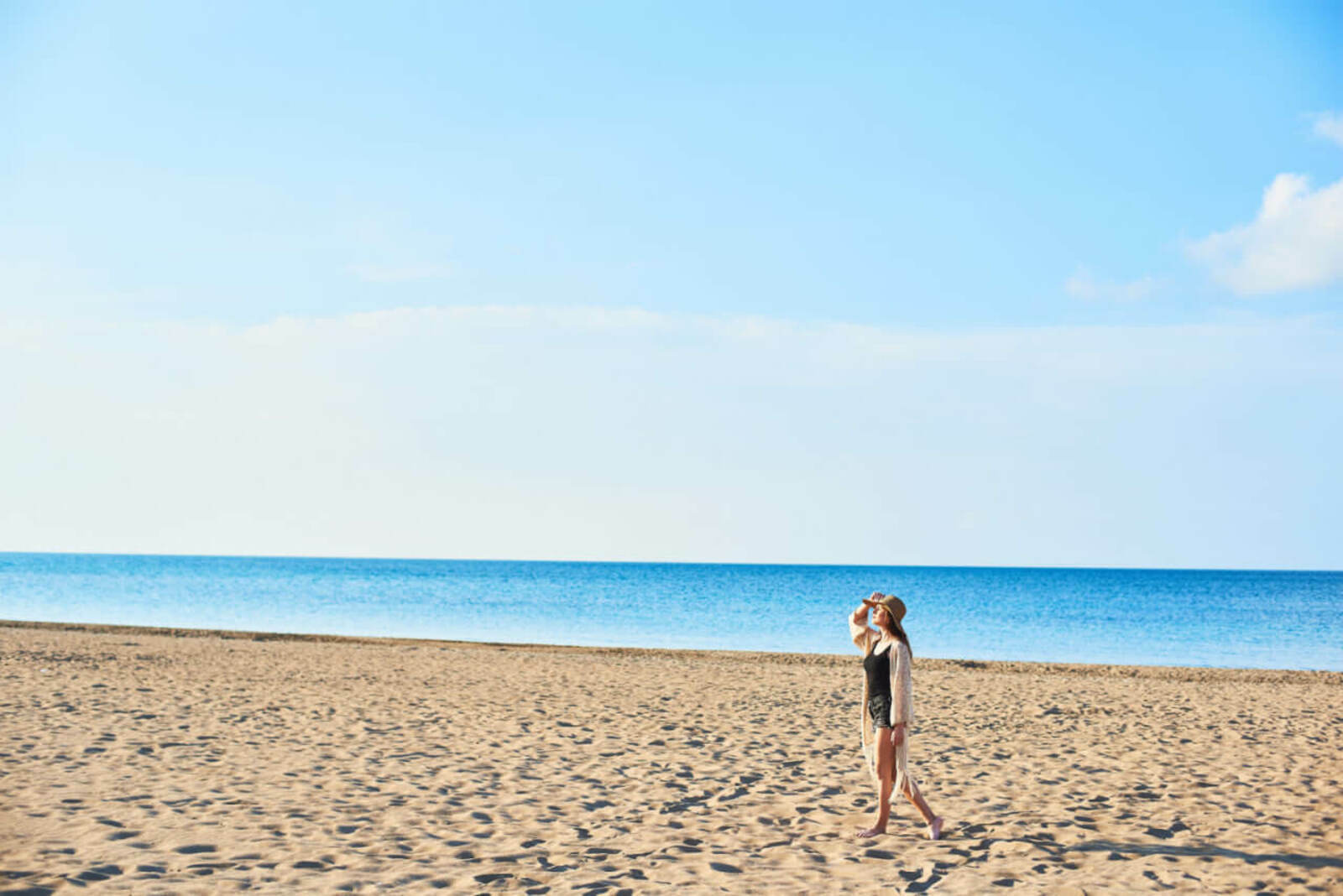
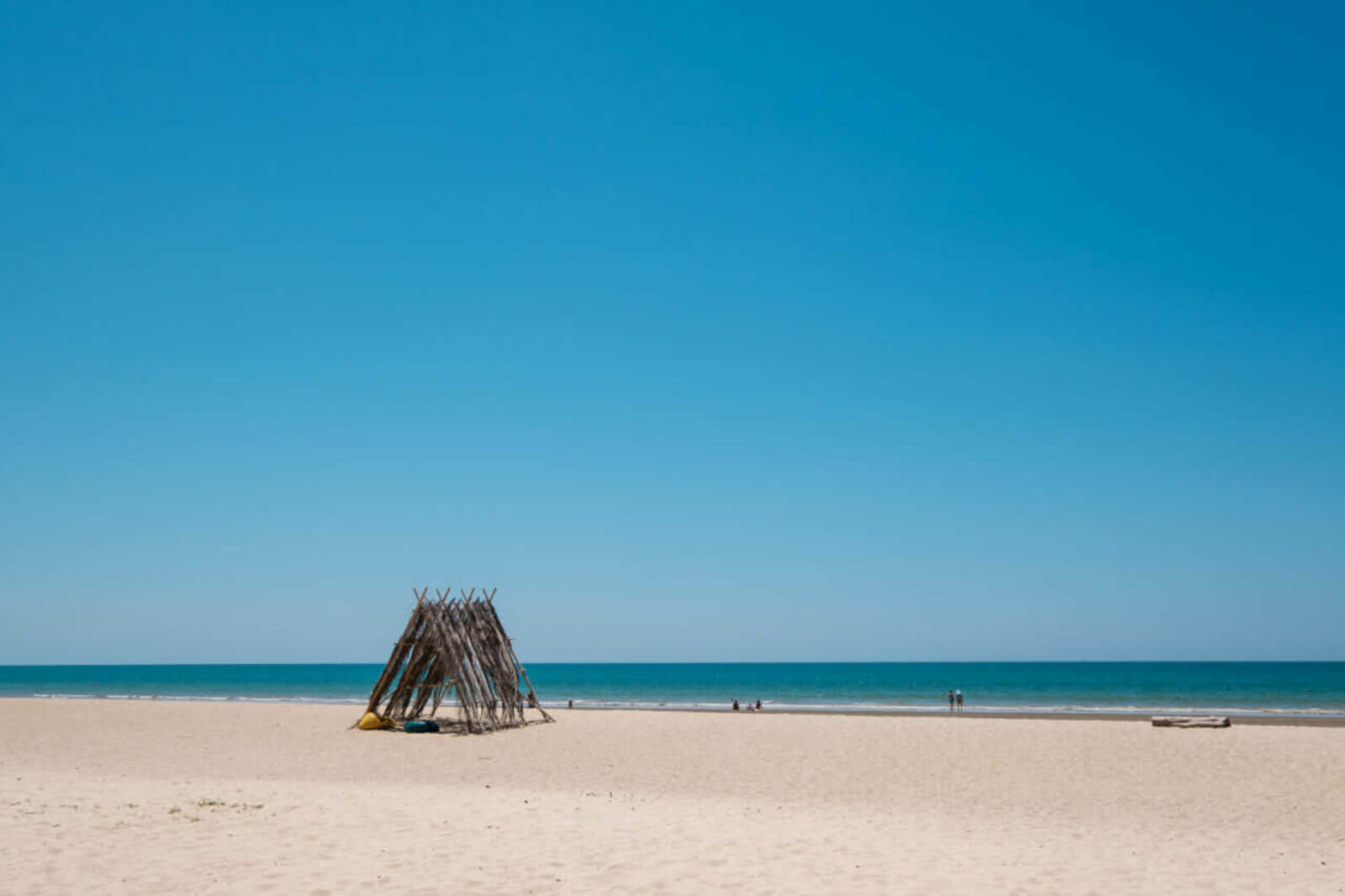
At the height of the summer holiday season, beaches in popular destinations are often overcrowded, which can seriously spoil your break. Yet Europe is huge and full of hidden gems where you can enjoy a calm, slow-paced seaside escape. Experts from The Independent have compiled a list of seven of the best lesser-known beach destinations in Europe, where you can sunbathe without the crowds.
Why these beaches deserve a spot on your list
Seven quiet beach destinations across Europe — from Portugal and Greece to Sardinia and Galicia.
The chance to swim and sunbathe without big crowds, even when famous resorts are packed.
Charming boutique hotels, private villas, traditional tavernas and vineyards close to the sea.
Soft sandy beaches, dramatic cliffs, turquoise bays and dunes framed by forests — the perfect backdrop for a relaxing break.
Ideal for travellers who want to avoid over-hyped destinations, but still enjoy unspoilt nature and clear water.
1. Alentejo, Portugal
While most holidaymakers head to the beaches of the Algarve, neighbouring Alentejo remains relatively untouched by mass tourism. Here you will find cosy boutique hotels, scenic routes and the historic city of Évora.
Alentejo’s coastline is lined with soft sandy beaches and high cliffs, ideal for peaceful sunbathing and great surf conditions.
2. Paxos, Greece
This small island, located about an hour by boat from Corfu, offers secluded beaches and welcoming tavernas serving traditional Greek dishes.
You can wander through the hills, enjoy views of chalky cliffs and olive groves, and soak up the slow island pace.
3. East coast, Corsica
The French island of Corsica is famous for its lively beaches and busy resorts, but on the east coast you will find quiet villages and long sandy stretches, perfect for an intimate, low-key seaside break.
4. Bozburun Peninsula, Türkiye
This region, just about an hour’s drive from Marmaris, combines lush green peaks that tumble down into sheltered turquoise bays.
You can rent private villas with sea views and enjoy peaceful days in the sun, far from the noise of large resorts.
5. Aude, France
In the department of Aude, located to the west of the French Riviera, you will find secluded beaches, vineyards and historic cities such as Carcassonne.
It is an excellent choice for those who want to avoid tourist throngs while still enjoying culture, quality wines and authentic French cuisine.
6. Cíes Islands, Spain
This small archipelago in Galicia is home to pristine white-sand beaches and crystal-clear water in a wonderfully tranquil setting.
There are no hotels on the islands, and the number of visitors is capped at around 1,800 people per day, making a stay here a genuinely secluded experience.
7. Costa Verde, Sardinia
This region on the western edge of Sardinia is surprisingly quiet compared with better-known parts of the island.
Sand dunes surrounded by forest and old mines create a unique landscape for a peaceful holiday, very different from Sardinia’s classic glamorous image.
Each of these destinations is an ideal choice for travellers who want to avoid packed beaches and enjoy the beauty of nature in a calm, unhurried atmosphere with plenty of personal space.
Source: independent.co.uk
What to do on Europe’s quiet, lesser-known beaches
The quieter beaches of Alentejo, Paxos, Costa Verde or the east coast of Corsica are perfect for a slow holiday rhythm: instead of ticking off must-see sights, you simply enjoy each moment by the sea.
In the morning, you can walk along the shore or follow trails in the hills, watching how the light changes on the cliffs and dunes. During the day, it is all about swimming, sunbathing, reading under a parasol and lingering over lunch at a local taverna or winery.
In the evening, an aperitif with sea views, a dinner of fresh fish and seafood, and a stroll through historic towns such as Évora or Carcassonne round off the day. These destinations often feel like your own private hideaway — even if it is your very first visit.
Sample 1-day itinerary on a quiet beach
Morning: wake up early, have a light breakfast and head out for a walk along the beach while it is still almost empty. This is the perfect time to take photos without people and to really feel the calm of the sea.
Midday: spend a few hours swimming and sunbathing, then enjoy lunch at a seafront taverna or café. Afterwards, take a short siesta in the shade and, if you like, try some water activities such as kayaking, stand-up paddleboarding or surfing (especially in Alentejo and Costa Verde).
Evening: stroll around a nearby village or small town, taste local wines and have dinner with regional dishes. On Paxos, this could mean a relaxed evening in the harbour, while on Corsica it might be a drive to a small coastal town to watch the sunset.
Sample 2-day itinerary: beach time + nearby discoveries
Day 1: arrive and unwind. Check into a boutique hotel or villa, explore the area around your accommodation, and enjoy dinner at a local restaurant with sea views. The goal is to slow down and ease into the atmosphere of the place.
Day 2: light exploring in the surroundings. From Alentejo you can easily reach Évora, from Aude you can visit Carcassonne, and from islands or coasts like Corsica and Paxos you can explore traditional villages and small ports. Blending beach time with gentle excursions makes your trip richer while preserving a relaxed holiday feel.
On the second evening, plan a special dinner with sea views, featuring local fish and seafood, and start dreaming up your next escape to other hidden beaches across Europe.
How to get to these lesser-known beaches
Most of the destinations mentioned can easily be combined with a flight to a major European city, followed by a journey by car, ferry or local transport. This way, you reach quieter regions where there are far fewer tourists than in classic seaside hotspots.
You can visit Alentejo after flying into Lisbon or Faro. Paxos is reached by boat from Corfu. The Bozburun Peninsula is particularly convenient from Marmaris, while Costa Verde in Sardinia is best explored with a rental car from one of the island’s airports.
For Aude and Corsica, the easiest option is to fly into France and then continue by car, train or ferry. The Cíes Islands require a bit more planning: visitor numbers are limited, so ferry tickets and access permits should be booked in advance.
FAQ about Europe’s quiet, lesser-known beaches
When is the best time to visit lesser-known European beaches?
Late spring and early autumn are ideal, when the weather is warm, the sea has had time to heat up and there are far fewer tourists than in peak season in July–August.
Are these beaches suitable for families with children?
Yes, but it is important to check water depth, waves and basic facilities in advance. Alentejo and Aude, for example, have long sandy beaches that can work well for families.
What kind of budget should I plan for this type of trip?
It depends a lot on the season and type of accommodation. Outside peak months you can find prices similar to popular resorts, but with a much calmer atmosphere and often better value.
Do I need to rent a car?
Not everywhere, but a car gives you much more freedom in Alentejo, Aude, Costa Verde and on Corsica. For Paxos and the Cíes Islands, careful planning of ferries and transfers is even more important.
Will I find showers, sunbeds and cafés on these beaches?
Some beaches have very limited infrastructure, so it is wise to bring your own water and shade. Others have beach bars and cafés, but you generally will not see the massive infrastructure of big resort areas.
Can I combine beach time with cultural sightseeing?
Absolutely. From Alentejo you can visit Évora, from Aude — Carcassonne, and from Corsica or Paxos you can explore traditional villages and small ports full of local character.
Is it safe to swim at these beaches?
In general, yes, but conditions vary: some areas have stronger waves or currents. It is best to follow local advice, pay attention to safety flags and avoid swimming alone on completely wild stretches.
How can I find accommodation close to these quiet beaches?
Look for boutique hotels, guesthouses, farm stays, small apartments or villas. The earlier you search and book for the season, the more good options you will have at fair prices.
Are these destinations good for surfing?
Alentejo and Costa Verde are particularly interesting for surfing, as they often have good waves. In the other regions, you will more likely focus on swimming, snorkelling and coastal walks.
How can I avoid crowds even on these quieter beaches?
Aim for early mornings or evenings, travel on weekdays and prioritise shoulder seasons. Also, walk a little further away from car parks and main entrances to find more secluded spots.
Do I need to book in advance for the Cíes Islands?
Yes, visitor numbers are limited to around 1,800 people per day, so you should book your ferry tickets and access permits in advance via official channels.
What should I pack for a wild, secluded beach?
Bring sunscreen, a hat, plenty of water, light snacks, a towel or beach blanket and a small basic first-aid kit. In places with minimal facilities, these items are essential.
Is a short weekend trip to such a beach worth it?
Yes. With suitable flight times and well-planned transfers, even 2–3 days on a quiet beach can feel like a real reset, because you rest without rush and without noisy crowds.