
 Enter
Enter






Introduction
Attention: London remains the unchanged leader among the world’s best cities in 2024 according to Resonance! For the ninth year in a row, the British capital has proven its excellence, delivering high living standards for residents and visitors alike. The ranking is formed based on many criteria, including safety, access to services, quality of education, and cultural richness. A look at the world’s top 10 cities shows the diversity and uniqueness of each:
London stays at #1
The British capital leads for the ninth year in a row.
Built on multiple criteria
Safety, access to services, education quality, and cultural depth.
A diverse top 10
From romance and history to innovation, technology, and bold architecture.
More than a list
A travel “route sheet” for inspiration — and a reminder for cities to aim higher.
Selected from the top 100
Other names include Ottawa, Cologne, Hanoi, Gothenburg, Bilbao, and more.
The top 10 cities and the bigger picture
Top 10 best cities in the world (Resonance, 2024)
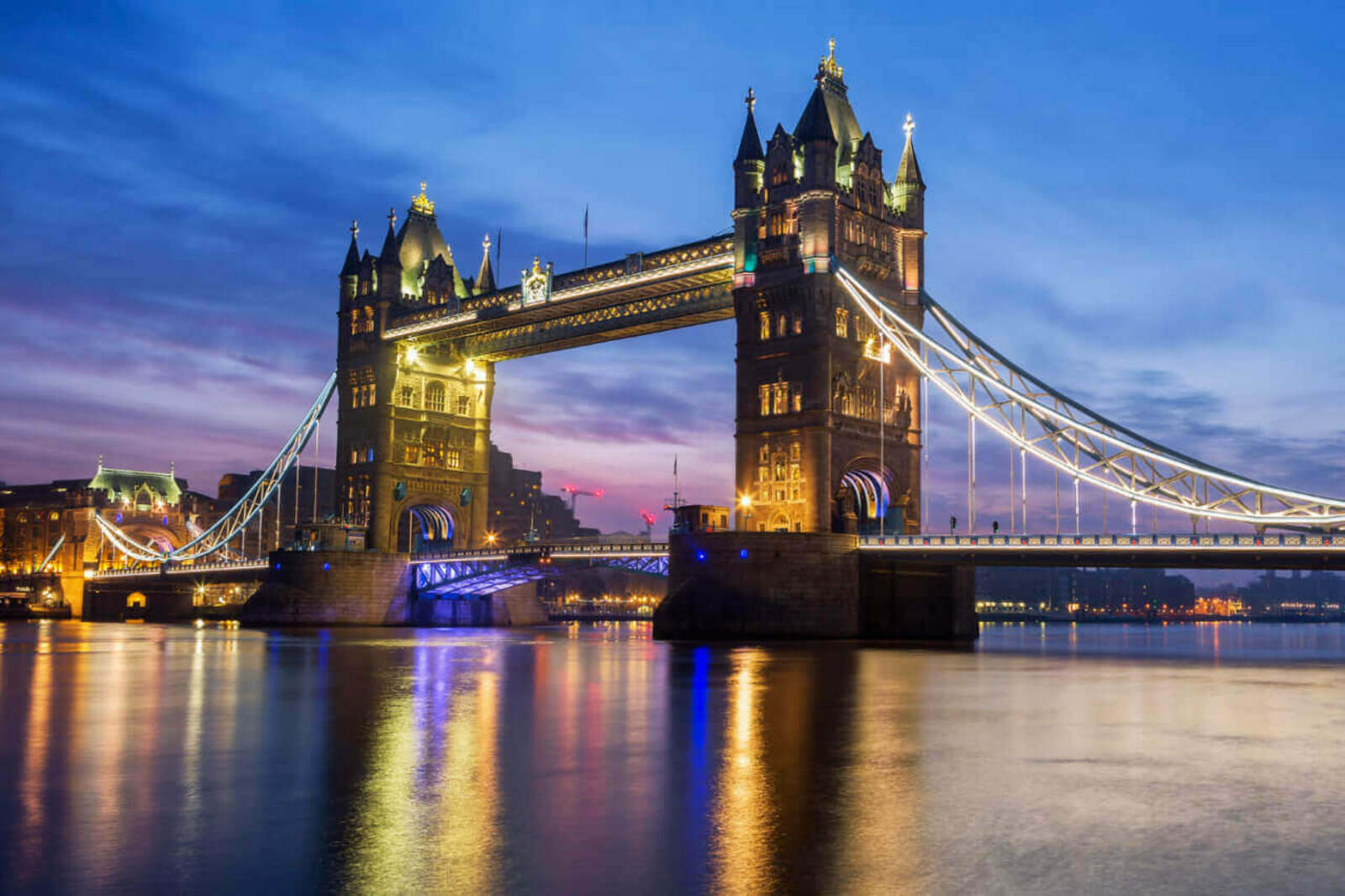
1. London, United Kingdom — leadership confirmed once again.
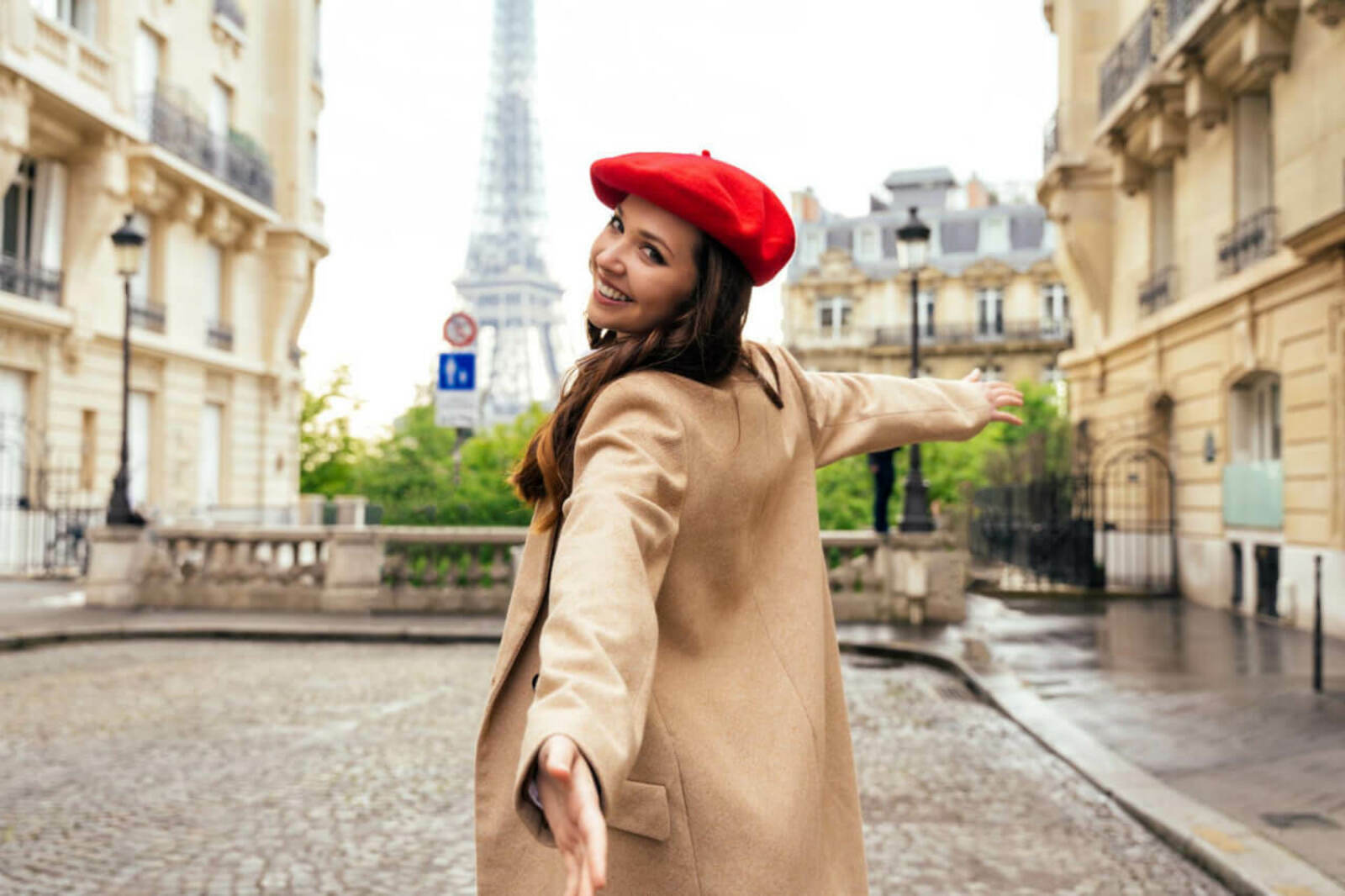
2. Paris, France — romance and history.
3. New York, USA — the city that never sleeps.
4. Tokyo, Japan — a mix of tradition and modern life.
5. Singapore — cleanliness and innovation.
6. Dubai, UAE — luxury and dreams.
7. San Francisco, USA — innovation and freedom.
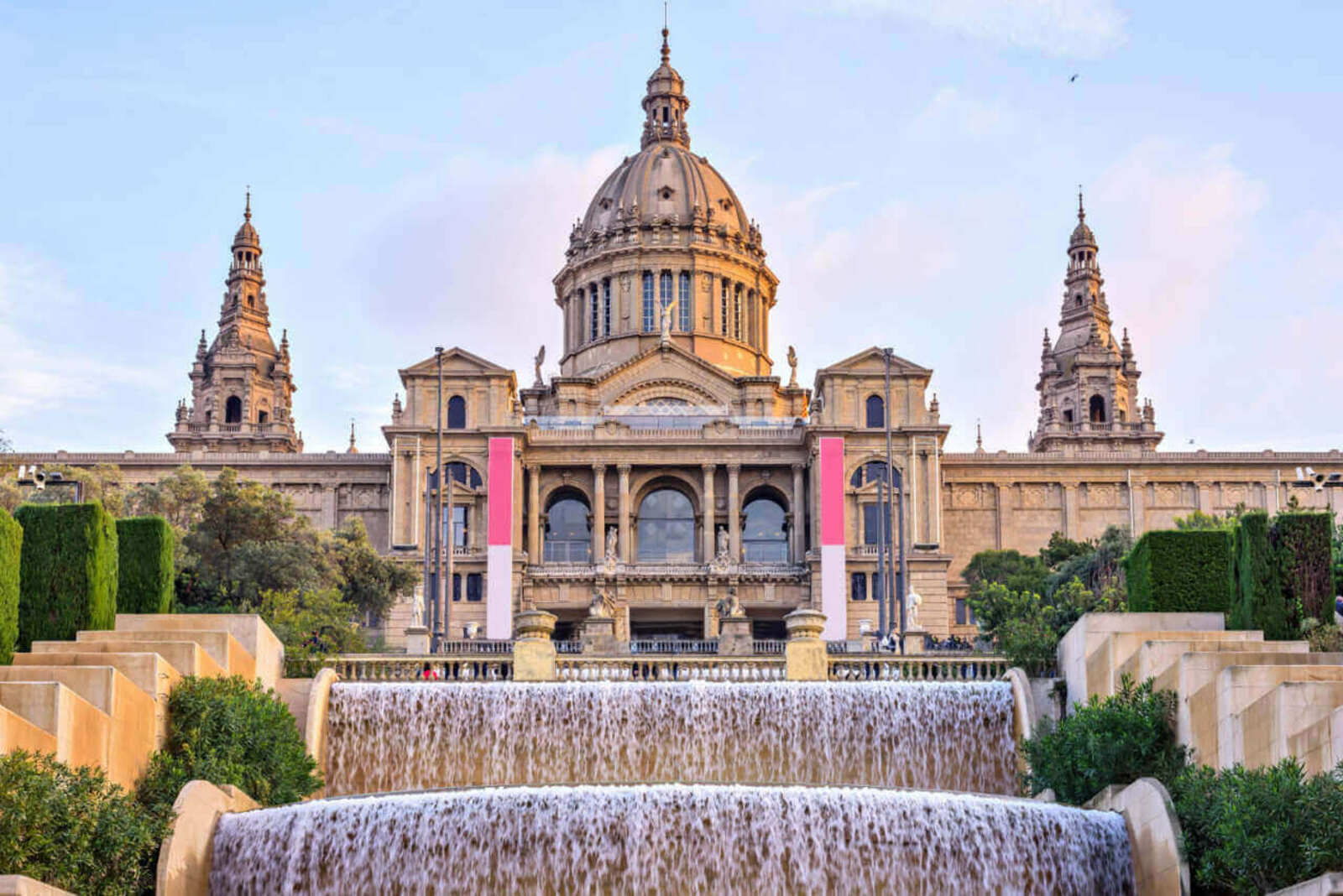
8. Barcelona, Spain — art and architecture.
9. Amsterdam, Netherlands — canals and freedom.
10. Seoul, South Korea — technology and culture.
Other cities mentioned in the top 100
These cities were selected among the top 100, which also includes Ottawa, Cologne, Charlotte, Calgary, Nagoya, Düsseldorf, Hanoi, Gothenburg, Sapporo, Bilbao, and Baltimore. Cultural diversity, economic opportunities, and overall quality of life made them some of the best places to live and travel.
Why these cities deserve your attention
Why pay attention to these cities? They offer the best combination of culture, safety, innovation, and accessibility, creating ideal conditions for living and growth. This is not just a list of places; it’s a route sheet for travelers looking for inspiration — and a reminder to cities about the importance of striving for excellence.
Source: Resonance
15.03.2024
Practical: ideas, itineraries, and logistics
What to do
Use the ranking’s core idea as your travel filter: look for a strong mix of culture, safety, innovation, and convenience. In London and Paris, lean into heritage and museums; in Singapore and Seoul, explore modern architecture and tech-driven districts; in Barcelona, follow art and design; in Amsterdam, take it slow along the canals.
1-day itinerary
Morning: a signature landmark and a central walk. Midday: one major museum or a defining neighborhood. Evening: a viewpoint or waterfront skyline + dinner in an atmospheric district. It’s a simple rhythm that helps you feel the city even on a short stop.
2-day itinerary
Day 1 — “the classics”
Iconic sights + one key cultural stop to understand the city’s identity.
Day 2 — “local life”
Parks, modern areas, markets, and neighborhoods — the side connected to everyday livability.
How to get there
For most top-10 cities, planning is easier when you book transport early and stay near efficient public transit (metro, city trains). That way you save time and cover more, especially in fast-paced мегacities.
FAQ: the ranking and how to use it for travel
What does “world’s best cities” mean in Resonance’s ranking?
A multi-factor assessment (including safety, access to services, education quality, and cultural richness), not just tourism popularity.
Why is London ranked #1 again?
The text notes London holds the top spot for the ninth year in a row, thanks to consistently high standards for residents and visitors.
Is this list more about living or traveling?
Both — it highlights cities with a strong balance of livability, culture, and opportunity.
Which criteria are mentioned in the article?
Safety, access to services, education quality, and cultural richness.
How do I pick a top-10 city for my first visit?
Match it to your interests: heritage (London/Paris), big-city energy (New York), tradition+modern (Tokyo), tech (Seoul/Singapore), architecture (Barcelona).
Why are such different cities grouped together?
Because the ranking reflects different strengths — culture, economic opportunities, and overall quality of life.
How large is the overall list behind the top 10?
The text says the top 10 is selected from a list of the top 100 cities.
Which other cities are mentioned as part of the top 100?
Ottawa, Cologne, Charlotte, Calgary, Nagoya, Düsseldorf, Hanoi, Gothenburg, Sapporo, Bilbao, and Baltimore.
How can this ranking help with trip planning?
It points you toward cities with a reliable mix of culture, safety, innovation, and convenience.
Where can I find the original Resonance ranking?
Use the source link included in the article: Resonance (World’s Best Cities).
Why does the article call this more than just a list?
Because it can be used as an inspiration route for travelers — and as a benchmark for cities striving for excellence.
What’s the key takeaway from the top 10?
That leading cities win through a strong blend of culture, safety, innovation, and accessibility.