
 Enter
Enter







Recently, Europe’s tourist map has changed significantly. On the one hand, traditional destinations are overcrowded and introduce restrictions for tourists; on the other, new locations are rapidly gaining popularity, attracting travelers in search of fresh impressions. According to a study by the luggage storage service Bounce, based on an analysis of search queries from October to December 2023, a list was compiled of the most in-demand countries and cities in Europe, as well as those that are rapidly gaining popularity.
Bounce analyzed search demand (Oct–Dec 2023) to see which European countries and cities are most wanted—and which are surging.
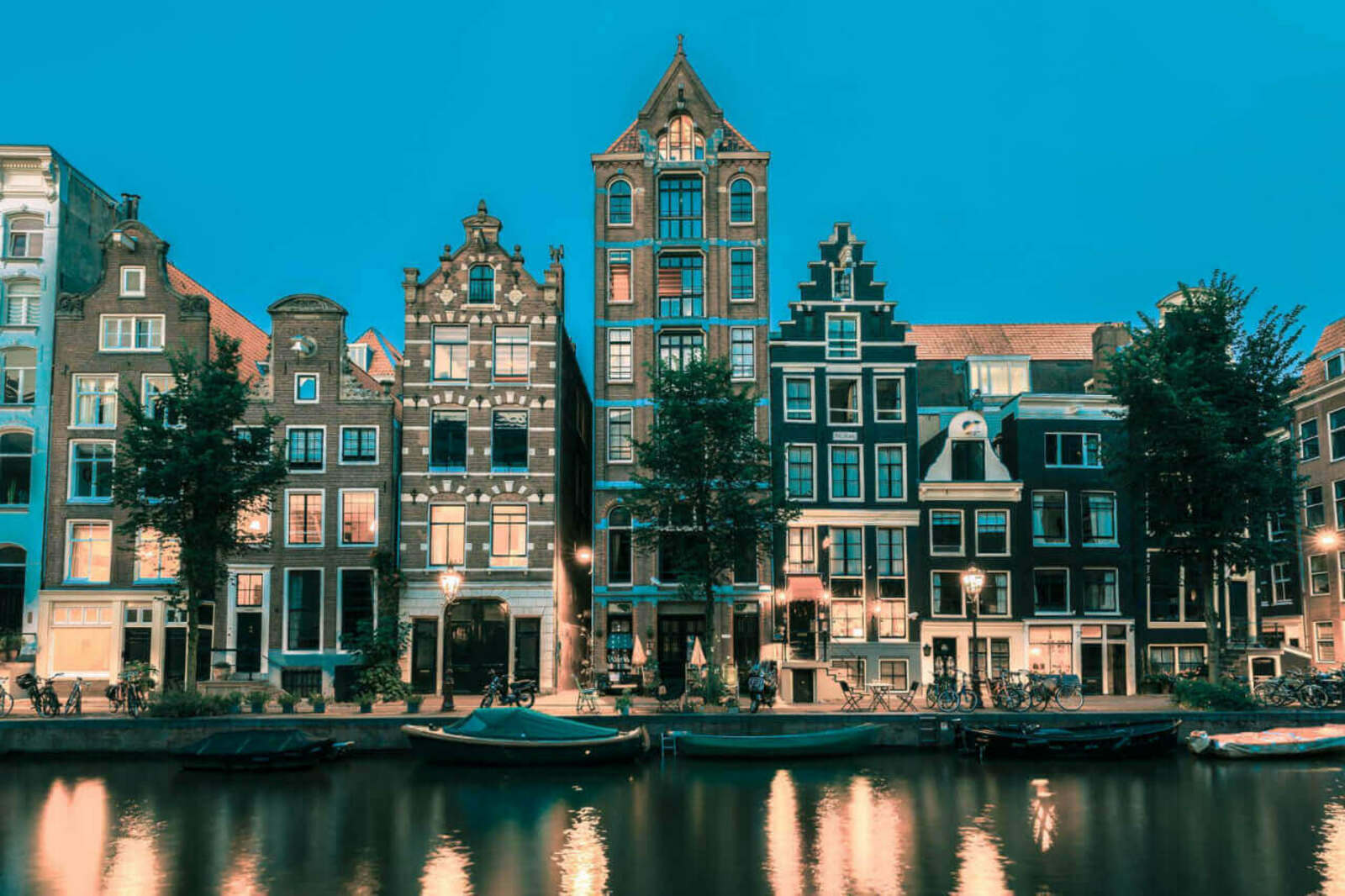
The top city by searches was Amsterdam (150.3K searches).
“Underrated” picks are booming: Albania (+113%) leads fast-rising countries, while Kraków (+310.3%) is the fastest-growing city.
Cultural travel remains strong: cities like Vienna and Milan keep climbing thanks to art, history, and food culture.
What the data shows: most searched vs. fastest-growing
The most popular countries were Turkey (102.9K searches), Iceland (95.2K), and Greece (70.7K), while the leading city was Amsterdam (150.3K searches). However, the most interesting part is the rise in interest toward previously underrated destinations. Albania, with a 113% increase in searches, tops the list of rising countries, and Kraków, with a 310.3% increase, became the fastest-growing city.
1. Albania (+113%)
2. North Macedonia (+98.3%)
3. Finland (+68.2%)
4. San Marino (+59.4%)
5. Montenegro (+50.9%)
6. Poland (+22.2%)
7. Malta (+16%)
8. Spain (+9.4%)
9. Slovakia (+7.8%)
10. Andorra (+6.8%)
1. Kraków, Poland (+310.3%)
2. Seville, Spain (+58.7%)
3. Dublin, Ireland (+38.1%)
4. Vienna, Austria (+24.8%)
5. Prague, Czechia (+19.7%)
6. Barcelona, Spain (+17.1%)
7. Copenhagen, Denmark (+14.7%)
8. Milan, Italy (+13.7%)
9. Lisbon, Portugal (+13.6%)
10. Budapest, Hungary (+12.4%)
Why this trend matters: beyond the usual routes
These figures highlight growing interest in new destinations, offering travelers unique opportunities to explore Europe. Those looking for something more than familiar routes can find in these places an ideal mix of culture, history, and natural beauty. There is a clear tendency to seek less-known yet equally attractive places, opening new horizons for both travelers and host countries—helping diversify tourist flows and reduce pressure on overcrowded hotspots.
In addition to the countries and cities mentioned above, it is worth noting the increased interest in destinations such as Seville and Dublin, reflecting travelers’ desire to explore their unique cultural and historical aspects. The growth in popularity may also be linked to infrastructure development, improved conditions for visitors, and active marketing campaigns by local tourism organizations.
Special attention also goes to cities like Vienna and Milan, famous for art, history, and cuisine. Their steady rise underlines the importance of cultural tourism and travelers’ desire to immerse themselves in the authentic atmosphere of these distinctive places.
In conclusion, current tourism trends in Europe show a shift in focus from overcrowded top destinations toward newer, less explored regions and cities offering rich opportunities for discovery. This opens new prospects for European tourism development, stimulates economic growth and cultural exchange, and gives travelers a broader choice of places to explore.
Source: usebounce.com
27.03.2024
What to do
Build a trip that mixes “icons” with fresh discoveries: reserve 1–2 days for a high-demand magnet city (for example, Amsterdam) and add less crowded places nearby; in fast-rising destinations, plan extra time for walking, museums, local cuisine, and nature—these are often the reasons travelers look beyond standard routes.
1-day itinerary
Pick one city from the “rising” list and spend the day like a local: morning in the historic center and key sights; midday museum time and cafés; evening in quieter neighborhoods with a local dinner. This simple structure works especially well for culture-focused cities like Vienna, Prague, Milan, Lisbon, or Budapest.
2-day itinerary
Day 1 for the “must-sees” and the city’s vibe; Day 2 for parks, markets, less touristy streets, and a short trip to nearby spots if possible. This approach helps you avoid the biggest crowds and experience the destination more deeply—matching the trend toward new, less explored places.
How to get there
Plan flights and transfers with popularity in mind: for top cities, book early (especially around holidays and peak season); for “hidden gem” destinations, compare connections and rail/ground options—rising interest often goes hand in hand with better infrastructure and more convenient routes.
You may also like these news posts
FAQ: Europe’s popular spots and hidden gems
What is the Bounce ranking based on?
It’s based on search query analysis for October–December 2023, reflecting demand for countries and cities.
Which country was most popular by searches?
According to the data, Turkey led with 102.9K searches.
Which city topped the list?
Amsterdam was the leading city with 150.3K searches.
Which country grew the fastest in interest?
Albania showed +113% growth in searches and led the “rising countries” list.
Which city is the fastest-growing?
Kraków grew by +310.3% and became the fastest-growing city in the ranking.
Why are travelers choosing new destinations?
Overcrowding in classic hotspots and a desire for fresh, more authentic experiences are driving the shift.
Which cities are great for culture-focused trips?
Vienna, Prague, Milan, Lisbon, and Budapest are strong choices for art, history, and atmosphere.
How should I plan a trip to a very popular city?
Book ahead, visit major sights early, and include alternative neighborhoods to avoid peak crowds.
What does “hidden gem” mean in this context?
A less-known destination that still offers strong culture, history, and nature—often with fewer crowds.
Why might Seville and Dublin be rising?
Travelers are drawn to their unique culture and history; improved infrastructure and marketing can also boost interest.
How can I combine famous places with new ones?
Use a major hub city as a base and add a second stop from the “rising” list nearby.
Which rising countries are often chosen for seaside vibes?
Albania, Montenegro, Malta, and Spain are often associated with coastal experiences and a relaxed atmosphere.