
 Enter
Enter






Introduction
There are countless breathtaking places in the world; however, some of them hold a special place in travelers’ hearts. A study conducted by Visited Travel App and covered by Travel Off Path reveals ten places that most often appear on people’s wish lists.
The Eiffel Tower in Paris, despite its popularity, continues to amaze and attract tourists from all over the world, topping the ranking of the most desired attractions. Right behind it come two Italian gems: the magnificent Colosseum in Rome and the unique historic center of Venice — both facing challenges linked to overtourism and introducing strict measures to manage it.
The “wishlist” list — in a nutshell
Paris still leads the daydreams
The Eiffel Tower and Versailles remain forever-classic symbols.
Italy shows up three times
Rome, Venice, and Pisa keep inspiring travelers year after year.
Big-city icons
New York, London, and San Francisco make the list with legendary landmarks.
Overtourism & protection measures
Some destinations tighten rules to preserve unique places for the future.
A mix of history & architecture
Ancient arenas, cathedrals, canals, towers, and bridges — one shared pull to explore.
The most desired attractions on the planet: every traveler’s dream list
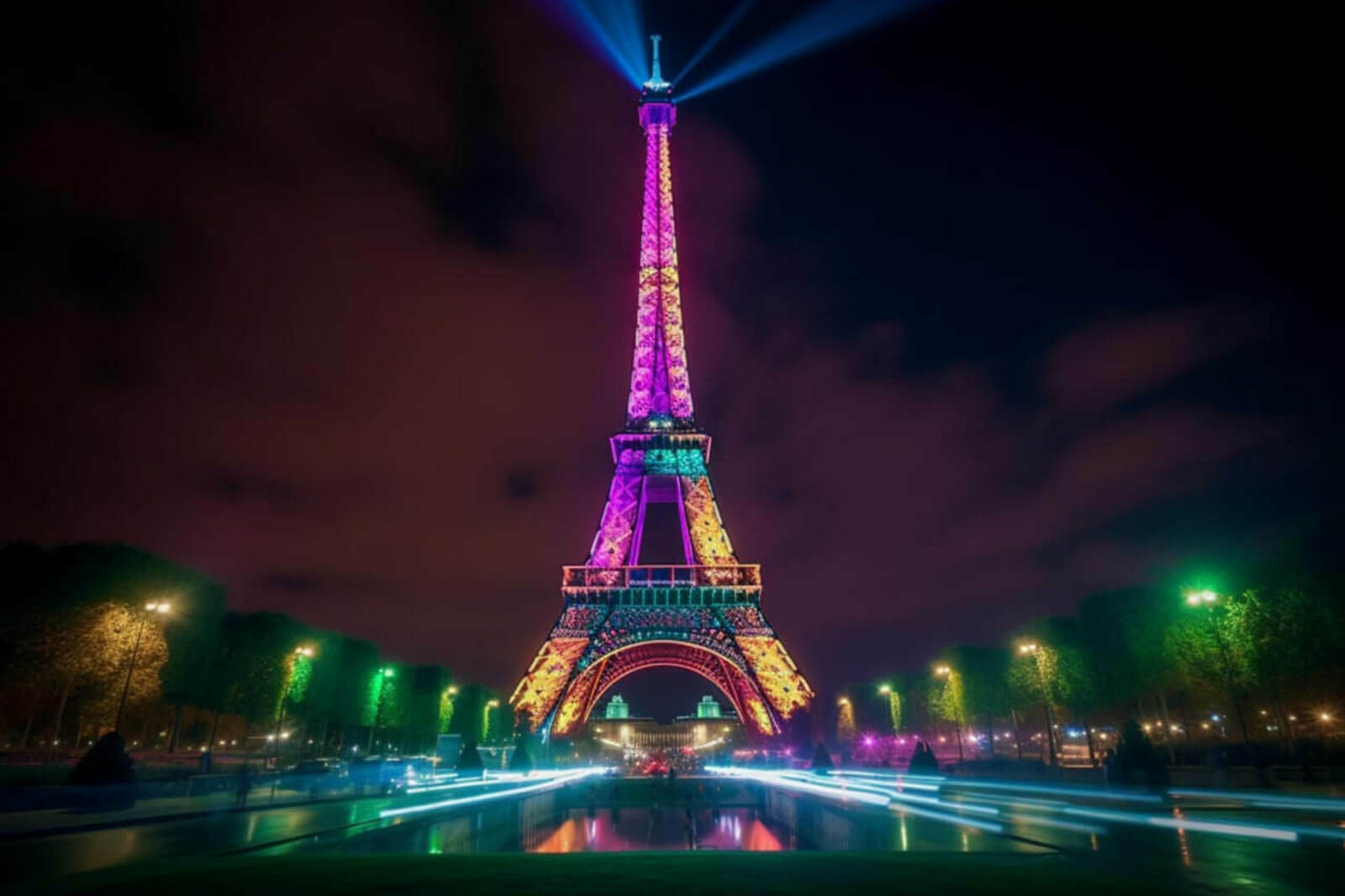
1. Eiffel Tower, Paris, France (1889) - Built for the World’s Fair.
2. Colosseum, Rome, Italy (80) - An amphitheater for gladiator fights.
3. Venice, Italy (founded in the 5th century) - A canal city founded by refugees.
4. Sagrada Família, Barcelona, Spain (construction began in 1882) - Gaudí’s unfinished basilica.
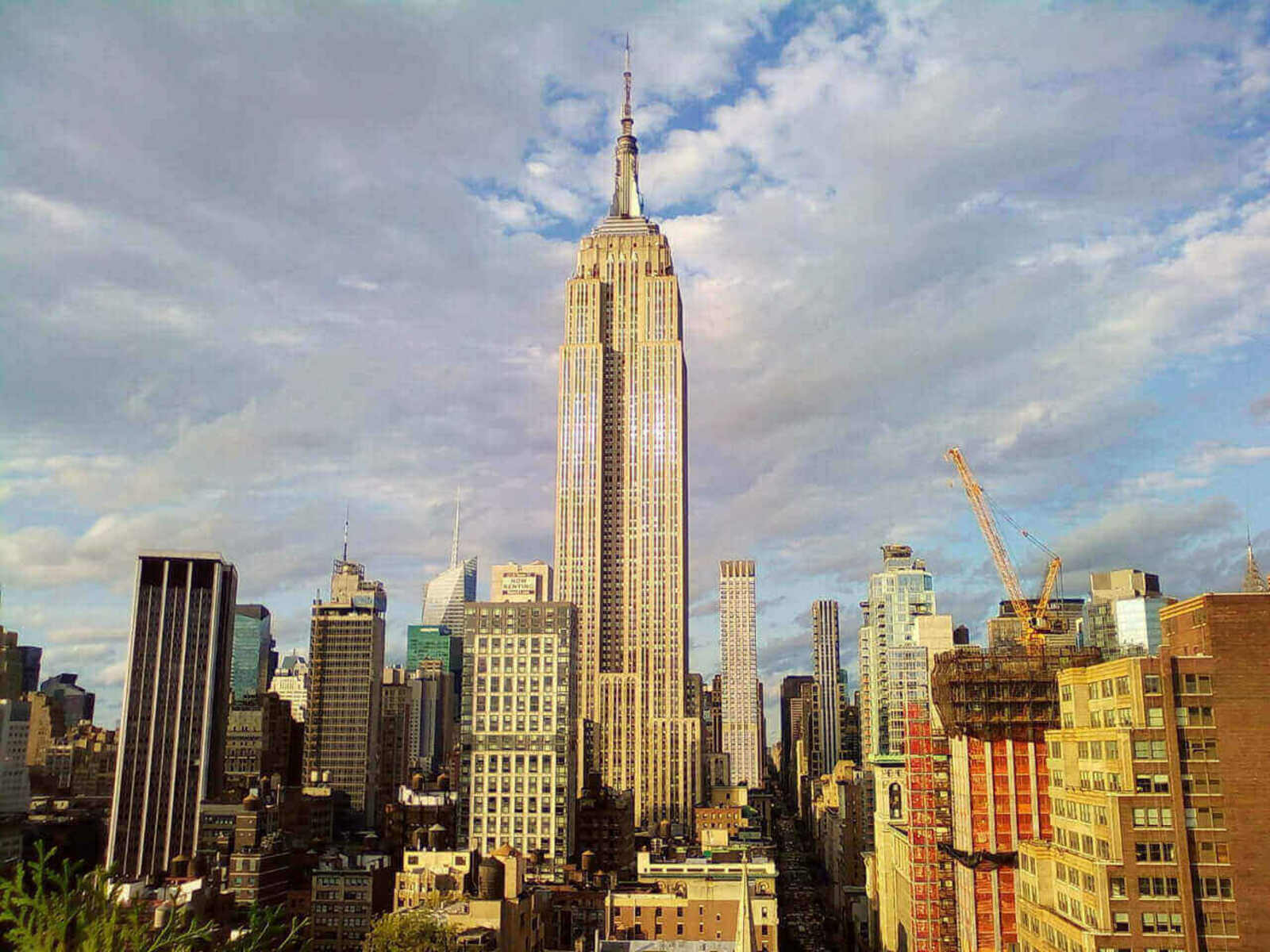
5. Empire State Building, New York, USA (1931) - A 381-meter skyscraper, a symbol of New York.
6. St. Peter’s Basilica, Vatican (construction began in 1506) - The principal church of Catholicism.
7. Big Ben, London, United Kingdom (1859) - The clock tower at the Houses of Parliament.
8. Palace of Versailles, Paris, France (construction began in 1661) - Residence of French kings.
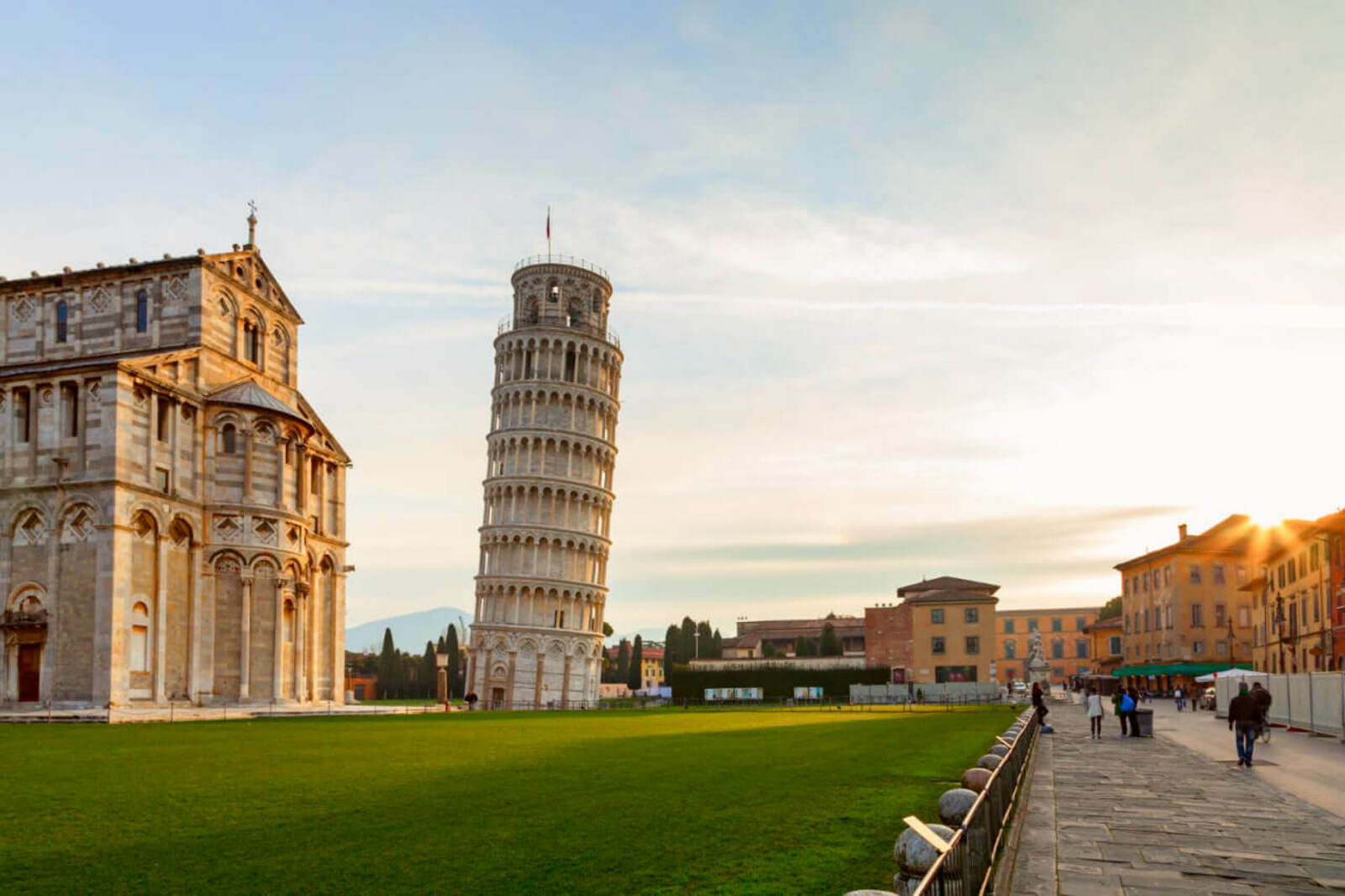
9. Leaning Tower of Pisa, Pisa, Italy (construction began in 1173) - The leaning tower, a symbol of the city.
10. Golden Gate Bridge, San Francisco, USA (1937) - A suspension bridge and one of America’s symbols.
This list shows how diverse travelers’ preferences are, bringing together historical monuments, architectural wonders, and city symbols. While each place is unique, they share one thing: the ability to inspire and awaken the desire to explore the world.
The appeal of these attractions is driven not only by their historical and cultural significance, but also by their influence on tourism. Many suffer from an excessive influx of visitors, which leads to measures aimed at preserving these unique places for future generations.
What to do
Build your personal dream list: choose 2–3 items from the top-10 and add a couple of quieter places nearby to balance the day.
Visit early or on weekdays: the most famous landmarks can be crowded, and some destinations use timed entry or stricter access rules.
Match the city to the mood: romantic Paris, ancient Rome, canal-maze Venice, Gaudí’s Barcelona, and the skyline icons of New York and San Francisco.
1-day itinerary
Morning: pick one headline attraction (for example, the Eiffel Tower or the Colosseum) and go early to avoid peak queues.
Daytime: add a walk around the nearby area — historic streets, promenades, parks, or a museum that fits your interests.
Evening: finish with a city view — an overlook, a riverside walk, or the landmark’s night lights.
2-day itinerary
Day 1
Focus on one “icon” plus the surrounding atmosphere: the main attraction + neighborhoods, canals, parks, or viewpoints nearby.
Day 2
Add a second major site (for example, Versailles or Sagrada Família) and keep time for a slower pace: cafés, a small museum, and an evening stroll.
How to get there
Pick your target city from the list and build the route around convenient connections — major hubs often make travel smoother.
For top attractions, plan ahead: in busy periods there may be timed entry, capacity limits, or tighter access rules.
In the city, combine public transport with walking — it’s the best way to catch the vibe and avoid traffic and parking stress.
Source
Source: Travel Off Path
FAQ: planning a trip to iconic attractions
How do I pick just 1–2 places from the top 10?
Choose one city and its main icon, then add a nearby sight so you don’t spend the whole day commuting.
What’s the best time to visit very popular landmarks?
Early mornings and weekdays usually mean shorter lines and a calmer pace.
Should I book tickets in advance?
For many major sights, booking ahead is a smart move—especially during peak travel periods.
Why do some destinations introduce restrictions for tourists?
To reduce pressure on infrastructure and help preserve heritage sites and historic areas.
How can I plan a day without getting exhausted?
One big attraction + a break + a relaxed walk nearby is often the best balance.
Can I see the landmark “without lines”?
Not always, but early visits and pre-booked entry typically reduce waiting time a lot.
What should I pack for a city landmark day?
Comfortable shoes, water, a light jacket for the season, and extra time for transport.
How do I combine multiple countries in one trip?
Group nearby destinations and keep enough time per city so the trip doesn’t turn into constant rushing.
What if the weather turns bad on my visit day?
Shift panoramas to clearer hours and use museums/cafés as a backup plan during rain.
Is it worth building a whole trip around one attraction?
Yes—if you also explore the neighborhoods around it, the “icon” becomes a starting point, not the only plan.
How do I avoid unnecessary spending at famous sights?
Plan ahead, check official options, and rely on public transport in central areas.
Why do these places stay on dream lists for years?
They combine history, architecture, and a powerful city symbol—so they keep inspiring travelers.