 Enter
Enter



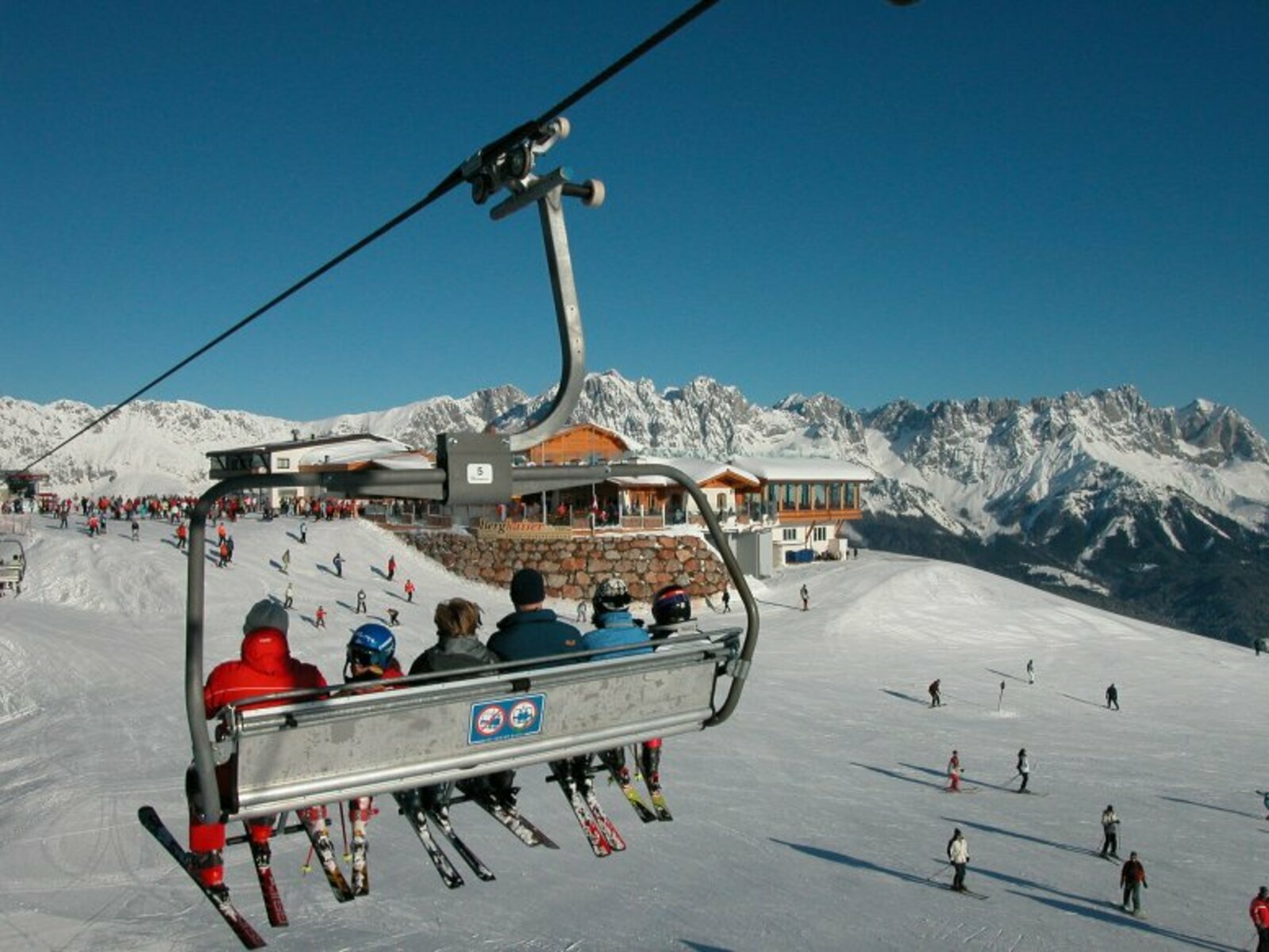
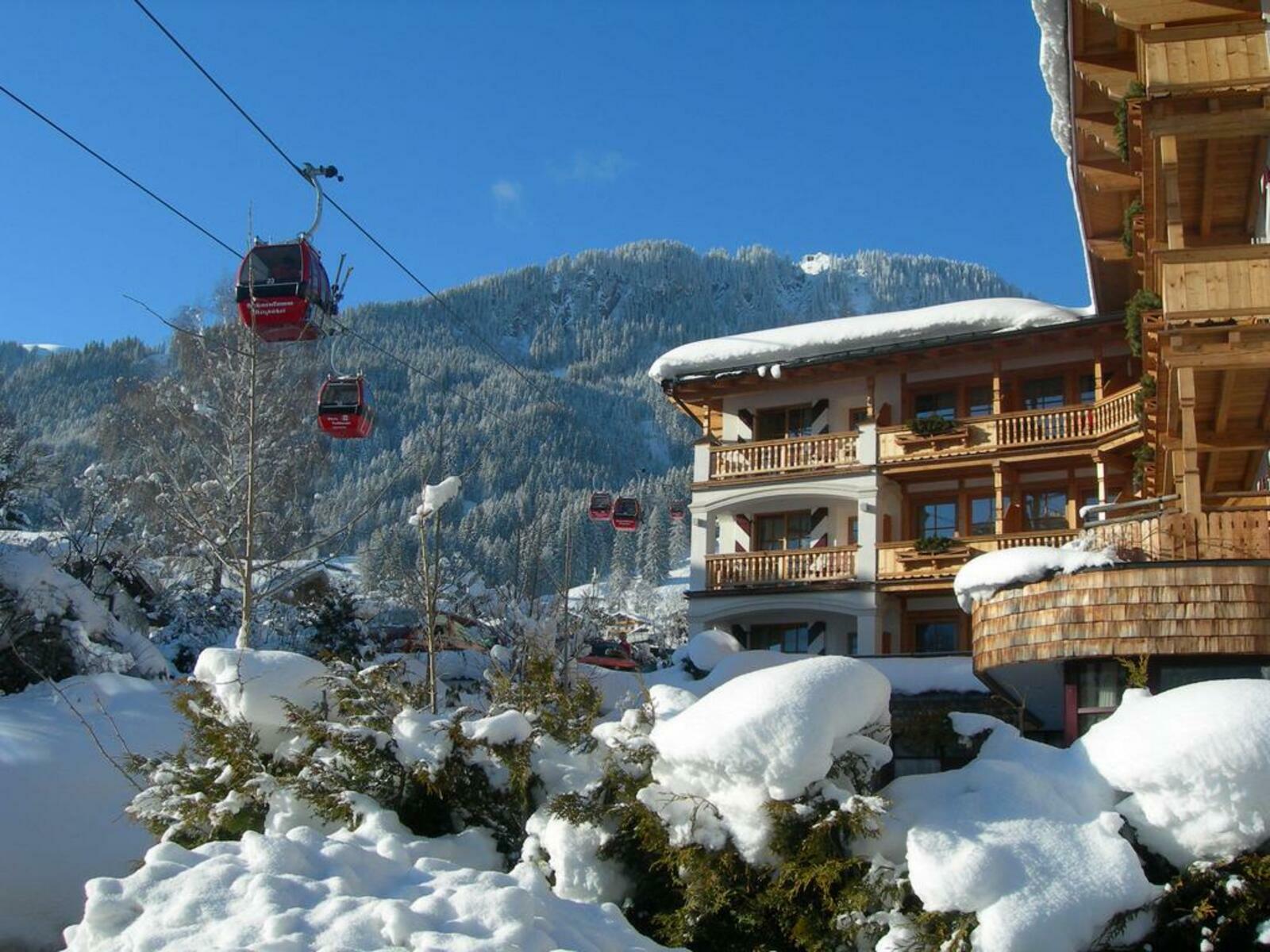

As winter arrives, bringing snowfalls and frosty days, people who enjoy an active lifestyle start thinking about where to spend an exciting winter break. Most often, as you can imagine, the choice falls on ski resorts. But which ski resort should you choose? That is the question we will try to answer and help you make the right decision.
Across Europe there are plenty of ski resorts – truly something for every taste and budget. The choice is indeed wide, but travellers are always interested in the best options. That is why we have put together a special ranking of European ski resorts for you, featuring the most interesting and most in-demand destinations for this winter.
5 tried-and-tested European ski resorts: Romania, Bulgaria, Andorra and two legendary regions of Austria – perfect for a rich winter holiday.
Slopes for every level: from gentle runs for beginners to challenging pistes used for World Cup races.
Well-developed infrastructure: spa centres, restaurants, bars, ski schools and rental shops, plus lively après-ski and nightlife.
Easy logistics: the resorts can be combined in a single trip and tailored to almost any budget and skill level.
Great for both families with kids and groups of friends looking for a mix of mountain scenery, snow fun and cosy evenings.
Poiana Brașov – a ski resort just around the corner
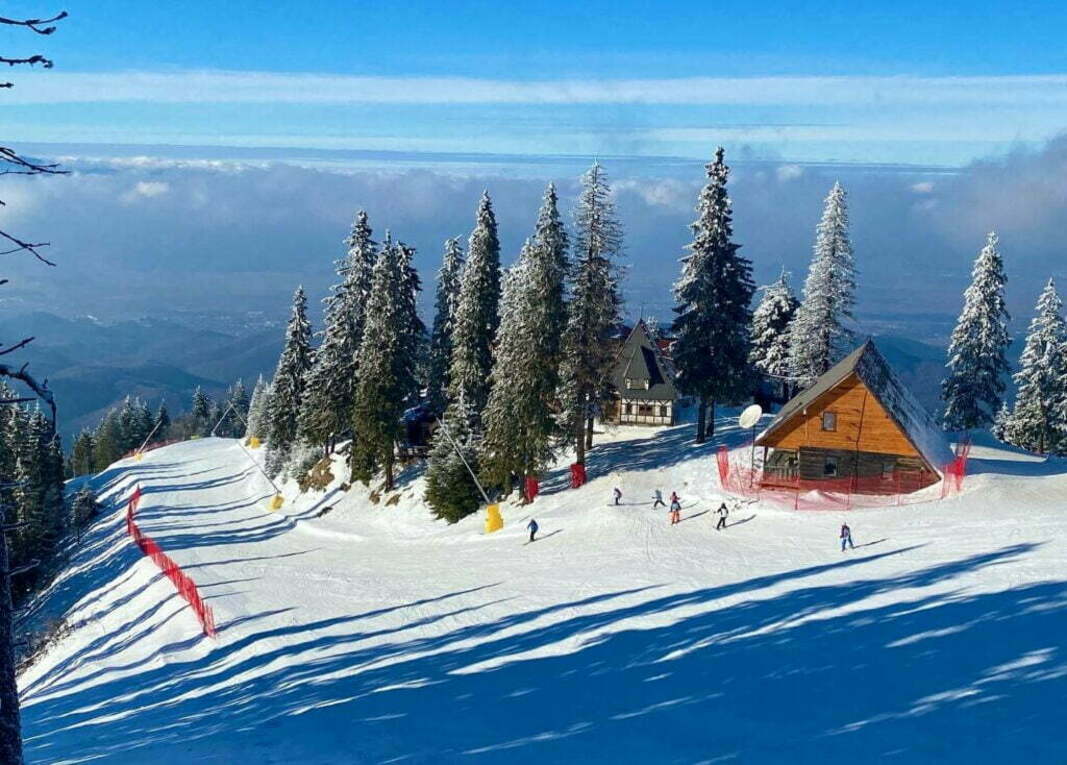
Poiana Brașov is one of the trendiest ski resorts in Romania. It lies at an altitude of around 1,020 metres above sea level. Thanks to its sunny valley location, the resort is often called the “sunny meadow”.
Poiana Brașov offers slopes of various difficulty levels, mostly on south-facing hillsides, and uses snow-making systems to ensure good conditions. The total length of the pistes is about 14 kilometres.
The resort also has spa centres, nightclubs, fitness centres and restaurants – everything you need to unwind after a long day on skis.
Bansko: winter Bulgaria at its best
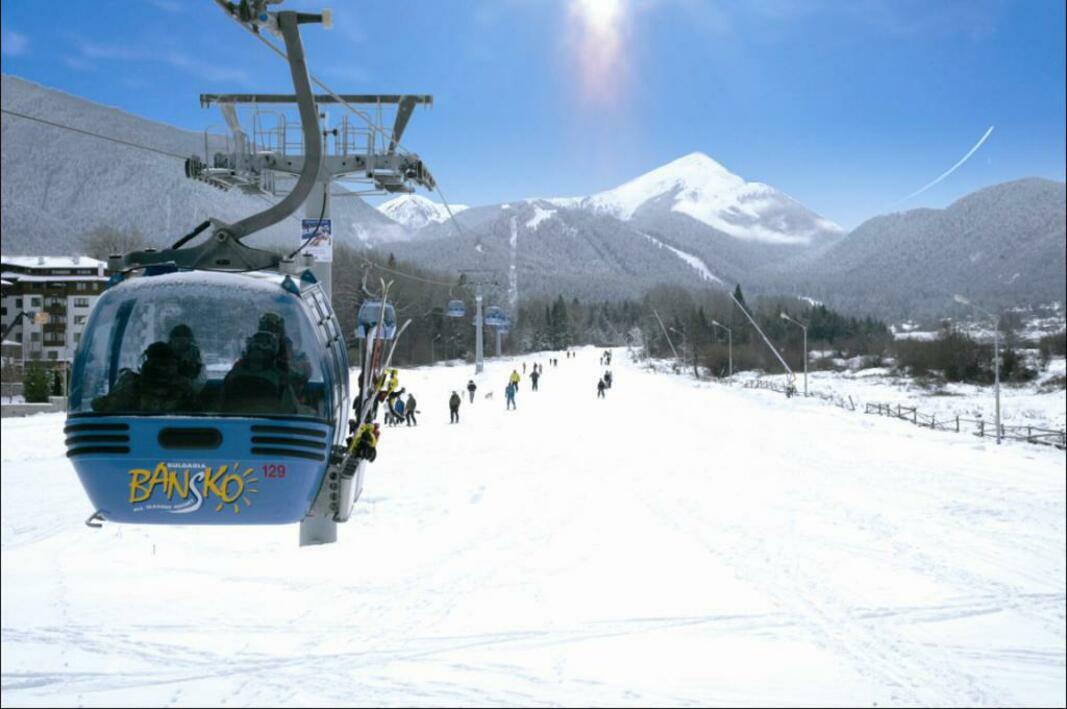
Bansko is a Bulgarian town surrounded by mountains on all sides, making it one of the country’s most famous and popular ski resorts. The ski season in Bansko usually lasts longer than anywhere else in Bulgaria.
Snow cover here is stable and can reach up to two metres. The resort even hosts FIS World Cup alpine skiing events. There are 18 pistes of varying difficulty, with a total length of about 75 kilometres. Bansko also has 16 lifts, and to use them you can buy a ski pass.
The resort boasts a well-developed infrastructure: restaurants, cafés, a ski school, ski rental shops, stores and, of course, lots of places to relax and have fun after skiing.
Andorra la Vella – Europe’s highest capital
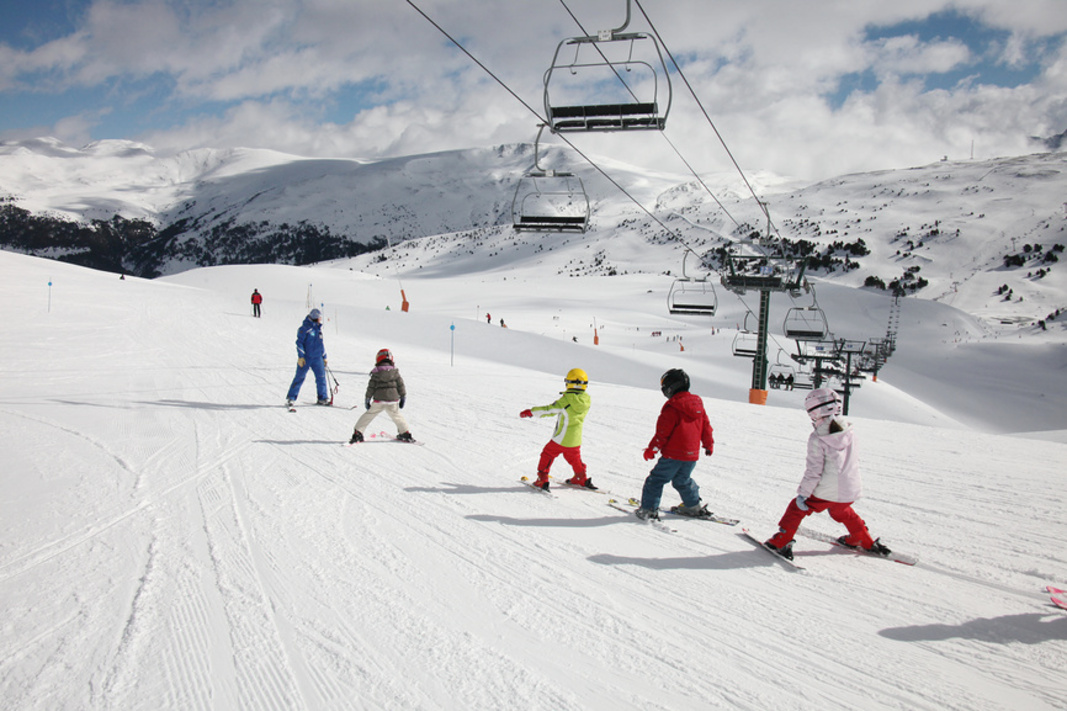
When listing the best winter resorts in Europe, we simply cannot ignore Andorra la Vella . The city is the capital of Andorra and lies at an altitude of about 1,055 metres above sea level. Two major ski areas are located nearby – Vallnord and Grandvalira.
Altogether, the ski areas around Andorra la Vella offer around 281 kilometres of pistes. Visitors can purchase a ski pass that allows them to ski in different zones of the resort.
Andorra la Vella is also famous for its thermal springs, whose waters are believed to help with various skin conditions and provide deep relaxation after long days on the mountain.
In addition, the city has plenty of sights, including Salvador Dalí’s sculpture “The Persistence of Memory”, a motorcycle museum and much more.
Tyrol – an Austrian paradise for ski lovers
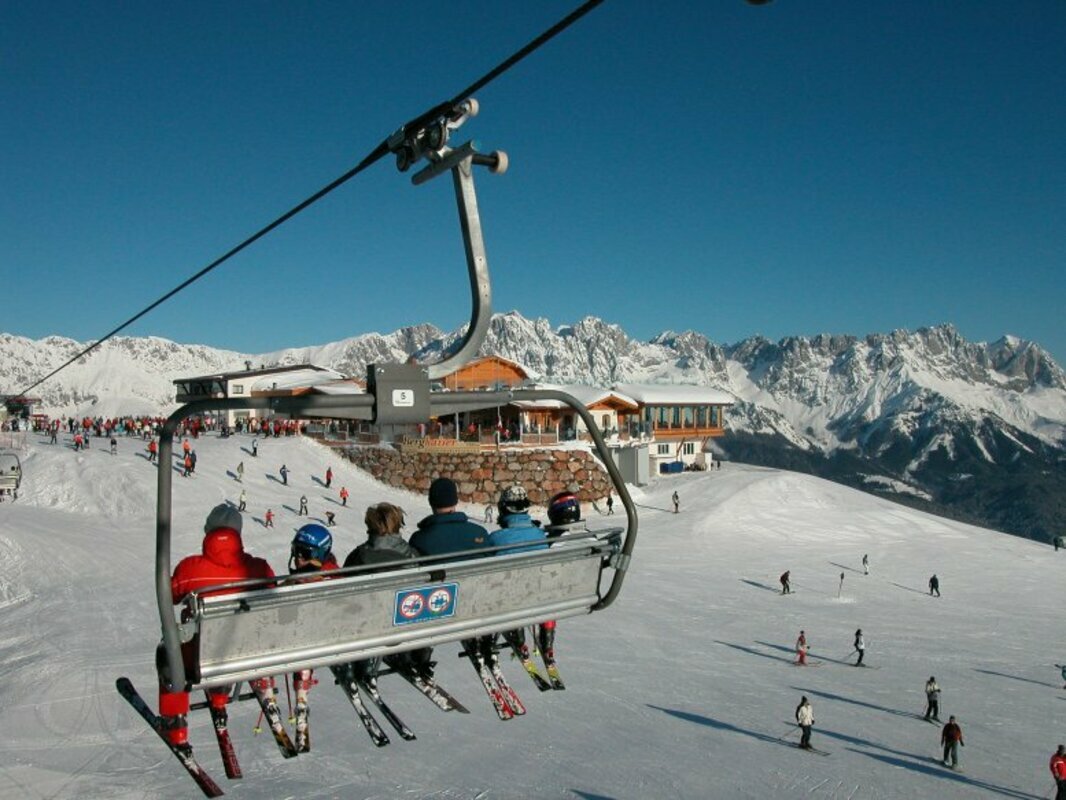
It should be said right away that Tyrol is not just a single ski resort – it is a true cradle of ski destinations. Tyrol is one of Austria’s nine federal states and is home to numerous ski and snowboard areas.
Here you can learn to ski from scratch: there are many ski schools with professional instructors. If you don’t have your own equipment, you can easily rent it – rental shops are plentiful throughout the region.
Besides skiing and snowboarding, Tyrol offers mountaineering and winter hiking. The scenery is stunningly beautiful, and there are plenty of interesting attractions. You can find more details about Tyrol and all of our offers for this destination here .
Kitzbühel – a historic Austrian resort in the Alps
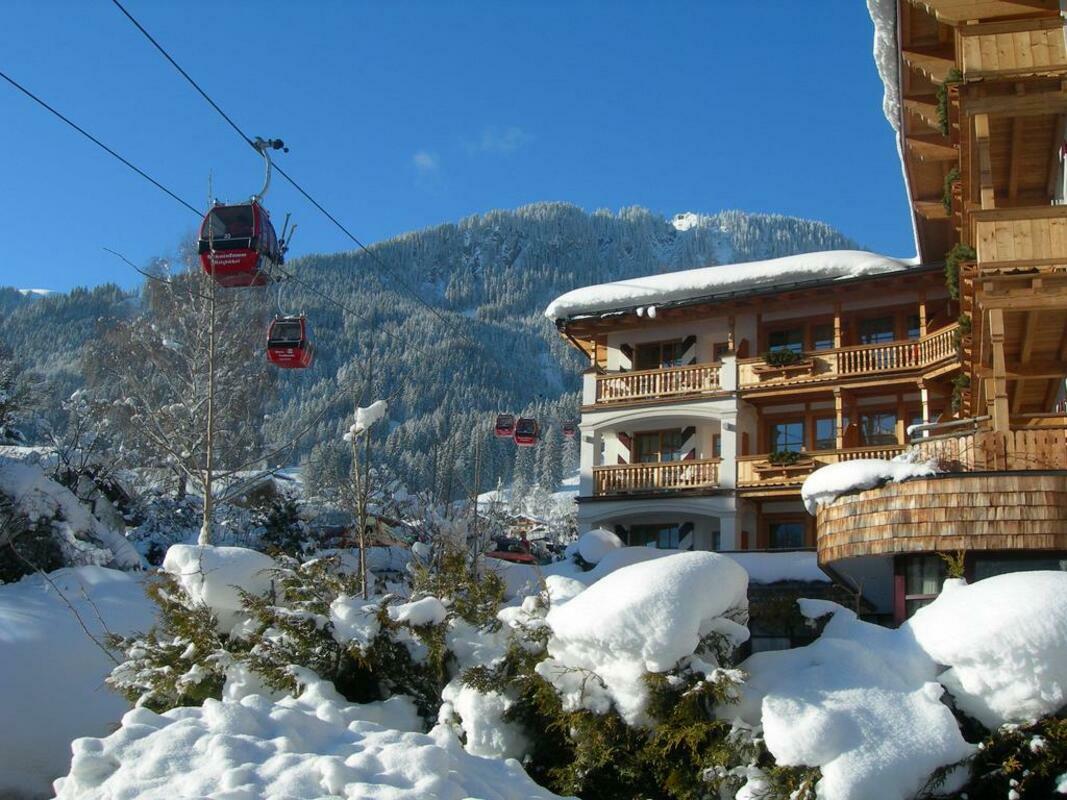
If you decide to spend winter in Europe, it won’t take you long to choose where to go – especially when we are here to help and suggest the most attractive and well-priced options. One of those is undoubtedly the ski resort of Kitzbühel .
Kitzbühel is one of the oldest and most renowned ski resorts in Austria, located in the southern part of Tyrol. There are about sixty pistes with a combined length of more than 170 kilometres. You will find runs for professionals, beginners and recreational skiers alike. There is also a toboggan run for sledding. Around fifty lifts serve the entire area.
The resort also has a rich infrastructure and plenty of entertainment. There are many restaurants and cafés, nightclubs, a casino, a cinema and more – perfect for lively evenings after a day on the slopes.
What to do at European ski resorts
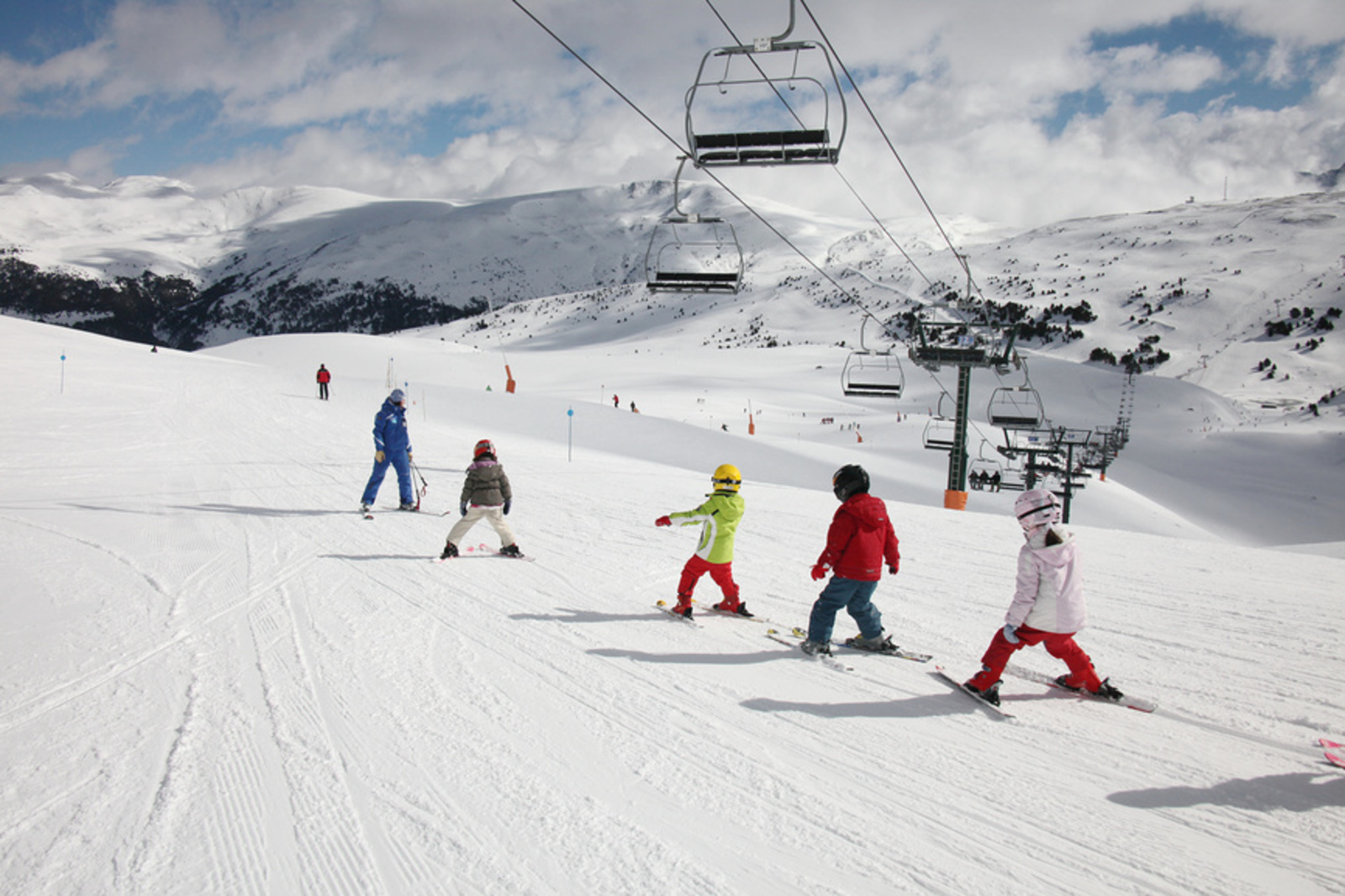
The main activity is, of course, skiing and snowboarding. All the resorts above have slopes of different difficulty levels, beginner areas and ski schools for those who are just starting out or want to refine their technique.
Between runs you can stop at cosy mountain restaurants and bars to taste local cuisine, mulled wine and traditional desserts while enjoying the views. Many resorts offer a rich après-ski scene: evening walks through lit-up streets, skating rinks, sleigh rides, live music and themed parties.
If you prefer a slower pace, you’ll love the spa centres and thermal complexes (especially in Andorra la Vella), winter hiking trails through the forest, excursions to historic towns nearby and some shopping in local boutiques and outlet centres.
Sample 1-day ski itinerary
Start your morning with a hearty breakfast at the hotel and a short warm-up. Then head straight for the slopes: spend the first 2–3 hours on easier runs to get used to the snow and your equipment. If you are a beginner, book a morning lesson with an instructor.
At lunchtime, take a break at a mountain hut or restaurant: a hot soup, a filling main course and dessert with a view of snowy peaks make for the perfect pause. In the afternoon you can switch to another area of the resort, try new slopes or choose calmer activities – skating, sledding or a relaxed walk through the village.
In the evening, return to your hotel, relax in the spa or sauna, then enjoy dinner and a stroll around the resort: twinkling lights, cosy houses, music and the special atmosphere of a winter night in the mountains.
2-day itinerary: maximum impressions without rushing
On day one, focus on getting to know the resort: explore several ski areas, test different pistes, check out rental options and end the day with dinner at a recommended restaurant. Leave some time in the evening to simply walk around and relax.
On day two, go higher and further: start early, head for the most interesting slopes, and plan a few photo stops at panoramic viewpoints. After lunch, mix skiing with alternative activities – the toboggan run in Kitzbühel, wandering through Brașov’s old town or Bansko’s historic streets, or a visit to a thermal complex in Andorra la Vella.
This approach lets you really feel the atmosphere of the resort without burning out, and helps you decide where you’d like to return for a full week of skiing.
How to get to these resorts
The easiest way to reach Poiana Brașov is via Bucharest: from Romania’s capital the resort is connected by modern roads and rail. The final stretch usually involves a transfer or rental car drive through picturesque Transylvania.
For Bansko, your starting point will be Sofia. From Bulgaria’s capital, transfers, buses and taxis run to the resort, and many hotels offer their own shared or private shuttle options.
To get to Andorra la Vella, travellers typically fly into Barcelona or Toulouse, then continue by shuttle or scheduled bus. The route through the mountain passes already gives you a taste of the winter landscapes on the way to the resort.
For Tyrol and Kitzbühel, the most convenient airports are Innsbruck, Salzburg or Munich, followed by a train ride or organised transfer. Thanks to the excellent transport network, these regions are easy to combine in a single trip.
Which European ski resort should you choose this winter?
We’ve introduced you to five of the best ski resorts in Europe. Now the choice is yours.
Think about what matters most to you: proximity, the number and difficulty of slopes, thermal spas and wellness facilities, the charm of a historic town or the buzz of a modern sports hub. And when you are ready, we are here to help you pick the perfect option for your dates, budget and expectations from a winter holiday.
Frequently asked questions about ski resorts in Europe
When is the best time to go skiing in Europe?
The classic ski season usually runs from December to March. In Bansko and some higher areas of Austria and Andorra, good snow conditions often last a bit longer.
Are these resorts suitable for beginners?
Yes. All of them offer easy slopes, learning areas and ski schools with experienced instructors, so you can start skiing from scratch.
Is ski equipment rental available at the resorts?
Absolutely. Every resort mentioned has rental shops where you can hire skis, snowboards, boots and helmets, so you don’t need to bring your own gear.
Can I visit these resorts with children?
Yes. Many hotels and ski schools have kids’ programmes, there are gentle slopes, sledding hills and quiet ski areas that work well for family holidays.
What is a ski pass and why do I need one?
A ski pass is a ticket that gives you access to the lifts and cable cars in a ski area. Without it, you generally cannot use the lifts to reach the slopes.
Which resorts have the liveliest nightlife and après-ski?
Bansko, Kitzbühel and Andorra la Vella are especially known for their bars, clubs, restaurants and a wide range of evening events and après-ski spots.
Are there thermal baths and spa centres?
Yes. Andorra la Vella is particularly famous for its thermal complexes, while Tyrol and other regions offer many spa hotels with pools and saunas.
Is a short ski weekend realistic?
It is, provided you find suitable flights. You can easily plan a long weekend with one or two full ski days plus some light sightseeing or shopping.
Which resort is better for a lower budget?
Poiana Brașov and Bansko are generally more budget-friendly while still offering good slopes and solid infrastructure.
Where can I find the longest and most varied pistes?
Andorra la Vella, Tyrol and Kitzbühel offer some of the most extensive and diverse ski areas, with plenty of runs for all levels.
Can I combine several resorts in one trip?
Yes. Many travellers combine, for example, Tyrol and Kitzbühel, or add a few days in Barcelona before or after skiing in Andorra.
Should I book my hotel and ski pass in advance?
In peak season and around the holidays, it’s strongly recommended. Early booking helps you secure the best accommodation, lock in prices and avoid long queues on site.