
 Enter
Enter






The travel and entertainment portal Time Out presented its annual ranking of the best cities in the world to visit in 2026. Based on the opinions of locals and experts, the ranking considered criteria such as the quality and affordability of food, cultural richness, nightlife, and the overall happiness of citizens. These indicators help explain what makes a city appealing to residents and travelers, highlighting the importance of things like social connections and the beauty of the urban environment.
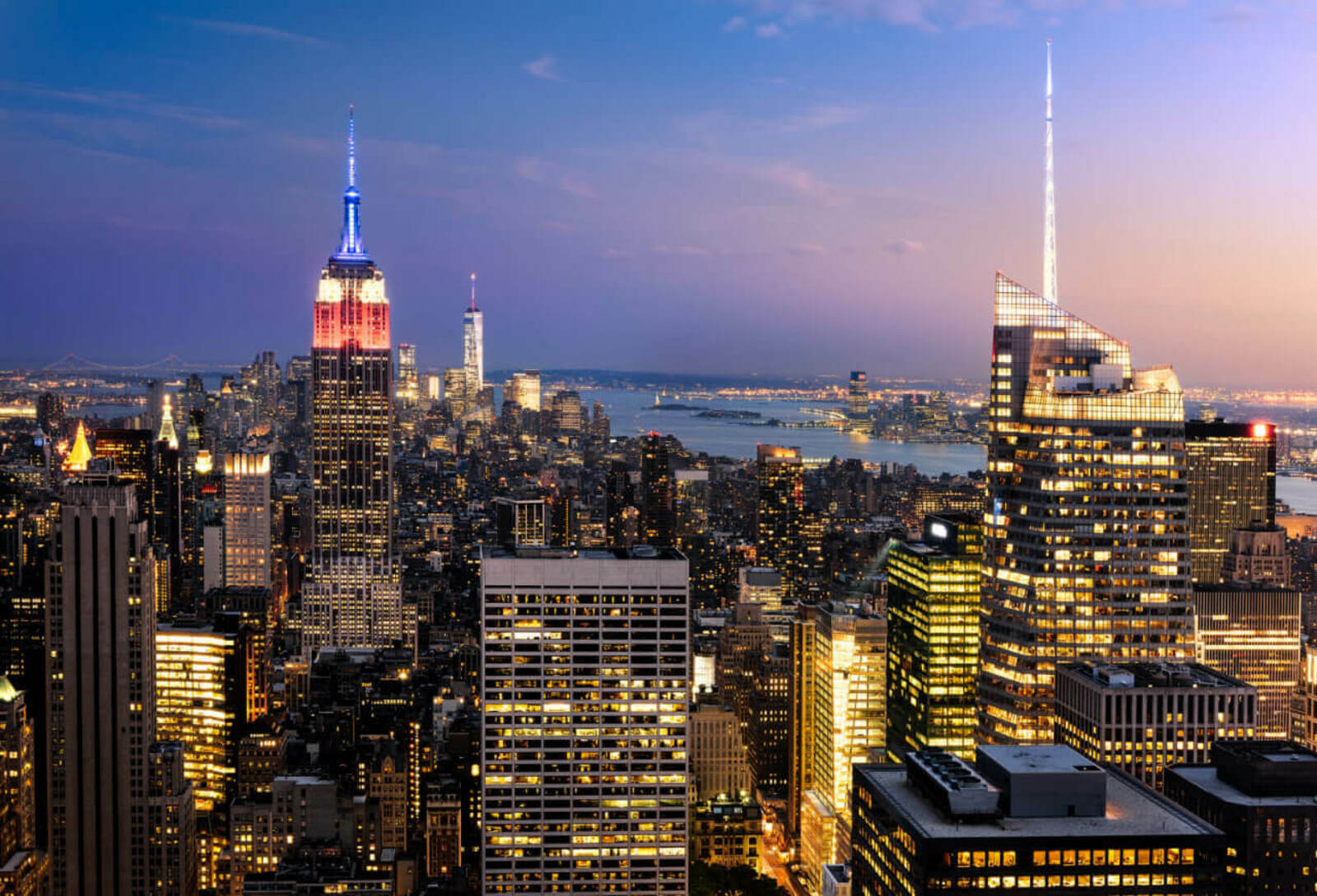
New York took first place in the ranking, standing out for its “never-sleeps” spirit. The city is known for its constant dynamism, around-the-clock activity, and a cultural scene that keeps reinventing itself. New York is a symbol of continuous adaptation and innovation.
The ranking draws on locals’ and experts’ opinions and weighs food (quality/affordability), culture, nightlife, and overall happiness.
New York is #1, celebrated for its 24/7 energy and ever-evolving cultural landscape.
The top-10 spans multiple regions—Europe, the Americas, Africa, and Asia—offering very different city vibes.
The full top-50 list is available on Time Out’s official site and works well as a trip-planning inspiration board.
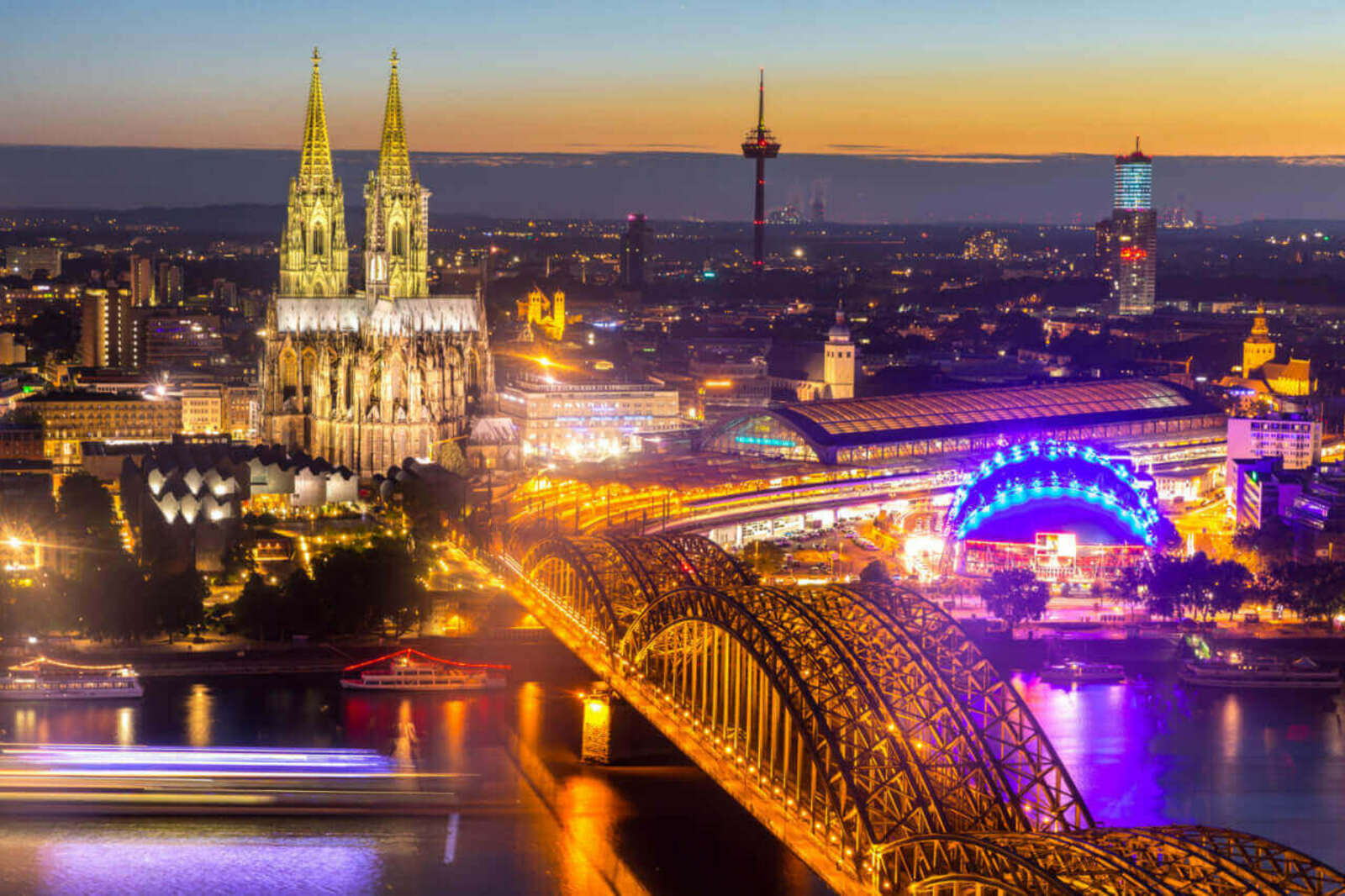
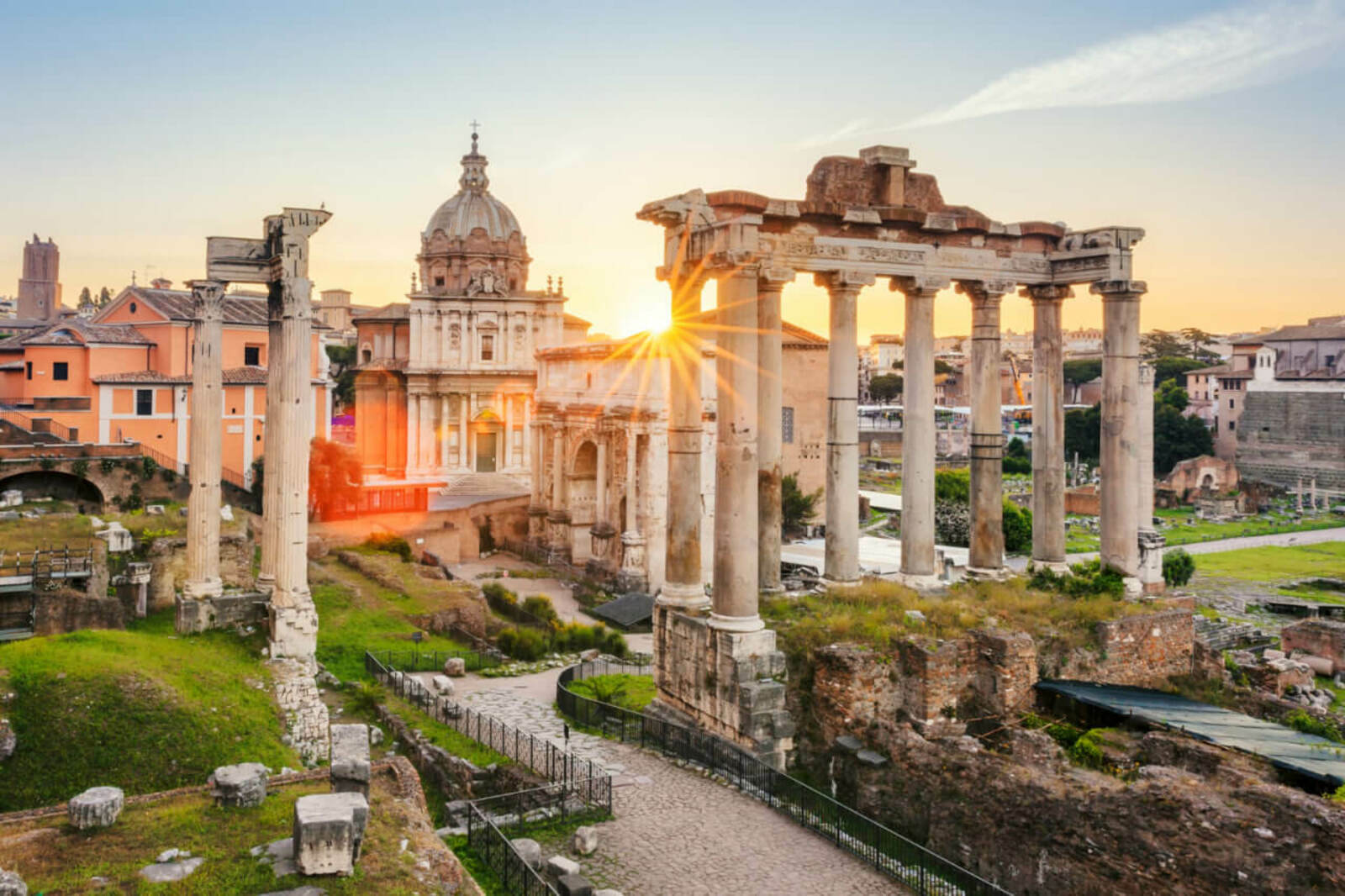
For Europe-focused getaways, the list includes staples like Berlin, Madrid, and Rome (with handy links).
Top 10 cities in the world to visit (2026 edition)
Next, in the global top-10 for travel in 2026:
New York, USA
Cape Town, South Africa
London, United Kingdom
Mexico City, Mexico
Liverpool, United Kingdom
Tokyo, Japan
Porto, Portugal...
Each of these cities offers a unique set of advantages, including cultural heritage, culinary delights, scenic views, and a rich history. They become a magnet for travelers from around the world, looking for fresh experiences and cultural discoveries.
More than popularity: why the ranking matters
It is important to note that the list is not only a ranking of popular tourist destinations, but also reflects current trends in urban life and travel. It offers a distinctive guide for planning trips, based on up-to-date data and the preferences of people who live in these cities.
The full list of the 50 best cities in the world to visit in 2026 is available on Time Out’s official website. This ranking is not only a source of inspiration for a future vacation, but also a guide to some of the most captivating and picturesque corners of the world.
Source and official link
Source: full ranking on TimeOut.com
Note: the original piece was published in late January 2024; it still works well as an inspiration guide and a way to compare destinations.
What to do: turning the ranking into a travel plan
Pick a city by your main driver: food value, cultural depth, nightlife, or overall vibe. The list emphasizes how a city feels from the inside.
Build a short list of 2–3 options and compare: total budget, best season to go, and how convenient the flights are.
Prioritize “local-feeling” experiences: markets, walking routes, creative neighborhoods, and social spaces—often the real reason a city stays memorable.
1-day itinerary: a quick city snapshot
Morning: local breakfast + a walk through the historic core or the city’s signature neighborhood—focus on pedestrian areas and viewpoints.
Midday: a market or street-food spot, then one strong cultural stop (museum, gallery, iconic architecture) without overpacking your schedule.
Evening: sunset or skyline views + dinner in an energetic district. If nightlife is a highlight, leave space for a bar or a show.
2-day itinerary: classic highlights + local atmosphere
Day 1: the essentials (center, signature landmarks, food scene) and an evening in the most atmospheric area—walks, restaurants, and events.
Day 2: alternative neighborhoods + urban nature (parks, waterfronts, viewpoints). Finish with something “local”: a market, a café, live music, or street art.
A simple rule: keep room for spontaneity. Rankings give direction, but the best moments often happen between the planned stops.
How to get there: flights, connections, planning pace
Check direct flights first; if you need connections, prioritize short layovers through major hubs—especially for quick city breaks.
For better value, compare “shoulder seasons” (before/after peak), when cities can feel calmer and accommodation is often more affordable.
Before you go, lock in 2–3 “musts” per day and leave breathing space for food, walks, and the city’s rhythm—so you feel it, not just tick it off.
FAQ: Time Out’s best cities ranking
What is Time Out’s “best cities” ranking?
It’s an annual list that highlights cities around the world based on input from locals and experts.
Which criteria are mentioned in this article?
Food quality and affordability, cultural richness, nightlife, and overall citizen happiness.
Why do locals’ opinions matter?
They reflect how the city feels day to day—its atmosphere, comfort, social connections, and everyday livability.
Where can I find the full top-50 list?
On Time Out’s official page (the TimeOut.com link is included in the article).
Why is New York ranked #1?
The text highlights its never-sleeps energy, 24/7 activity, and a cultural scene that keeps evolving.
Which cities are in the top-10?
New York, Cape Town, Berlin, London, Madrid, Mexico City, Liverpool, Tokyo, Rome, and Porto.
Is this list only about popular tourist destinations?
Not only—this article notes it also reflects wider trends in urban life and travel, beyond pure popularity.
Is the ranking still useful after 2024?
Yes, as inspiration and a comparison tool for city vibes—food, culture, nightlife, and overall feel.
How do I pick the right city for my travel style?
Match the criteria (food/culture/nightlife/happiness) to your preferences, then compare budget, season, and flight convenience.
How many days do I need for a city break?
For a first visit, 1–2 days can work: one day for essentials, one for neighborhoods and atmosphere.
How can I avoid overpacking my itinerary?
Pick 2–3 key stops per day and add flexible “city-feel” time for food, walking, and local discovery.
Why does the article mention social connections and urban beauty?
Because they are part of what makes a city attractive to both residents and travelers, shaping comfort and overall experience.