
 Enter
Enter





Vienna — one of the world’s most liveable cities
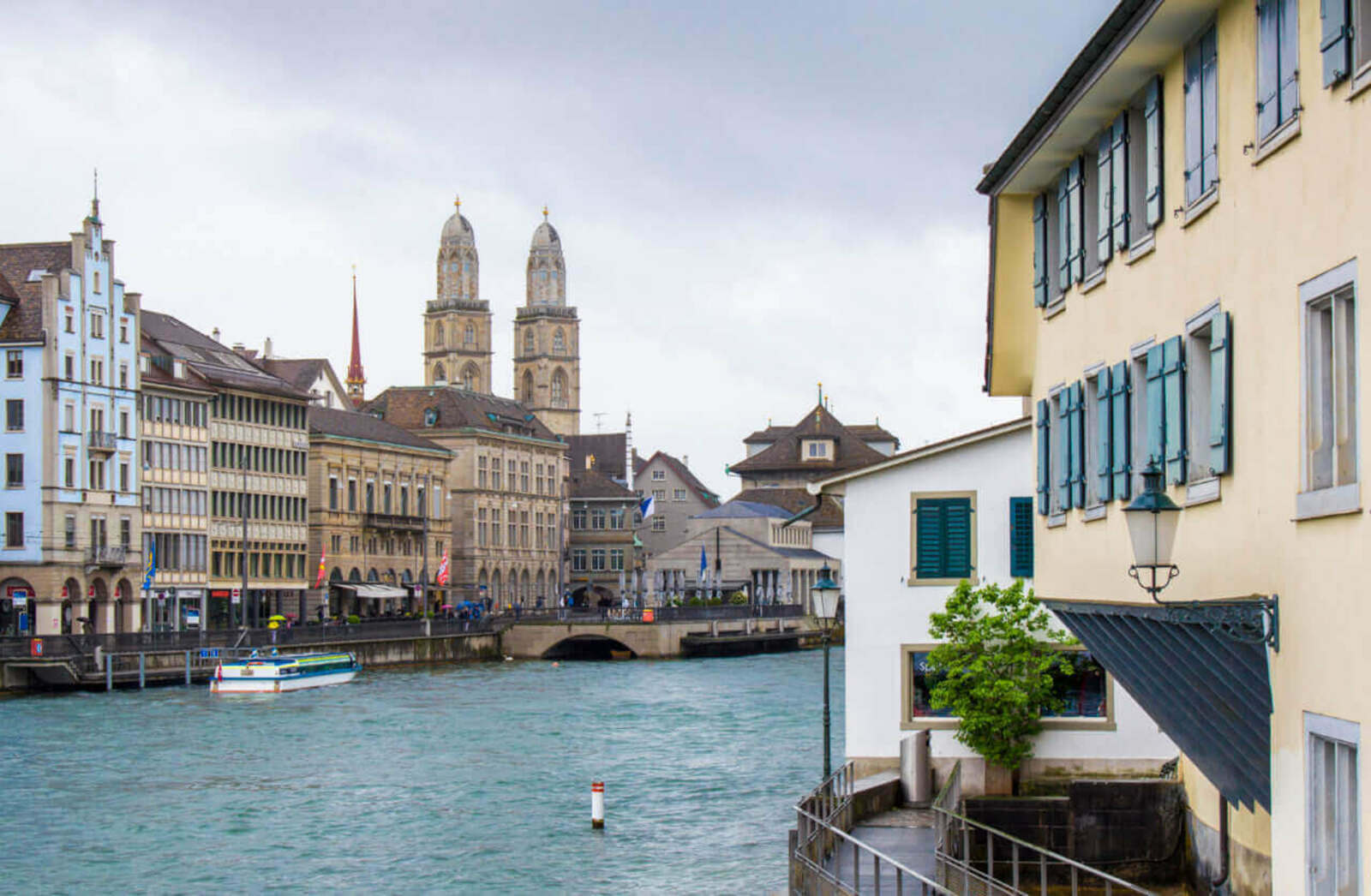
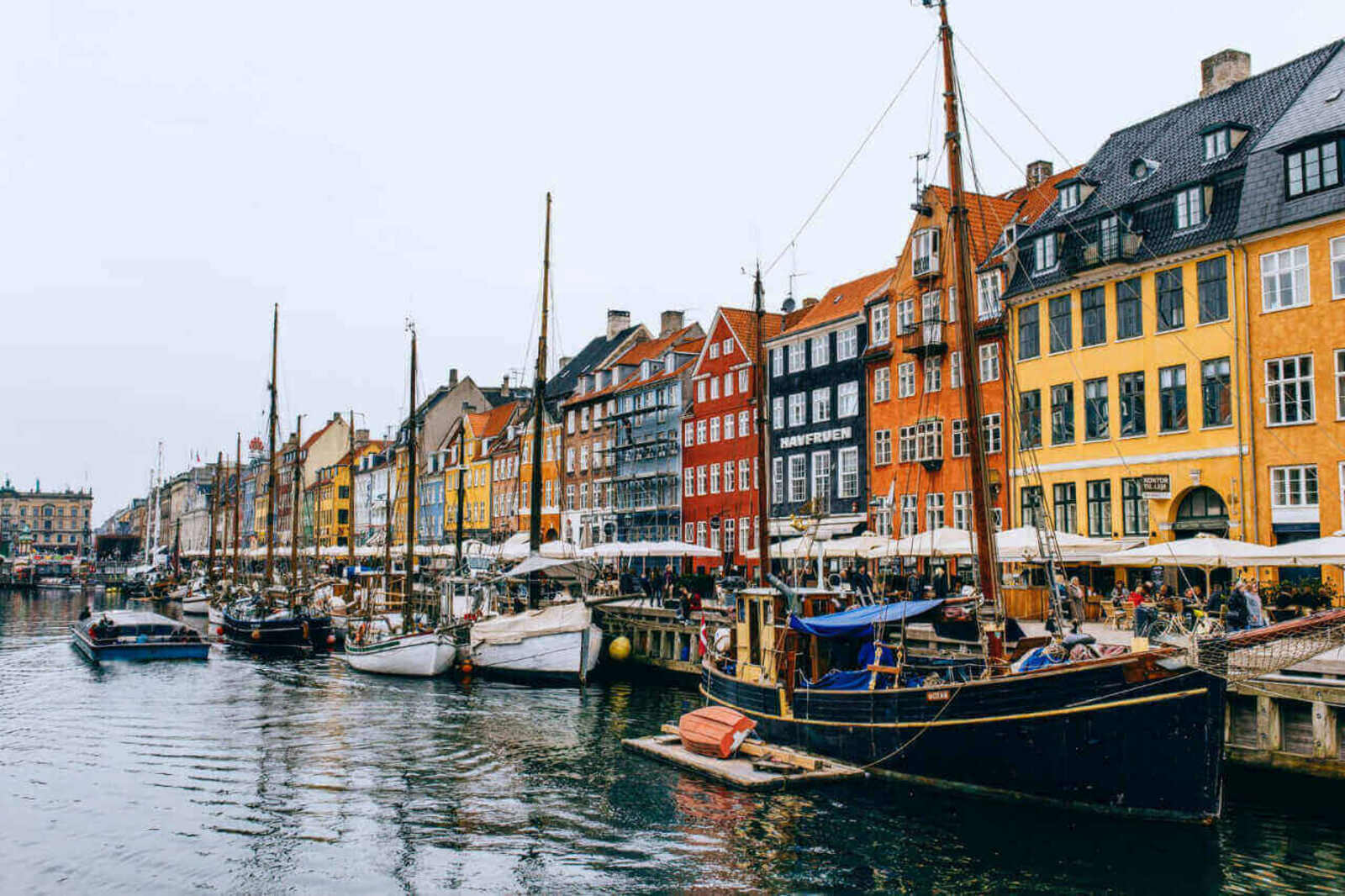
This city is a perfect choice for history enthusiasts and lovers of great food. Vienna has been named the most liveable city for life and leisure not only in Europe, but in the entire world, for the third year in a row. The list of top cities also includes Copenhagen (Denmark), Zurich and Geneva (Switzerland), according to the Express portal.
“Western Europe remains the most liveable region, with Copenhagen, Zurich and Geneva all in the top 10 cities. However, according to the EIU Global Liveability Index, Vienna has retained its title as the world’s most liveable city for the third year in a row. This index takes into account five key aspects of liveability: stability, healthcare, culture and environment, education and infrastructure,” the article notes.
Why Vienna deserves a place on your travel shortlist
Several reasons why Austria’s capital consistently ranks among the world’s most liveable cities and remains a dream destination for lovers of history, art, and European cuisine.
Vienna has held the status of one of the world’s most liveable cities for several years in a row according to international rankings.
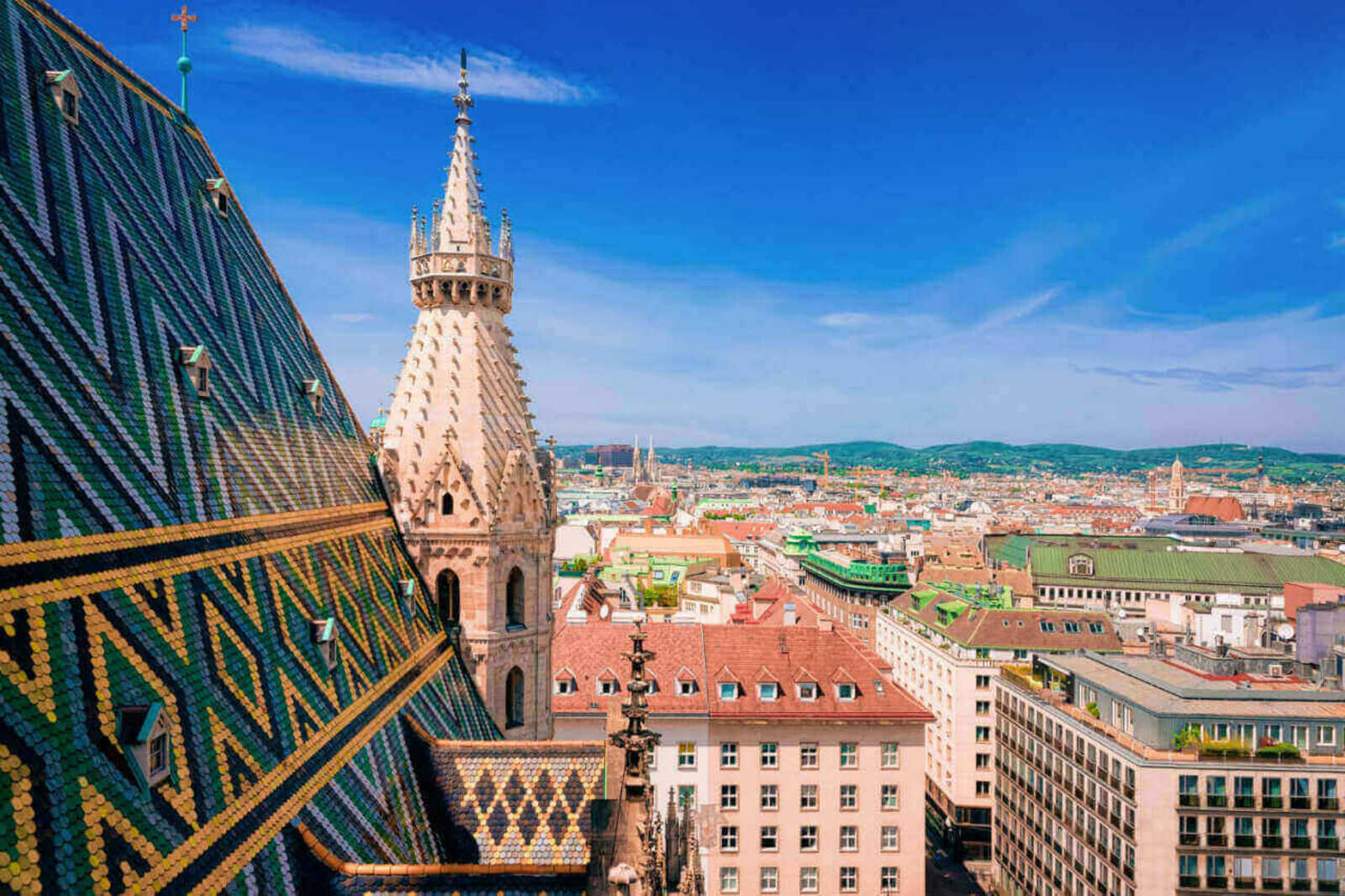
A historic centre with St. Stephen’s Cathedral, palaces and museums lets you literally walk through the pages of European history.
More than 100 art galleries and a rich musical heritage linked to Mozart, Beethoven and Kafka.
Unique Viennese cuisine: schnitzel, apple strudel and atmospheric coffee houses are a separate reason to visit the city.
In winter, Vienna turns into a Christmas fairytale with lights, decorations, markets and seasonal treats.
Developed infrastructure, efficient public transport and a high level of safety make staying in Vienna exceptionally comfortable.
Architectural highlights and the delicious side of Vienna
The capital of Austria boasts countless remarkable architectural landmarks that simply cannot be missed.
Among the most iconic sights are St. Stephen’s Cathedral, the Sigmund Freud Museum and the Vienna State Opera, Staatsoper.
You will also be impressed by Vienna’s unique culinary scene, where you can taste authentic Viennese schnitzel and many other regional dishes.
St. Stephen’s Cathedral is the main symbol of Vienna. Its Gothic towers can be seen from almost anywhere in the centre, and the panorama from the viewing platform is impressive both during the day and at night.
The Sigmund Freud Museum lets you step back into old Vienna and better understand how the founder of psychoanalysis lived and worked.
The Vienna State Opera, Staatsoper, impresses not only with world-class performances, but also with its architecture — well worth a dedicated visit.
Viennese cuisine is famous for generous portions and simple, perfectly balanced flavours. Viennese schnitzel, potato salad and apple strudel in a traditional tavern are a must.
Art, galleries and legendary names
For art lovers, Vienna offers more than 100 art galleries, which are visited by over eight million people every year.
The city’s rich history is tangible at every turn: Vienna has been home to legendary figures such as Ludwig van Beethoven, Franz Kafka and Wolfgang Amadeus Mozart.
Vienna’s galleries and museums cover everything from classical painting and sculpture to contemporary art and interactive installations.
The city’s musical heritage is omnipresent — in the halls where Beethoven and Mozart once performed, and in chamber concerts held in historic palaces.
The legacy of Franz Kafka and other intellectuals of the 20th century lends Vienna a distinctive intellectual atmosphere and depth.
Vienna in winter: lights, markets and festive magic
Express notes that the city is no less beautiful in winter: it is dressed in dazzling lights, festive decorations and countless Christmas delights.
Winter in Vienna means Christmas markets with mulled wine, the aroma of pastries and colourful souvenirs, ice rinks under the open sky and the special atmosphere of a European winter fairytale.
Other cities with a high quality of life
The list of cities with the best quality of life also includes US cities, in particular Los Angeles and New York. Although they rank lower than Vienna, they boast strong scores in education, infrastructure and culture.
Researchers also highlighted Canadian cities Vancouver and Calgary, which occupy seventh and fifth places respectively.
Los Angeles and New York showcase advanced infrastructure and dynamic cultural life, yet they cannot match Vienna’s overall sense of comfort and calm.
Vancouver and Calgary traditionally receive high marks for safety, environmental quality and urban comfort, sharing with Vienna the status of very liveable cities.
What to do in Vienna
Vienna is ideal for relaxed walks, dense cultural programmes and memorable food experiences. Here are a few ideas to fill your stay.
— Wander through the historic centre, step into palace courtyards and cosy side streets, and discover cafés and bakeries on every corner.
— Climb the observation platform of St. Stephen’s Cathedral for panoramic city views and spectacular photos.
— Visit at least one major gallery or museum and dedicate an evening to a classical music concert or an opera performance.
— Treat yourself to a food tour: try Viennese schnitzel, tafelspitz, apple strudel and local desserts in a traditional café.
— In winter, plan time for Christmas markets; in summer, enjoy walks along the Danube or in the city’s green parks.
One-day Vienna itinerary
If you only have a single day in Vienna, focus on the historic core, the city’s atmosphere and local food.
— Morning: start with coffee and a dessert in a classic Viennese café, then head to St. Stephen’s Cathedral and explore the streets around it.
— Midday: walk over to the Vienna State Opera, visit a nearby museum or gallery, and take a lunch break for schnitzel in a traditional restaurant.
— Afternoon: stroll along the Ringstraße boulevard, drop into parks and courtyards, and relax in the shade of old trees.
— Evening: finish the day with dinner in a traditional tavern and, if possible, a classical concert or chamber performance.
Two-day itinerary: Vienna for those who want more
Two days give you time to see more: additional museums, walks along the water and unhurried evenings in cafés.
Day 1 is dedicated to the historic centre: St. Stephen’s Cathedral, the Staatsoper, major museums and galleries along the Ringstraße. Don’t forget a coffee break to soak up the local rhythm of life.
On Day 2, start with a stroll through less touristy neighbourhoods, visit small galleries and design shops and explore some of the city’s green spaces.
Have lunch in a traditional tavern, try another regional dish, and reserve the evening for a relaxed walk along the water or through a city park.
In winter, you can easily weave in more Christmas markets; in summer, focus on open-air festivals and street events.
Getting to Vienna and getting around the city
Vienna is very well connected to other European cities by flights, trains and buses, which makes it an easy choice for both weekend city breaks and longer stays.
— By air: Vienna International Airport receives flights from many major cities. From the airport, the city centre is easily reached by train, airport express or bus.
— By train: rail links with neighbouring countries are excellent, so many travellers choose the train as a comfortable and scenic way to reach Vienna.
— Around the city: public transport (metro, trams, buses) is efficient and easy to navigate. Most major sights are located within walking distance of each other, with a few short rides in between if needed.
— Taxis and transfers: widely available, but often unnecessary thanks to compact central districts and a very convenient public transport network.
Frequently asked questions about visiting Vienna
When is the best time to visit Vienna?
Late spring and early autumn offer the most pleasant weather for walking. In winter, Vienna is especially charming thanks to Christmas markets and festive lights.
What makes Vienna different from other European capitals?
Vienna combines a calm pace of life, strong musical and cultural heritage, a rich museum scene and very high overall urban quality.
Which historical sights are a must on a first visit?
For a first visit, include St. Stephen’s Cathedral, the Ringstraße area with its palaces and the Opera, plus one or two major museums or galleries of your choice.
How many days do I need to get to know Vienna?
Generally, 2–3 days are enough to see the main sights in the centre, visit a few museums and enjoy the local food scene.
Where can I try a real Viennese schnitzel?
Look for traditional taverns and long-running local restaurants. Focus on places popular with residents and book a table in advance for weekends.
Is Vienna a good destination for families with children?
Yes, Vienna is very family-friendly: there are many parks, museums with interactive areas and a generally safe, calm atmosphere in the centre.
Is Vienna an expensive city for tourists?
Vienna is considered a relatively expensive European capital, but with smart planning you can optimise your budget using transport passes and less touristy eateries.
Should I book museum and concert tickets in advance?
In high season and for popular concerts, advance booking is recommended. For many museums you can buy tickets on the day, but online tickets help you avoid queues.
Do I need a car in Vienna?
No, a car is rarely necessary. Public transport is excellent, and most key attractions are within walking distance of each other.
Is it safe to walk around Vienna at night?
Vienna is considered one of the safer European cities. Still, you should follow basic common-sense safety rules as you would in any large city.
Can I combine Vienna with other cities in one trip?
Yes, many travellers combine Vienna with Bratislava, Budapest or other regional cities, taking advantage of fast and convenient train connections.
What souvenirs are worth bringing back from Vienna?
Popular souvenirs include chocolate, coffee, local wine, Christmas ornaments and elegant music-themed gifts related to Mozart and Beethoven.